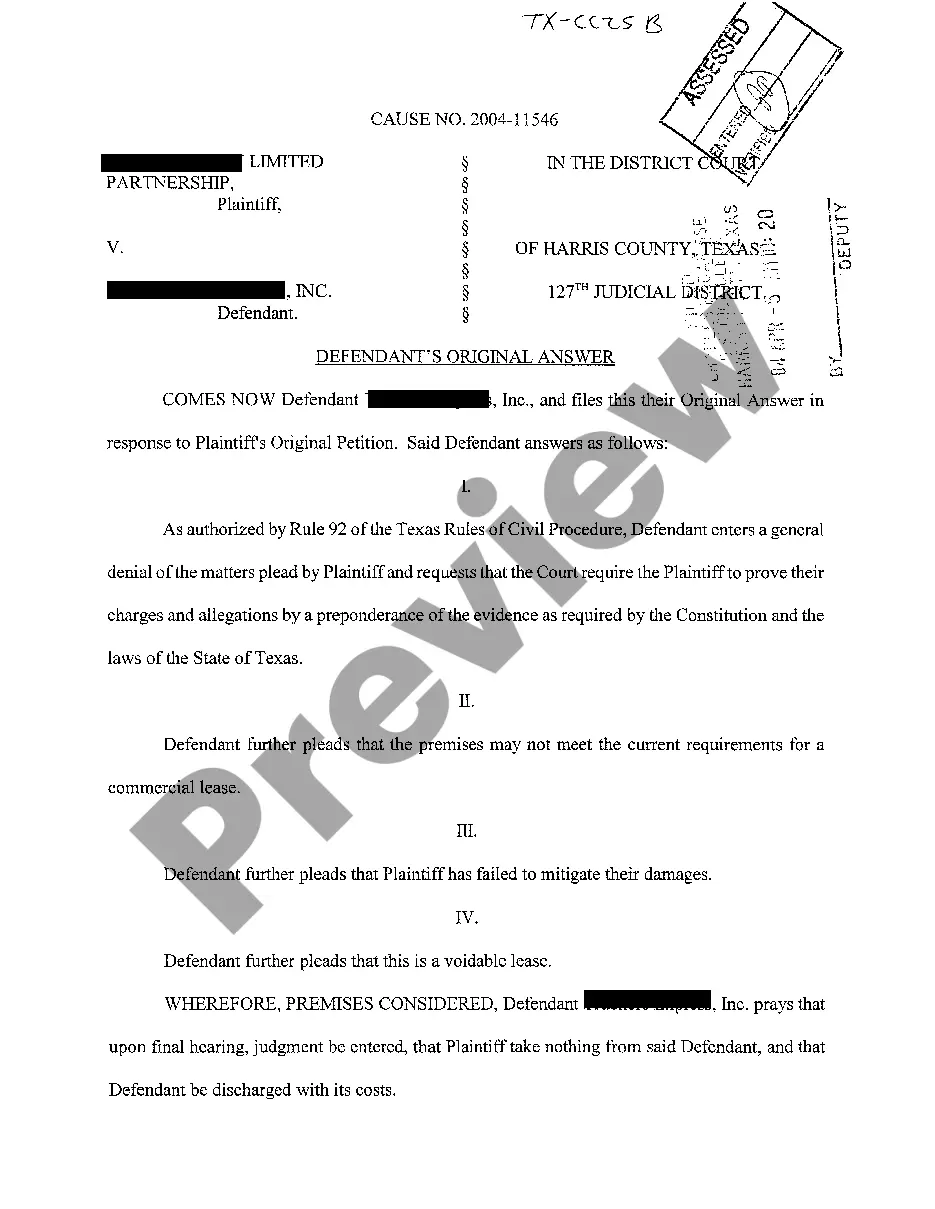
Texas Petition for Non-Disclosure of Criminal History Records
About this form
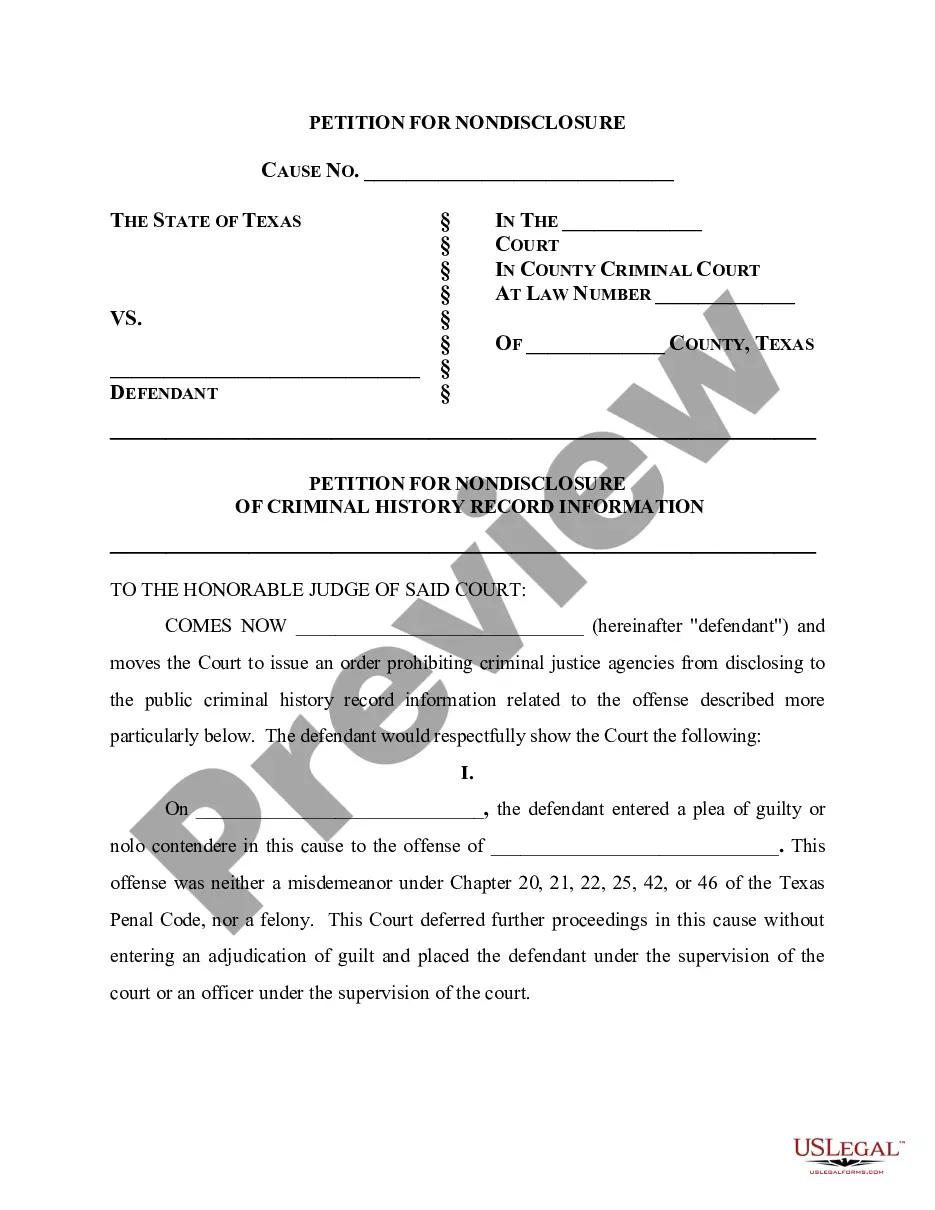
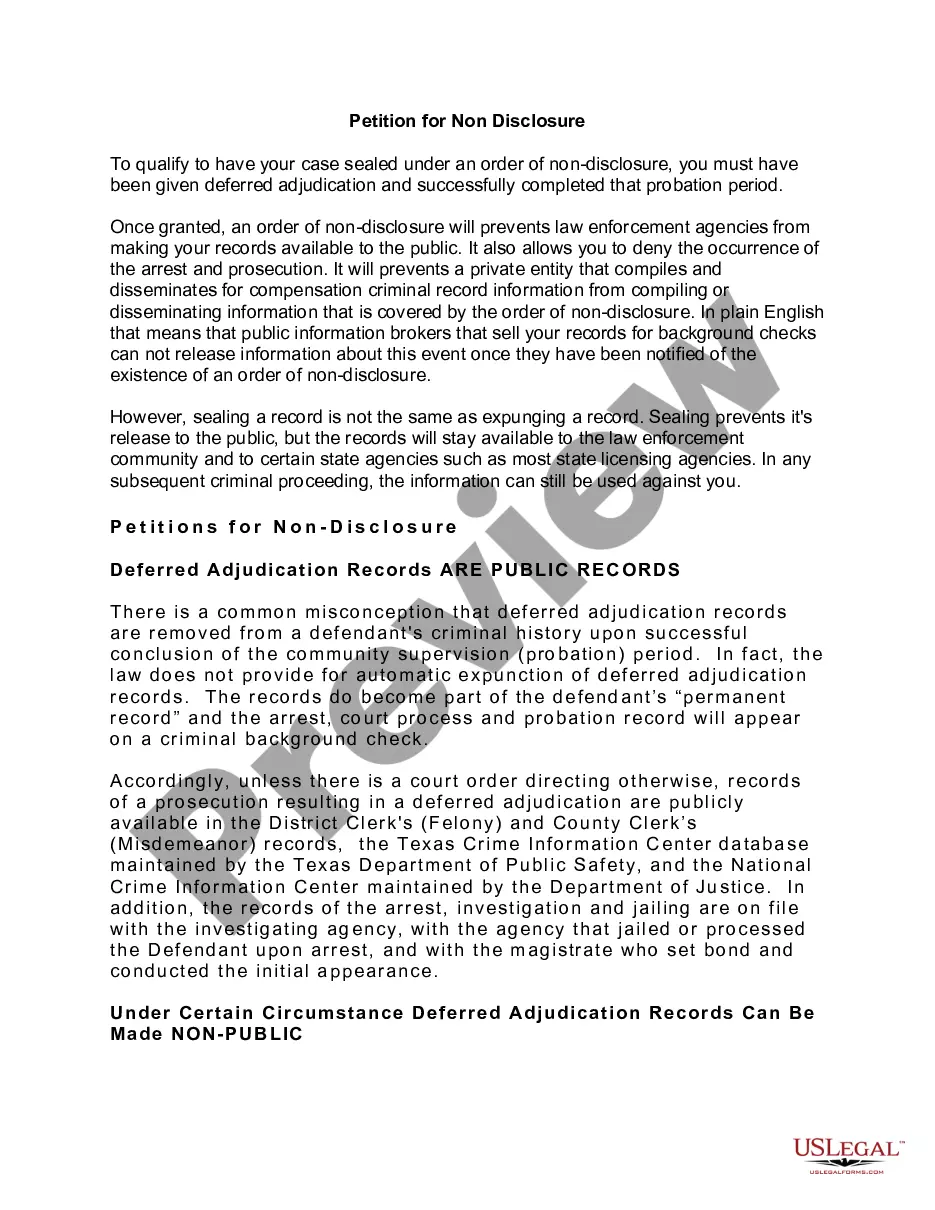
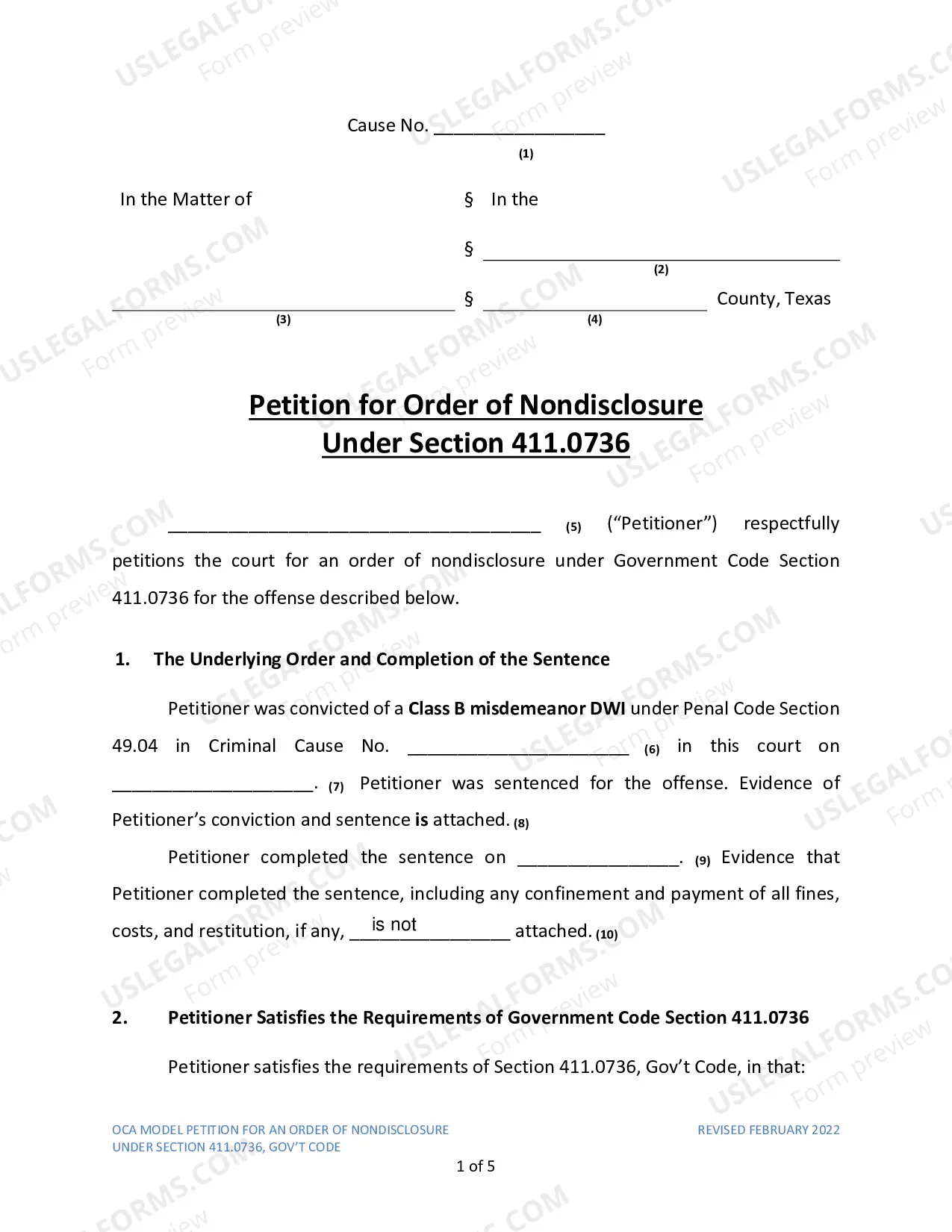
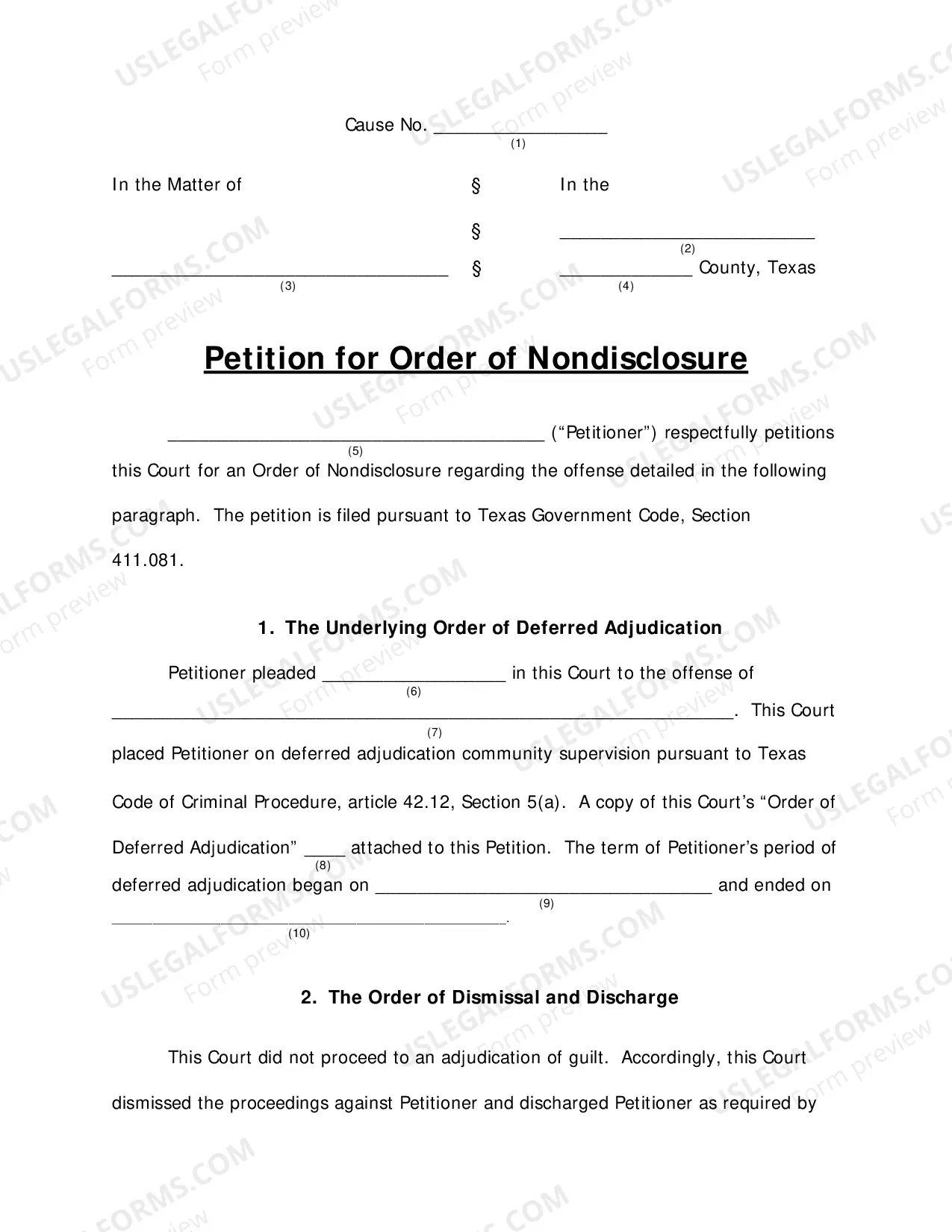
The Texas Petition for Non-Disclosure of Criminal History Records is a legal document used to request an order preventing the disclosure of criminal history records after completing a deferred adjudication. This form is specifically for individuals who have successfully completed their court-ordered supervision and wish to keep their criminal history private, differentiating it from forms used for expungement which may involve different processes and criteria.
Key components of this form
- Cause number: Identification number for the case.
- Defendant information: Personal details of the individual requesting non-disclosure.
- Plea details: Information about the plea entered in the original case.
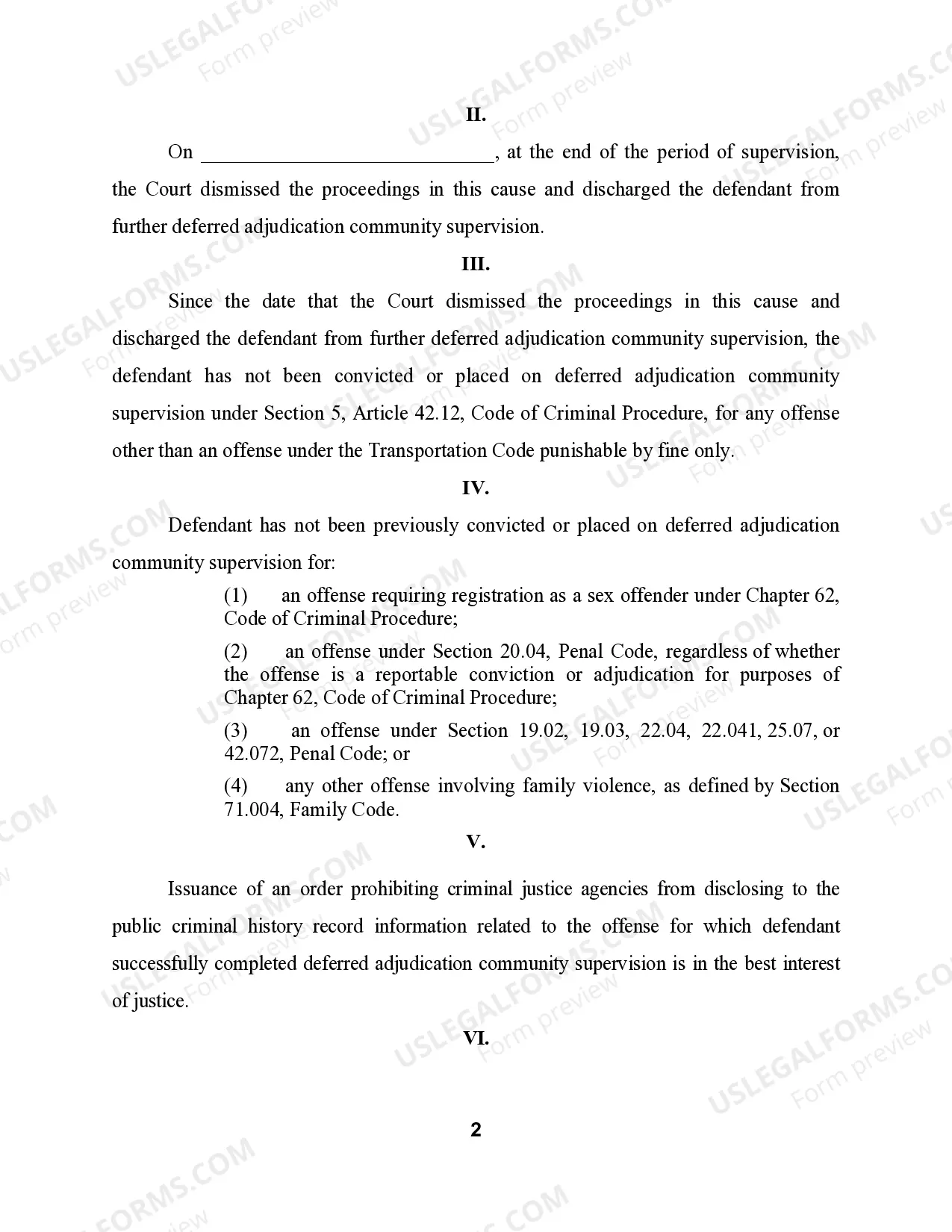
- Dismissal and discharge confirmation: Acknowledgment that the court dismissed the proceedings.
- Eligibility criteria: Confirmation of convictions and eligibility for non-disclosure.
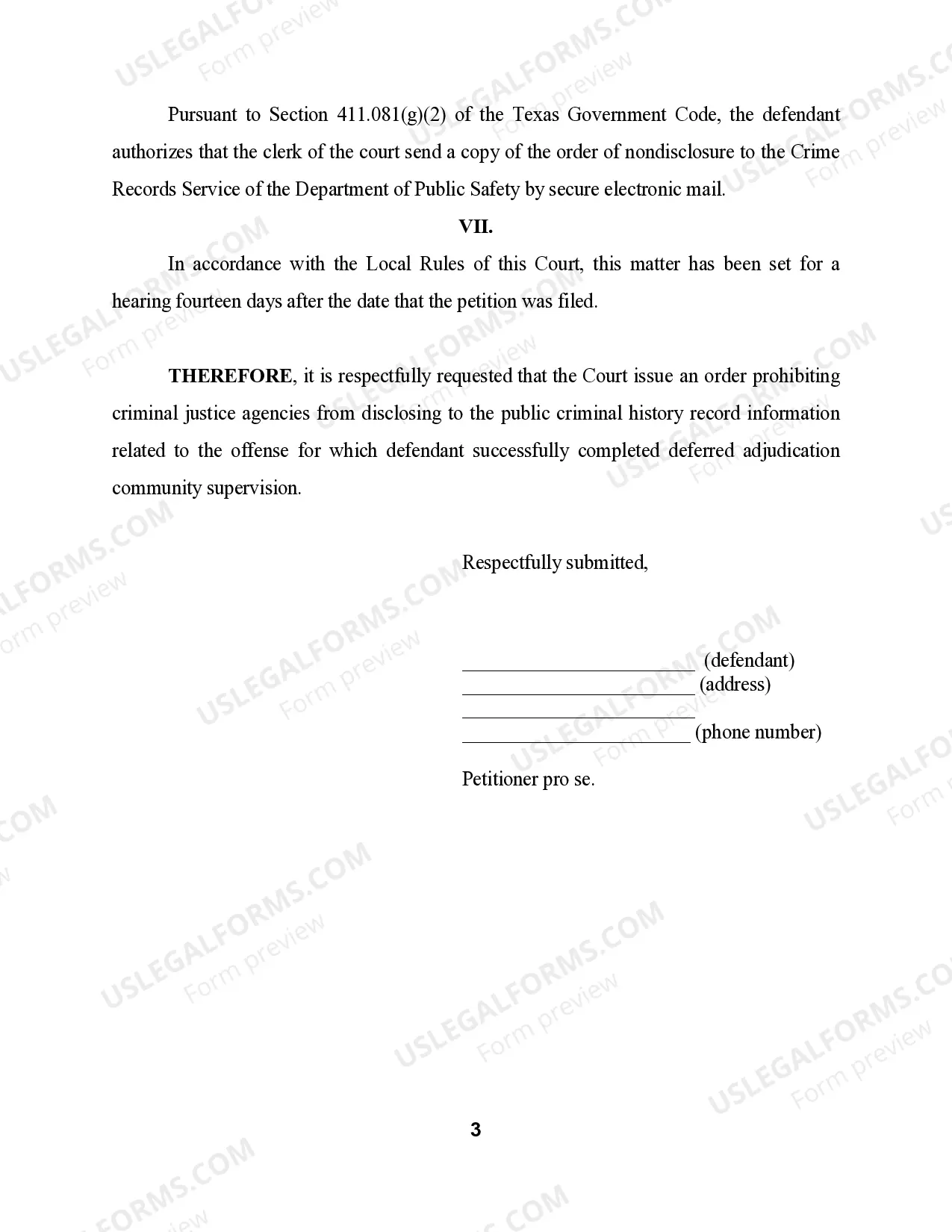
- Request for court order: Formal request for the court to issue an order of non-disclosure.
When this form is needed
This form should be used when an individual in Texas has successfully completed deferred adjudication for a non-violent offense and does not wish their criminal history to be disclosed publicly. It is essential in scenarios where the individual seeks employment, housing, or professional licenses where a clean background check is favorable or required.
Intended users of this form
- Individuals who have completed deferred adjudication for a criminal charge.
- Defendants who have had their charges dismissed after successful supervision.
- People seeking to prevent public disclosure of their criminal history records for non-violent offenses.
- Those without a prior conviction that requires sex offender registration or is considered family violence.
How to prepare this document
- Identify the cause number and court details at the top of the petition.
- Provide personal information about the defendant, including name and address.
- Document the original plea entered and the details of the offense.
- Confirm the completion of deferred adjudication and any relevant discharge information.
- Include the request for non-disclosure and sign the petition.
Notarization guidance
In most cases, this form does not require notarization. However, some jurisdictions or signing circumstances might. US Legal Forms offers online notarization powered by Notarize, accessible 24/7 for a quick, remote process.
Get your form ready online
Our built-in tools help you complete, sign, share, and store your documents in one place.
Make edits, fill in missing information, and update formatting in US Legal Forms—just like you would in MS Word.
Download a copy, print it, send it by email, or mail it via USPS—whatever works best for your next step.
Sign and collect signatures with our SignNow integration. Send to multiple recipients, set reminders, and more. Go Premium to unlock E-Sign.
If this form requires notarization, complete it online through a secure video call—no need to meet a notary in person or wait for an appointment.
We protect your documents and personal data by following strict security and privacy standards.

Make edits, fill in missing information, and update formatting in US Legal Forms—just like you would in MS Word.

Download a copy, print it, send it by email, or mail it via USPS—whatever works best for your next step.

Sign and collect signatures with our SignNow integration. Send to multiple recipients, set reminders, and more. Go Premium to unlock E-Sign.

If this form requires notarization, complete it online through a secure video call—no need to meet a notary in person or wait for an appointment.

We protect your documents and personal data by following strict security and privacy standards.
Mistakes to watch out for
- Failing to include the cause number or correct court information.
- Not confirming eligibility criteria, leading to potential rejection of the petition.
- Inaccurate or incomplete personal information.
- Neglecting to sign the petition or provide contact information.
Benefits of using this form online
- Convenience of completing the form from anywhere, eliminating the need for paper forms.
- Editability allows for easy corrections or updates before submission.
- Access to forms that are compliant with current Texas laws.
- Secure downloading of forms ensures personal information is protected.
Legal use & context
Filing this petition does not guarantee approval, as the court will consider various factors before issuing a non-disclosure order. It is essential to have completed all terms of your deferred adjudication and have no disqualifying offenses to increase your chances of success.
What to keep in mind
- This form is essential for individuals in Texas seeking non-disclosure of their criminal history after deferred adjudication.
- Completion of the form requires accuracy regarding personal legal details and previous convictions.
- Understanding local judicial procedures enhances the effectiveness of the petition process.
Looking for another form?


Form popularity
FAQ
In most instances, it takes about 30 days to schedule a hearing date after the petition for expunction is filed. The entire process usually takes from four to six weeks. If the court grants an expungement, it usually takes up to 180 days for local, state, and federal agencies to destroy their records.
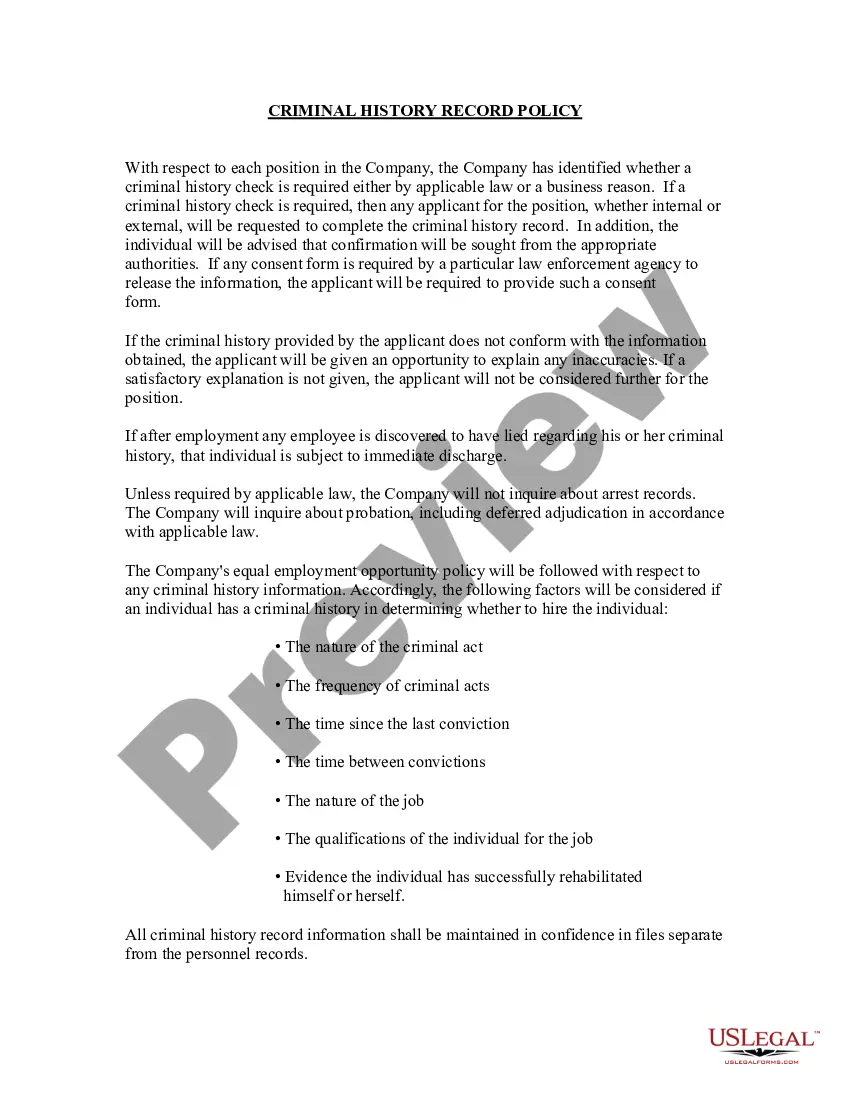
If you have been given deferred adjudication, then a judge has not technically found you guilty.Deferred adjudications will normally show up on your criminal background check. Employers will be able to see the crime you were charged with and the plea you entered at the time of judgment.
Deferred adjudication is a type of probation or, as it is called in Texas, community supervision. With deferred adjudication, your case will be dismissed and you may have your criminal record sealed from private entities.
The timeframe for receiving an expunction is (1) at least 180 days from the date of the arrest for an offense punish- able as a Class C misdemeanor, (2) at least one year from the date of the arrest for an offense punishable as a Class B or A misdemeanor, or (3) at least three years have elapsed for an offense
Violation when on deferred adjudication may result in maximum punishment. For example, if a crime attracts 2 to 5 years of imprisonment, the court may punish the violation with 5 years of jail. But in the case of straight probation, the defendant makes a plea for a 3-year sentence and is probated for 6 years.
How do I obtain an Order of Nondisclosure? In order to obtain an order of nondisclosure, you must first file a petition for an order of nondisclosure with the proper court. The petition is to be filed with the clerk of the court that handled the offense for which you were placed on deferred adjudication.
Deferred Adjudication does not disappear if the terms are successfully completed. Rather, one must file a petition for Non-Disclosure to seal the record. Some offenses are not even eligible for non-disclosure.
However, a record of the deferred-adjudication disposition will stay, absent a request for nondisclosure, on a defendant's record indefinitely. There will still be a public record of the fact that the defendant was charged with the underlying offense, even though a conviction was never entered.
You can get deferred no more than 325 times.