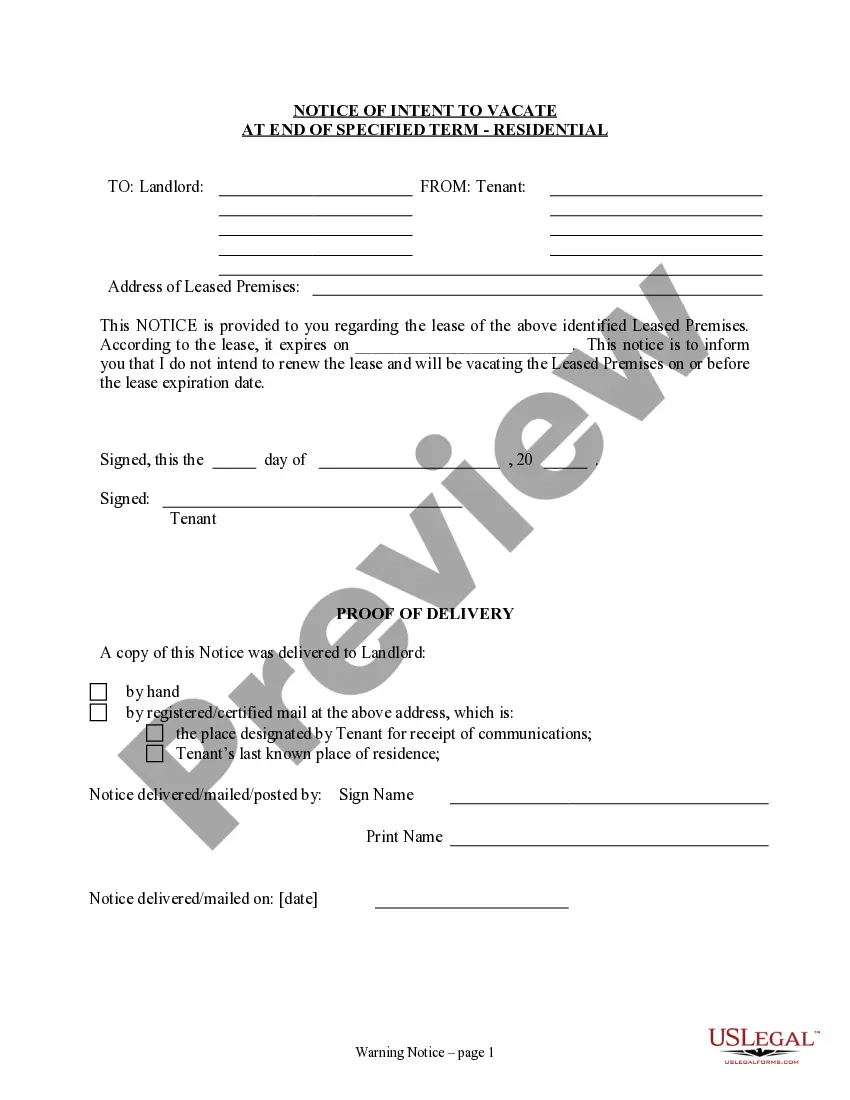
North Carolina Notice of Intent to Vacate at End of Specified Lease Term from Tenant to Landlord for Residential Property
Description
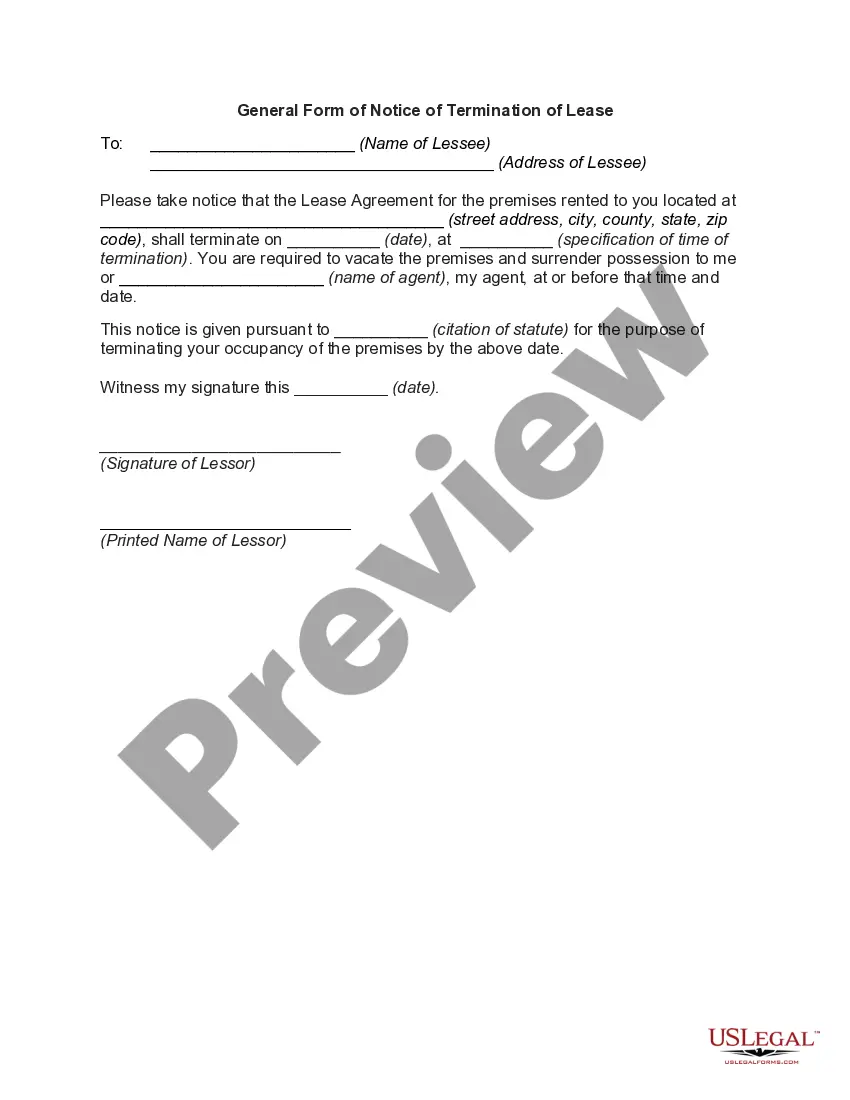
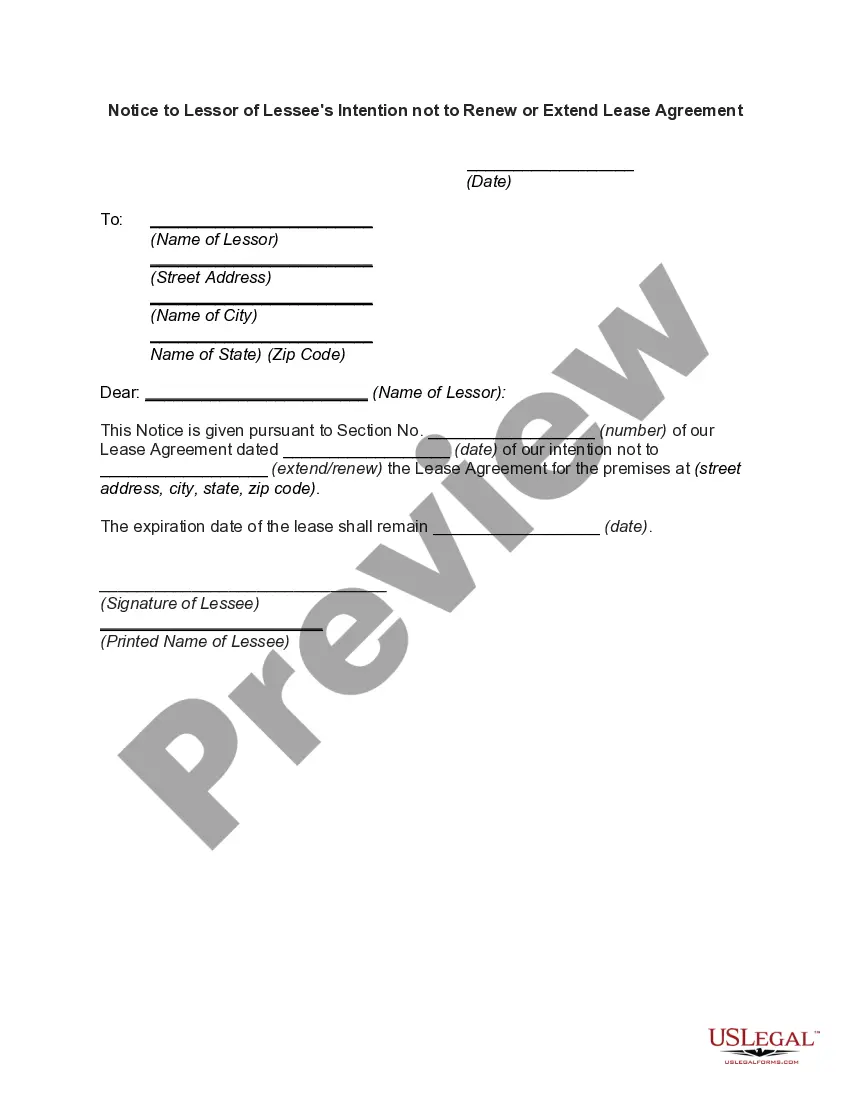
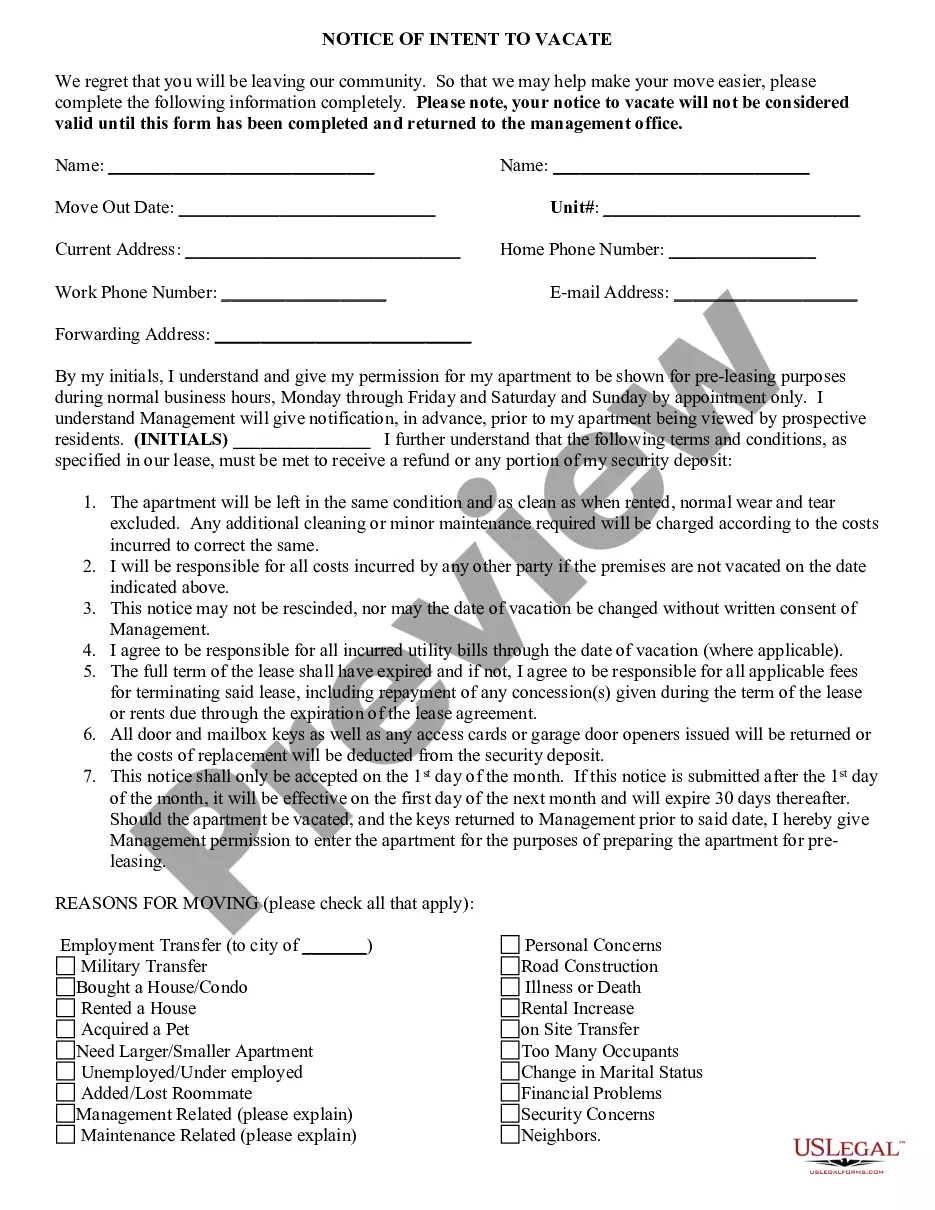
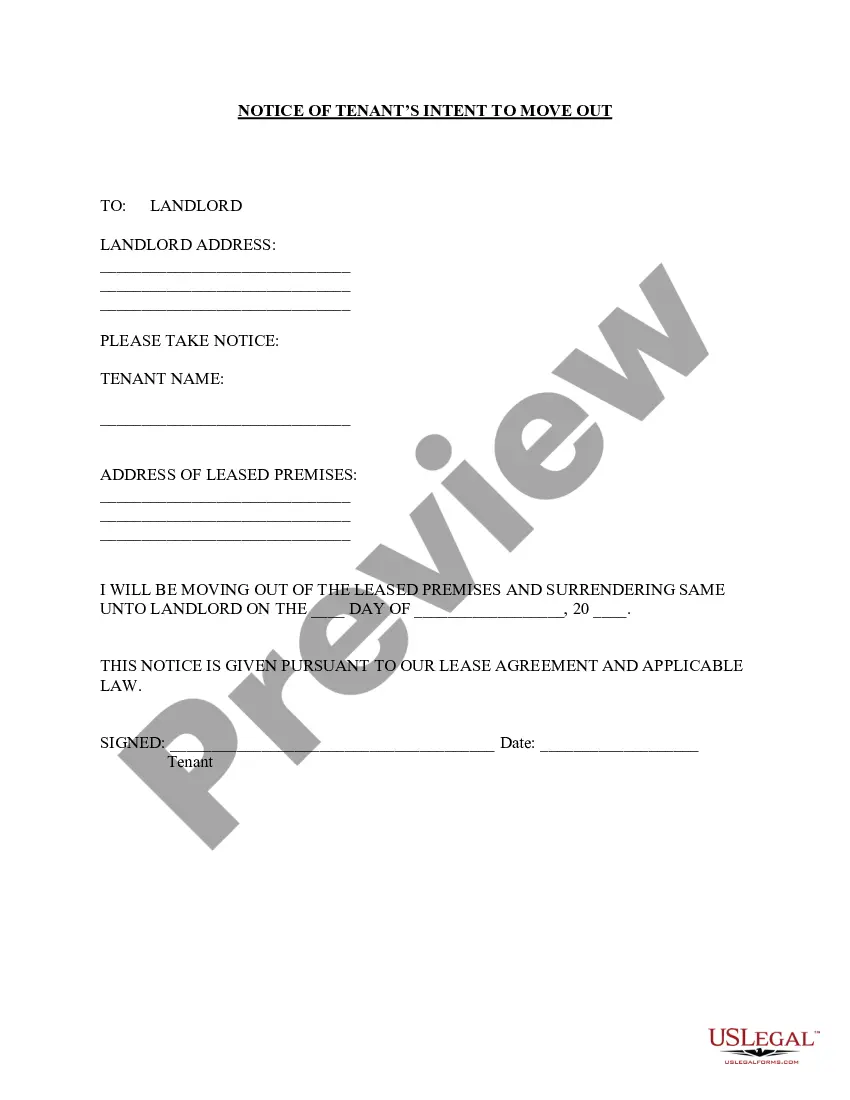
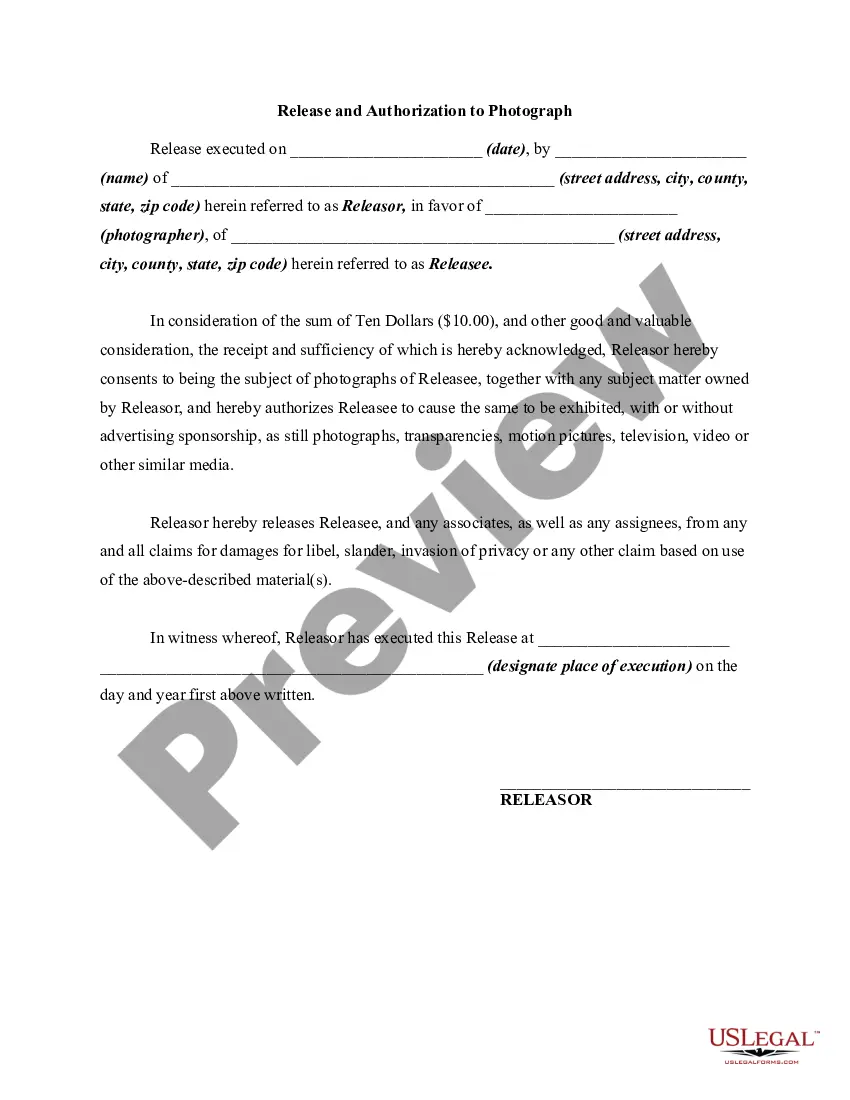
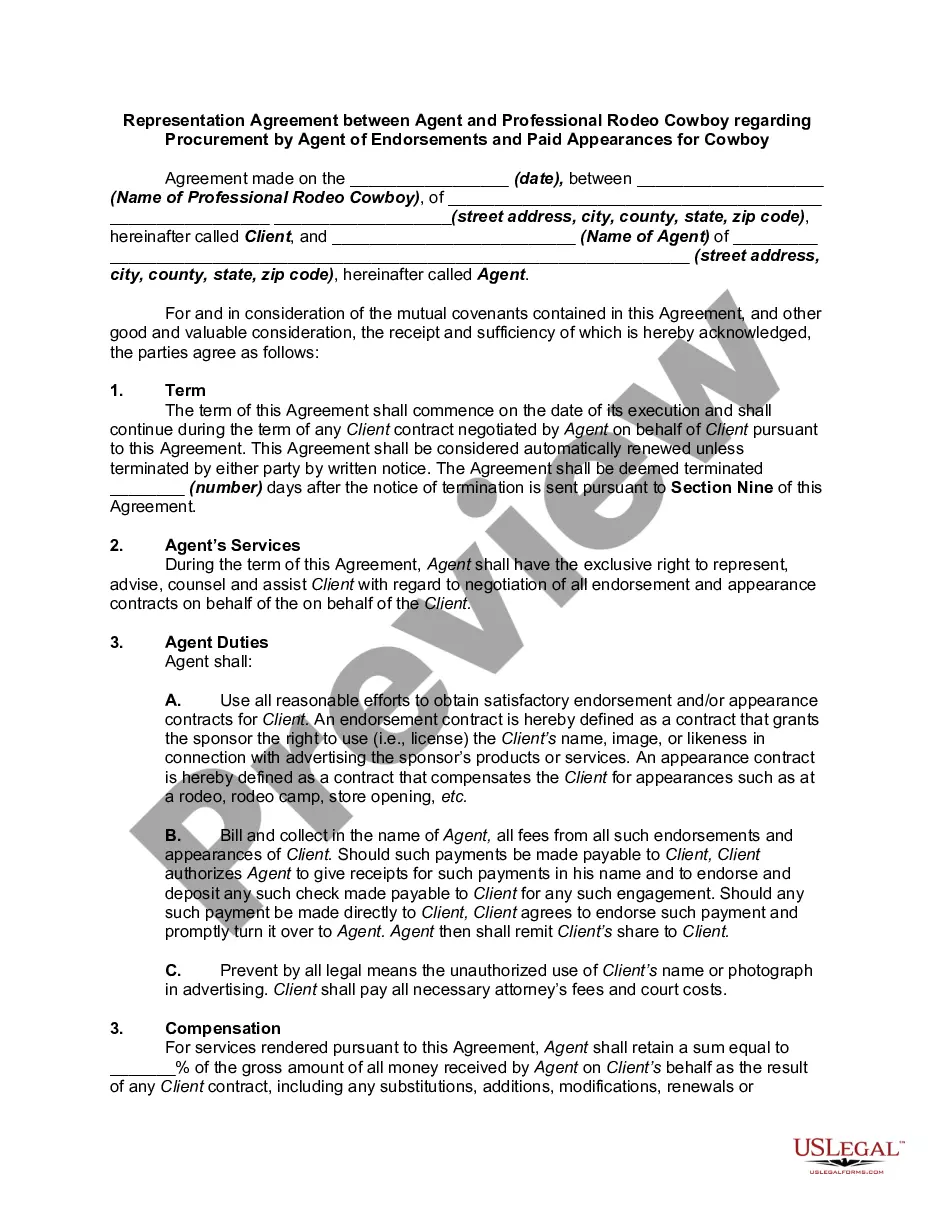
How to fill out North Carolina Notice Of Intent To Vacate At End Of Specified Lease Term From Tenant To Landlord For Residential Property?
Avoid expensive lawyers and find the North Carolina Notice of Intent to Vacate at End of Specified Lease Term from Tenant to Landlord for Residential Property you need at a reasonable price on the US Legal Forms site. Use our simple categories functionality to find and obtain legal and tax files. Read their descriptions and preview them well before downloading. Additionally, US Legal Forms enables users with step-by-step instructions on how to download and fill out each and every template.
US Legal Forms subscribers merely must log in and download the particular form they need to their My Forms tab. Those, who haven’t obtained a subscription yet must follow the tips listed below:
- Make sure the North Carolina Notice of Intent to Vacate at End of Specified Lease Term from Tenant to Landlord for Residential Property is eligible for use in your state.
- If available, read the description and make use of the Preview option well before downloading the sample.
- If you are confident the template suits you, click Buy Now.
- In case the template is incorrect, use the search field to get the right one.
- Next, create your account and select a subscription plan.
- Pay by card or PayPal.
- Select obtain the form in PDF or DOCX.
- Click on Download and find your template in the My Forms tab. Feel free to save the template to your gadget or print it out.
Right after downloading, you may complete the North Carolina Notice of Intent to Vacate at End of Specified Lease Term from Tenant to Landlord for Residential Property by hand or by using an editing software. Print it out and reuse the template multiple times. Do more for less with US Legal Forms!
Form popularity
FAQ
Notice Requirements for North Carolina Landlords A landlord can simply give you a written notice to move, allowing you seven days as required by North Carolina law and specifying the date on which your tenancy will end.
Dear (Name of landlord or manager), This letter constitutes my written (number of days' notice that you need to give based on your lease agreement)-day notice that I will be moving out of my apartment on (date), the end of my current lease. I am leaving because (new job, rent increase, etc.)
A landlord can simply give you a written notice to move, allowing you 30 days (60 days if you've lived in the rental a year or more) as required by California law and specifying the date on which your tenancy will end.
Explain the Situation Tell your tenant in straightforward terms what the problem is, and explain that they cannot stay on the property any longer. Describe the Consequences Calmly explain that they will be evicted with necessary court orders if they remain on the property.
A termination notice has to give the tenant 14 clear days before the tenant has to leave the residential premises. The day the notice is served on the tenant and the day the tenant moves out do not count as part of the 14 days.
A holdover tenant is a tenant who stays in the rental unit after the lease expires. If the tenant continues to pay rent, the tenancy essentially becomes a month-to-month tenancy. A holdover tenant is legally allowed to stay in the rental unit as long as the landlord takes no action to remove them.
At-will tenancy is subject to the will of both the tenant and the landlord (hence the name). In other words, the tenant can choose to leave and stop paying rent at any time, and the landlord can choose to stop accepting rent and ask the tenant to leave at any time.
Your landlord or their representatives may be allowed reasonable access to carry out inspections or repairs, but must first get your permission. According to Section 11, from The Landlord and Tenant Act 1985, your landlord needs to give you at least 24 hour notice before they come around and visit for any reason.
Simply put, this notice allows the tenant a maximum period of ten days to either pay rent due or vacate the NC premises. If the tenant fails to pay rent within this time frame, you can go ahead and file an eviction lawsuit against them.