North Carolina Quitclaim Deed from Individual to Two (2) Individuals / Husband and Wife
Overview of this form
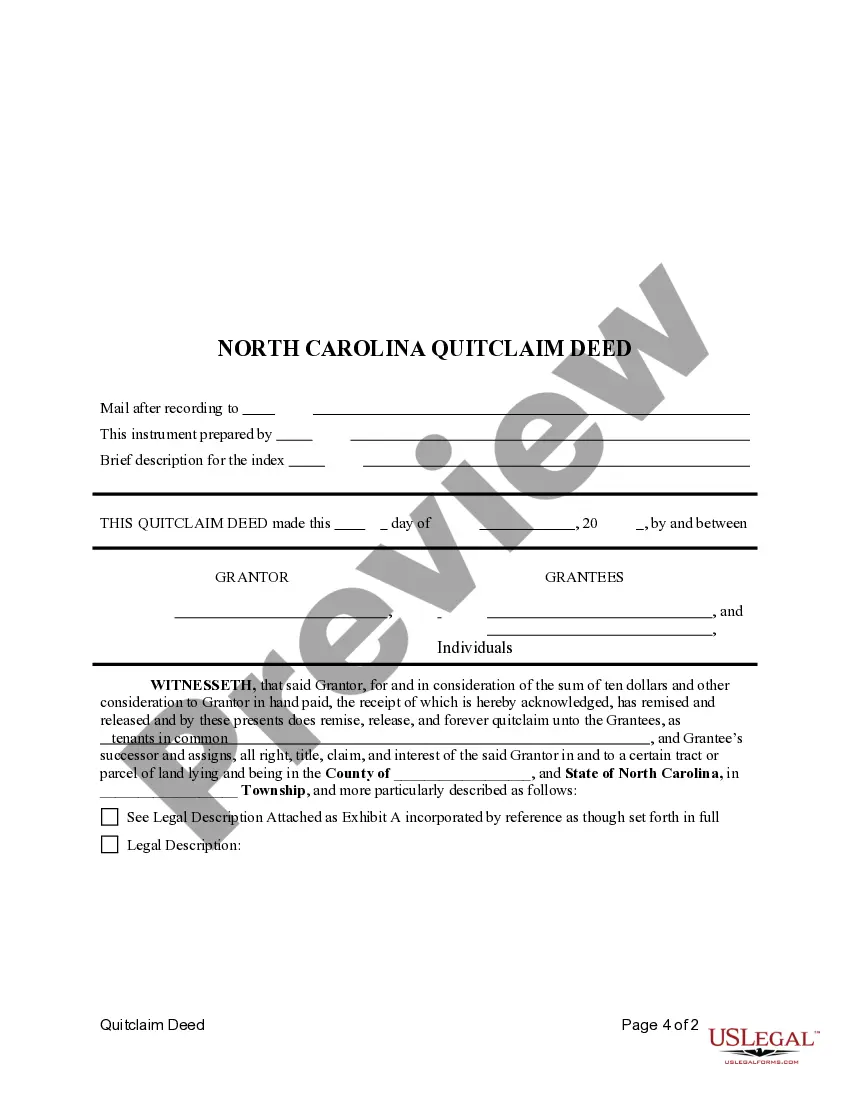
This Quitclaim Deed is a legal document that allows an individual (the Grantor) to transfer their interest in a property to two individuals or a husband and wife (the Grantees). This form is specifically designed to clarify the transfer of ownership while ensuring compliance with state laws. Unlike a Warranty Deed, a Quitclaim Deed does not provide any guarantees about the title of the property being conveyed, making it a simpler yet effective way to transfer property rights.
Form components explained
- Grantor information: details about the individual transferring the property.
- Grantees information: names and details of the two individuals or couple receiving the property.
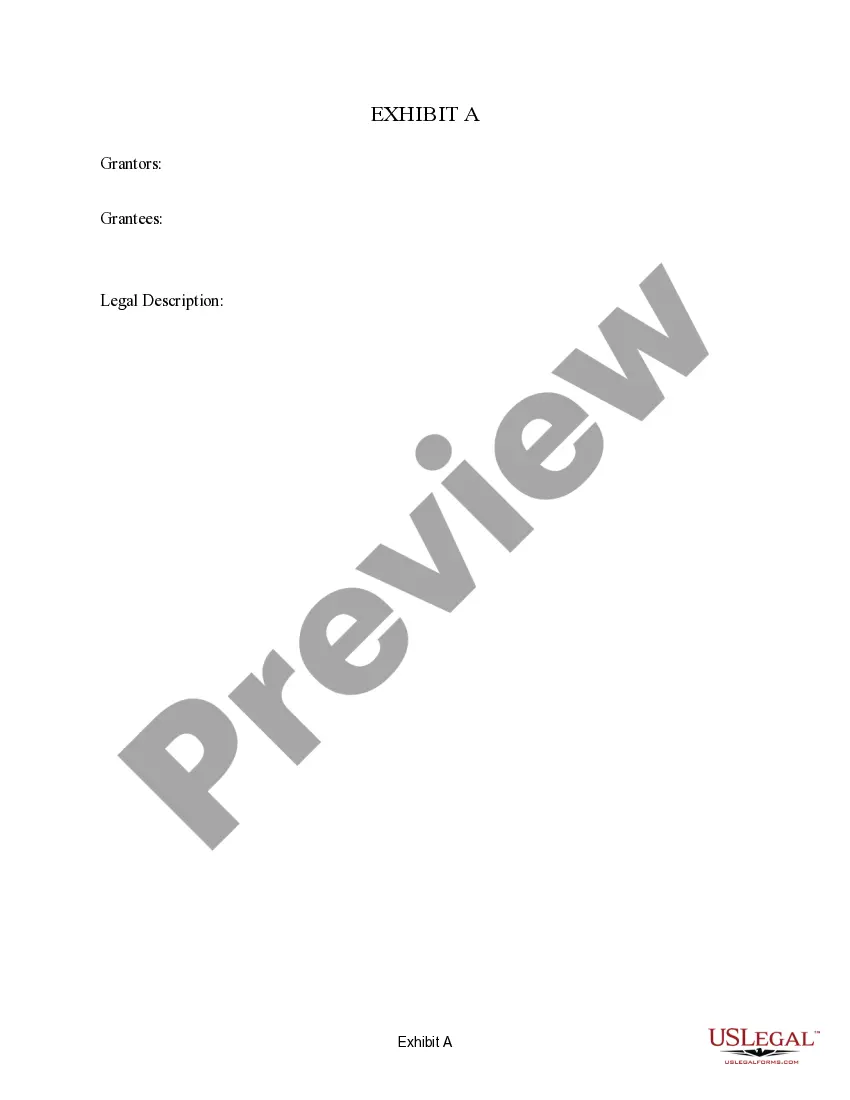
- Property description: clear identification of the property being transferred.
- Designation of ownership type: indicating how the Grantees will hold the property (e.g., as tenants in common or joint tenants).
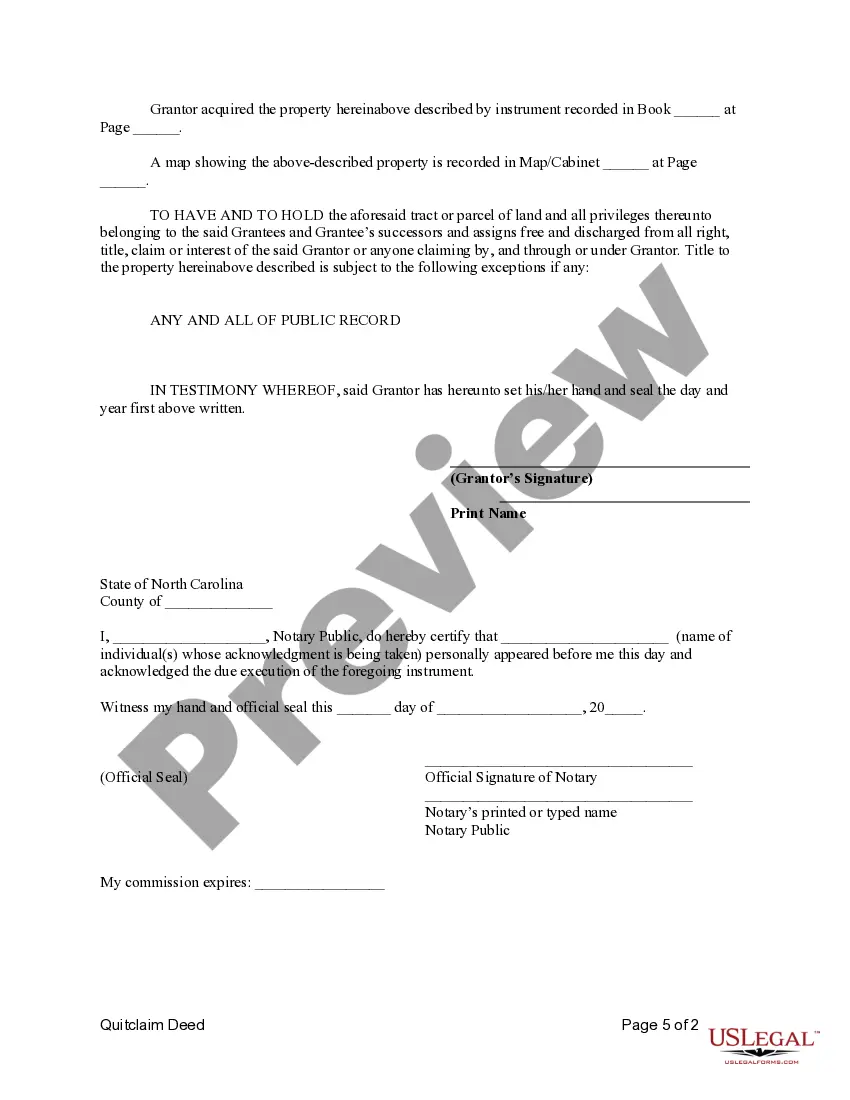
- Notarization section: space for the signature of a notary public to validate the deed.




When to use this document
This form is useful in various situations, including but not limited to transferring property between family members, simplifying the transfer of ownership between spouses, or clarifying ownership shares among co-owners. It is particularly beneficial when the Grantor wishes to relinquish their claims to a property without additional legal complexities.
Intended users of this form
Ideal users of this form:
- Individuals who want to transfer property ownership to two people or a married couple.
- Couples wishing to formalize their joint ownership of a property.
- Family members needing a simple way to convey property without warranties.
- Anyone involved in informal or private property ownership transfers.
Steps to complete this form
Steps to complete this form:
- Identify the Grantor: enter the name and contact information of the individual transferring the property.
- Specify the Grantees: list the names of the two individuals or husband and wife who will receive the property.
- Describe the property: provide a clear and accurate description of the property being transferred.
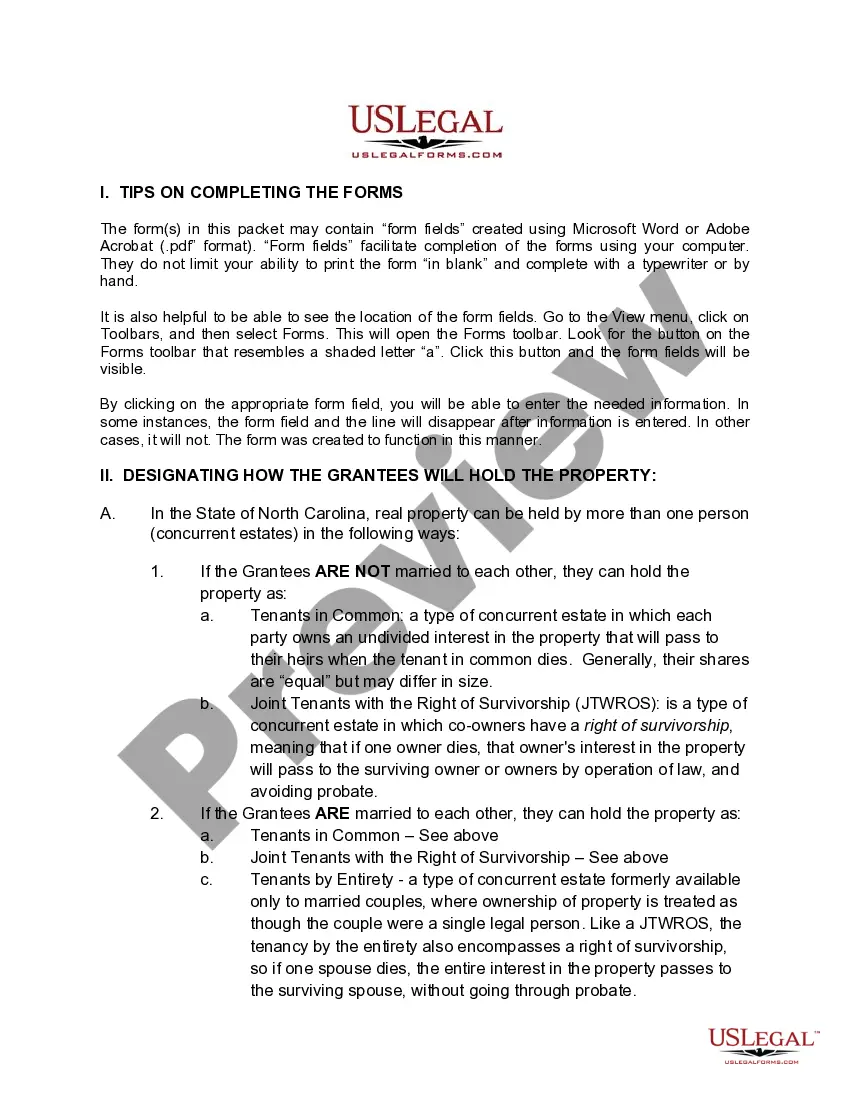
- Select the ownership type: indicate whether the Grantees will hold the property as tenants in common, joint tenants with the right of survivorship, or tenants by the entirety.
- Sign and notarize: the Grantor must sign the deed in the presence of a notary public to finalize the transfer.
Is notarization required?
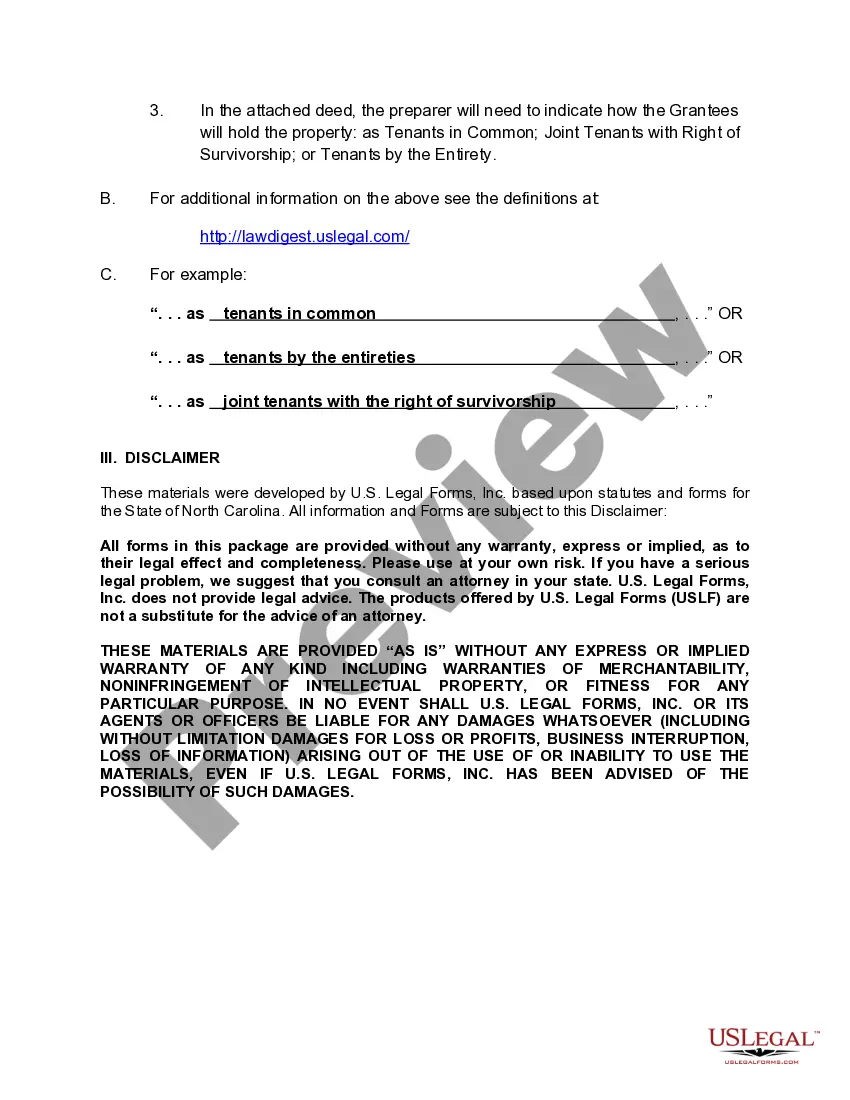
Yes, this form must be notarized to be legally valid. The Quitclaim Deed requires a signature from a notary public to confirm that the Grantor signed the document willingly and under their direction. U.S. Legal Forms offers a convenient online notarization service, allowing you to complete the process via secure video call, 24/7, without the need to travel.
Get your form ready online
Our built-in tools help you complete, sign, share, and store your documents in one place.
Make edits, fill in missing information, and update formatting in US Legal Forms—just like you would in MS Word.
Download a copy, print it, send it by email, or mail it via USPS—whatever works best for your next step.
Sign and collect signatures with our SignNow integration. Send to multiple recipients, set reminders, and more. Go Premium to unlock E-Sign.
If this form requires notarization, complete it online through a secure video call—no need to meet a notary in person or wait for an appointment.
We protect your documents and personal data by following strict security and privacy standards.

Make edits, fill in missing information, and update formatting in US Legal Forms—just like you would in MS Word.

Download a copy, print it, send it by email, or mail it via USPS—whatever works best for your next step.

Sign and collect signatures with our SignNow integration. Send to multiple recipients, set reminders, and more. Go Premium to unlock E-Sign.

If this form requires notarization, complete it online through a secure video call—no need to meet a notary in person or wait for an appointment.

We protect your documents and personal data by following strict security and privacy standards.
Common mistakes to avoid
- Failing to provide a complete property description can lead to legal issues.
- Not specifying how the Grantees will hold the property may cause confusion about ownership rights.
- Omitting the notarization step, which is necessary for the form's validity in many places.
- Using outdated or incorrect form versions may result in non-compliance with state laws.
Why use this form online
- Convenient access to customizable legal forms that can be easily downloaded and filled out.
- Ability to complete the form digitally, saving time and effort compared to traditional paper forms.
- Your information is securely retained, ensuring privacy and ease of access.
- Availability of legal forms drafted by licensed attorneys, enhancing reliability.
Summary of main points
- The Quitclaim Deed is a straightforward way to transfer property interests between parties.
- Properly specifying the holding structure for Grantees is crucial for future property rights.
- Notarization is required for the deed to be valid.
- Always consult with an attorney for complex transactions or additional local requirements.
- Grantor: The individual transferring their interest in the property.
- Grantee: The individual or individuals receiving the property.
- Tenants in Common: A form of property co-ownership where each party holds an individual interest that can be transferred to heirs.
- Joint Tenants with Right of Survivorship: A co-ownership arrangement where, upon the death of one owner, their interest automatically transfers to the surviving owner(s).
- Tenants by the Entirety: A form of joint ownership available only to married couples, allowing property to transfer automatically to the surviving spouse after one partner's death.
Looking for another form?
Form popularity
FAQ
Fill out the quit claim deed form, which can be obtained online, or write your own using the form as a guide. The person giving up the interest in the property is the grantor, and the person receiving the interest is the grantee.
To use a Quitclaim Deed to add someone to a property deed or title, you would need to create a Quitclaim Deed and list all of the current owners in the grantor section. In the grantee section, you would list all of the current owners as well as the person you would like to add.
There will be a $30 recording fee. If you prepare a quitclaim deed using the Do-It-Yourself Quitclaim Deed (after Divorce) tool, detailed instructions on what to do next will print out along with the deed.
In California, all property bought during the marriage with income that was earned during the marriage is deemed "community property." The law implies that both spouses own this property equally, regardless of which name is on the title deed.
Before adding your spouse to the deed, speak with your attorney. The easiest way to grant your spouse title to your home is via a quitclaim deed (Californians generally use an interspousal grant deed). With a quitclaim deed, you can name your spouse as the property's joint owner.
The Quit Claim Deed form uses the terms of Grantor (Seller or Owner of said property) and Grantee (Buyer of said property) for the two parties involved. First, the parties must fill in the date. Then, write in the name of the county and state in which the property is located.
A person who signs a quitclaim deed to transfer property they do not own results in no title at all being transferred since there is no actual ownership interest. The quitclaim deed only transfers the type of title you own.
But you might be wondering if an owner can transfer a deed to another person without a real estate lawyer. The answer is yes. Parties to a transaction are always free to prepare their own deeds.A quitclaim deed, for example, is far simpler than a warranty deed.