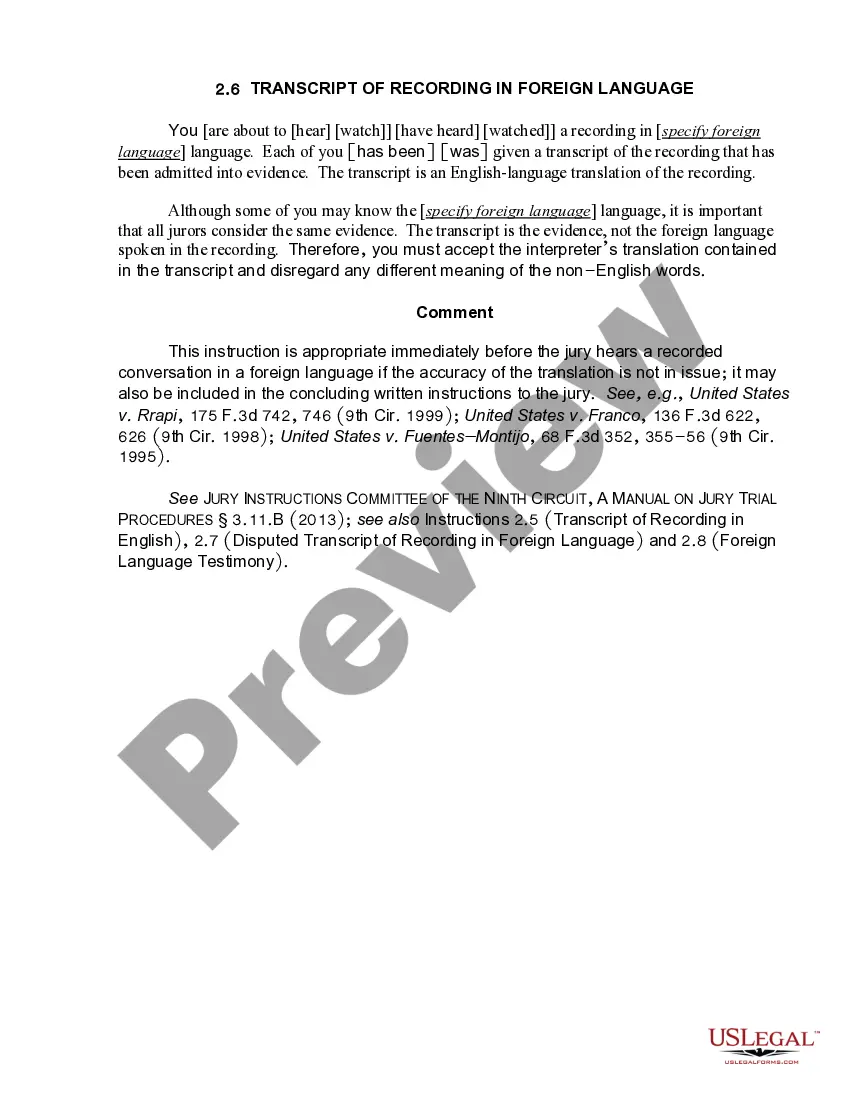
Montana Trademark License Agreement for use in Educational Market
Description
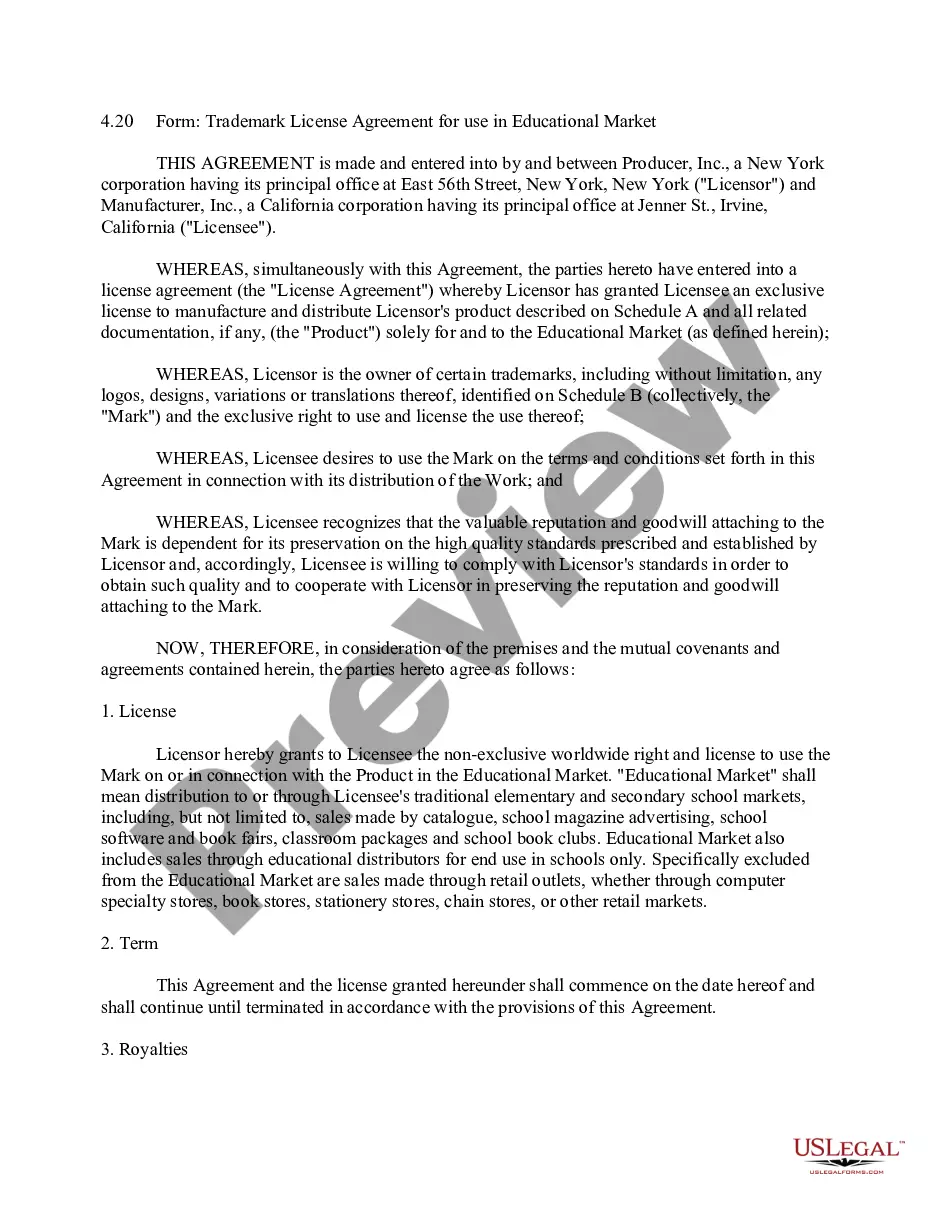
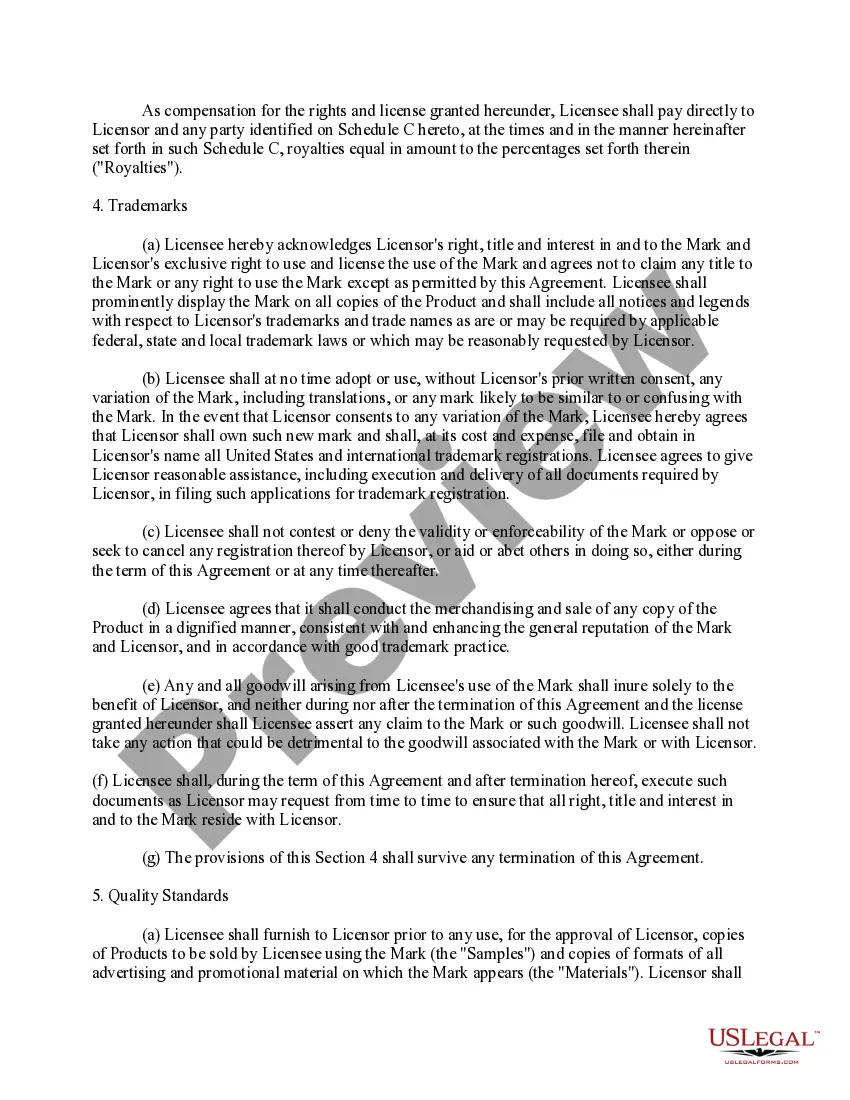
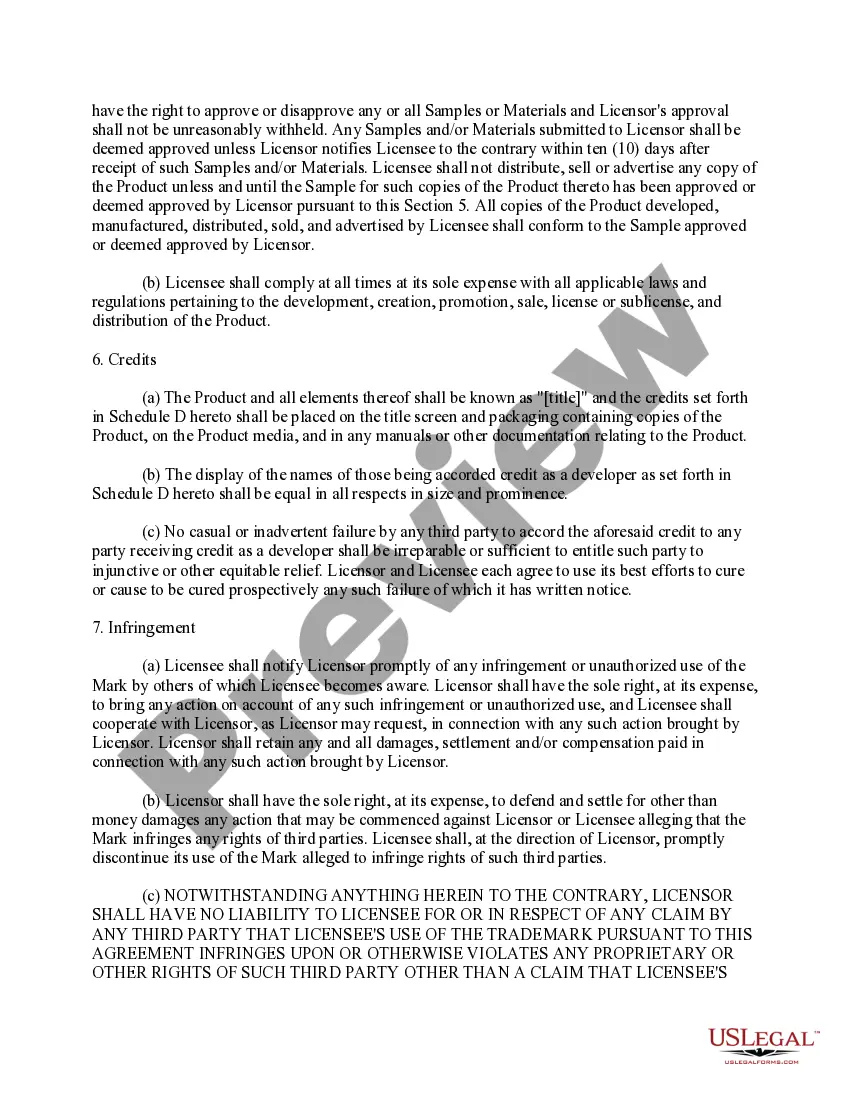
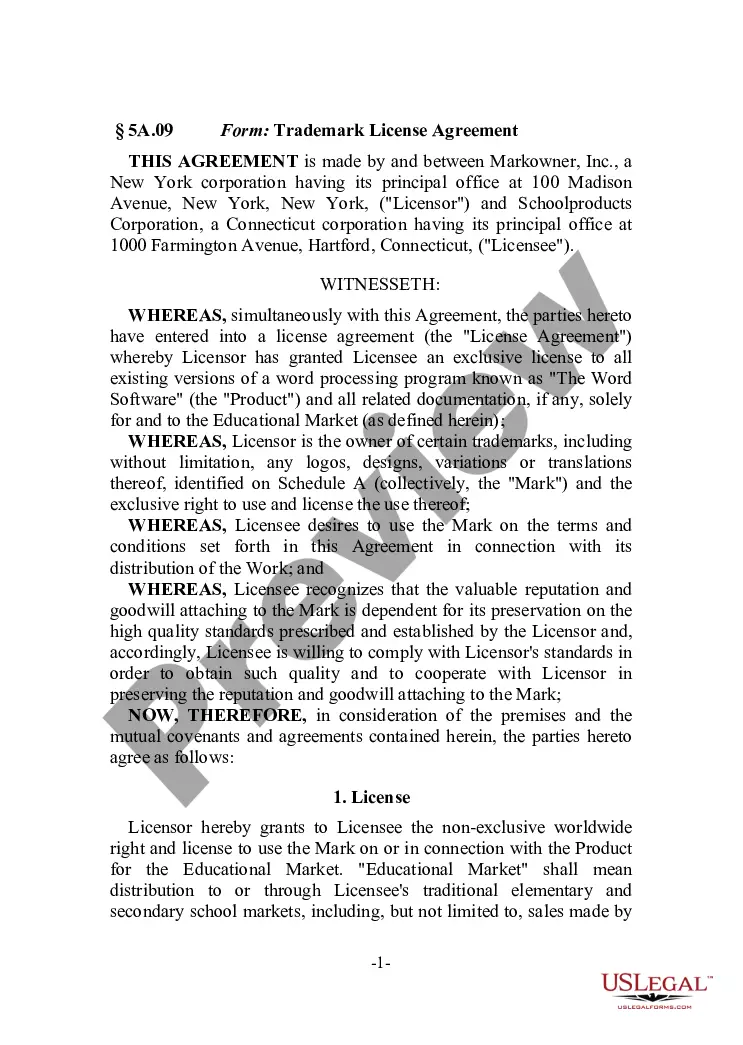
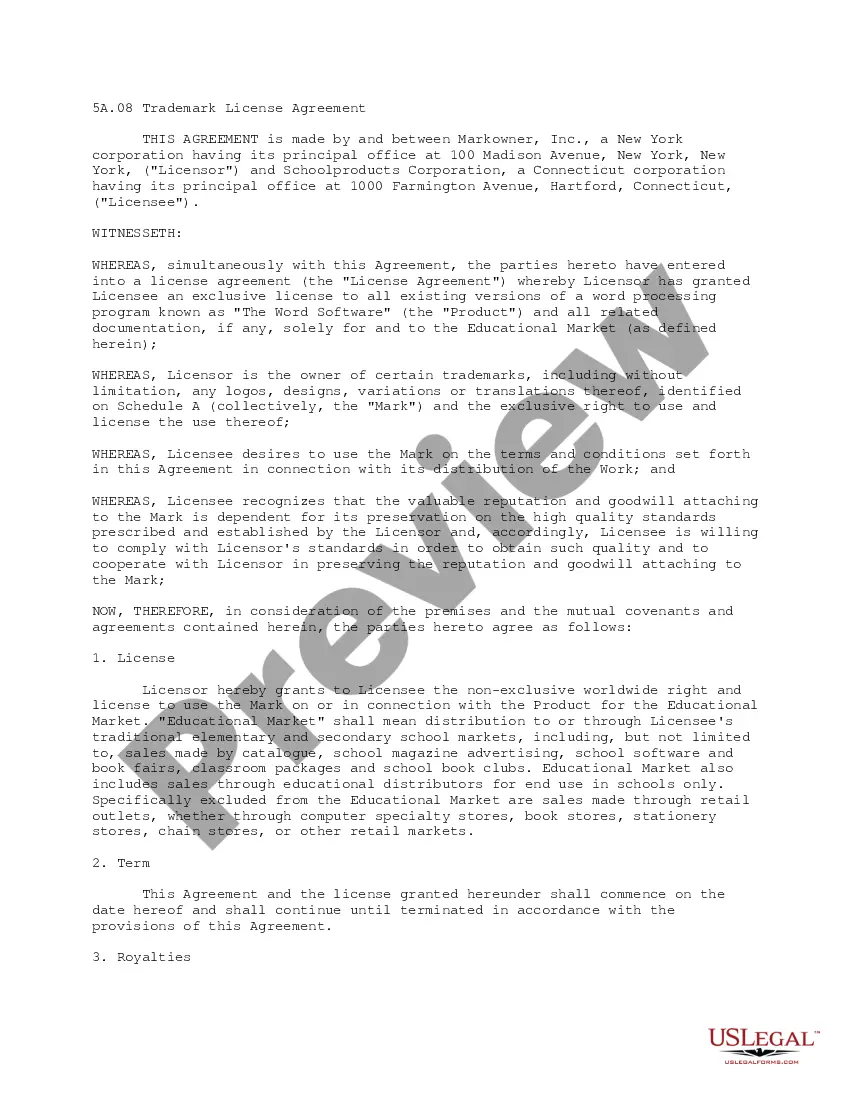
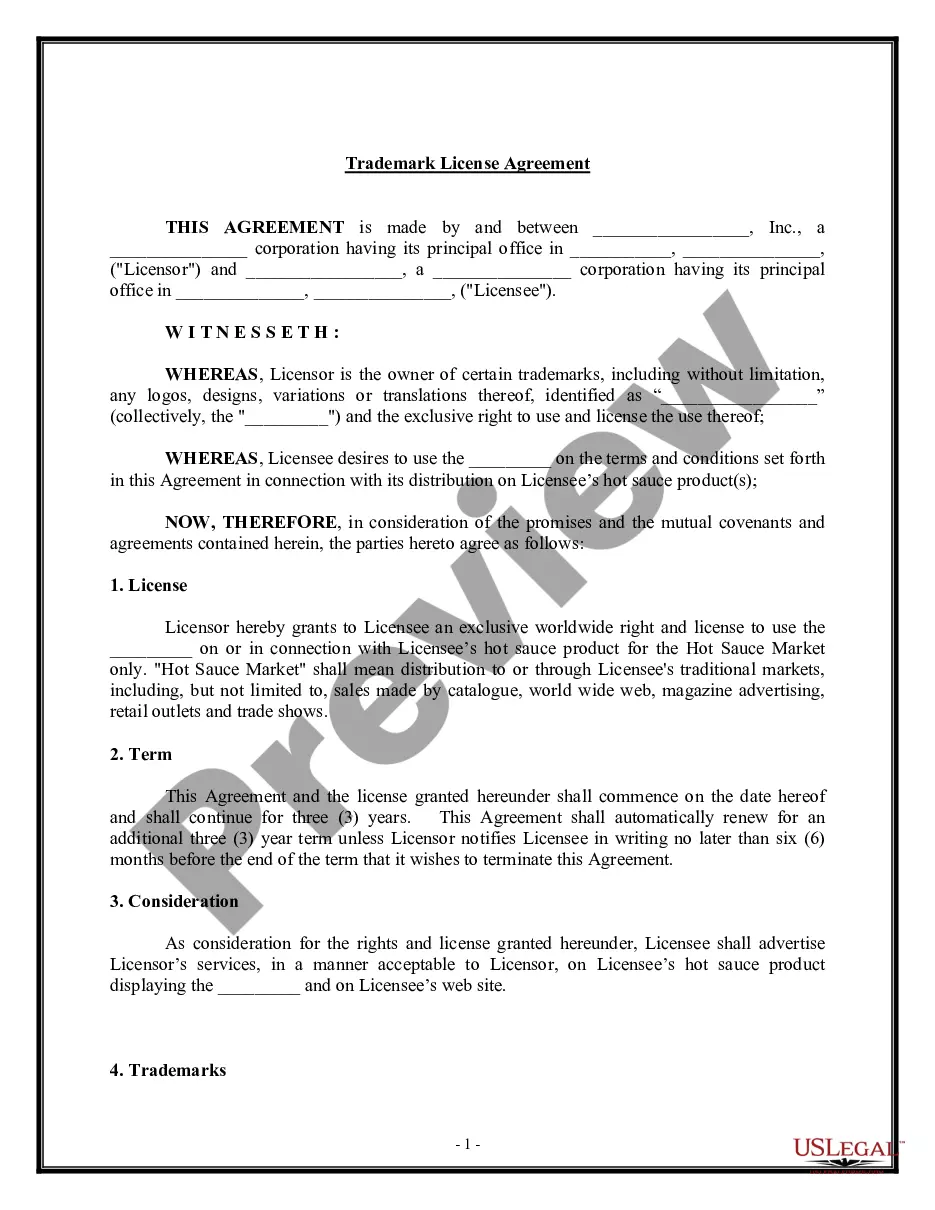
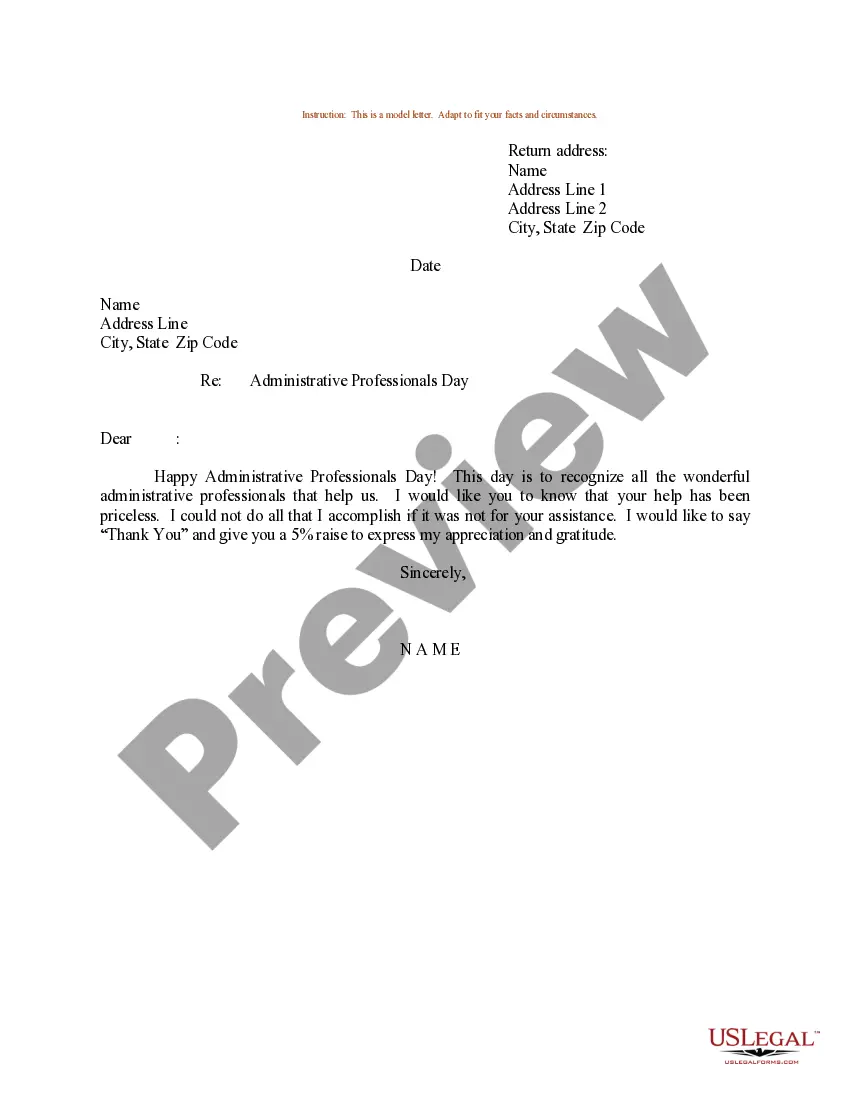
How to fill out Trademark License Agreement For Use In Educational Market?
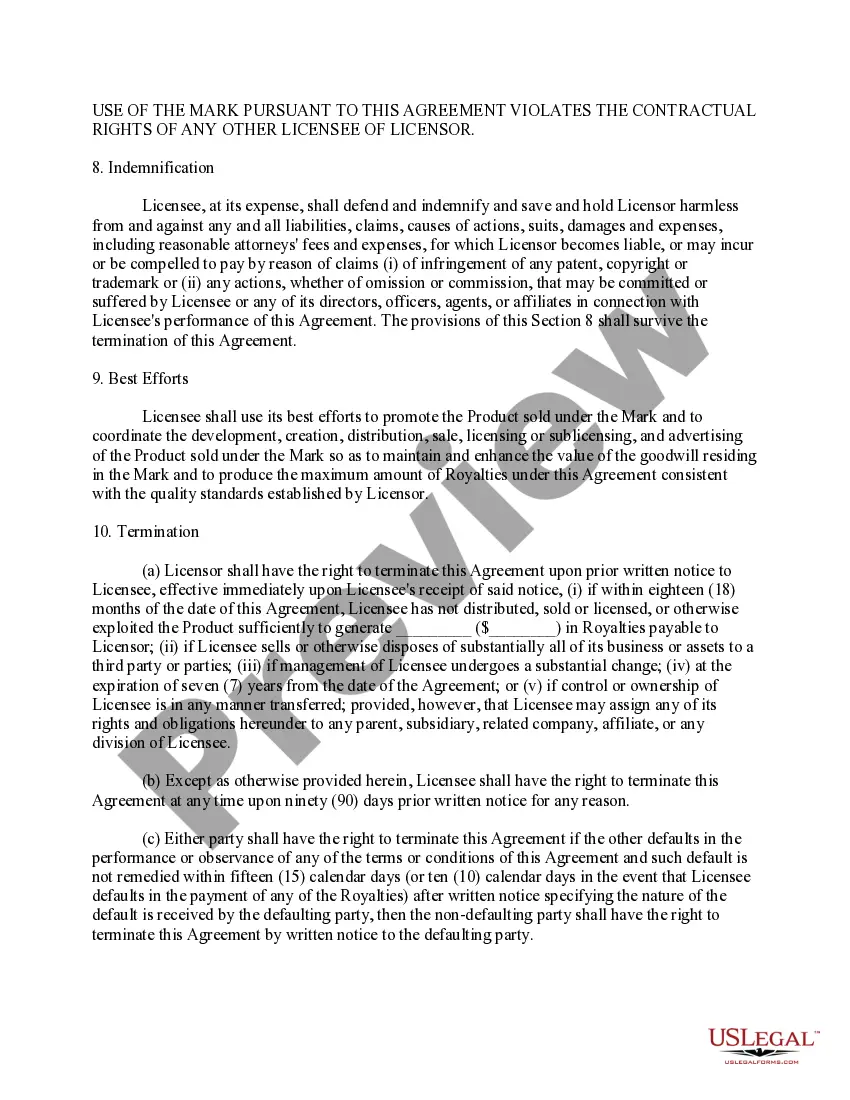
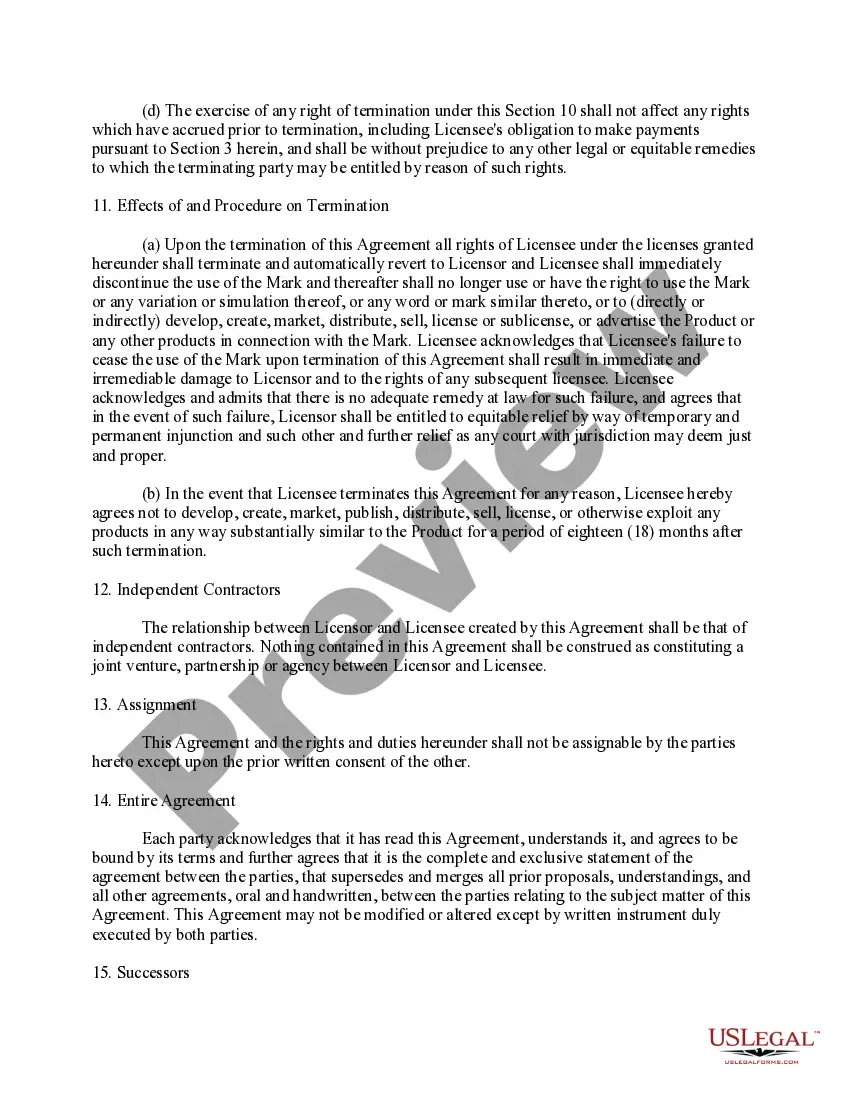
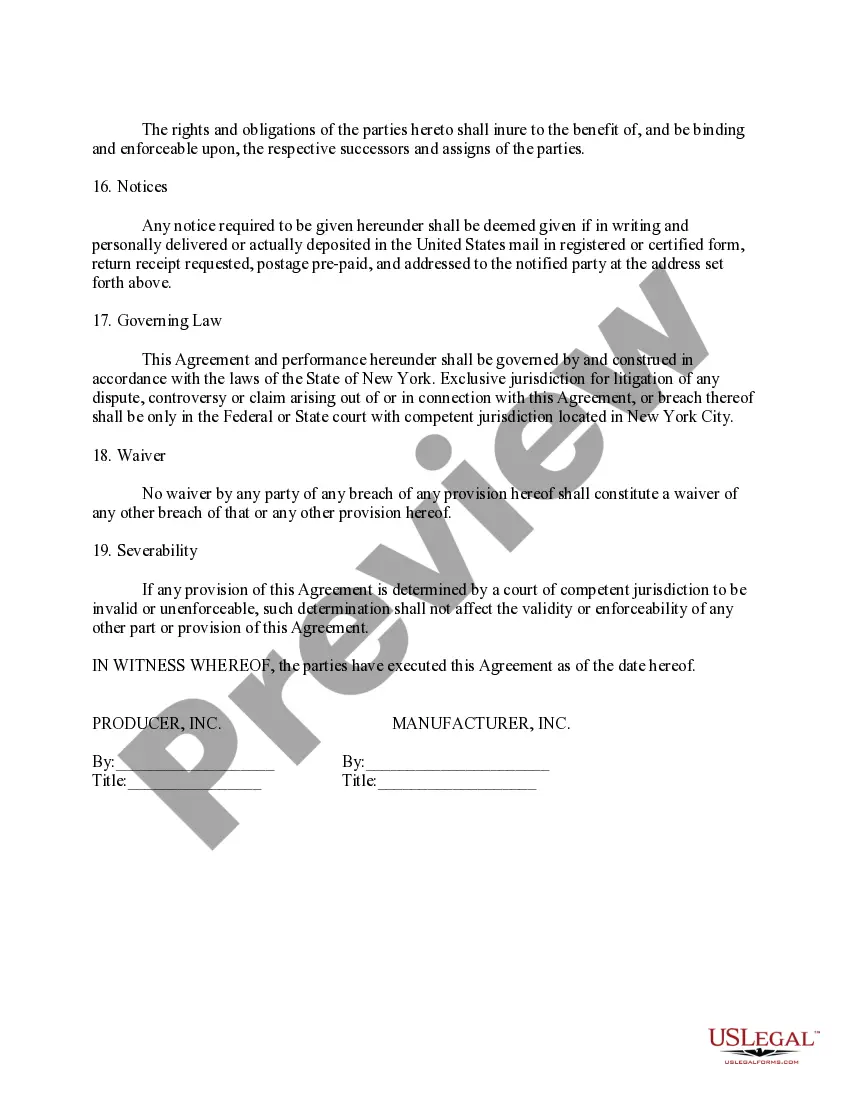
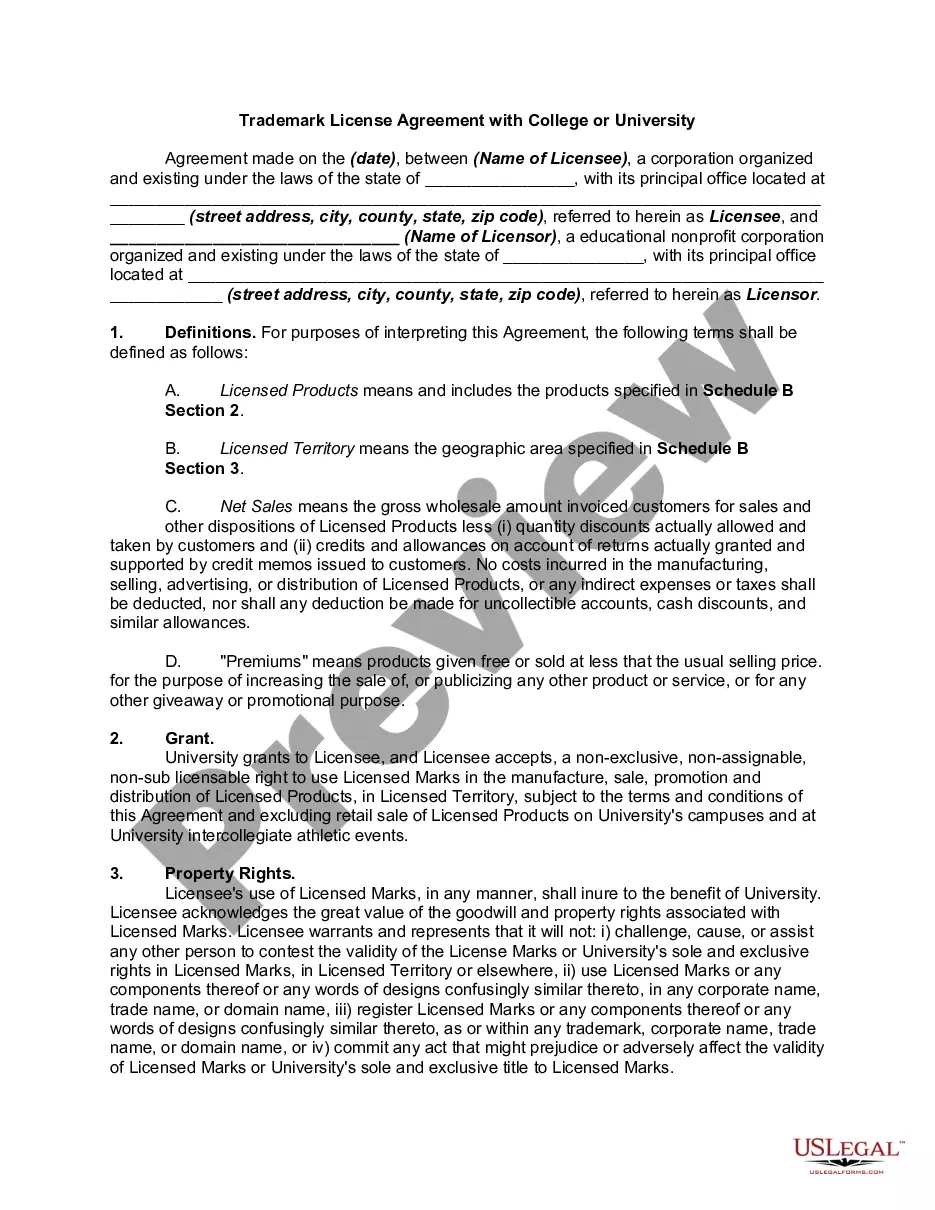
You may invest hours on-line looking for the legitimate papers template that suits the state and federal demands you require. US Legal Forms offers a large number of legitimate forms which are examined by pros. It is possible to acquire or print the Montana Trademark License Agreement for use in Educational Market from the support.
If you already have a US Legal Forms account, it is possible to log in and then click the Download key. Following that, it is possible to complete, edit, print, or sign the Montana Trademark License Agreement for use in Educational Market. Every single legitimate papers template you purchase is the one you have permanently. To obtain yet another backup of any obtained type, visit the My Forms tab and then click the related key.
If you are using the US Legal Forms web site the first time, keep to the straightforward recommendations below:
- Initial, be sure that you have chosen the proper papers template for your area/area of your choosing. Look at the type outline to ensure you have chosen the right type. If readily available, take advantage of the Preview key to check from the papers template too.
- If you wish to get yet another version of your type, take advantage of the Search industry to obtain the template that meets your needs and demands.
- Upon having found the template you would like, click on Buy now to proceed.
- Select the rates program you would like, type your credentials, and sign up for a free account on US Legal Forms.
- Complete the purchase. You can use your charge card or PayPal account to purchase the legitimate type.
- Select the format of your papers and acquire it to your system.
- Make modifications to your papers if necessary. You may complete, edit and sign and print Montana Trademark License Agreement for use in Educational Market.
Download and print a large number of papers themes making use of the US Legal Forms site, which provides the biggest assortment of legitimate forms. Use specialist and status-specific themes to tackle your company or individual needs.
Form popularity
FAQ
The steps for making a license agreement are as follows: Download a template for a licensing agreement. Choose your role as the licensor or licensee. Define the license(s) in the agreement. Decide whether the license is exclusive or not. Settle the matter of fees and payment schedule. Add a renewal date and rules.
Although 15 U.S.C. § 1060 requires that assignments be written, a license can be oral. In licensing trademark rights, the owner may include the right to sue for trademark infringement. The licensee's right to sue originates from the license and is governed by the terms of the licensing agreement.
A trademark licensing agreement does not need to be written down to be legally enforceable, but a simple word-of-mouth licensing agreement is much more challenging to enforce. For this reason, it is highly recommended that a written agreement is created and signed by both the licensor and the licensee.
In trademark licensing, a trademark owner (Licensor) grants permission to another (Licensee) to use that trademark on mutually agreed terms and conditions.
The licensee must allow the trademark owner to review their processes. Compensation: This section details the payment arrangement for using the trademark. It may concern a one-time fee, continuing royalties, or a combination. Representations and Warranties: Both parties must provide representations and warranties.
A licensing agreement is a contract between two parties (the licensor and licensee) in which the licensor grants the licensee the right to use the brand name, trademark, patented technology, or ability to produce and sell goods owned by the licensor.
3. Trademark license agreement instructions Introduction of Parties. ... Recitals. ... Section 1: Grant of license. ... Section 2: No assignment or transfer. ... (Optional) Section 3: Territory. ... Section 4: Consideration. ... Section 5: Maintenance of records and audit rights. ... Section 6: Term.
In particular, a licensee's rights are generally not assignable unless the license agreement expressly permits assignment or the licensor otherwise consents. on its PLC Intellectual Property & Technology web services at .