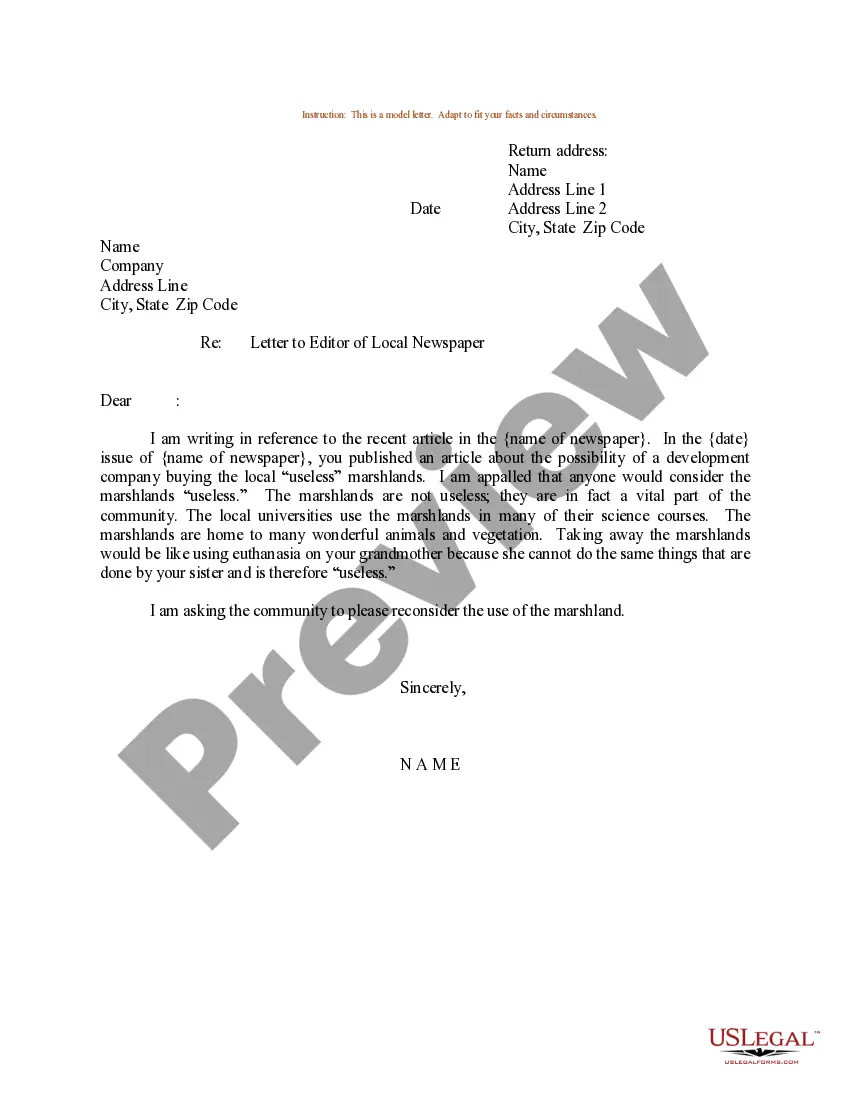
Montana Sample Letter for Letter to the Editor
Description
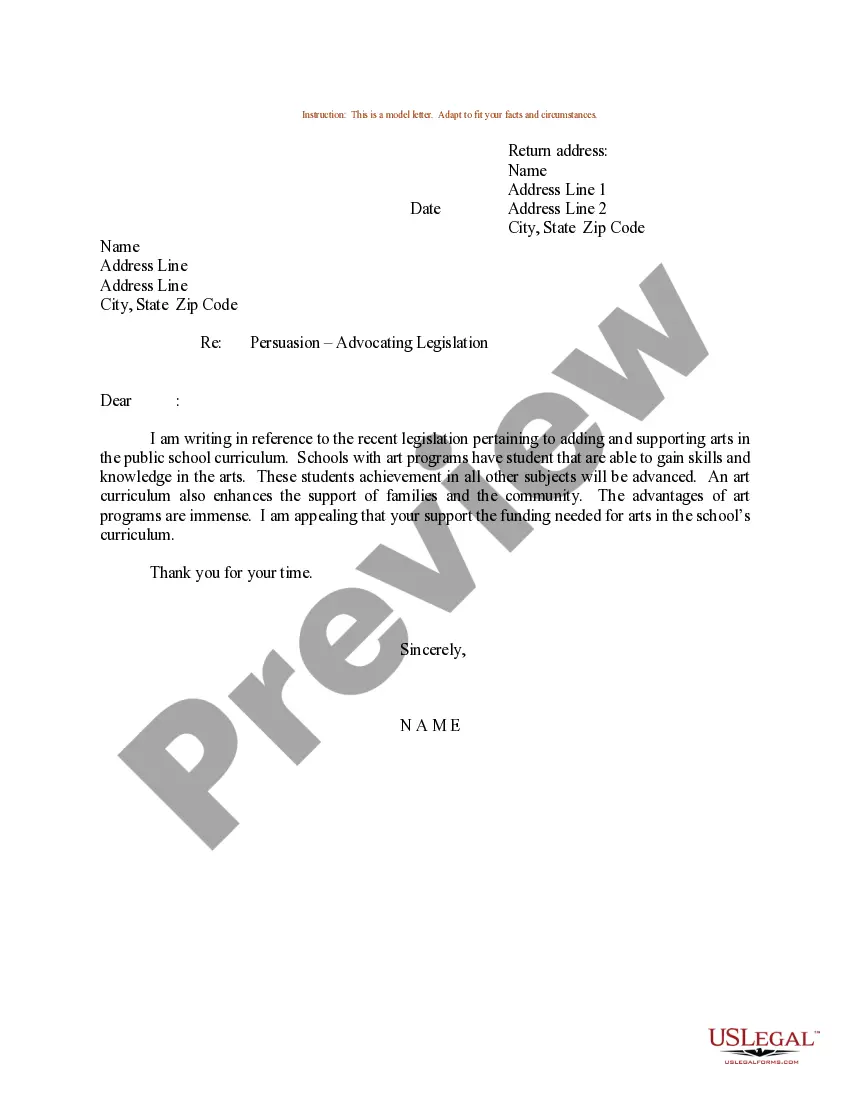
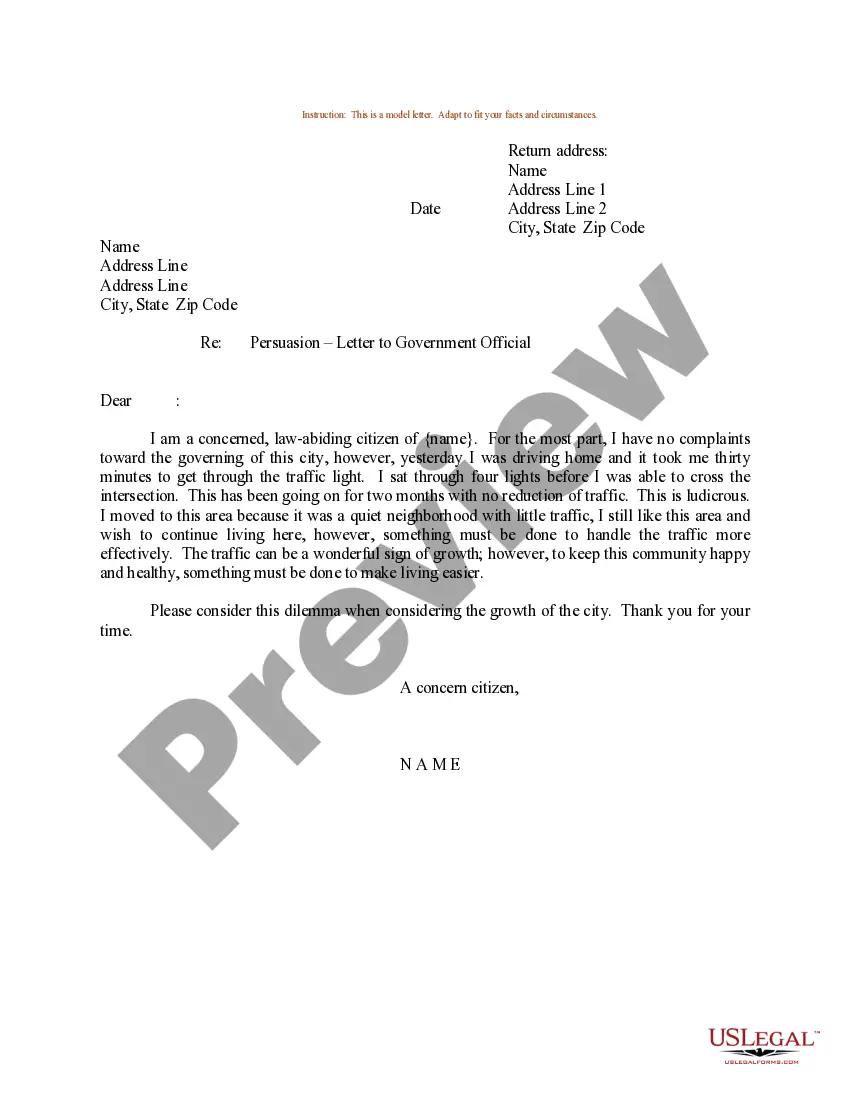
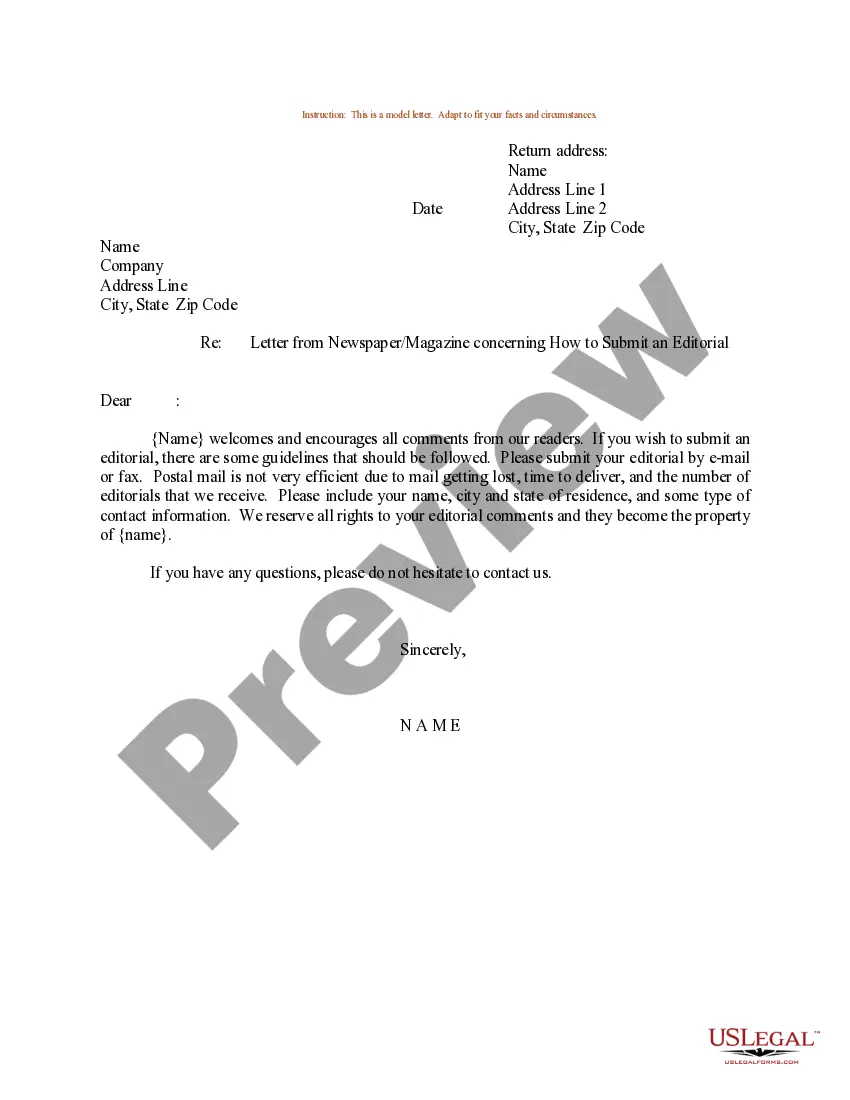
Get your form ready online
Our built-in tools help you complete, sign, share, and store your documents in one place.
Make edits, fill in missing information, and update formatting in US Legal Forms—just like you would in MS Word.
Download a copy, print it, send it by email, or mail it via USPS—whatever works best for your next step.
Sign and collect signatures with our SignNow integration. Send to multiple recipients, set reminders, and more. Go Premium to unlock E-Sign.
If this form requires notarization, complete it online through a secure video call—no need to meet a notary in person or wait for an appointment.
We protect your documents and personal data by following strict security and privacy standards.

Make edits, fill in missing information, and update formatting in US Legal Forms—just like you would in MS Word.

Download a copy, print it, send it by email, or mail it via USPS—whatever works best for your next step.

Sign and collect signatures with our SignNow integration. Send to multiple recipients, set reminders, and more. Go Premium to unlock E-Sign.

If this form requires notarization, complete it online through a secure video call—no need to meet a notary in person or wait for an appointment.

We protect your documents and personal data by following strict security and privacy standards.
Looking for another form?



How to fill out Sample Letter For Letter To The Editor?
Have you ever found yourself in a scenario where you require documents for various organizational or personal tasks almost daily.
There are numerous legal document templates accessible online, but finding versions you can rely on is challenging.
US Legal Forms offers a multitude of template documents, such as the Montana Sample Letter for Letter to the Editor, that are designed to comply with federal and state standards.
Once you find the appropriate document, click on Buy now.
Select the payment plan you prefer, complete the necessary information to create your account, and purchase your order using your PayPal or credit card.
- If you are already familiar with the US Legal Forms website and have an account, simply Log In.
- Then, you will be able to download the Montana Sample Letter for Letter to the Editor template.
- If you do not have an account and wish to start using US Legal Forms, follow these steps.
- Select the document you need and ensure it is for the correct city/state.
- Utilize the Preview button to examine the form.
- Review the information to ensure you have selected the correct document.
- If the document is not what you are looking for, use the Search field to find the form that suits your needs and requirements.
Form popularity
FAQ
How do you write a letter to the editor?Open the letter with a simple salutation.Grab the reader's attention.Explain what the letter is about at the start.Explain why the issue is important.Give evidence for any praise or criticism.State your opinion about what should be done.Keep it brief.Sign the letter.More items...
Letters to the Editor start with a SALUTATION, usually 'Dear Editor' or 'Dear Sir/Madam'. 2. Letters to the Editor are usually written in a response to a previous letter, or in response to a current issue. In the OPENING STATEMENT, the writer gives the details of what they're referring to.
A letter to the editor (LTE) is a letter sent to a publication about issues of concern from its readers. Usually, letters are intended for publication.
Paragraph 1: Introduce yourself and the purpose of writing the letter in brief. Paragraph 2: Give detail of the matter. Paragraph 3: Conclude by mentioning what you expect from the editor. (For example, you may want him to highlight the issue in his newspaper/magazine).
How do you write a letter to the editor?Open the letter with a simple salutation.Grab the reader's attention.Explain what the letter is about at the start.Explain why the issue is important.Give evidence for any praise or criticism.State your opinion about what should be done.Keep it brief.Sign the letter.More items...
How do you write a letter to the editor?Open the letter with a simple salutation.Grab the reader's attention.Explain what the letter is about at the start.Explain why the issue is important.Give evidence for any praise or criticism.State your opinion about what should be done.Keep it brief.Sign the letter.More items...
1. Letters to the Editor start with a SALUTATION, usually 'Dear Editor' or 'Dear Sir/Madam'. 2. Letters to the Editor are usually written in a response to a previous letter, or in response to a current issue.
START your letter: Dear Editor, SUMMARIZE the topic. STATE your opinion. BACK UP your opinion with at least one fact. You may need to SOURCE the fact you use.
Letters written to the editor or the author should contain objective, and constructive interpretations or discussions on medical, scientific or general areas of interest. They should have an objective, and give a message with a brief, and clear language.
Paragraph 1: Introduce yourself and the purpose of writing the letter in brief. Paragraph 2: Give detail of the matter. Paragraph 3: Conclude by mentioning what you expect from the editor. (For example, you may want him to highlight the issue in his newspaper/magazine).