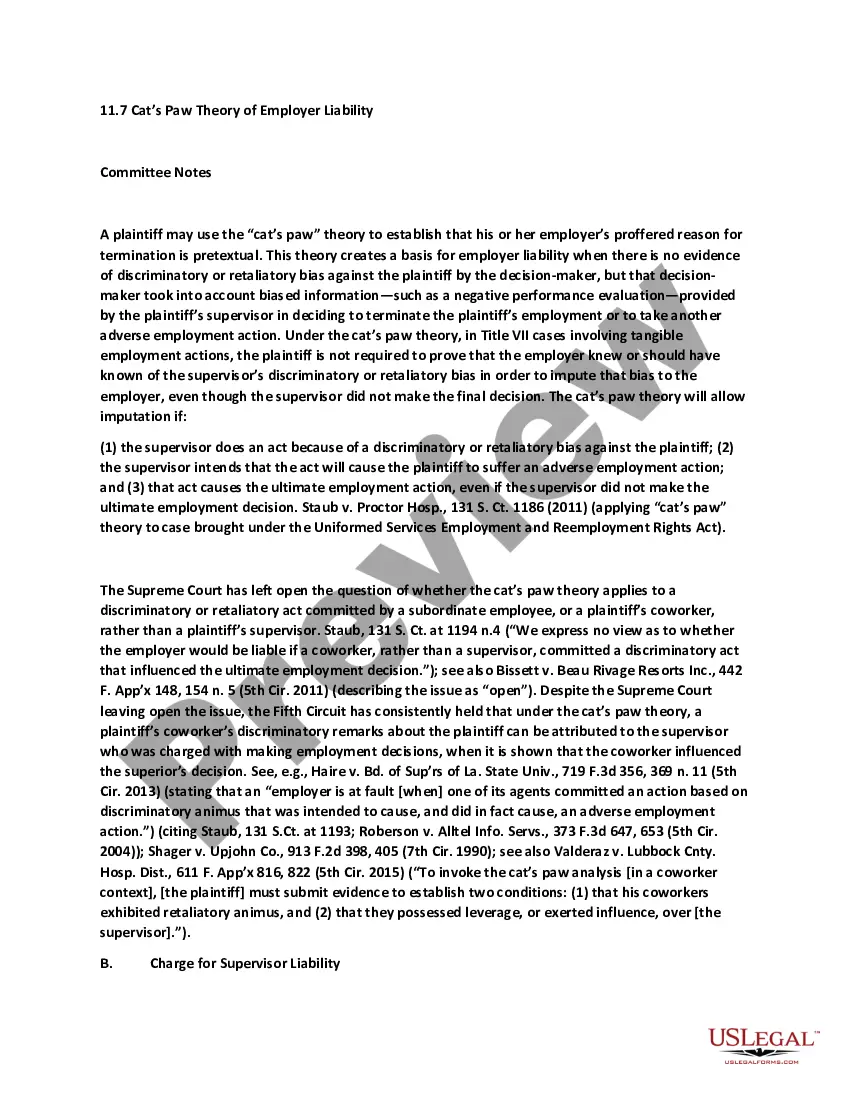
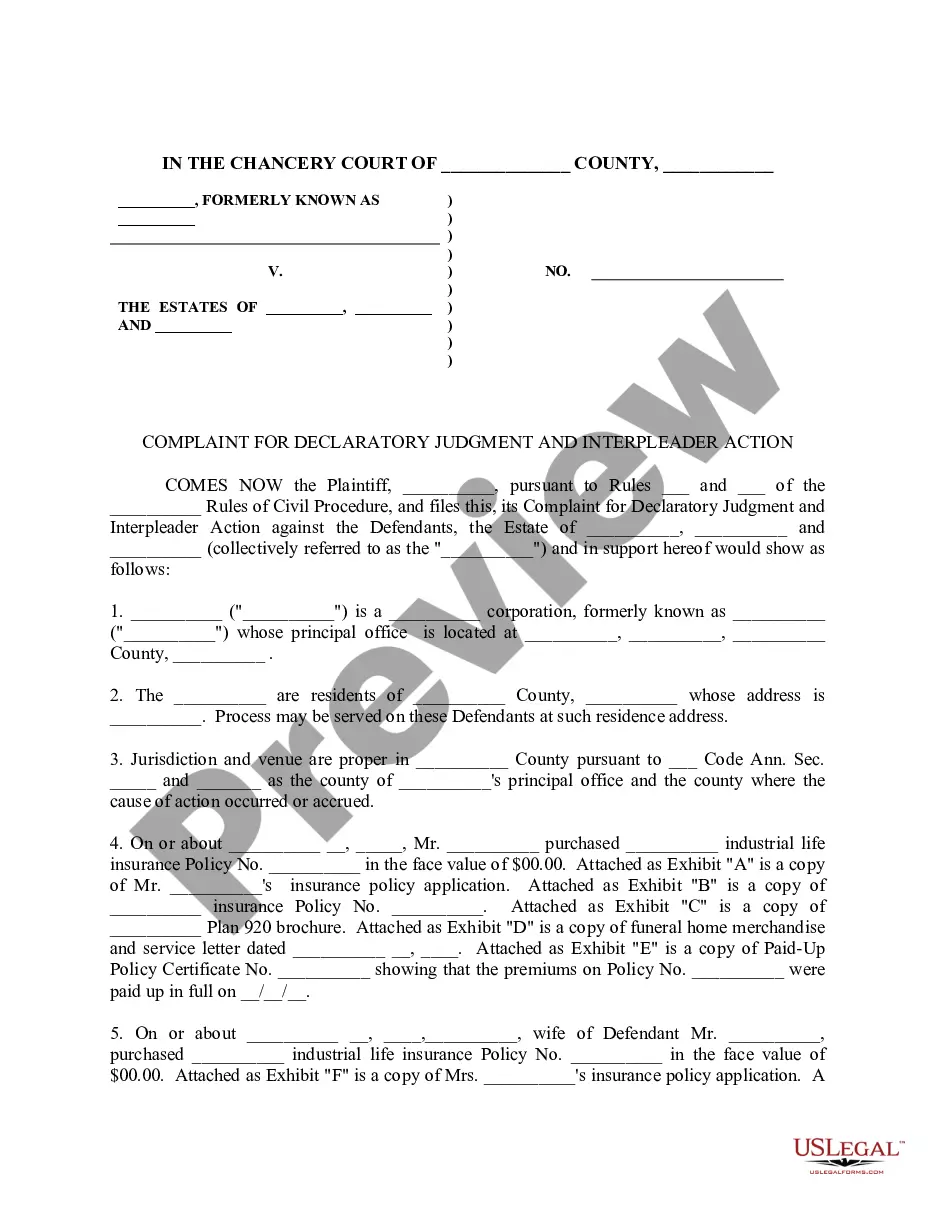
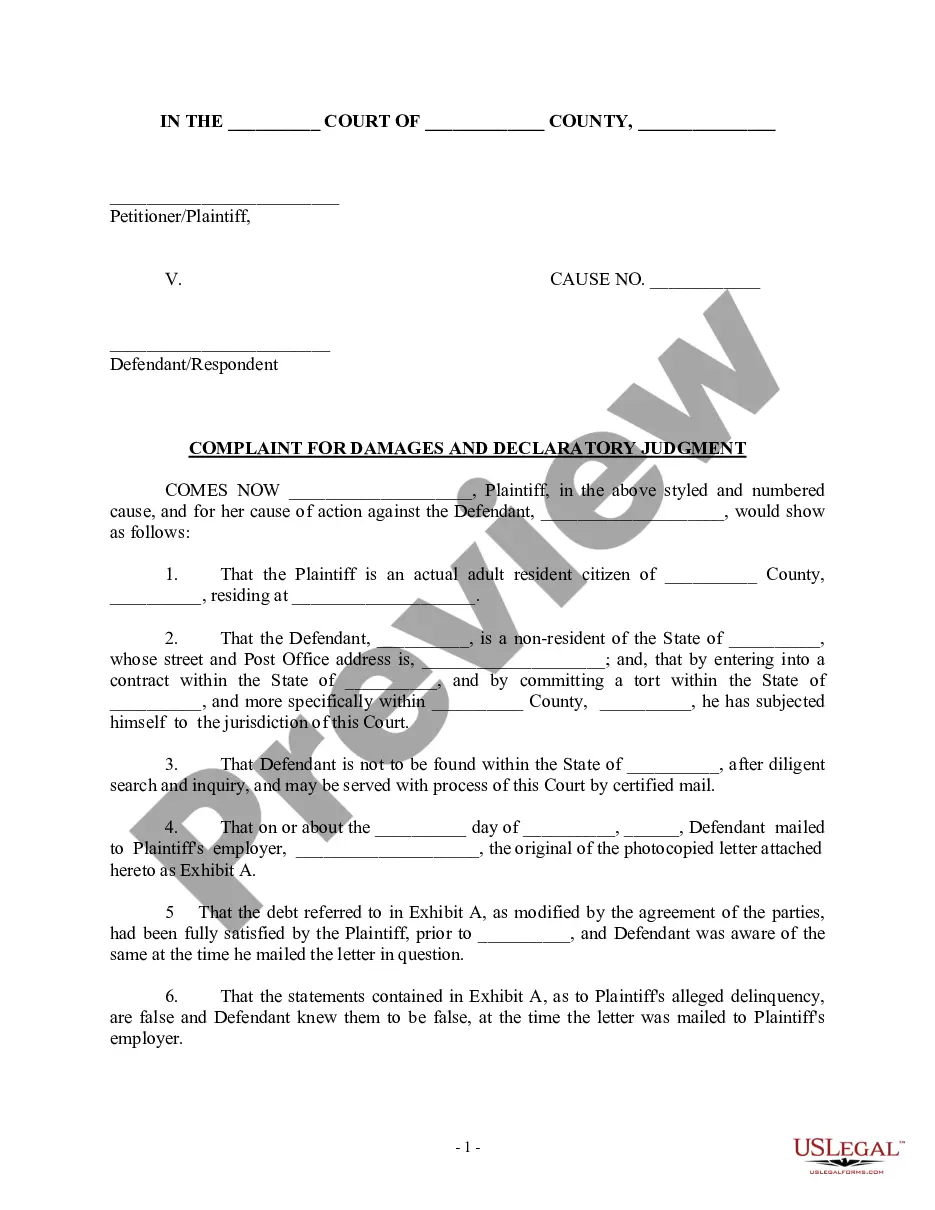
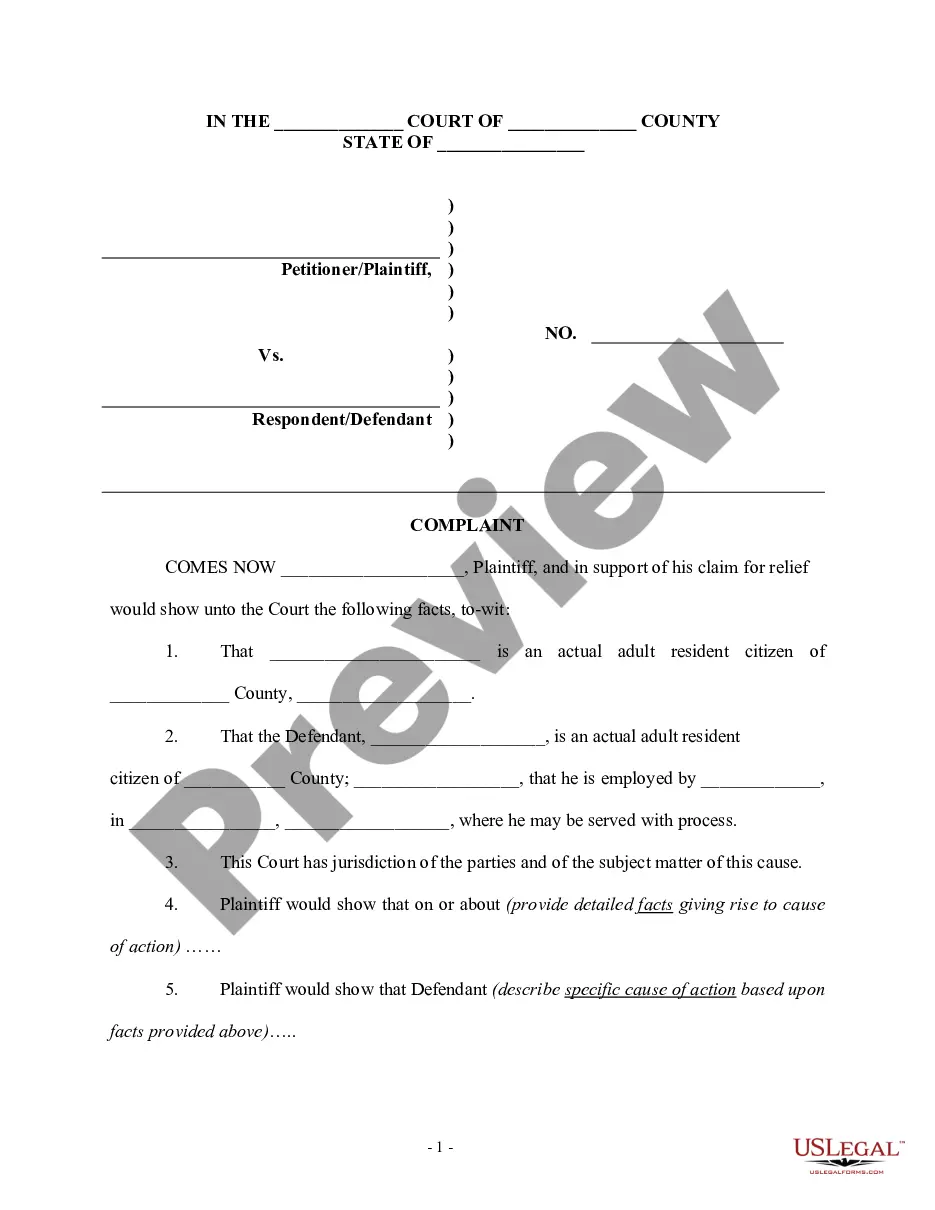
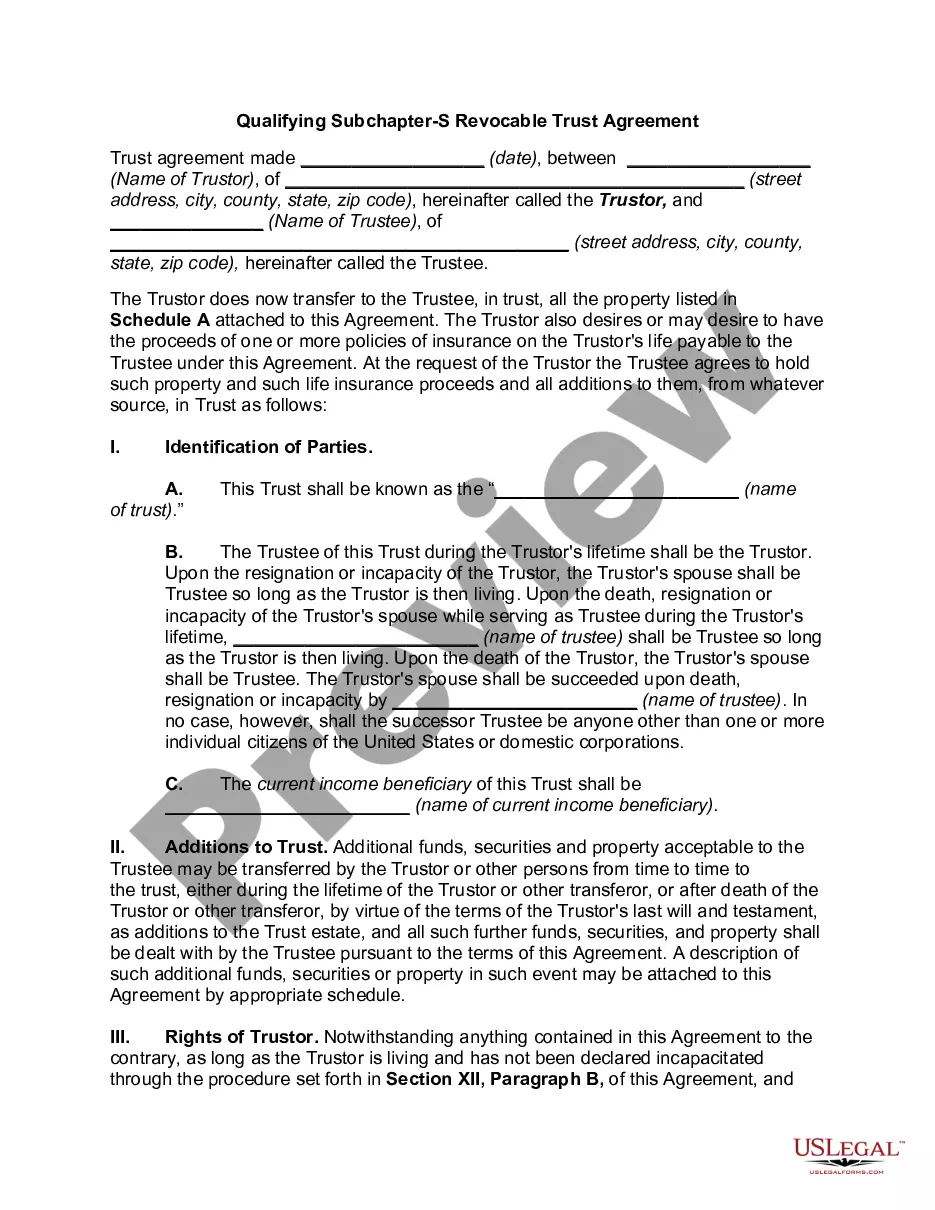
Montana Complaint for Declaratory Judgment
Description




Get your form ready online
Our built-in tools help you complete, sign, share, and store your documents in one place.
Make edits, fill in missing information, and update formatting in US Legal Forms—just like you would in MS Word.
Download a copy, print it, send it by email, or mail it via USPS—whatever works best for your next step.
Sign and collect signatures with our SignNow integration. Send to multiple recipients, set reminders, and more. Go Premium to unlock E-Sign.
If this form requires notarization, complete it online through a secure video call—no need to meet a notary in person or wait for an appointment.
We protect your documents and personal data by following strict security and privacy standards.

Make edits, fill in missing information, and update formatting in US Legal Forms—just like you would in MS Word.

Download a copy, print it, send it by email, or mail it via USPS—whatever works best for your next step.

Sign and collect signatures with our SignNow integration. Send to multiple recipients, set reminders, and more. Go Premium to unlock E-Sign.

If this form requires notarization, complete it online through a secure video call—no need to meet a notary in person or wait for an appointment.

We protect your documents and personal data by following strict security and privacy standards.
Looking for another form?





How to fill out Complaint For Declaratory Judgment?
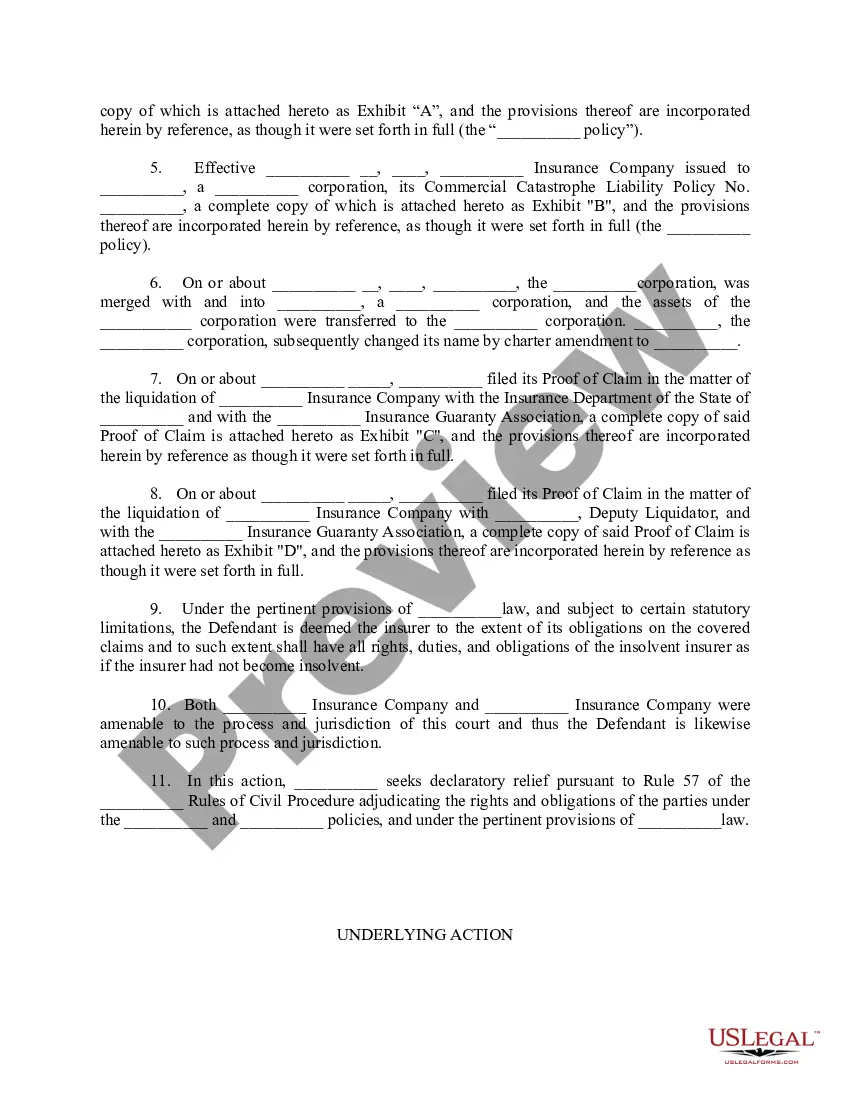
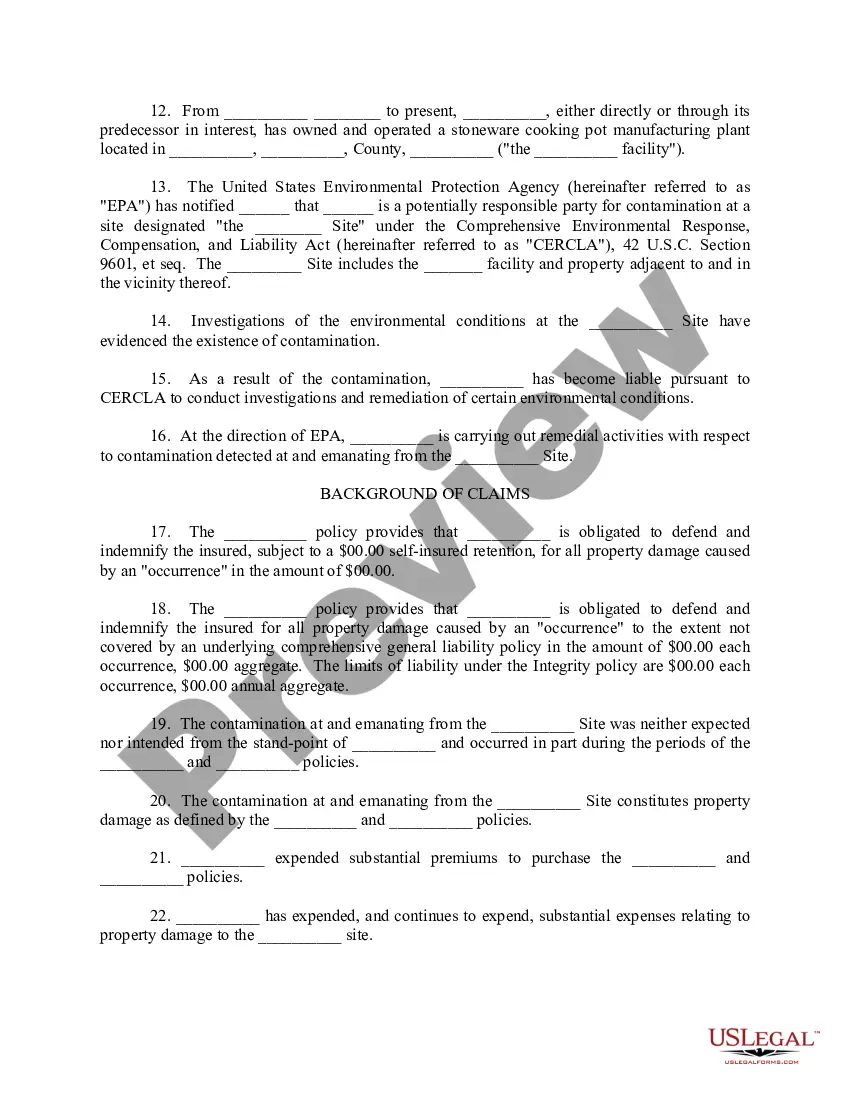
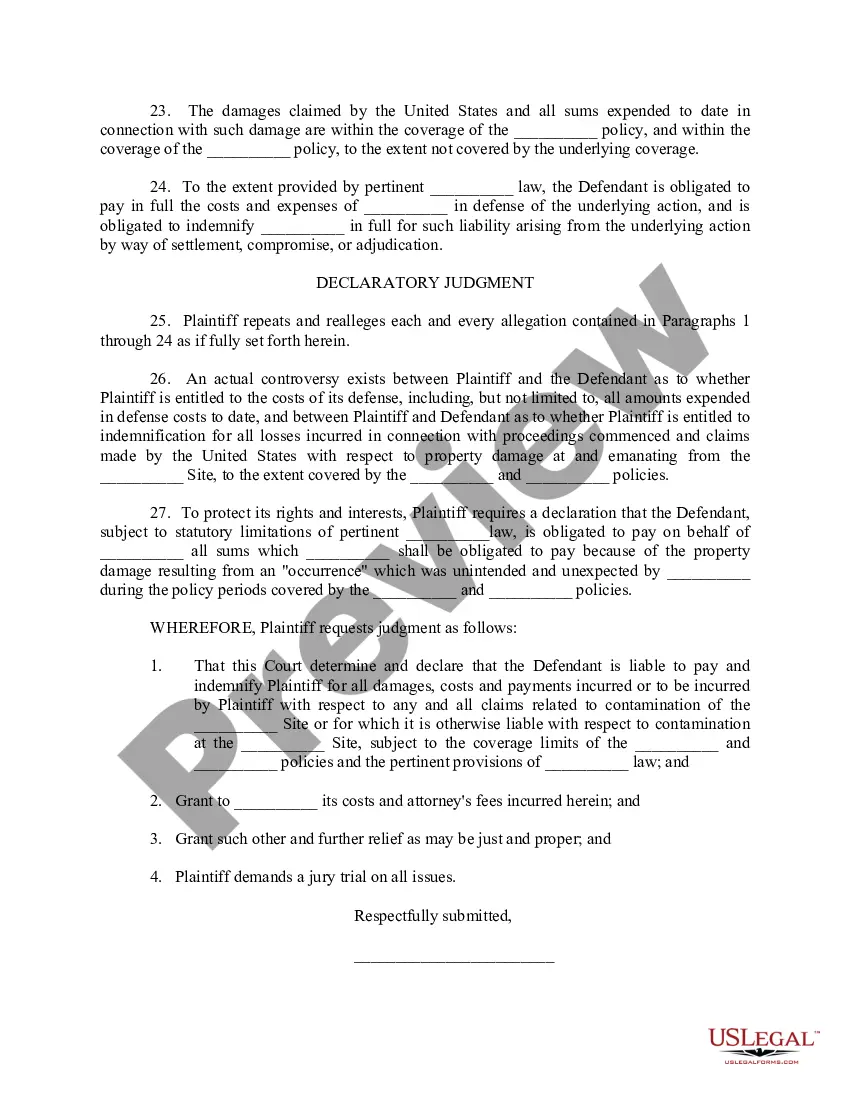
US Legal Forms - one of the largest collections of legal documents in the United States - provides a broad selection of legal form templates that you can download or print. By using the website, you can discover thousands of forms for business and personal purposes, organized by categories, states, or keywords. You can find the latest versions of forms such as the Montana Complaint for Declaratory Judgment in just minutes.
If you already have a subscription, Log In and download the Montana Complaint for Declaratory Judgment from the US Legal Forms library. The Download button will be visible on every form you view. You have access to all previously saved forms in the My documents tab of your account.
If you are looking to use US Legal Forms for the first time, here are simple instructions to help you get started: Ensure you have selected the correct form for your city/state. Click the Review button to examine the form's contents. Review the form description to confirm that you have chosen the right form. If the form does not meet your criteria, use the Search field at the top of the screen to find one that does. Once you are satisfied with the form, confirm your choice by clicking the Purchase now button. Then, select the pricing plan you desire and provide your credentials to sign up for an account.
Utilize thousands of professional and state-specific templates that meet your business or personal needs and requirements.
- Process the transaction. Use your credit card or PayPal account to complete the transaction.
- Select the format and download the form to your device.
- Make modifications. Fill out, edit, and print, then sign the saved Montana Complaint for Declaratory Judgment.
- Every template you added to your account has no expiration date and belongs to you indefinitely.
- Therefore, if you wish to download or print another copy, just navigate to the My documents section and click on the form you need.
- Access the Montana Complaint for Declaratory Judgment with US Legal Forms, the most extensive collection of legal form templates.
Form popularity
FAQ
For an actual controversy to be found, the plaintiff cannot be merely seeking advice from the court, but instead must show that the controversy between parties is substantial, immediate, and real and that the parties have adverse legal interests.
A counterclaim of infringement is a compulsory counterclaim to a claim for declaratory judgment of non-infringement. If a patent owner fails to assert an infringement counterclaim in a declaratory-judgment non-infringement suit, the patent infringement claim will be deemed waived.
Declaratory judgments are conclusive and legally binding, but do not have preclusive effect if: A later lawsuit involves issues other than those specifically litigated and ruled on in the declaratory judgment action.
Declaratory judgment and injunction Order (Injunctive Relief) are different in nature but same in purpose. The effects and outcomes may be varying ing to situation and requirements. The judgment doesn't award the remedies but the injunctive relief awards the remedies on the temporary or permanent base.
To establish federal jurisdiction in a declaratory judgment action, two conditions must be satisfied. First, is the constitutional inquiry - the case must be a 'case or controversy' pursuant to Article III of the US Constitution. Second is the prudential inquiry ? declaratory relief must be appropriate.
A counterclaim of infringement is a compulsory counterclaim to a claim for declaratory judgment of non-infringement. If a patent owner fails to assert an infringement counterclaim in a declaratory-judgment non-infringement suit, the patent infringement claim will be deemed waived.
For example, a declaratory judgment action could be brought to determine party rights and obligations under a contract or to establish the validity of a patent. Under Article III of the U.S. Constitution, a federal court may only issue a declaratory judgment when there is an actual controversy.
Thus, a declaratory judgment action that is nothing more than an anticipatory defense to a breach of contract claim may be an inappropriate use of the declaratory judgment mechanism. Given that courts have discretion whether to entertain a declaratory judgment action, they may decline to do so under such circumstances.
Declaratory relief refers to a court's declaratory judgment stating the rights of parties without ordering any specific action or listing awards for damages.
The fact that a declaratory judgment may be granted ?whether or not further relief is or could be prayed? indicates that declaratory relief is alternative or cumulative and not exclusive or extraordinary. A declaratory judgment is appropriate when it will ?terminate the controversy? giving rise to the proceeding.