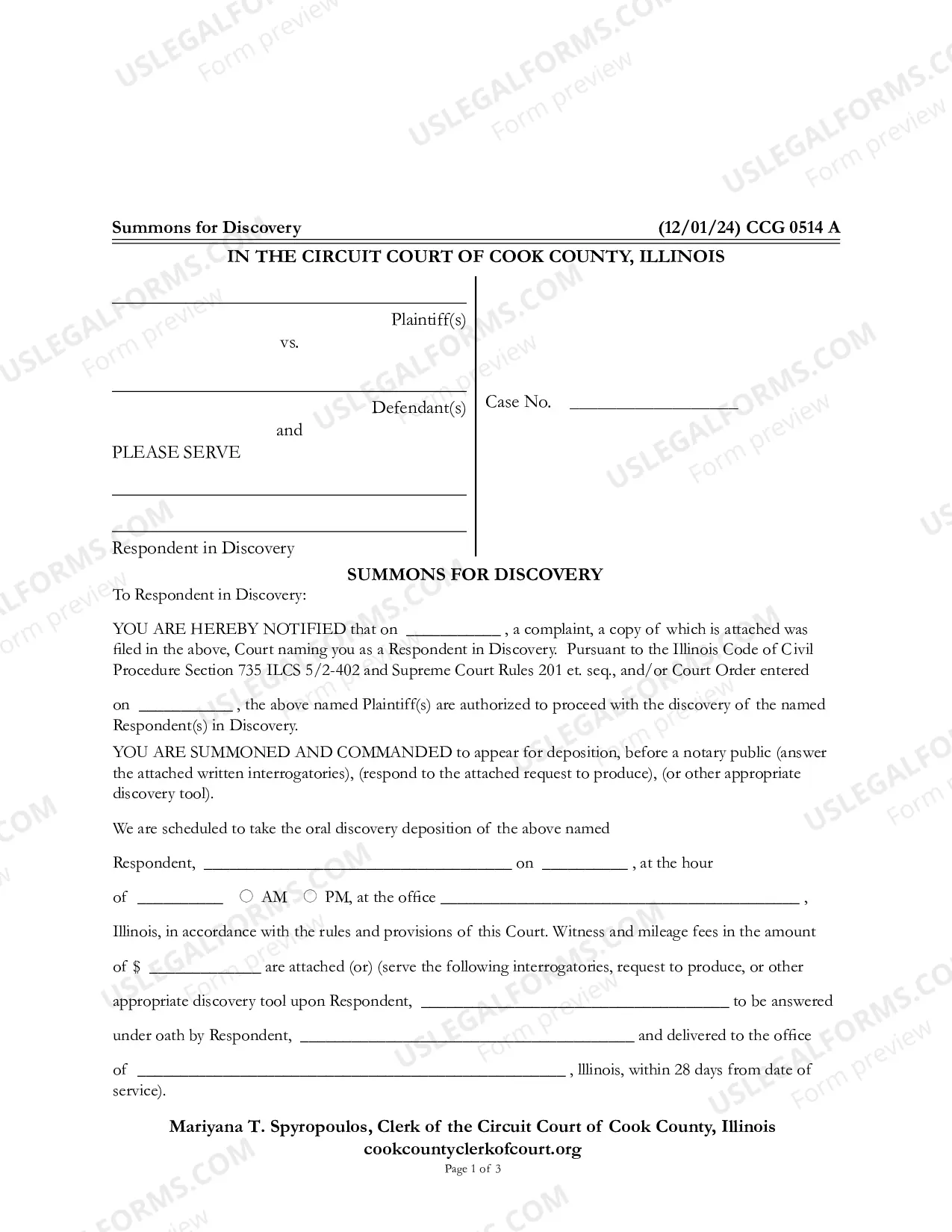
Montana Complaint to Foreclose Construction Lien and for Other Relief
Description
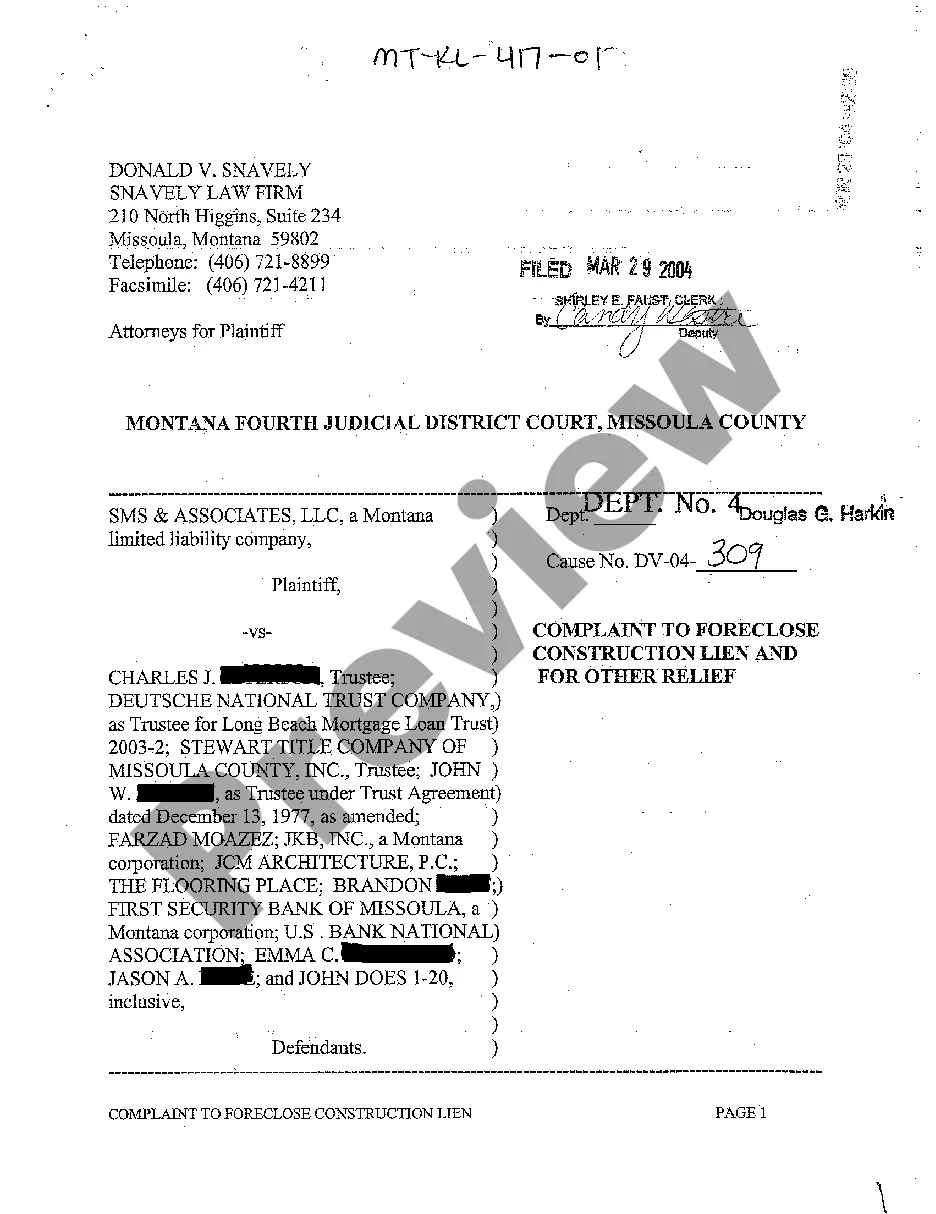
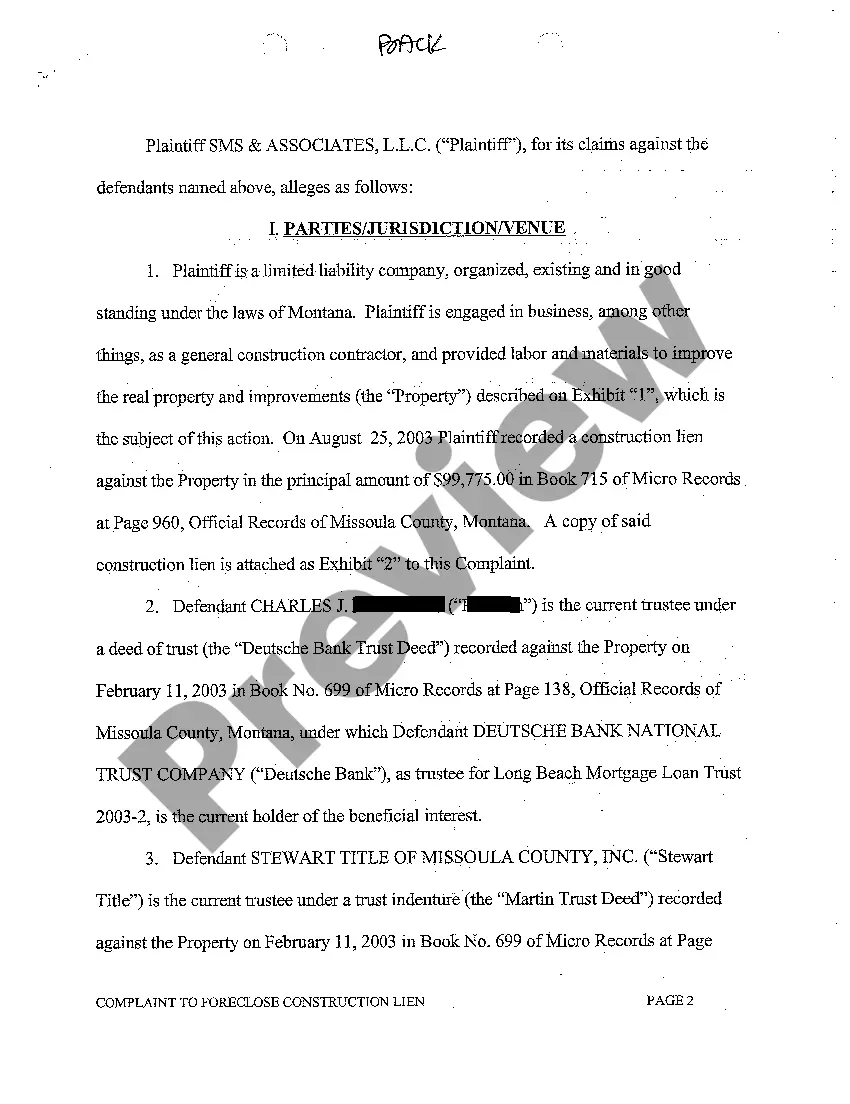
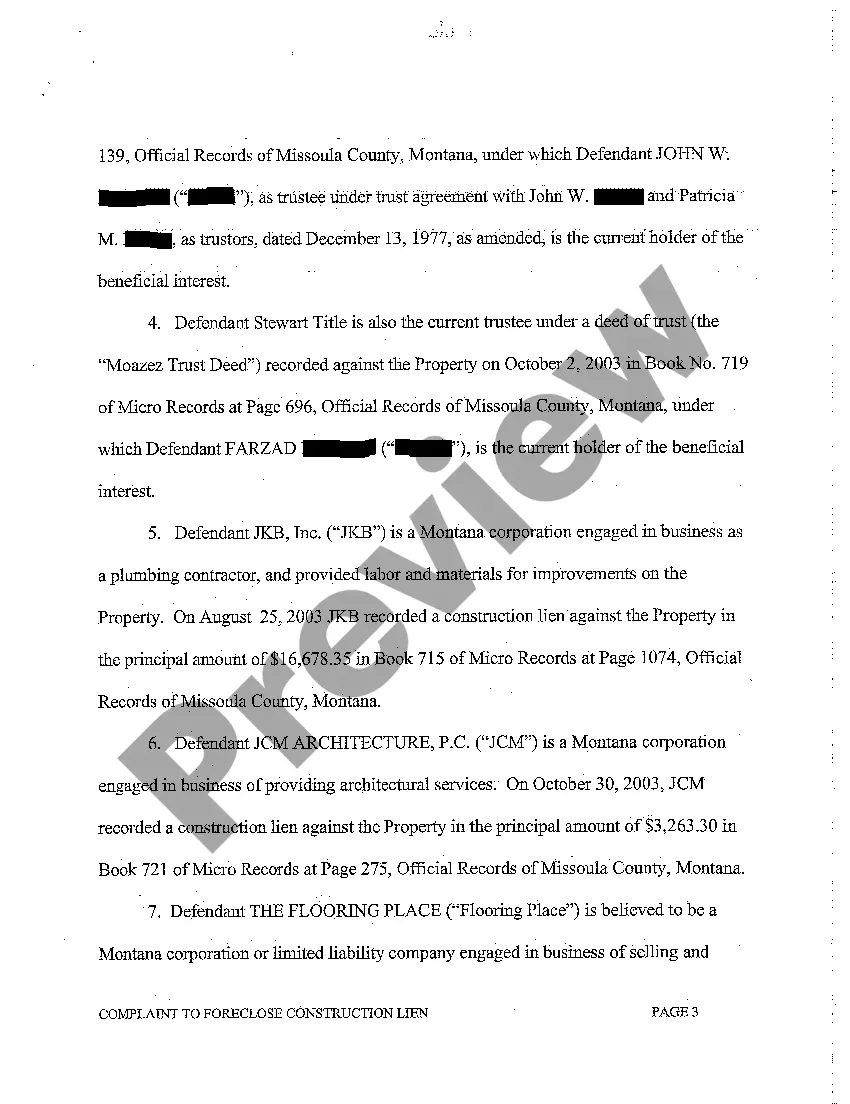
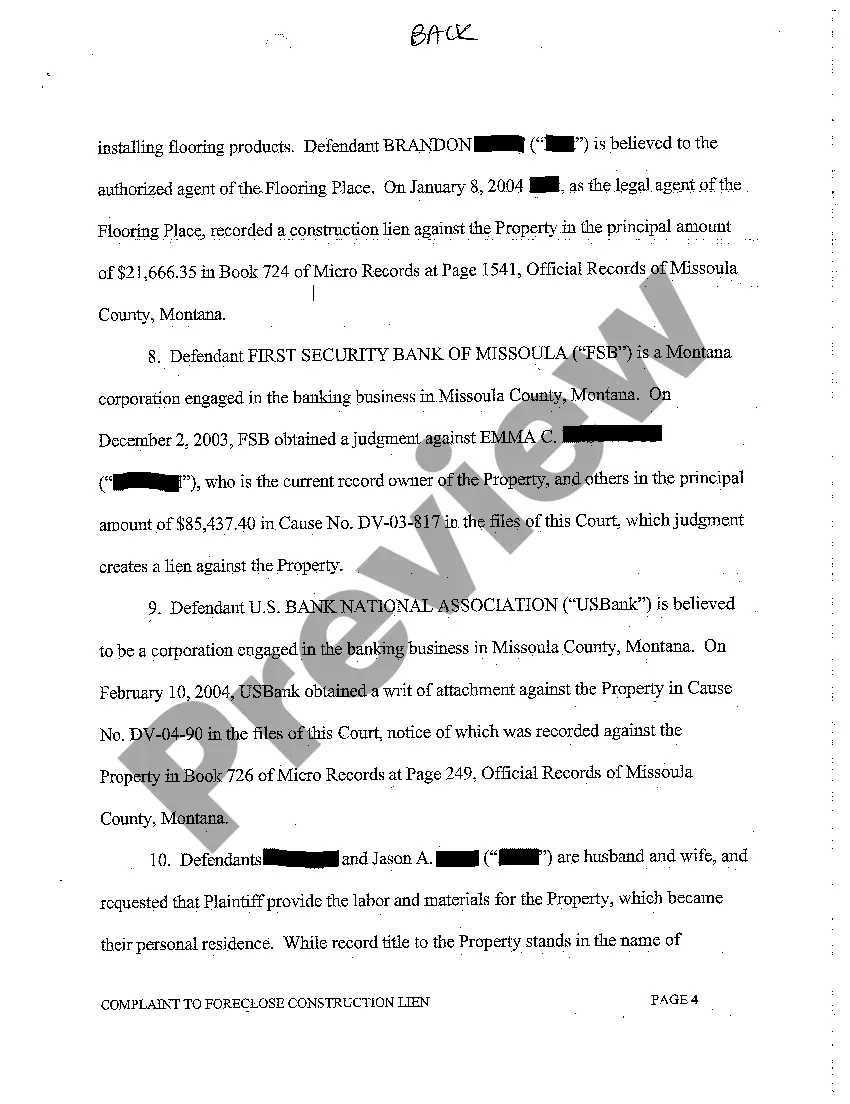
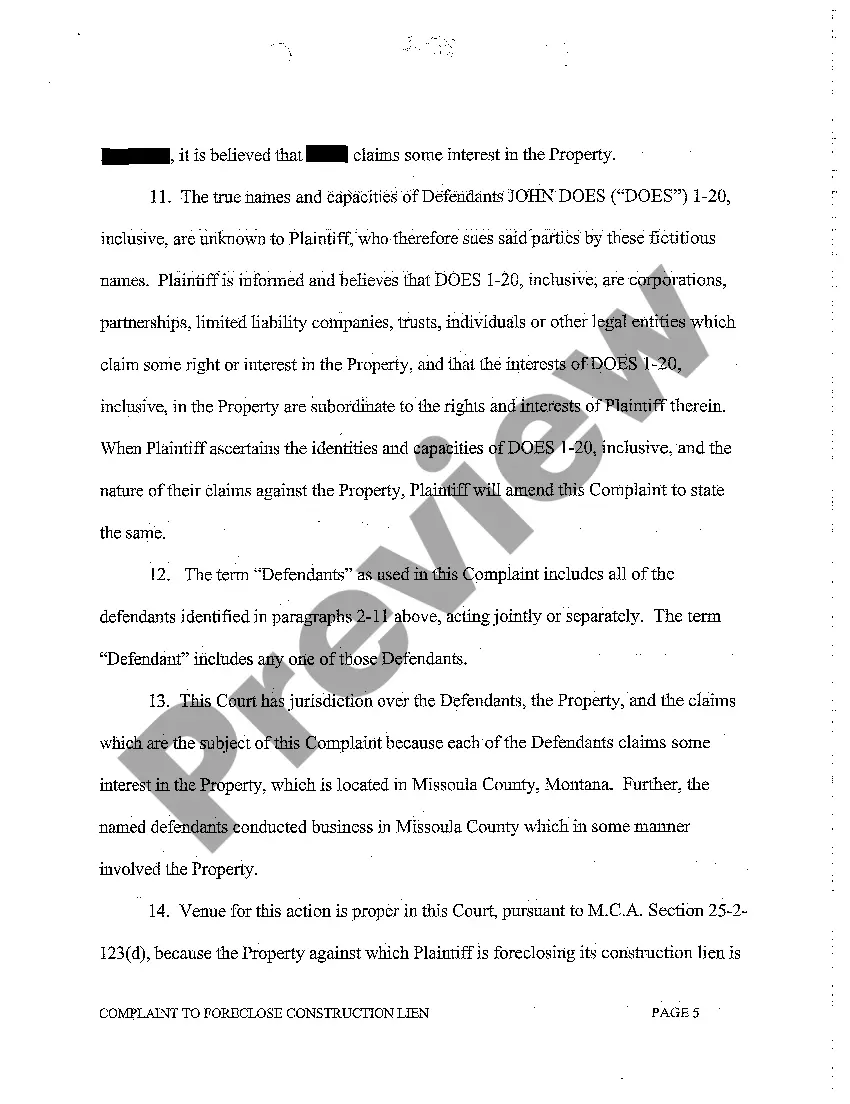
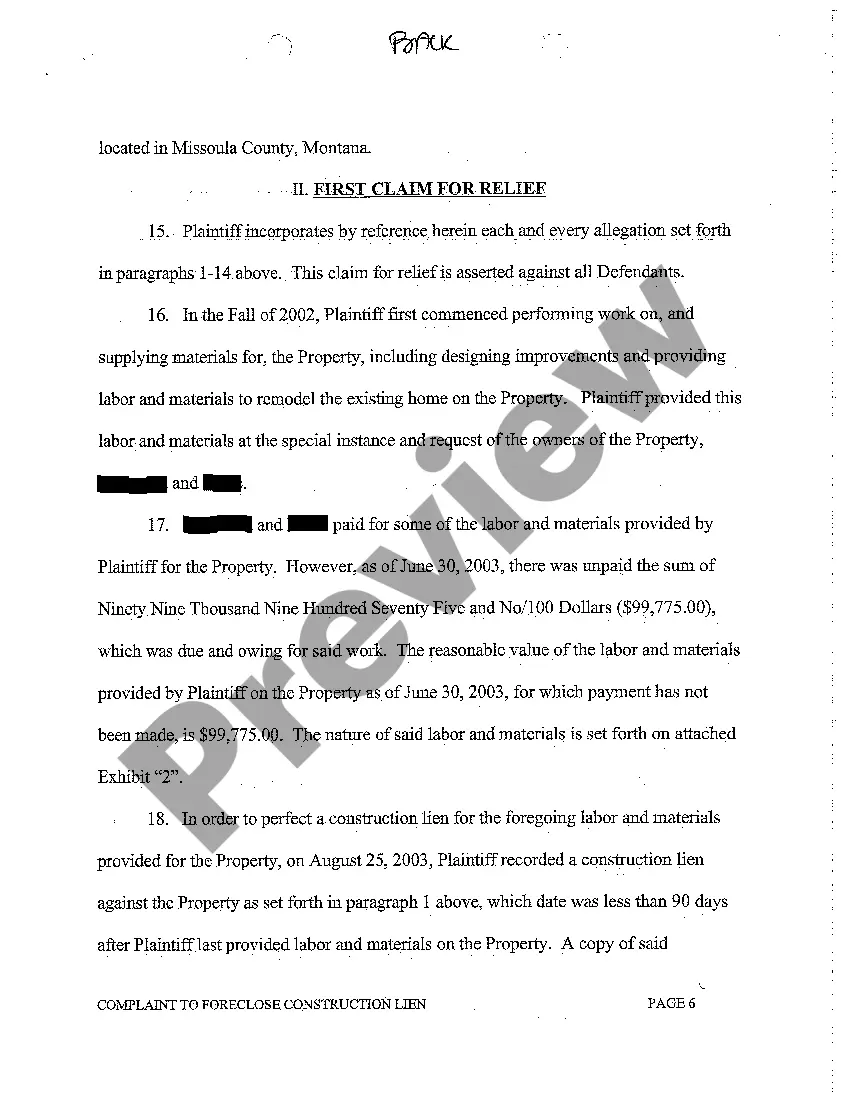
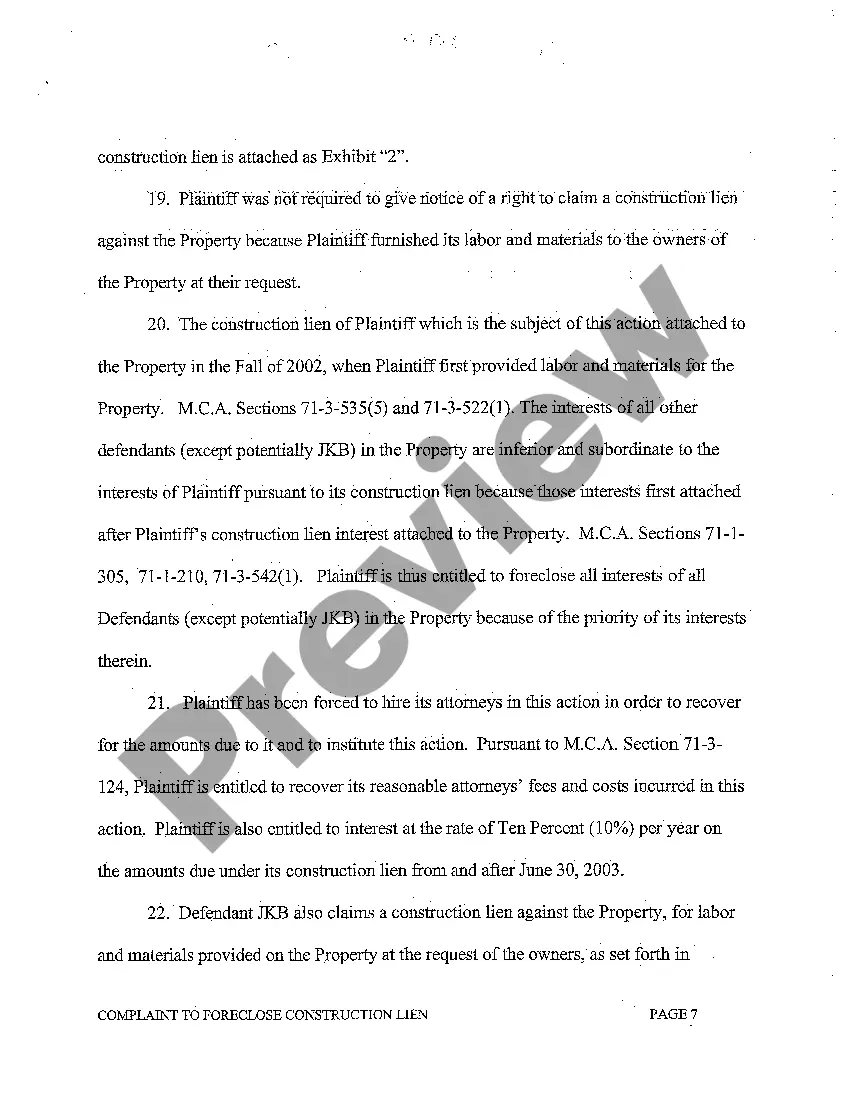
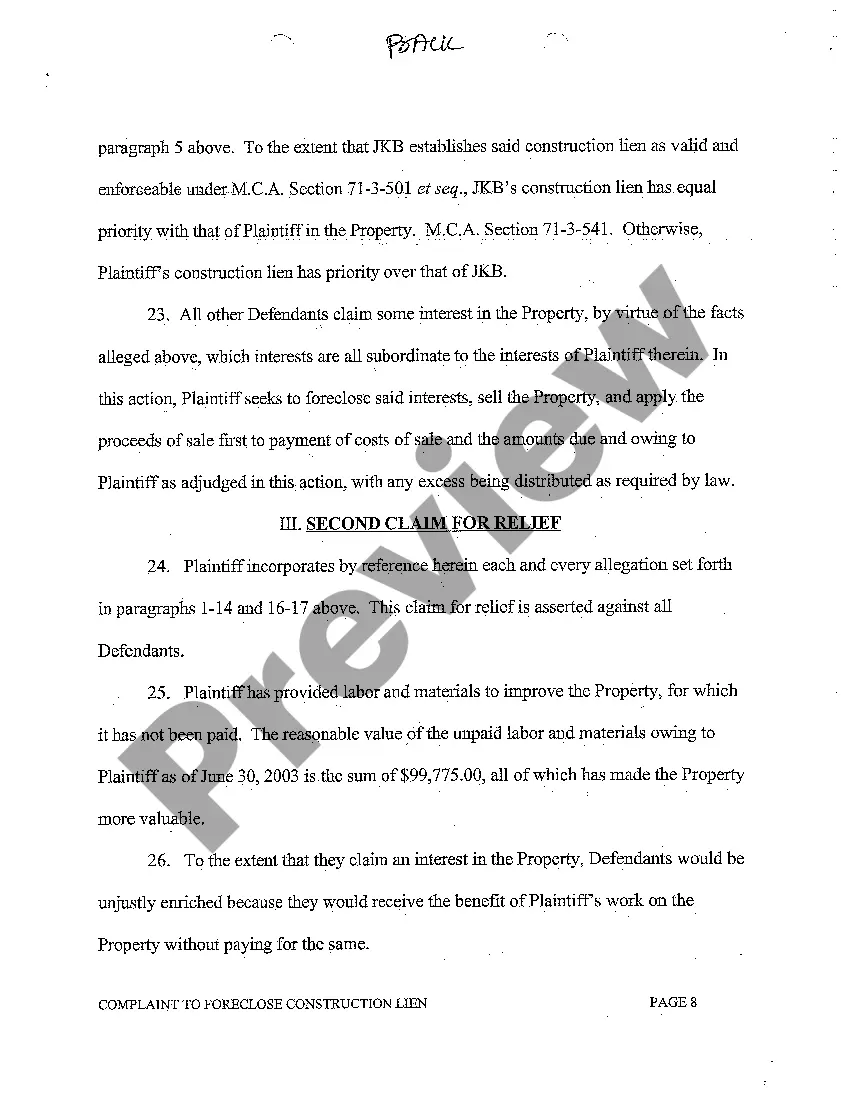
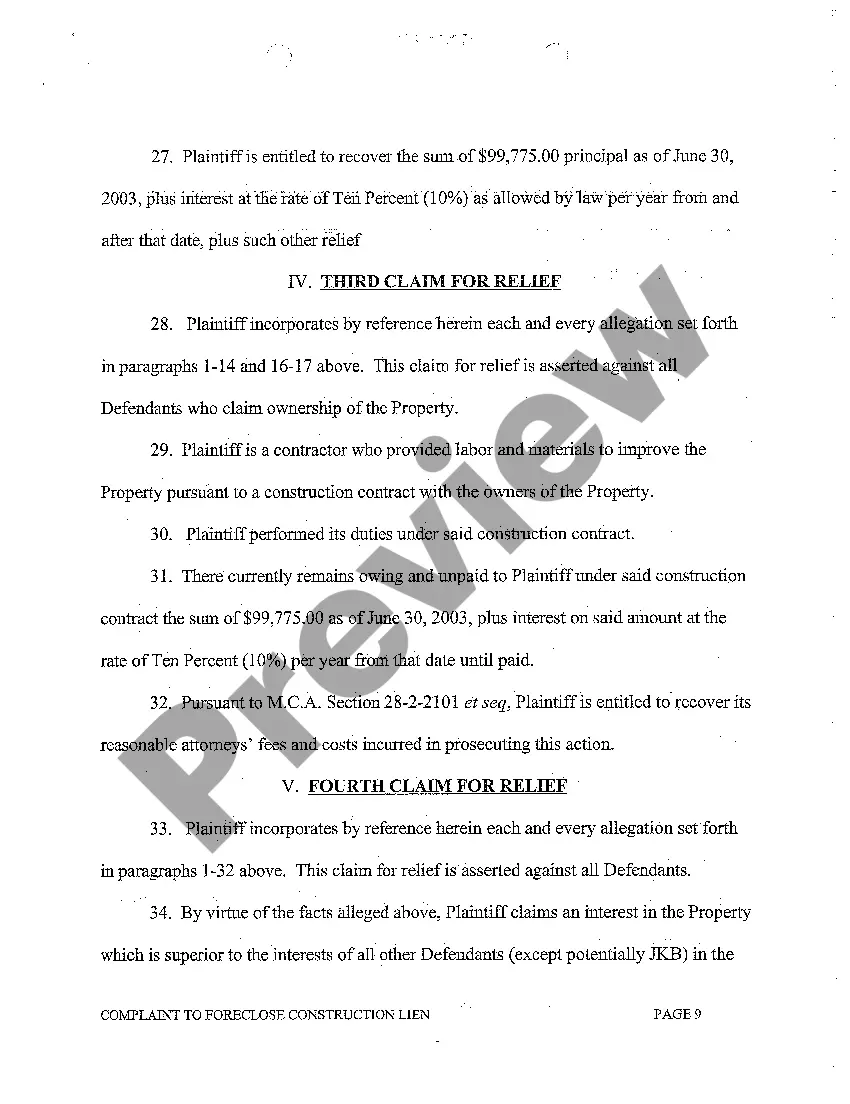
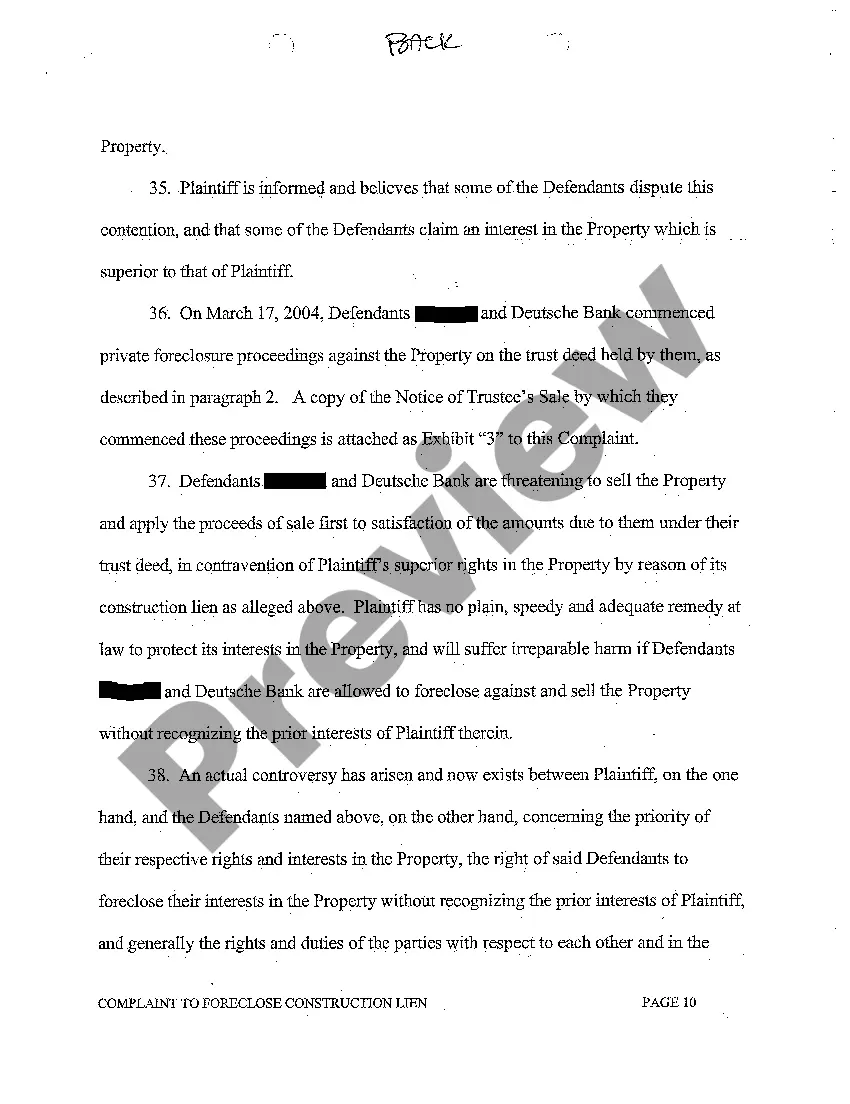

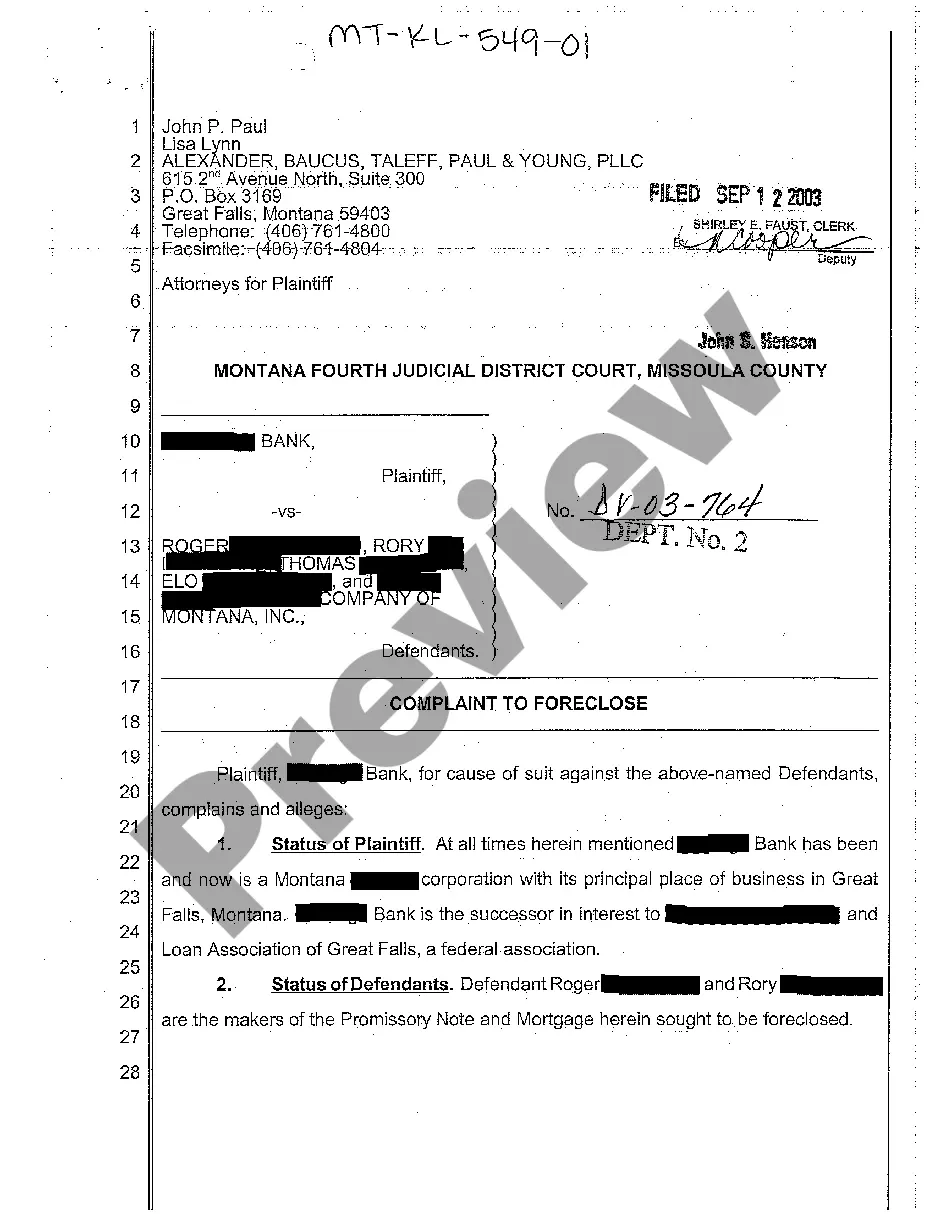
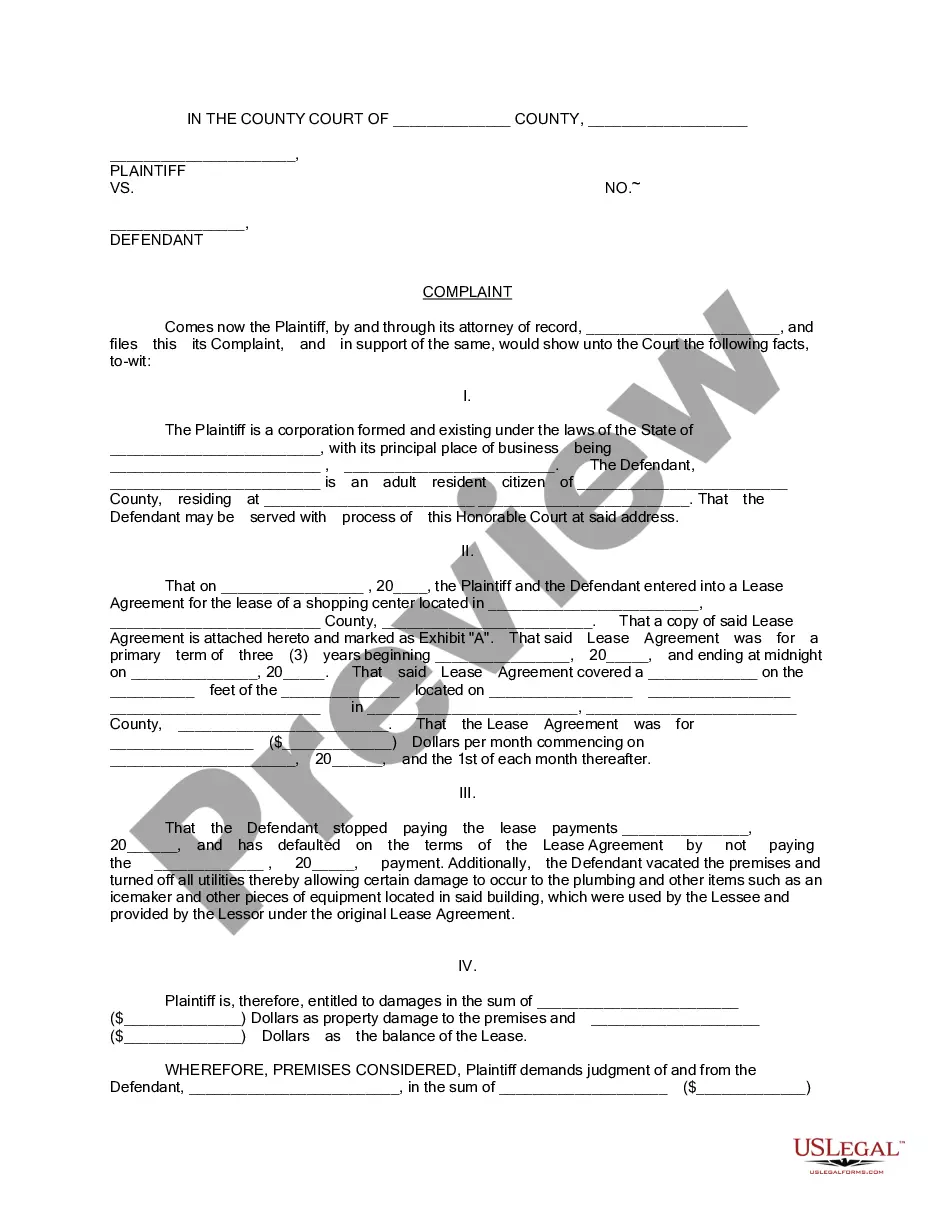
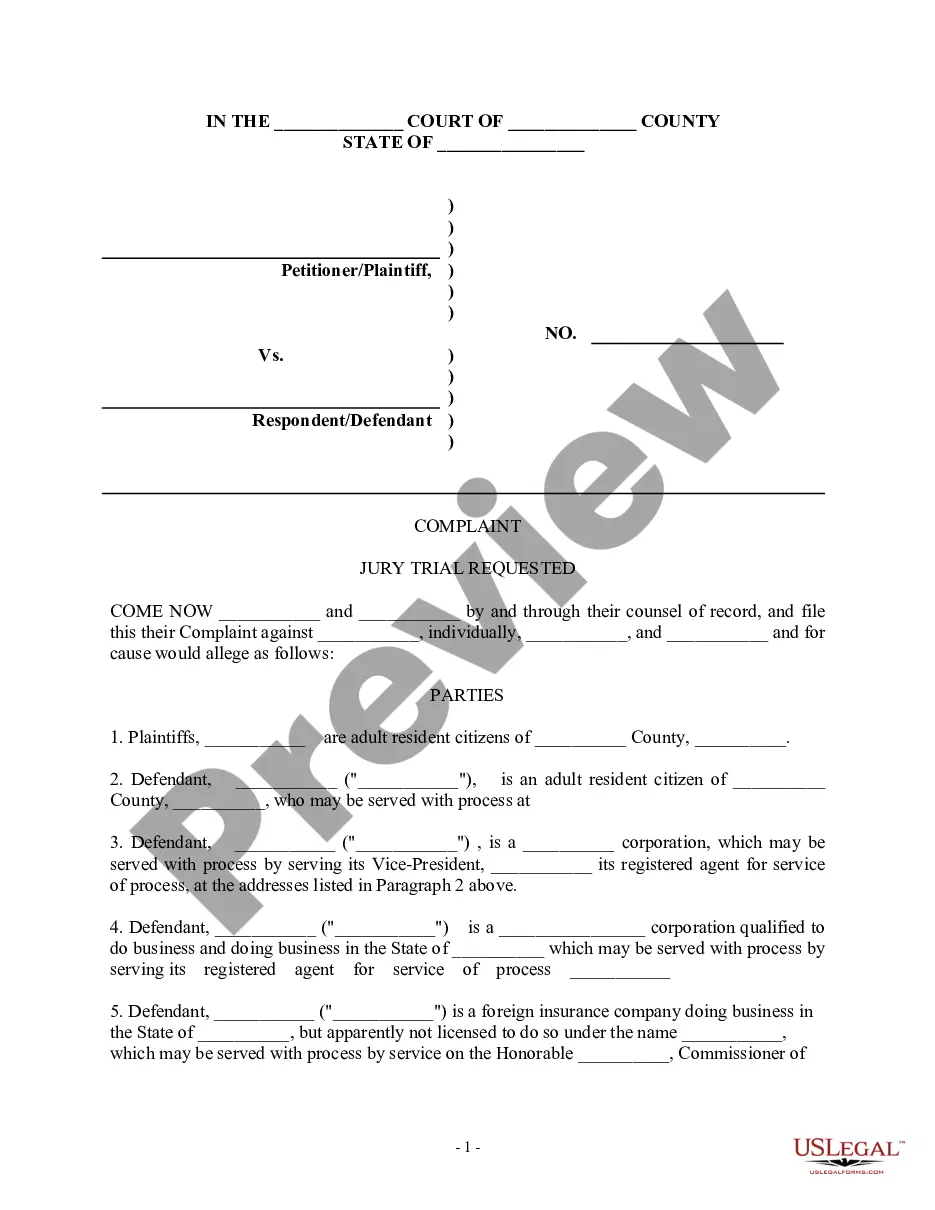
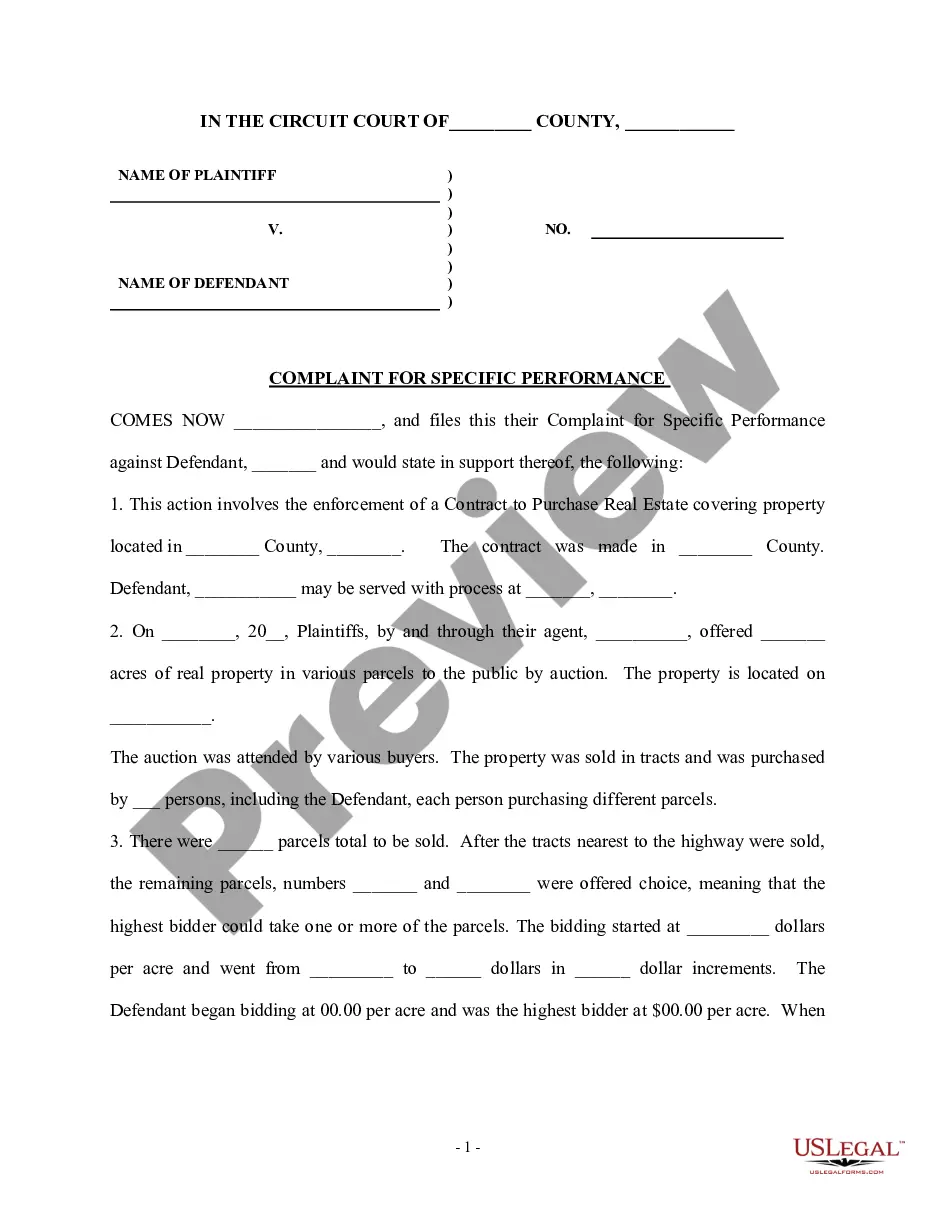
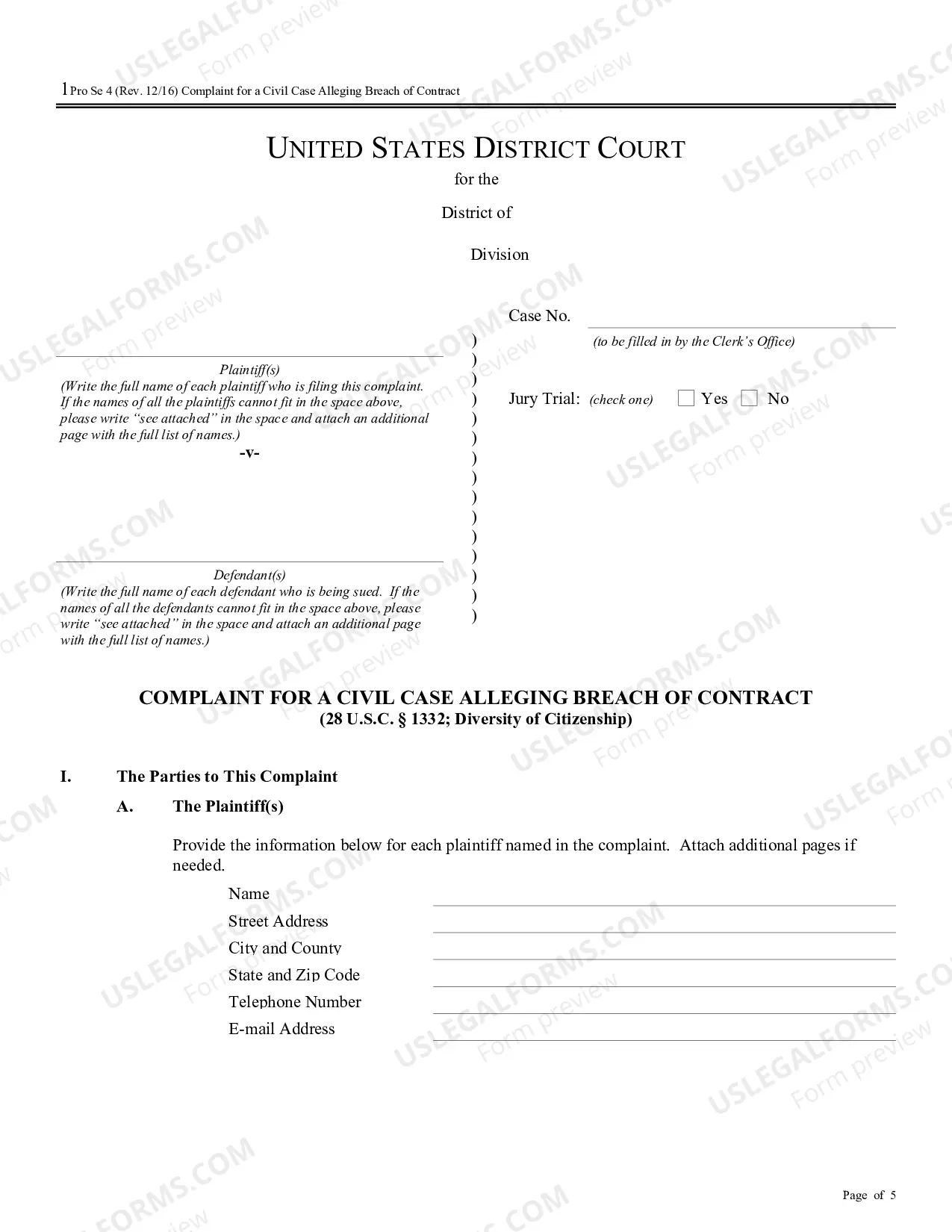

How to fill out Montana Complaint To Foreclose Construction Lien And For Other Relief?
Acquire a printable Montana Complaint to Foreclose Construction Lien and for Additional Relief in just a few clicks from the most comprehensive collection of legal electronic documents.
Locate, download, and print expertly prepared and certified samples on the US Legal Forms website. US Legal Forms has been the leading provider of cost-effective legal and tax forms for US citizens and residents online since 1997.
After you’ve downloaded your Montana Complaint to Foreclose Construction Lien and for Additional Relief, you can complete it using any online editor or print it out and fill it in manually. Utilize US Legal Forms to access 85,000 expertly drafted, state-specific forms.
- Clients who already possess a subscription must Log In directly to their US Legal Forms account, download the Montana Complaint to Foreclose Construction Lien and for Additional Relief, and find it stored in the My documents section.
- Clients without a subscription must adhere to the guidelines outlined below.
- Ensure your template complies with your state's regulations.
- If available, review the form’s description for further details.
- If possible, preview the document to examine additional content.
- Once you’re assured the form meets your needs, click Buy Now.
- Establish a personal account.
- Select a subscription plan.
- Make payment via PayPal or credit card.
- Download the form in Word or PDF format.
Form popularity
FAQ
In a mortgage foreclosure, any judgment liens that were recorded after the mortgage will be wiped out by the foreclosure. Any surplus funds after the foreclosing lender's debt has been paid off will be distributed to other creditors holding junior liens, like second mortgages and judgment lienholders.
Your lawyer will help you decide whether to fight the lien in court or negotiate a settlement.In some, you may be able to fend off a lien if: You prove that you've paid your construction bills fully and on time. You prove that the contractor who filed the lien has breached his contract and doesn't deserve to be paid.
Mechanics Lien Foreclosure In California, a properly filed and recorded mechanics lien can lead the filing contractor to foreclose the customer's home. Normally, when a mechanics lien is foreclosed by its holder a foreclosure sale is forced on the homeowner.
Once a non-mortgage lien is placed on your home, the holder of the lien can choose to take one of two routes.For example, property tax liens may sometimes be foreclosed outside of court, while the holder of a mechanics' liens must typically sue the homeowner in court in order to foreclose.
After foreclosure, you might still owe your bank some money (the deficiency), but the security (your house) is gone. So, the deficiency is now an unsecured debt.
When a lien becomes public record, you may not be able to: Buy, sell, refinance, or transfer property.
The most common way to reduce or even eliminate mechanic's lien risk is through the use of lien waivers. A lien waiver is a private agreement in which a party surrenders the right to file a lien in exchange for payment.
A mechanics lien is one of the most effective payment recovery methods that can pressure construction clients to pay up.When a property gets foreclosed or goes bankrupt, all construction parties with a valid mechanics lien against the property may still recover payment through the proceeds of the foreclosure sale.
Generally, creditors receive the amount of money from the foreclosure sale equal to the borrower's unpaid debt plus any expenses taken on in collecting the debt. It's possible for other creditors to also receive their share of the proceeds. Any remaining proceeds can then go to the debtor.