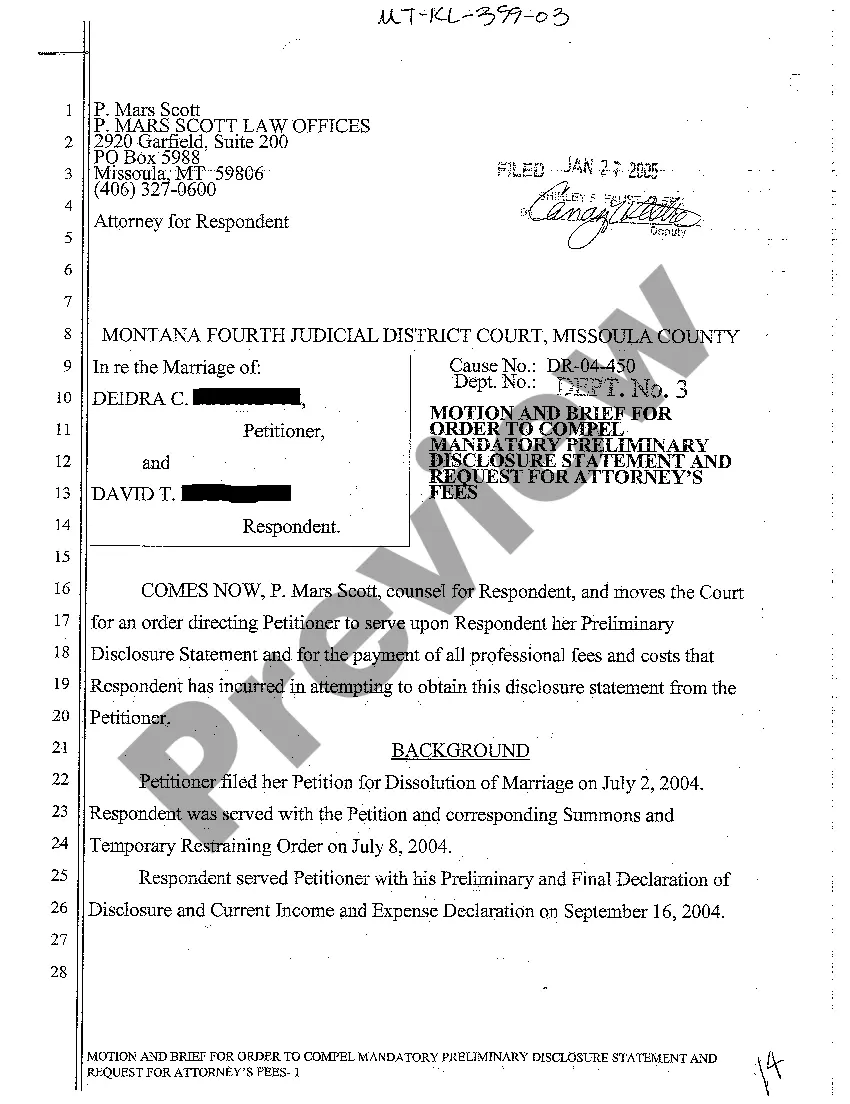
Montana Motion and Brief for Order to Compel Mandatory Preliminary Disclosure Statement and Request for Attorney's Fees
Description
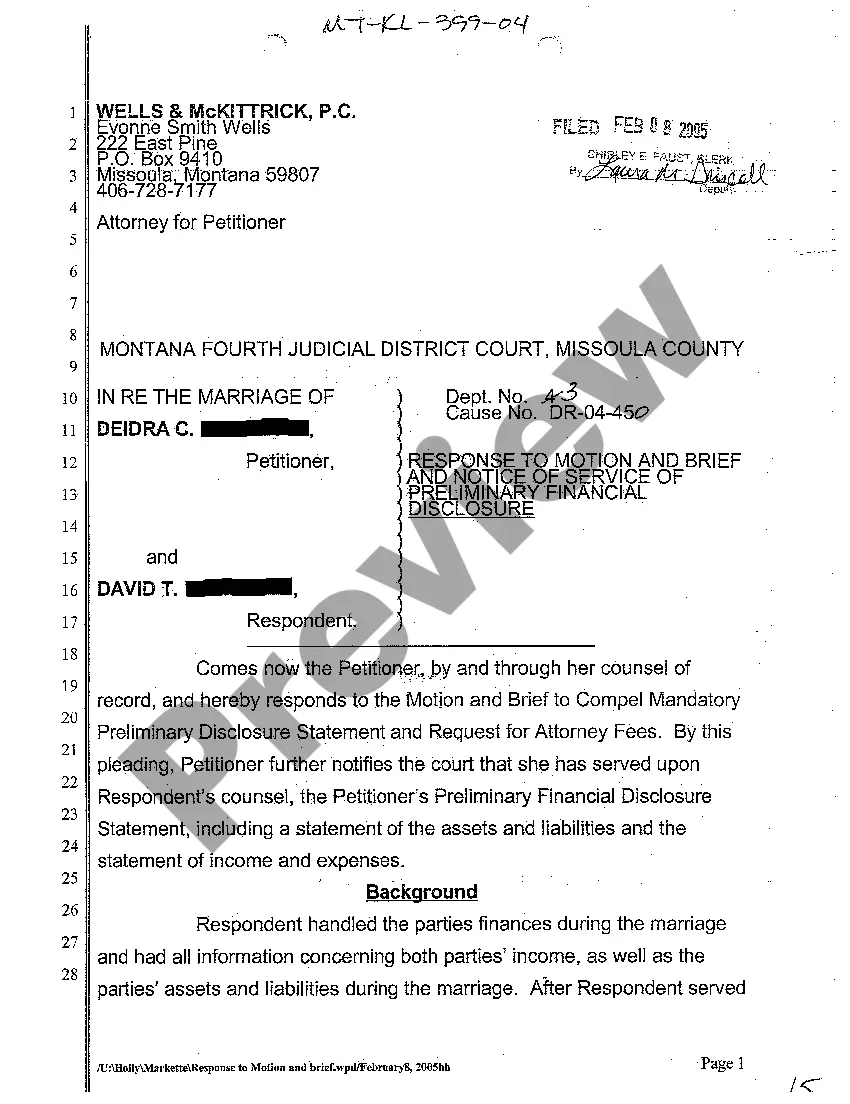
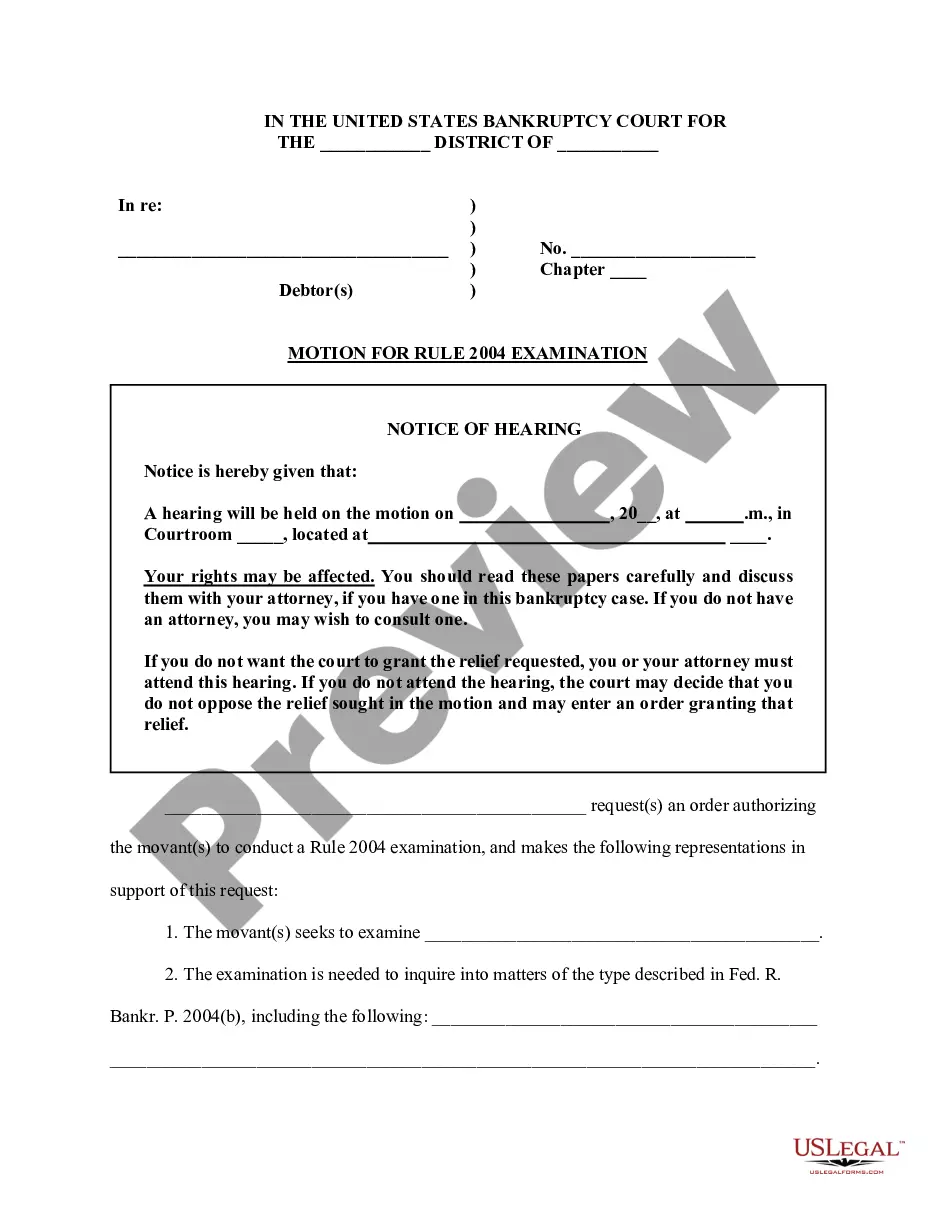
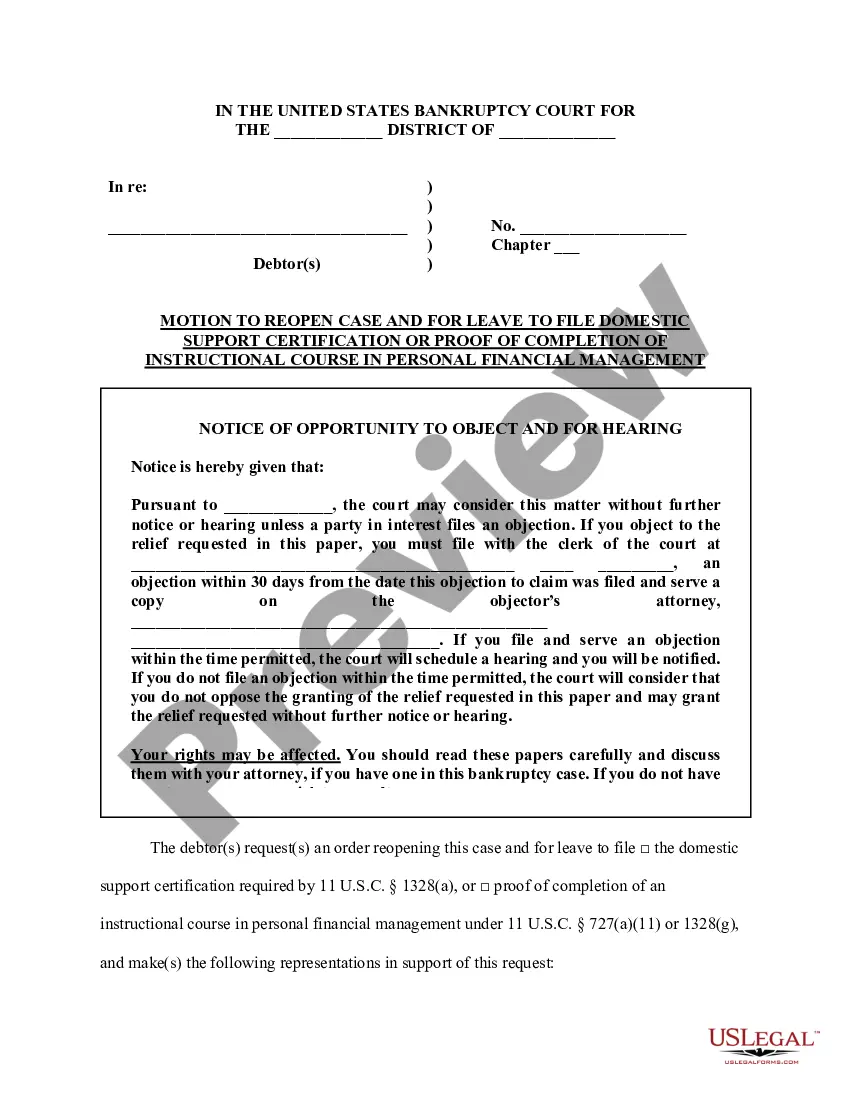
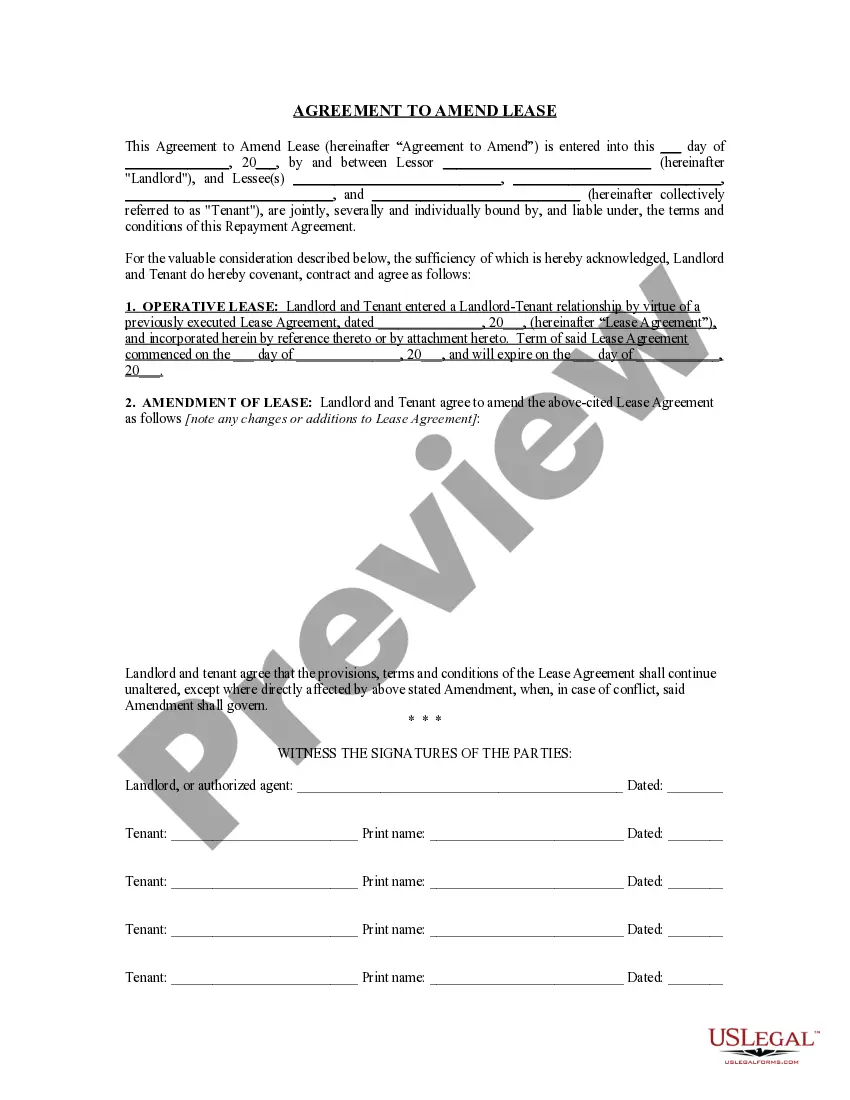

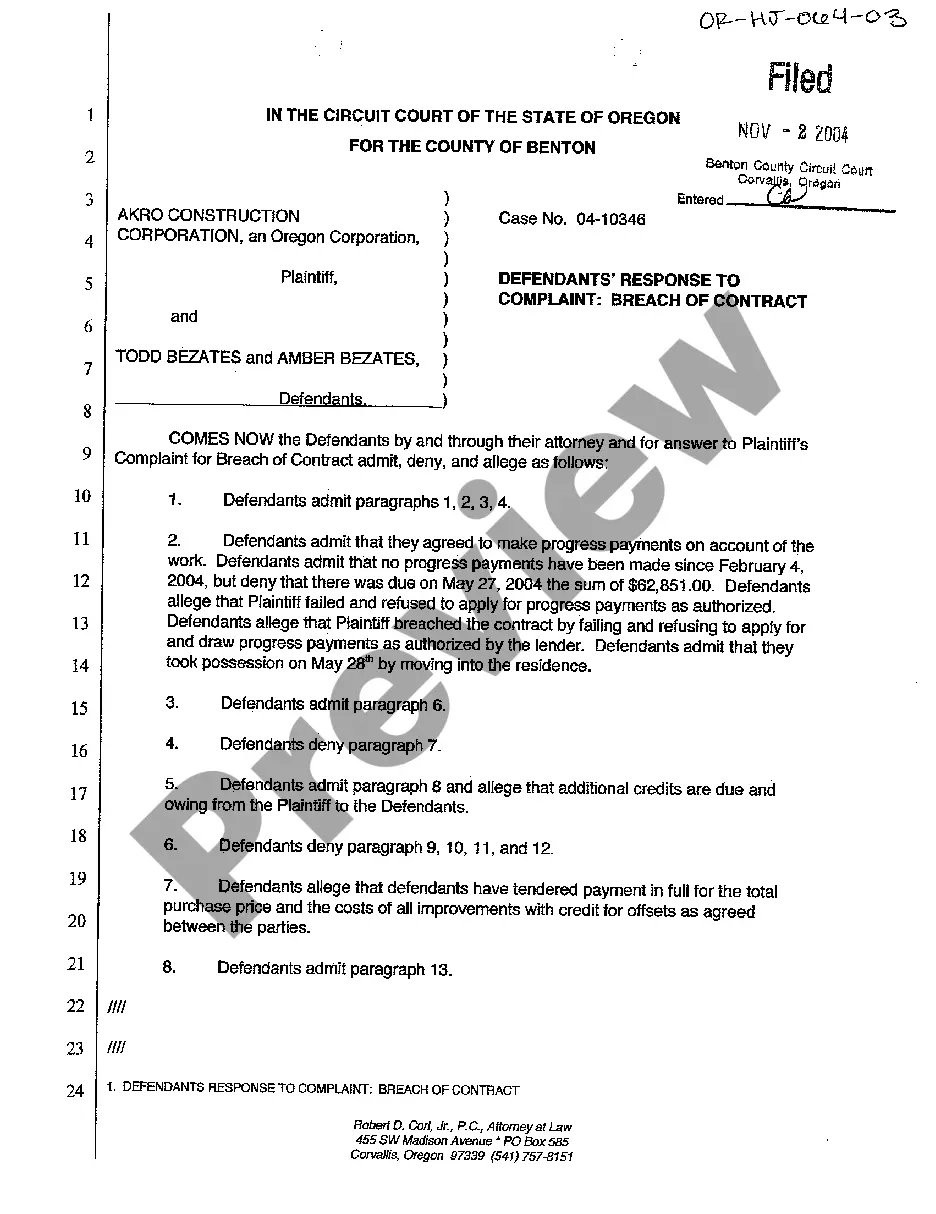
How to fill out Montana Motion And Brief For Order To Compel Mandatory Preliminary Disclosure Statement And Request For Attorney's Fees?
Acquire a printable Montana Motion and Brief for Order to Compel Mandatory Preliminary Disclosure Statement and Request for Attorney's Fees in just a few clicks from the largest collection of legal e-forms.
Locate, download and print expertly created and certified samples on the US Legal Forms website. US Legal Forms has been the leading provider of affordable legal and tax templates for US citizens and residents online since 1997.
Once you’ve downloaded your Montana Motion and Brief for Order to Compel Mandatory Preliminary Disclosure Statement and Request for Attorney's Fees, you can fill it out in any online editor or print it and complete it by hand. Utilize US Legal Forms to access 85,000 professionally drafted, state-specific documents.
- Users who already have a subscription must Log In to their US Legal Forms account, download the Montana Motion and Brief for Order to Compel Mandatory Preliminary Disclosure Statement and Request for Attorney's Fees and find it saved in the My documents section.
- Users who do not have a subscription are required to follow the steps below.
- Ensure your form complies with your state’s regulations.
- If available, review the form’s description for further information.
- If accessible, preview the form to learn more details.
- When you are certain the template satisfies your needs, click on Buy Now.
- Establish a personal account.
- Select a plan.
- Pay via PayPal or credit card.
- Download the template in Word or PDF format.
Form popularity
FAQ
The answer to this question in international and domestic law is clear: a child is anyone under the age of 18. But it took a legal challenge and a national campaign to ensure that 17-year-olds were given the same rights as other children in the police station.
Some age-related development periods and examples of defined intervals include: newborn (ages 04 weeks); infant (ages 4 weeks 1 year); toddler (ages 12 months-24 months); preschooler (ages 25 years); school-aged child (ages 613 years); adolescent (ages 1419).
According to the U.S. government, a child officially becomes an adult when they turn 18.That's not to say that kids in their late teens and early 20s can't take on these tasks, but it does mean that it's harder for them to do at least until around age 25 or so when this area of the brain fully develops.
A 14 year-old is a teenager and would not generally be referred to as a child. He or she will always be the child of his or her parents though.Again dependant upon where you live you are normally refered to as a child below 12 and a teenager during your teens but you do become an adult at the age of majority.