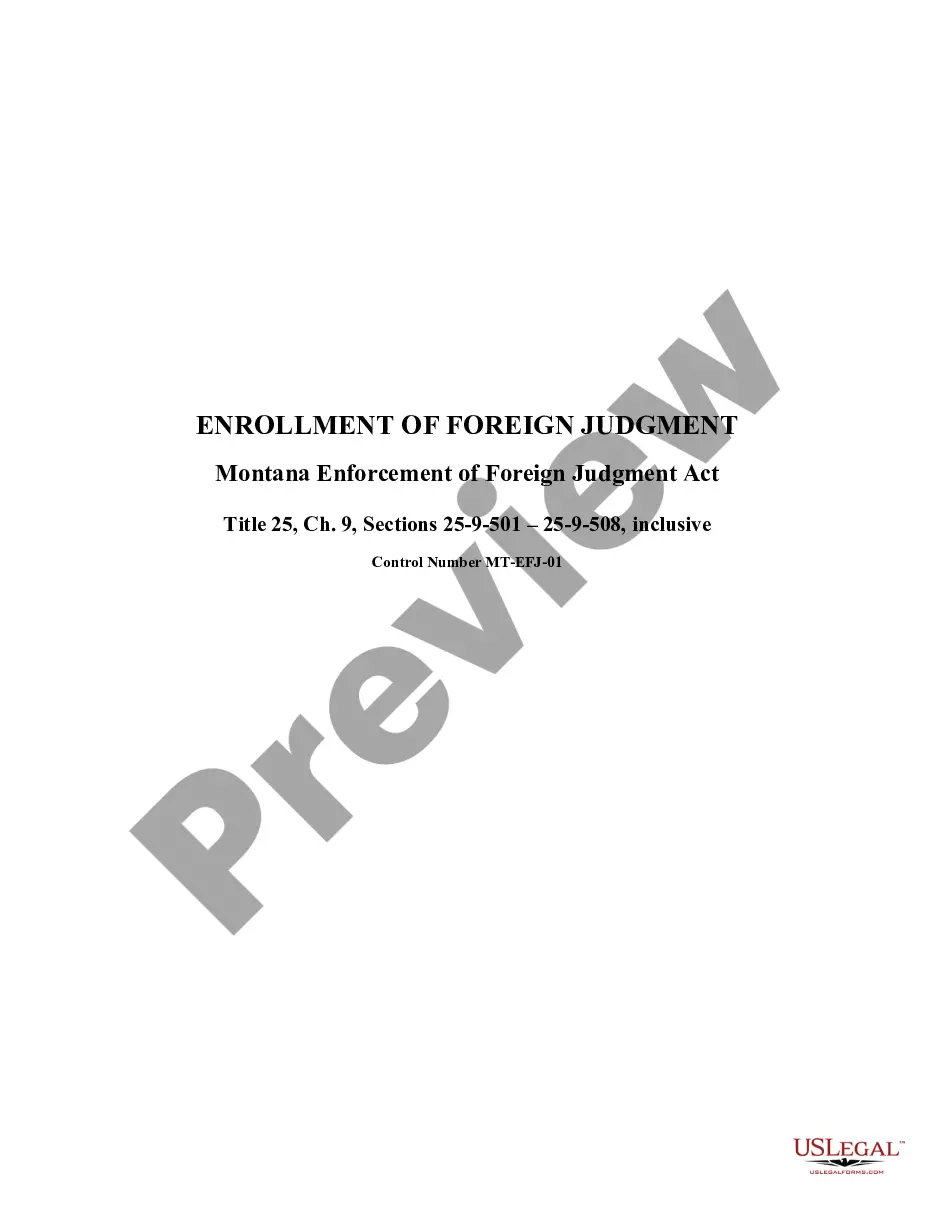
Montana Foreign Judgment Enrollment
About this form
The Montana Foreign Judgment Enrollment is a legal document used to enroll a judgment from another state into Montana. This process enables the judgment creditor to enforce the judgment in Montana, establishing a judgment lien on the debtor's property. This form differs from local judgments as it specifically addresses foreign judgments that require recognition in a new jurisdiction. The enrollment process follows the guidelines set by the Montana Enforcement of Foreign Judgment Act.
Form components explained
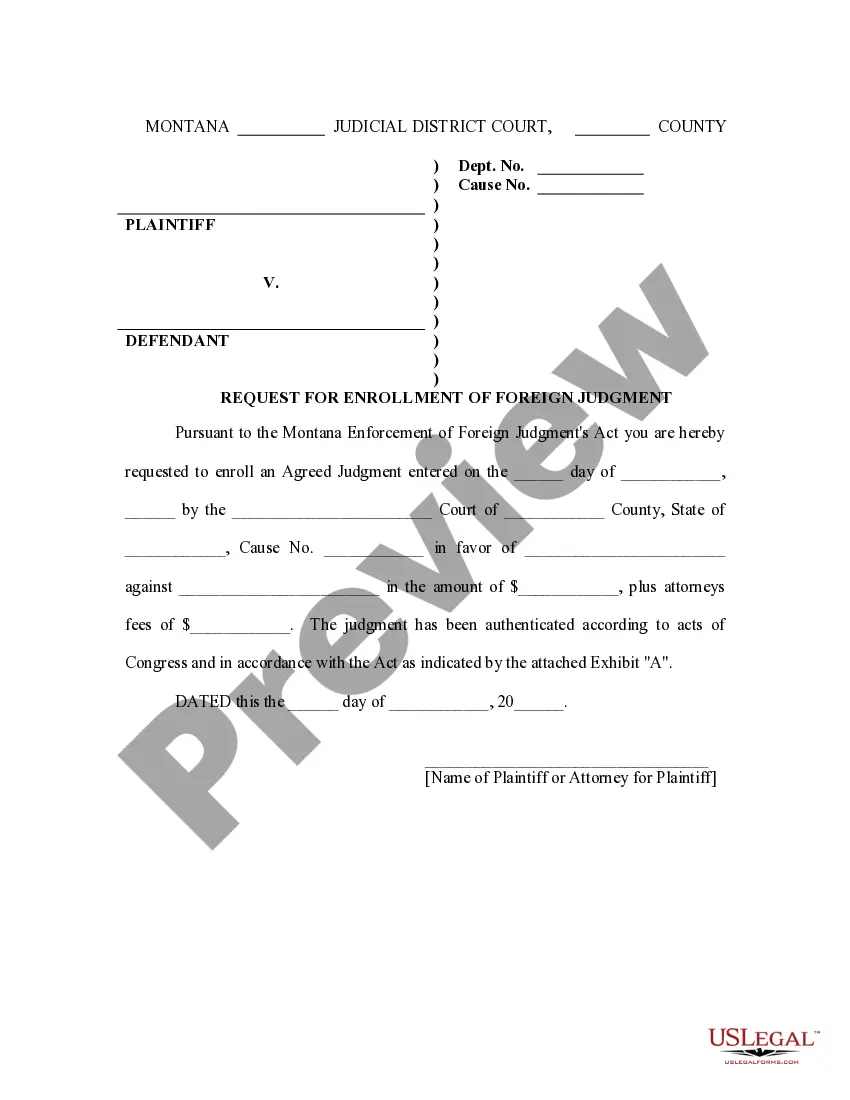
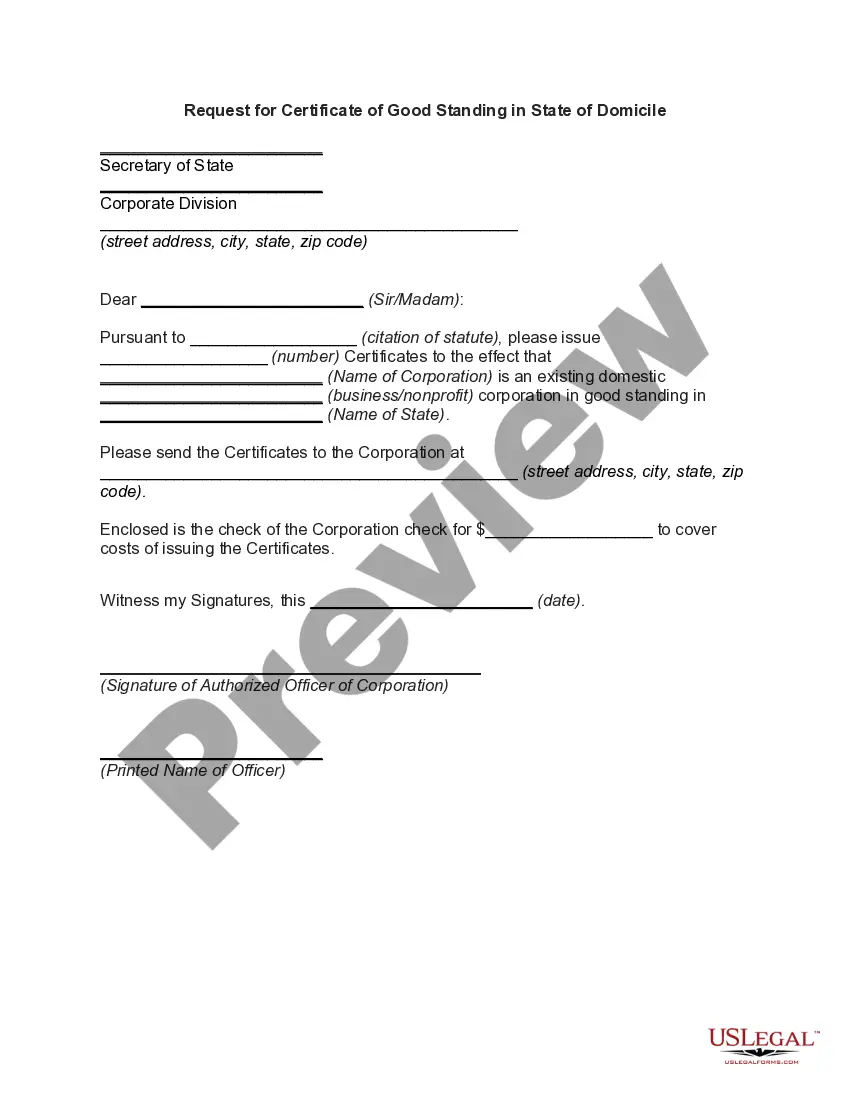
- A completed application for enrollment of the foreign judgment.
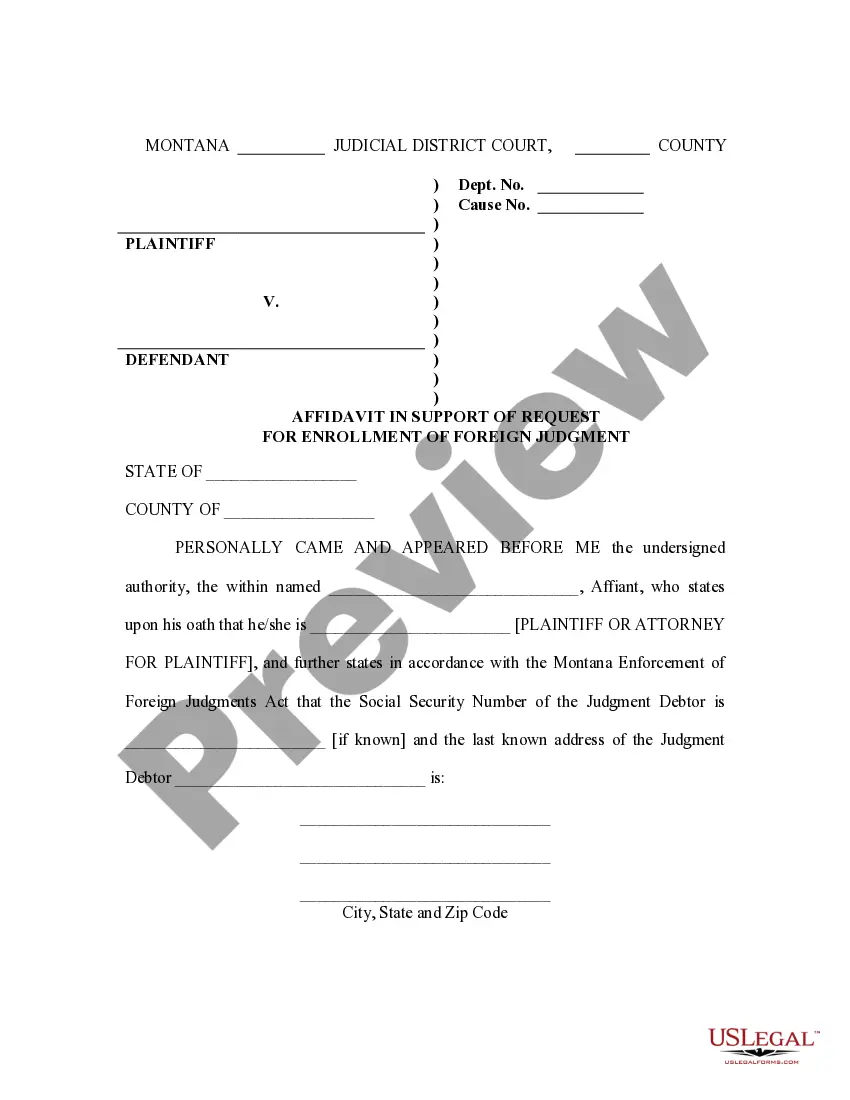
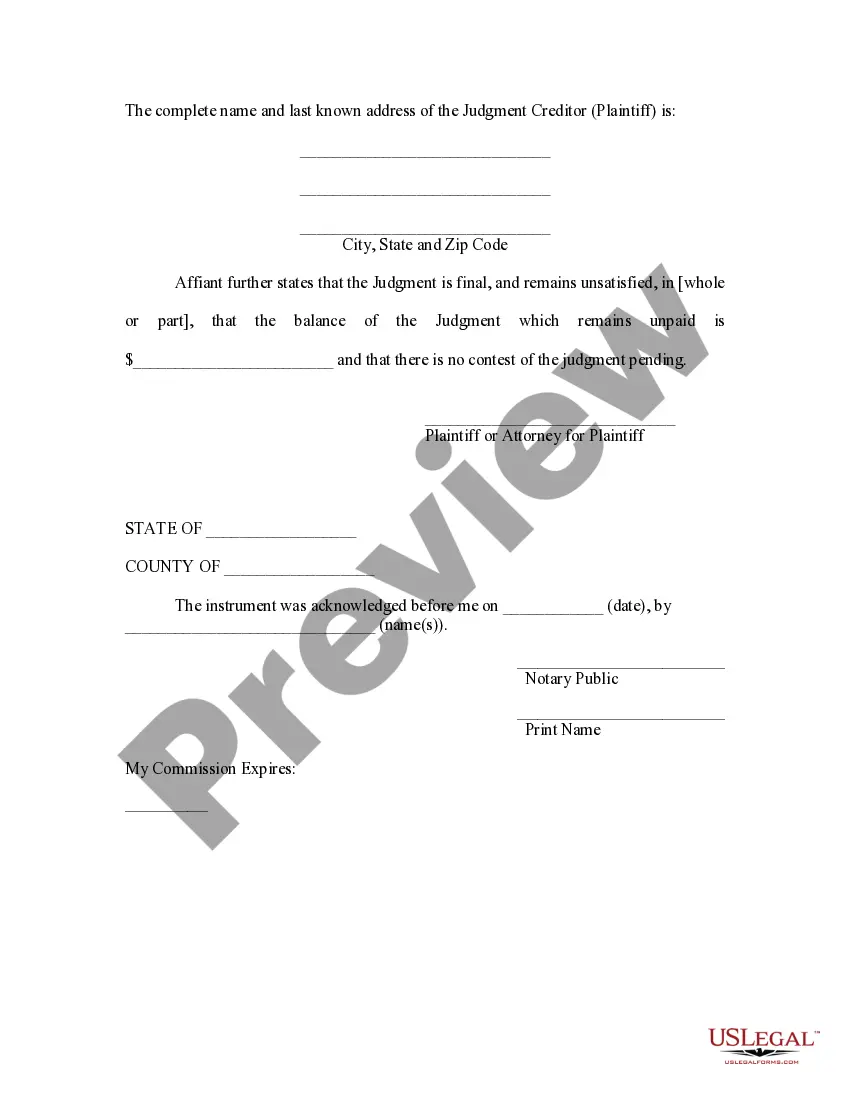
- An affidavit supporting the request for enrollment.
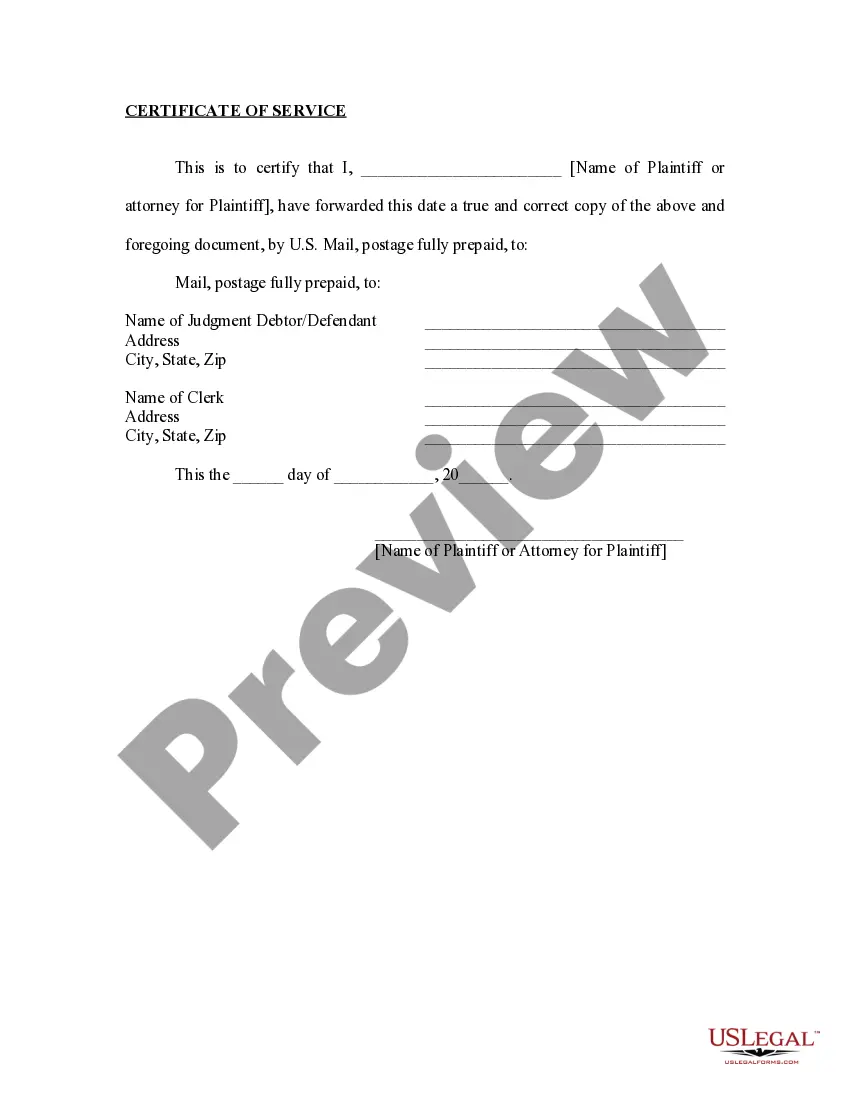
- A notice of enrollment to inform the judgment debtor.
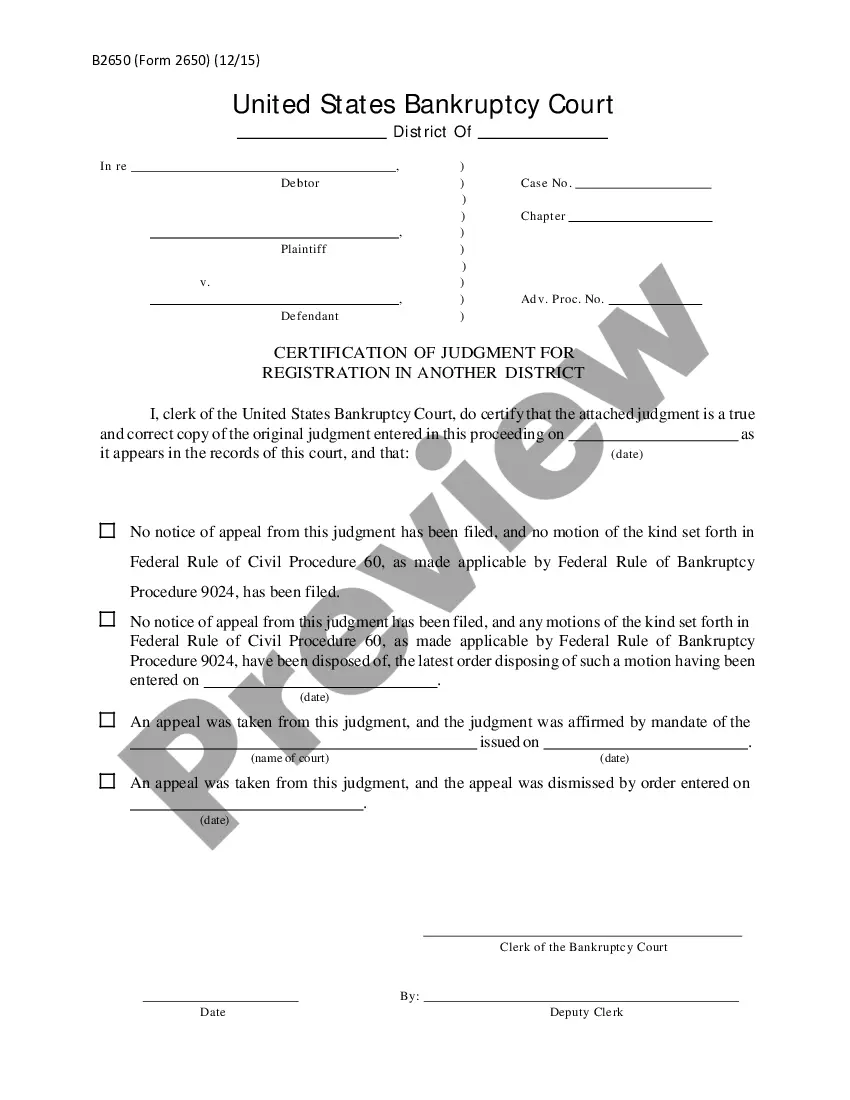
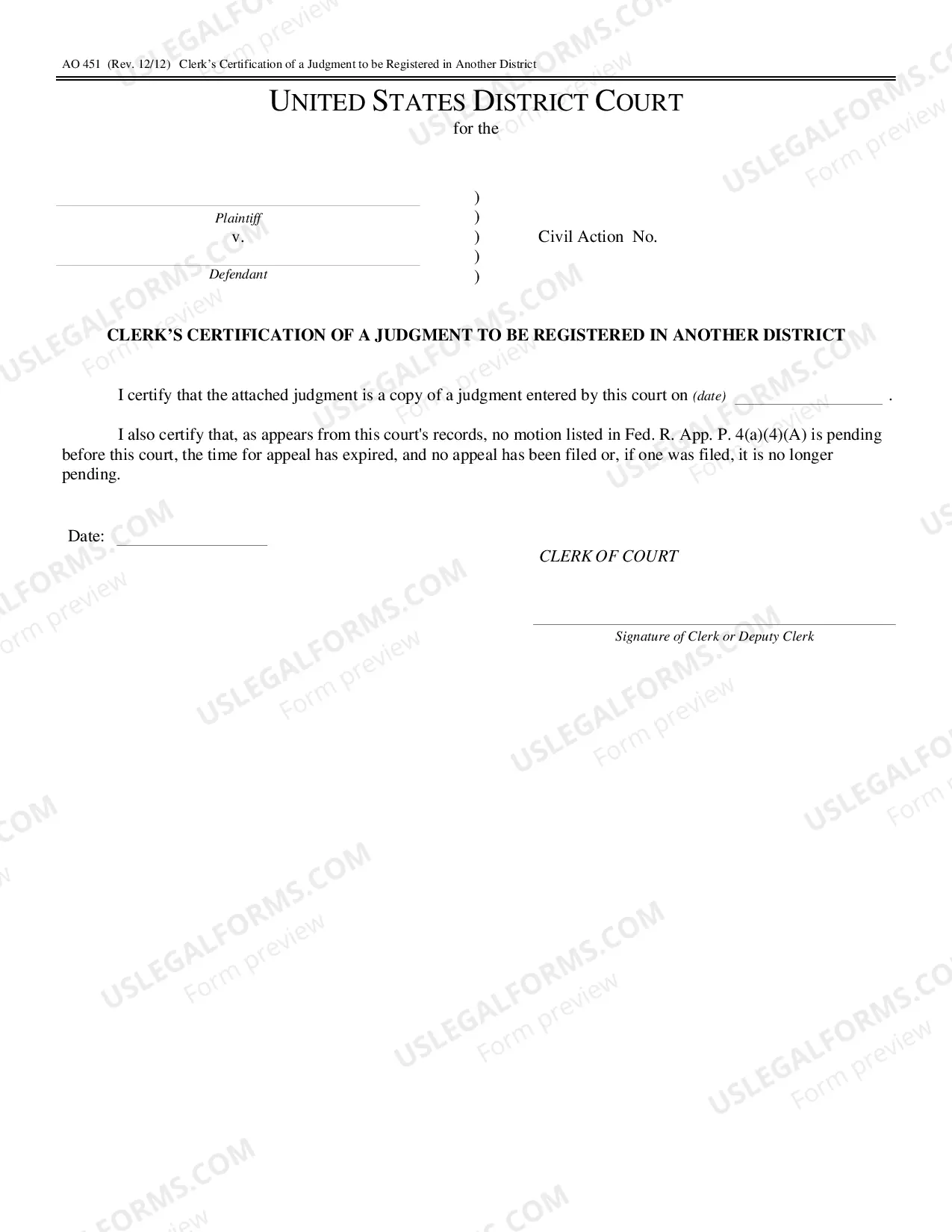
- Certification of the foreign judgment by the originating court.
- Details regarding the judgment creditor and debtor, including addresses and amounts owed.




When to use this document
This form should be used when a judgment has been rendered in a state other than Montana, and the creditor wishes to collect the judgment within Montana. The enrollment process is necessary when the creditor seeks to enforce the judgment against a debtor's assets located in Montana. Situations may include collecting unpaid debts, enforcing divorce settlements, or recovering damages from civil cases decided outside the state.
Intended users of this form
- Individuals or businesses who have obtained a judgment in another state.
- Legal representatives or attorneys acting on behalf of a judgment creditor.
- Creditors seeking to enforce judgments against debtors with property or assets in Montana.
- Anyone needing to establish a judgment lien on property in Montana.
Completing this form step by step
- Identify the parties involved: the judgment creditor and the judgment debtor.
- Obtain a certified copy of the foreign judgment, ensuring it meets the required certification standards.
- Complete the Affidavit in Support of Request to Enroll Foreign Judgment and other necessary forms.
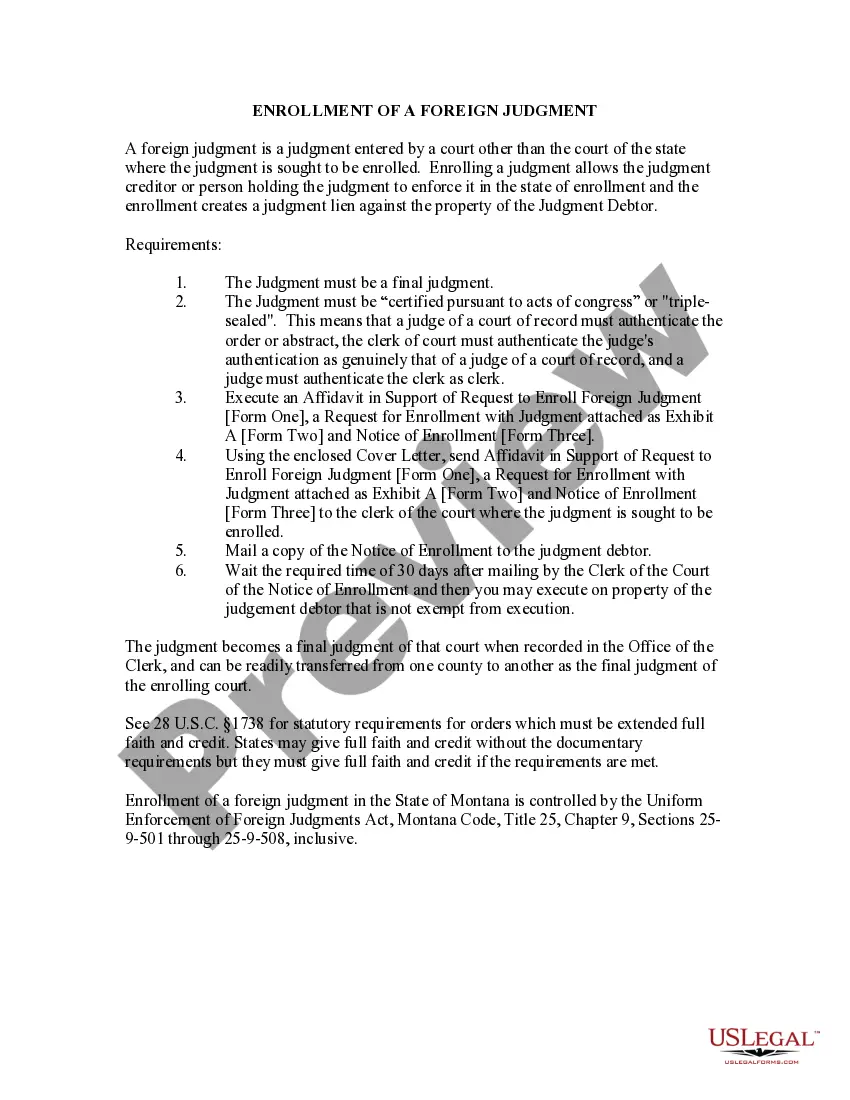
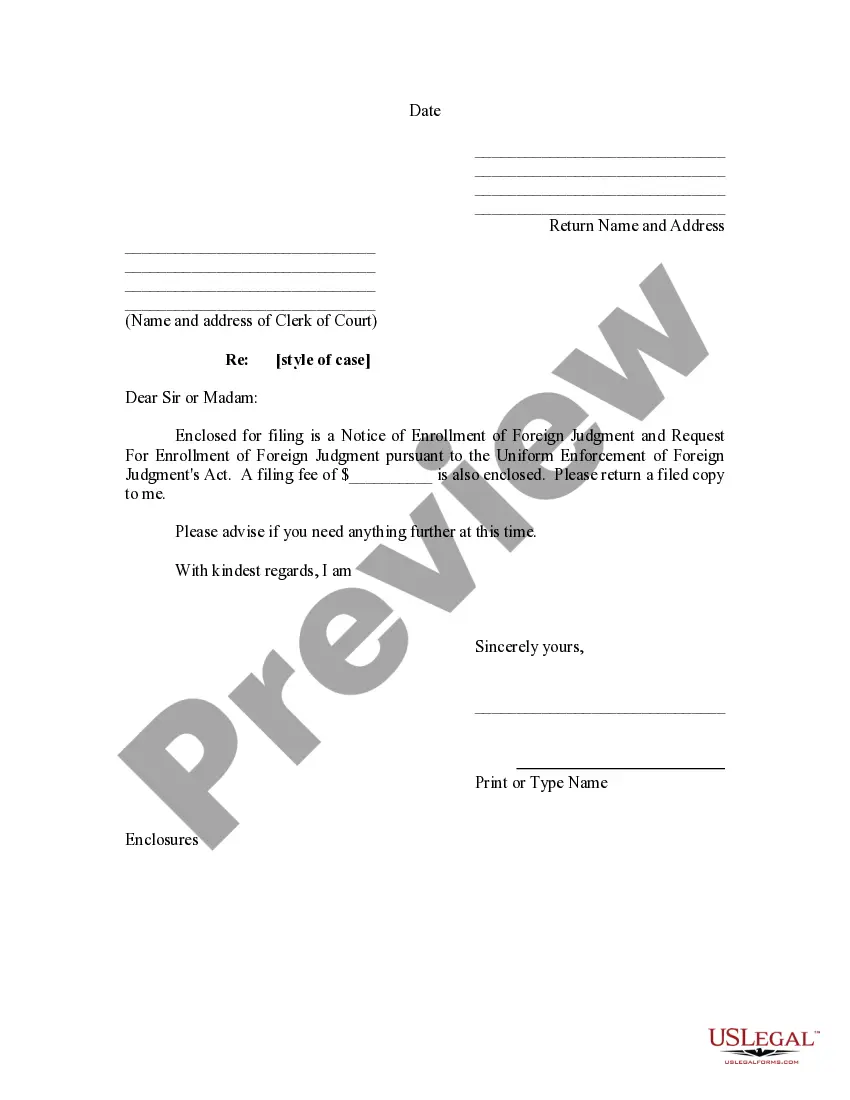
- File the completed forms with the Clerk of the Court in Montana, including the cover letter and notice of enrollment.
- Mail a copy of the notice of enrollment to the judgment debtor.
- Wait for 30 days before executing any collection actions on the non-exempt property of the judgment debtor.
Notarization requirements for this form
This form does not typically require notarization unless specified by local law. However, it is advisable to ensure that all required signatures are accurate and properly witnessed to avoid complications during the enrollment process.
Get your form ready online
Our built-in tools help you complete, sign, share, and store your documents in one place.
Make edits, fill in missing information, and update formatting in US Legal Forms—just like you would in MS Word.
Download a copy, print it, send it by email, or mail it via USPS—whatever works best for your next step.
Sign and collect signatures with our SignNow integration. Send to multiple recipients, set reminders, and more. Go Premium to unlock E-Sign.
If this form requires notarization, complete it online through a secure video call—no need to meet a notary in person or wait for an appointment.
We protect your documents and personal data by following strict security and privacy standards.

Make edits, fill in missing information, and update formatting in US Legal Forms—just like you would in MS Word.

Download a copy, print it, send it by email, or mail it via USPS—whatever works best for your next step.

Sign and collect signatures with our SignNow integration. Send to multiple recipients, set reminders, and more. Go Premium to unlock E-Sign.

If this form requires notarization, complete it online through a secure video call—no need to meet a notary in person or wait for an appointment.

We protect your documents and personal data by following strict security and privacy standards.
Avoid these common issues
- Failing to obtain a proper certification of the foreign judgment.
- Not mailing the notice of enrollment to the judgment debtor, which can delay enforcement.
- Submitting incomplete forms or missing signatures.
- Ignoring the 30-day waiting period before attempting to enforce the judgment.
Advantages of online completion
- Convenience of 24/7 access to forms and legal resources without the need to visit a law office.
- Editable form fields allow for quick and easy completion on a computer.
- Access to templates created and reviewed by licensed attorneys, ensuring legal accuracy.
- Ability to download forms immediately after completion for a faster submission process.
What to keep in mind
- The Montana Foreign Judgment Enrollment form is essential for enforcing out-of-state judgments in Montana.
- Proper certification of the foreign judgment is crucial for acceptance in Montana courts.
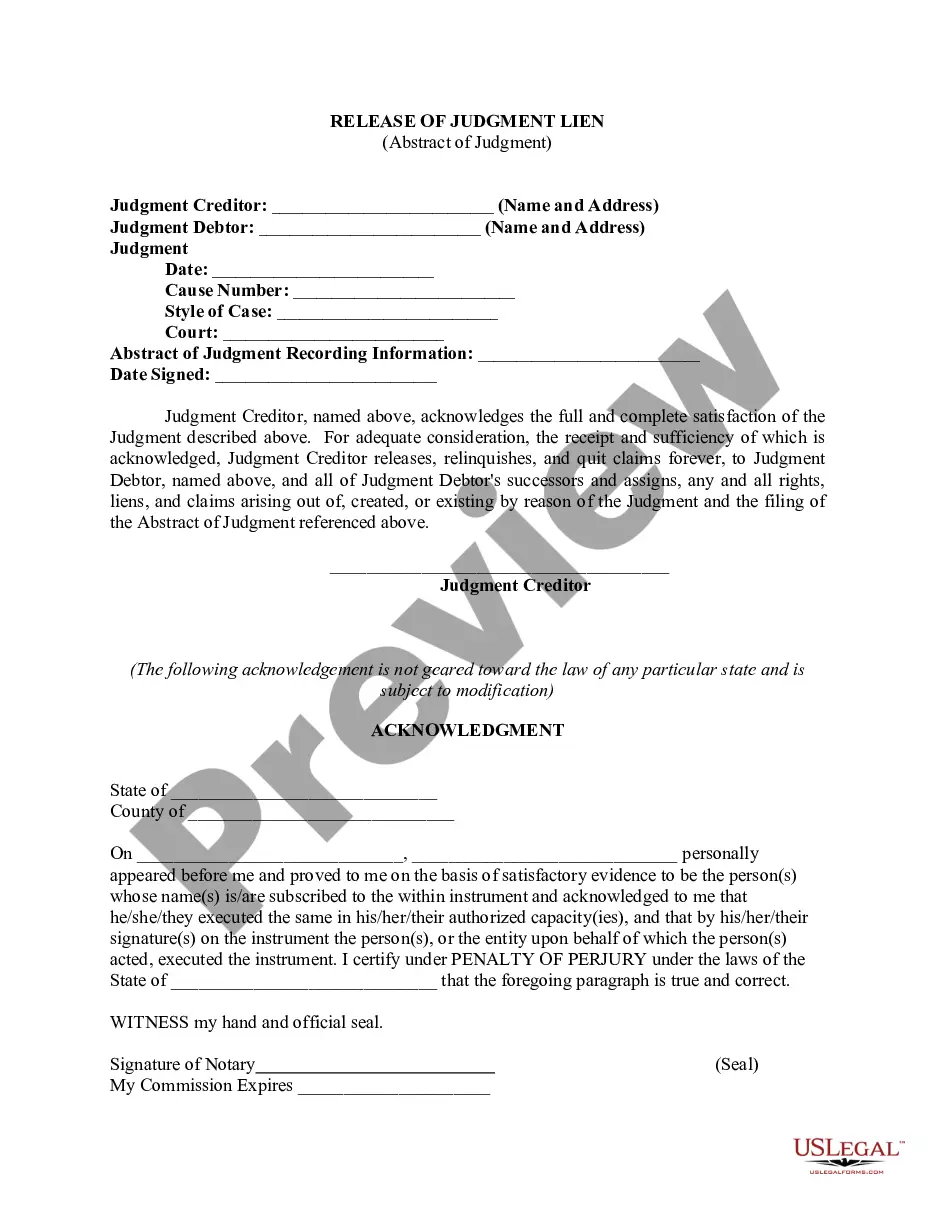
- Enrolling a foreign judgment allows creditors to establish liens against the debtor's property.
- Common errors in the enrollment process can delay legal proceedings, so careful attention to detail is important.
Looking for another form?

Form popularity
FAQ
The process requires registering a certified copy of the foreign judgment with the clerk of the court in the jurisdiction where you want to enforce the judgment. You will also need to file an affidavit attesting to certain facts, as specified in the court's procedural rules.
Hence, a decree passed by a superior court of a foreign country cannot be enforced in India if it contravenes an earlier conclusive judgment passed by a competent court in a suit between the same parties, as it is enforced as a domestic decree.
Generally, a "foreign judgment" is one that is rendered in another state or country that is judicially distinct from the state where collection of the judgment is sought. Before a foreign judgment can be enforced, certain requirements must be met.
Generally, U.S. judgments cannot be enforced in a foreign country without first being recognized by a court in that foreign country.It can generally be said that non-default judgments not involving tort claims or punitive damages are more likely to be enforced.
Without following the strict requirements of the UEFJA, and properly domesticating the foreign judgment, the judgment is nothing more than a piece of paper. Domestication is the process that allows a creditor to attach the judgment as a lien to the debtor's property, and otherwise enforce it.
The "recognition" of a foreign judgment occurs when the court of one country or jurisdiction accepts a judicial decision made by the courts of another "foreign" country or jurisdiction, and issues a judgment in substantially identical terms without rehearing the substance of the original lawsuit.
A foreign judgment cannot be enforced in the US before being recognised by a US court. The 1962 and 2005 Model Acts deal with the recognition of judgments.
Canadian courts start from the general proposition that neither foreign nor domestic judgments will be enforced if obtained by fraud.85 In Beals, the Supreme Court identified two types of fraud that provide a defence to enforcement: fraud going to jurisdiction and fraud going to the merits.