Mississippi Codicil to Will Form for Amending Your Will - Will Changes or Amendments
Understanding this form
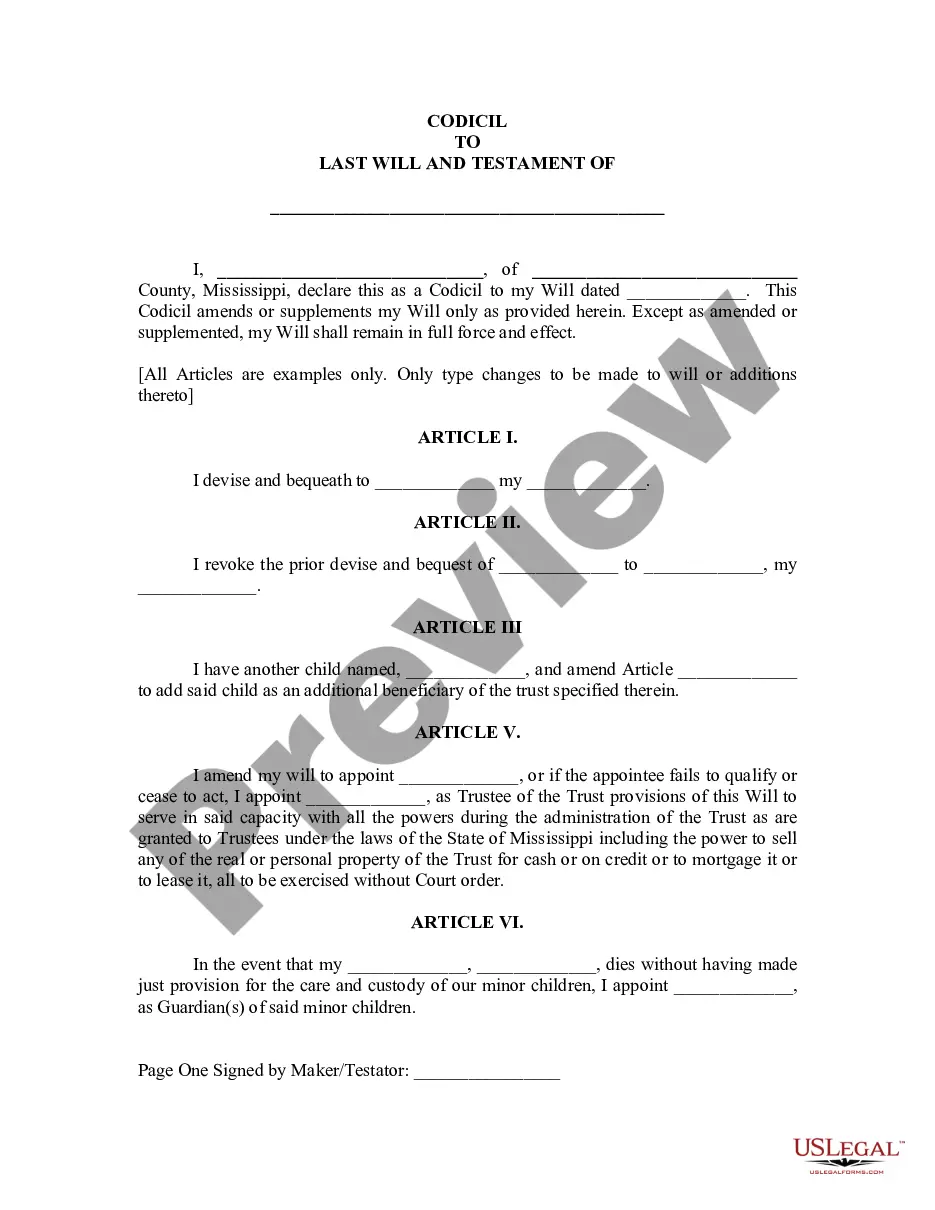
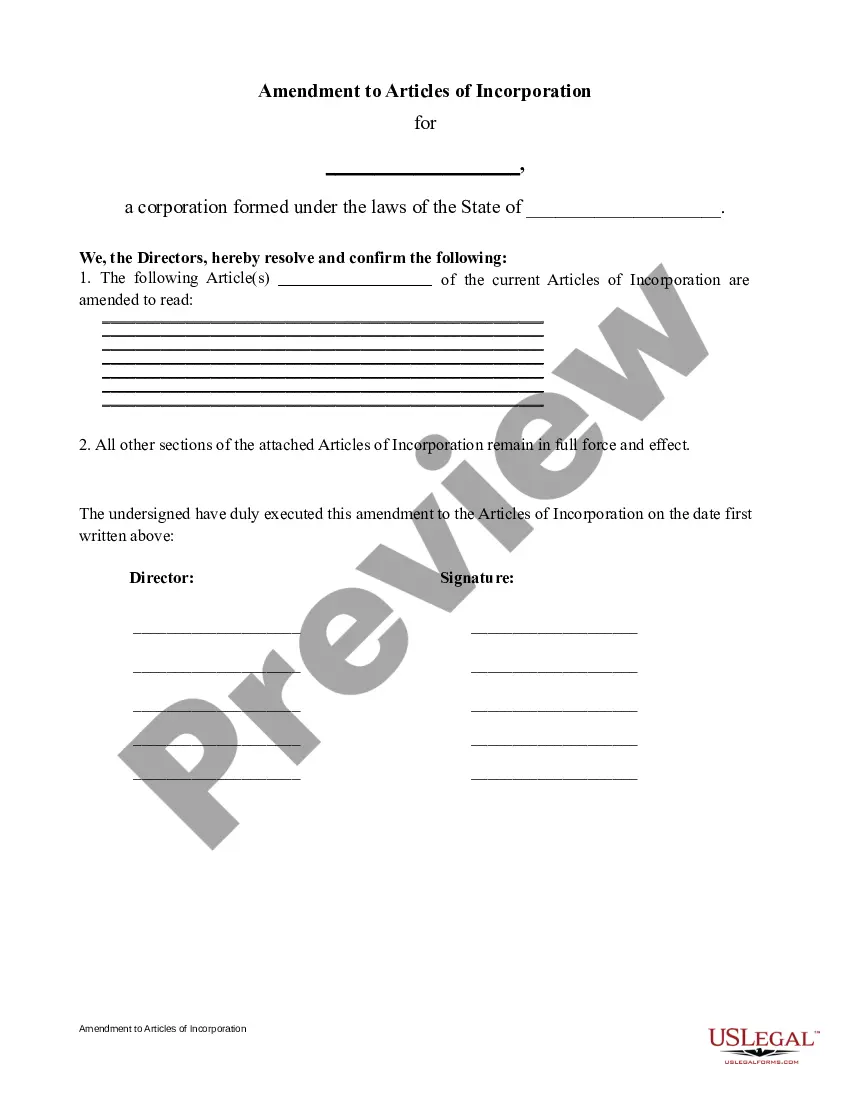
The Mississippi Codicil to Will Form allows you to amend your existing will without drafting an entirely new document. This form serves to clarify that your previous will remains valid except for the specific changes outlined in the codicil. Using this codicil simplifies the amendment process while ensuring that all updates comply with Mississippi state law.
Main sections of this form
- Identification of the testator and date of the original will.
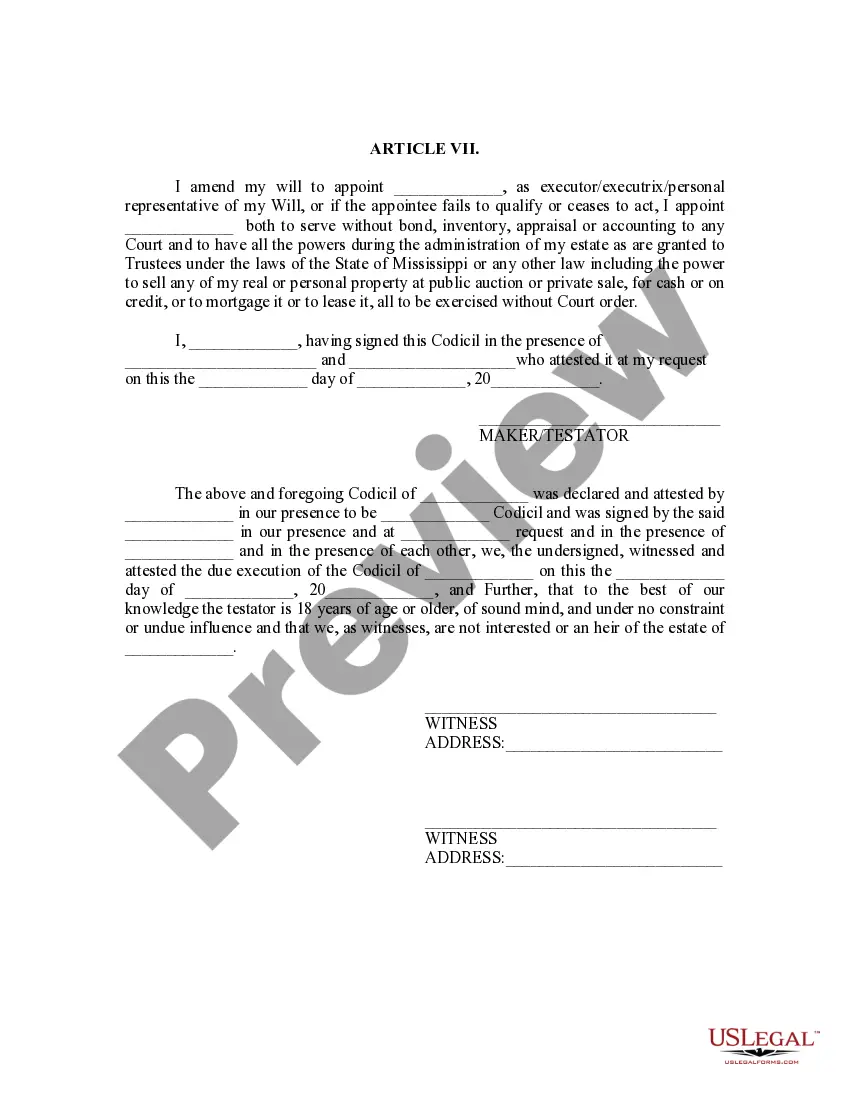
- Articles for making specific amendments to the will, including bequests and changes to fiduciaries.
- Clauses to revoke prior bequests or designations.
- Signature line for the maker/testator and space for witnesses' signatures.
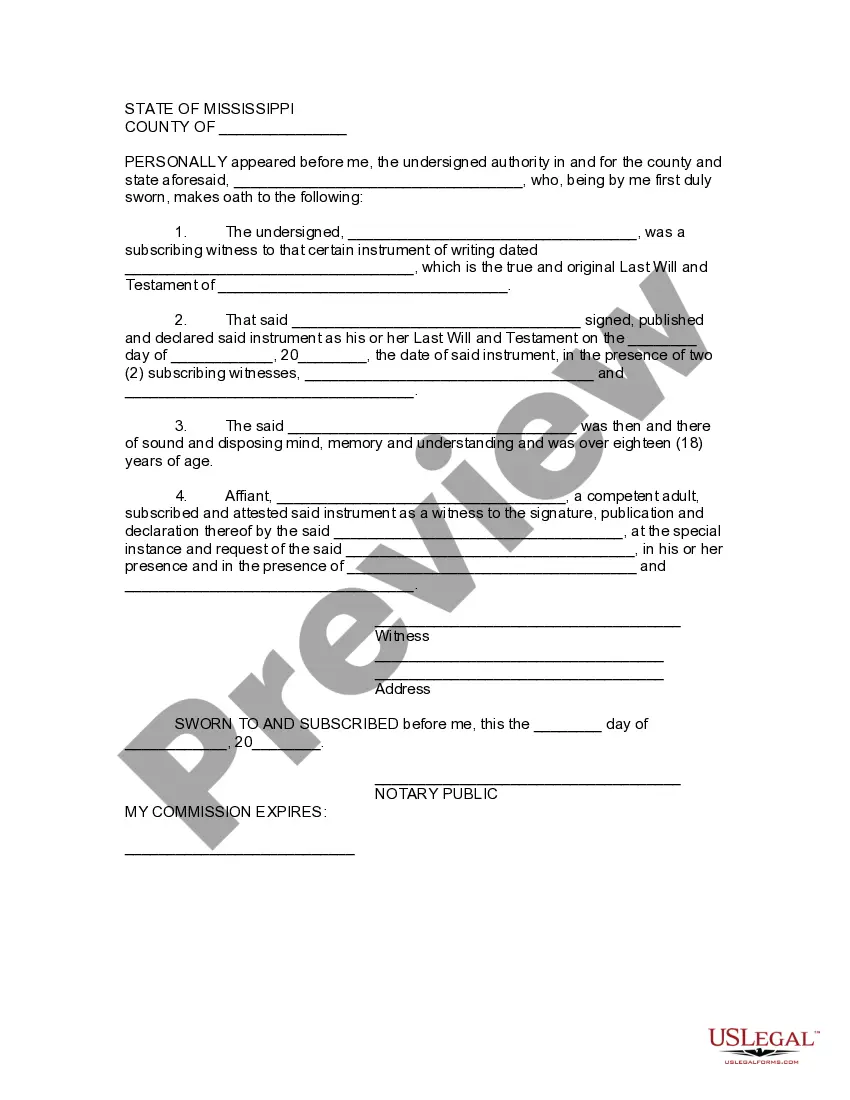
- Notarization section to affirm the document's execution.
Situations where this form applies
This form is useful when you want to make minor changes or additions to your existing will without going through the entire process of drafting a new will. Situations might include naming a new executor, changing beneficiaries, or updating guardian designations for minor children.
Intended users of this form
- Individuals who already have a valid will and wish to make amendments.
- Testators looking to clarify their wishes regarding bequests or fiduciary roles.
- People updating their estate plans to reflect changes in family circumstances.
Steps to complete this form
- Begin by entering your name and the county of residence at the top of the form.
- Specify the date of your current will and clearly outline the changes you wish to make in the appropriate articles.
- Fill in the names of the individuals you are designating for bequests or as fiduciaries.
- Sign the form in the presence of two witnesses who must also sign it.
- If required, have the form notarized to confirm its execution.
Notarization guidance
Yes, this form must be notarized to be legally valid in Mississippi. This ensures the authenticity of signatures and formalizes the execution of the codicil. US Legal Forms offers integrated online notarization, providing 24/7 availability through secure video calls, making the process efficient and hassle-free.
Get your form ready online
Our built-in tools help you complete, sign, share, and store your documents in one place.
Make edits, fill in missing information, and update formatting in US Legal Forms—just like you would in MS Word.
Download a copy, print it, send it by email, or mail it via USPS—whatever works best for your next step.
Sign and collect signatures with our SignNow integration. Send to multiple recipients, set reminders, and more. Go Premium to unlock E-Sign.
If this form requires notarization, complete it online through a secure video call—no need to meet a notary in person or wait for an appointment.
We protect your documents and personal data by following strict security and privacy standards.

Make edits, fill in missing information, and update formatting in US Legal Forms—just like you would in MS Word.

Download a copy, print it, send it by email, or mail it via USPS—whatever works best for your next step.

Sign and collect signatures with our SignNow integration. Send to multiple recipients, set reminders, and more. Go Premium to unlock E-Sign.

If this form requires notarization, complete it online through a secure video call—no need to meet a notary in person or wait for an appointment.

We protect your documents and personal data by following strict security and privacy standards.
Common mistakes to avoid
- Failing to have the document properly witnessed or notarized, which can invalidate the codicil.
- Not clearly identifying the original will, leading to confusion regarding which document is being amended.
- Using vague language, which may create ambiguity in the intent of the amendments.
Benefits of using this form online
- Convenience of immediate access to the form from anywhere with an internet connection.
- Ability to easily edit and customize the document to meet your specific needs.
- Assurance that the form is drafted according to current legal standards by licensed attorneys.
Legal use & context
- Codicils are legally binding amendments to wills, provided they meet state requirements.
- Changes made through a codicil must be executed with the same formalities as a will.
- This form aids in ensuring that your estate planning reflects current intentions while maintaining the validity of prior documents.
Main things to remember
- The Mississippi Codicil to Will Form allows for efficient updates to existing wills.
- Modifications are clearly outlined in a straightforward manner.
- Proper execution with witnesses is crucial for the codicilâs legal validity.
- Consideration of notarization can add a layer of security to the document.
Looking for another form?
Form popularity
FAQ
Making changes to your will You cannot amend your will after it's been signed and witnessed. The only way you can change a will is by making an official alteration called a codicil. You must sign a codicil and get it witnessed in the same way as witnessing a will.
If you would like to modify your will, the proper venue to do this is through a codicil. A codicil is a legal document, added to your will, through which you can make valid changes to your estate plan.
The Codicil cross-refers to the original Will and gives details of the amendments or additions you want to make to it. The Codicil must then be executed in the same way as for the Will i.e. signed with two witnesses (although the witnesses do not need to be the same people as the witnesses on the Will).
If executed correctly, a codicil is simply an amendment to the original will and therefor in essence becomes part of the original will. So, there is really no "will overriding a codicil" as they are in essence one and the same.
In short, no a codicil to a Will does not have to be notarized. However, laws and requirements vary from state to state. A codicil does have to be signed in front of at least two witnesses who are not listed as beneficiaries, guardians, or executors in your Will.
Rather than taking the will to an attorney, you may attempt to change the will yourself. Not all handwritten changes to a will may be valid, however.A codicil is a legal document, added to your will, through which you can make valid changes to your estate plan.
Identify the section and content you want to change. The first step in amending your will is to review it. Type up the changes. Take the time to type up the codicil. Sign and date the codicil. Store your codicil in a safe place.
You cannot amend your will after it's been signed and witnessed. The only way you can change a will is by making an official alteration called a codicil. You must sign a codicil and get it witnessed in the same way as witnessing a will. There's no limit on how many codicils you can add to a will.