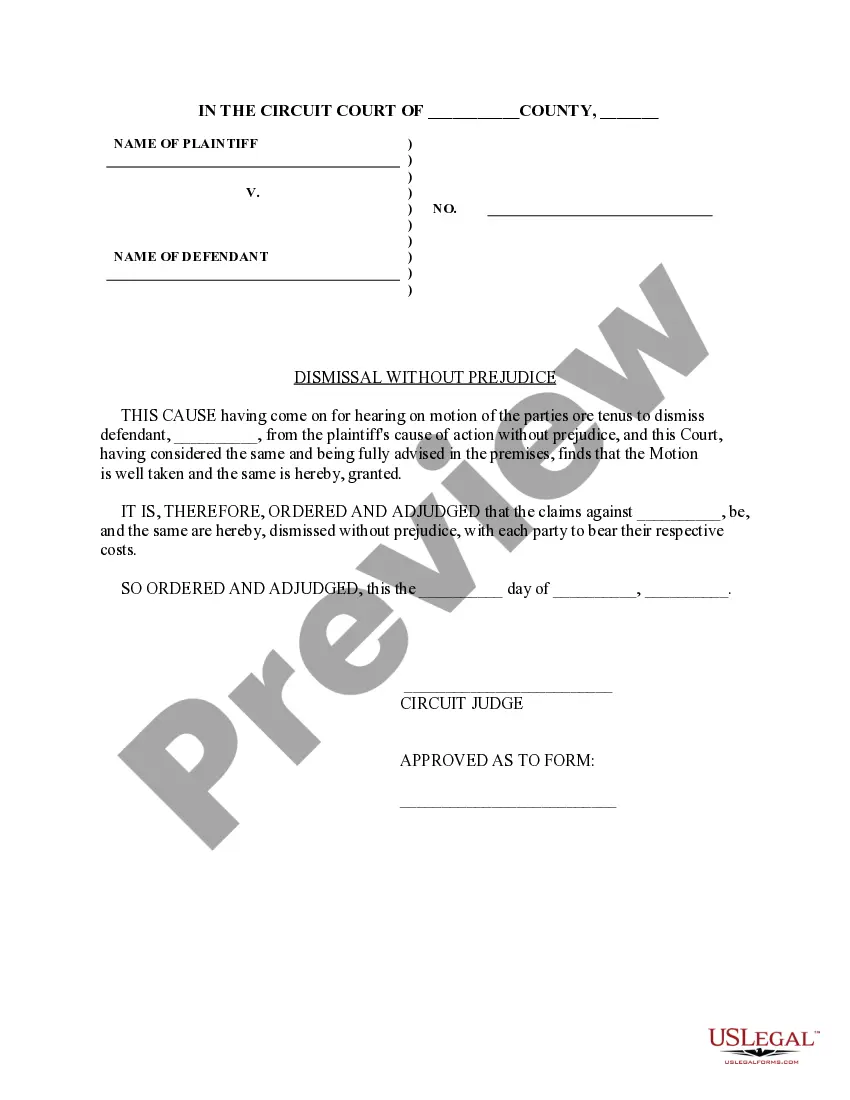
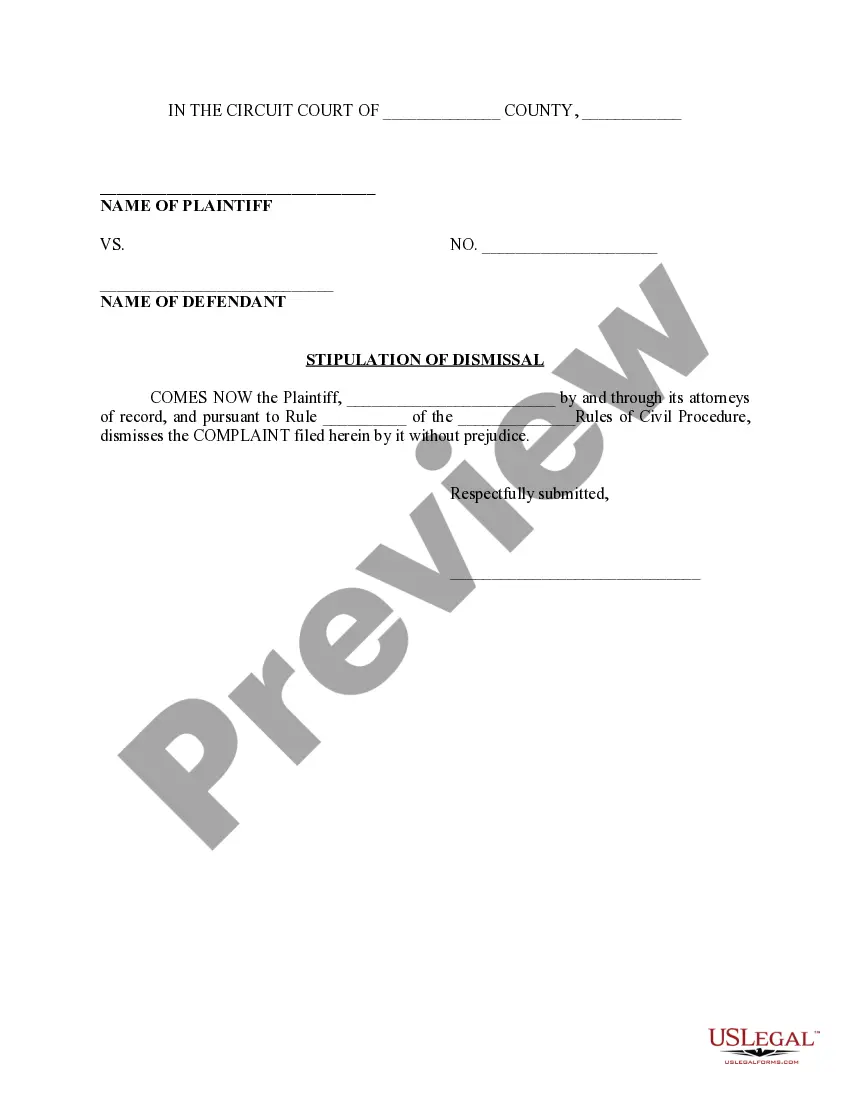
Mississippi Dismissal Without Prejudice
Description
Get your form ready online
Our built-in tools help you complete, sign, share, and store your documents in one place.
Make edits, fill in missing information, and update formatting in US Legal Forms—just like you would in MS Word.
Download a copy, print it, send it by email, or mail it via USPS—whatever works best for your next step.
Sign and collect signatures with our SignNow integration. Send to multiple recipients, set reminders, and more. Go Premium to unlock E-Sign.
If this form requires notarization, complete it online through a secure video call—no need to meet a notary in person or wait for an appointment.
We protect your documents and personal data by following strict security and privacy standards.

Make edits, fill in missing information, and update formatting in US Legal Forms—just like you would in MS Word.

Download a copy, print it, send it by email, or mail it via USPS—whatever works best for your next step.

Sign and collect signatures with our SignNow integration. Send to multiple recipients, set reminders, and more. Go Premium to unlock E-Sign.

If this form requires notarization, complete it online through a secure video call—no need to meet a notary in person or wait for an appointment.

We protect your documents and personal data by following strict security and privacy standards.
Looking for another form?

How to fill out Dismissal Without Prejudice?
If you wish to finish, acquire, or print sanctioned record formats, utilize US Legal Forms, the largest compilation of authorized templates, accessible online.
Employ the site’s straightforward and user-friendly search to locate the documents you require. Various templates for business and personal purposes are categorized by types and jurisdictions, or keywords.
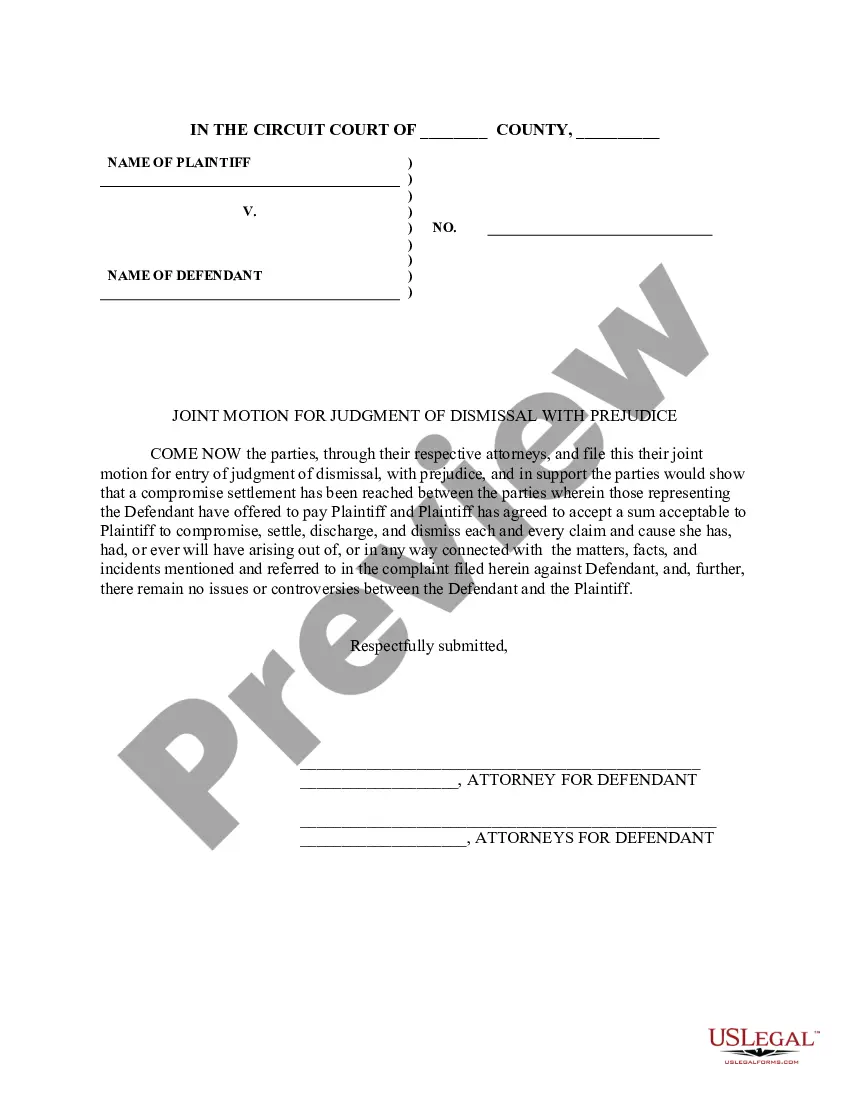
Use US Legal Forms to find the Mississippi Dismissal Without Prejudice with just a few clicks.
Every legal document format you purchase is yours to keep indefinitely. You have access to each form you saved within your account. Visit the My documents section and select a form to print or download again.
Act promptly and obtain, and print the Mississippi Dismissal Without Prejudice with US Legal Forms. There are numerous professional and state-specific templates available for your business or personal needs.
- If you are already a US Legal Forms user, Log In to your account and click the Obtain button to retrieve the Mississippi Dismissal Without Prejudice.
- You can also access forms you previously saved from the My documents tab of your account.
- If you are using US Legal Forms for the first time, follow the steps below.
- Step 1. Ensure you have selected the form for the appropriate city/state.
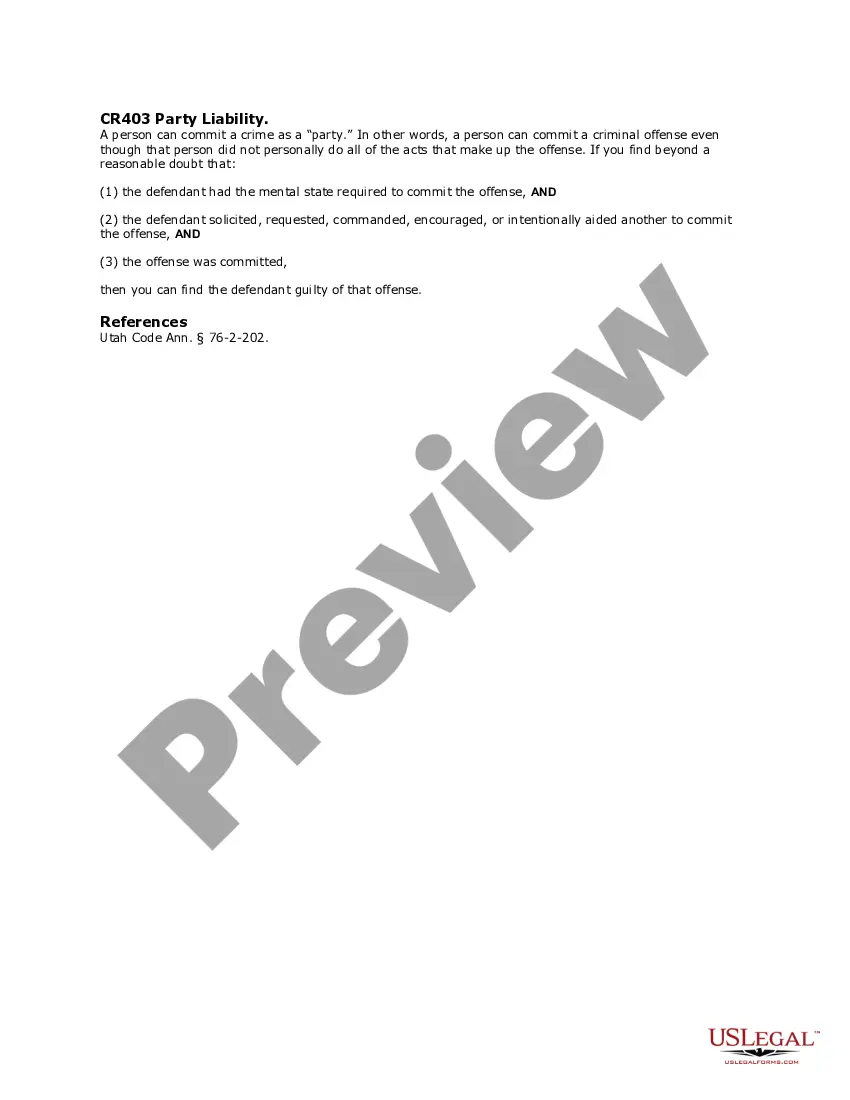
- Step 2. Make use of the Preview option to review the form’s details. Remember to read the information carefully.
- Step 3. If you are not satisfied with the document, use the Search field at the top of the screen to find other versions of the legal document template.
- Step 4. Once you have located the form you need, click on the Purchase now option. Choose the payment plan you prefer and input your credentials to register for the account.
- Step 5. Complete the transaction. You can use your credit card or PayPal account to finalize the purchase.
- Step 6. Select the format of the legal document and download it to your device.
- Step 7. Complete, modify, and print or sign the Mississippi Dismissal Without Prejudice.
Form popularity
FAQ
Rule 60 motions for relief from a judgment filed no later than ten days after entry of judgment toll the time period in which an appeal may be taken. M.R.A.P. 4(d). Rule 60 motions filed more than ten days after entry of judgment do not toll the time period in which an appeal may be taken.
A Rule 59(e) motion must be filed no later than 28 days after the entry of the judgment. This is a strict time limit, and the court has no authority to grant more time. See Fed.
On a motion for a new trial in an action tried without a jury, the court may open the judgment if one has been entered, take additional testimony, amend findings of fact and conclusions of law or make new findings and conclusions, and direct the entry of a new judgment. (b) Time for motion.
Rule 4(h) provides that if service is not made upon a defendant within 120 days after the filing of the complaint, the claims against that defendant will be dismissed without prejudice absent good cause for the failure to timely serve the defendant.
Rule 41(a)(1) provides two methods by which a plaintiff may dismiss an action without obtaining the consent of the court: He may do so at any time by stipulation of all the parties; he may do so prior to service of an answer or of a motion for summary judgment by his own unilateral act of filing a notice of dismissal ...
Rule 81 requires use of a special summons which commands that the defendant appear and defend at a specific time and place set by order of the court and informs him or her that no answer is necessary.
Ingly the amendment of Rule 59(b) eliminates the ?except? clause and its specific treatment of newly discovered evidence as a ground for a motion for new trial. This ground remains, however, as a basis for a motion for new trial served not later than 10 days after the entry of judgment. See also Rule 60(b).
On a motion for a new trial in an action tried without a jury, the court may open the judgment if one has been entered, take additional testimony, amend findings of fact and conclusions of law or make new findings and conclusions, and direct the entry of a new judgment.