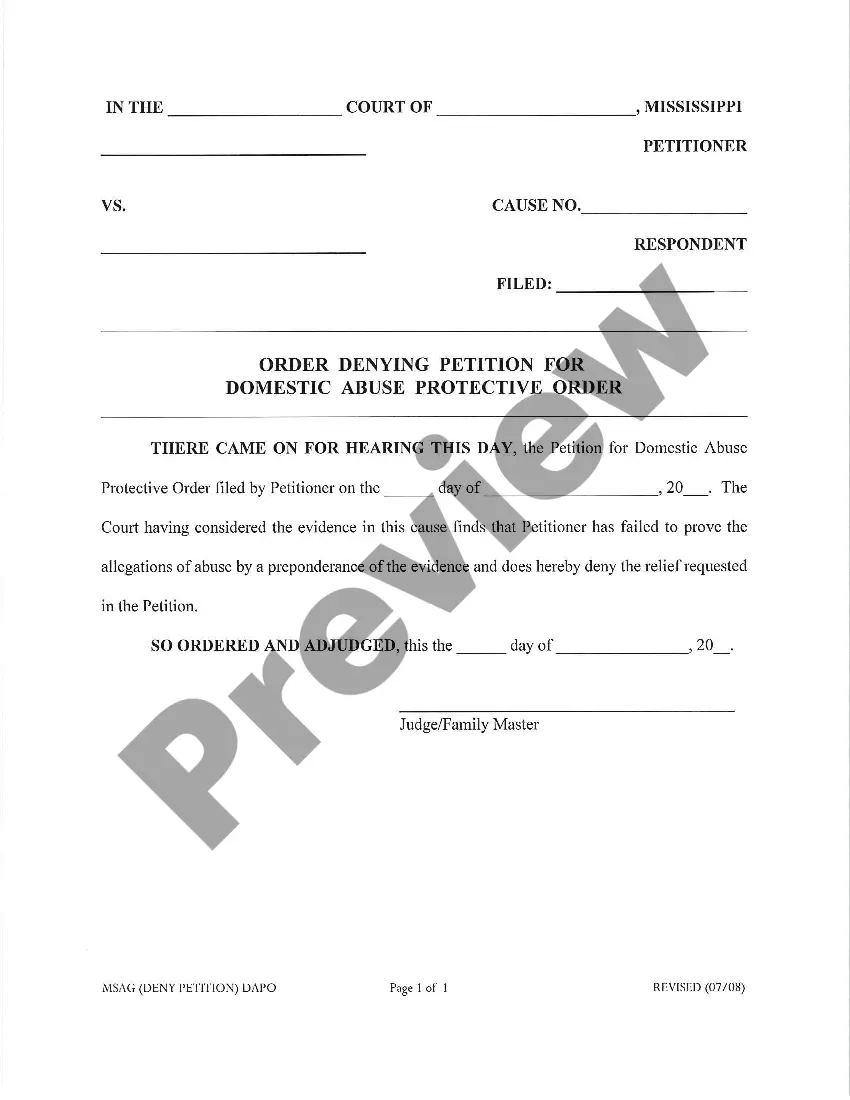
Mississippi Order Denying Petition for Domestic Abuse Protective Order
What this document covers
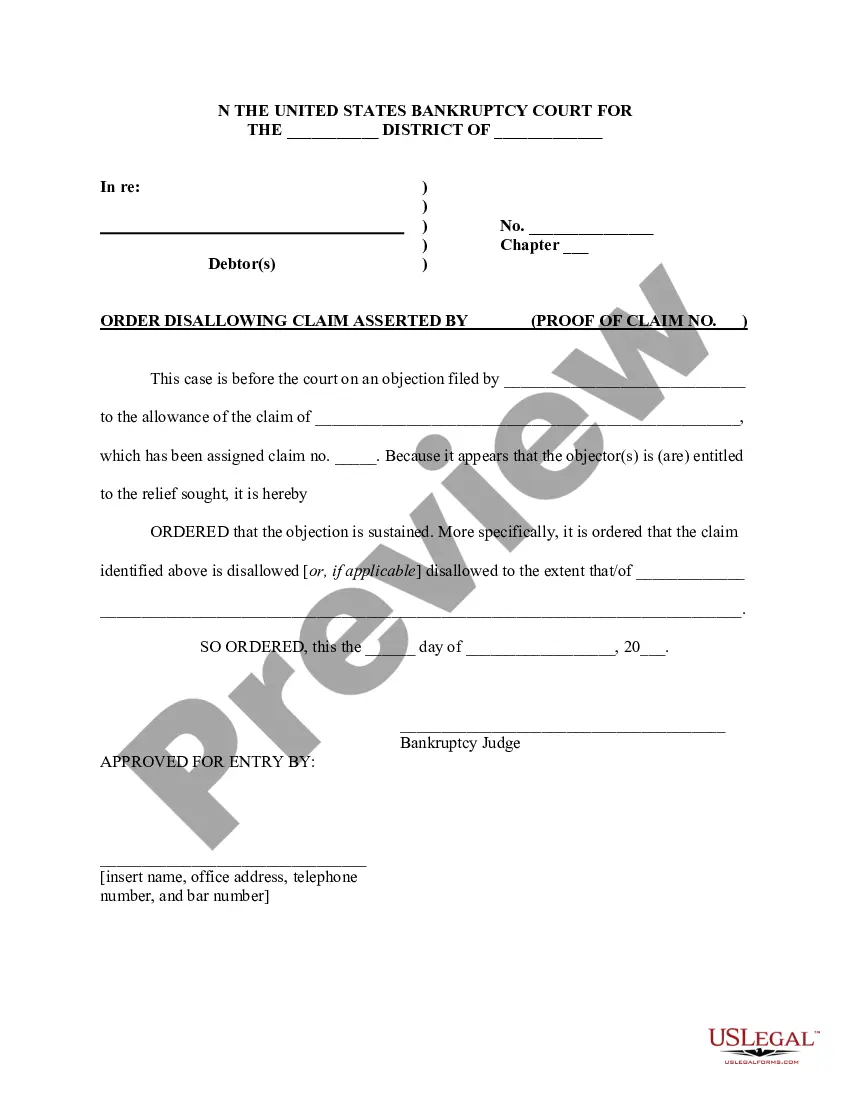
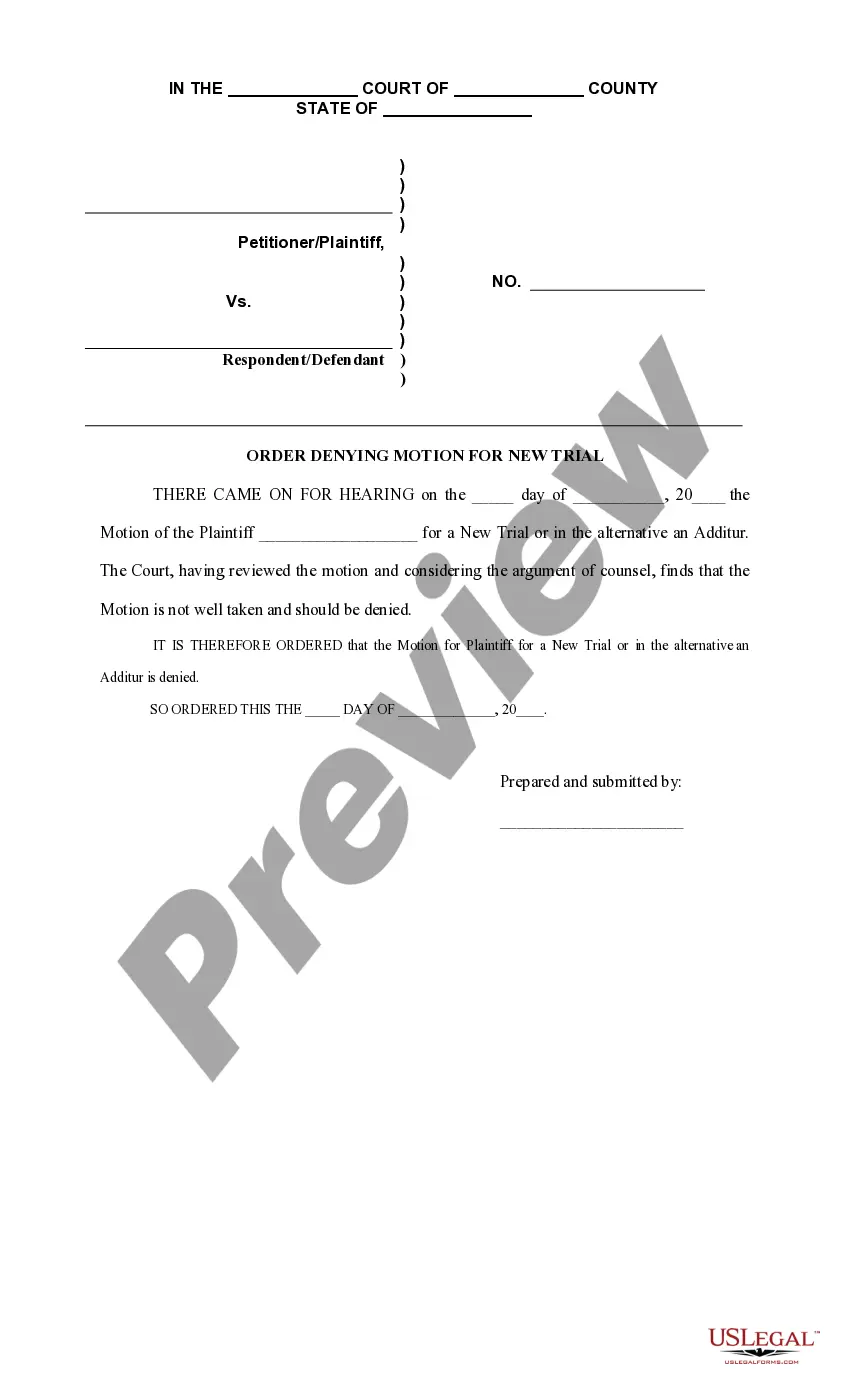
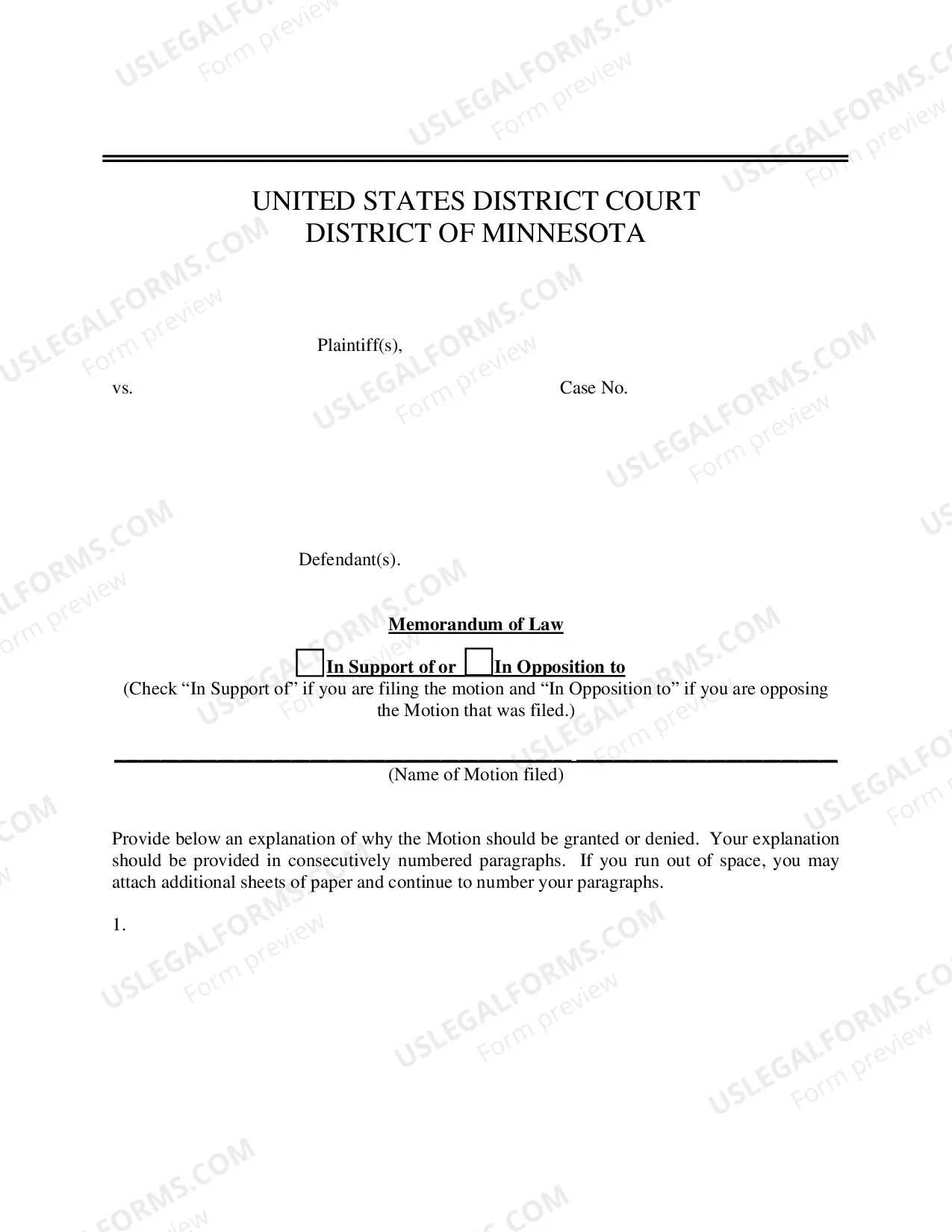
The Order Denying Petition for Domestic Abuse Protective Order is a legal document issued after a hearing. It signifies that the Petitioner has not provided sufficient evidence to justify the need for a protective order against alleged domestic abuse. This form serves to formalize the decision and explain the basis for denying the request, which distinguishes it from forms that grant protective orders. It is essential for documenting the outcome of the legal proceedings and ensuring clarity moving forward.
What’s included in this form
- Case caption identifying the parties and court.
- Section detailing the findings of fact regarding the allegations.
- Legal basis for the court's denial of the protective order.
- Signature line for the judge.
- Date of the order issuance.
When this form is needed
This form is used when a petitioner seeks a domestic abuse protective order but fails to meet the required burden of proof during a court hearing. It is crucial for situations where the evidence presented does not substantiate claims of abuse, thus preventing the issuance of a protective order. The form provides a clear record of the court's decision, which may be relevant in future proceedings or for other legal purposes.
Who should use this form
- Individuals who have filed for a domestic abuse protective order.
- Attorneys representing clients in domestic abuse cases.
- Judges needing to issue orders after hearings on protective order petitions.
- Legal professionals looking to document court proceedings involving domestic abuse claims.
Steps to complete this form
- Enter the case caption, including the names of the parties involved.
- Detail the findings of fact based on evidence presented during the hearing.
- Specify the legal grounds upon which the protective order is denied.
- Have the presiding judge sign and date the order.
- Provide copies to relevant parties as required by local rules.
Does this document require notarization?
This form does not typically require notarization unless specified by local law. It's important to confirm any requirements specific to your jurisdiction before finalizing the documents.
Get your form ready online
Our built-in tools help you complete, sign, share, and store your documents in one place.
Make edits, fill in missing information, and update formatting in US Legal Forms—just like you would in MS Word.
Download a copy, print it, send it by email, or mail it via USPS—whatever works best for your next step.
Sign and collect signatures with our SignNow integration. Send to multiple recipients, set reminders, and more. Go Premium to unlock E-Sign.
If this form requires notarization, complete it online through a secure video call—no need to meet a notary in person or wait for an appointment.
We protect your documents and personal data by following strict security and privacy standards.

Make edits, fill in missing information, and update formatting in US Legal Forms—just like you would in MS Word.

Download a copy, print it, send it by email, or mail it via USPS—whatever works best for your next step.

Sign and collect signatures with our SignNow integration. Send to multiple recipients, set reminders, and more. Go Premium to unlock E-Sign.

If this form requires notarization, complete it online through a secure video call—no need to meet a notary in person or wait for an appointment.

We protect your documents and personal data by following strict security and privacy standards.
Typical mistakes to avoid
- Failing to accurately complete the case caption.
- Omitting crucial findings of fact that support the denial.
- Neglecting to obtain the judge's signature or date on the document.
- Not providing notice of the order to the involved parties.
Benefits of completing this form online
- Convenient access to legally valid forms from anywhere.
- Ability to customize the form to meet specific needs.
- Immediate downloading and printing options for quick use.
- Documents are prepared by licensed attorneys, ensuring legal reliability.
Looking for another form?
Form popularity
FAQ
There are typically two reasons for a denied restraining order petition: Petitioner did not establish a claim for relief. Petitioner did not appear at the time set for the ex parte hearing on the petition.
Consult with a family law attorney experienced in defending people against false restraining orders. You must go to court for the final restraining order hearing and present your evidence proving why the accusations against you are false. The evidence can be police reports, witnesses, text messages and or emails.
1Realize the seriousness of the accusations.2Understand the cost of a defense.3Intervene before charges.4Take no action.5Gather any physical evidence and documents.6Obtain witness contact information.7Investigation.8Plea bargain.
If you believe the protection order was granted improperly or that it is no longer needed, you can file a motion asking the court to dissolve (terminate or cancel) the protection order.If the court schedules a hearing and grants the motion, the protection order will become immediately void and unenforceable.
1Consider Hiring an Attorney.2Prepare Your Evidence in an Organized Fashion.3Preserve Your Constitutional Right Against Self-Incrimination if a Criminal Case is Pending.4Be Mindful of Proof of Service.5Do Not Underestimate the Burden of Proof.
1Reconciliation. Strangers do not perpetrate DV, someone they love does. When someone you love is the perpetrator, leaving for good is the hardest part.2Children. Kids miss their parents, and parents miss their kids. There is a constant pressure for a parent to return to being a "family."