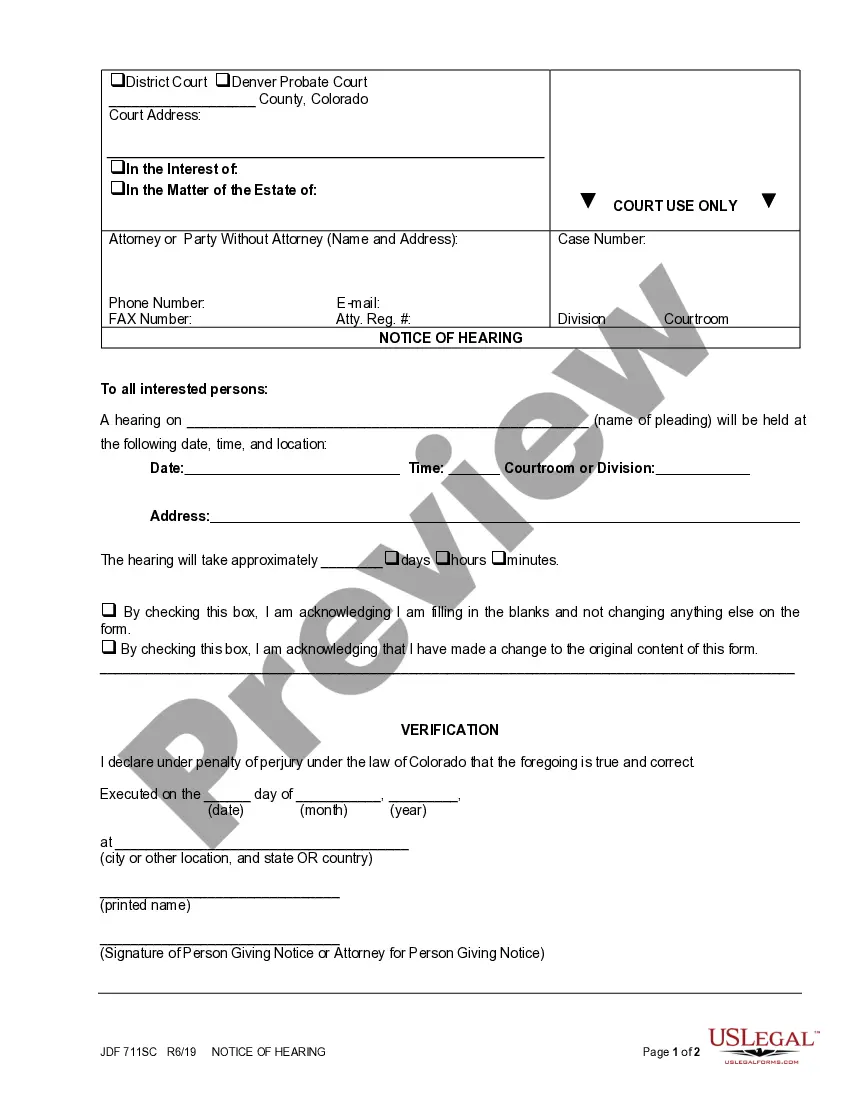
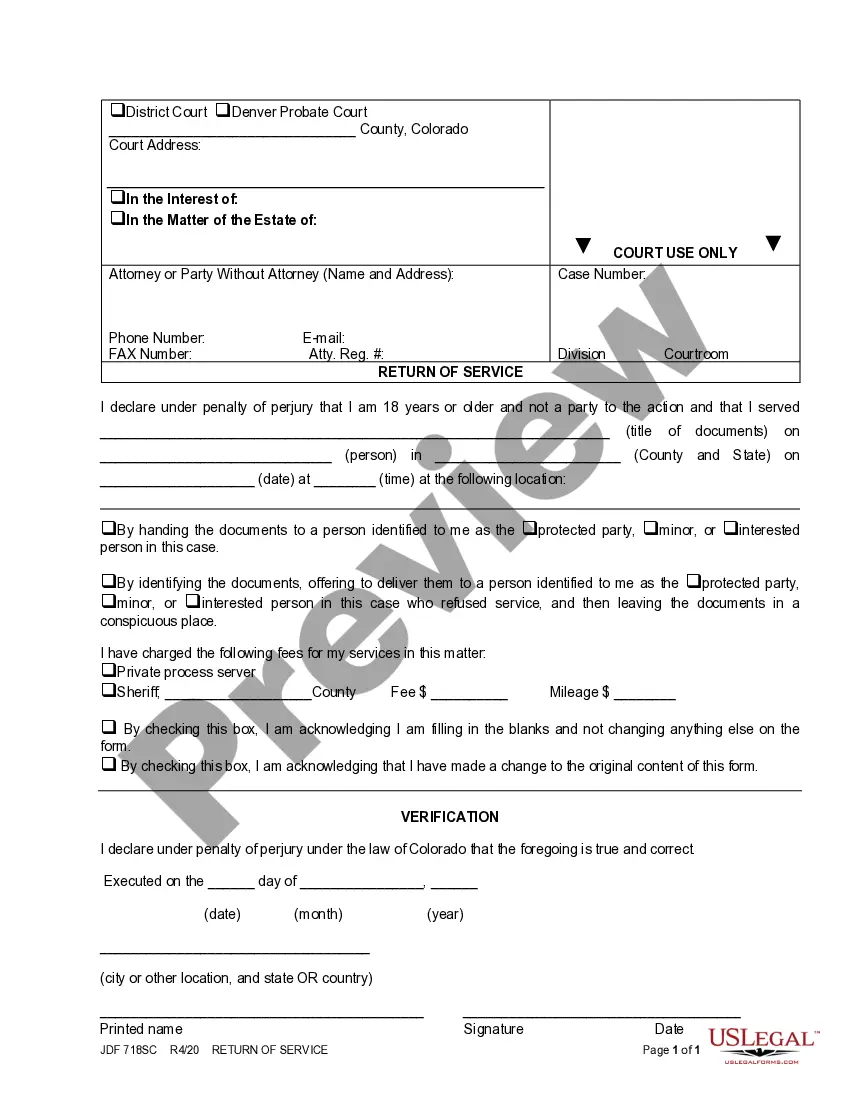
Mississippi Motion to Compel Plaintiffs to Produce Documents at Trial
Overview of this form
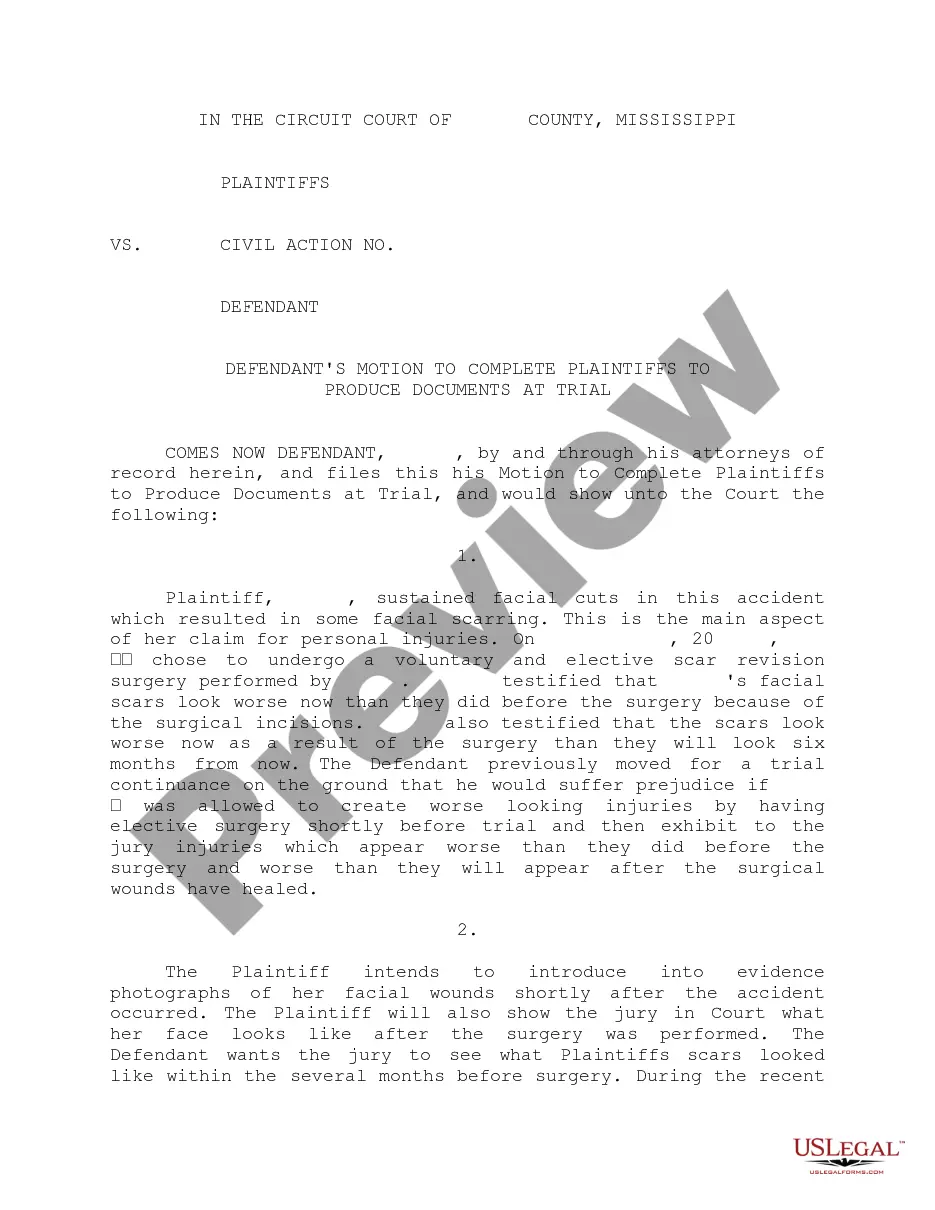
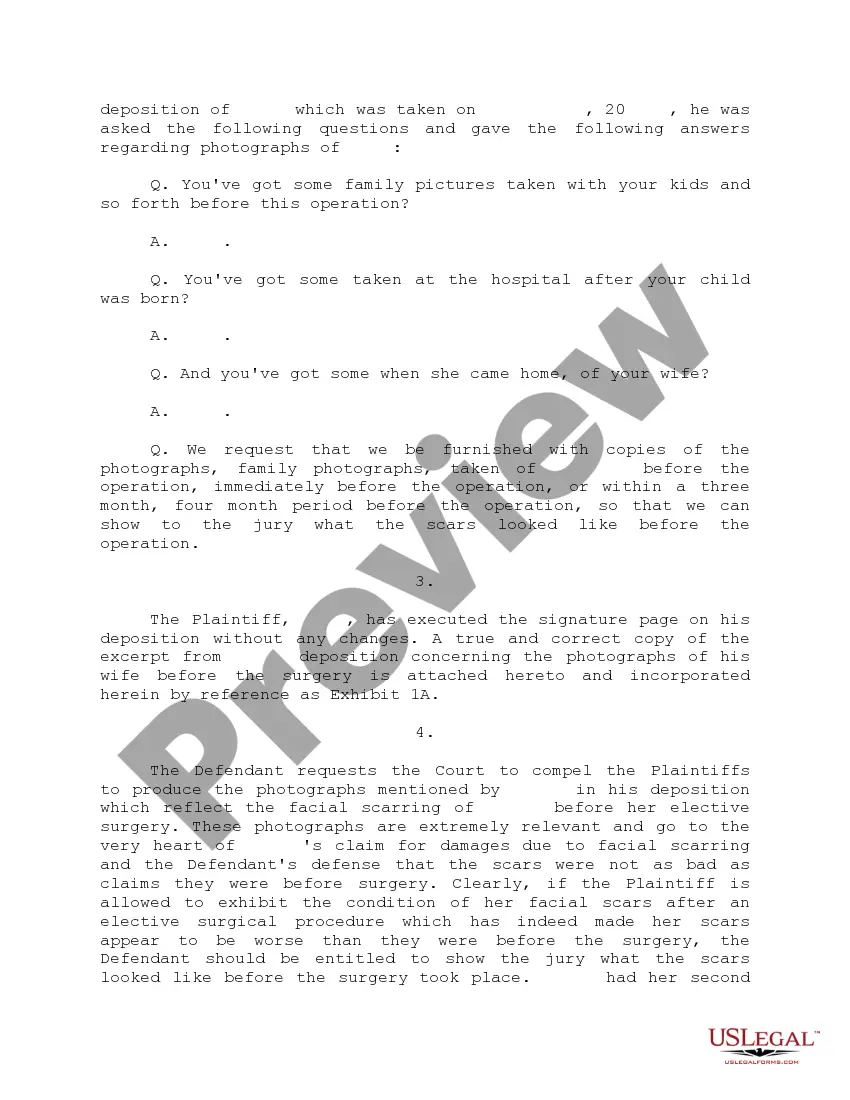
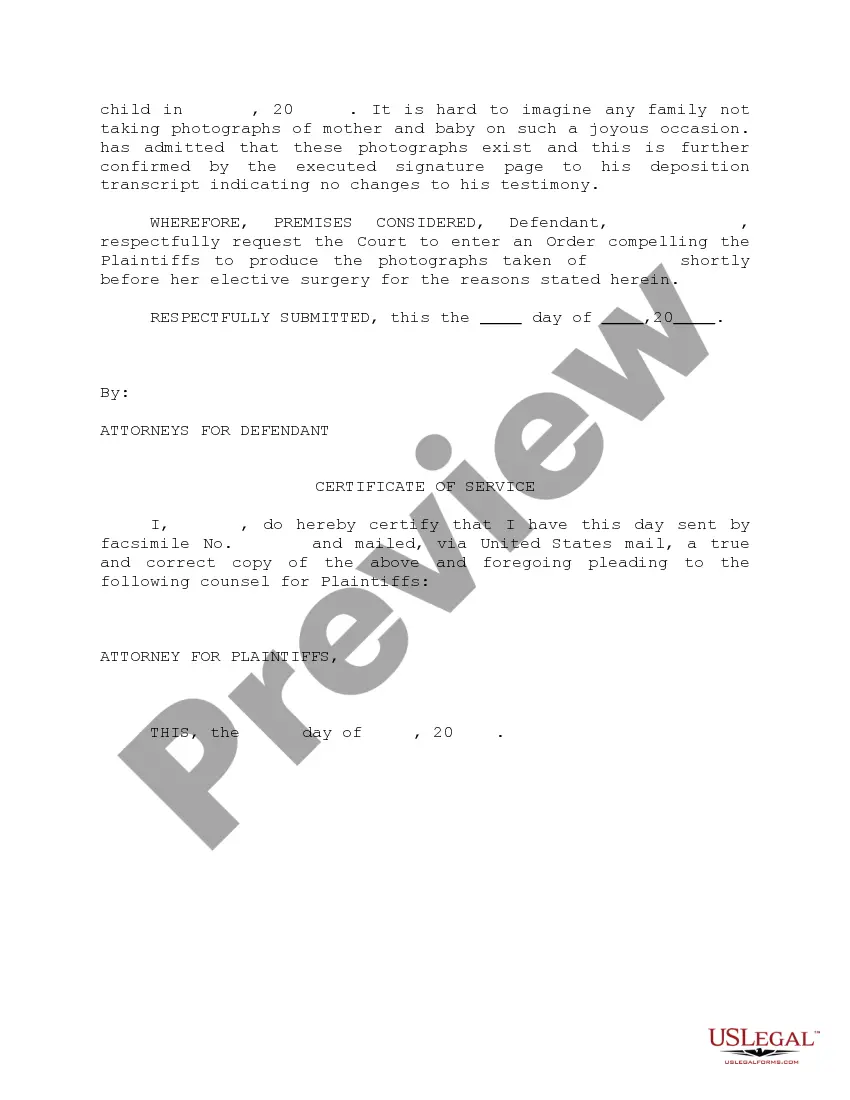
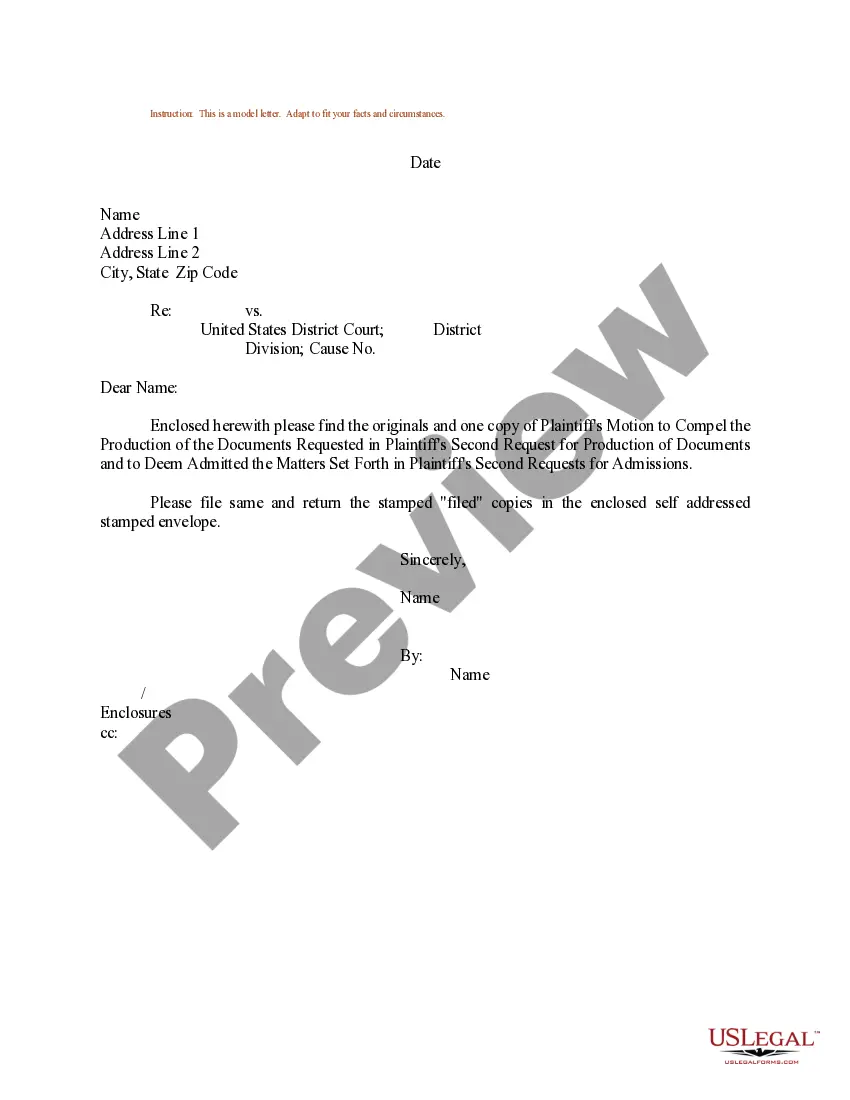
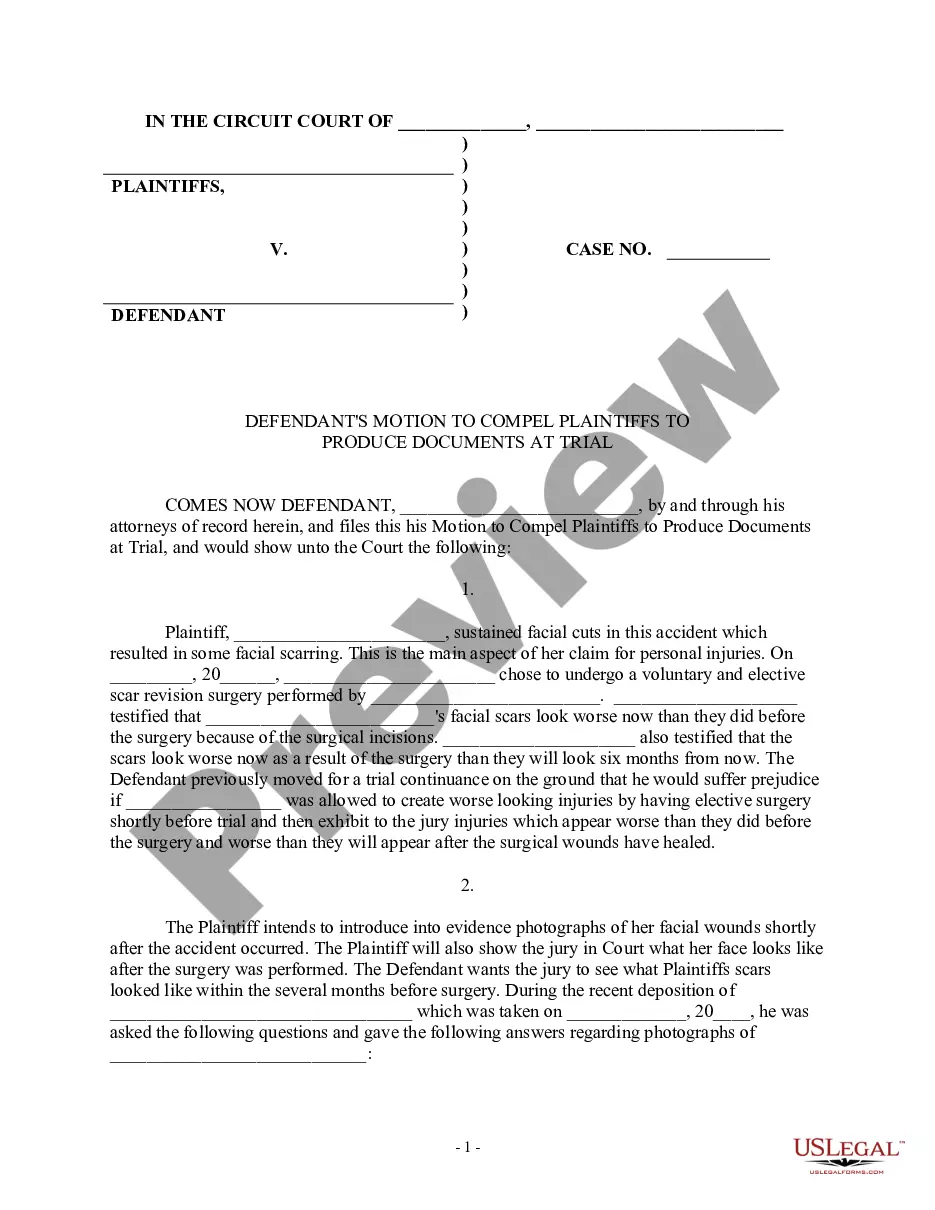
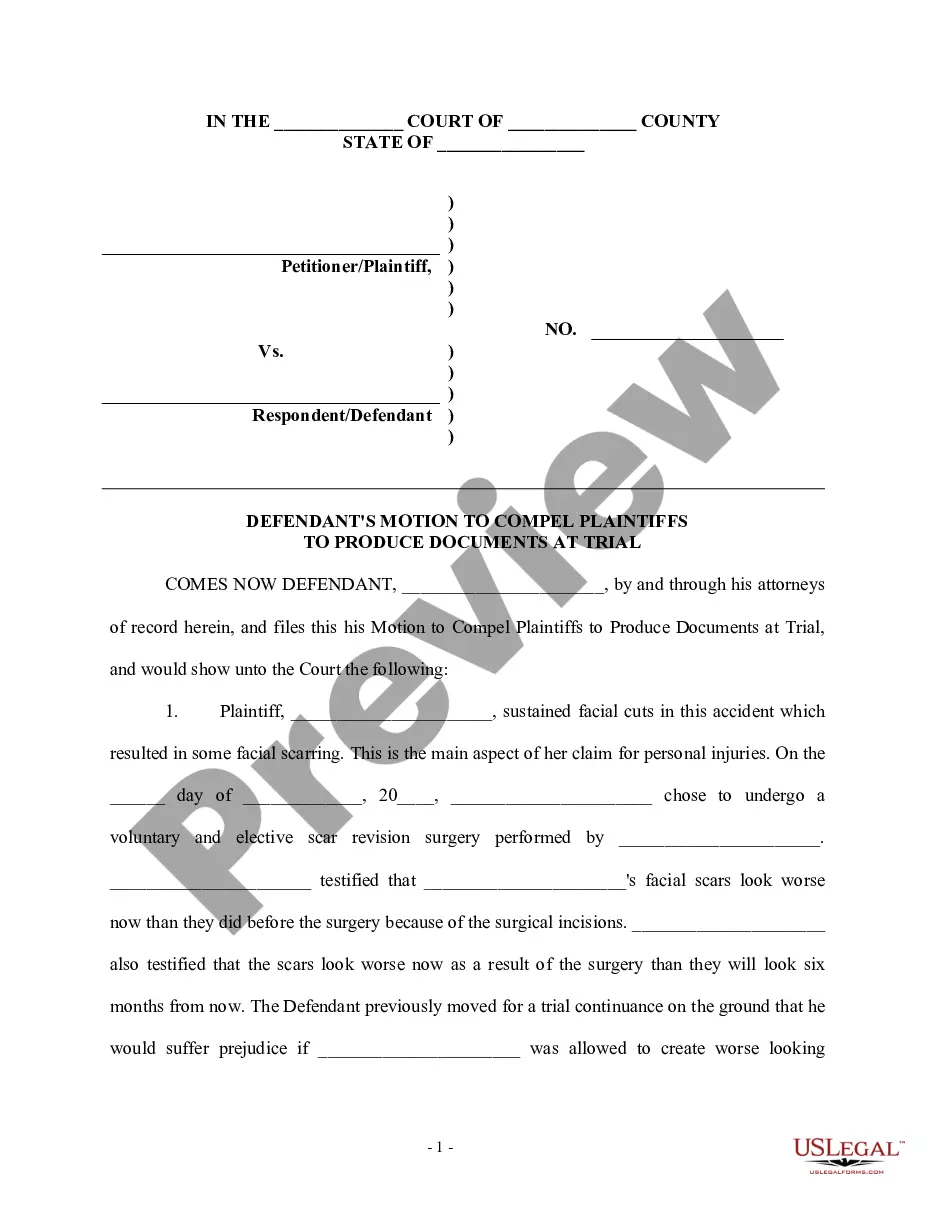
The Motion to Compel Plaintiffs to Produce Documents at Trial is a legal request submitted to the court. Its primary purpose is to ask the court to mandate that plaintiffs provide specific documents crucial for a trial. This form is distinct from general motions, as it specifically targets the production of evidence necessary for the case at hand, ensuring that all pertinent information is available during proceedings.
Main sections of this form
- Title of the motion outlining the request made to the court.
- Identification of the parties involved in the lawsuit.
- A detailed description of the documents being requested.
- Legal grounds justifying the request for documentation.
- A signature line for the requesting party or attorney.
- Space for the court date and case number.
When this form is needed
This form should be used when a plaintiff does not provide documents that are deemed essential for a trial. If you believe that key evidence or information is being withheld and you have made previous attempts to obtain these documents without success, filing a motion to compel is a necessary step to ensure that you can present your case effectively.
Who should use this form
- Litigants involved in a legal dispute where document production is necessary.
- Attorneys representing clients who require additional evidence for trial.
- Individuals seeking to ensure compliance with discovery requests made to opposing parties.
Steps to complete this form
- Title the document as "Motion to Compel Plaintiffs to Produce Documents at Trial."
- Fill in the names of all parties involved and their respective roles.
- Clearly list and describe the documents you are requesting from the plaintiff.
- Provide legal reasons that justify the necessity of these documents.
- Include the date of the request and case number at the top of the form.
- Sign the motion and include the date of signing.
Does this form need to be notarized?
Notarization is not commonly needed for this form. However, certain documents or local rules may make it necessary. Our notarization service, powered by Notarize, allows you to finalize it securely online anytime, day or night.
Get your form ready online
Our built-in tools help you complete, sign, share, and store your documents in one place.
Make edits, fill in missing information, and update formatting in US Legal Forms—just like you would in MS Word.
Download a copy, print it, send it by email, or mail it via USPS—whatever works best for your next step.
Sign and collect signatures with our SignNow integration. Send to multiple recipients, set reminders, and more. Go Premium to unlock E-Sign.
If this form requires notarization, complete it online through a secure video call—no need to meet a notary in person or wait for an appointment.
We protect your documents and personal data by following strict security and privacy standards.

Make edits, fill in missing information, and update formatting in US Legal Forms—just like you would in MS Word.

Download a copy, print it, send it by email, or mail it via USPS—whatever works best for your next step.

Sign and collect signatures with our SignNow integration. Send to multiple recipients, set reminders, and more. Go Premium to unlock E-Sign.

If this form requires notarization, complete it online through a secure video call—no need to meet a notary in person or wait for an appointment.

We protect your documents and personal data by following strict security and privacy standards.
Typical mistakes to avoid
- Failing to clearly specify the documents requested.
- Not stating the legal grounds for the motion adequately.
- Omitting to include relevant case details such as case number and court date.
- Neglecting to sign the document before submitting it.
Why complete this form online
- Convenience of downloading and filling out the form at your own pace.
- Easily editable to fit your specific case needs.
- Access to forms drafted by licensed attorneys ensures legal compliance.
Looking for another form?
Form popularity
FAQ
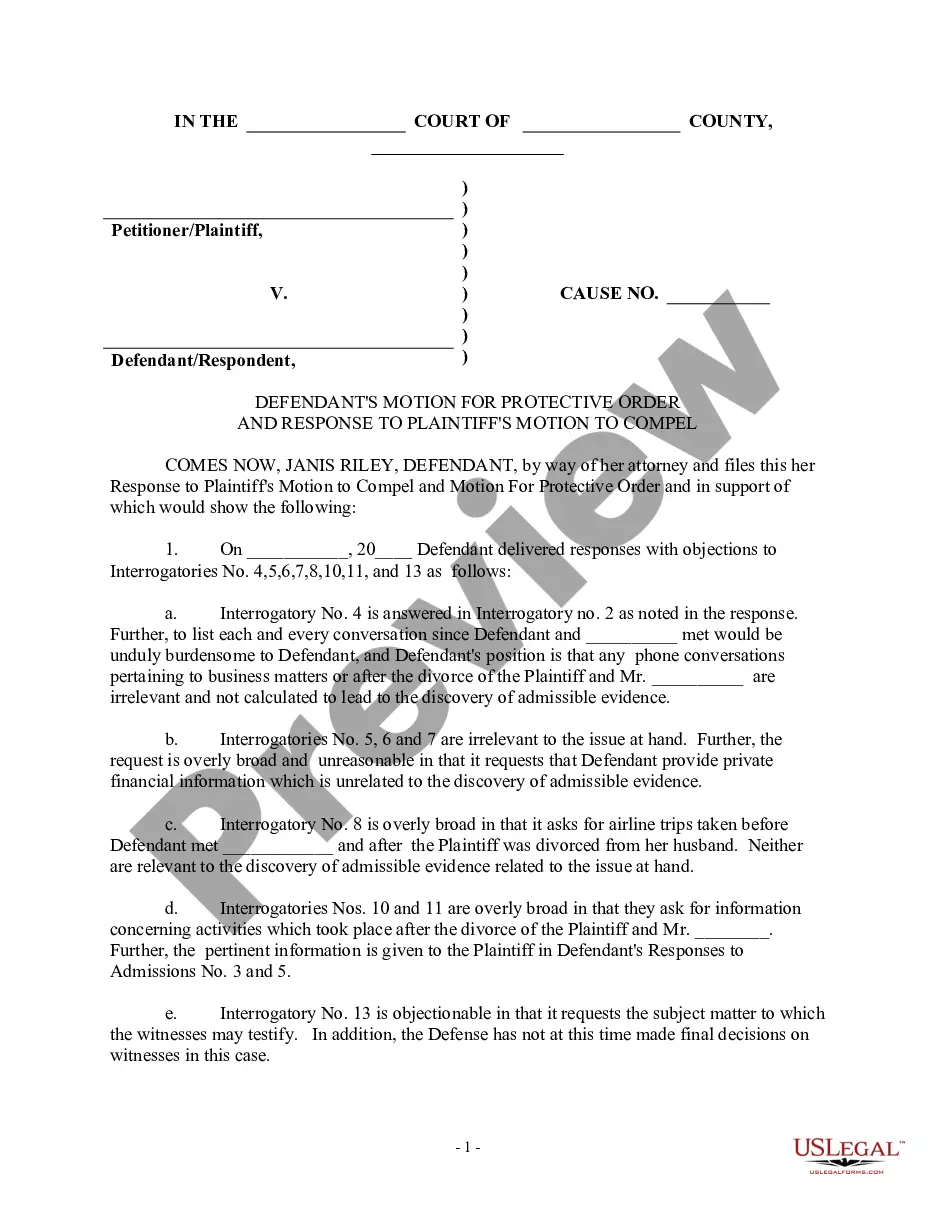
You need to give the court a reason to deny the other side's motion to compel. There are many different reasons you could give. Take out your Response to the discovery request. You should have identified reasons in your Response for why you weren't turning over certain information.
First, you can file a Motion to Compel, which is a request to have the court order your spouse to turn over documents.If the court agrees that the financial information should be turned over, the judge will order your spouse to produce the documents within a certain time.
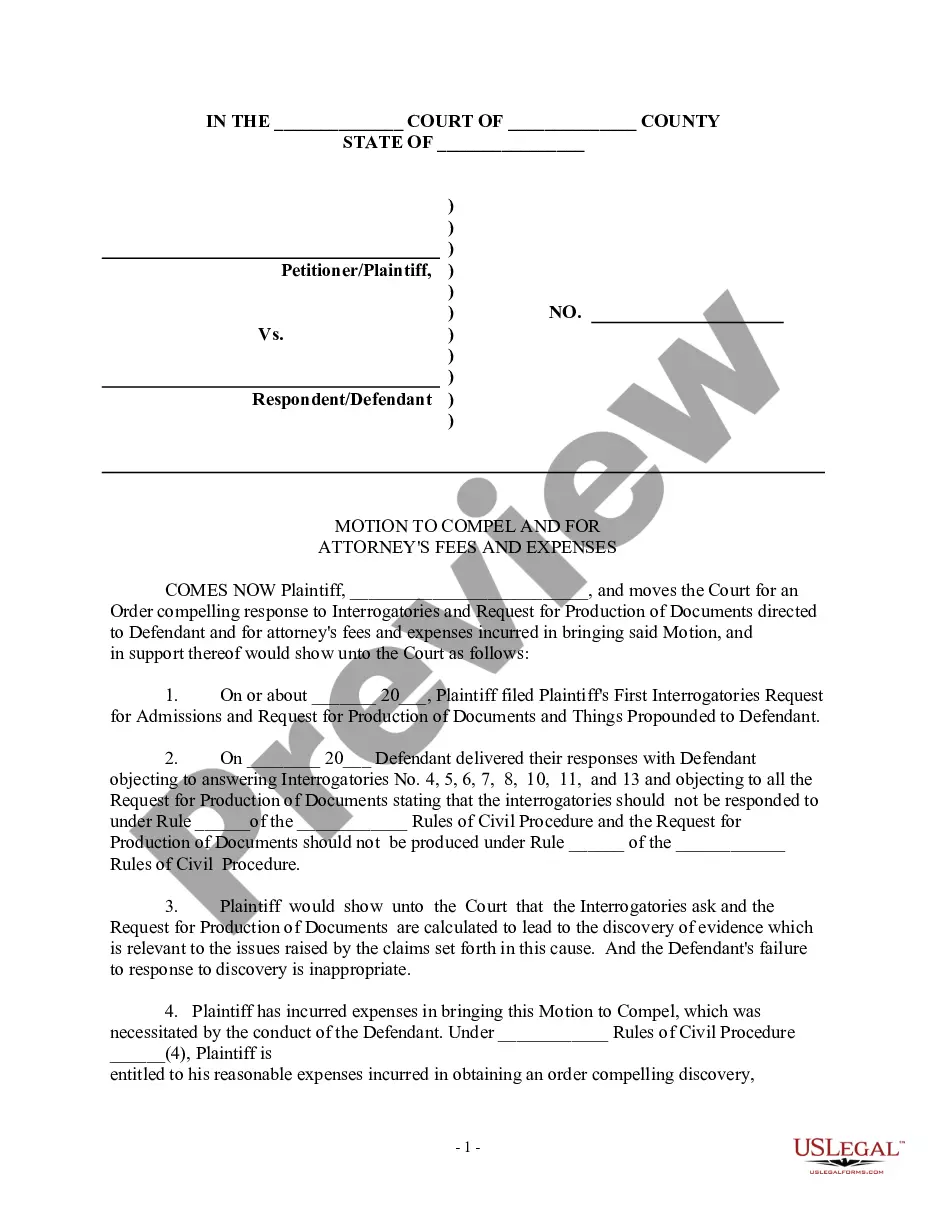
A motion to compel asks the court to order either the opposing party or a third party to take some action. This sort of motion most commonly deals with discovery disputes, when a party who has propounded discovery to either the opposing party or a third party believes that the discovery responses are insufficient.
Consequences of Refusing to Provide Evidence Requested in a Motion to Compel. If the court issues an order that compels your spouse to produce the discovery you are seeking but your spouse still refuses to provide evidence, the judge may impose further sanctions such as: A verdict in your favor.