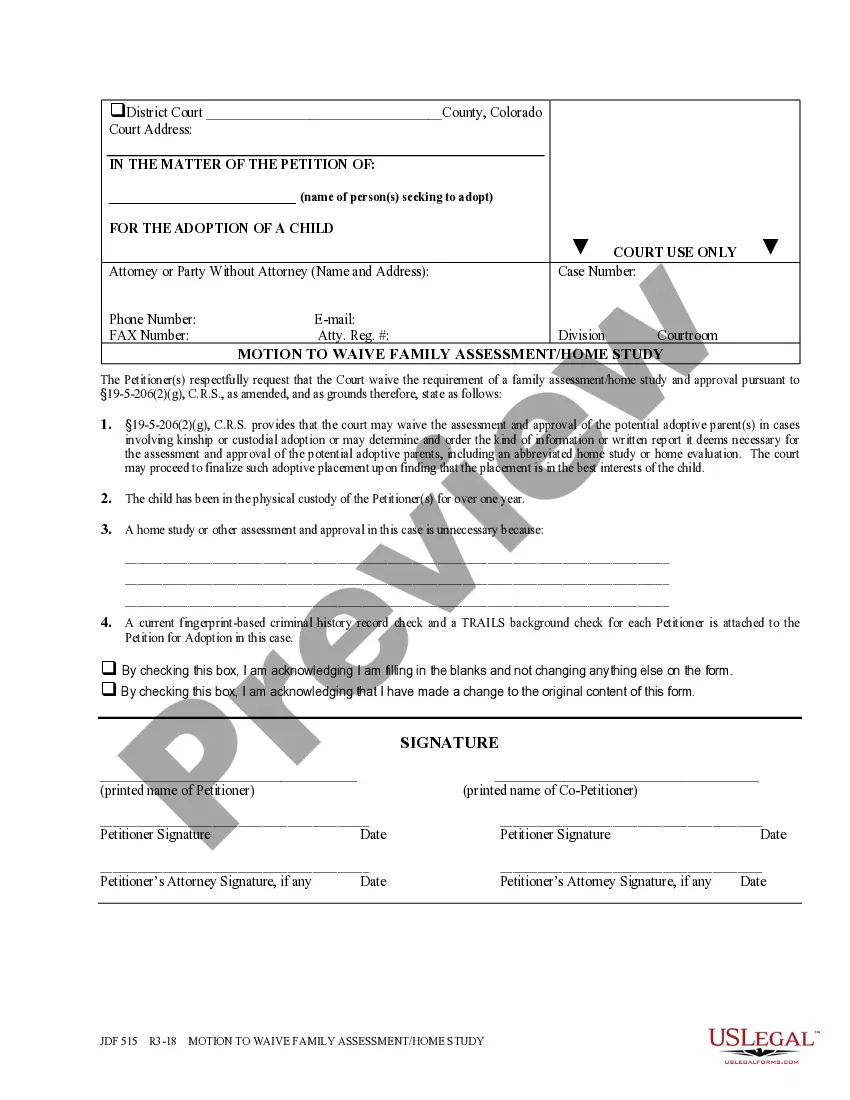
Mississippi Motion for Contempt
What is this form?
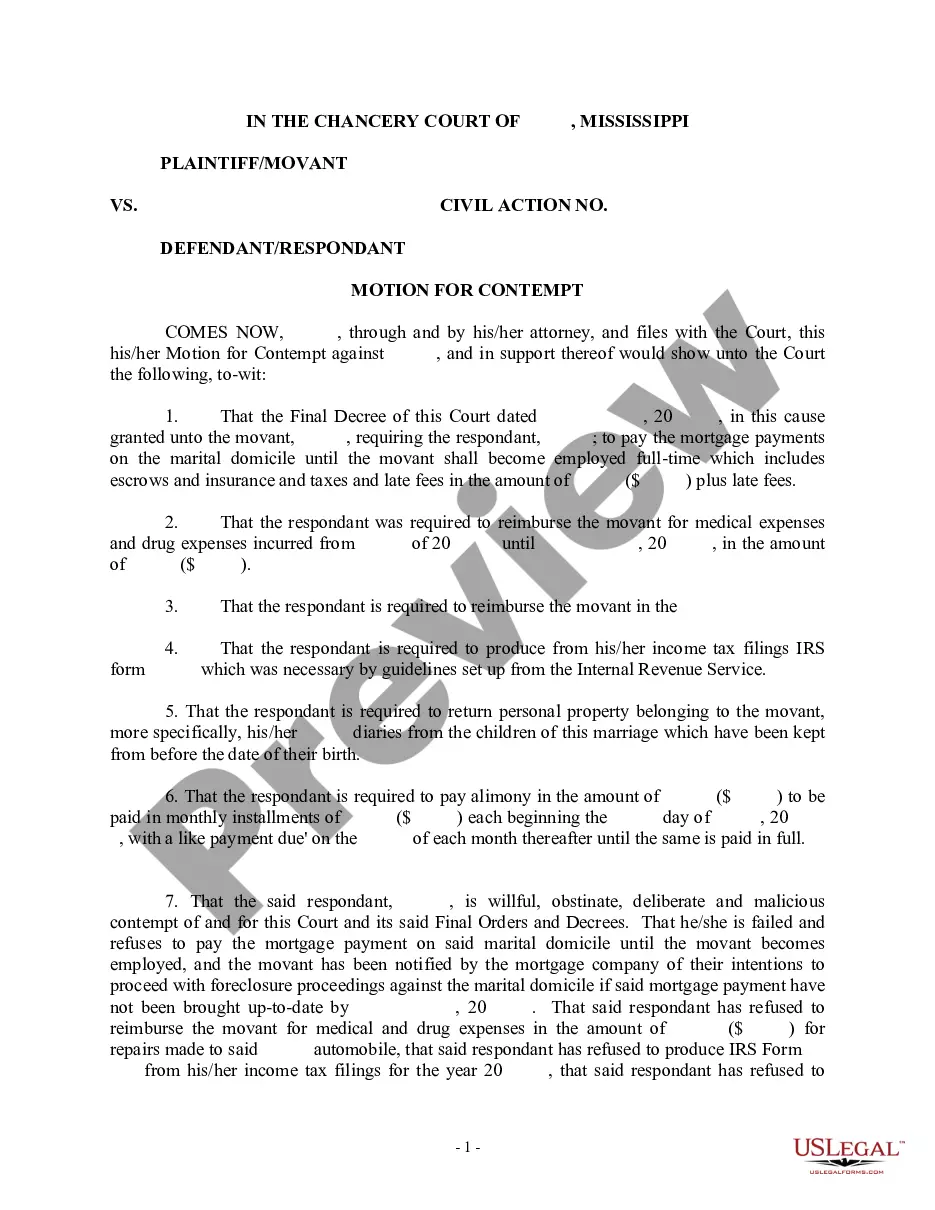
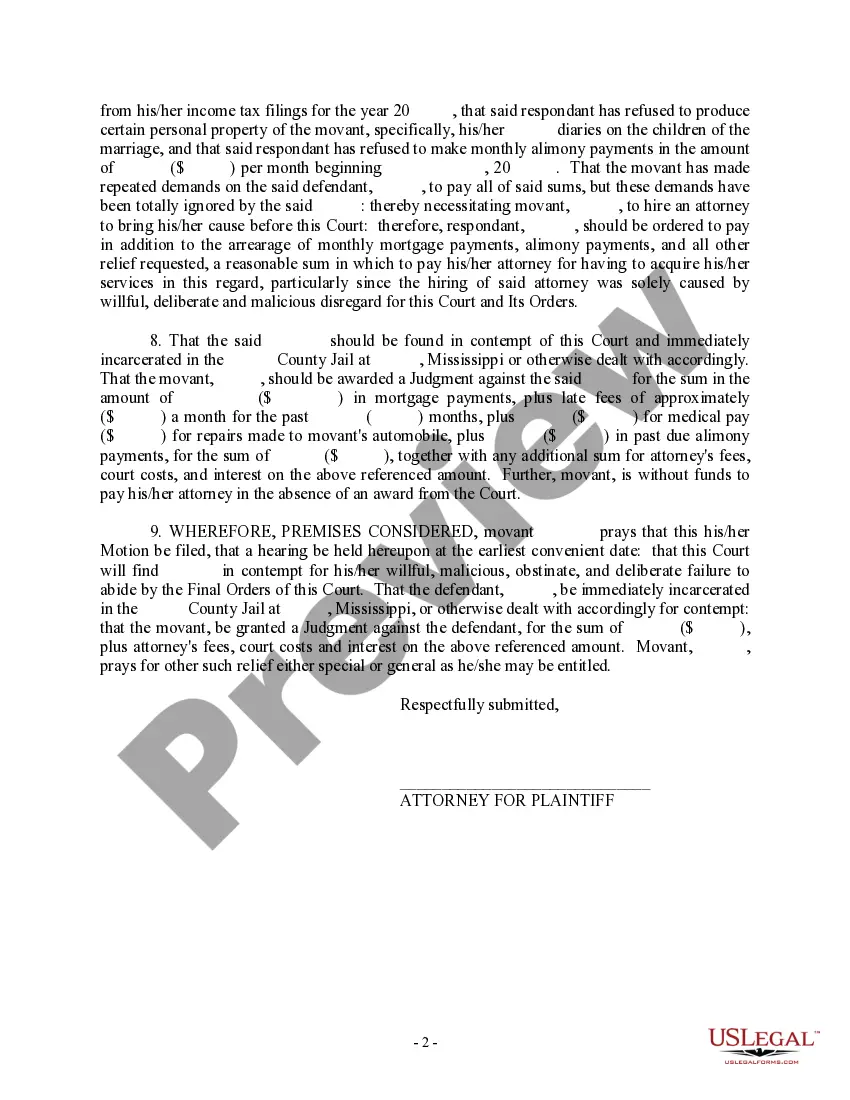
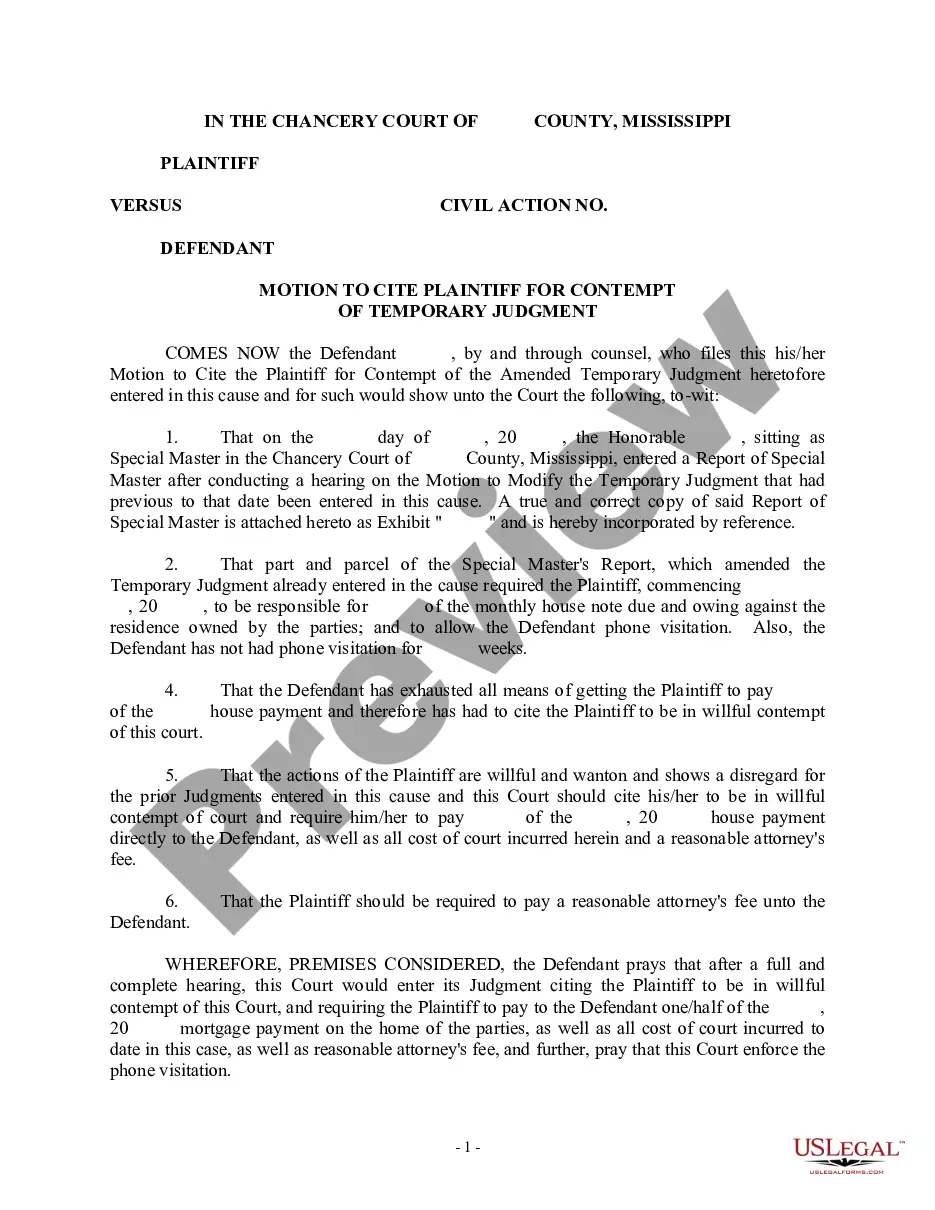
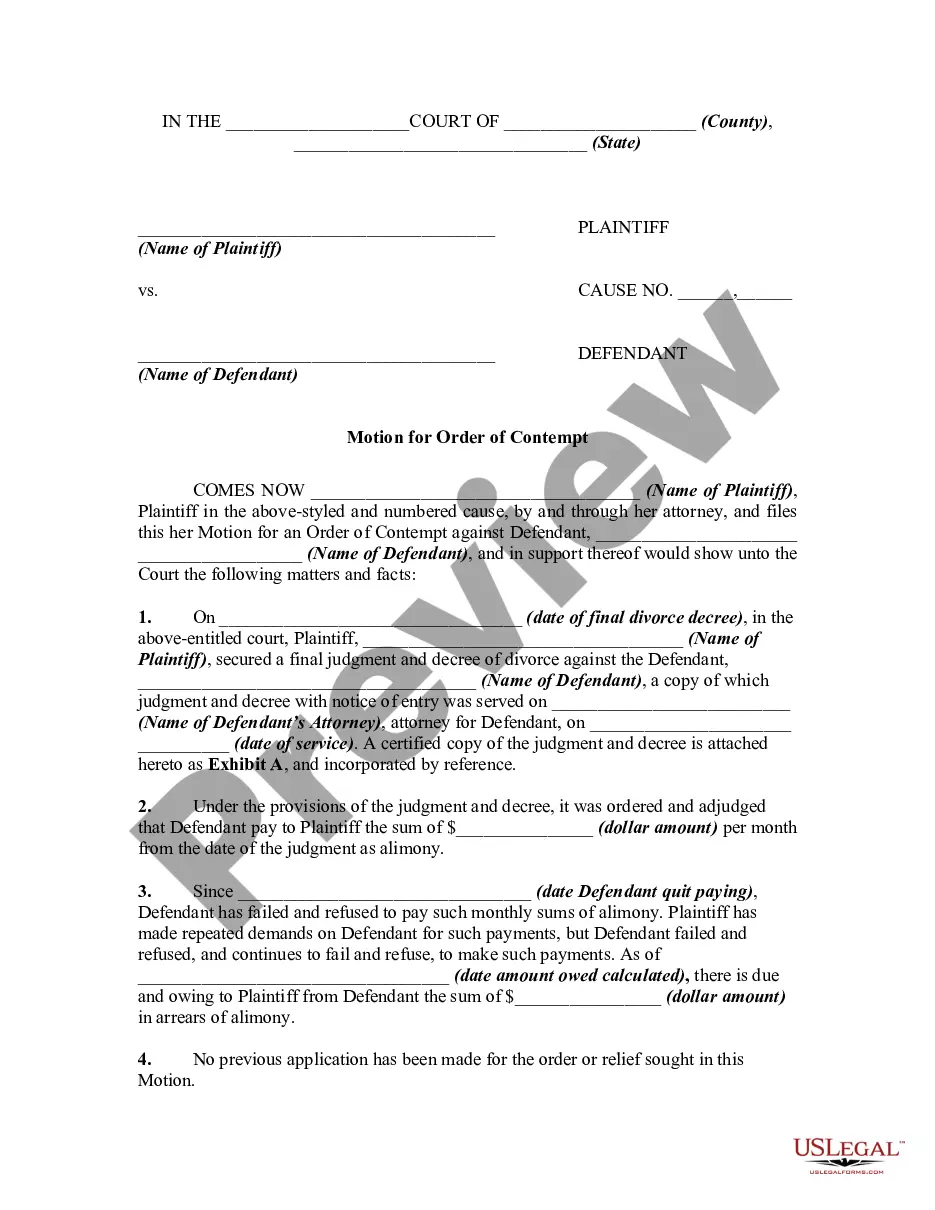
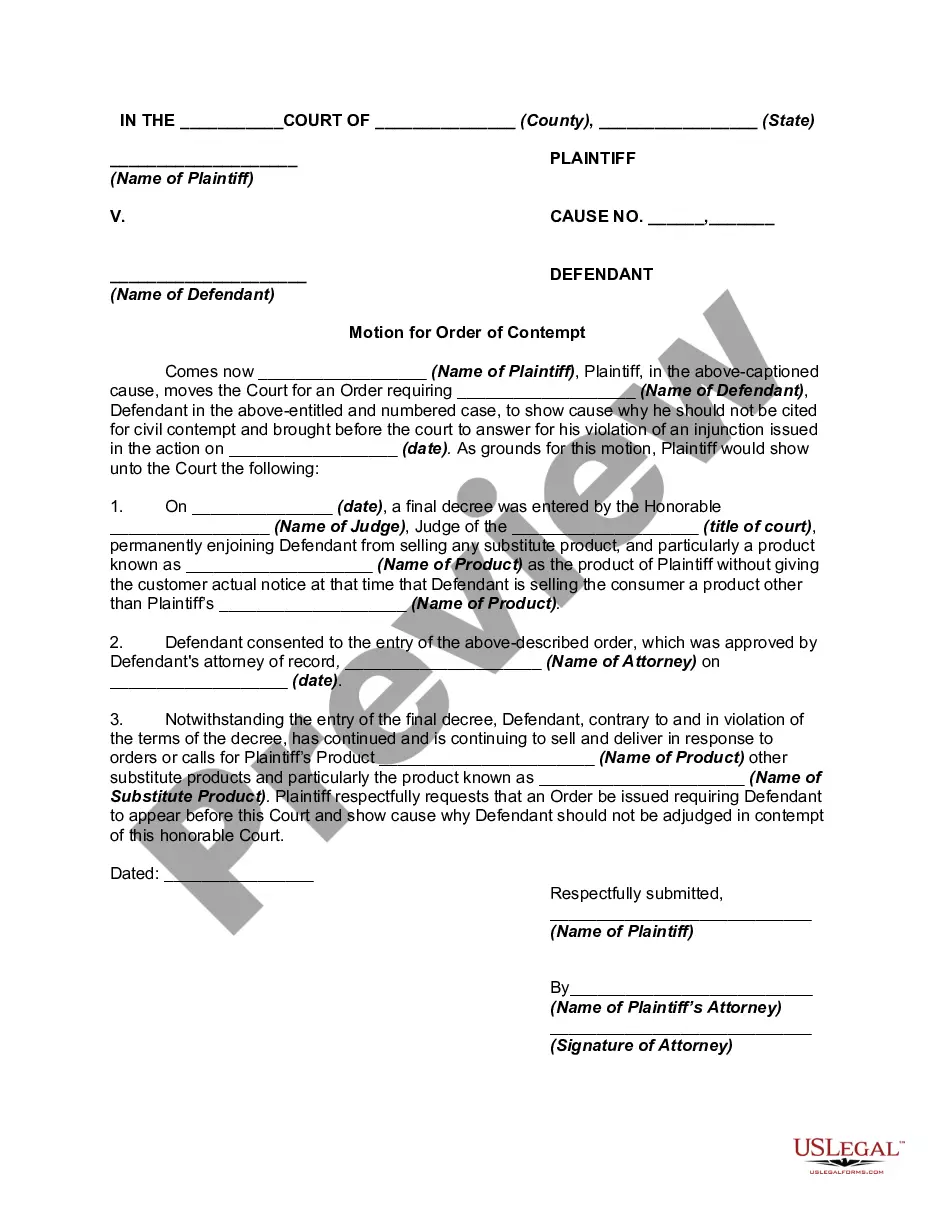
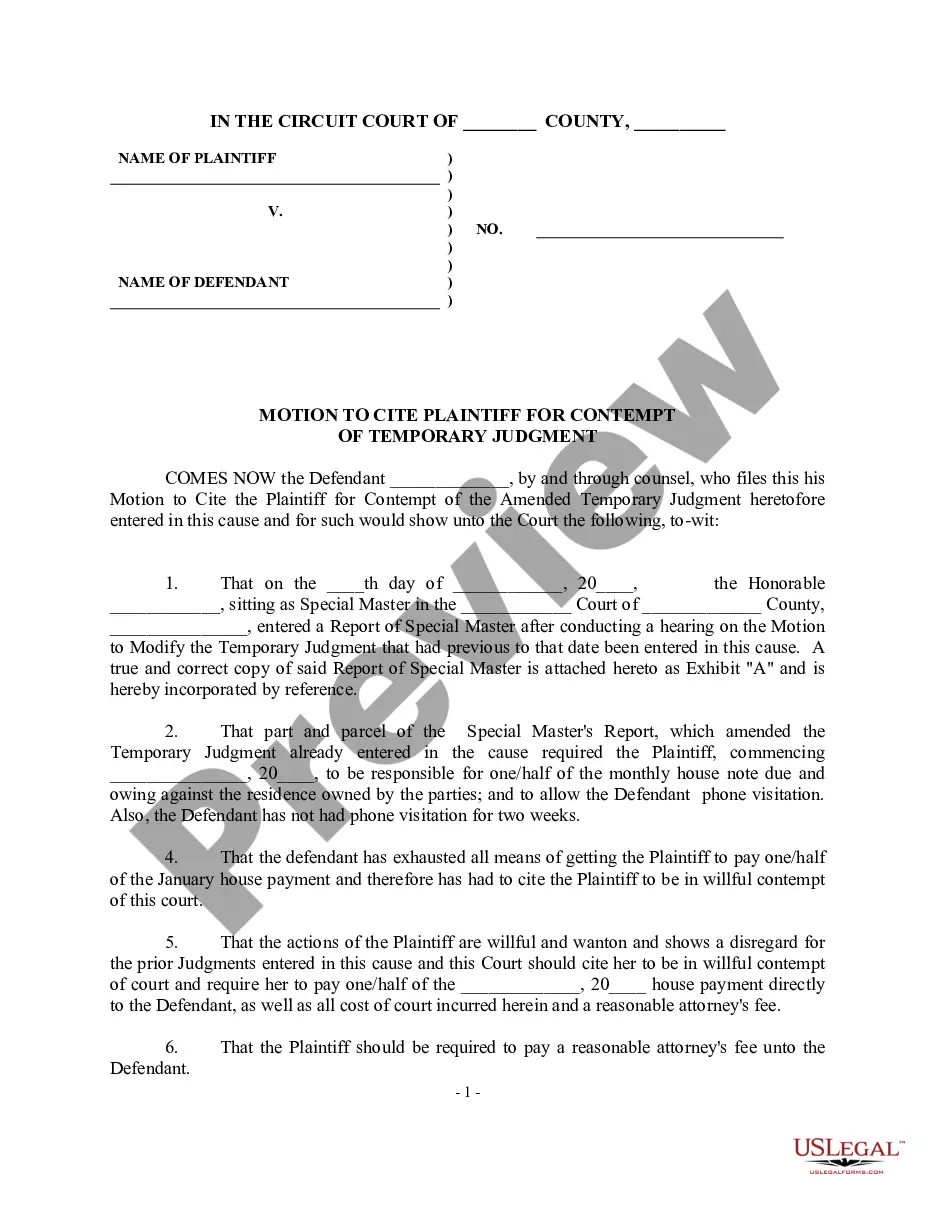
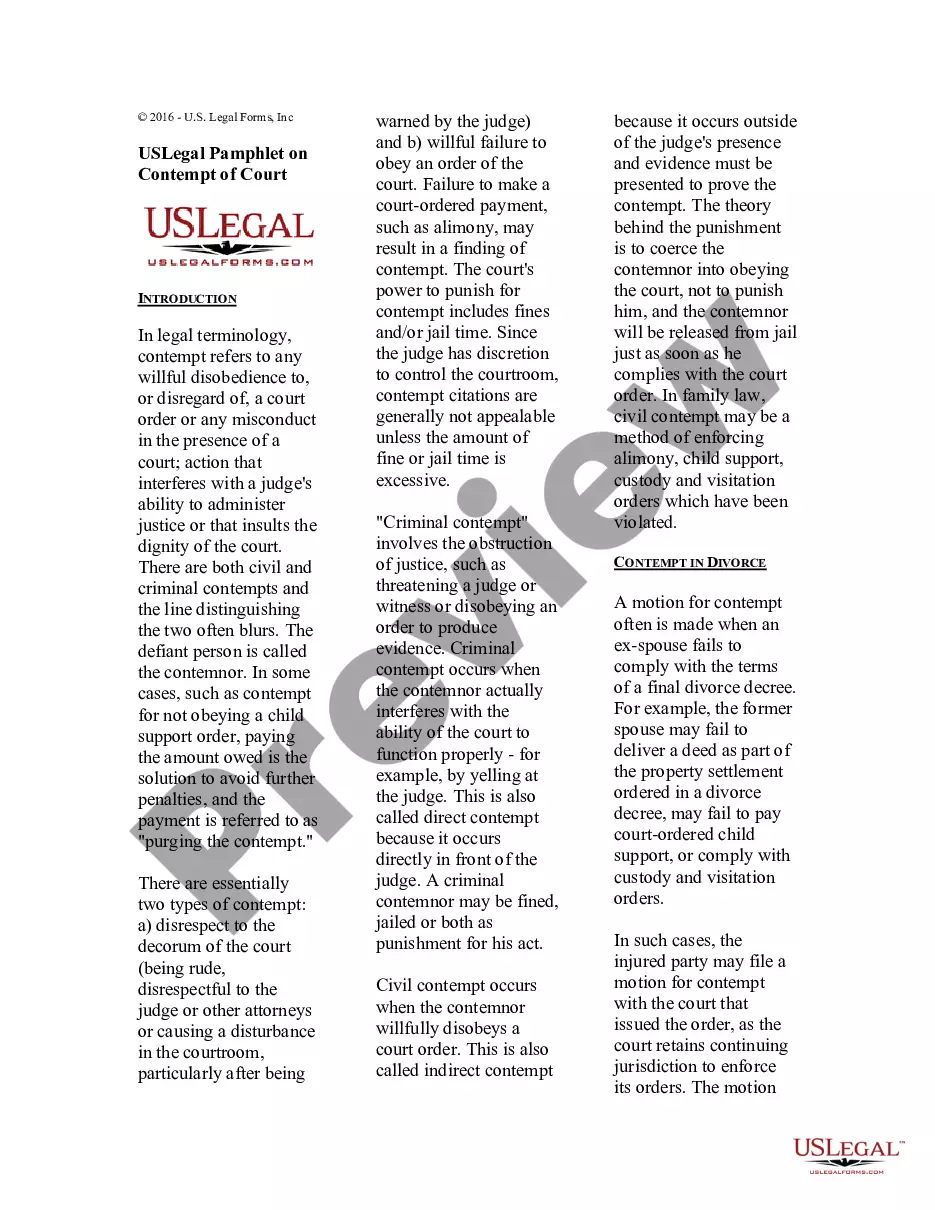
The Motion for Contempt is a formal request made to the court seeking enforcement of a court order. This document outlines the reasons the motion is being filed, typically to address a party's failure to comply with a legal obligation. Unlike other motions, this specific form serves to highlight violations of court orders, making it crucial in legal proceedings where compliance is mandatory.
What’s included in this form
- Caption: Includes the court's name and case details.
- Parties involved: Identify the petitioner and respondent in the case.
- Statement of facts: Describe the actions that constitute contempt.
- Relief sought: Specify what you are asking the court to do.
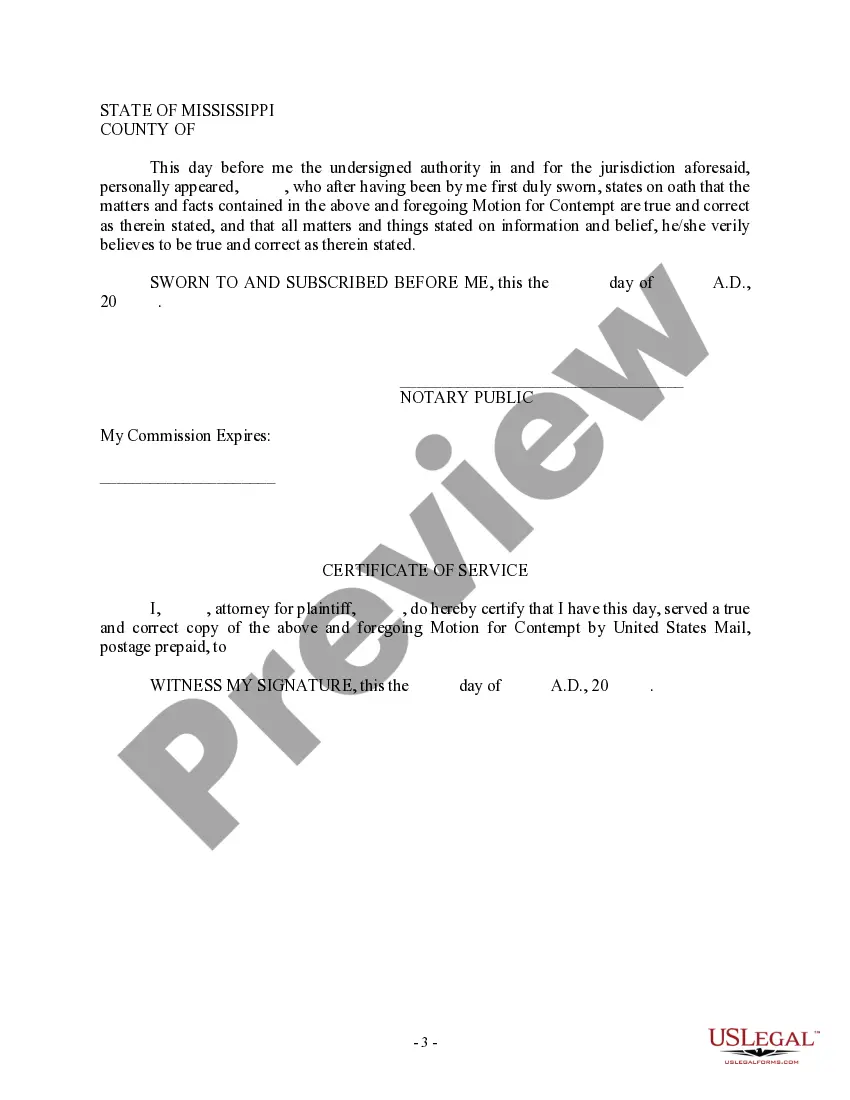
- Signature section: Area for the petitioner or legal representative to sign.
When to use this form
This form is typically used when a party fails to comply with a court order, such as neglecting to pay child support or adhere to visitation schedules. If you find yourself in a situation where the other party is not following the terms set by the court, this motion allows you to formally request the court's intervention.
Intended users of this form
- Individuals seeking enforcement of a court order.
- Parents attempting to address non-compliance with parenting agreements.
- Any party involved in litigation requiring court intervention regarding compliance issues.
How to prepare this document
- Identify the parties: Clearly state the names of the petitioner and respondent.
- Provide case information: Fill in the court name and case number accurately.
- List contemptuous actions: Detail the specific behaviors or actions that led to the motion.
- State the requested relief: Clearly articulate what you want the court to do.
- Sign and date the form: Ensure that the form is signed by the petitioner or their attorney.
Notarization guidance
In most cases, this form does not require notarization. However, some jurisdictions or signing circumstances might. US Legal Forms offers online notarization powered by Notarize, accessible 24/7 for a quick, remote process.
Get your form ready online
Our built-in tools help you complete, sign, share, and store your documents in one place.
Make edits, fill in missing information, and update formatting in US Legal Forms—just like you would in MS Word.
Download a copy, print it, send it by email, or mail it via USPS—whatever works best for your next step.
Sign and collect signatures with our SignNow integration. Send to multiple recipients, set reminders, and more. Go Premium to unlock E-Sign.
If this form requires notarization, complete it online through a secure video call—no need to meet a notary in person or wait for an appointment.
We protect your documents and personal data by following strict security and privacy standards.

Make edits, fill in missing information, and update formatting in US Legal Forms—just like you would in MS Word.

Download a copy, print it, send it by email, or mail it via USPS—whatever works best for your next step.

Sign and collect signatures with our SignNow integration. Send to multiple recipients, set reminders, and more. Go Premium to unlock E-Sign.

If this form requires notarization, complete it online through a secure video call—no need to meet a notary in person or wait for an appointment.

We protect your documents and personal data by following strict security and privacy standards.
Avoid these common issues
- Failing to provide sufficient evidence supporting the claim of contempt.
- Not signing the motion before filing with the court.
- Omitting important details about the original court order.
Why complete this form online
- Convenience of quick access and immediate download.
- Easy customization to fit your specific situation.
- Templates prepared by licensed attorneys ensure legal validity.
What to keep in mind
- The Motion for Contempt is essential for enforcing court orders.
- Ensure all parties and facts are accurately represented.
- Utilizing this form online offers convenience and reliability.
Looking for another form?
Form popularity
FAQ
Proof of contempt Being found in contempt of a court order is extremely serious, and the sanctions imposed can be severe. The court will require clear and concrete evidence of willful disobedience of the court order.
At the hearing, you will have to swear to tell the truth before you present your case. As the party alleging contempt, you will probably speak first. Keep your explanation of how your ex disobeyed a court order brief and only talk about the reasons you asked for the contempt action.
The Supreme, circuit, chancery and county courts and the Court of Appeals shall have power to fine and imprison any person guilty of contempt of the court while sitting, but the fine shall not exceed One Hundred Dollars ($100.00) for each offense, nor shall the imprisonment continue longer than thirty (30) days.
Contempt of court is essentially seen as a form of disturbance that may impede the functioning of the court. The judge may impose fines and/or jail time upon any person committing contempt of court. The person is usually let out upon his or her agreement to fulfill the wishes of the court.
High Court and Supreme Court are bestowed with the power to punish for the contempt of the court. Under Section 12 of Contempt of Court Act, 1971, a contempt of court can be punished with simple imprisonment for a term which may extend to six months, or with fine which may extend to two thousand rupees, or with both.
To get a contempt finding, you must usually file a court document called a "motion for an order to show cause." That puts the burden on the parent who isn't following the custody or visitation order to explain to the court the reasons why he or she should not be held in contempt.
There is a valid court order in effect. The other person knows about the court order. The facts show a plain violation of the order. You have given the person notice of the contempt hearing and a chance to be heard. Contempt is an appropriate remedy for the violation.
If a person is found to be in contempt, the court is able to impose sanctions, which may include the following: jail time (usually 1-30 days) ordering the party held in contempt to pay the money owed. ordering the party held in contempt to pay the other party's attorney's fees.
Depending on the infraction, contempt of court consequences can include fines, compensatory visitation, a modification to the custody arrangement, and in some instances even jail time. In most cases, if someone is held in contempt, the court will first give them the opportunity to make amends for the violation.