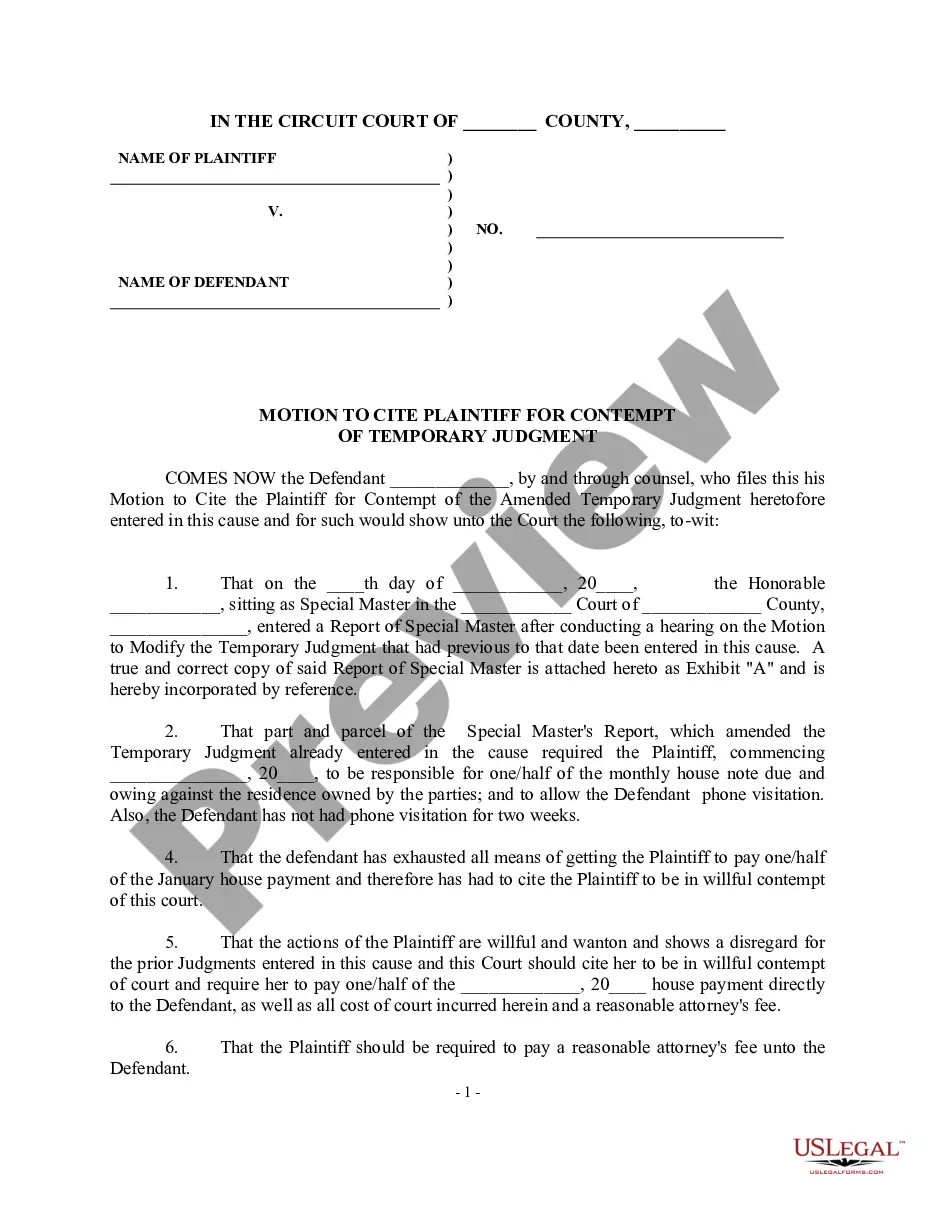
Mississippi Motion to Cite Plaintiff for Contempt of Temporary Judgment
About this form
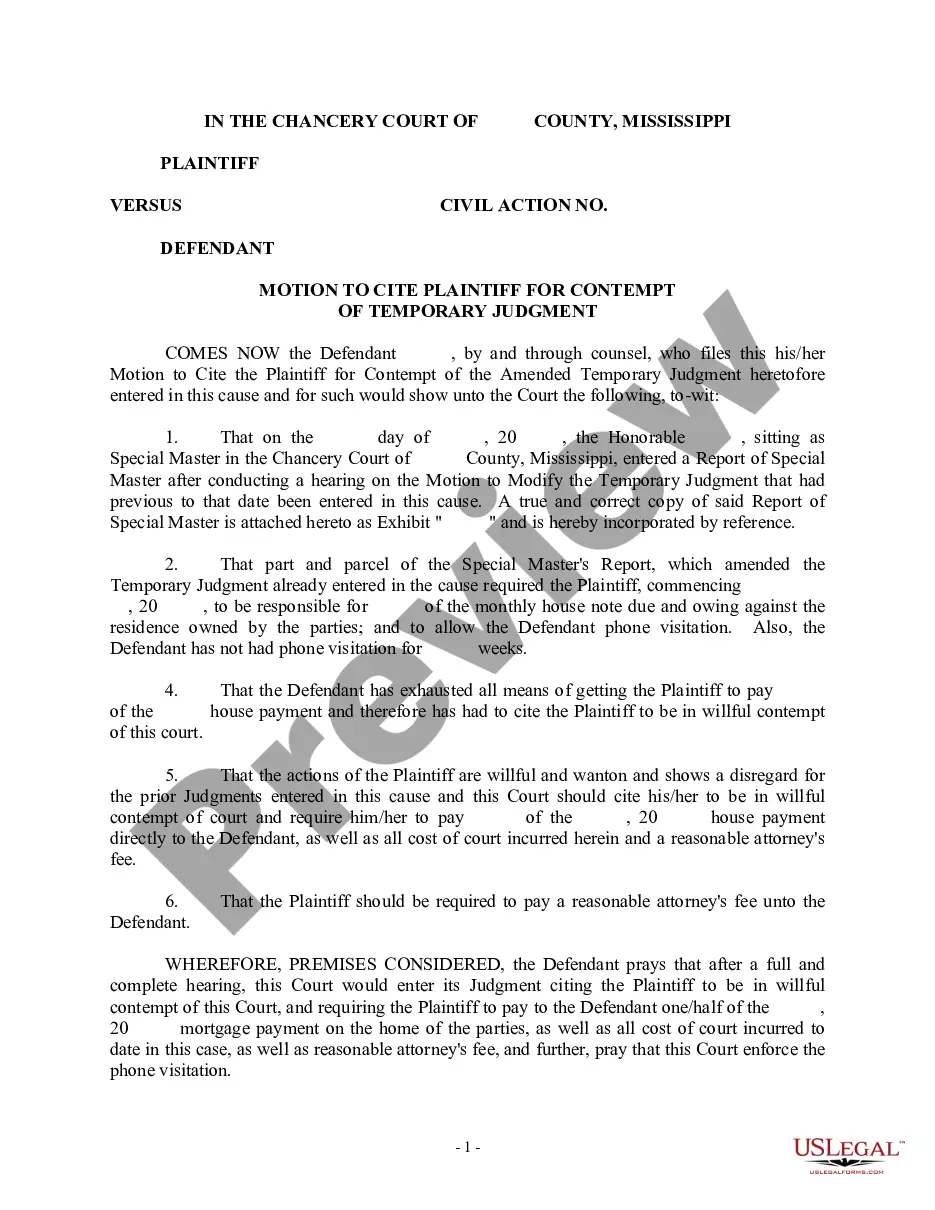
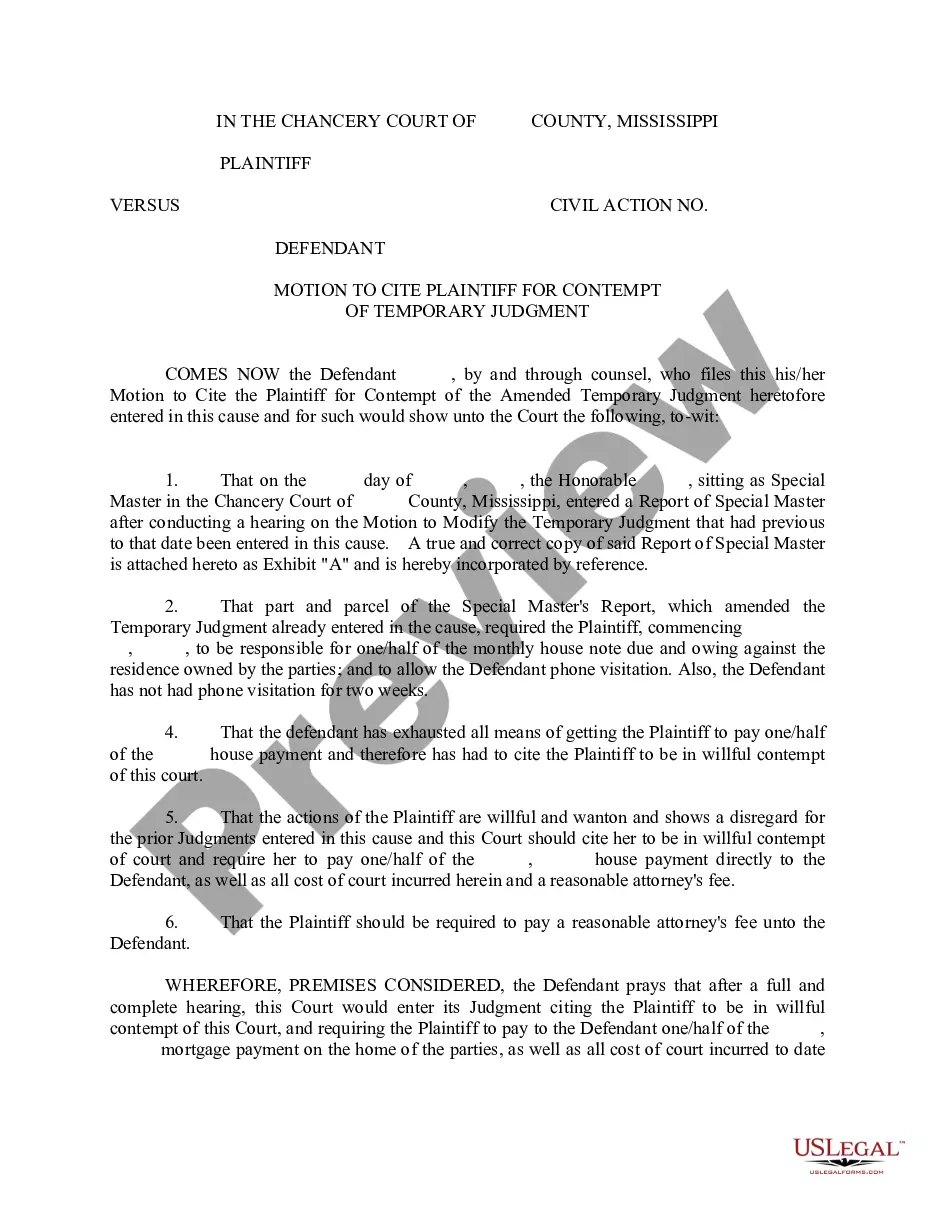
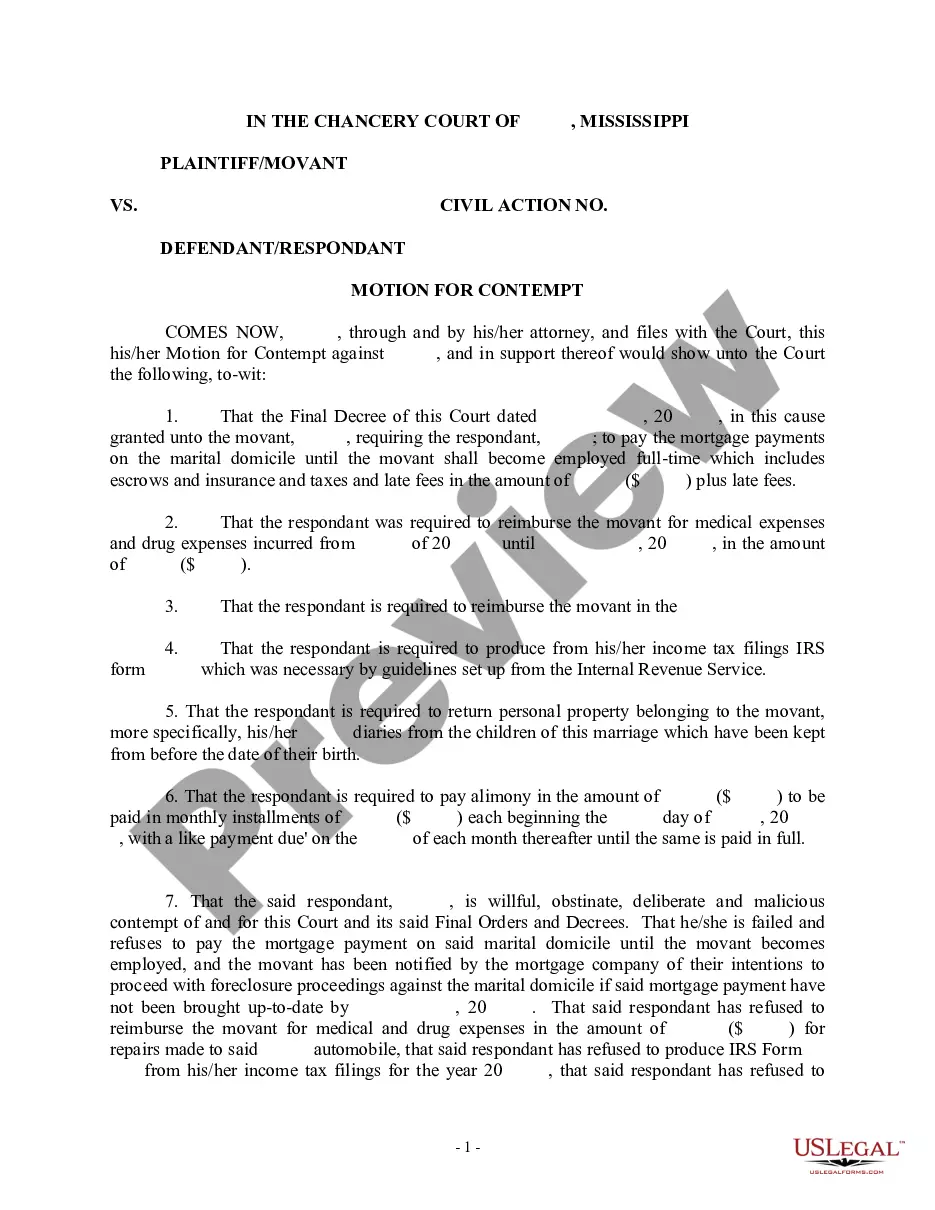
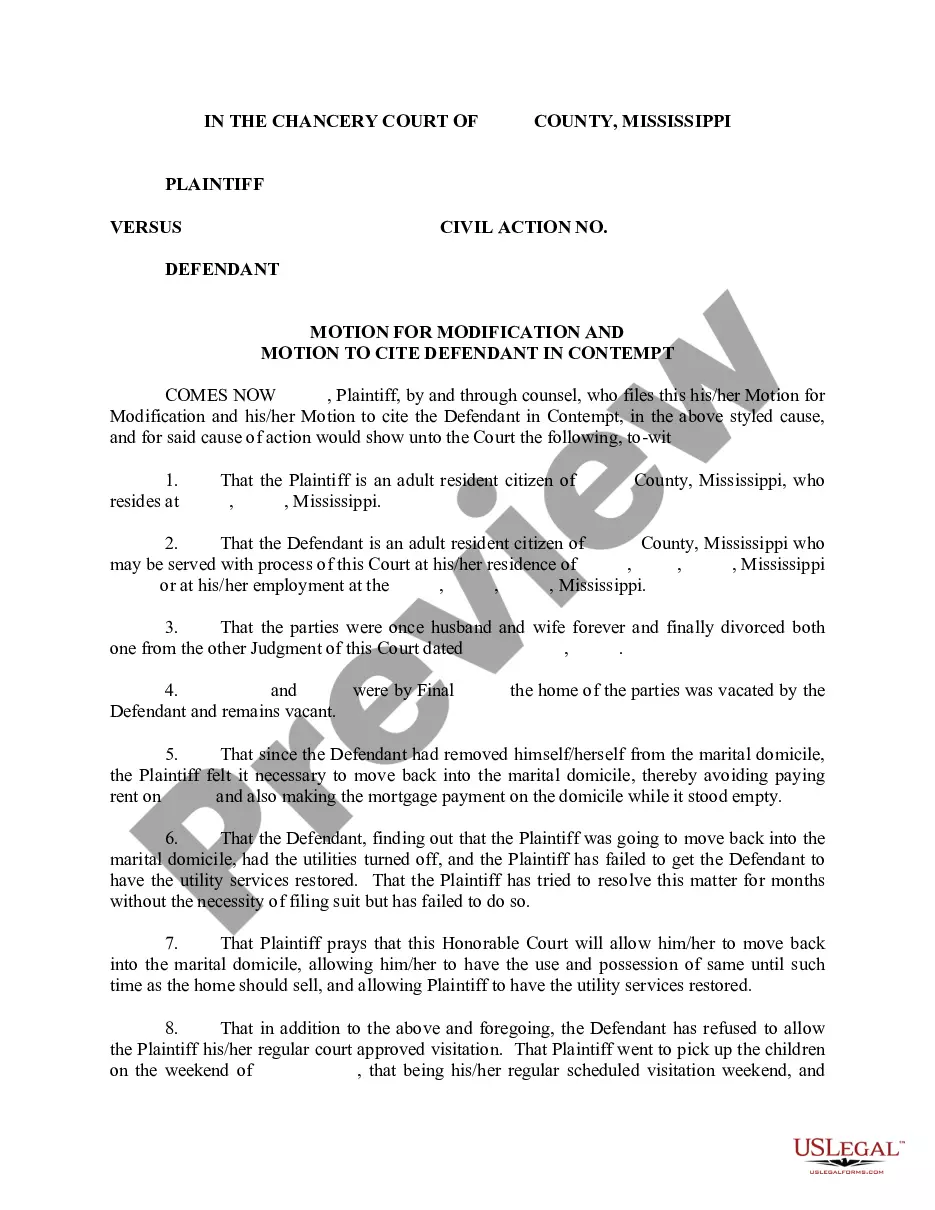
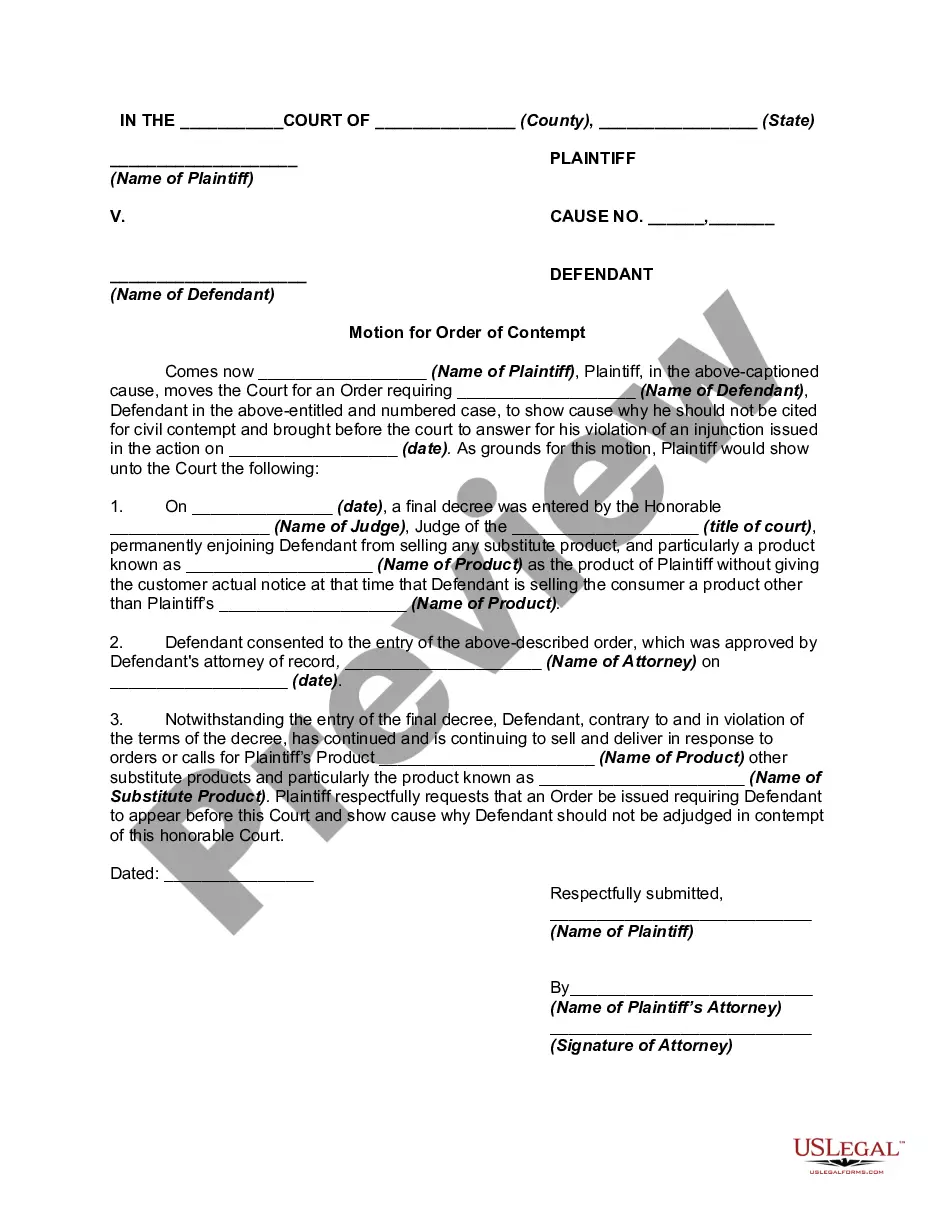
The Motion to Cite Plaintiff for Contempt of Temporary Judgment is a legal document designed to request that the court hold a plaintiff in contempt for not adhering to a temporary judgment. This form enables the requesting party to seek enforcement of the courtâs order, ensuring compliance. Unlike other motions, this specific request invokes the court's authority to address non-compliance directly related to a temporary judgment.
Form components explained
- Title of the motion, clearly stating its purpose.
- Identification of the parties involved in the case.
- A statement outlining the specific temporary judgment the plaintiff has allegedly disobeyed.
- Details regarding the nature of the contempt and evidence supporting the claim.
- A request for the court to impose appropriate sanctions against the plaintiff.
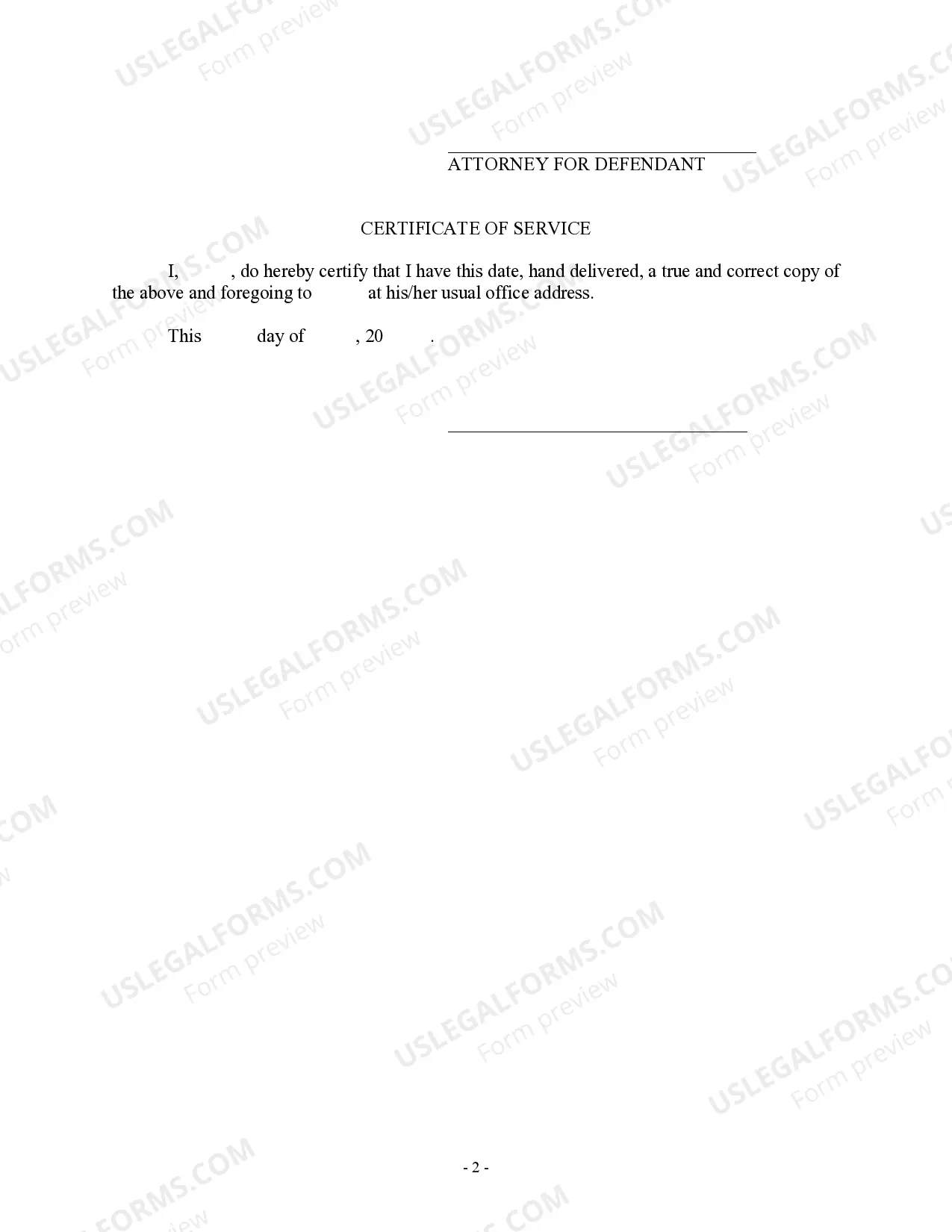
- Signature lines for the requesting party and their attorney, if applicable.
Situations where this form applies
This form is typically used when a party believes that the opposing side has failed to comply with the conditions set forth in a temporary judgment issued by the court. Scenarios may include situations like non-payment of alimony, failure to return children as per custody arrangements, or non-compliance with other court-ordered actions. In these cases, the aggrieved party can initiate a motion to seek enforcement and ensure adherence to legal obligations.
Who needs this form
- Individuals who are parties in a lawsuit where a temporary judgment has been issued.
- Those seeking to enforce compliance with court orders specific to temporary judgments.
- Attorneys representing clients in cases of alleged non-compliance with temporary court rulings.
Instructions for completing this form
- Begin by filling out the title of the motion and the relevant court information.
- Identify all parties involved, including the plaintiff and defendant.
- Clearly state the details of the temporary judgment that is being contested.
- Provide evidence or facts supporting the claim of contempt.
- Include a section detailing the specifics of what sanctions you are requesting from the court.
- Sign and date the motion, and ensure it is filed with the court appropriately.
Notarization guidance
This form does not typically require notarization unless specified by local law. It's recommended to check local guidelines for any specific requirements regarding notarization during filing.
Get your form ready online
Our built-in tools help you complete, sign, share, and store your documents in one place.
Make edits, fill in missing information, and update formatting in US Legal Forms—just like you would in MS Word.
Download a copy, print it, send it by email, or mail it via USPS—whatever works best for your next step.
Sign and collect signatures with our SignNow integration. Send to multiple recipients, set reminders, and more. Go Premium to unlock E-Sign.
If this form requires notarization, complete it online through a secure video call—no need to meet a notary in person or wait for an appointment.
We protect your documents and personal data by following strict security and privacy standards.

Make edits, fill in missing information, and update formatting in US Legal Forms—just like you would in MS Word.

Download a copy, print it, send it by email, or mail it via USPS—whatever works best for your next step.

Sign and collect signatures with our SignNow integration. Send to multiple recipients, set reminders, and more. Go Premium to unlock E-Sign.

If this form requires notarization, complete it online through a secure video call—no need to meet a notary in person or wait for an appointment.

We protect your documents and personal data by following strict security and privacy standards.
Common mistakes to avoid
- Failing to include essential details about the temporary judgment.
- Neglecting to provide supporting evidence for the contempt claim.
- Not properly identifying the court and parties involved in the case.
- Omitting signature and date, which could render the motion invalid.
Benefits of completing this form online
- Convenience of downloading the form from anywhere at any time.
- Editable document format allows for customization based on individual case needs.
- Access to professionally drafted legal templates ensures reliability and compliance.
- The motion must be credible and supported by relevant evidence to be enforceable.
- Failure to comply with court orders is a serious legal matter that may lead to penalties.
- It's important to ensure all details are accurate to avoid dismissal.
Summary of main points
- The Motion to Cite Plaintiff for Contempt is essential for enforcing compliance with temporary judgments.
- Accurate completion and understanding of the motion's components are crucial.
- Consulting with legal counsel may be beneficial to navigate the contempt process effectively.
Looking for another form?
Form popularity
FAQ
Proof of contempt Being found in contempt of a court order is extremely serious, and the sanctions imposed can be severe. The court will require clear and concrete evidence of willful disobedience of the court order.
Depending on the jurisdiction and the case, the same judge who decided to charge a person with contempt may end up presiding over the contempt proceedings. Criminal contempt can bring punishment including jail time and/or a fine.
Depending on the infraction, contempt of court consequences can include fines, compensatory visitation, a modification to the custody arrangement, and in some instances even jail time. In most cases, if someone is held in contempt, the court will first give them the opportunity to make amends for the violation.
At the hearing, you will have to swear to tell the truth before you present your case. As the party alleging contempt, you will probably speak first. Keep your explanation of how your ex disobeyed a court order brief and only talk about the reasons you asked for the contempt action.
To get a contempt finding, you must usually file a court document called a "motion for an order to show cause." That puts the burden on the parent who isn't following the custody or visitation order to explain to the court the reasons why he or she should not be held in contempt.
The Supreme, circuit, chancery and county courts and the Court of Appeals shall have power to fine and imprison any person guilty of contempt of the court while sitting, but the fine shall not exceed One Hundred Dollars ($100.00) for each offense, nor shall the imprisonment continue longer than thirty (30) days.
High Court and Supreme Court are bestowed with the power to punish for the contempt of the court. Under Section 12 of Contempt of Court Act, 1971, a contempt of court can be punished with simple imprisonment for a term which may extend to six months, or with fine which may extend to two thousand rupees, or with both.
There is a valid court order in effect. The other person knows about the court order. The facts show a plain violation of the order. You have given the person notice of the contempt hearing and a chance to be heard. Contempt is an appropriate remedy for the violation.
If a person is found to be in contempt, the court is able to impose sanctions, which may include the following: jail time (usually 1-30 days) ordering the party held in contempt to pay the money owed. ordering the party held in contempt to pay the other party's attorney's fees.