Arizona Revocation of Living Trust

What is this form?
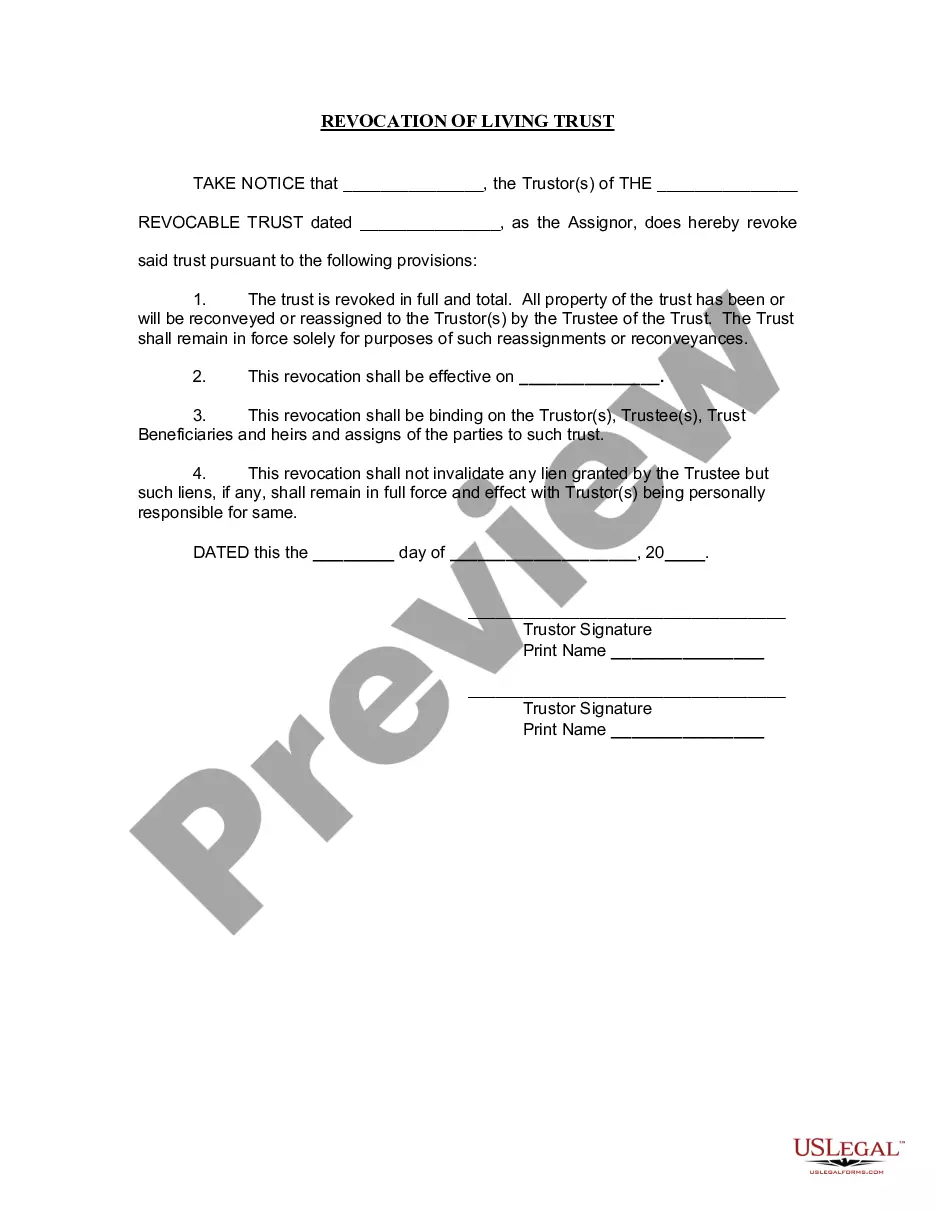
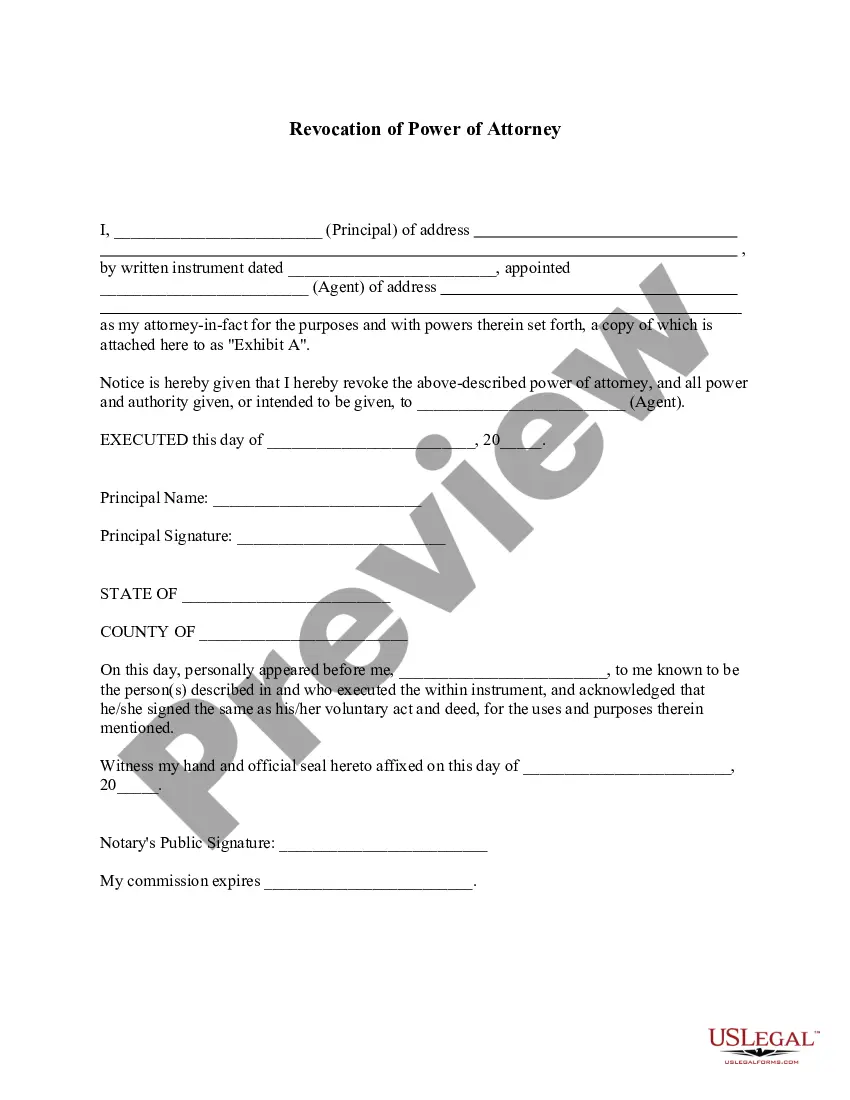
The Revocation of Living Trust form is a legal document used to formally revoke a living trust. A living trust is established during an individual's lifetime to manage assets and property, typically for estate planning purposes. This form allows the trustor to declare the full revocation of a specific living trust and facilitates the return of trust property to the trustor. Unlike other forms related to trusts, this document specifically focuses on the termination of an existing living trust.
Key parts of this document
- Identification of the Trustor and details of the revocable trust being revoked.
- Clear declaration of the total revocation of the trust.
- Statement that all property will be returned to the Trustor.
- Effective date of the revocation.
- Signatures of the Trustor(s) in the presence of a notary public.

Common use cases
This form should be used when a trustor decides to revoke their living trust. Scenarios may include changes in financial situations, relationships, or personal preferences regarding estate planning. It is essential to use this form to formally document the revocation, ensuring clarity regarding the status of the trust and the return of property to the trustor.
Who needs this form
- Trustors seeking to revoke an existing living trust.
- Individuals involved in estate planning who wish to update their arrangements.
- Beneficiaries affected by the revocation of the trust.
Steps to complete this form
- Identify the Trustor(s) and the name of the living trust being revoked.
- Clearly state that the trust is revoked in full and total.
- Specify that all property of the trust will be reconveyed to the Trustor(s).
- Fill in the effective date of the revocation.
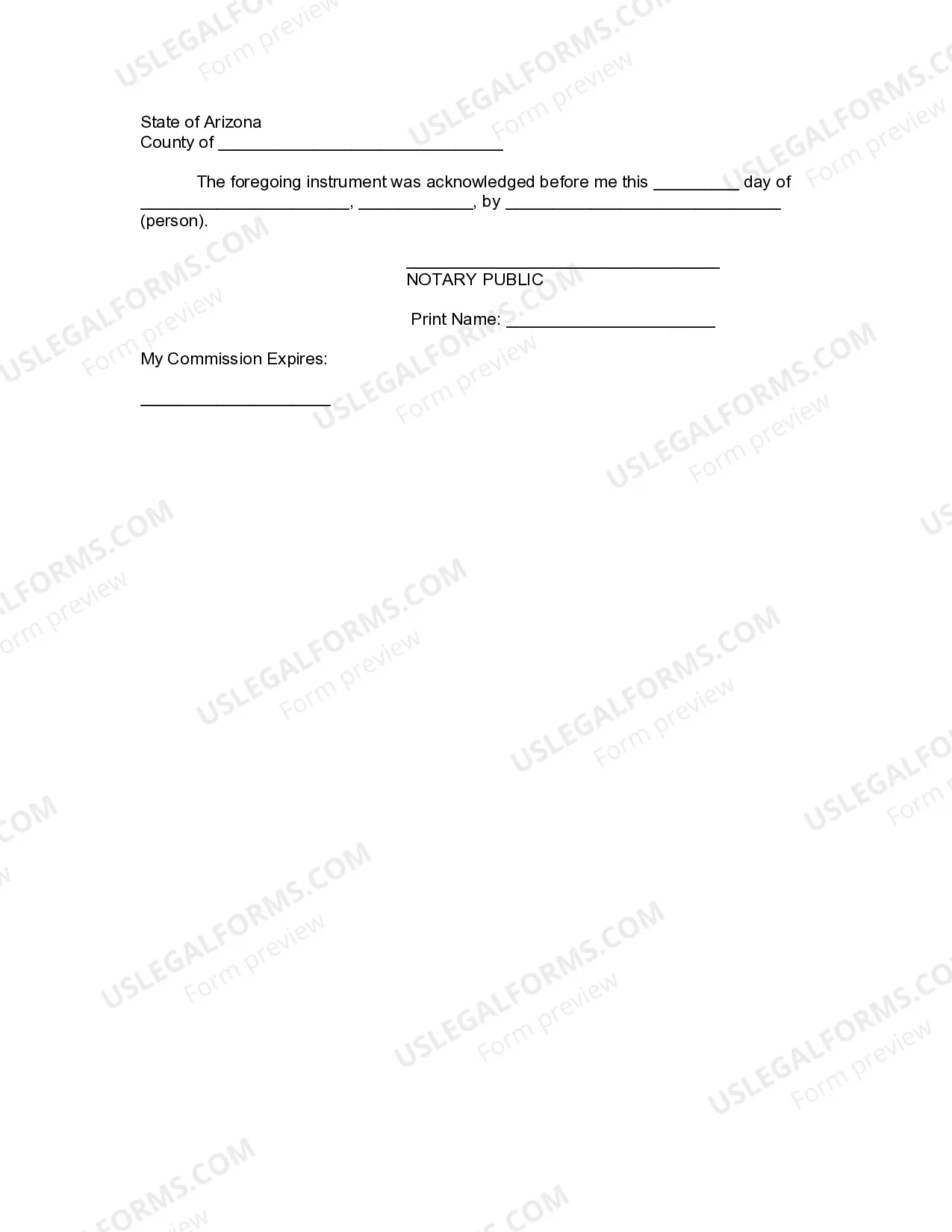
- Have all Trustor(s) sign the document in front of a notary public.
Does this document require notarization?
To make this form legally binding, it must be notarized. Our online notarization service, powered by Notarize, lets you verify and sign documents remotely through an encrypted video session.
Get your form ready online
Our built-in tools help you complete, sign, share, and store your documents in one place.
Make edits, fill in missing information, and update formatting in US Legal Forms—just like you would in MS Word.
Download a copy, print it, send it by email, or mail it via USPS—whatever works best for your next step.
Sign and collect signatures with our SignNow integration. Send to multiple recipients, set reminders, and more. Go Premium to unlock E-Sign.
If this form requires notarization, complete it online through a secure video call—no need to meet a notary in person or wait for an appointment.
We protect your documents and personal data by following strict security and privacy standards.

Make edits, fill in missing information, and update formatting in US Legal Forms—just like you would in MS Word.

Download a copy, print it, send it by email, or mail it via USPS—whatever works best for your next step.

Sign and collect signatures with our SignNow integration. Send to multiple recipients, set reminders, and more. Go Premium to unlock E-Sign.

If this form requires notarization, complete it online through a secure video call—no need to meet a notary in person or wait for an appointment.

We protect your documents and personal data by following strict security and privacy standards.
Mistakes to watch out for
- Failing to include the effective date of revocation.
- Not having the document signed in front of a notary public.
- Omitting the full name of the trust being revoked.
- Neglecting to return or reassign trust property appropriately.
Benefits of completing this form online
- Convenient access to legally vetted documents at any time.
- Editable templates allow for specific personalization according to individual needs.
- Reliable resources ensure compliance with legal standards.
What to keep in mind
- The Revocation of Living Trust form is essential for legally ending a living trust.
- Proper identification of all involved parties and compliance with notarization is crucial.
- Using this form correctly helps prevent future complications related to trust property.
Looking for another form?
Form popularity
FAQ
An example of a trust revocation might include a person deciding to dissolve a living trust due to changes in personal circumstances, such as a marriage or divorce. In these situations, the individual may initiate an Arizona Revocation of Living Trust to update their estate plan accordingly. This decision typically involves formal paperwork and notifying relevant parties, making it crucial to seek professional help. Using a platform like USLegalForms can provide step-by-step guidance to ensure all legal requirements are met.
Terminating an irrevocable trust involves specific legal steps that may vary by state, including Arizona. The process often requires the agreement of all beneficiaries or a court's approval, especially if the trust doesn't allow for termination. As you consider the implications of an Arizona Revocation of Living Trust, working with a qualified attorney can help navigate this complex decision. The right guidance ensures that your interests and those of your beneficiaries are protected.
The 5 year rule in an irrevocable trust generally refers to the time frame within which assets transferred into the trust may be considered part of your estate for tax purposes. In Arizona Revocation of Living Trust matters, it is important to understand how this rule can affect estate planning. Your intent behind creating the trust, including beneficiaries and distributions, should guide your decisions within this time frame. Consulting with a legal expert can provide clarity on maintaining the benefits of your trust.
To remove a trustee from a trust, start by reviewing the specific terms of the trust document. If it allows for trustee removal, you can typically create a formal revocation document that outlines your decision. Once completed, communicate the removal to all relevant parties, including the old trustee and beneficiaries. For guidance and templates for this process, explore the resources available through US Legal Forms, especially for those dealing with the Arizona Revocation of Living Trust.
Removing a trustee from a trust can vary in difficulty, depending on the trust’s terms and the type of trust involved. In many cases, if the trust document includes provisions for revoking a trustee, the process can be straightforward. However, if there are disputes, or the trustee does not agree to the removal, navigating this situation may require legal counsel. Utilizing services like US Legal Forms can help clarify the steps involved in the Arizona Revocation of Living Trust.
To change the trustees on a trust, you will need to follow the instructions outlined in the trust document itself. Typically, this involves creating a revocation document that specifically states the changes and names the new trustee. Once you have prepared the necessary documentation, it's important to inform all parties involved about the changes. For assistance in managing this process effectively, consider using US Legal Forms, which offers resources tailored for Arizona Revocation of Living Trust.
A revocable trust in Arizona is a legal tool that allows you to manage your assets during your lifetime while maintaining the ability to alter or revoke the trust. This flexibility enables you to adjust your estate plan as needed, making it a valuable option for many. Understanding the features of an Arizona Revocation of Living Trust can help you better tailor your estate planning needs.
Yes, a living trust does avoid probate in Arizona, which can save time and expenses for your loved ones. Since assets held in a living trust pass directly to beneficiaries upon your death, they typically do not go through the probate process. This advantage is a key reason individuals consider the Arizona Revocation of Living Trust.
Revoking a living trust in Arizona involves formally documenting your decision to terminate the trust. Typically, this is done through a written revocation document signed by the creator of the trust. Engaging a legal service specializing in Arizona Revocation of Living Trust can simplify this process, ensuring all necessary steps are taken accurately.
To remove a trustee from your trust in Arizona, refer to the provisions in your trust document which outline the process for removal. Generally, you will need to provide proper notice and sometimes a legitimate reason for the removal. If you're uncertain, consulting with professionals on Arizona Revocation of Living Trust can help you navigate this sensitive procedure.