Mississippi Motion for Modification
About this form
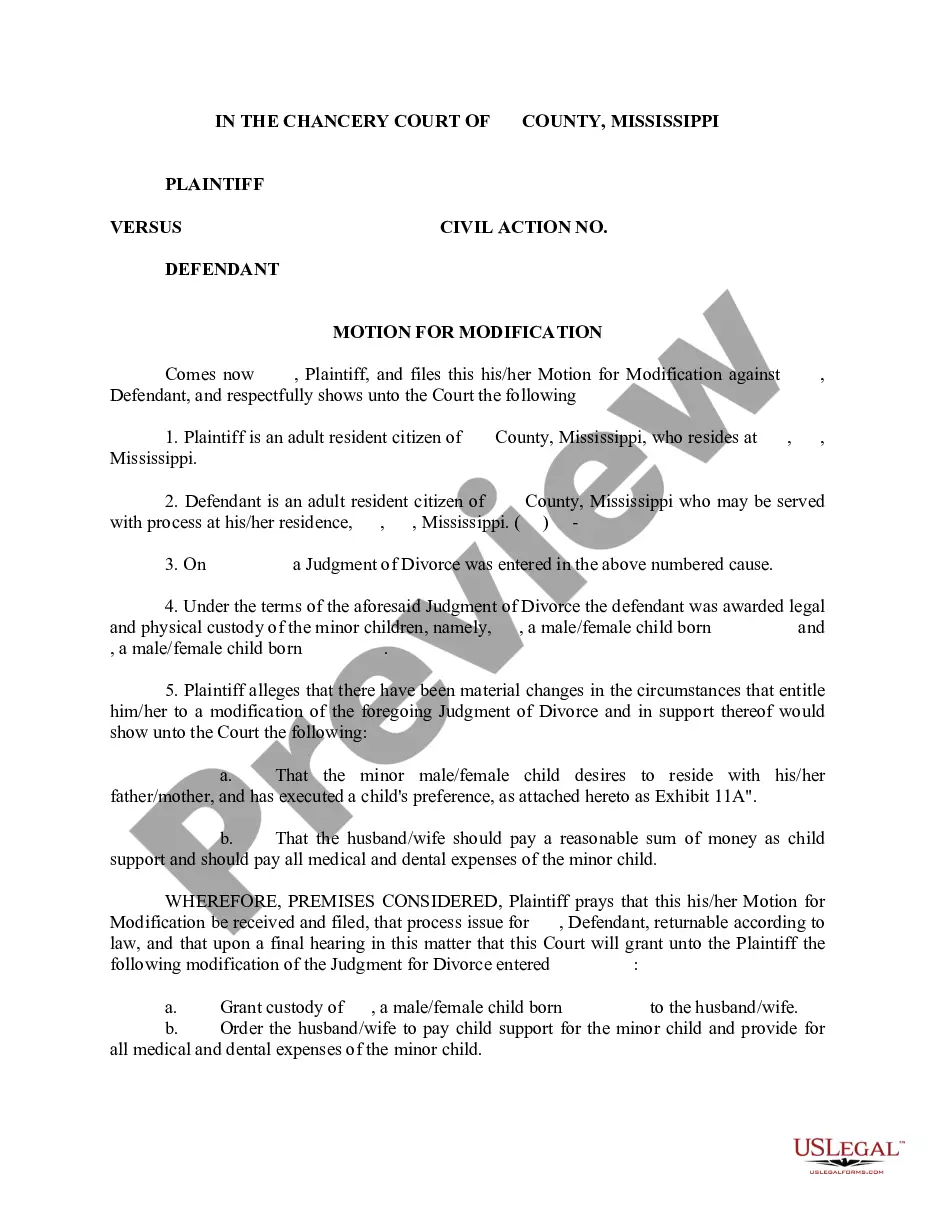
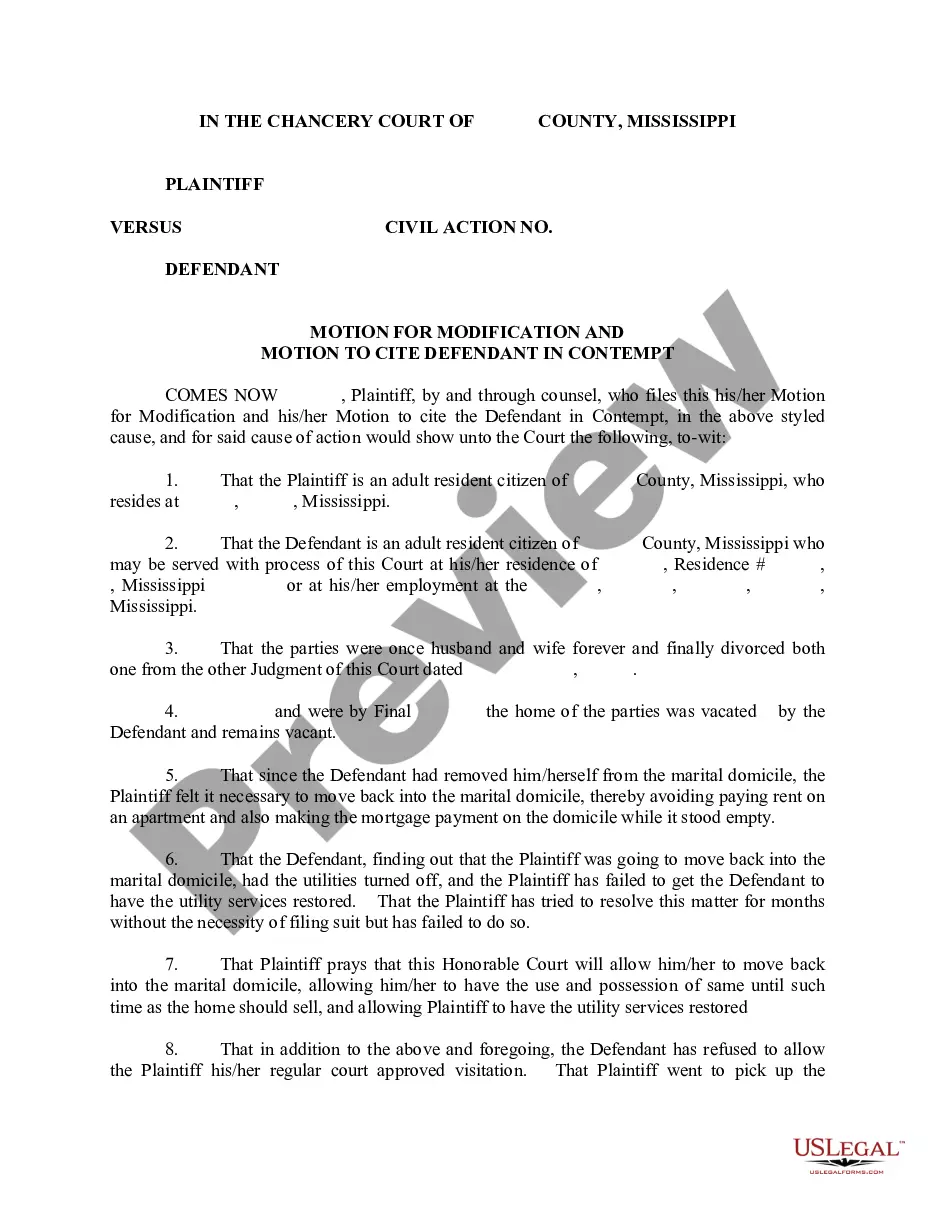
A Motion for Modification is a legal document used to request changes to a prior court order, such as a divorce decree. This form allows a plaintiff to petition the court for adjustments in custody, child support, or other relevant terms based on changed circumstances. It is distinct from initial motions as it focuses on altering existing court decisions rather than establishing them.
Main sections of this form
- Identification of parties involved: Plaintiff and Defendant details.
- Reference to the original court judgment, such as a Judgment of Divorce.
- Statement of material changes in circumstances that justify the modification.
- Specific requests for modification, including custody and support changes.
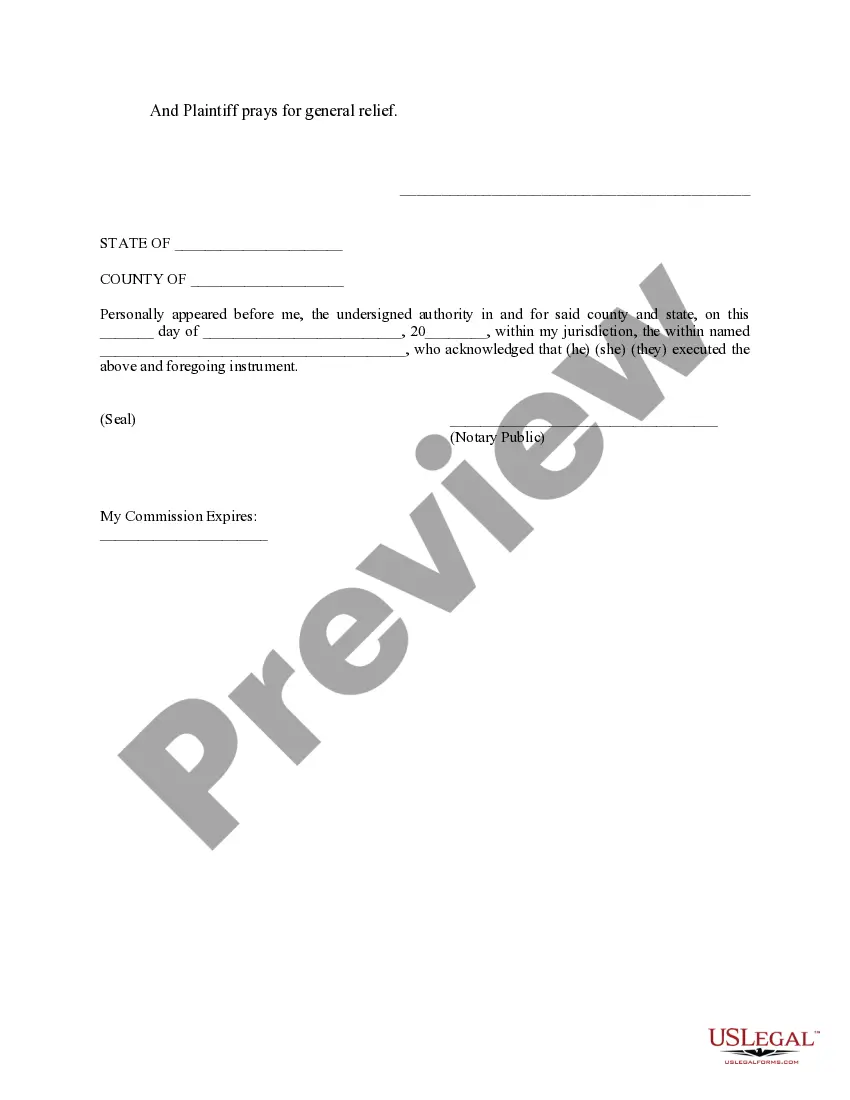
- Sections for sworn statements and notarization for verifying the truthfulness of claims.
Common use cases
This form is necessary when there have been significant changes in the lives of the involved parties or children since the original court order. Common scenarios for its use include when a child expresses a desire to live with a different parent, when there are changes in financial circumstances affecting child support, or when there are concerns regarding the well-being of a child that necessitate changes in custody arrangements.
Who this form is for
- Divorce plaintiffs seeking to modify custody or child support arrangements.
- Individuals who have experienced a significant change in circumstances since the original court order.
- Parents whose children are now expressing different living preferences.
How to complete this form
- Fill in the names and addresses of the Plaintiff and Defendant in the appropriate fields.
- Reference the original court judgment date and any critical terms relevant to custody and support.
- Describe the material changes in circumstances that warrant the requested modifications.
- Include specific requests for changes, such as custody arrangements or financial support obligations.
- Sign the document in front of a notary public, if required, and ensure all statements are accurate and true.
Does this document require notarization?
Yes, this form must be notarized to be legally valid. Notarization provides an extra layer of verification, assuring the court of the truthfulness of the statements made within the form. US Legal Forms offers integrated online notarization, allowing you to complete this step securely and efficiently without needing to travel.
Get your form ready online
Our built-in tools help you complete, sign, share, and store your documents in one place.
Make edits, fill in missing information, and update formatting in US Legal Forms—just like you would in MS Word.
Download a copy, print it, send it by email, or mail it via USPS—whatever works best for your next step.
Sign and collect signatures with our SignNow integration. Send to multiple recipients, set reminders, and more. Go Premium to unlock E-Sign.
If this form requires notarization, complete it online through a secure video call—no need to meet a notary in person or wait for an appointment.
We protect your documents and personal data by following strict security and privacy standards.

Make edits, fill in missing information, and update formatting in US Legal Forms—just like you would in MS Word.

Download a copy, print it, send it by email, or mail it via USPS—whatever works best for your next step.

Sign and collect signatures with our SignNow integration. Send to multiple recipients, set reminders, and more. Go Premium to unlock E-Sign.

If this form requires notarization, complete it online through a secure video call—no need to meet a notary in person or wait for an appointment.

We protect your documents and personal data by following strict security and privacy standards.
Common mistakes to avoid
- Failing to provide adequate evidence of changes in circumstances.
- Not properly filling out the names and contact information for both parties.
- Missing the required notary signature, if applicable.
- Submitting the motion without attaching supporting documentation or evidence.
Why complete this form online
- Convenient access: Download and complete the form from anywhere at any time.
- Editability: Easily modify the template to suit your specific circumstances.
- Reliability: Forms are drafted by licensed attorneys to ensure legal compliance.
Summary of main points
- A Motion for Modification is essential for requesting changes to existing court decisions regarding custody or support.
- Understanding the procedure for completing this form is vital for effectively presenting your case to the court.
- Be aware of common mistakes to ensure your motion is properly submitted.
- Utilizing an online form can save time and reduce the potential for errors.
Looking for another form?
Form popularity
FAQ
There is hope and it is possible to renegotiate a divorce after the divorce is final. If there has been a material change in circumstances, then there are possibilities to renegotiate the divorce settlement.However, the division of property that has been negotiated in a settlement is final and cannot be renegotiated.
There are two distinct ways in which a divorce judgment can be changed:Appealing the judgment to a California District Court of Appeals. Filing a motion to modify the terms of the decree with the court where the original judgment was filed.
If you and your spouse agreed on a settlement during your original divorce proceedings, appealing the decision can be next to impossible. Your next option is to have your divorce agreements modified. With the help of a family law attorney, you can file a motion to modify the divorce decree in light of new evidence.
Once the divorce decree is signed, you have the right to file an appeal the terms of the divorce or a motion to modify certain specific terms. An appeal must be filed within thirty days of the original judgment. Modifications can be requested at any time after the divorce is finalized.