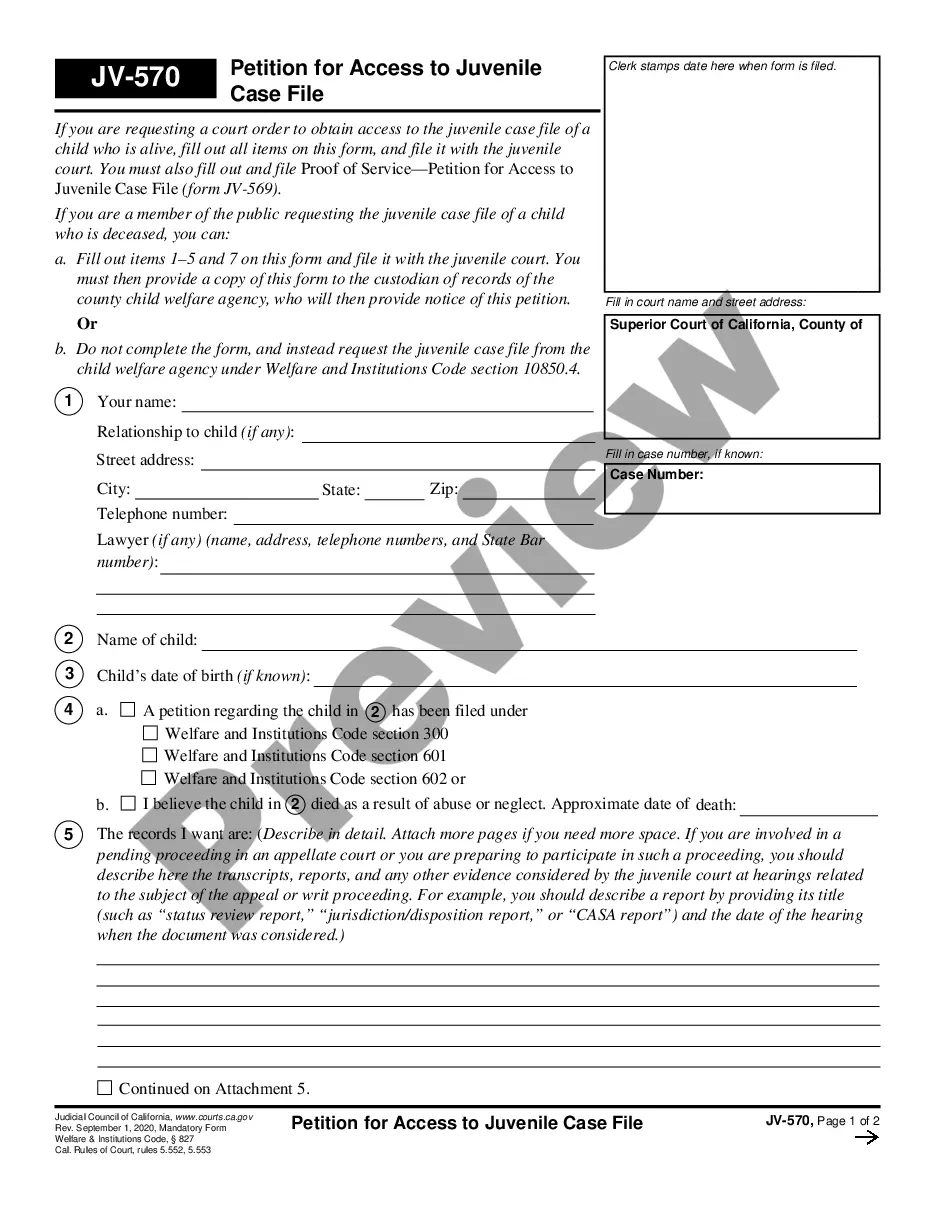
Mississippi Motion For Post-Conviction Relief
Overview of this form
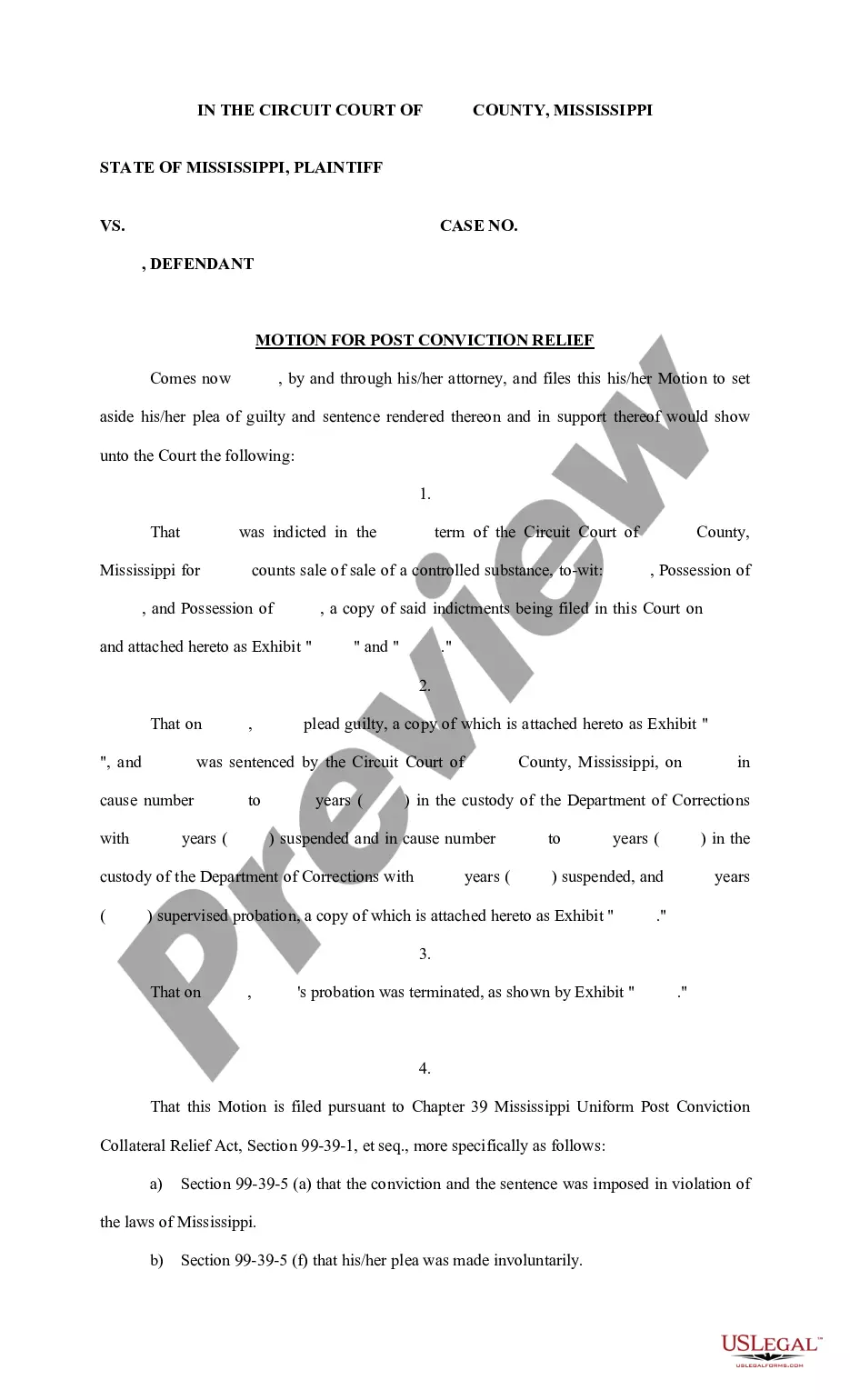
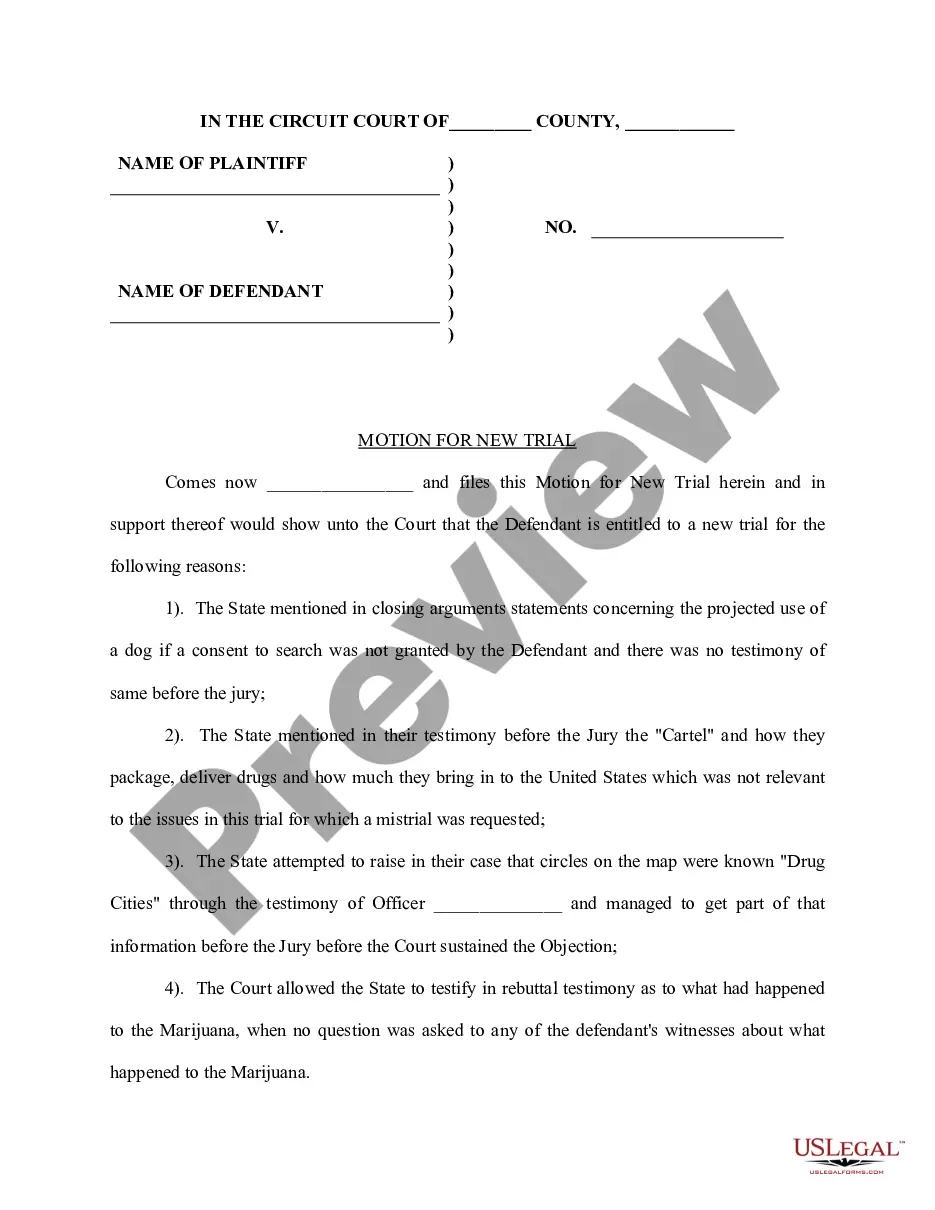
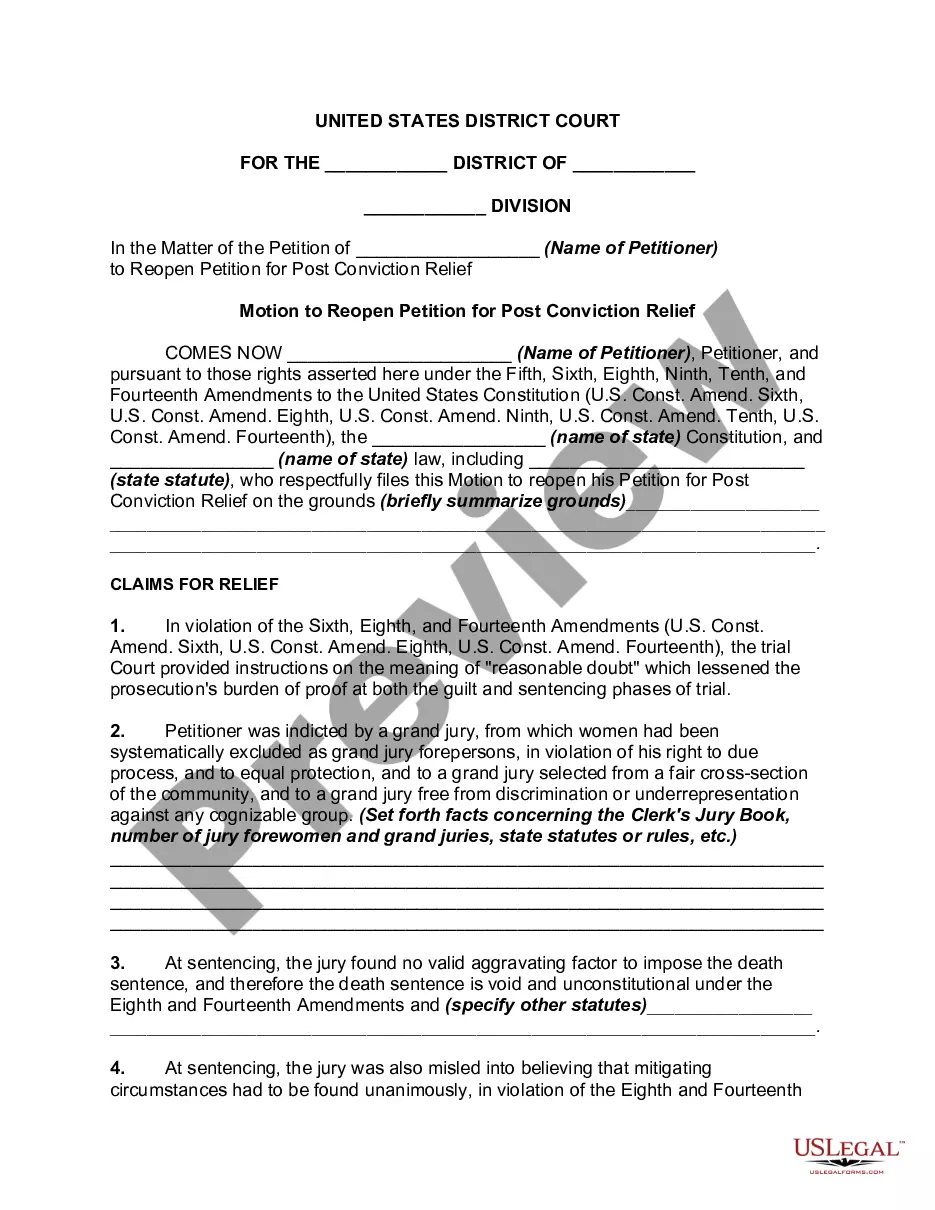
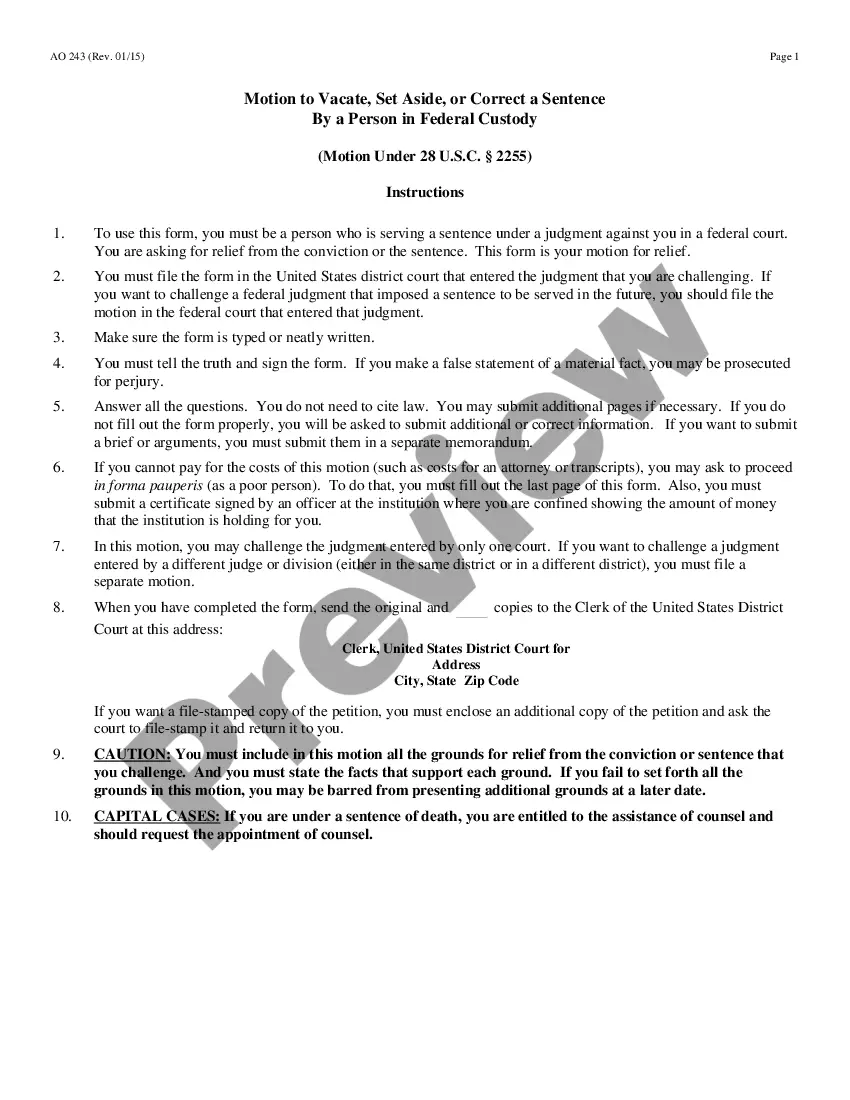
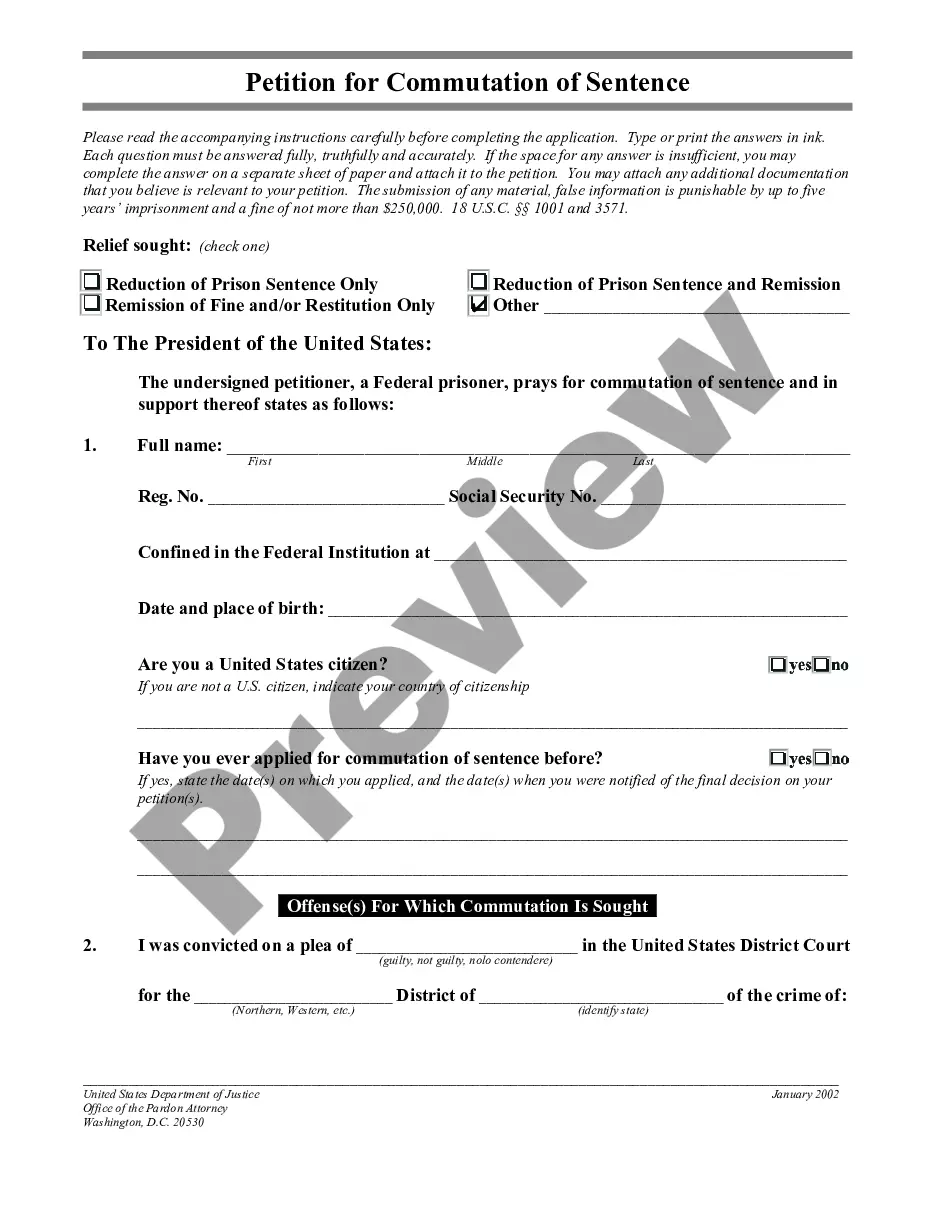
A Motion for Post-Conviction Relief is a legal document submitted to a court requesting to reconsider a prior conviction. Unlike other motions, this specific form aims to address the post-conviction process, allowing individuals to challenge the legality of their conviction after the trial has concluded. This motion can include claims of legal errors, ineffective assistance of counsel, or new evidence that could potentially impact the outcome of the case.
What’s included in this form
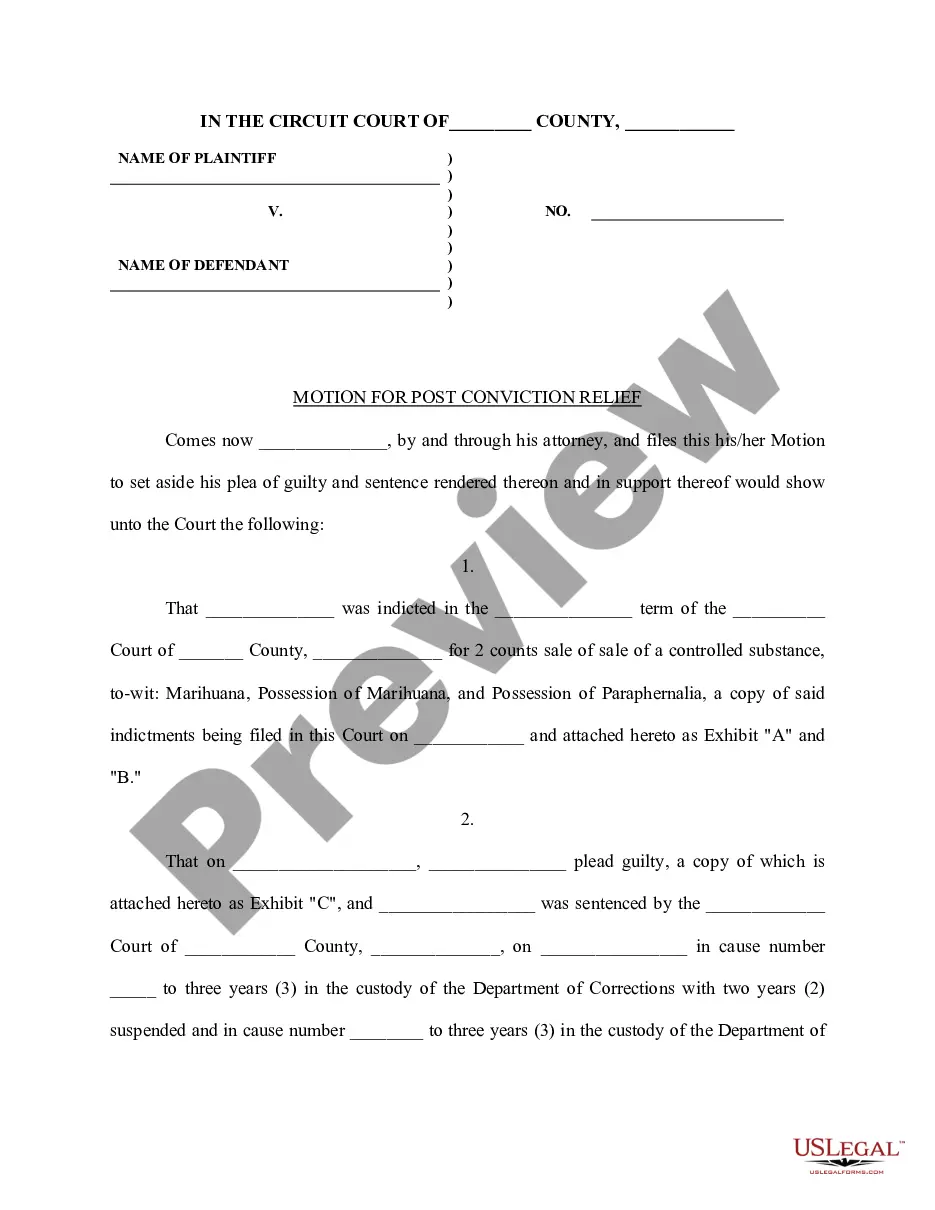
- Title and introductory statement indicating the nature of the motion
- Identification of the defendant and relevant case details
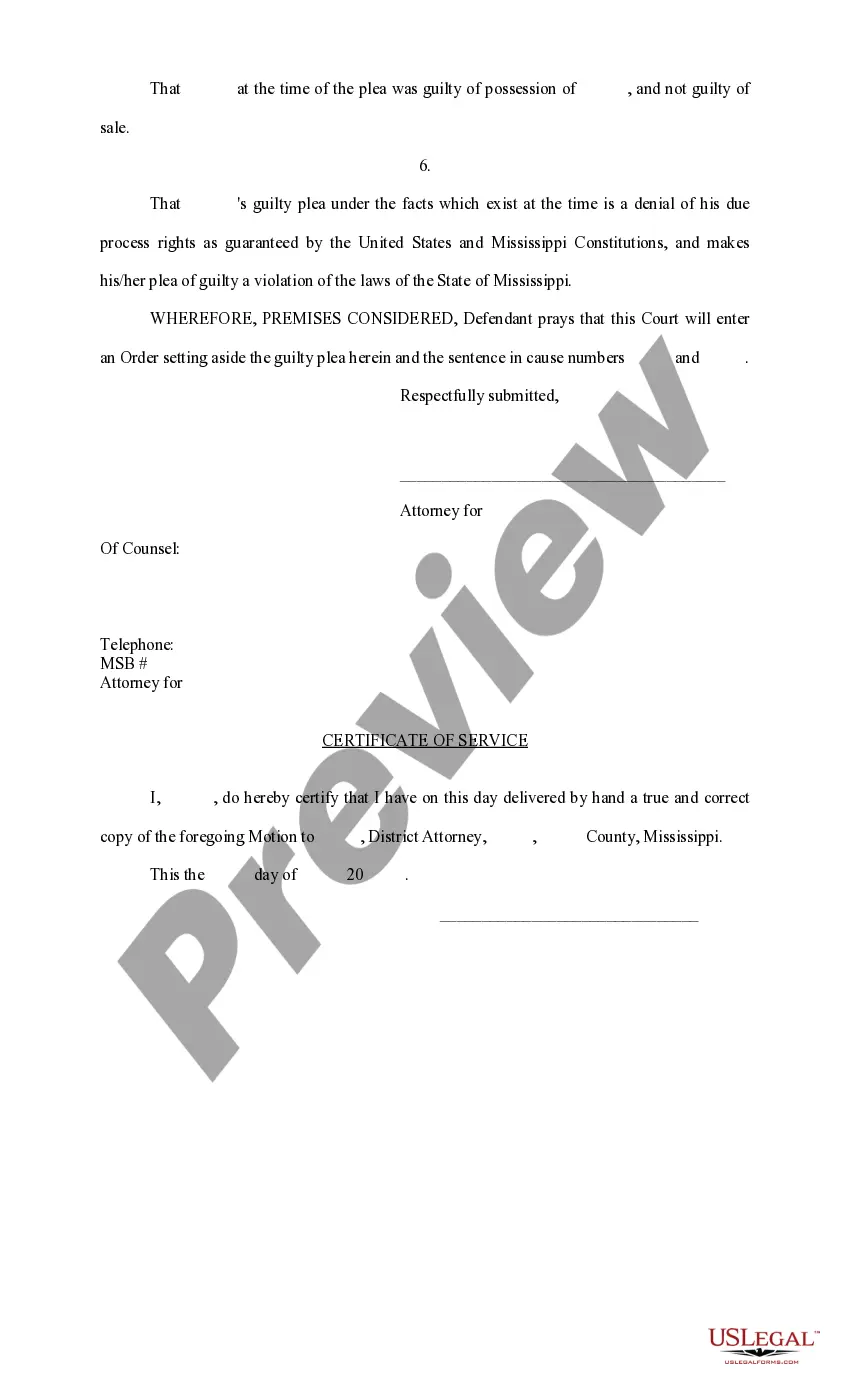
- Statement of the grounds for relief, detailing specific legal arguments
- Request for specific relief from the court
- Signature section for the individual filing the motion
When to use this document
This form should be used when an individual believes that their conviction is unjust due to specific legal errors or circumstances that were not adequately addressed during the original trial. Common scenarios include new evidence coming to light, violations of rights during the trial, or legal mishandlings that could have affected the verdict.
Intended users of this form
- Individuals who have been convicted of a crime and believe they have grounds for relief
- Defendants whose convictions were based on legal errors or new evidence
- Those seeking to challenge the outcome of their trial after exhausting direct appeals
Steps to complete this form
- Fill in the title and introductory statement with the appropriate court information.
- Clearly identify yourself as the defendant along with the case number.
- Detail the grounds for your motion, specifying the legal arguments and facts supporting your claim.
- State specifically what relief you are seeking from the court.
- Sign and date the form where indicated, ensuring all information is accurate and complete.
Notarization requirements for this form
Notarization is generally not required for this form. However, certain states or situations might demand it. You can complete notarization online through US Legal Forms, powered by Notarize, using a verified video call available anytime.
Get your form ready online
Our built-in tools help you complete, sign, share, and store your documents in one place.
Make edits, fill in missing information, and update formatting in US Legal Forms—just like you would in MS Word.
Download a copy, print it, send it by email, or mail it via USPS—whatever works best for your next step.
Sign and collect signatures with our SignNow integration. Send to multiple recipients, set reminders, and more. Go Premium to unlock E-Sign.
If this form requires notarization, complete it online through a secure video call—no need to meet a notary in person or wait for an appointment.
We protect your documents and personal data by following strict security and privacy standards.

Make edits, fill in missing information, and update formatting in US Legal Forms—just like you would in MS Word.

Download a copy, print it, send it by email, or mail it via USPS—whatever works best for your next step.

Sign and collect signatures with our SignNow integration. Send to multiple recipients, set reminders, and more. Go Premium to unlock E-Sign.

If this form requires notarization, complete it online through a secure video call—no need to meet a notary in person or wait for an appointment.

We protect your documents and personal data by following strict security and privacy standards.
Common mistakes to avoid
- Failing to clearly state the legal grounds for relief.
- Not following specific formatting or procedural rules required by the local court.
- Missing deadlines for filing the motion
- Neglecting to sign the form or provide necessary personal information.
Advantages of online completion
- Convenient access to a legally vetted template, making the form easy to complete.
- Editable formats allow you to customize the form to fit your specific situation.
- Instant download availability ensures you receive the form quickly.
- Access to legal expertise through the creation of professionally crafted legal documents.
Key takeaways
- A Motion for Post-Conviction Relief is essential for challenging an unjust conviction.
- It is crucial to provide detailed legal grounds and factual support in the motion.
- Filing procedures vary by state, underscoring the need for local legal knowledge.
Looking for another form?

Form popularity
FAQ
Attorneys charge a sum between $400 to $1,400 per criminal charge. Attorney fees could rise to between $1000 to $4000 if the criminal case is complicated. If you can't afford the fee to file a petition for expungement, you or your attorney may request a fee waiver.
In law, post conviction refers to the legal process which takes place after a trial results in conviction of the defendant. After conviction, a court will proceed with sentencing the guilty party.The goal of these proceedings is exoneration, or proving a convicted person innocent.
The term post-conviction relief refers to legal channels by which defendants convicted of a crime can seek to get their convictions overturned, sentences modified, records expunged or civil rights reinstated.
POSTCONVICTION RELIEF: a remedy the defendant may seek after a criminal conviction, attempting to reduce a sentence or reverse a lower court's decision; includes postconviction motions filed in the circuit court or appeals filed in the Court of Appeals.
The most common basis for relief in a petition for post-conviction relief is that a client did not receive effective assistance of counsel in connection with a guilty plea, at trial, at sentencing, or on appeal.
A defendant who requests post-conviction relief asks the court to vacate or modify a judgment of conviction, or to reduce or modify a sentence. 2 PROCESS. The process for requesting post-conviction relief is contained in Rules 32 and 33 of the Arizona Rules of Criminal Procedure.
Post-conviction relief is a procedure that allows the defendant in a criminal case to bring more evidence or raise additional issues in a case after a judgment has been made (post-trial). With valid grounds, post-conviction relief can help you obtain a fair resolution in your case.
You must not be on probation at the time of application. You must not be charged in any current criminal cases. The crime that put you on the record must not have resulted in a state prison sentence.