Mississippi Alias Summons
Overview of this form
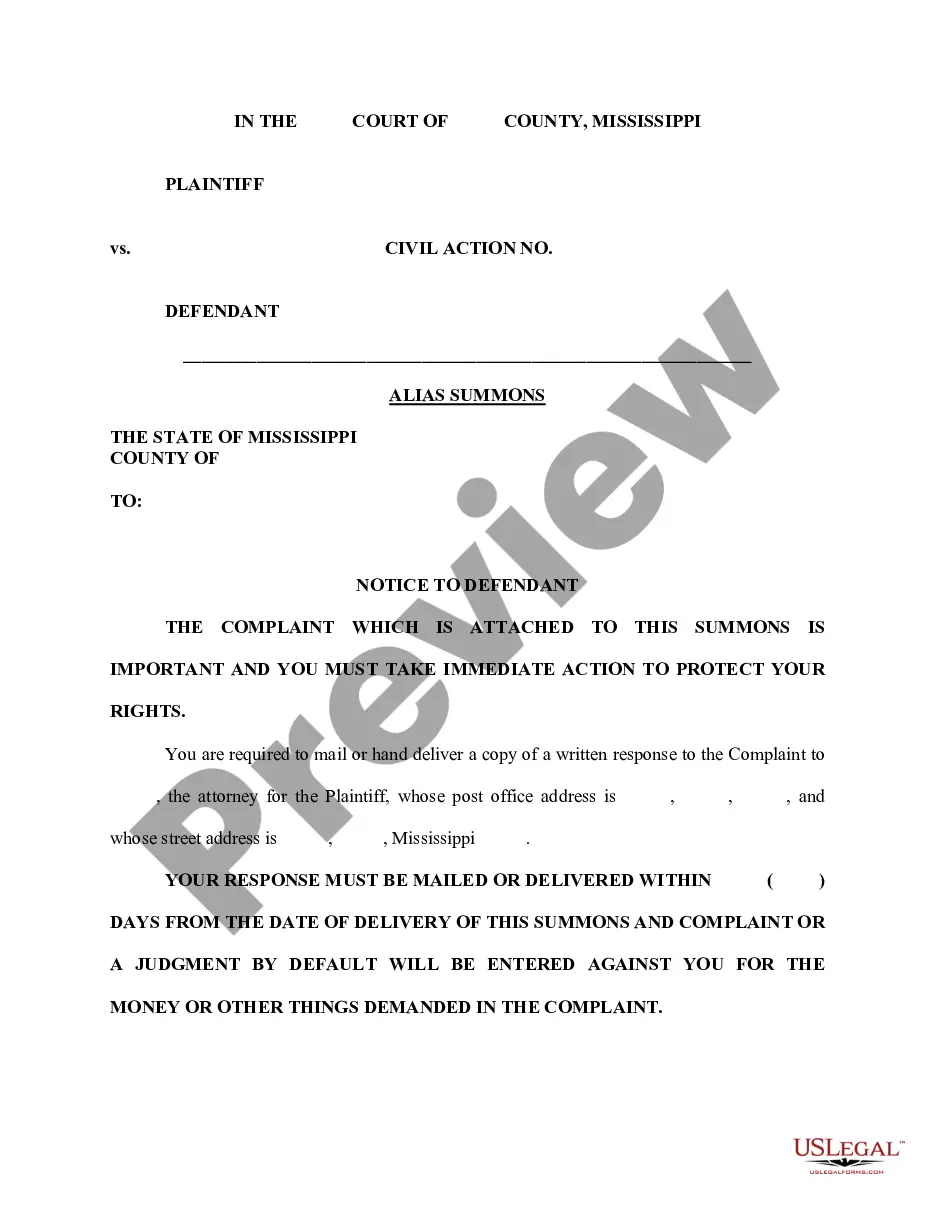
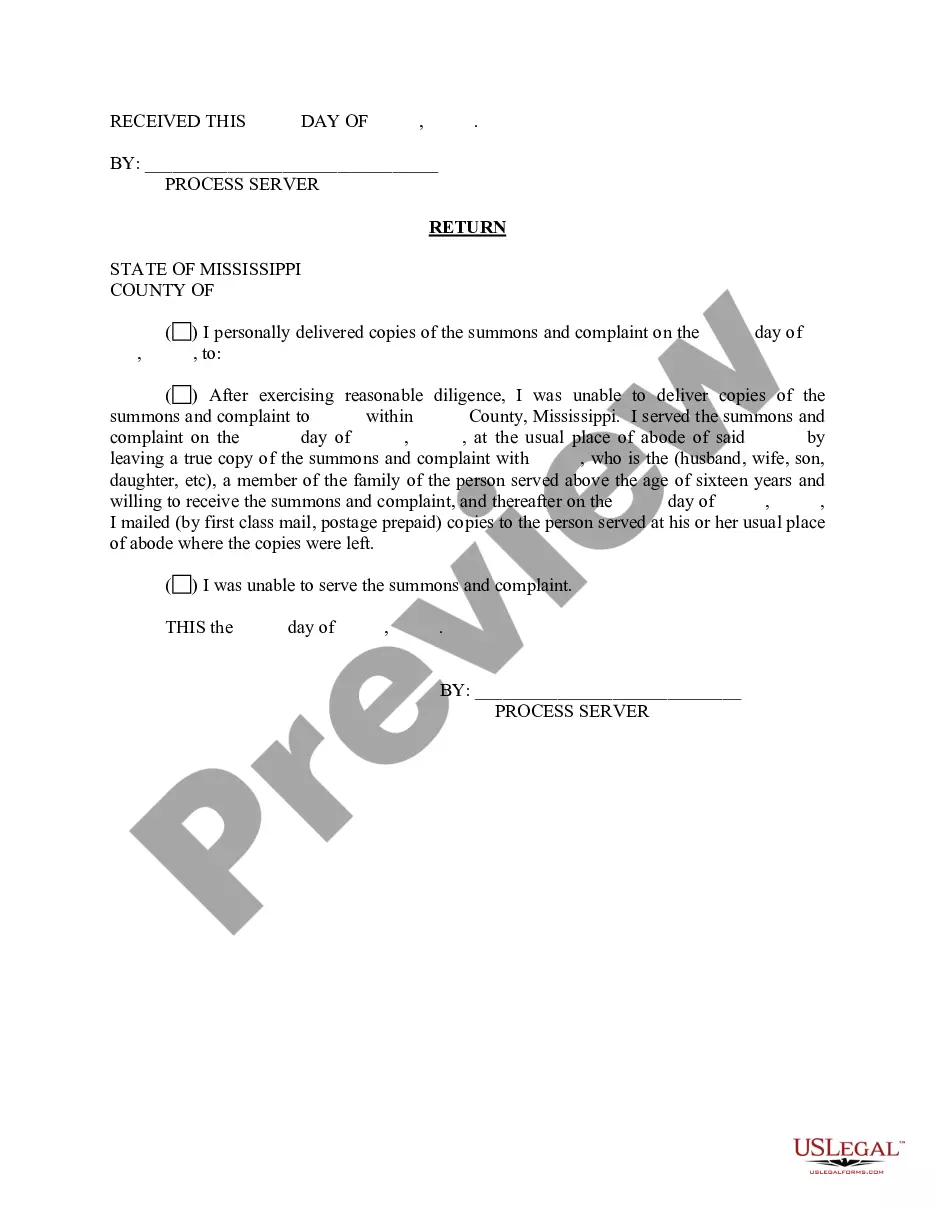
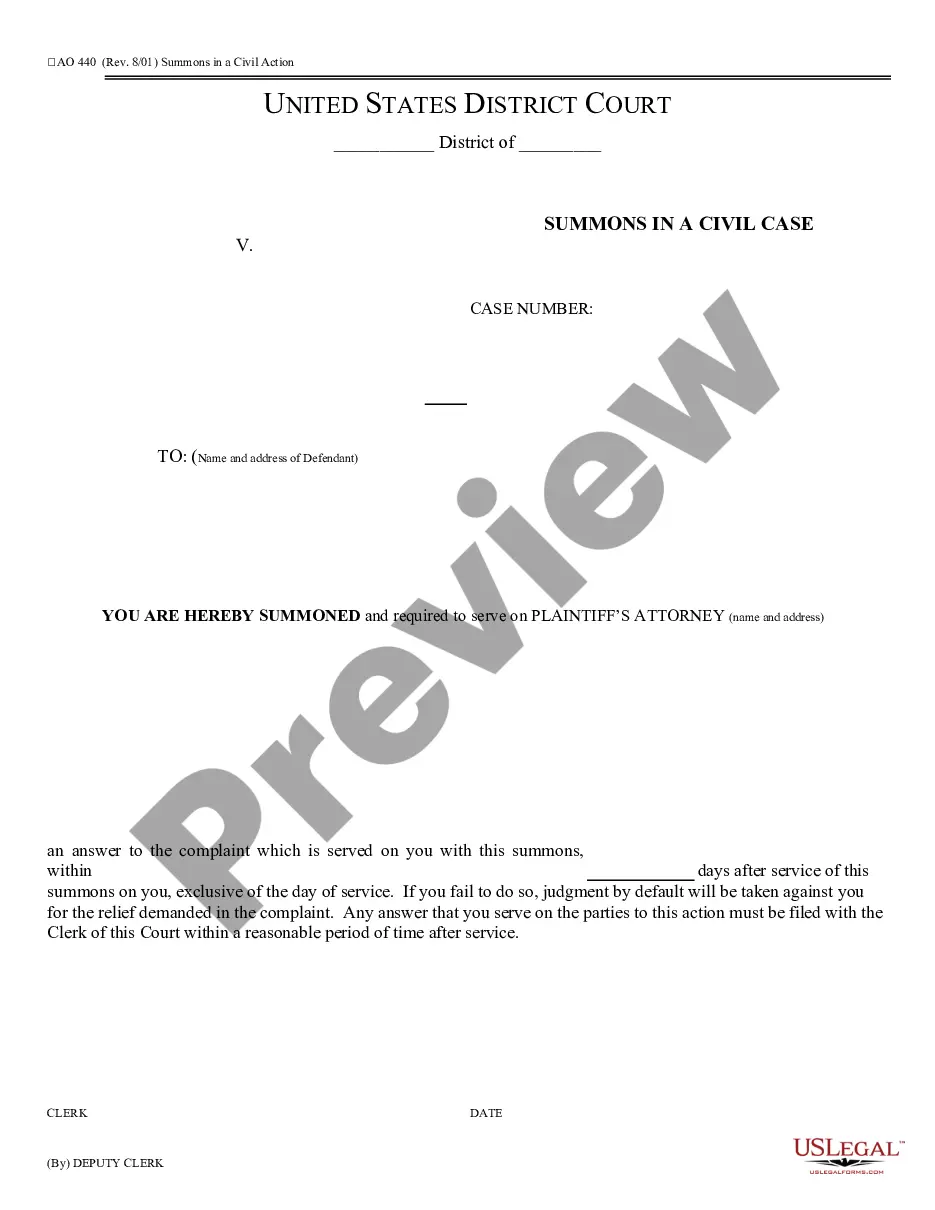
The Alias Summons is a legal document specifically designed for use in Mississippi. It serves the purpose of notifying a party of a legal action when the attorney does not know the exact name or location of that party. Unlike a standard summons, an Alias Summons is often used as a follow-up when initial attempts to serve documents have been unsuccessful, ensuring that the legal process can continue even in the face of uncertainty.
Key parts of this document
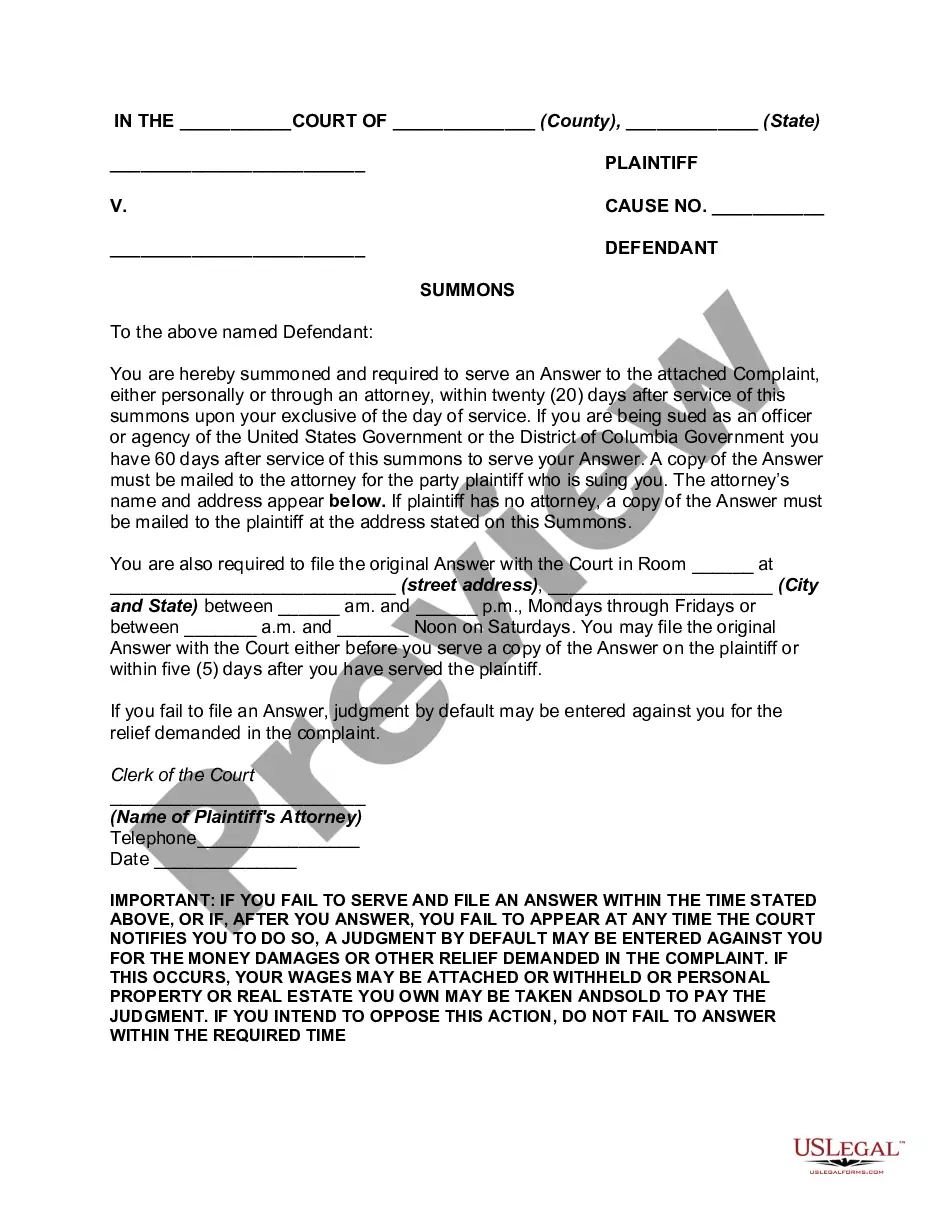
- Case caption, which identifies the court and the parties involved.
- A statement indicating that this is an Alias Summons.
- Instructions for the defendant on how to respond to the summons.
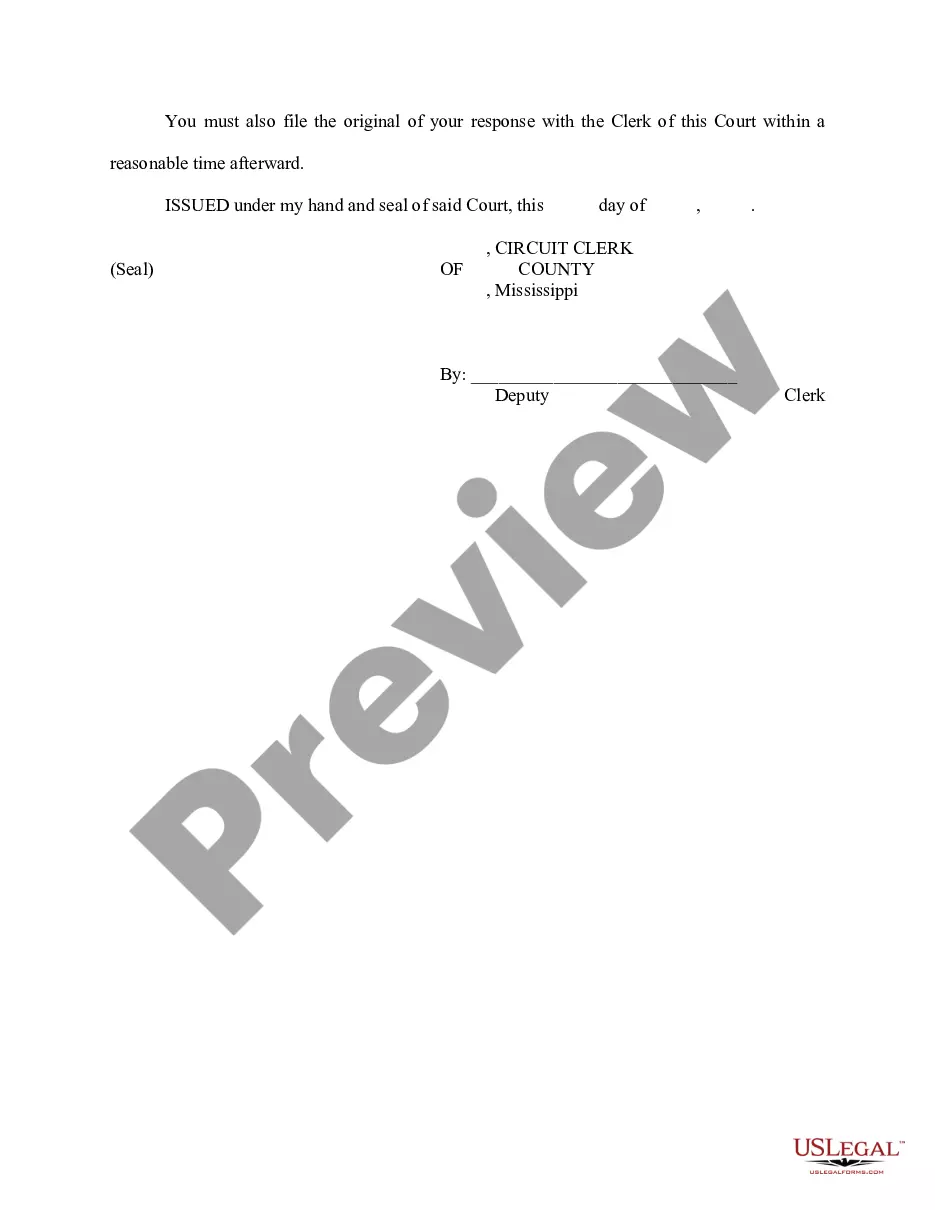
- Details on where to file the original response.
- Signature line for the attorney or authorized party.
When to use this document
This form is typically used when an attorney is unable to serve a standard summons to a party because their exact name or location is unknown. This situation can arise in various legal contexts, including civil litigation cases, where timely notification of legal proceedings is crucial for compliance with court rules.
Who this form is for
- Attorneys representing clients in legal cases in Mississippi.
- Individuals involved in litigation where the other party cannot be easily identified or located.
- Legal professionals looking to maintain compliance with Mississippi court procedures.
Completing this form step by step
- Provide the full case caption, including the names of the parties and the court.
- Select the appropriate section indicating this is an Alias Summons.
- Include any relevant instructions for the defendant regarding their response.
- Enter the filing location and the deadline for the original response.
- Obtain the necessary signature from the attorney or authorized representative.
Is notarization required?
Notarization is generally not required for this form. However, certain states or situations might demand it. You can complete notarization online through US Legal Forms, powered by Notarize, using a verified video call available anytime.
Get your form ready online
Our built-in tools help you complete, sign, share, and store your documents in one place.
Make edits, fill in missing information, and update formatting in US Legal Forms—just like you would in MS Word.
Download a copy, print it, send it by email, or mail it via USPS—whatever works best for your next step.
Sign and collect signatures with our SignNow integration. Send to multiple recipients, set reminders, and more. Go Premium to unlock E-Sign.
If this form requires notarization, complete it online through a secure video call—no need to meet a notary in person or wait for an appointment.
We protect your documents and personal data by following strict security and privacy standards.

Make edits, fill in missing information, and update formatting in US Legal Forms—just like you would in MS Word.

Download a copy, print it, send it by email, or mail it via USPS—whatever works best for your next step.

Sign and collect signatures with our SignNow integration. Send to multiple recipients, set reminders, and more. Go Premium to unlock E-Sign.

If this form requires notarization, complete it online through a secure video call—no need to meet a notary in person or wait for an appointment.

We protect your documents and personal data by following strict security and privacy standards.
Mistakes to watch out for
- Failing to accurately identify the court in the case caption.
- Neglecting to include all relevant details for the defendant's response.
- Not filing the original response within the required time frame.
Benefits of using this form online
- Immediate access to a legally compliant form without the need for office visits.
- The ability to customize the form to meet specific case needs.
- Downloadable format for easy editing and record-keeping.
What to keep in mind
- An alias summons is essential for notifying parties whose details are incomplete.
- Accurate completion and timely filing are crucial to ensure legal proceedings continue smoothly.
- Review state-specific rules for additional requirements regarding use and submission.
Looking for another form?
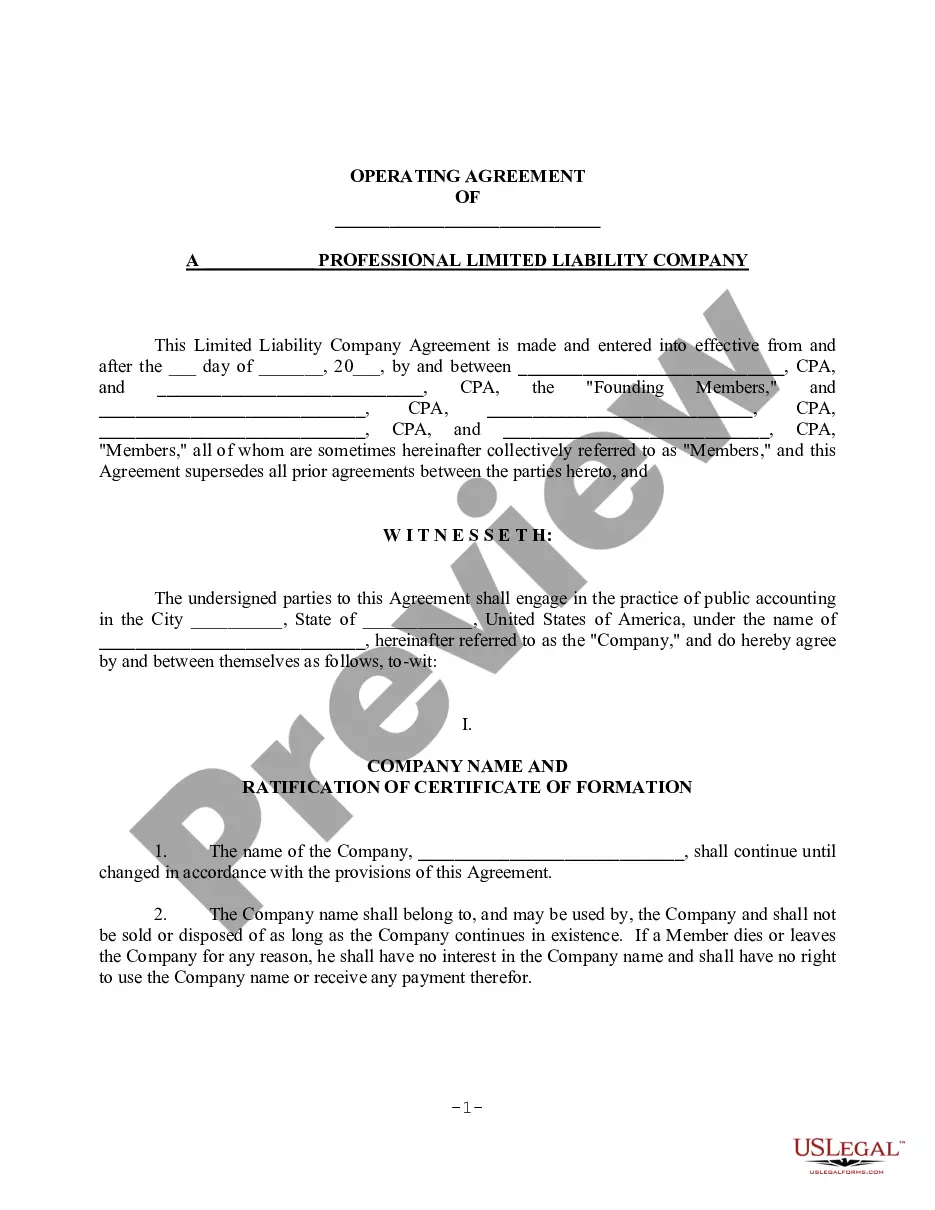
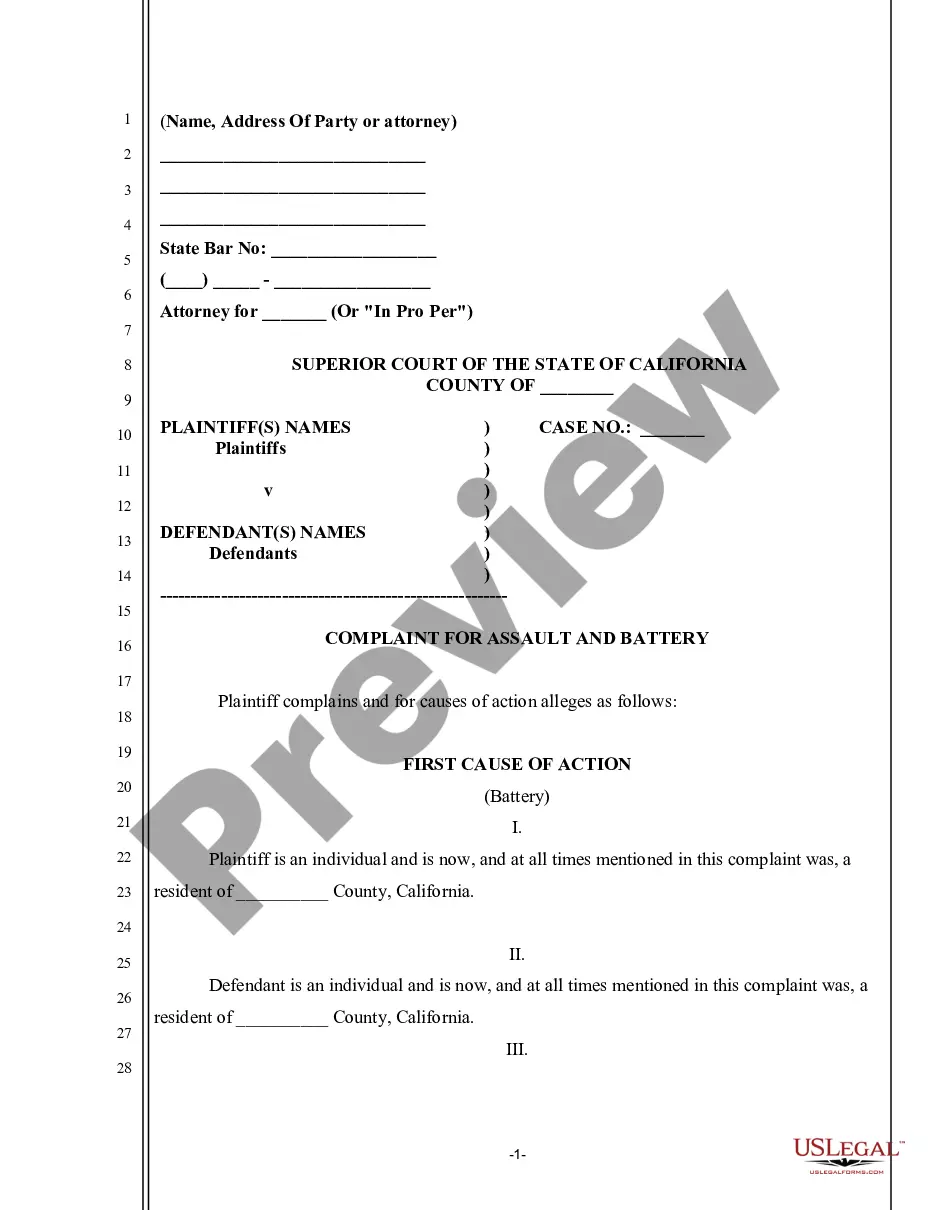
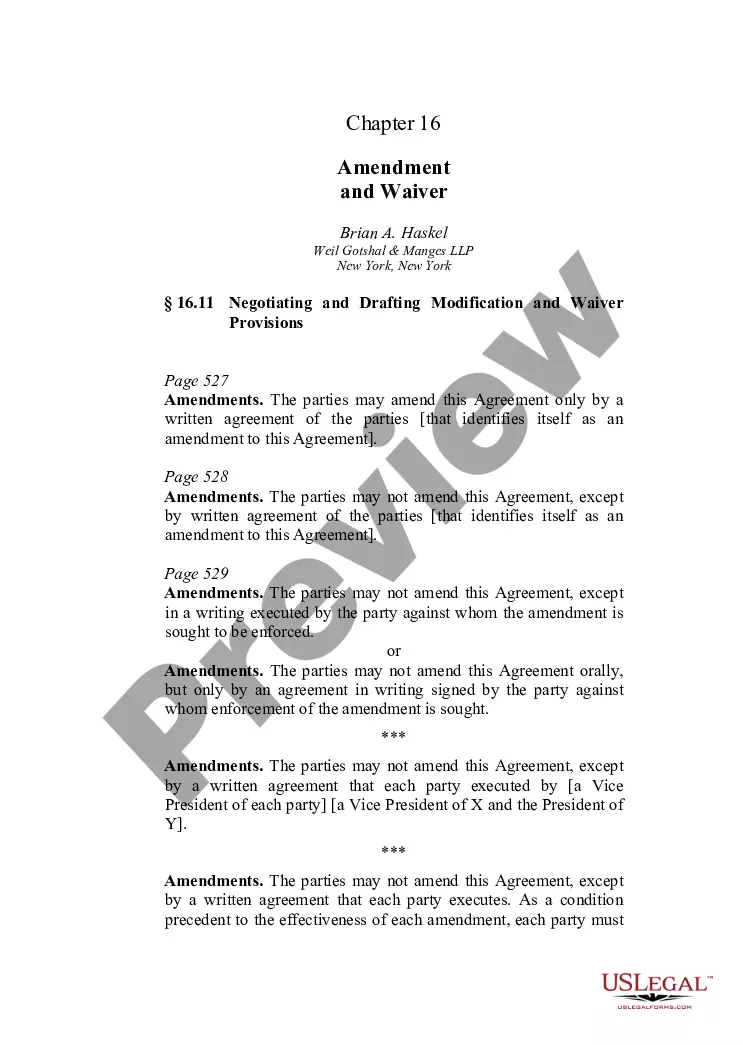
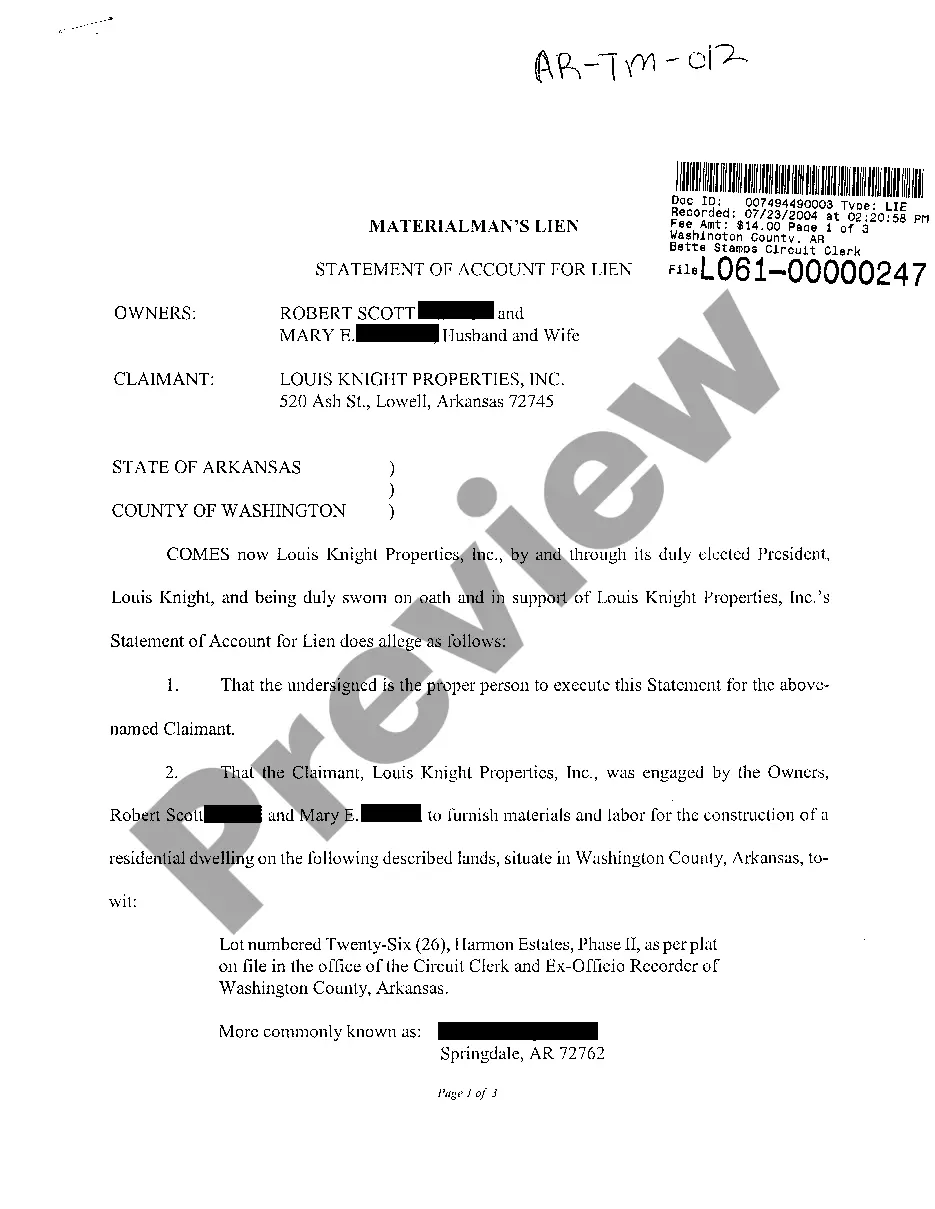
Form popularity
FAQ
The Mississippi Alias Summons is a civil procedure document used in Mississippi to notify a party of a lawsuit when the attorney cannot identify the party by exact name or location. It serves as a follow-up to earlier service attempts, ensuring the court action can proceed. The form itself includes instructions for responding and where to file the response.
After issuance, the Alias Summons functions as the notice to the defendant when the exact name or location isn’t known. The form provides instructions for how the defendant should respond and specifies where to file the original response, helping move the case forward even when initial service was unsuccessful.
A Mississippi attorney or other legal professional should use the Mississippi Alias Summons in civil cases where the other party cannot be easily identified or located. It is also appropriate for individuals pursuing litigation who need a compliant method to notify an unknown party and to keep the case moving within Mississippi court procedures.
Use this document when an attorney cannot serve a standard summons because the defendant’s exact name or location is unknown. In Mississippi civil litigation, this alias approach helps ensure timely notice and continuation of the case while compliance with court rules is maintained.
The key parts are: a case caption identifying the court and parties; a statement that this is an Alias Summons; instructions for the defendant on how to respond; details on where to file the original response; and a signature line for the attorney or an authorized person.
It differs primarily because it is used when the defendant’s exact name or location is unknown. It also explicitly identifies itself as an Alias Summons and serves as a procedural continuation when initial service has failed, whereas a standard summons generally targets a known defendant and name.