Mississippi Defendant's Response to Plaintiff's Request for Production of Documents and Things
Overview of this form
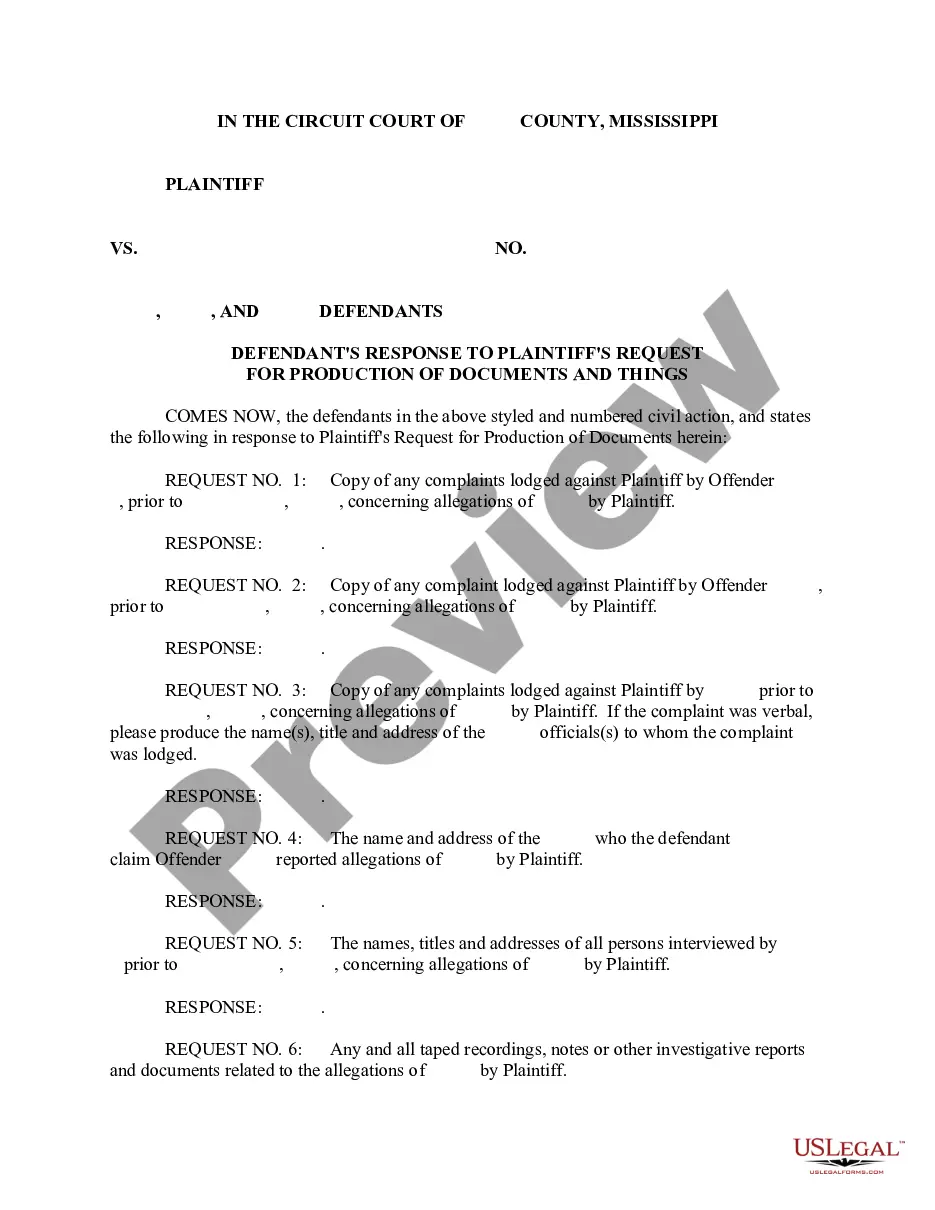
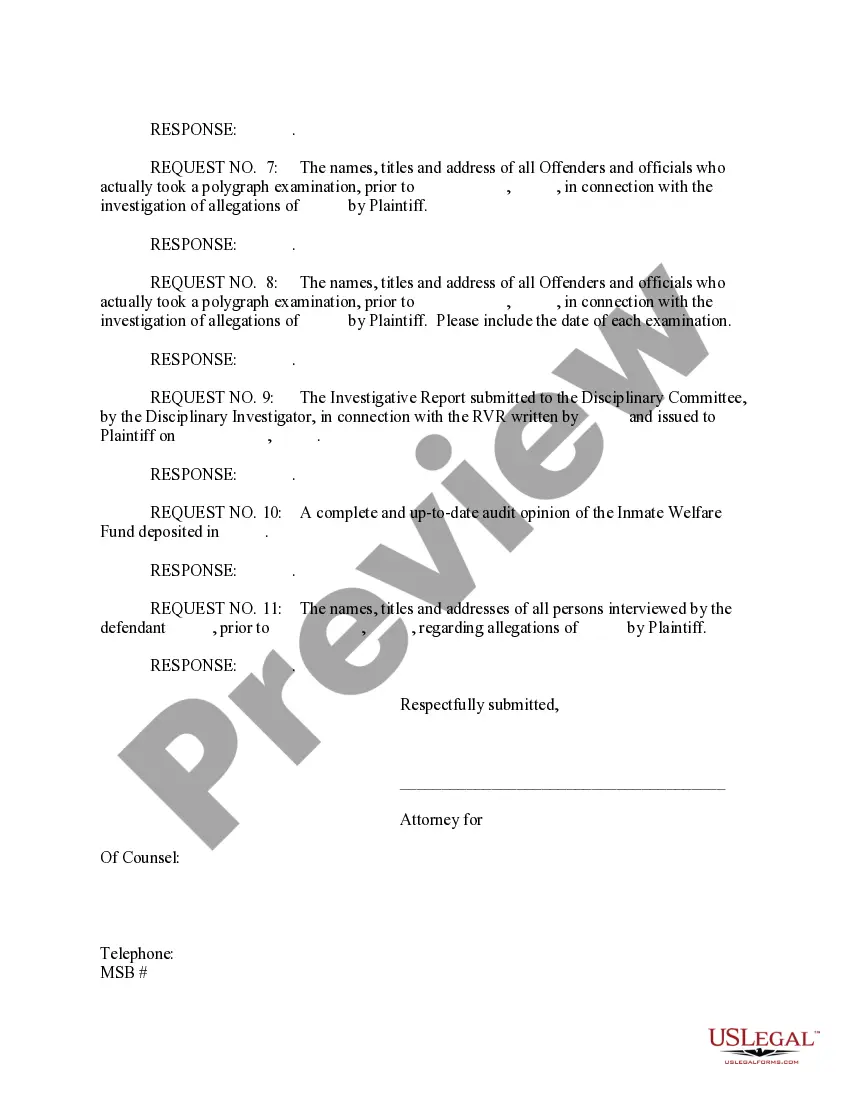
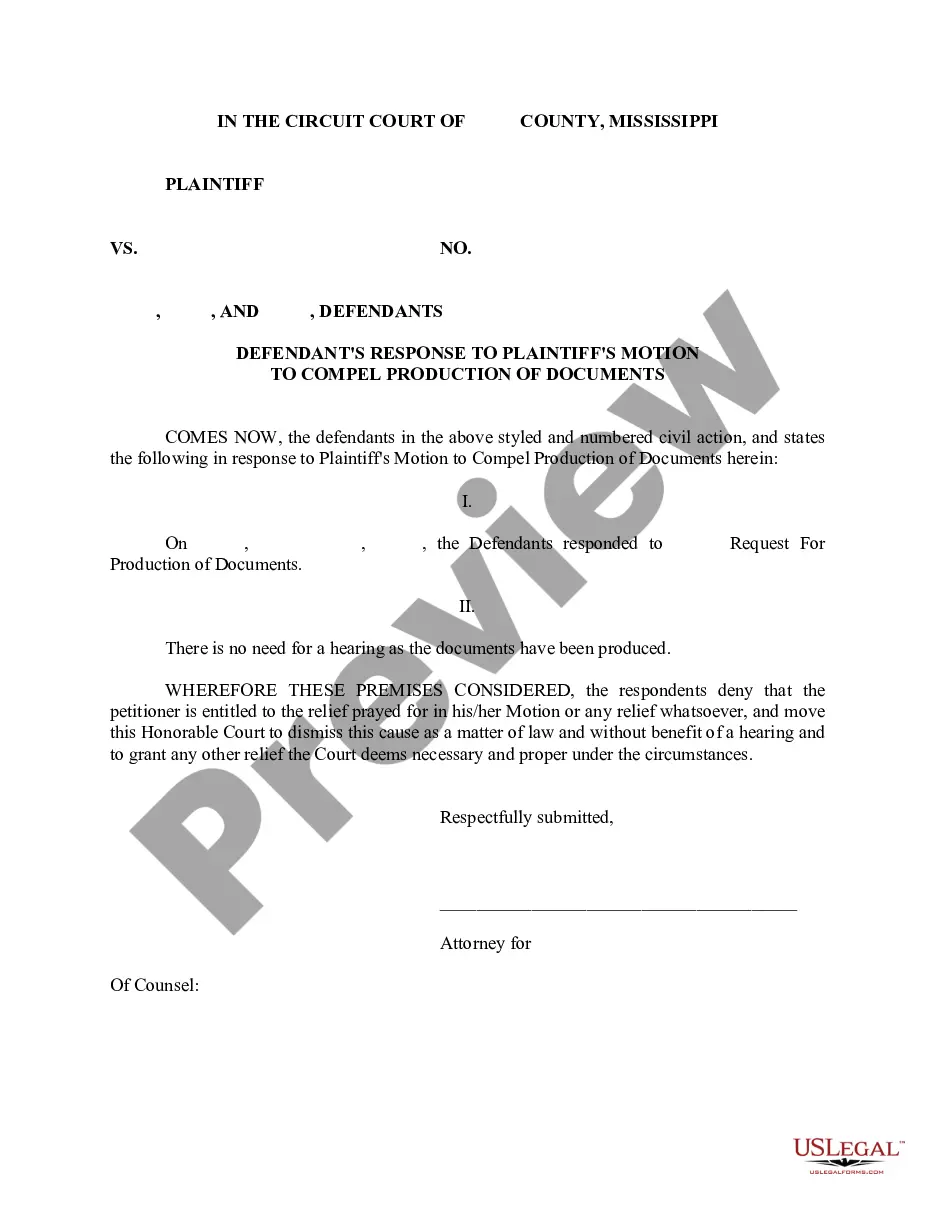
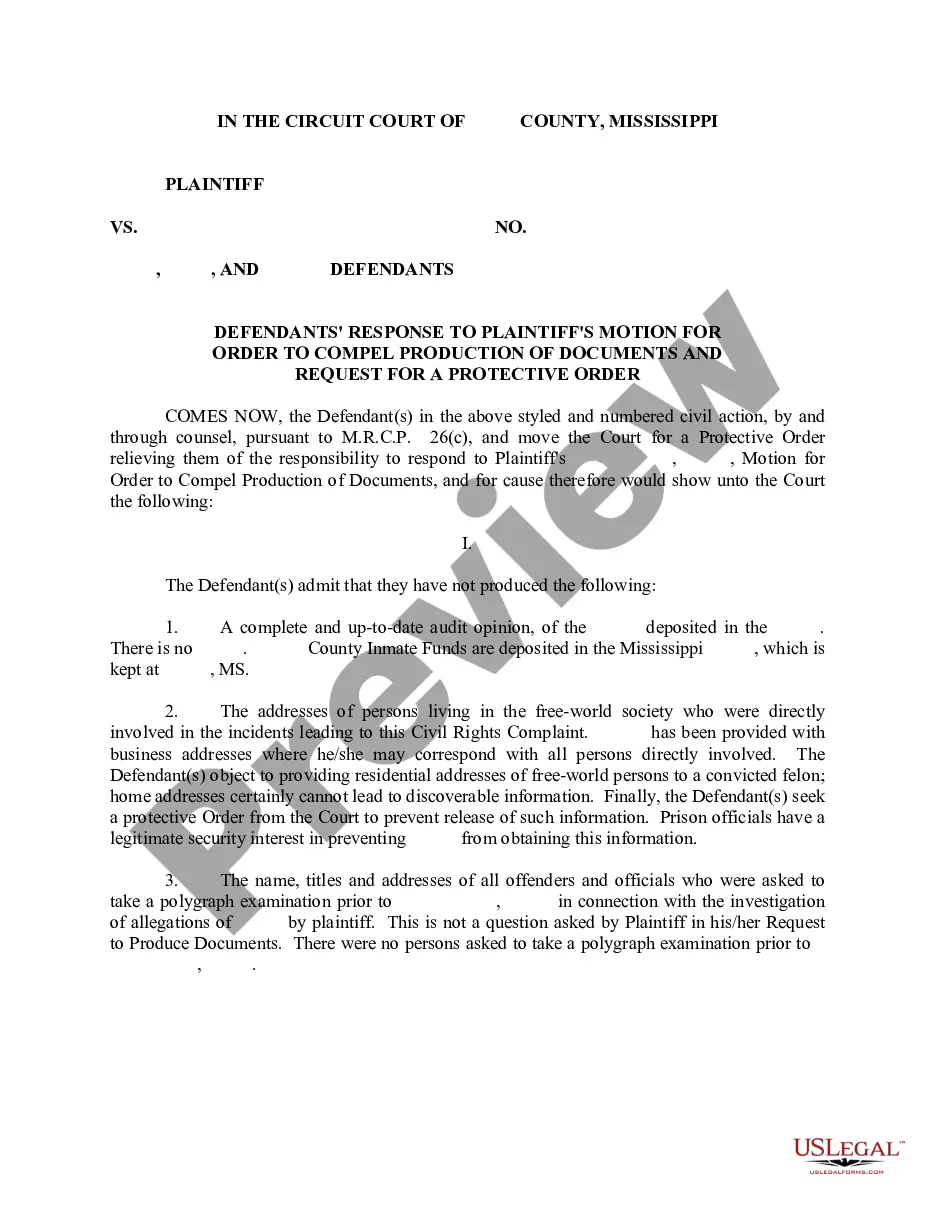
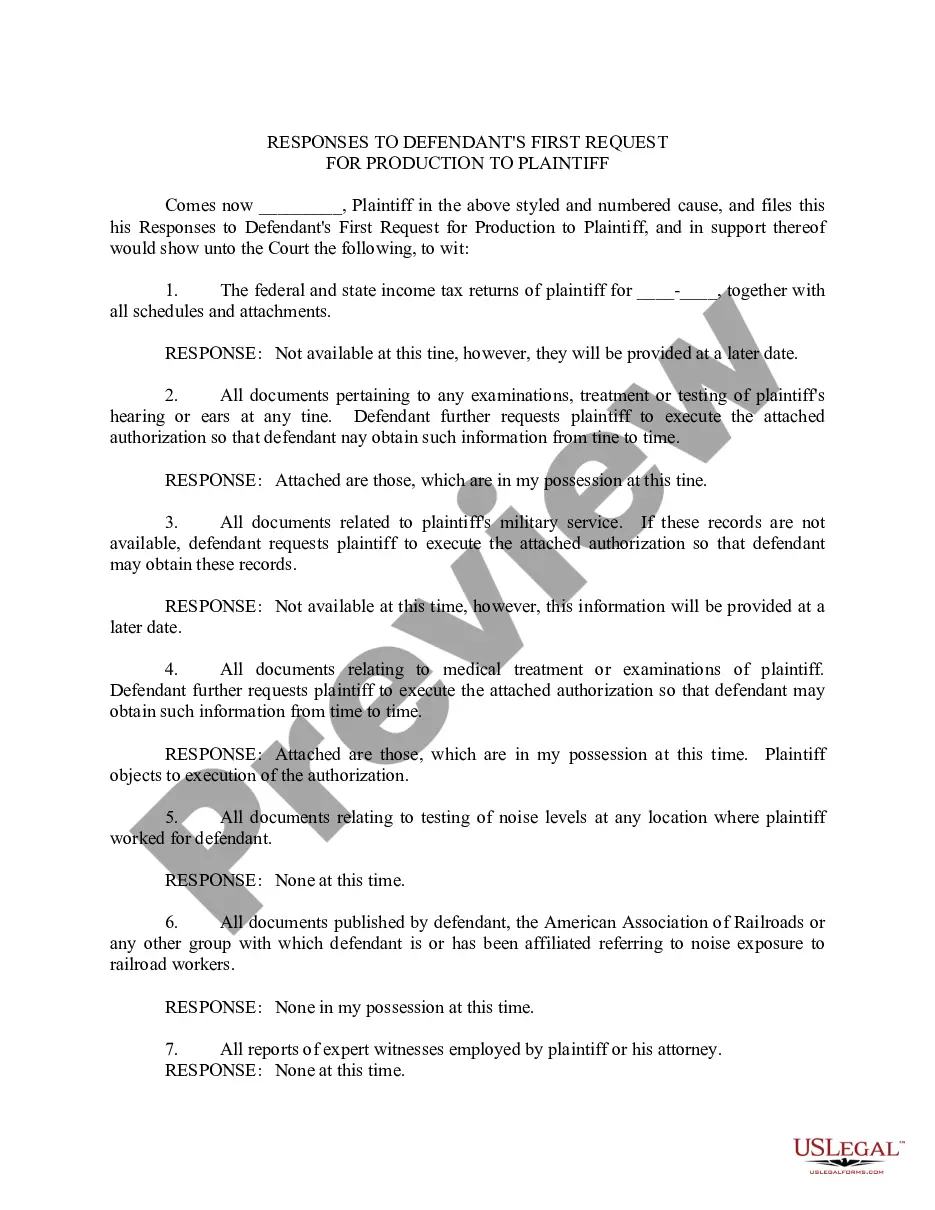
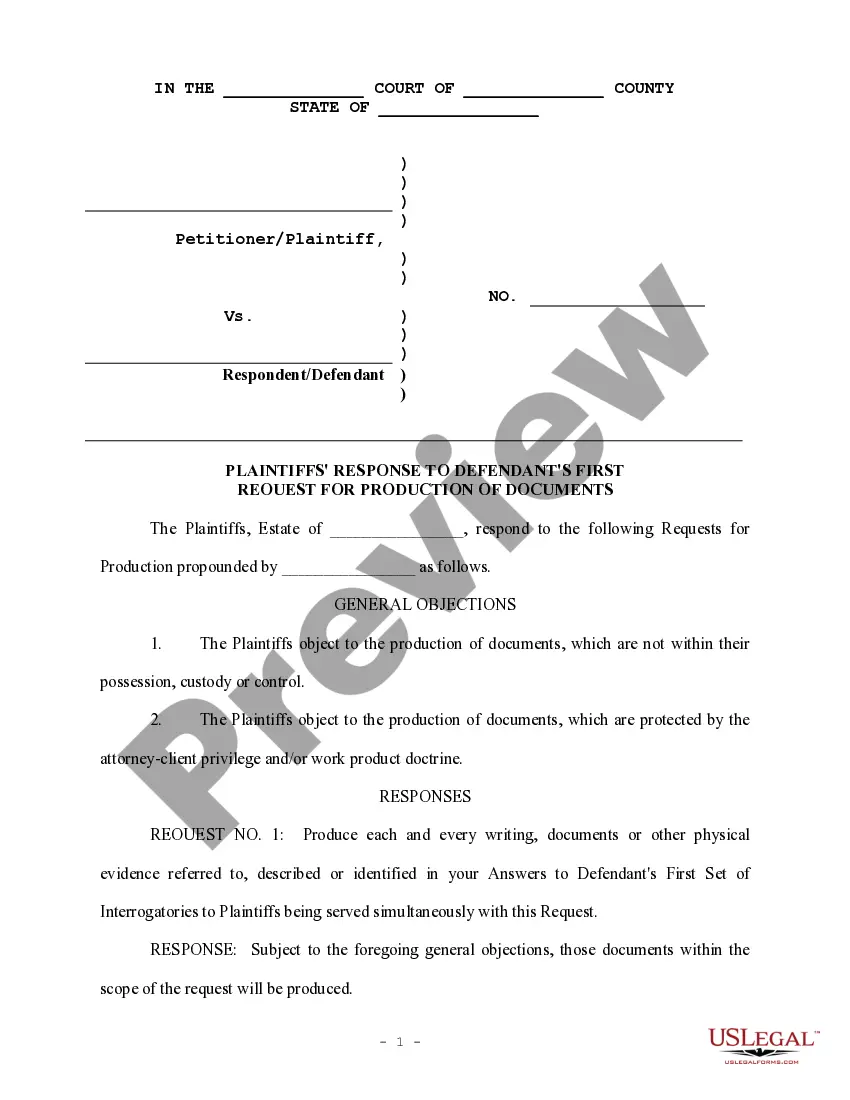
The A06 Defendant's Response to Plaintiff's Request for Production of Documents and Things is a legal form used by defendants to respond to requests from plaintiffs regarding document and evidence production in a civil action. This form aims to facilitate the discovery process, ensuring that both parties have access to necessary information, while preserving the rights of the defendant. It provides a structured way to articulate objections or confirm the production of requested materials, differentiating it from simple acknowledgment forms or other discovery-related documents.
Main sections of this form
- Section for identifying the parties involved in the case.
- Responses to specific requests for documents and things from the plaintiff.
- Options to assert objections or limitations regarding production.
- Space for factual statements or explanations related to the response.

Situations where this form applies
This form should be used when a defendant in a civil lawsuit receives a Request for Production of Documents and Things from the plaintiff. It is vital to respond appropriately to such requests within the stipulated deadlines, typically set by court rules, to avoid potential legal penalties or complications in the case.
Intended users of this form
- Defendants in civil lawsuits who have received a document production request from a plaintiff.
- Legal representatives of defendants who need to respond to discovery requests.
- Individuals acting as pro se defendants seeking to ensure compliance with discovery procedures.
How to prepare this document
- Identify the parties involved in the case, including yourself as the defendant and the plaintiff.
- Review the plaintiffâs requests for production and evaluate each request.
- Provide comprehensive responses, indicating whether you will produce the requested documents or assert objections.
- Include any factual statements or context that clarify your responses.
- Sign and date the form before submitting it to the court and the plaintiff as required.
Does this document require notarization?
This form does not typically require notarization unless specified by local law. However, ensure to check any specific requirements that may apply in your jurisdiction.
Get your form ready online
Our built-in tools help you complete, sign, share, and store your documents in one place.
Make edits, fill in missing information, and update formatting in US Legal Forms—just like you would in MS Word.
Download a copy, print it, send it by email, or mail it via USPS—whatever works best for your next step.
Sign and collect signatures with our SignNow integration. Send to multiple recipients, set reminders, and more. Go Premium to unlock E-Sign.
If this form requires notarization, complete it online through a secure video call—no need to meet a notary in person or wait for an appointment.
We protect your documents and personal data by following strict security and privacy standards.

Make edits, fill in missing information, and update formatting in US Legal Forms—just like you would in MS Word.

Download a copy, print it, send it by email, or mail it via USPS—whatever works best for your next step.

Sign and collect signatures with our SignNow integration. Send to multiple recipients, set reminders, and more. Go Premium to unlock E-Sign.

If this form requires notarization, complete it online through a secure video call—no need to meet a notary in person or wait for an appointment.

We protect your documents and personal data by following strict security and privacy standards.
Common mistakes
- Failing to respond by the deadline set by the court.
- Not identifying all relevant documents that may be requested.
- Providing incomplete responses or leaving sections blank.
- Ignoring the opportunity to assert valid objections to requests.
Benefits of using this form online
- Convenient access to downloadable templates prepared by licensed attorneys.
- Editable formats allow for customization to fit unique circumstances.
- Immediate availability of the form reduces delays in legal proceedings.
Looking for another form?




Form popularity
FAQ
When responding to Requests for Admissions, remember to answer as follows: Admit: If any portion of the Request for Admission is true then you must admit to that portion of the request. You are also allowed to have a hybrid response admit the part of the request that is true while denying another part.
Motions to Compel If a party doesn't respond to interrogatories or requests for production, then the party seeking those answers must file a motion to compel with the court. If the court grants the motion to compel, then the party who objected or failed to answer must then do so.
To sanction a party failing to comply with discovery, the court can order attorney's fees, or they can order the fact you are seeking to establish as having been established for purposes of your case, because the other side will not respond to the discovery on this issue.
A request for production is a legal request for documents, electronically stored information, or other tangible items made in the course of litigation.The responding party is required to furnish copies of any documents that are responsive to the request, except for those that are legally privileged.
If you admit the request, write admit for your response. If you deny the request, write deny. If you have to qualify an answer or deny only a part, you must specify the part that is true and deny the rest.
So, can you refuse to answer interrogatories? The answer is, no, you may not.That answer must either permit inspection of the requested information or object to the production of the information for a specific reason.
Discovery questions are to be answered as if the individual is under oath. Therefore if he lies in the interrogatories, and you can provide proof to the court of that lie, then he can be sanctioned for perjury.
Interrogatories are written questions that one party to a lawsuit sends to another, and the responding party submits written answers under oath. If a lawsuit is filed in a personal injury case, chances are interrogatories will come into play.
If the plaintiff does not respond to the court order, then you can file a Motion to Dismiss and you may win your case. Send a final request. If they do not respond to the final request within 30 days you can send the court an application for entry of final judgment or dismissal.