Mississippi Complaint to Enforce Materials Lien and for Other Relief
What is this form?
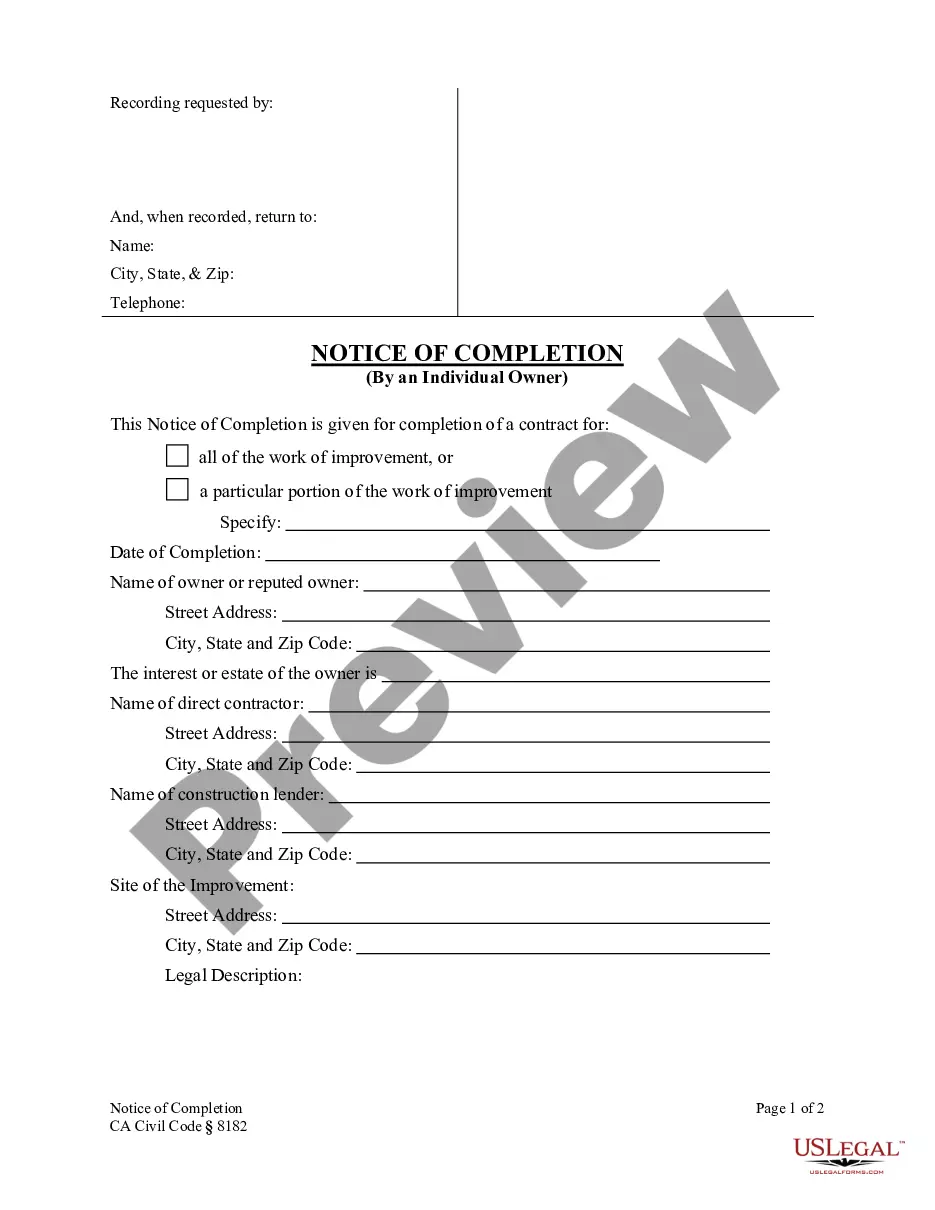
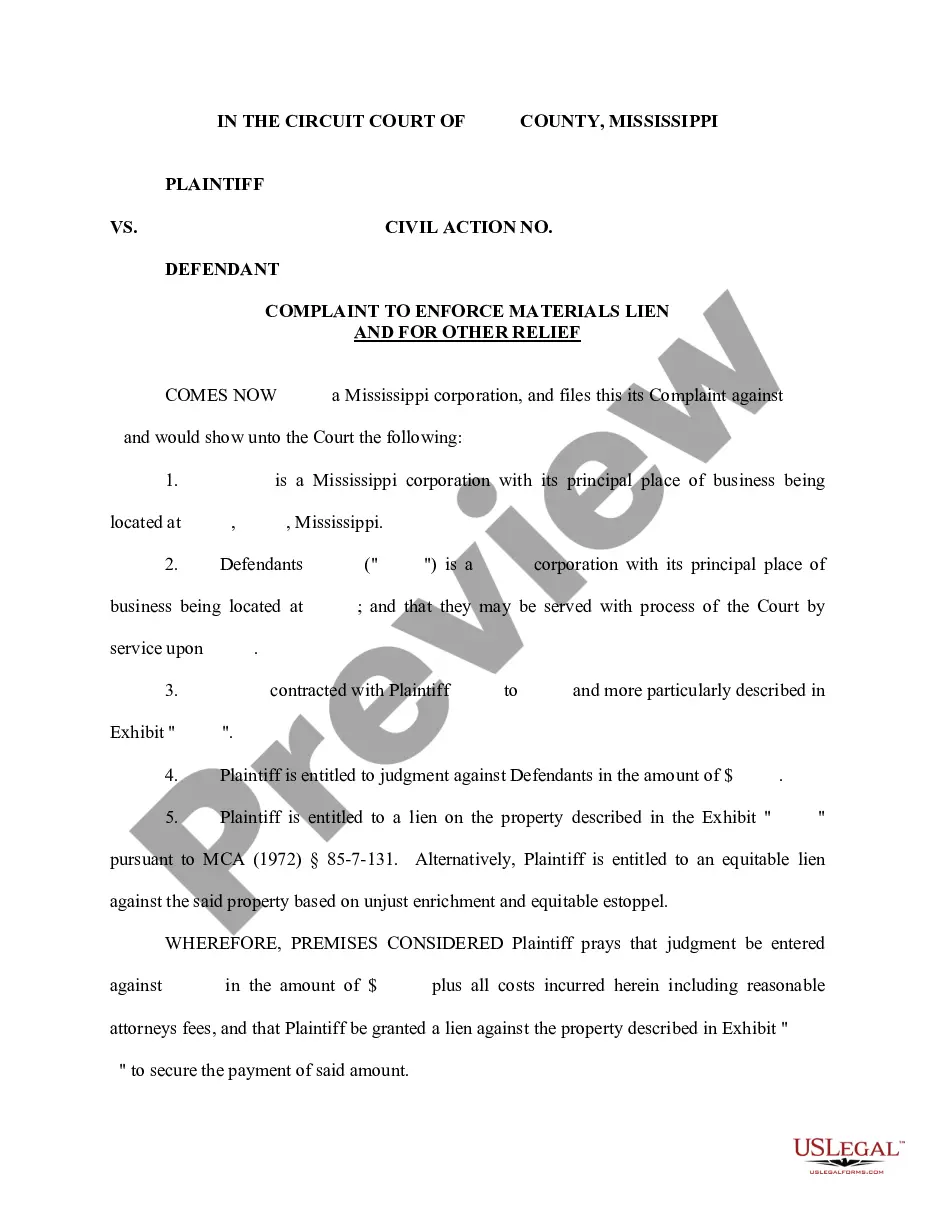
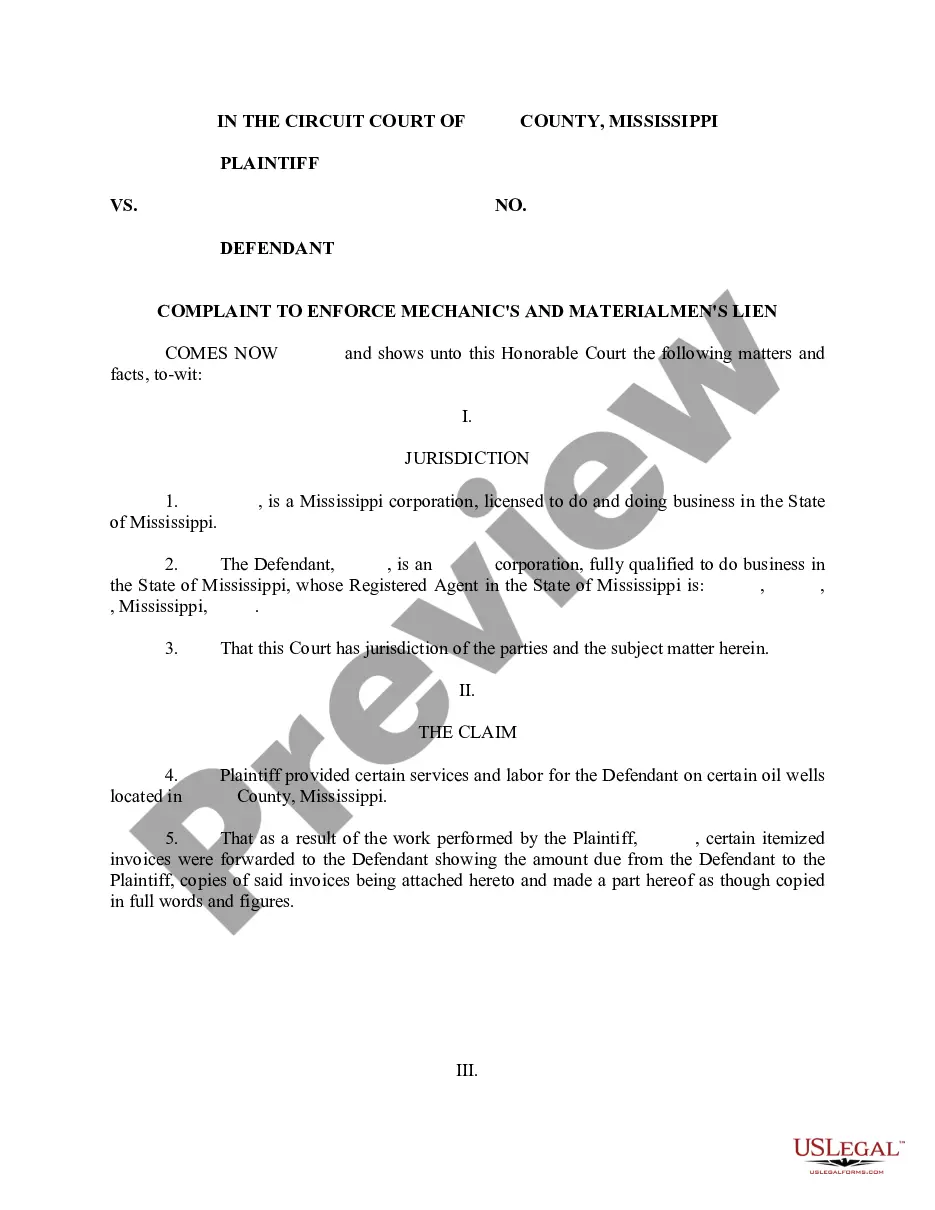
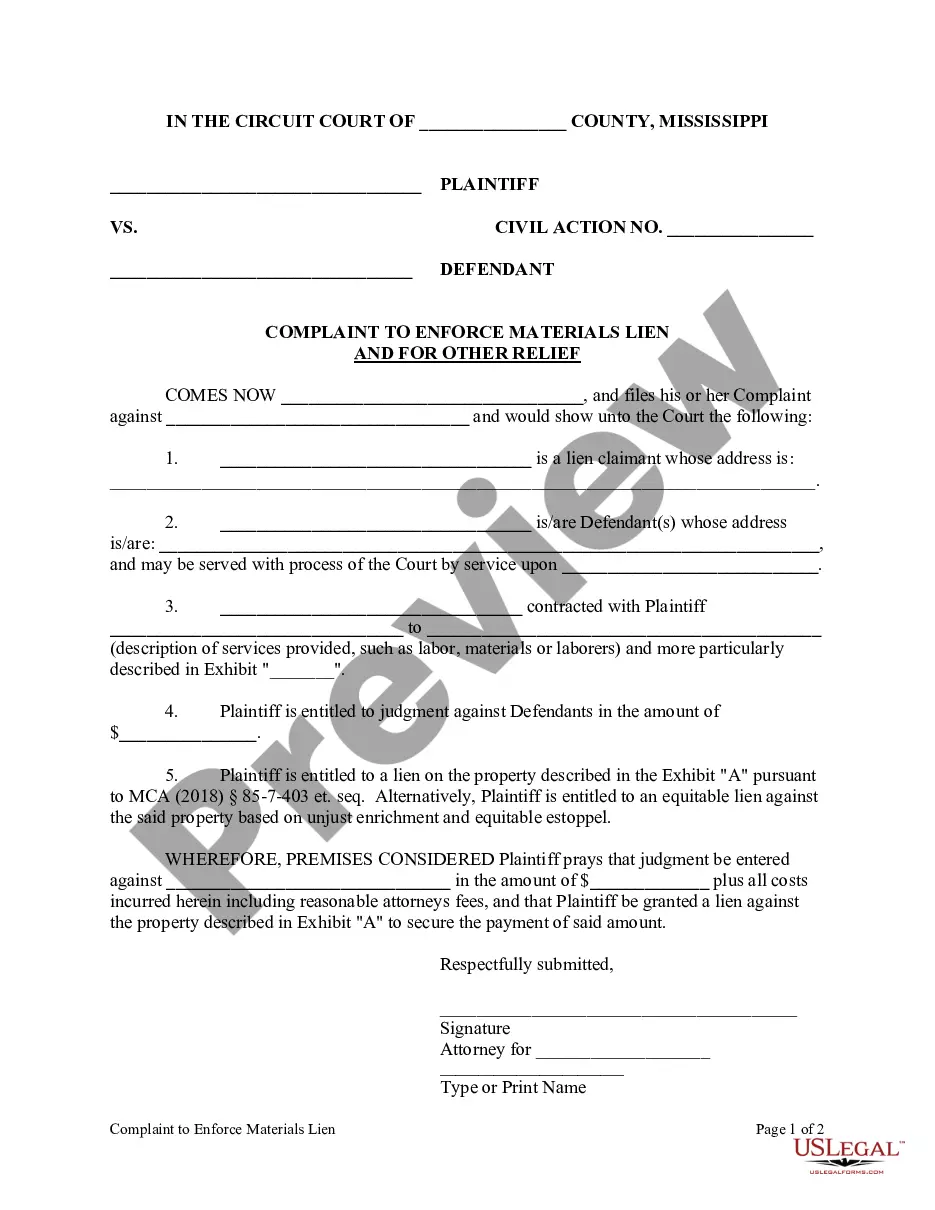
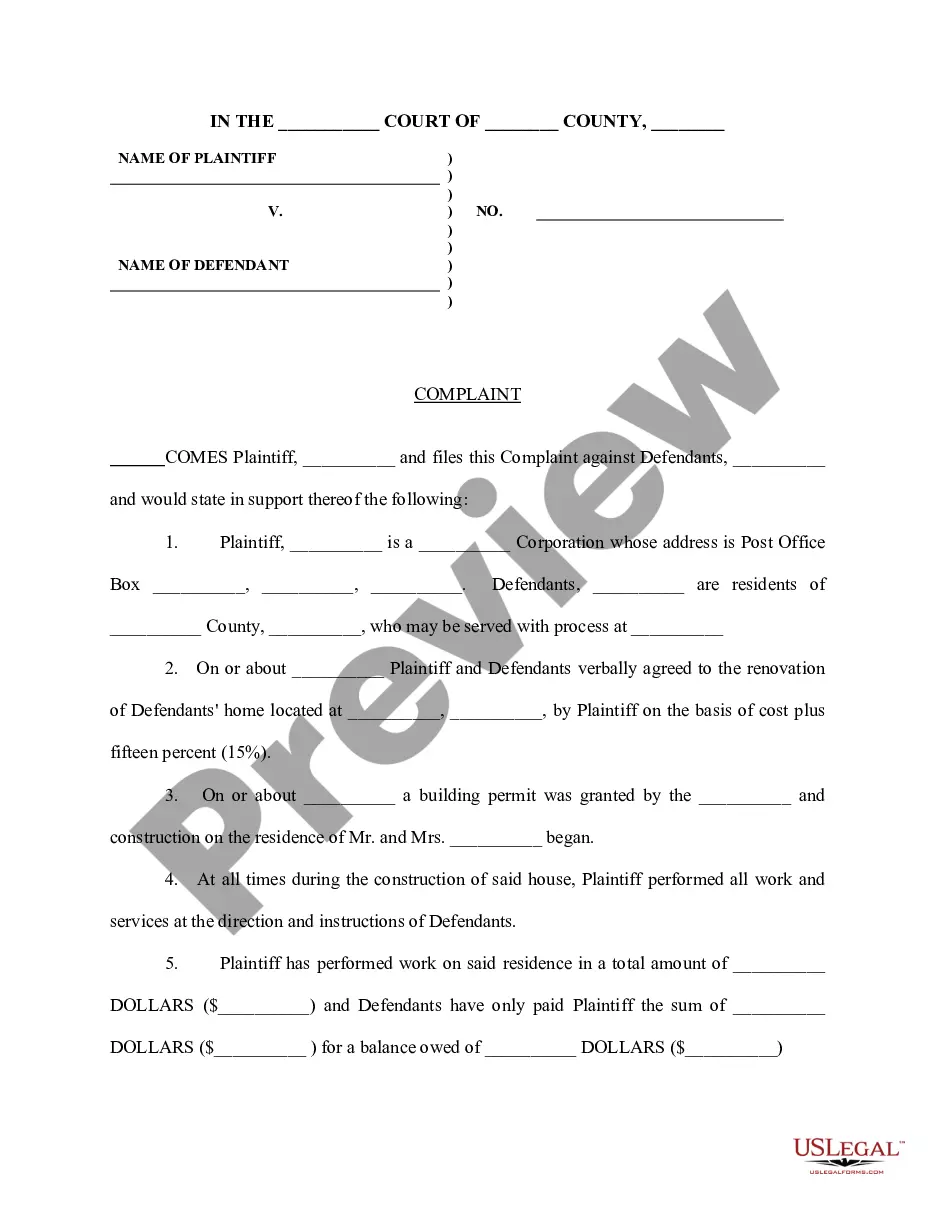
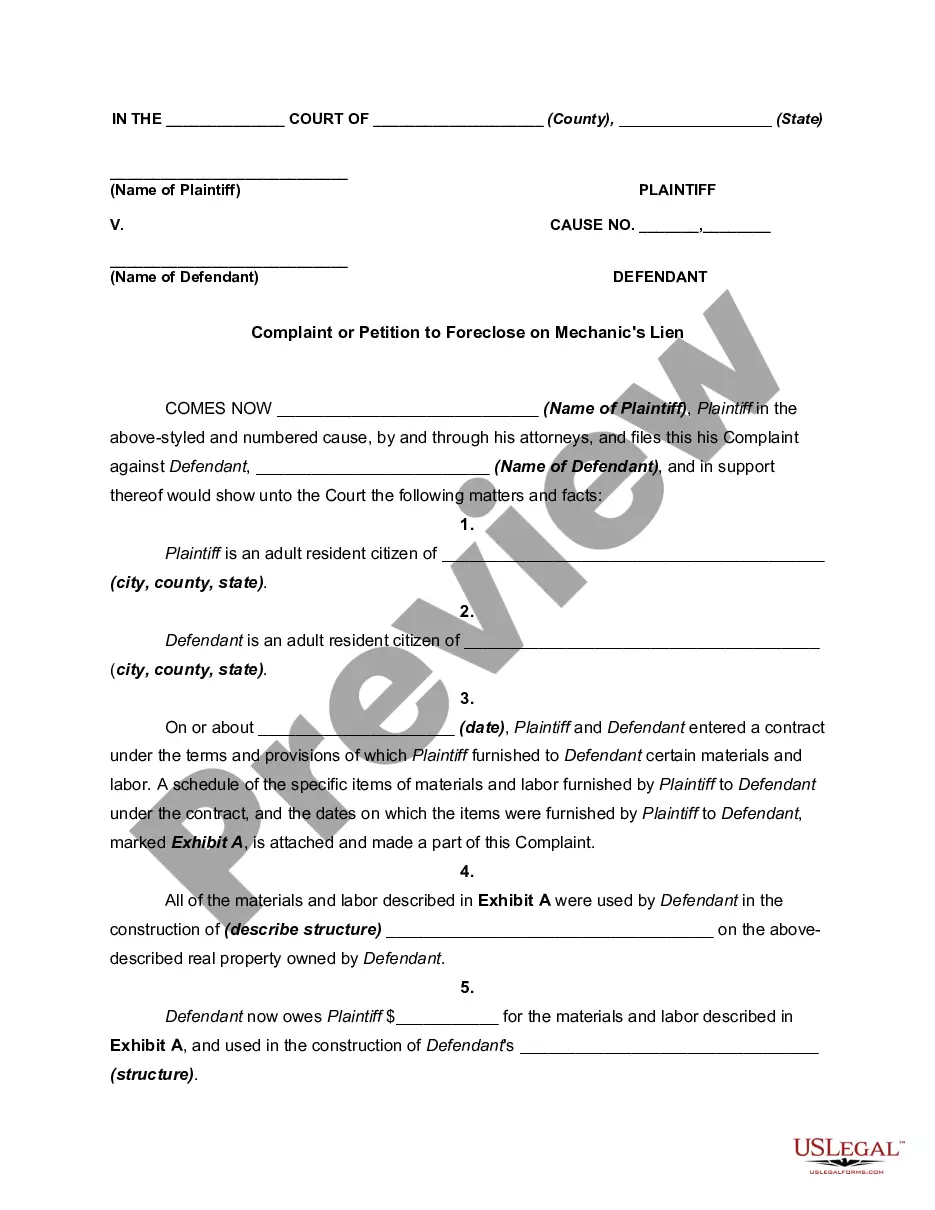
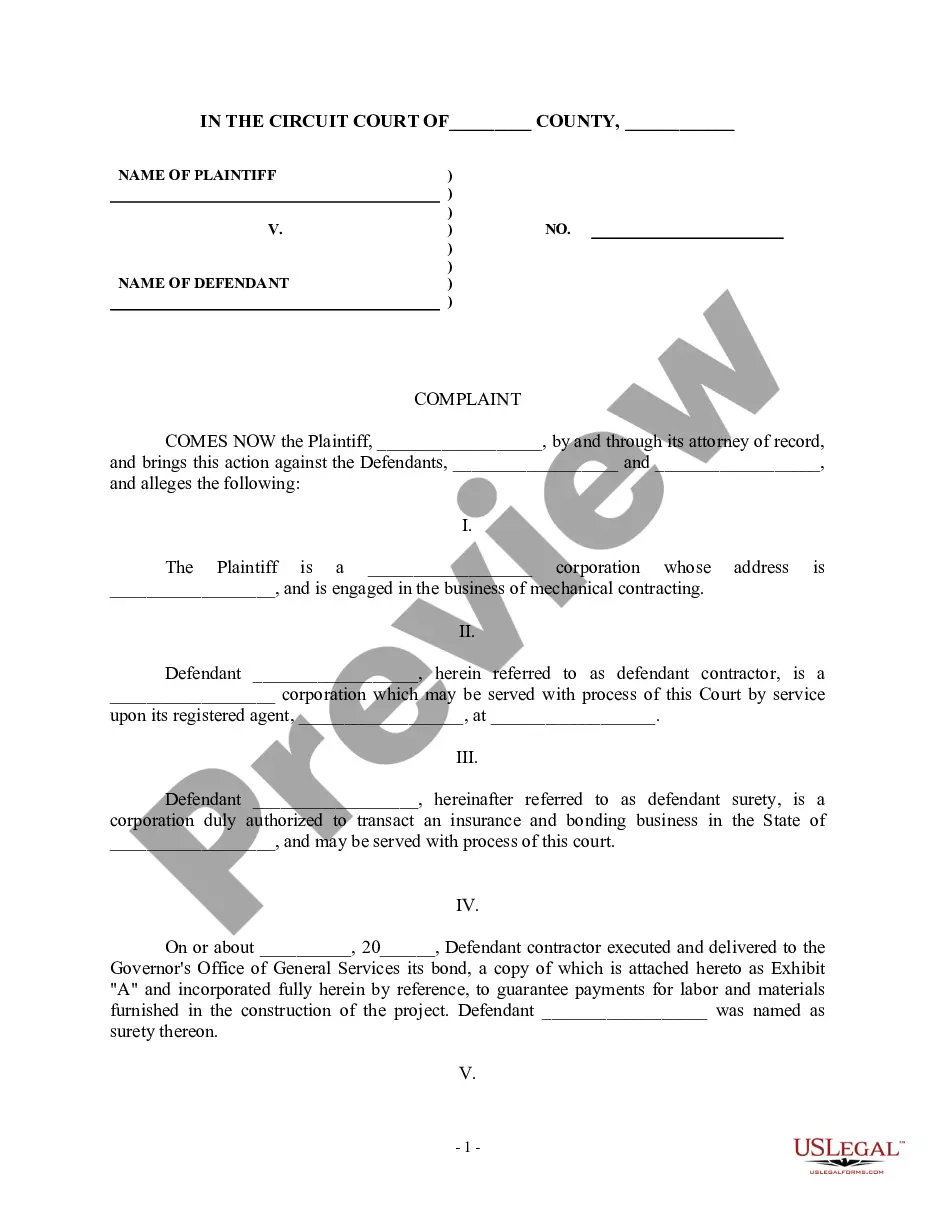
The Complaint to Enforce Materials Lien and for Other Relief is a legal document that initiates a lawsuit regarding the enforcement of a materials lien on a property. This form outlines the claims made by the Plaintiff against the Defendant, enabling the Plaintiff to seek judicial relief. Unlike other complaints, this form specifically addresses disputes related to liens on materials or services provided for property improvement, emphasizing claims concerning outstanding payments and enforcement rights.
Key components of this form
- Caption: Identifies the parties involved and the court where the complaint is filed.
- Introduction: States the nature of the action and the basis for the court's jurisdiction.
- Allegations: Details the facts that support the Plaintiff's claims against the Defendant.
- Request for Relief: Specifies the remedies sought, including the enforcement of the materials lien.
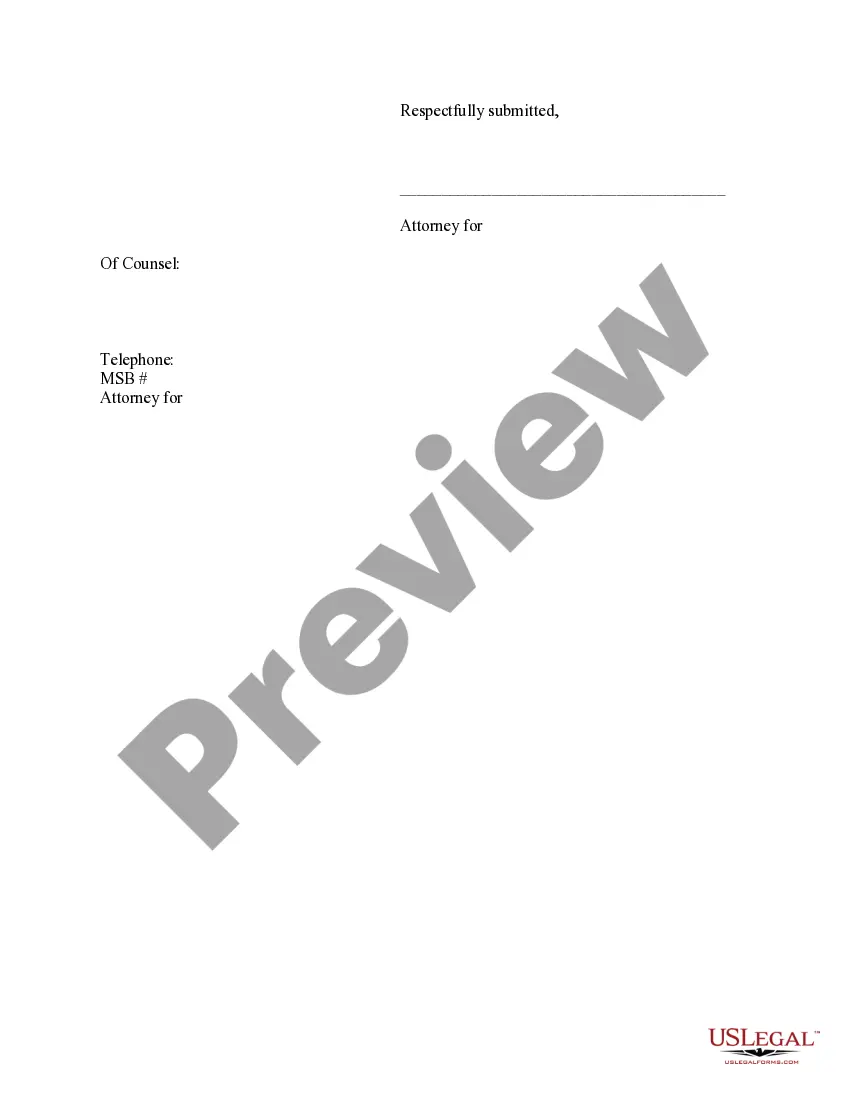
- Signature Block: Provides space for the Plaintiff to indicate agreement and sign the document.
Common use cases
This form should be used when a contractor, supplier, or service provider has not been paid for materials or services provided for a property, and there is a need to enforce a lien against that property. Examples include situations where construction materials were supplied but not compensated, or when a business seeks to recover outstanding invoices related to property improvements.
Intended users of this form
- Contractors and subcontractors seeking to enforce a lien for unpaid work.
- Suppliers of materials who need to recover payment for goods provided to a property.
- Property owners who are facing claims for materials liens and need to respond formally.
Steps to complete this form
- Identify the parties: Clearly indicate the names and contact information of the Plaintiff and Defendant.
- Specify the property: Provide details about the property related to the materials lien, including the address.
- Enter the allegations: Fill in the section outlining the unpaid amounts and services or materials provided.
- Detail the request for relief: Clearly state what remedies you are seeking from the court.
- Sign and date the form: Ensure that the Plaintiff signs the document and includes the date of signing.
Is notarization required?
This form does not typically require notarization unless specified by local law. However, having it notarized can strengthen its validity in court by providing an extra layer of authenticity.
Get your form ready online
Our built-in tools help you complete, sign, share, and store your documents in one place.
Make edits, fill in missing information, and update formatting in US Legal Forms—just like you would in MS Word.
Download a copy, print it, send it by email, or mail it via USPS—whatever works best for your next step.
Sign and collect signatures with our SignNow integration. Send to multiple recipients, set reminders, and more. Go Premium to unlock E-Sign.
If this form requires notarization, complete it online through a secure video call—no need to meet a notary in person or wait for an appointment.
We protect your documents and personal data by following strict security and privacy standards.

Make edits, fill in missing information, and update formatting in US Legal Forms—just like you would in MS Word.

Download a copy, print it, send it by email, or mail it via USPS—whatever works best for your next step.

Sign and collect signatures with our SignNow integration. Send to multiple recipients, set reminders, and more. Go Premium to unlock E-Sign.

If this form requires notarization, complete it online through a secure video call—no need to meet a notary in person or wait for an appointment.

We protect your documents and personal data by following strict security and privacy standards.
Typical mistakes to avoid
- Failing to provide complete party information, including addresses.
- Omitting specific details about the materials or services provided.
- Neglecting to sign and date the Complaint before submission.
- Using vague language in the allegations or the request for relief.
Advantages of online completion
- Convenience of downloading and completing the form at your own pace.
- Editability allows for easy modifications to suit specific case details.
- Access to accurate, attorney-reviewed language that is compliant with legal standards.
Legal use & context
- Understanding the enforceability of materials liens in property disputes.
- Acknowledging the rights of contractors and suppliers in claiming payment.
- Recognizing potential defenses a property owner may raise against the enforcement of a lien.
Main things to remember
- The Complaint to Enforce Materials Lien is essential for initiating a lien enforcement lawsuit.
- Properly completing the form is critical to avoid common mistakes.
- This form should comply with state-specific rules for it to be considered valid.
Looking for another form?

Form popularity
FAQ
Invalid Liens An invalid lien can make it difficult or impossible to sell, refinance, or obtain a line of credit on your property. If the contractor, subcontractor, laborer, or material supplier fails to follow any of the specific time frames, you can petition the court to remove the lien.
Once a non-mortgage lien is placed on your home, the holder of the lien can choose to take one of two routes.For example, property tax liens may sometimes be foreclosed outside of court, while the holder of a mechanics' liens must typically sue the homeowner in court in order to foreclose.
How long does a mechanics lien last in California? In California, it is required that a mechanics lien be enforced within 90 days from the date on which the lien was recorded. If this 90-day time period passes without an action being commenced to enforce the lien, the lien expires.
Make sure the debt the lien represents is valid. Pay off the debt. Fill out a release-of-lien form. Have the lien holder sign the release-of-lien form in front of a notary. File the lien release form. Ask for a lien waiver, if appropriate. Keep a copy.
In California, money judgments are enforceable by a writ of execution. In order to enforce the judgment lien, the judgment creditor must obtain a writ of execution, levy and then sell the real property at an execution sale.
A lien is a legal right to claim a security interest in a property provided by the owner of the property to the creditor.The grantor (the owner of the property) is called the lienee while the party that receives the lien is referred to as the lienor or lien holder.
A lien is a security arrangement or legal right that is acquired by a creditor on real property. Debtors who fail to pay their debt can be taken to court. In these cases, the creditor can enforce the lien, which involves perfecting a lien, filing a claim on the debt, and other steps to seize property.
Step 1: Contact the Lien Claimant and Request. Step 2: Obtain a Certified Copy of the Claim of Lien. Step 3: Prepare the Required Court Pleadings. Step 4: Copy and Assemble the Documents. Step 5: File Documents in Court, Pay Filing Fee, and Ask Clerk for a Hearing Date. Step 6: Have the Petition and Other Documents Served.
Enforcing your lien claim means actually filing a lawsuit to enforce the action and foreclose on the property itself.Since a mechanics lien gives you a security interest in the property, a foreclosure action is a way to squeeze the funds out of the property.
If a creditor gets a judgment against you, it can then place a lien on your property. The lien gives the creditor an interest in your property so that it can get paid for the debt you owe.And in some cases, the lien gives the creditor the right to force a sale of your property in order to get paid.