Mississippi Decree Name Successor Trustee
Overview of this form
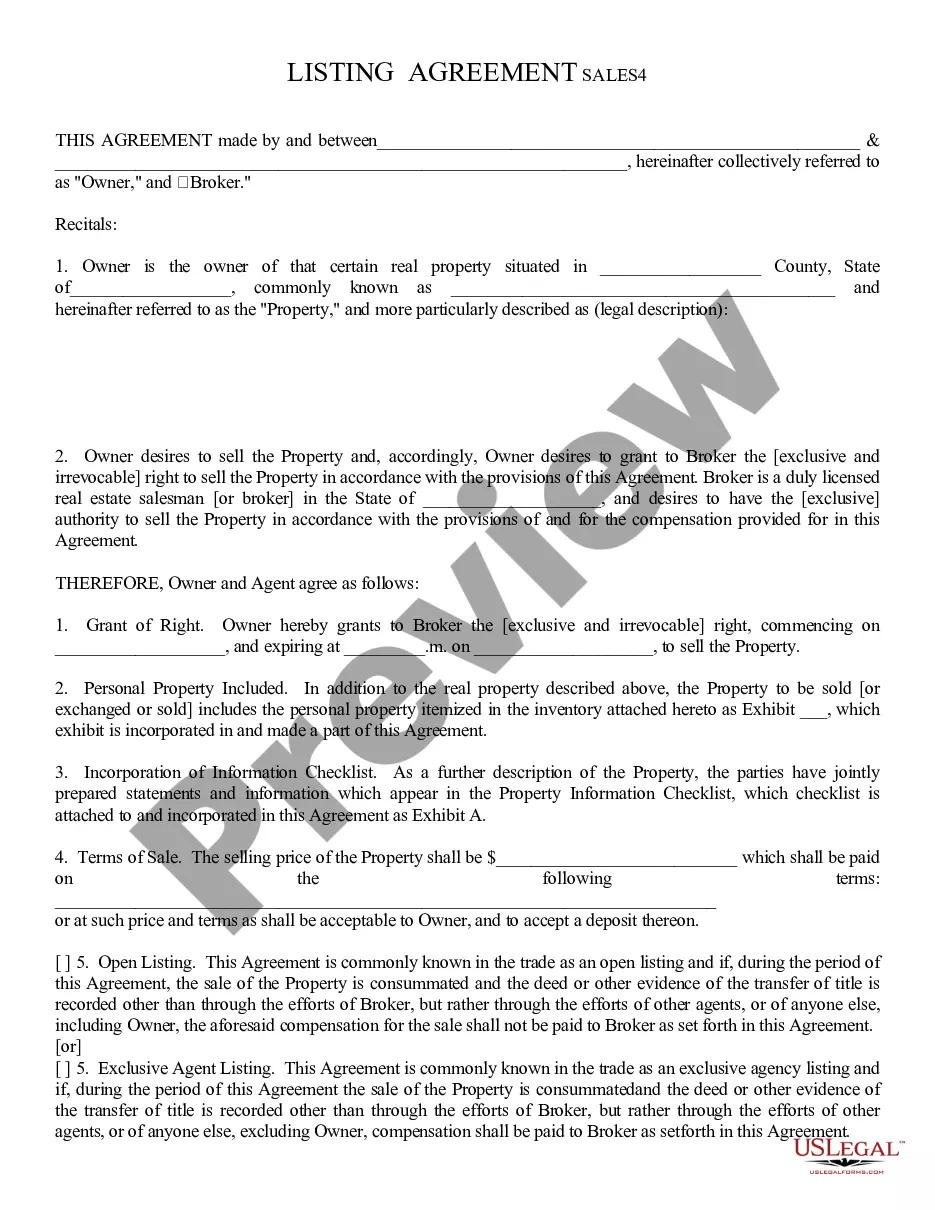
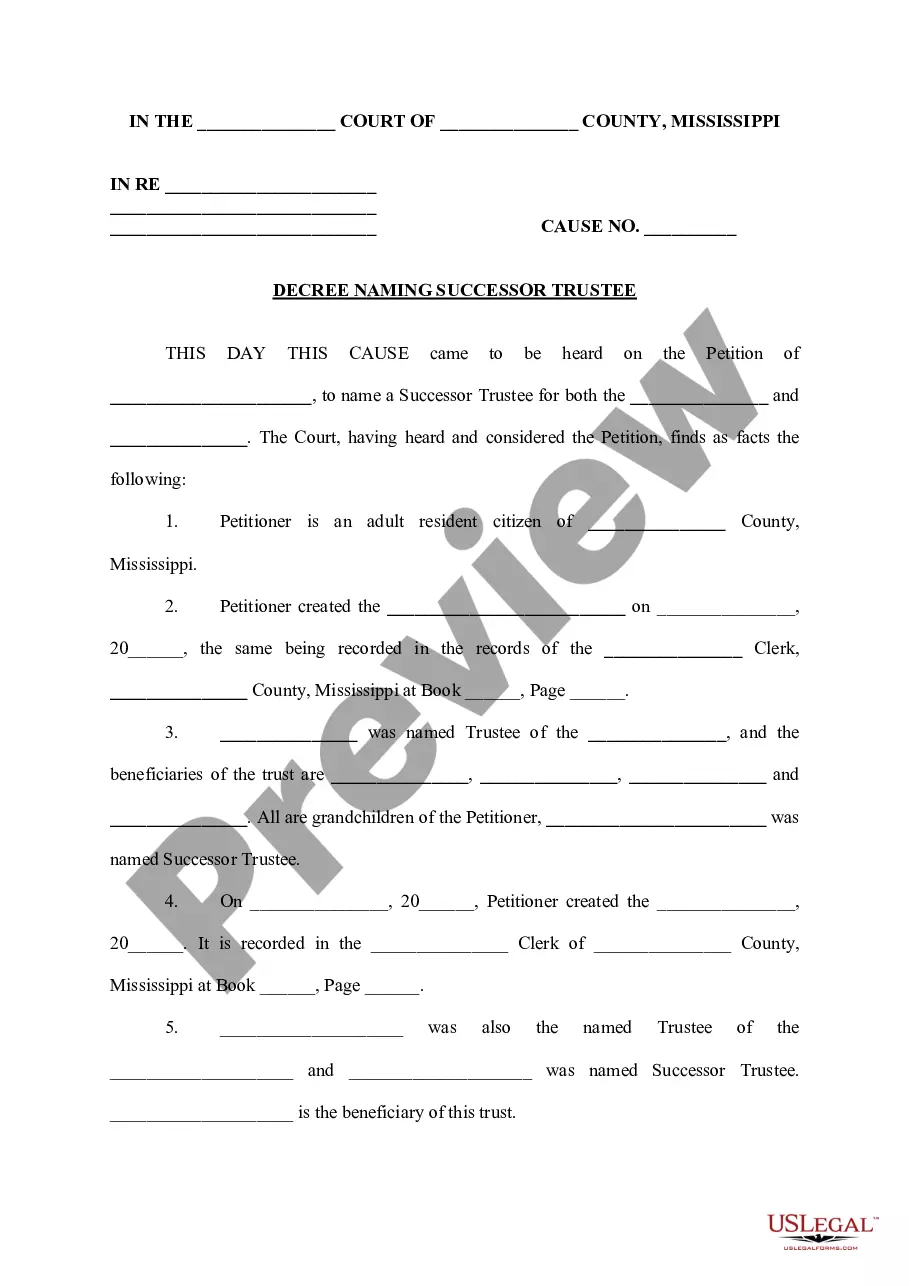
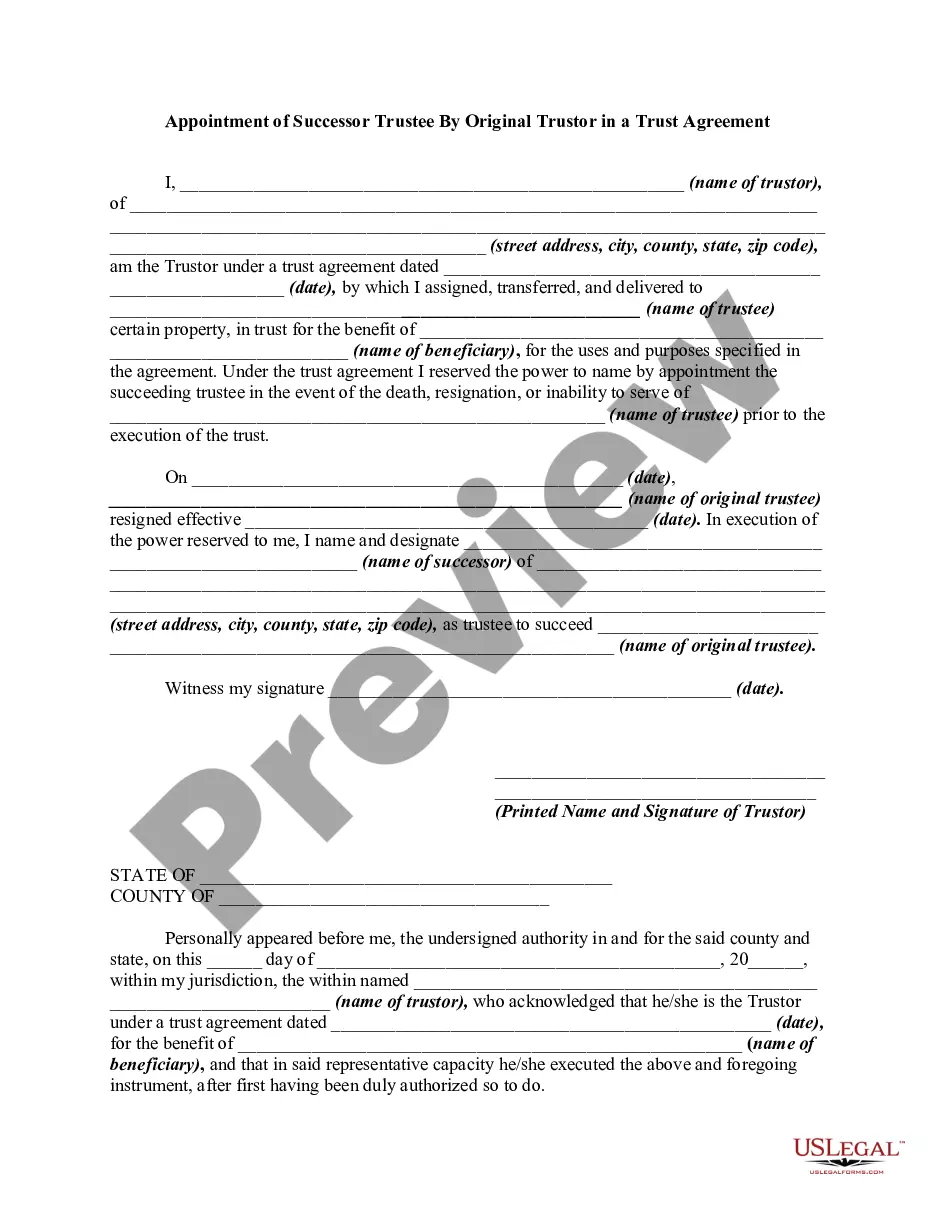
The Decree Naming Successor Trustee is a legal document issued by a court to formally appoint a new trustee for a trust when the original trustee can no longer fulfill their duties. This form is essential for ensuring the continuity of trust management and safeguarding the interests of beneficiaries. Unlike other trust-related forms, this decree focuses specifically on the appointment of a successor trustee after a decision has been made, typically following a petition filed in court.
Form components explained
- Identification of the court and county where the decree is filed.
- Details of the petitioner seeking the appointment of a successor trustee.
- Historical information about the original trust and appointed trustee.
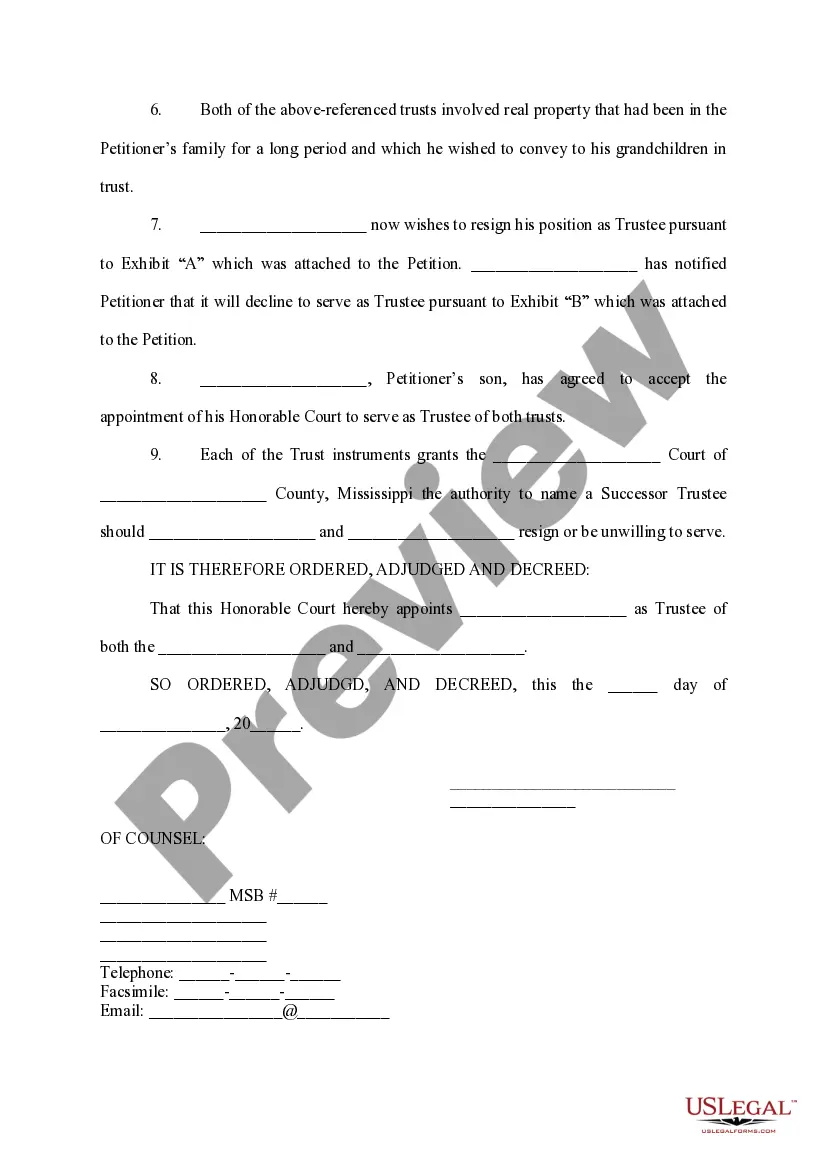
- Notification of resignation by the original trustee or their unwillingness to serve.
- Confirmation of the successor trusteeâs acceptance.
- Official court order appointing the successor trustee.


When to use this form
This form should be used when a current trustee resigns, declines to serve, or becomes unable to fulfill their duties and a successor must be appointed. It is applicable in family trust scenarios, where trusts containing real property are established for the benefit of children or grandchildren. The decree ensures that the management of the trust is legally transferred to a new trustee, thereby protecting the interests of all parties involved.
Who can use this document
- The petitioner, who is typically the creator of the trust (trustor or grantor).
- Family members designated as beneficiaries of the trust.
- The individual being appointed as the successor trustee.
- Attorneys representing any of the parties involved in the trust.
How to prepare this document
- Identify the parties involved: the petitioner, original trustee, and successor trustee.
- Provide information about the trusts, including creation dates and recording details.
- Include notification of any resignations or refusals to serve by current trustees.
- Obtain agreement from the successor trustee regarding their appointment.
- Complete the courtâs section detailing the order of appointment and date.
Is notarization required?
This form does not typically require notarization unless specified by local law. It is advisable to check with local court requirements to ensure compliance with any specific regulations regarding notarization in your jurisdiction.
Get your form ready online
Our built-in tools help you complete, sign, share, and store your documents in one place.
Make edits, fill in missing information, and update formatting in US Legal Forms—just like you would in MS Word.
Download a copy, print it, send it by email, or mail it via USPS—whatever works best for your next step.
Sign and collect signatures with our SignNow integration. Send to multiple recipients, set reminders, and more. Go Premium to unlock E-Sign.
If this form requires notarization, complete it online through a secure video call—no need to meet a notary in person or wait for an appointment.
We protect your documents and personal data by following strict security and privacy standards.

Make edits, fill in missing information, and update formatting in US Legal Forms—just like you would in MS Word.

Download a copy, print it, send it by email, or mail it via USPS—whatever works best for your next step.

Sign and collect signatures with our SignNow integration. Send to multiple recipients, set reminders, and more. Go Premium to unlock E-Sign.

If this form requires notarization, complete it online through a secure video call—no need to meet a notary in person or wait for an appointment.

We protect your documents and personal data by following strict security and privacy standards.
Avoid these common issues
- Failing to include the full names and contact information of all parties.
- Omitting required documents or exhibits that support the petition.
- Not confirming the successor trusteeâs willingness to serve before filing.
- Neglecting to follow local court filing procedures and deadlines.
Why use this form online
- Immediate access to the latest legal template drafted by licensed attorneys.
- Easy download and printing options, eliminating the need for physical visits.
- Editable format allowing personal customization to meet specific needs.
- Reduces errors by providing structured legal language that is simple to follow.
Looking for another form?



Form popularity
FAQ
Successor trustees have to willingly accept their role usually by signing a consent to serve or affidavit of appointment. If an existing trustee wishes to change their successor trustee, they must make an actual amendment to the trust. Most courts won't accept informal, self-made changes.
How to sign as a Trustee. When signing anything on behalf of the trust, always sign as John Smith, Trustee. By signing as Trustee, you will not be personally liable for that action as long as that action is within the scope of your authority under the trust.
2 attorney answers Just the grantors. They are usually also the trustees. If they are not the trustees still no need to sign. However, that is why you want successor trustees listed in case trustee does not or cannot serve.
You can do this by simply signing your name and putting your title of executor of the estate afterward. One example of an acceptable signature would be Signed by Jane Doe, Executor of the Estate of John Doe, Deceased. Of course, many institutions may not simply take your word that you are the executor of the estate.
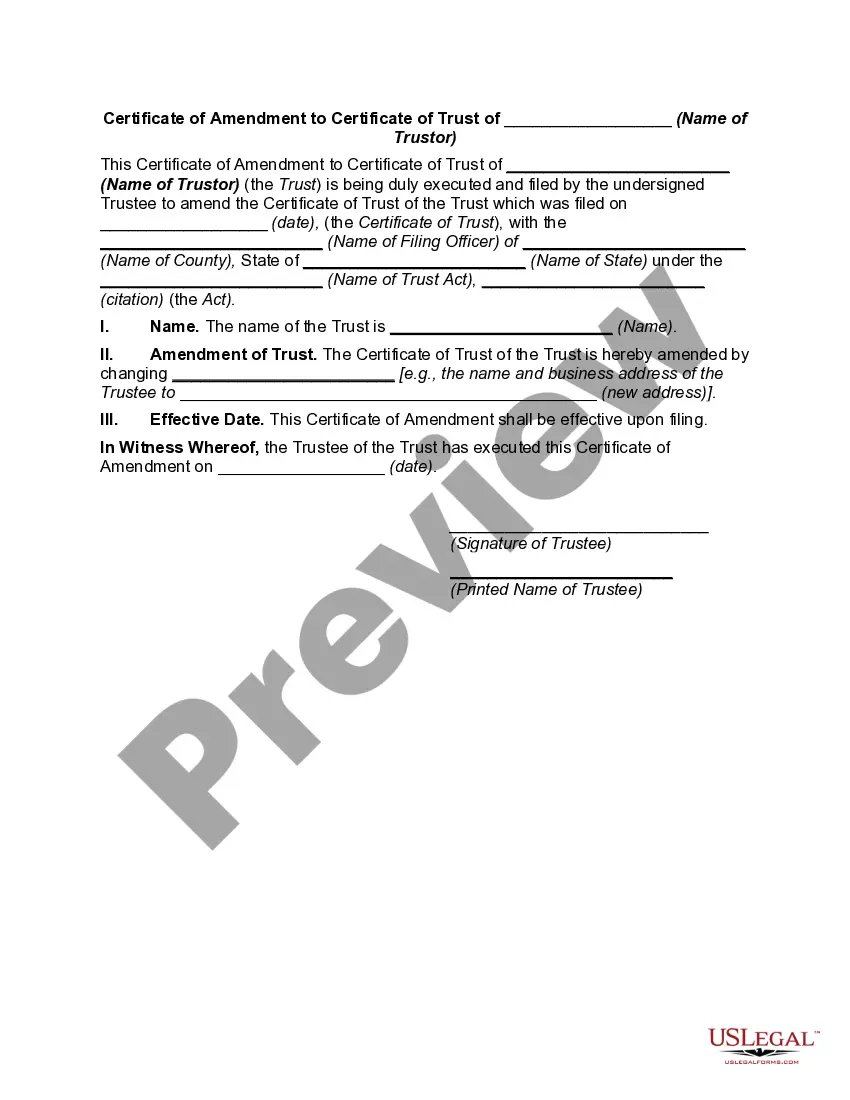
When the grantor dies, the trust becomes irrevocable and management or distribution of the assets passes to a successor trustee. Most trusts name the successor trustee when the trust is established; however, if you need to change or add a successor trustee, you can do so by amending the document.
For a revocable living trust, that Trustee is usually the person that created the trust.The successor trustee usually takes power when the person that created the trust either becomes incapacitated or has died. The Trustee only manages the assets that are owned by the trust, not assets outside the trust.
It depends on the terms of the trust. If the trust designates that the trustees are to act together, and not independently, then yes, a signature by both trustees are required in order to transfer property out of the trust.
The name of the trustee of the trust will be on title of your trust assets. So, if you put a bank account into your trust, you would need to rename the bank account to be your name, as trustee, followed by the name of the trust.
When signing anything on behalf of the trust, always sign as John Smith, Trustee. By signing as Trustee, you will not be personally liable for that action as long as that action is within the scope of your authority under the trust.