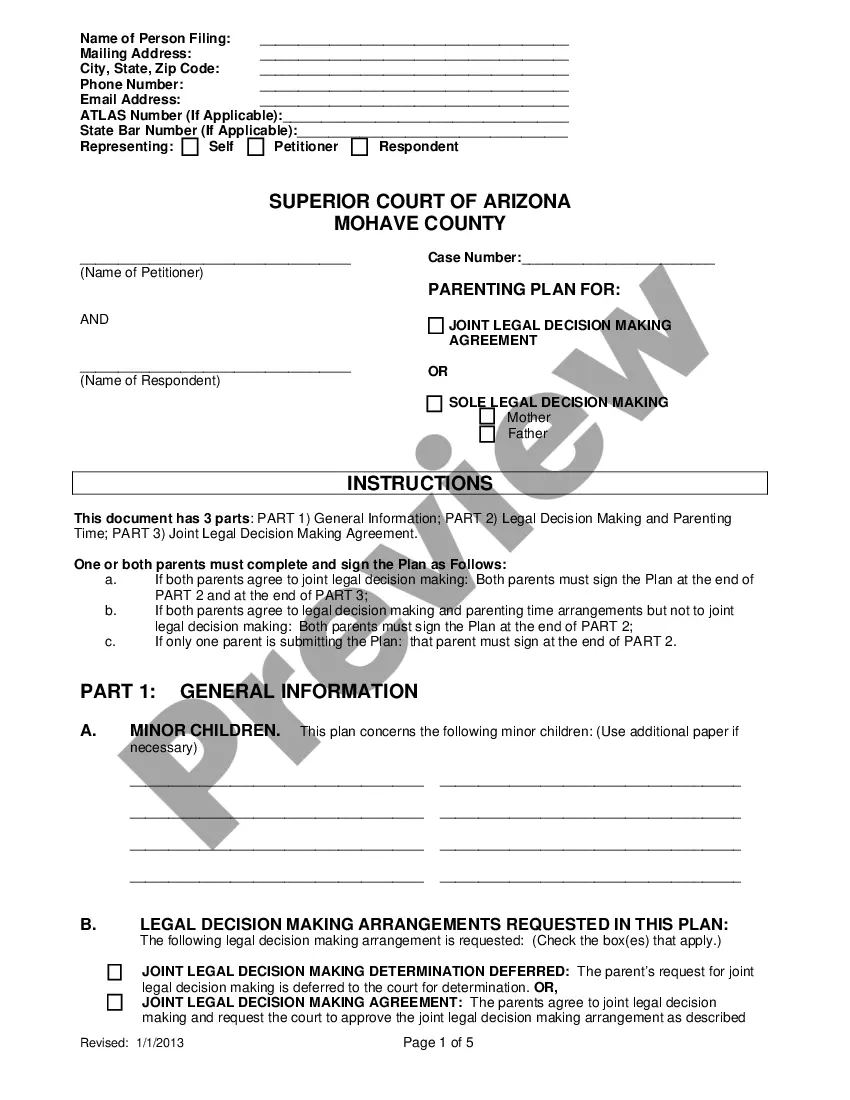
Mississippi Petition for Hardship
Understanding this form
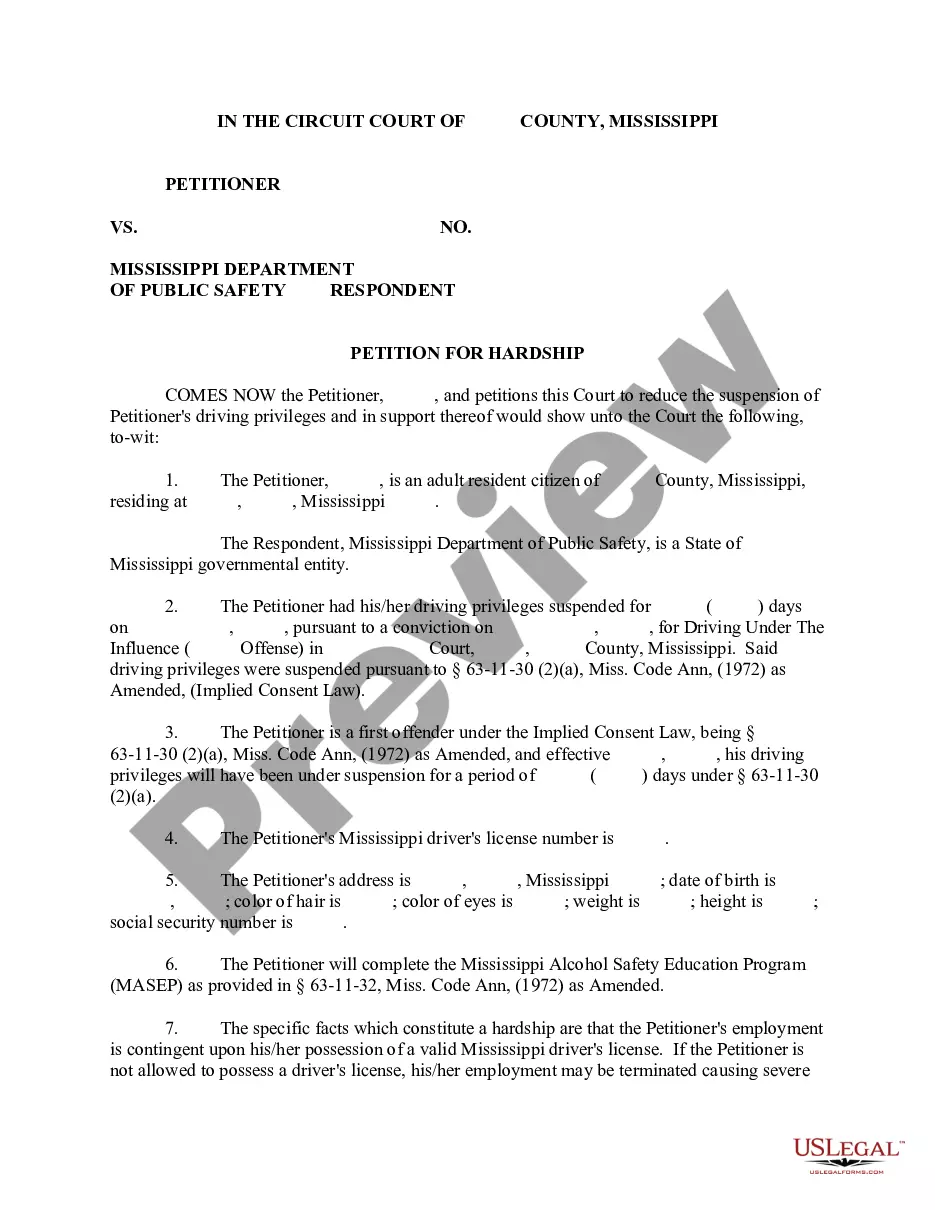
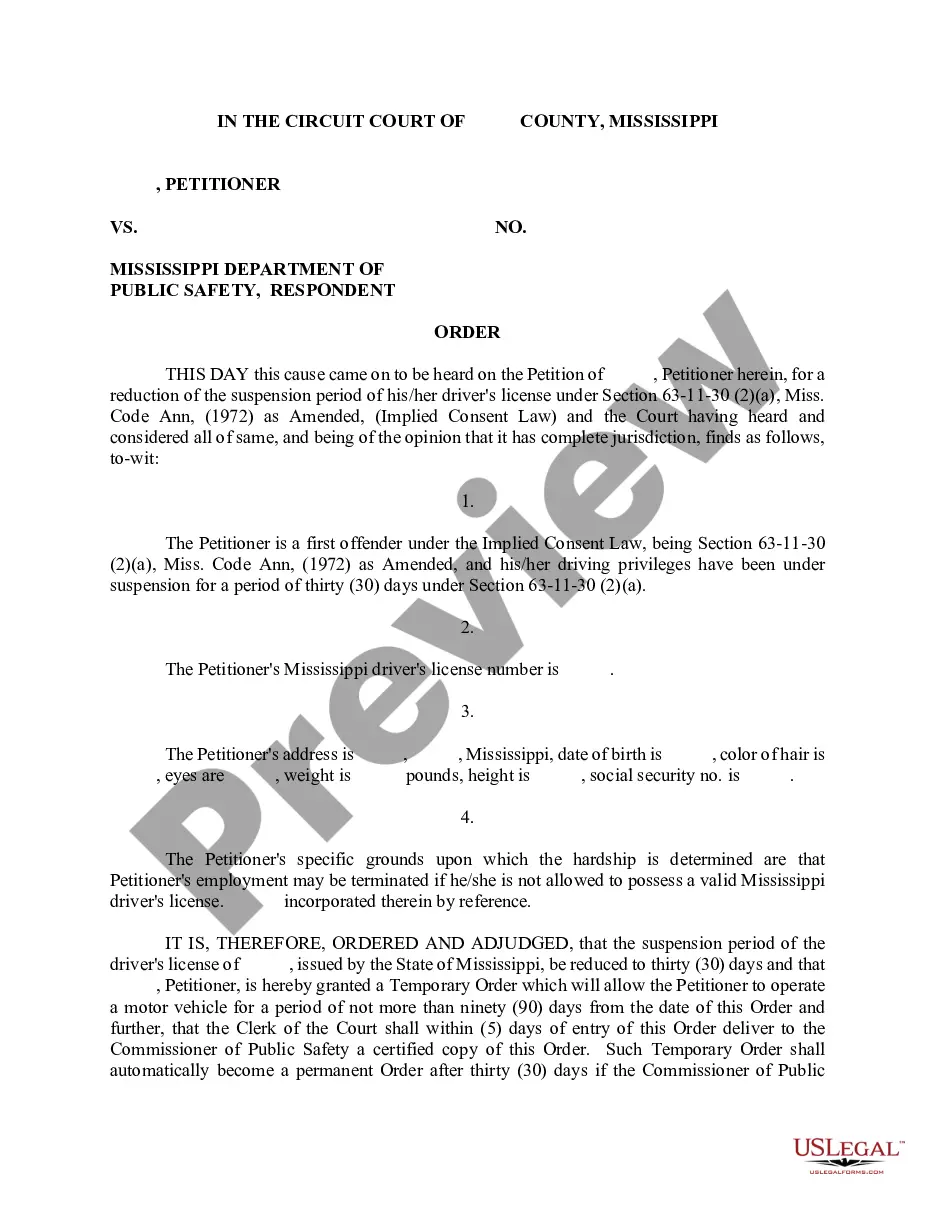
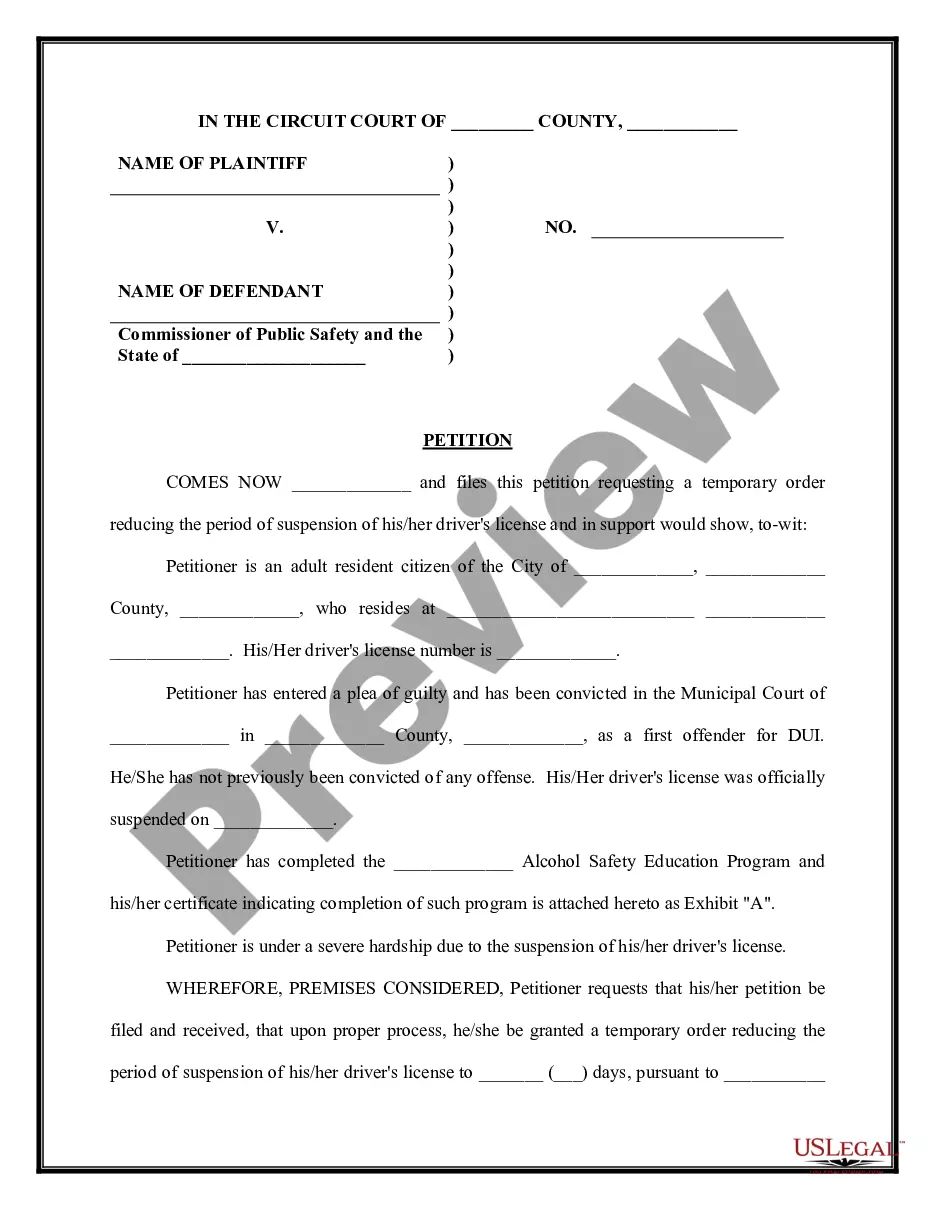
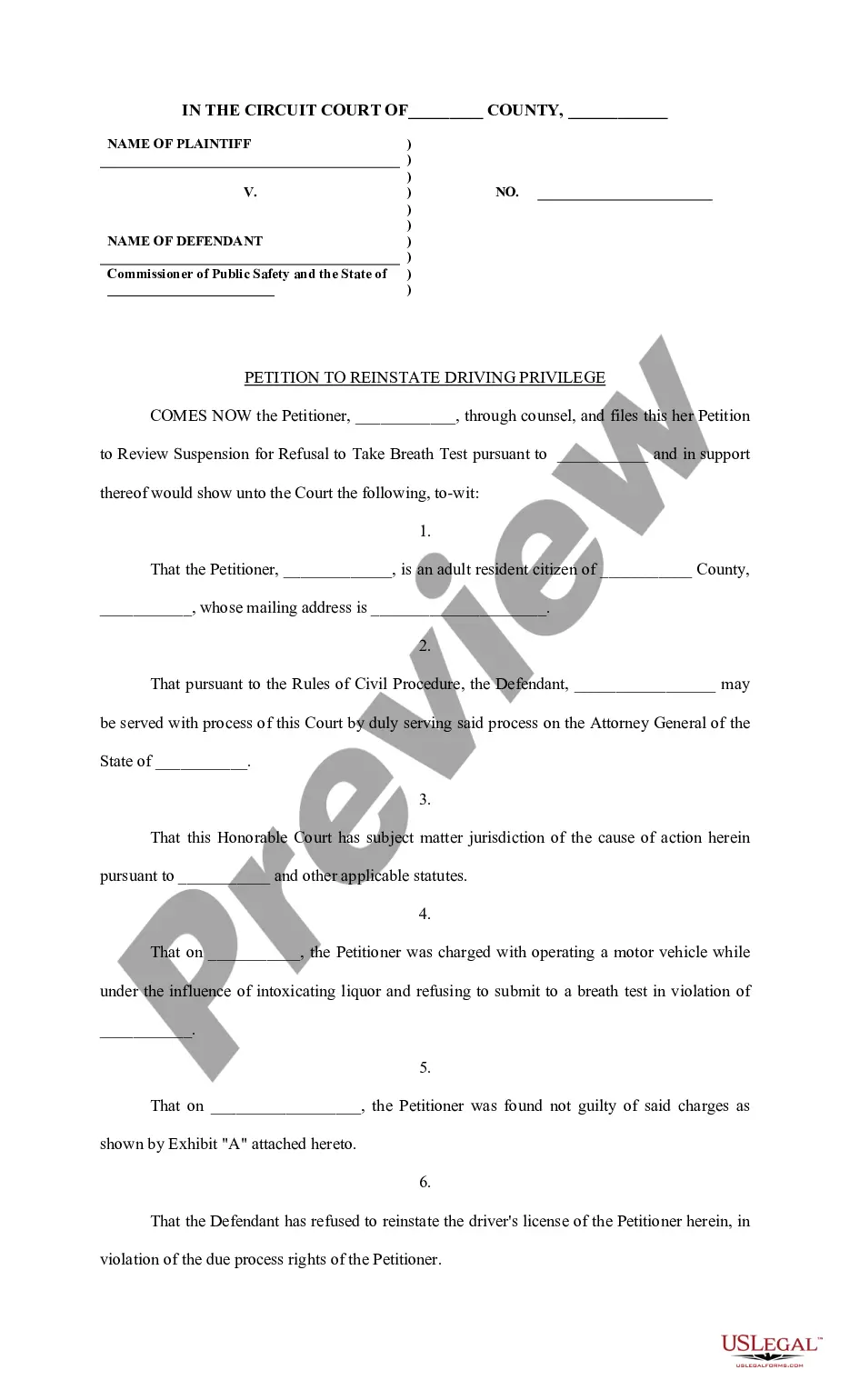
The Petition for Hardship is a legal document used to request a court's consideration for a specific request based on the individual circumstances of the petitioner. This form allows individuals to present their case for relief or special consideration and should be completed accurately to reflect their unique situation. Unlike other legal forms, the Petition for Hardship is tailored specifically for asking the court for leniency or modification of requirements in hardship situations.
Key components of this form
- Identification of the petitioner: Includes names and contact information.
- Description of the hardship: Detailed explanation of the circumstances leading to the request.
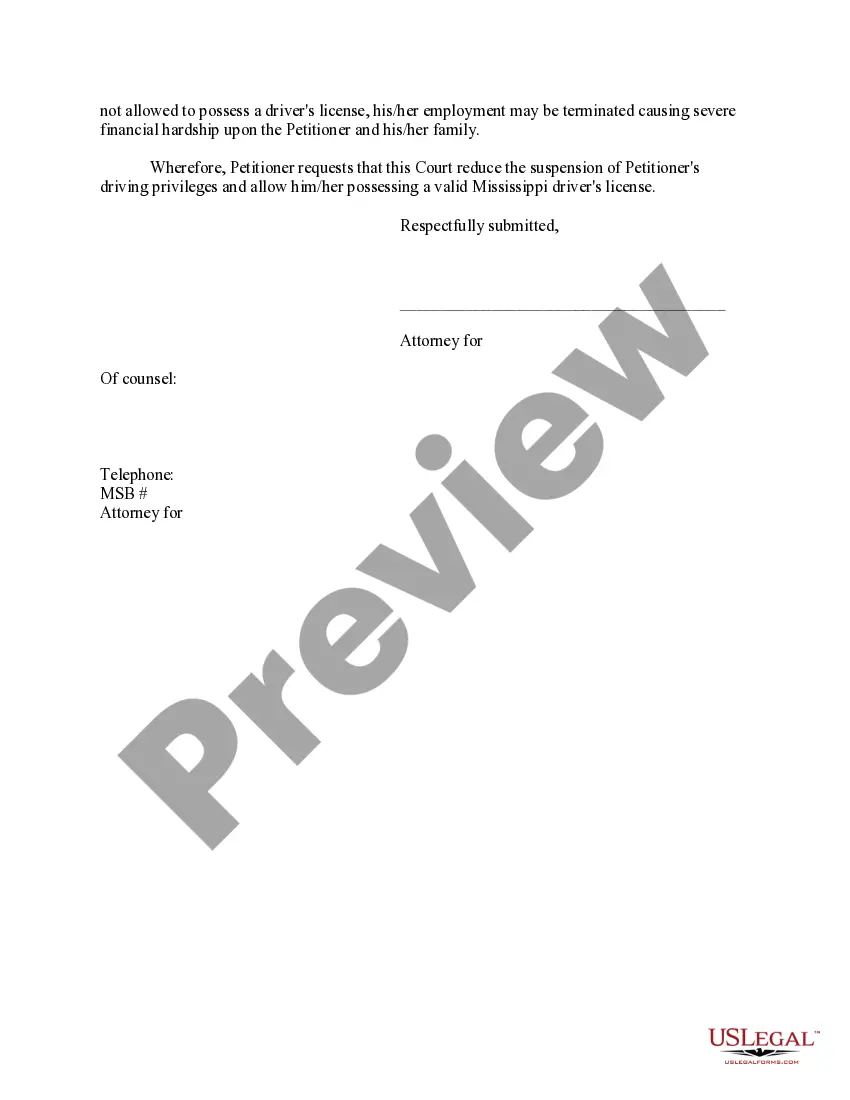
- Relief requested: Clear statement of what the petitioner seeks from the court.
- Supporting documents: Space for any additional documentation that supports the claim.
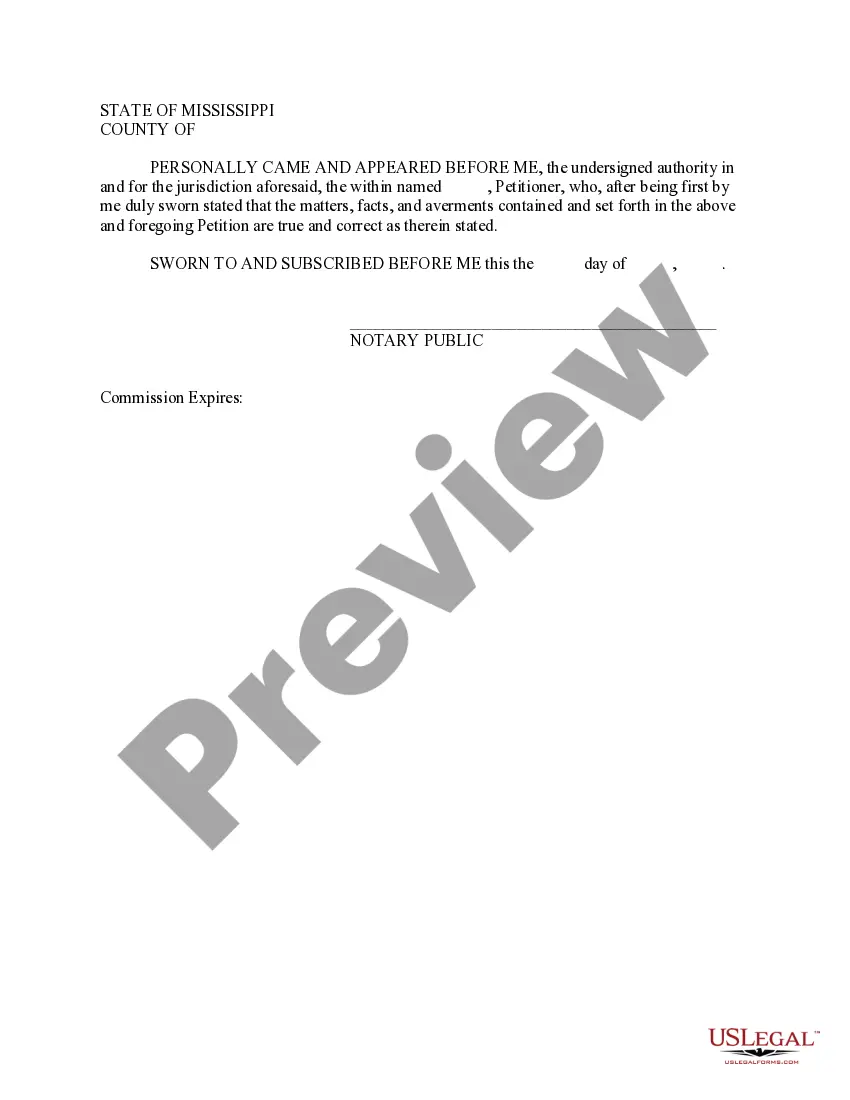
- Signature and date: Verification that the information provided is accurate and truthful.
Common use cases
This form should be used when an individual needs to formally request the court for relief due to personal or financial difficulties. Common scenarios include seeking leniency on deadlines, modifications to obligations, or a request for exemptions due to unforeseen hardship, such as medical emergencies or job loss.
Who this form is for
- Individuals facing financial difficulties that impede legal obligations.
- People needing special consideration in legal proceedings due to personal circumstances.
- Anyone wishing to present a case for relief to the court due to hardship.
Completing this form step by step
- Identify the parties involved by entering the full name and contact information of the petitioner.
- Clearly describe the circumstances of the hardship you are experiencing.
- Specify the exact relief you are requesting from the court.
- Attach any supporting documentation that strengthens your case.
- Sign and date the form to validate your petition.
Notarization requirements for this form
This form does not typically require notarization to be legally valid. However, some jurisdictions or document types may still require it. US Legal Forms provides secure online notarization powered by Notarize, available 24/7 for added convenience.
Get your form ready online
Our built-in tools help you complete, sign, share, and store your documents in one place.
Make edits, fill in missing information, and update formatting in US Legal Forms—just like you would in MS Word.
Download a copy, print it, send it by email, or mail it via USPS—whatever works best for your next step.
Sign and collect signatures with our SignNow integration. Send to multiple recipients, set reminders, and more. Go Premium to unlock E-Sign.
If this form requires notarization, complete it online through a secure video call—no need to meet a notary in person or wait for an appointment.
We protect your documents and personal data by following strict security and privacy standards.

Make edits, fill in missing information, and update formatting in US Legal Forms—just like you would in MS Word.

Download a copy, print it, send it by email, or mail it via USPS—whatever works best for your next step.

Sign and collect signatures with our SignNow integration. Send to multiple recipients, set reminders, and more. Go Premium to unlock E-Sign.

If this form requires notarization, complete it online through a secure video call—no need to meet a notary in person or wait for an appointment.

We protect your documents and personal data by following strict security and privacy standards.
Typical mistakes to avoid
- Failing to provide complete or accurate information.
- Not attaching necessary supporting documents.
- Leaving signatures and dates blank.
- Using vague language instead of clear, specific details about the hardship.
Benefits of completing this form online
- Convenience of downloading the form from home without needing to visit a legal office.
- Editable format allows users to customize the document to their specific circumstances.
- Access to professionally drafted templates ensures compliance with legal requirements.
Looking for another form?


Form popularity
FAQ
The Mississippi Petition for Hardship is a court filing to request leniency or modification of court-imposed requirements based on personal or financial hardship. It is used to present a hardship claim in Mississippi court proceedings, including DUI/DWI cases, so the petitioner can seek relief or special consideration. The form requires identification, hardship description, relief requested, supporting documents, and a signature with date.
The form's key components require the petitioner's identification, a thorough description of the hardship, a clear statement of the relief sought, any supporting documents, and a signature with the date. Completing these sections accurately reflects the petitioner’s situation and aids the court in evaluating the request.
Attach any supporting documents that substantiate the hardship described, such as records referenced in the description. The form includes space for these documents to accompany the petition, helping the court assess whether leniency or modified obligations are warranted.
The petitioner must sign and date the Mississippi Petition for Hardship to verify the accuracy and truthfulness of the information provided. The signature confirms consent to the statements and any attached supporting documents.
This form is intended for individuals in Mississippi who face financial difficulties or personal circumstances that affect legal obligations and seek relief or special consideration from the court. It is also applicable to others wishing to present a hardship-based request in a legal proceeding.
It is tailored for Mississippi court proceedings and focused on requests for leniency or modification of obligations in hardship situations, within the DUI/DWI criminal context. It uses five sections—identification, hardship description, relief requested, supporting documents, and signature/date—to guide the petition.