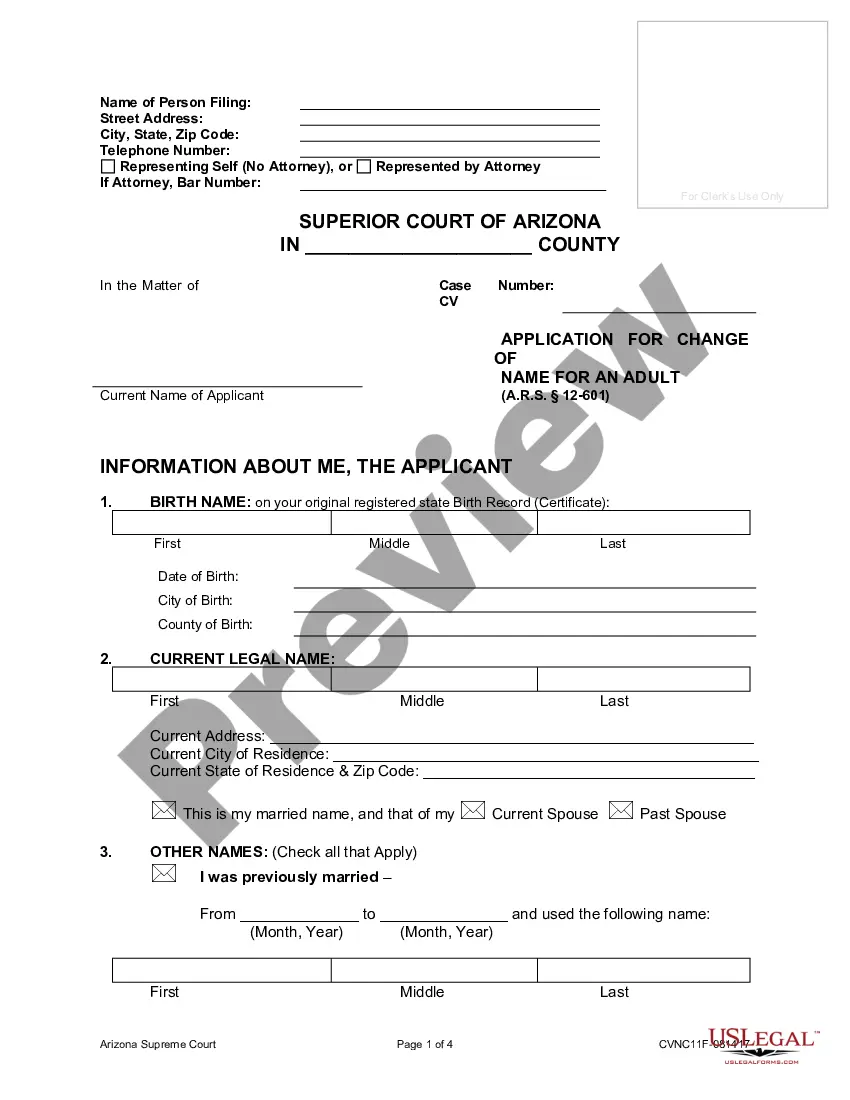
Mississippi Amended Response to Motion for a New Trial
What this document covers
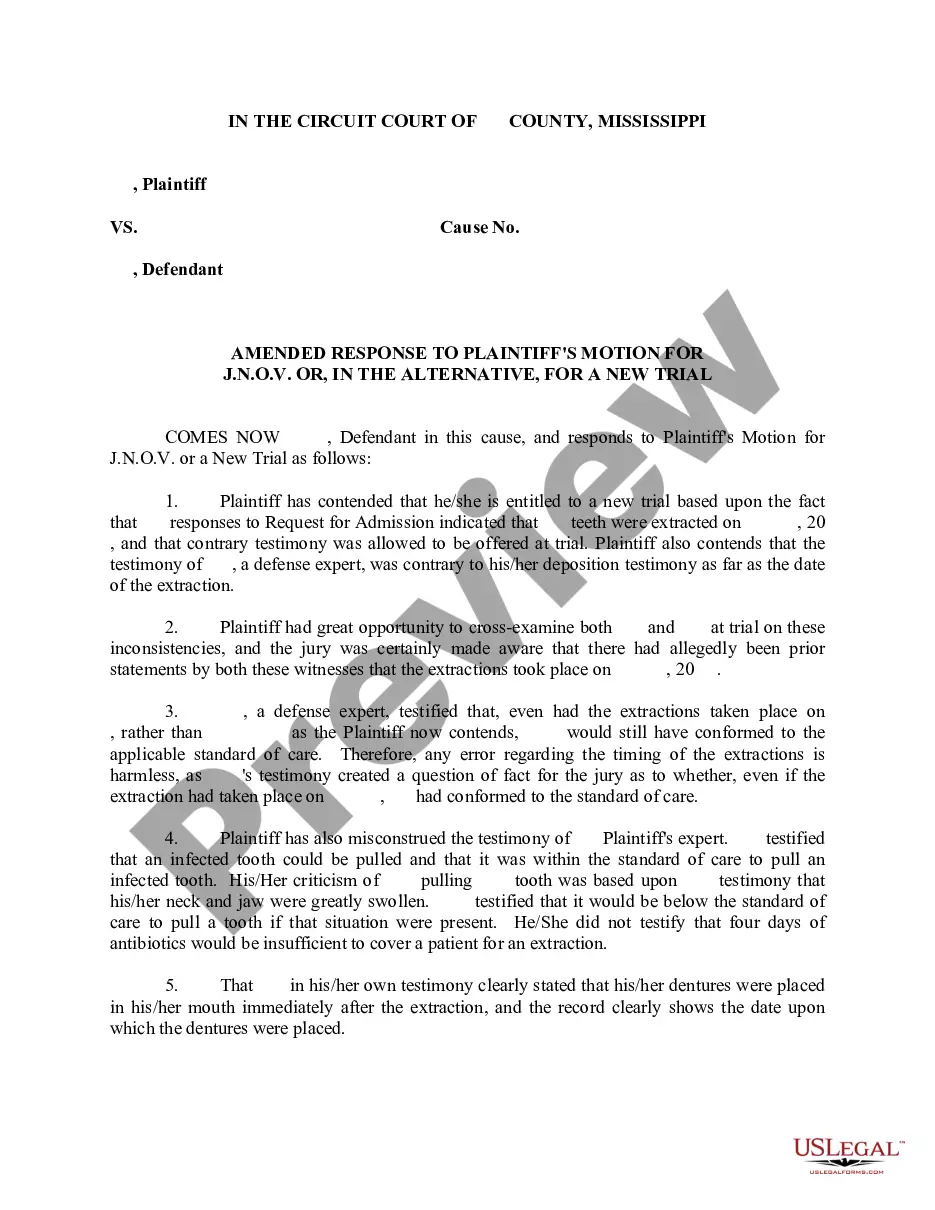
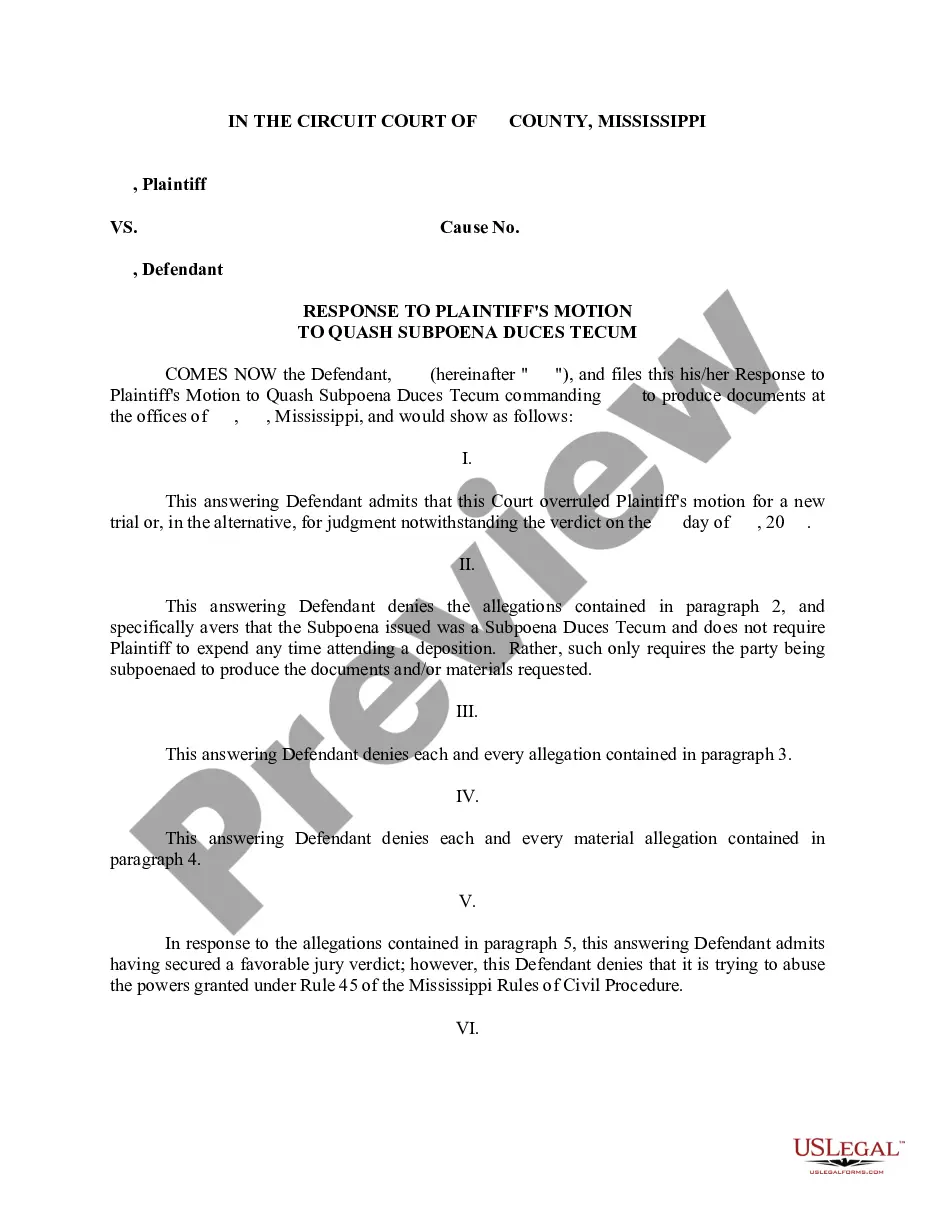
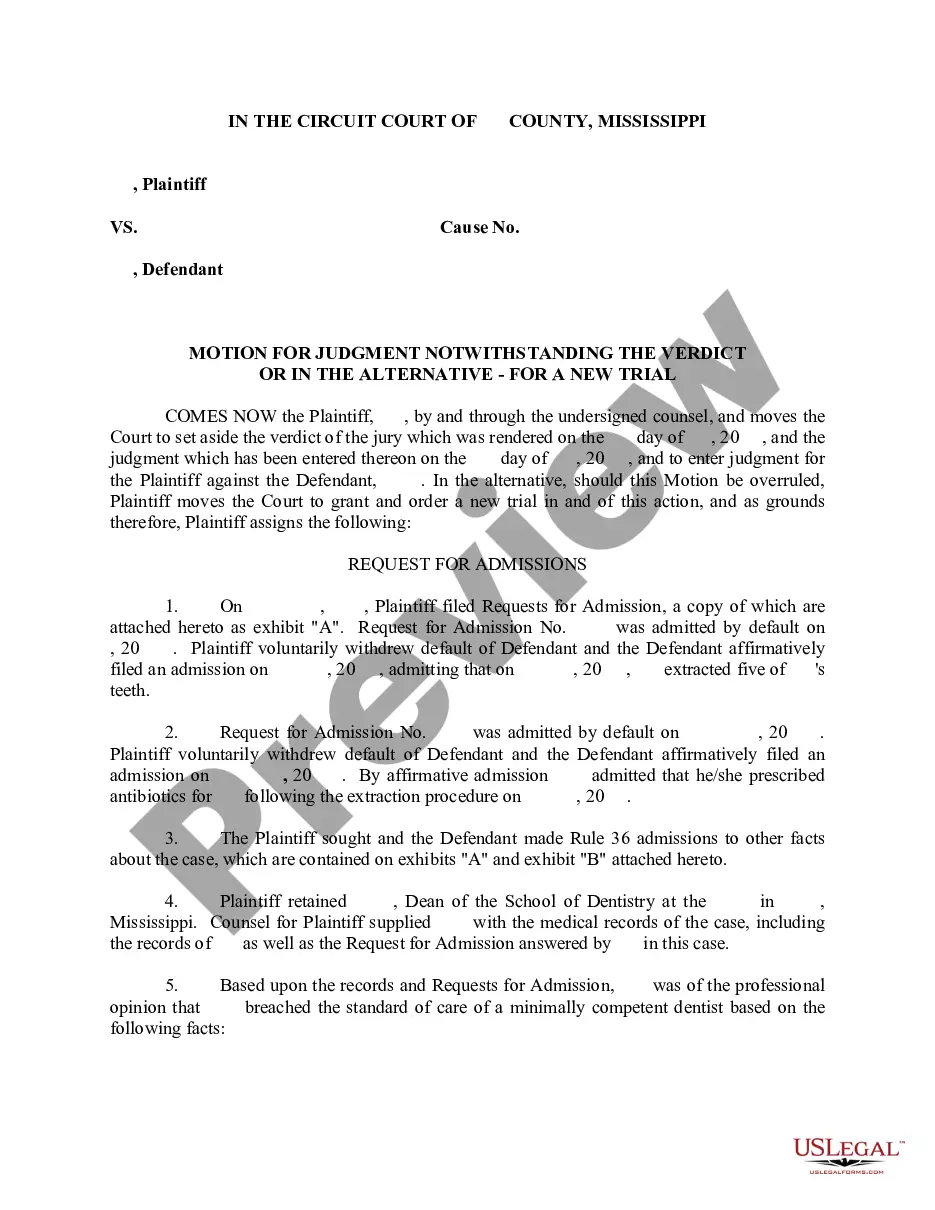
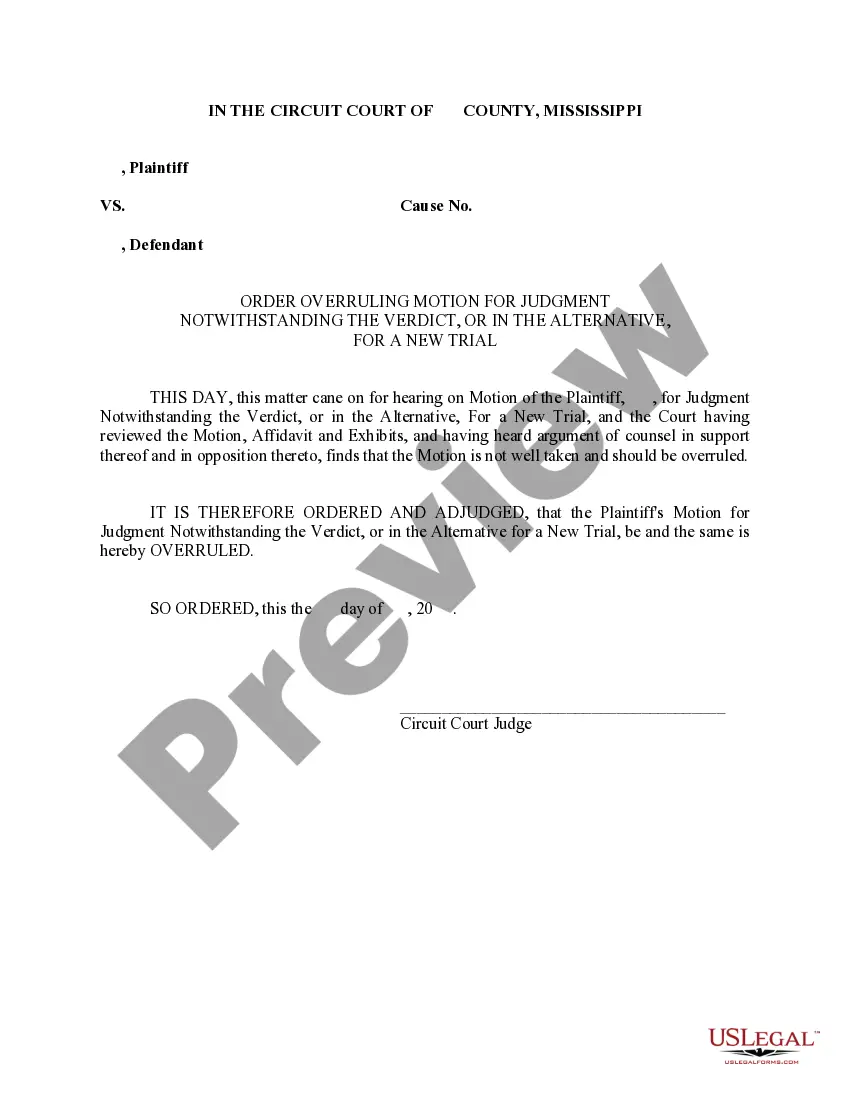
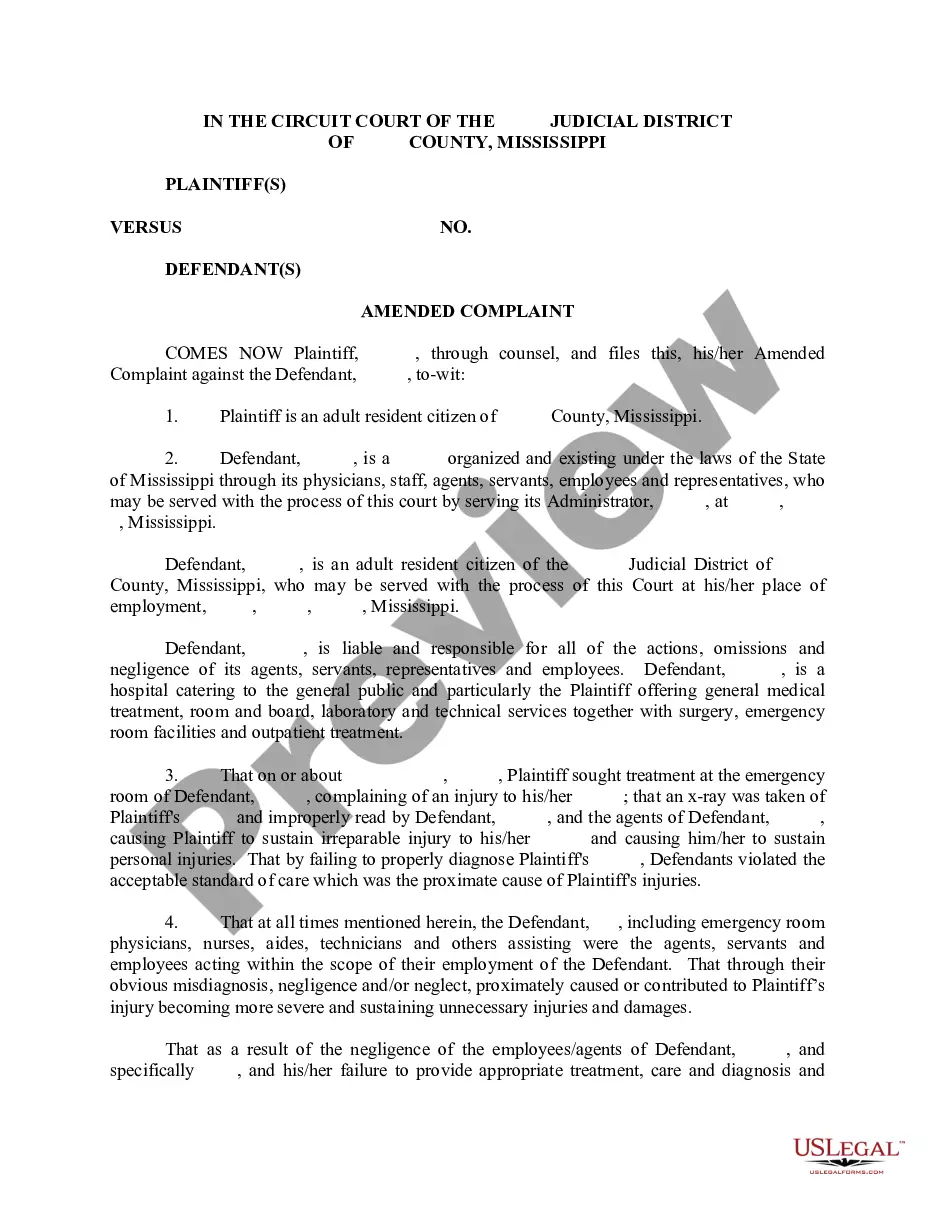
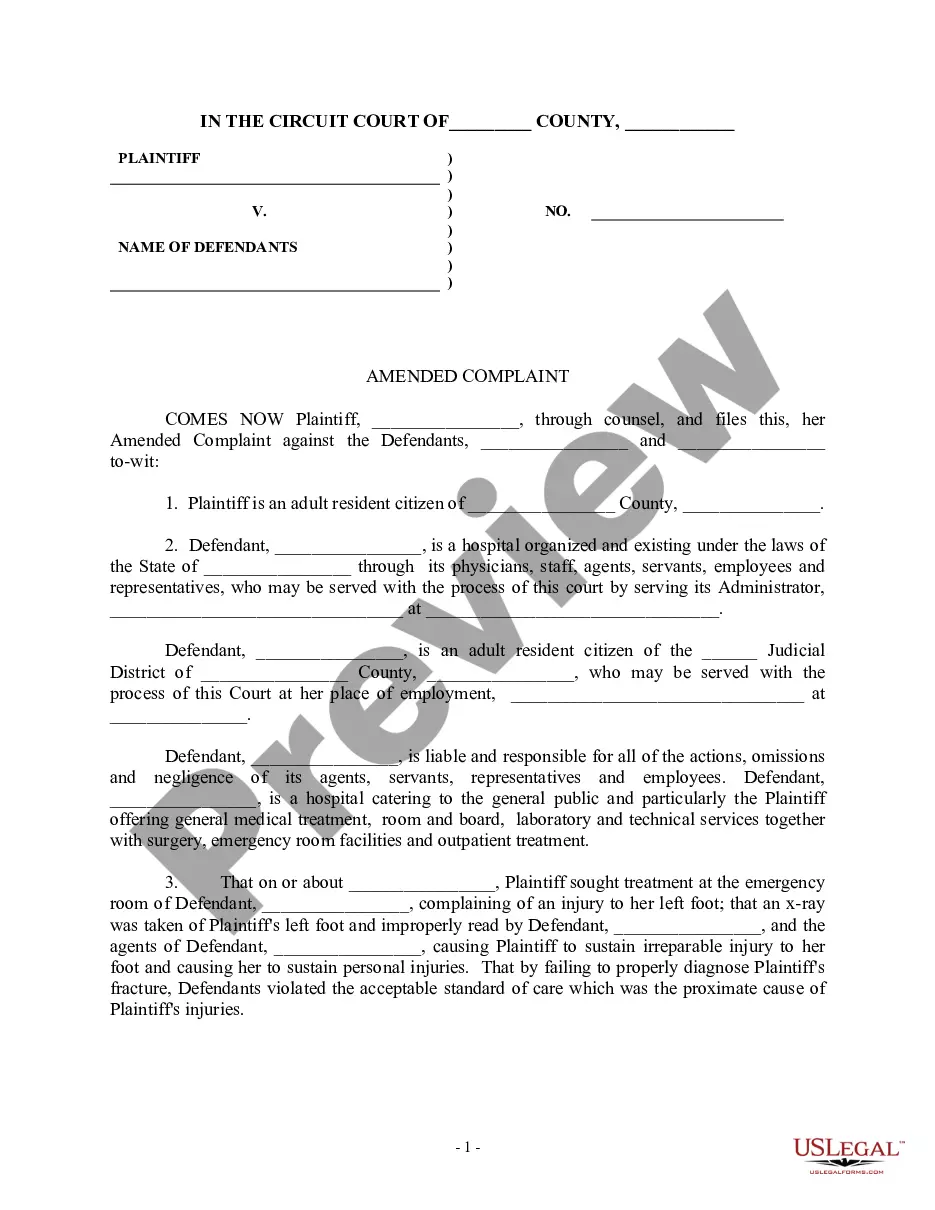
The Amended Response to Motion for a New Trial is a legal document used by defendants to formally respond to a plaintiff's request for a new trial or judgment notwithstanding the verdict (J.N.O.V.). This form allows defendants to present their arguments and evidence, detailing why the motion should be denied. It is specifically designed to address the unique circumstances of a case, distinguishing it from standard response forms.
Form components explained
- Case identification, including names of the parties and cause number.
- Clear statement of the defendant's responses to the plaintiff's motion.
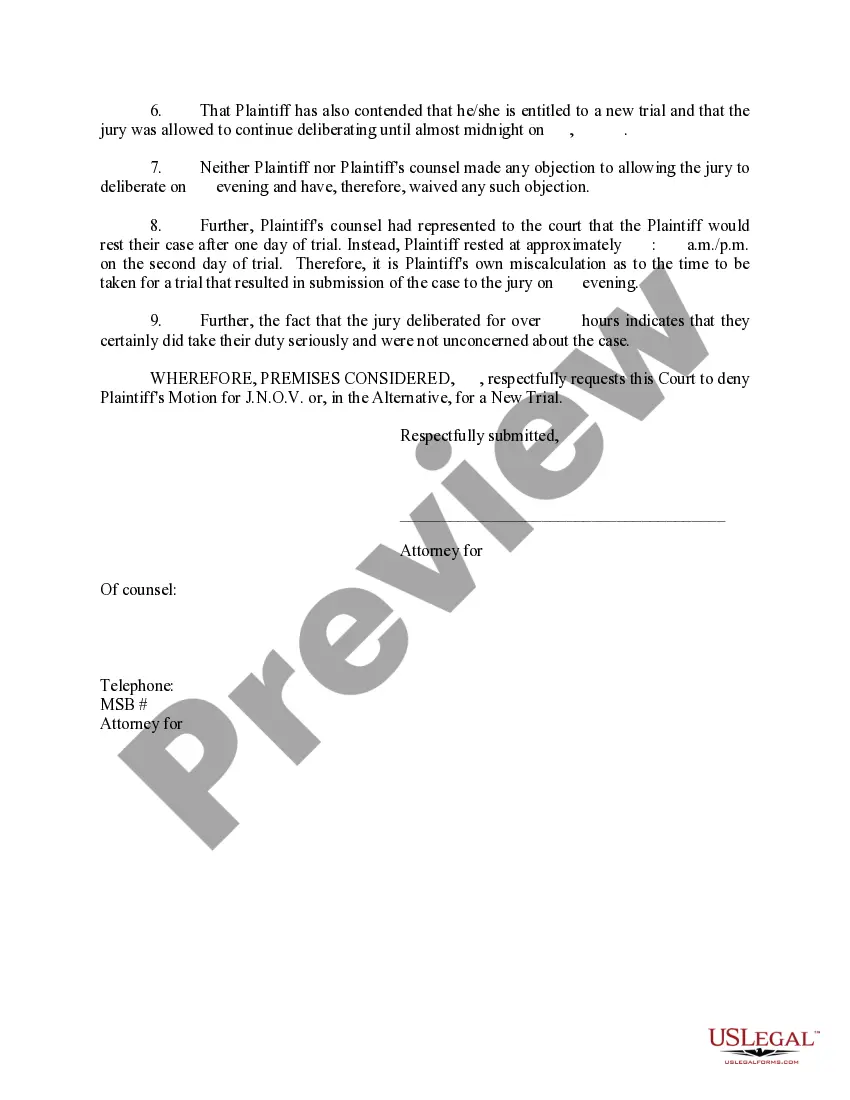
- Arguments supporting the denial of the new trial request.
- References to witness testimonies and standards of care relevant to the case.
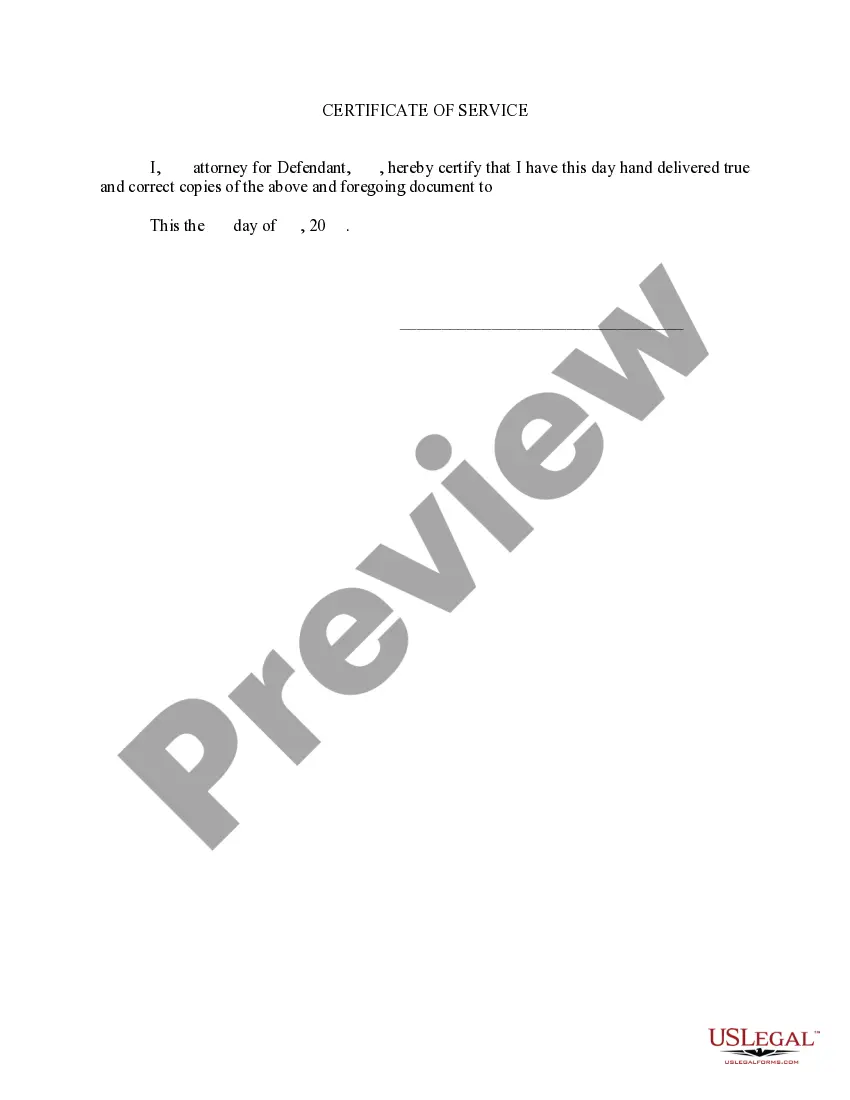
- Certification of service to confirm delivery to the plaintiff's counsel.
When this form is needed
This form should be used when a plaintiff files a motion for a new trial or J.N.O.V. and the defendant wishes to contest this motion. It serves as a means for the defendant to assert their position and provide evidence as to why the trial's outcome should not be altered. Typical scenarios include cases involving disputes over evidence, jury conduct, or perceived errors during the initial trial.
Who should use this form
- Defendants in civil lawsuits who have received a motion for a new trial from the plaintiff.
- Attorneys representing defendants looking to formally respond to a motion filed by the opposing party.
- Individuals seeking to protect their interests after a verdict in a court case.
How to prepare this document
- Identify the parties involved by filling in their names and the cause number at the top of the document.
- Provide a detailed response to each point raised in the plaintiff's motion, ensuring clarity and thoroughness.
- Cite any relevant witness testimony or evidence that supports your arguments against the new trial request.
- Fill out the certificate of service section to confirm you have provided copies to the plaintiffâs counsel.
- Sign and date the document in the appropriate sections to finalize your response.
Notarization guidance
This form does not typically require notarization unless specified by local law. It is advisable to check jurisdictional requirements to ensure compliance.
Get your form ready online
Our built-in tools help you complete, sign, share, and store your documents in one place.
Make edits, fill in missing information, and update formatting in US Legal Forms—just like you would in MS Word.
Download a copy, print it, send it by email, or mail it via USPS—whatever works best for your next step.
Sign and collect signatures with our SignNow integration. Send to multiple recipients, set reminders, and more. Go Premium to unlock E-Sign.
If this form requires notarization, complete it online through a secure video call—no need to meet a notary in person or wait for an appointment.
We protect your documents and personal data by following strict security and privacy standards.

Make edits, fill in missing information, and update formatting in US Legal Forms—just like you would in MS Word.

Download a copy, print it, send it by email, or mail it via USPS—whatever works best for your next step.

Sign and collect signatures with our SignNow integration. Send to multiple recipients, set reminders, and more. Go Premium to unlock E-Sign.

If this form requires notarization, complete it online through a secure video call—no need to meet a notary in person or wait for an appointment.

We protect your documents and personal data by following strict security and privacy standards.
Mistakes to watch out for
- Failing to address all points raised in the plaintiffâs motion.
- Missing deadlines for submitting the response.
- Not including the proper case identification information.
- Neglecting to sign the document or provide the certificate of service.
Why complete this form online
- Convenient access to legal templates that can be downloaded instantly.
- Editability allows users to customize the form to fit their specific case needs.
- Reliable templates drafted by licensed attorneys ensure legal compliance.
Legal use & context
- This form is used in civil court proceedings where a party seeks to challenge a verdict.
- Responses must be filed within a specific timeframe as dictated by court rules.
- The document serves to preserve the defendantâs rights during post-trial motions.
Looking for another form?

Form popularity
FAQ
The judge made an error of law. The facts of the case and/or the evidence introduced in the trial court do not support the judge's decision. The judge abused his/her discretion
1. The Rule. Rule 50(a) provides for a motion for judgment as a matter of law (JMOL) which may be made at any time before submission of the case to the jury.If the court decides the initial motion should have been granted, it may set aside the verdict of the jury and enter judgment as a matter of law.
The appeals courts do not usually consider new witnesses or new evidence. Appeals in either civil or criminal cases are usually based on arguments that there were errors in the trial's procedure or errors in the judge's interpretation of the law.
Typically, the defendant will file a motion for a retrial after a guilty verdict. If the judge denies the motion, then the defendant may file an appeal to a higher court asking to overrule the judge and grant a new trial.
A retrial is permissible if the interests of justice so require, following appeal against conviction by a defendant. A "tainted acquittal", where there has been an offence of interference with, or intimidation of, a juror or witness, can be challenged in the High Court.
N. evidence found by a losing party after a trial has been completed and judgment (or criminal conviction) given, also called newly-discovered evidence. If the evidence absolutely could not have been discovered at the time of trial, it may be considered on a motion for a new trial.
In the United States, if a defendant is acquitted of a crime, the Fifth Amendment generally prohibits a retrial; thus, with few exceptions, a retrial only can occur if the verdict in the first trial was "guilty", or if there was no verdict.
A variety of circumstances may result in a defendant being re-tried. For example: the failure of the jury to agree upon a verdict; the failure of magistrates to agree upon a verdict. a re-trial being ordered by the Court of Appeal.
A new trial or retrial is a recurrence of a court case.a trial court grants a party's motion for a new trial, usually on the grounds of a legal defect in the original trial; or. an appellate court reverses a judgment under circumstances requiring that the case be tried again.