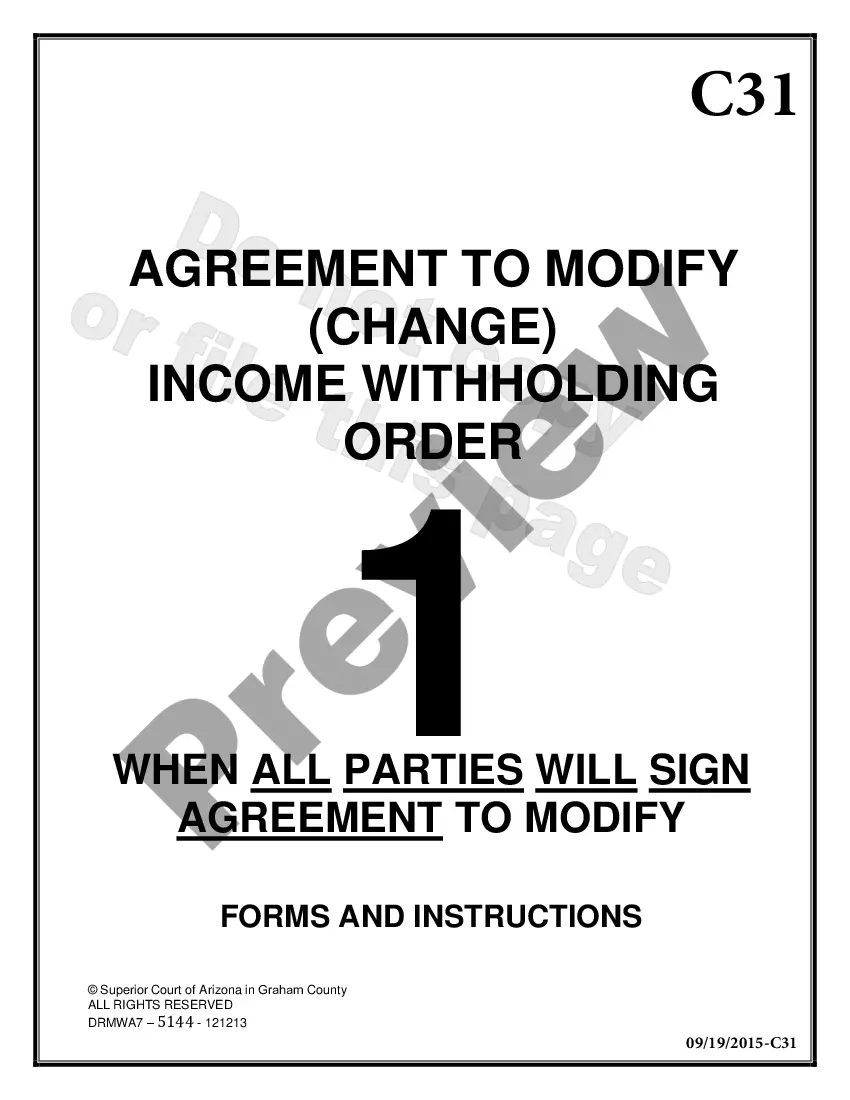
Mississippi Answers, Counterclaim and Motion for Sanctions
Overview of this form
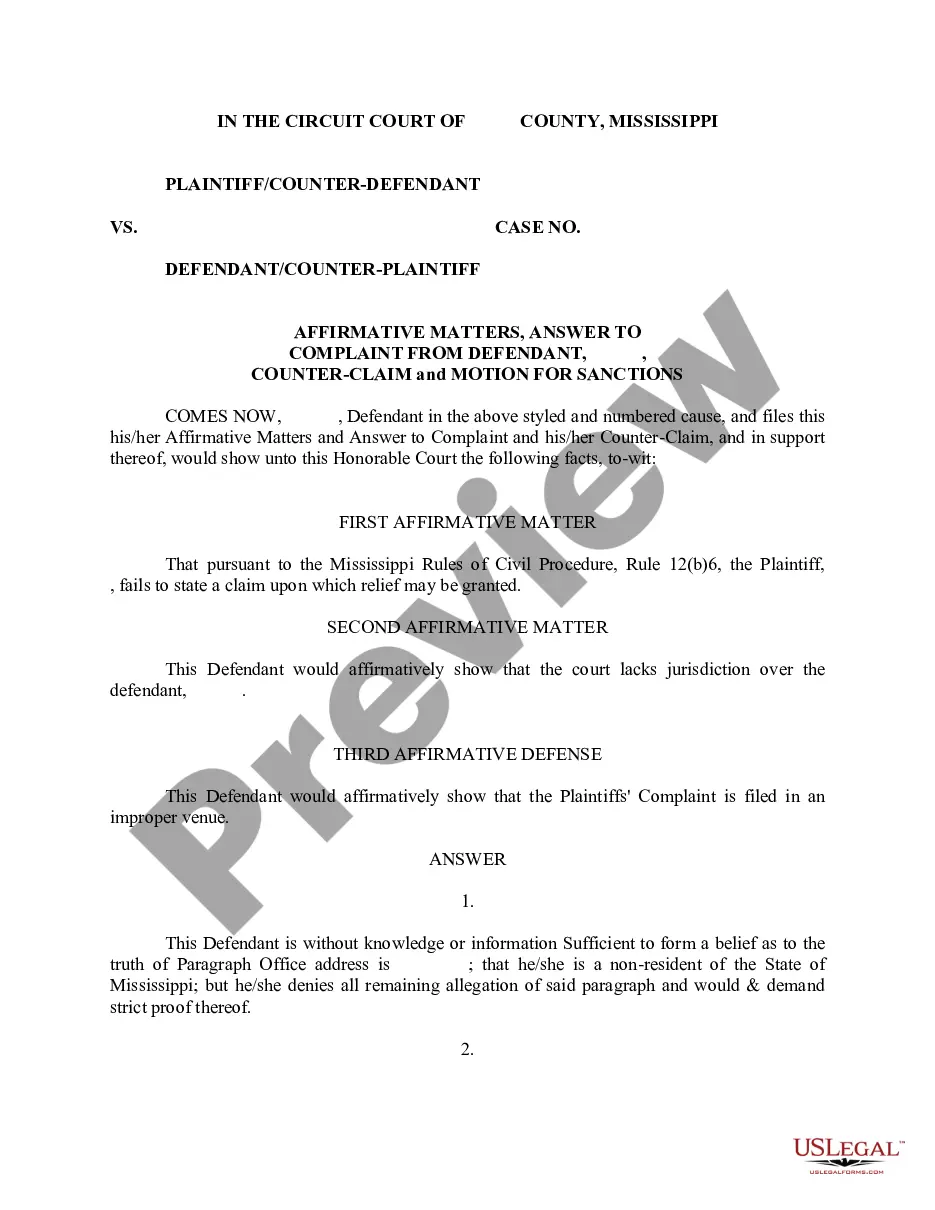
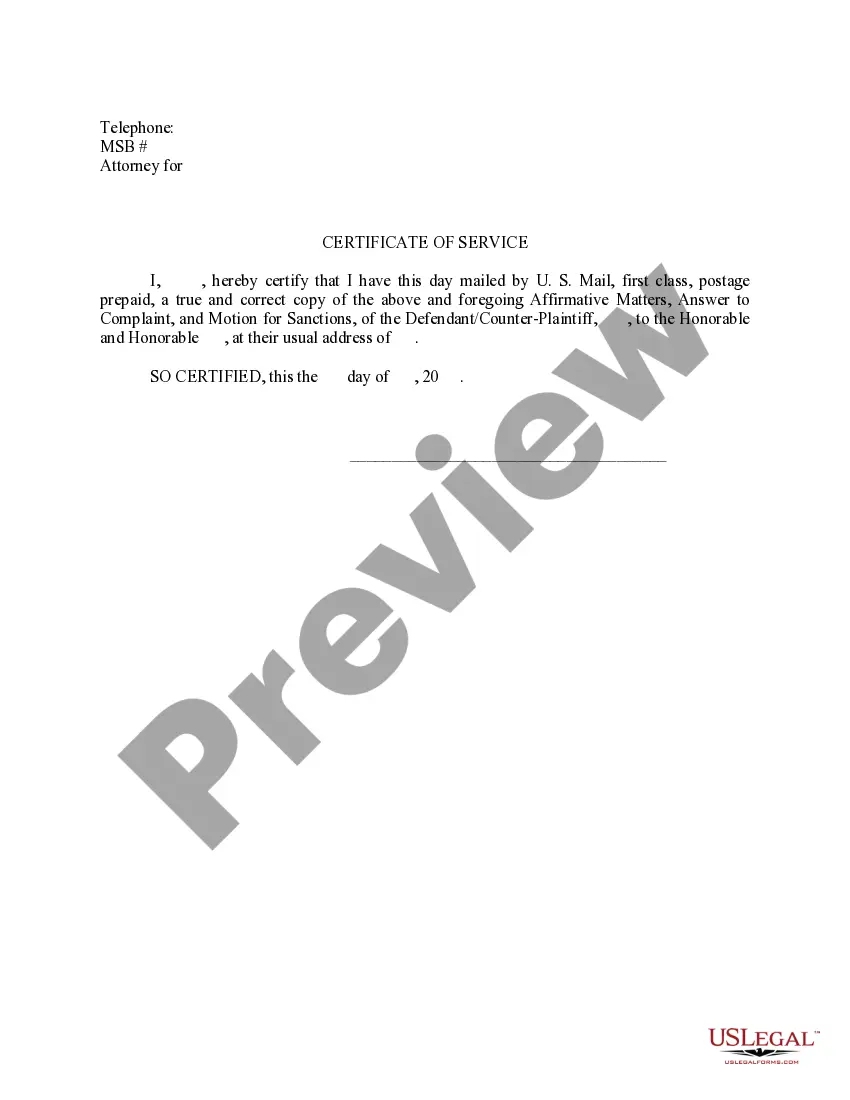
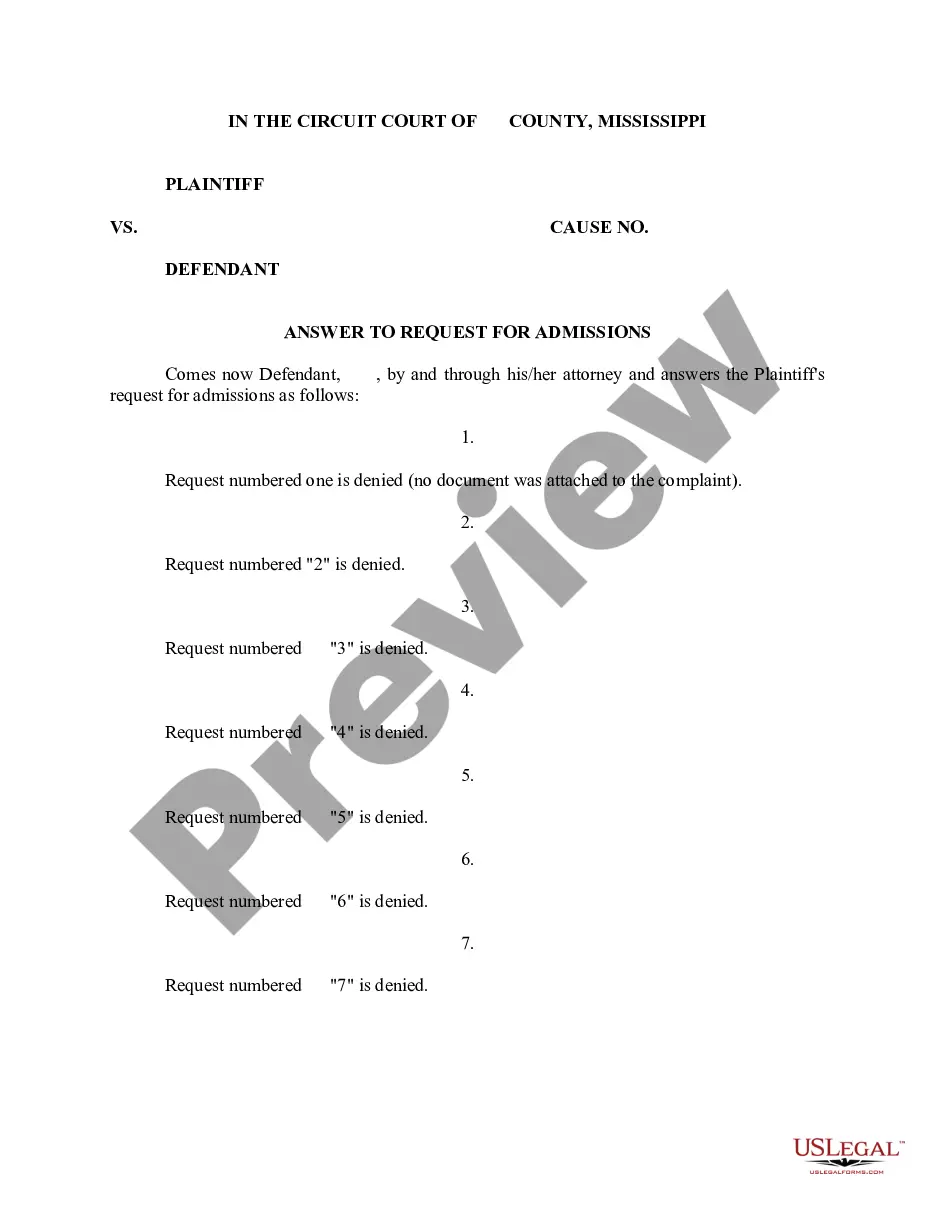
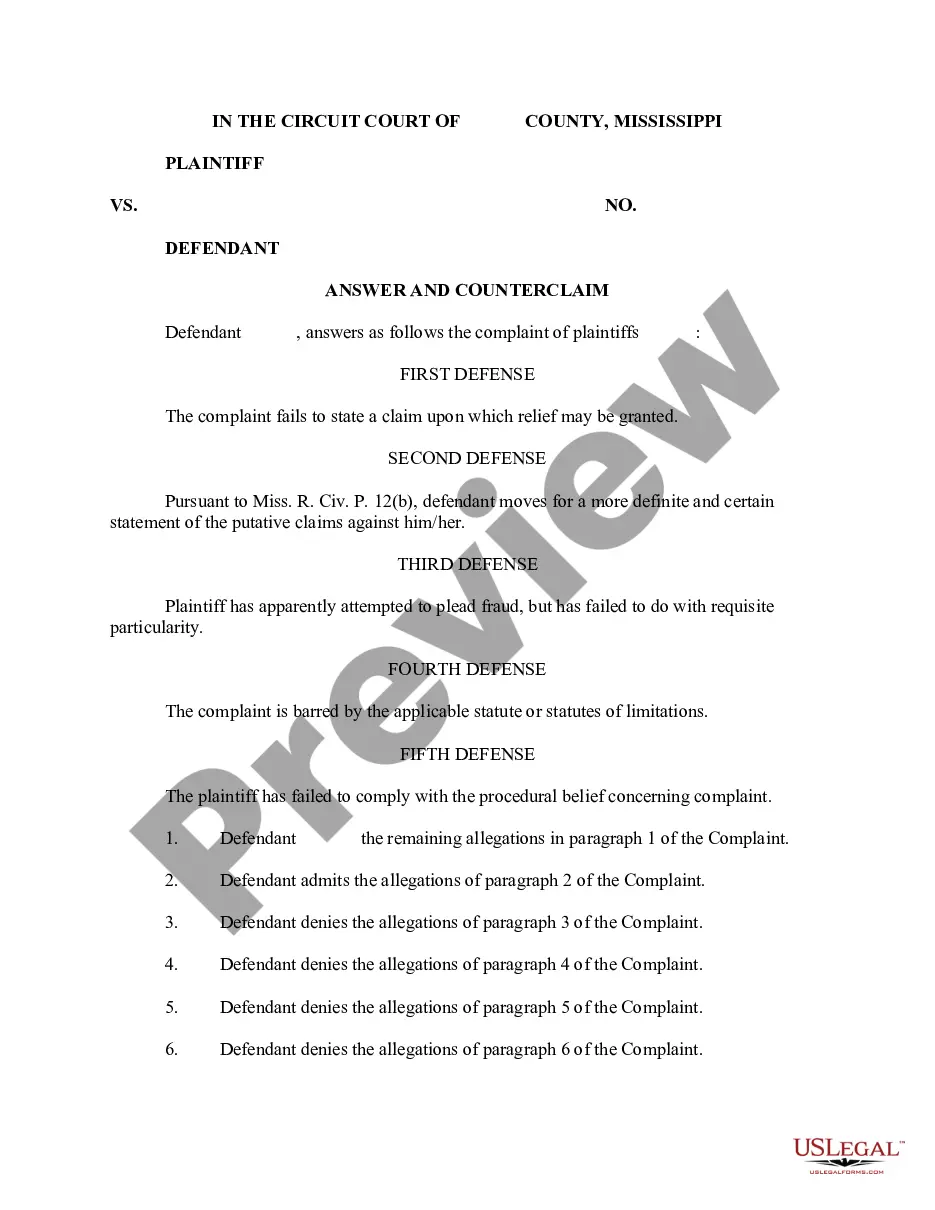
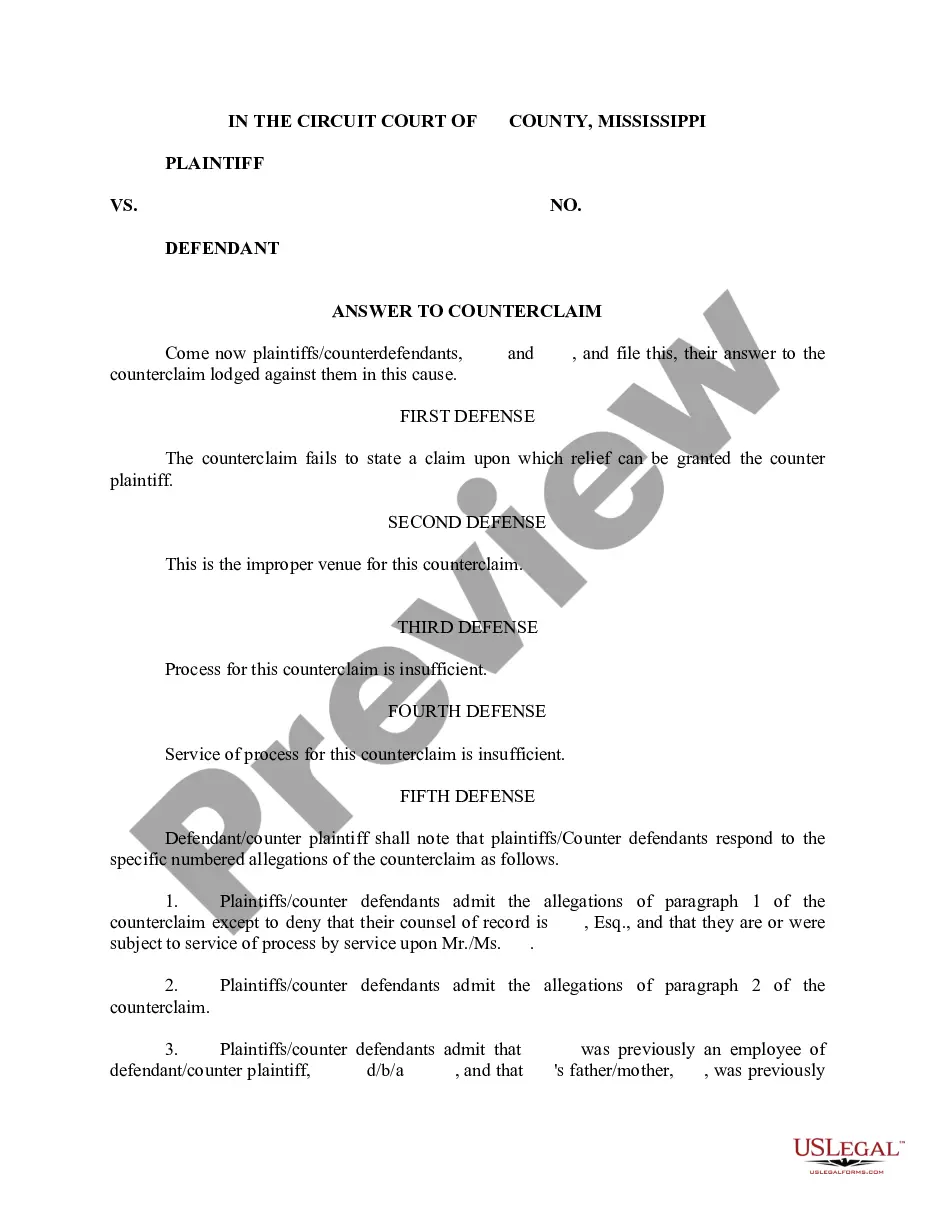
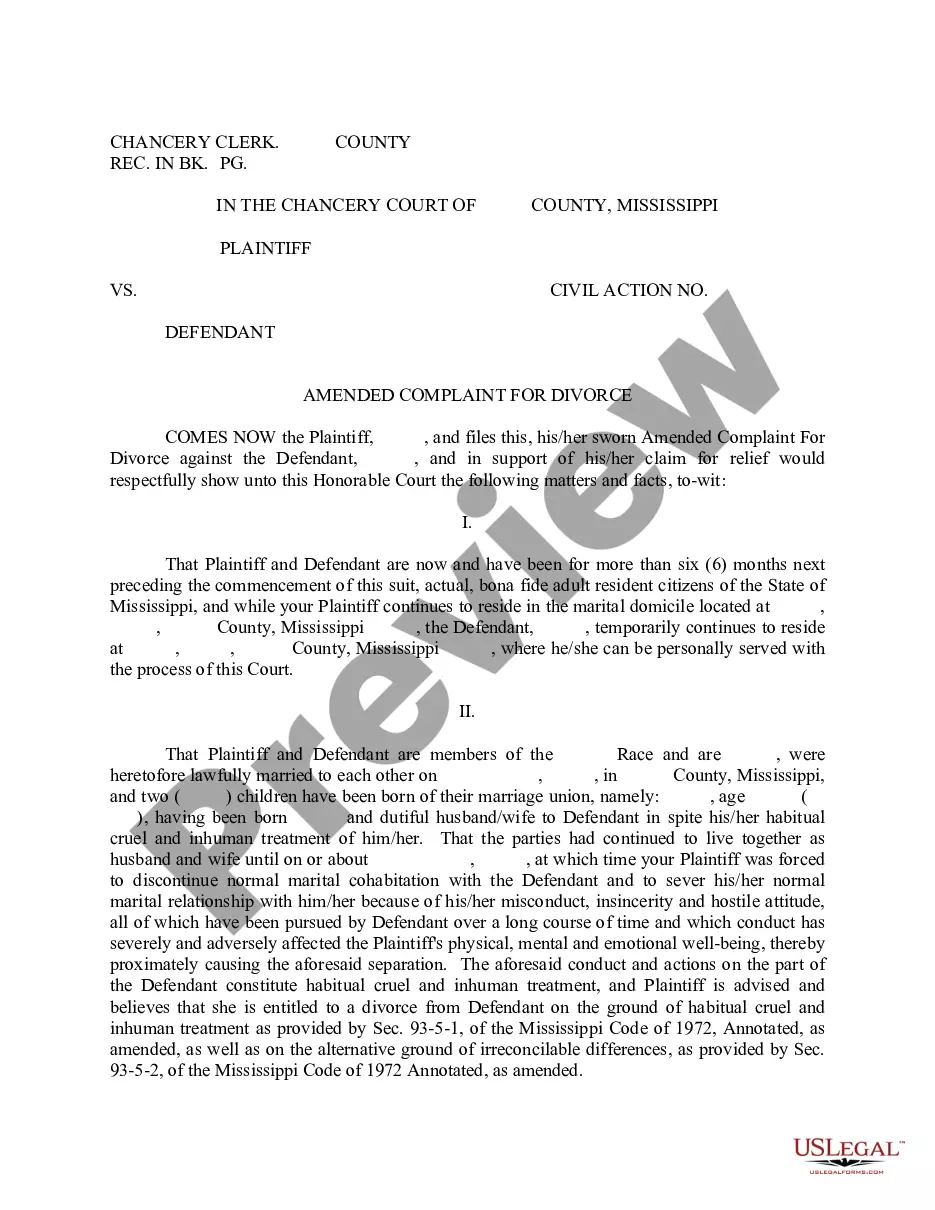
The Answers, Counterclaim and Motion for Sanctions is a legal document used in civil court proceedings. It serves as a formal response to a plaintiff's complaint while also including a counterclaim against the plaintiff. Additionally, this motion requests the court to impose sanctions on the plaintiff if their action is found to be frivolous or intended to harass the defendant. The form helps defendants assert their rights and defenses in a clear and structured manner.
Form components explained
- Introduction of the defendant and case details.
- Grounds for affirmative defenses, such as lack of jurisdiction and improper venue.
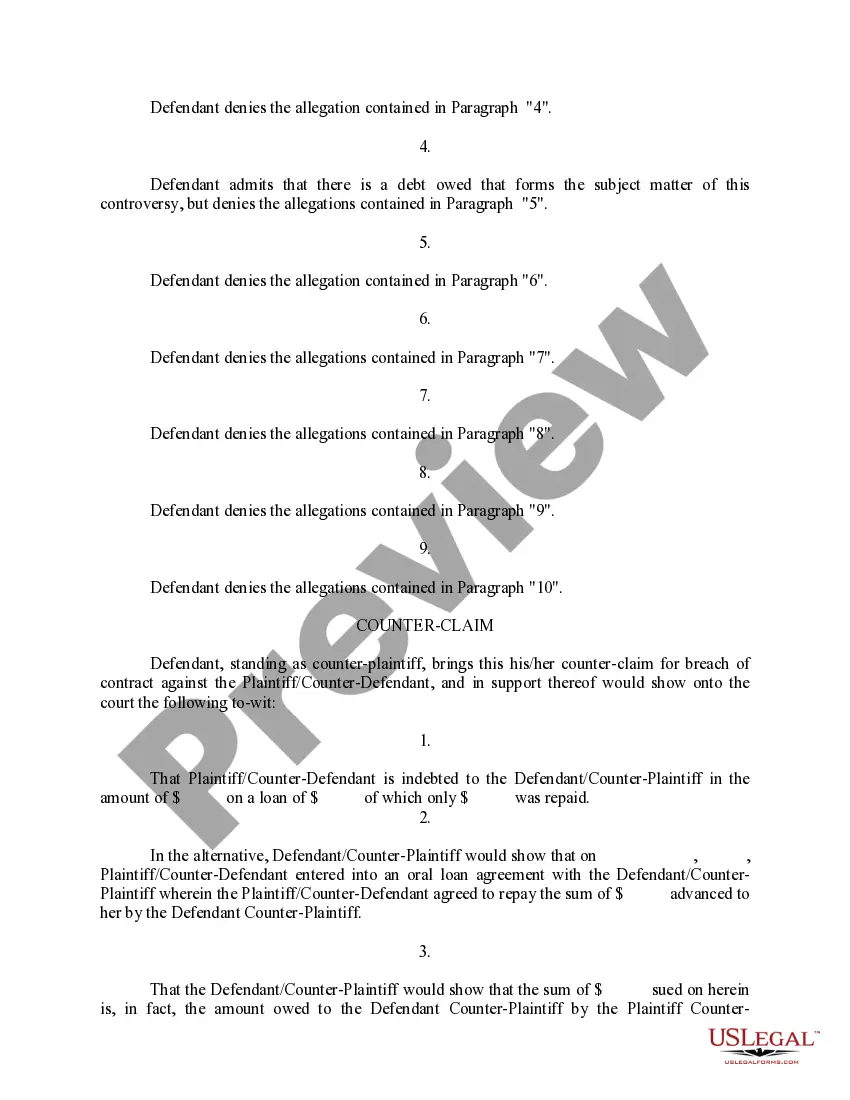
- Formal answer to the allegations stated in the plaintiff's complaint.
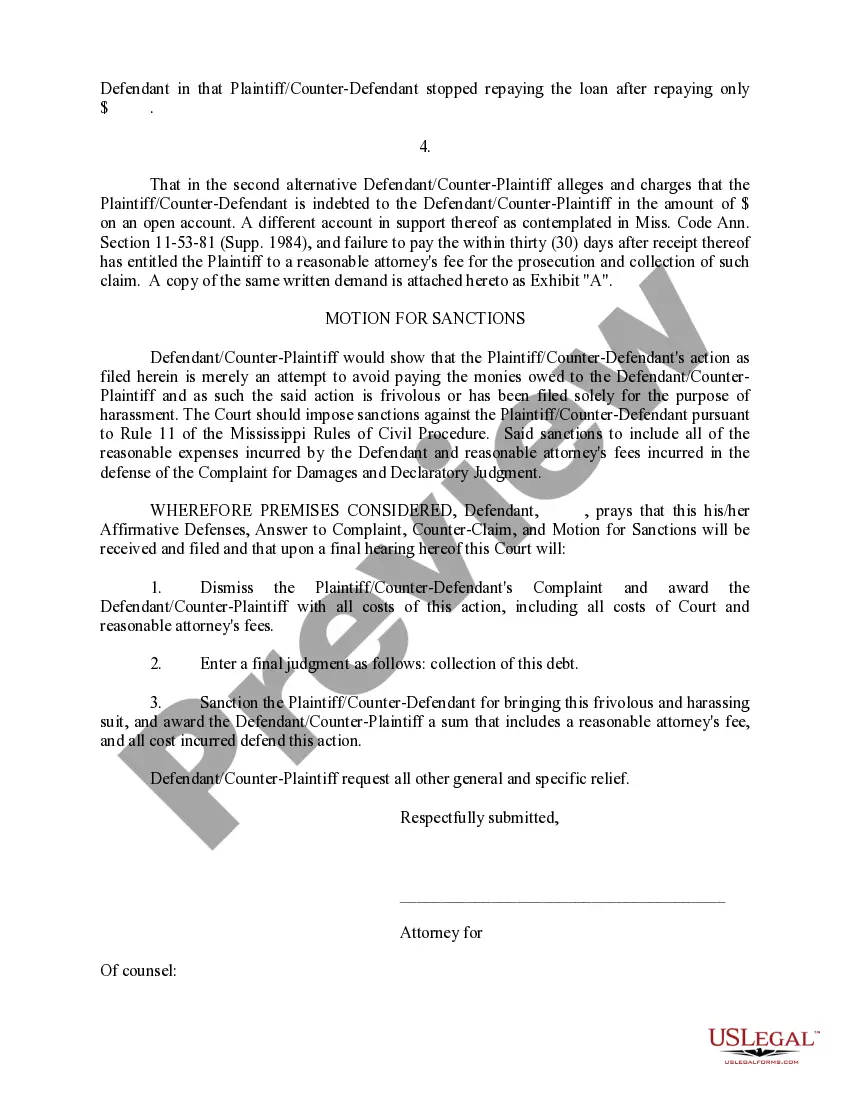
- Counterclaim outlining the defendant's claims against the plaintiff.
- Request for motion for sanctions, detailing the basis for seeking penalties against the plaintiff.
- Signature and date for verification and submission.
Situations where this form applies
This form should be used when a defendant receives a complaint that they wish to respond to formally. Situations may include when a defendant wants to dispute the claims made by the plaintiff, assert their own claims, or seek court sanctions against the plaintiff for filing a baseless lawsuit. It is essential in protecting the defendant's rights while addressing the issues at hand.
Intended users of this form
- Defendants in a civil lawsuit who have received a complaint.
- Individuals or entities looking to respond to allegations made against them legally.
- Parties who wish to assert a counterclaim as part of their defense.
- Those seeking to request sanctions against another party for frivolous or harassing litigation.
Completing this form step by step
- Identify the parties involved and correctly state their names in the appropriate sections.
- Outline your affirmative defenses clearly, providing factual bases for each point.
- Provide a detailed answer to each allegation found in the plaintiff's complaint, indicating agreement or disagreement as necessary.
- State the grounds for your counterclaim and specify the relief sought from the court.
- Sign and date the document before submission to the court.
Is notarization required?
Notarization is not commonly needed for this form. However, certain documents or local rules may make it necessary. Our notarization service, powered by Notarize, allows you to finalize it securely online anytime, day or night.
Get your form ready online
Our built-in tools help you complete, sign, share, and store your documents in one place.
Make edits, fill in missing information, and update formatting in US Legal Forms—just like you would in MS Word.
Download a copy, print it, send it by email, or mail it via USPS—whatever works best for your next step.
Sign and collect signatures with our SignNow integration. Send to multiple recipients, set reminders, and more. Go Premium to unlock E-Sign.
If this form requires notarization, complete it online through a secure video call—no need to meet a notary in person or wait for an appointment.
We protect your documents and personal data by following strict security and privacy standards.

Make edits, fill in missing information, and update formatting in US Legal Forms—just like you would in MS Word.

Download a copy, print it, send it by email, or mail it via USPS—whatever works best for your next step.

Sign and collect signatures with our SignNow integration. Send to multiple recipients, set reminders, and more. Go Premium to unlock E-Sign.

If this form requires notarization, complete it online through a secure video call—no need to meet a notary in person or wait for an appointment.

We protect your documents and personal data by following strict security and privacy standards.
Avoid these common issues
- Failing to accurately state the names or details of the parties involved.
- Omitting significant affirmative defenses or counterclaims.
- Completing the form without proper legal advice, leading to misunderstandings of legal rights.
- Not filing within the required time frame, which may result in a default judgment.
- Neglecting to sign the form, making it invalid upon submission.
Benefits of completing this form online
- Immediate access to a legally valid template formatted according to relevant rules.
- Convenience of downloading and completing the form at your own pace.
- Ability to edit the document as needed to fit your specific situation.
- Cost-effective compared to hiring legal counsel for basic responsive motions.
Looking for another form?


Form popularity
FAQ
"Civil" cases are the cases in which private citizens (or companies) sue each other in court.General civil cases, usually involving suing someone for money in disputes over things like contracts, damage to property, or someone getting hurt. Family law cases such as divorce, child support, child custody, and adoptions.
The definition of civil refers to something related to citizens or showing good manners and being polite. An example of civil is a war between citizens of a country. An example of civil is when you are polite and say hello to someone, even if you don't like him very much.
The U.S. legal system recognizes two fundamental types of court cases: civil suits are used to resolve disputes between individuals usually with a cash payment from one to the other; criminal cases are used by government (society) to determine whether a person has committed a crime for which the person needs to be
Four of the most important types of civil law deal with 1) contracts, 2) property, 3) family relations, and 4) civil wrongs causing physical injury or injury to property (tort). C. Contract law involves a contract, or a set of enforceable voluntary promises.