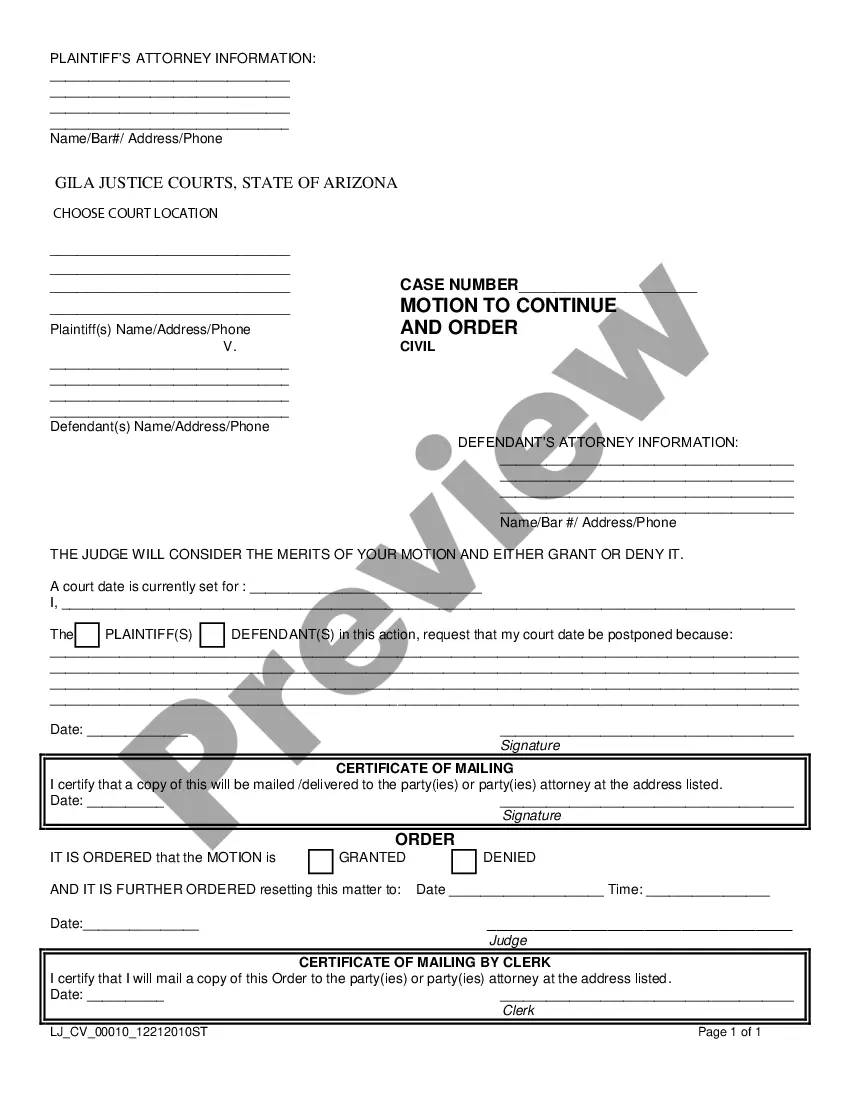
Mississippi Assignment of Lien - Individual
Overview of this form
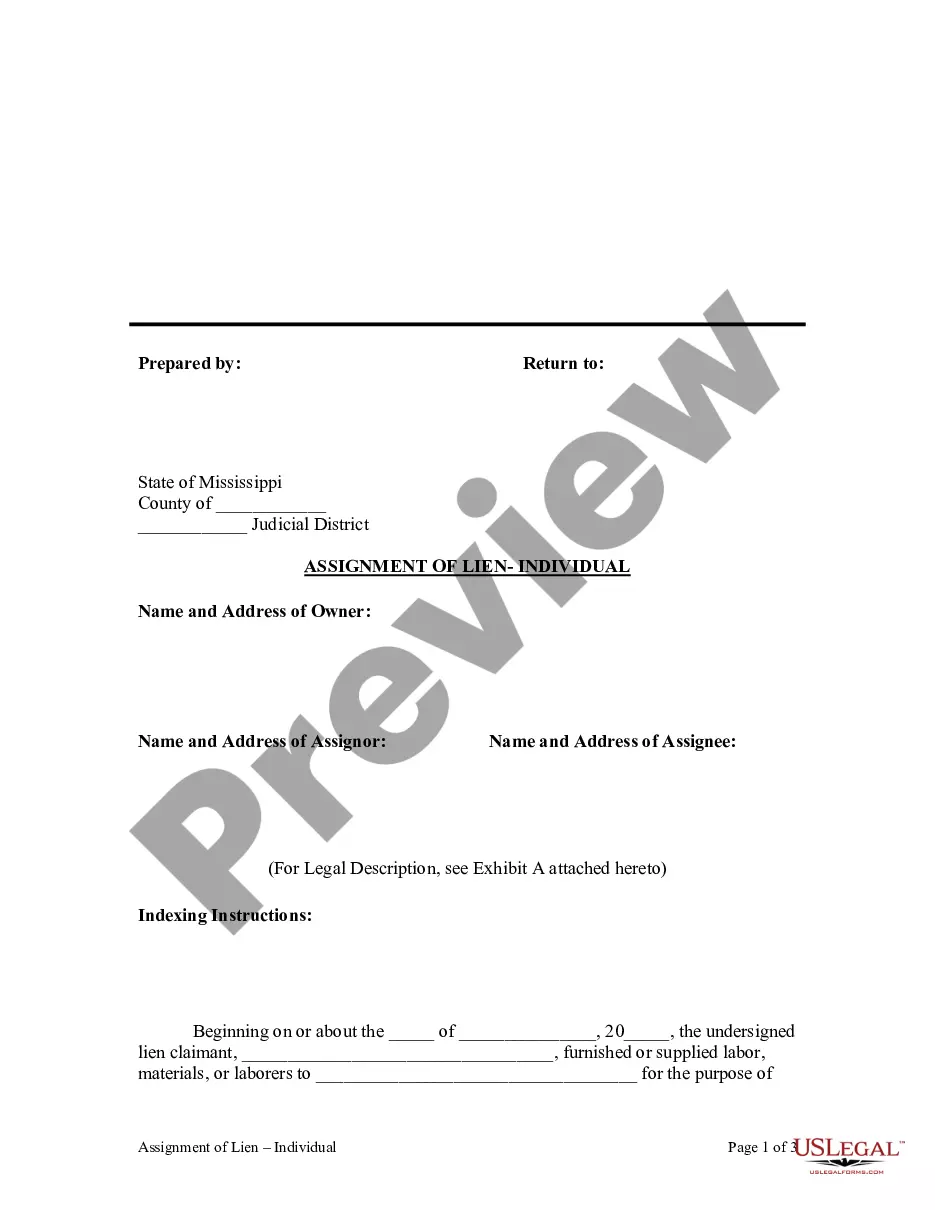
The Assignment of Lien - Individual form is a legal document used by an individual who has made improvements to real property through their labor or materials. This form allows the lien claimant to formally assign their lien rights to another individual. Unlike other lien forms, this specific form conveys not only the claim but also the rights and remedies associated with that claim under the law.
Key parts of this document
- Identification of the lien claimant.
- Details of the individual to whom the lien is assigned.
- Statement of the rights and remedies transferred with the assignment.
- Space for the date of assignment.
- Signature line for the lien claimant.

Common use cases
This form should be used when an individual who has supplied labor or materials for construction or improvements on real property decides to transfer their lien rights to another party. Such situations may arise when the original claimant can no longer pursue their claim or wishes to relinquish their rights to a third party.
Intended users of this form
- Individuals who have provided labor or materials for property improvements.
- Contractors or subcontractors looking to assign their lien rights.
- Anyone needing to formalize a lien assignment for legal or financial reasons.
Steps to complete this form
- Identify the lien claimant by entering their full name.
- Specify the individual receiving the assigned claim and lien.
- Clearly state the date on which the assignment is made.
- Sign the form in the designated area to validate the assignment.
Does this document require notarization?
To make this form legally binding, it must be notarized. Our online notarization service, powered by Notarize, lets you verify and sign documents remotely through an encrypted video session.
Get your form ready online
Our built-in tools help you complete, sign, share, and store your documents in one place.
Make edits, fill in missing information, and update formatting in US Legal Forms—just like you would in MS Word.
Download a copy, print it, send it by email, or mail it via USPS—whatever works best for your next step.
Sign and collect signatures with our SignNow integration. Send to multiple recipients, set reminders, and more. Go Premium to unlock E-Sign.
If this form requires notarization, complete it online through a secure video call—no need to meet a notary in person or wait for an appointment.
We protect your documents and personal data by following strict security and privacy standards.

Make edits, fill in missing information, and update formatting in US Legal Forms—just like you would in MS Word.

Download a copy, print it, send it by email, or mail it via USPS—whatever works best for your next step.

Sign and collect signatures with our SignNow integration. Send to multiple recipients, set reminders, and more. Go Premium to unlock E-Sign.

If this form requires notarization, complete it online through a secure video call—no need to meet a notary in person or wait for an appointment.

We protect your documents and personal data by following strict security and privacy standards.
Typical mistakes to avoid
- Failing to include the full names of both parties involved.
- Not specifying the date of the assignment.
- Missing the signature of the lien claimant.
- Using vague wording that does not clearly transfer the lien rights.
Benefits of completing this form online
- Instant access to a professionally drafted legal form.
- Easy to download and fill out at your convenience.
- Editable templates allow for customization to meet specific needs.
What to keep in mind
- The Assignment of Lien - Individual form allows for the assignment of lien rights from one individual to another.
- This form is especially useful for those who provide labor or materials on construction projects.
- Completing the form accurately is crucial to ensure the legal transfer of rights.
Looking for another form?
Form popularity
FAQ
Directly under the statement Assignment of title by registered owner, write in the date the car was sold. On the next line, write in the name or names of the buyers and their address. On the next line, write in the odometer reading. Where it says Signature(s) of buyer, the buyer or buyers must sign the title.
Obtain a properly assigned title from the seller. Complete an Application for Mississippi Title and License (Form 78-002). Visit your local MS DOR office. Pay the appropriate title transfer fees, taxes, and registration fees.
You have 30 days to register your vehicle(s) in Mississippi if you have a current registration (license plate) in your prior state of residence. If you do not register within 30 days of moving into this state, you will be charged the standard late fees and a $250 penalty.
You must complete Form 78-006200b Application for Replacement Certificate of Title and pay a $9.00 fee. For a Fast Track title, complete Form 78-026 and pay a $39.00 fee. If you are planning either to buy or sell a vehicle and that vehicle's title is missing, the owner of the vehicle must apply for a duplicate title.
Visit your local MS DOR office so you can complete the Application for Replacement Certificate of Title (Form 78-006). Make sure to have the fee included, which is $9. The process typically takes about 14 days.
There are only nine title-holding states: Kentucky, Maryland, Michigan, Minnesota, Missouri, Montana, New York, Oklahoma, Wisconsin. In the other 41 states, titles are issued to the lien holder of your vehicle until the loan is fully paid off.
Prepare the lien document, taking care to include all the necessary information set forth above including the required statements. Sign the document. Deliver the lien must the office of the clerk of the chancery court of the county where the property is located.
If you have the California Certificate of Title for the vehicle, the seller signs the title to release ownership of the vehicle. The buyer should then bring the signed title to a DMV office to apply for transfer of ownership.
Generally, the title transfer requirements include: The current title, the assignment filled in by the donor or seller, and notarized. A complete application for the replacement certificate of title.