Mississippi Judgment regarding Boundary Line Dispute
What is this form?
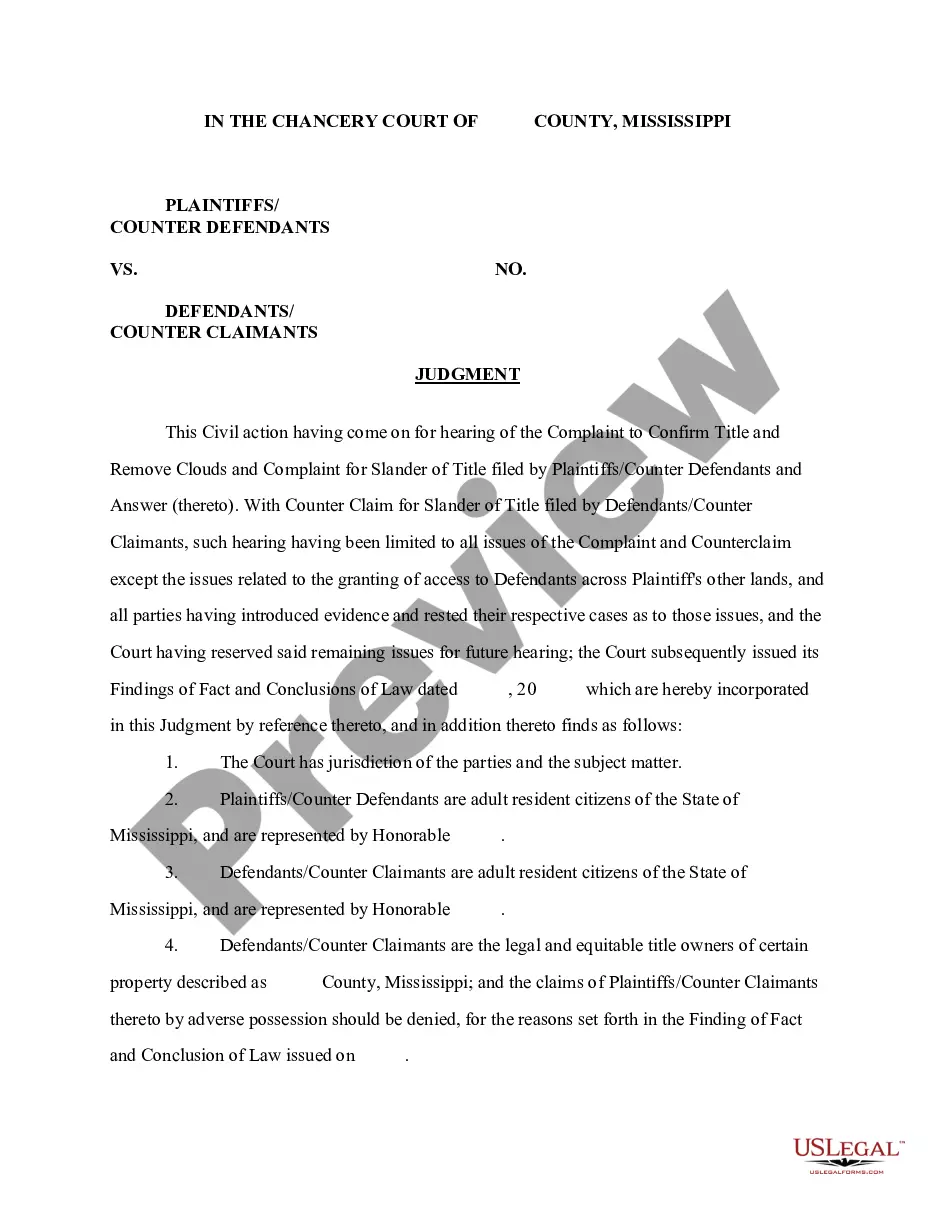
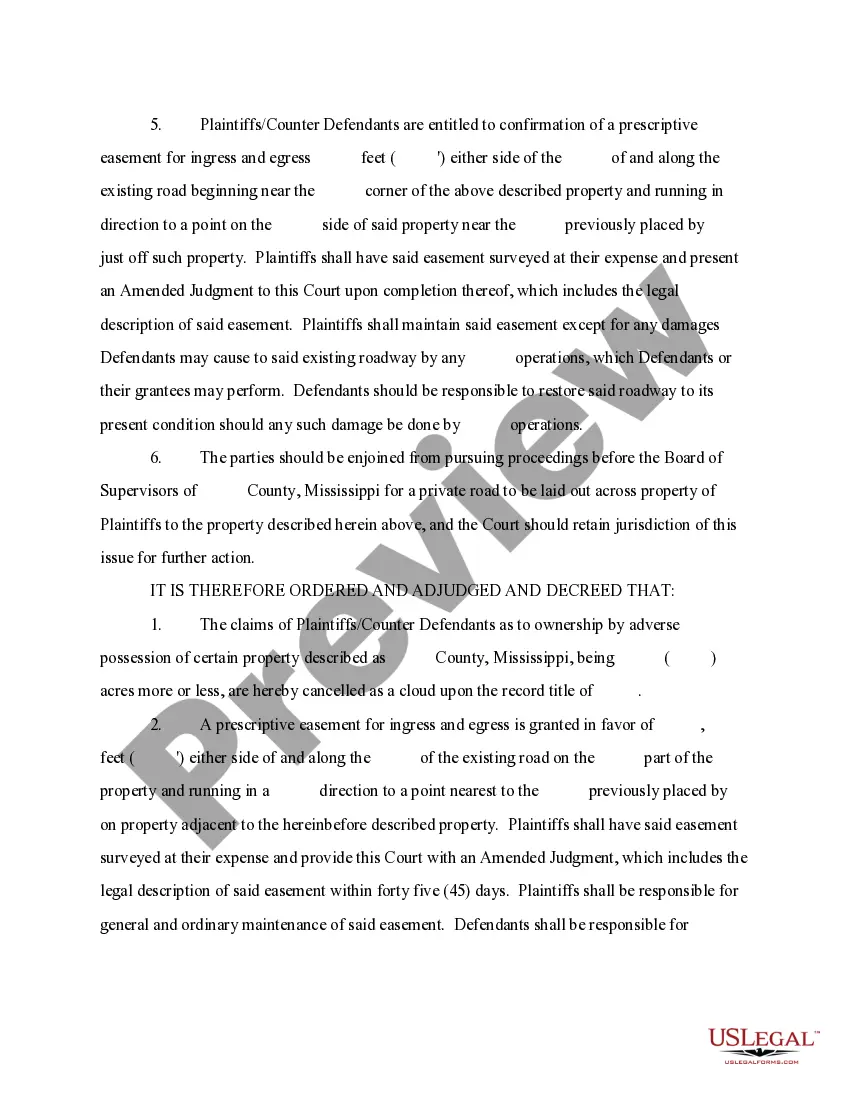
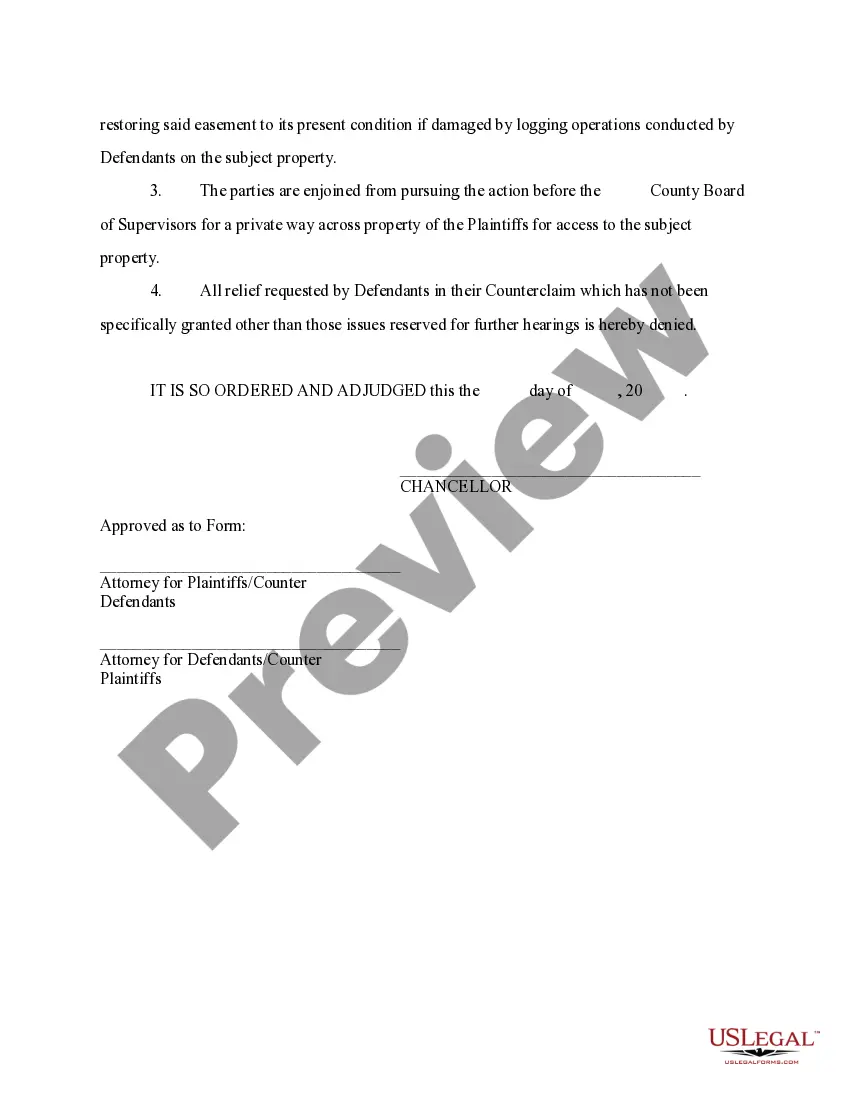
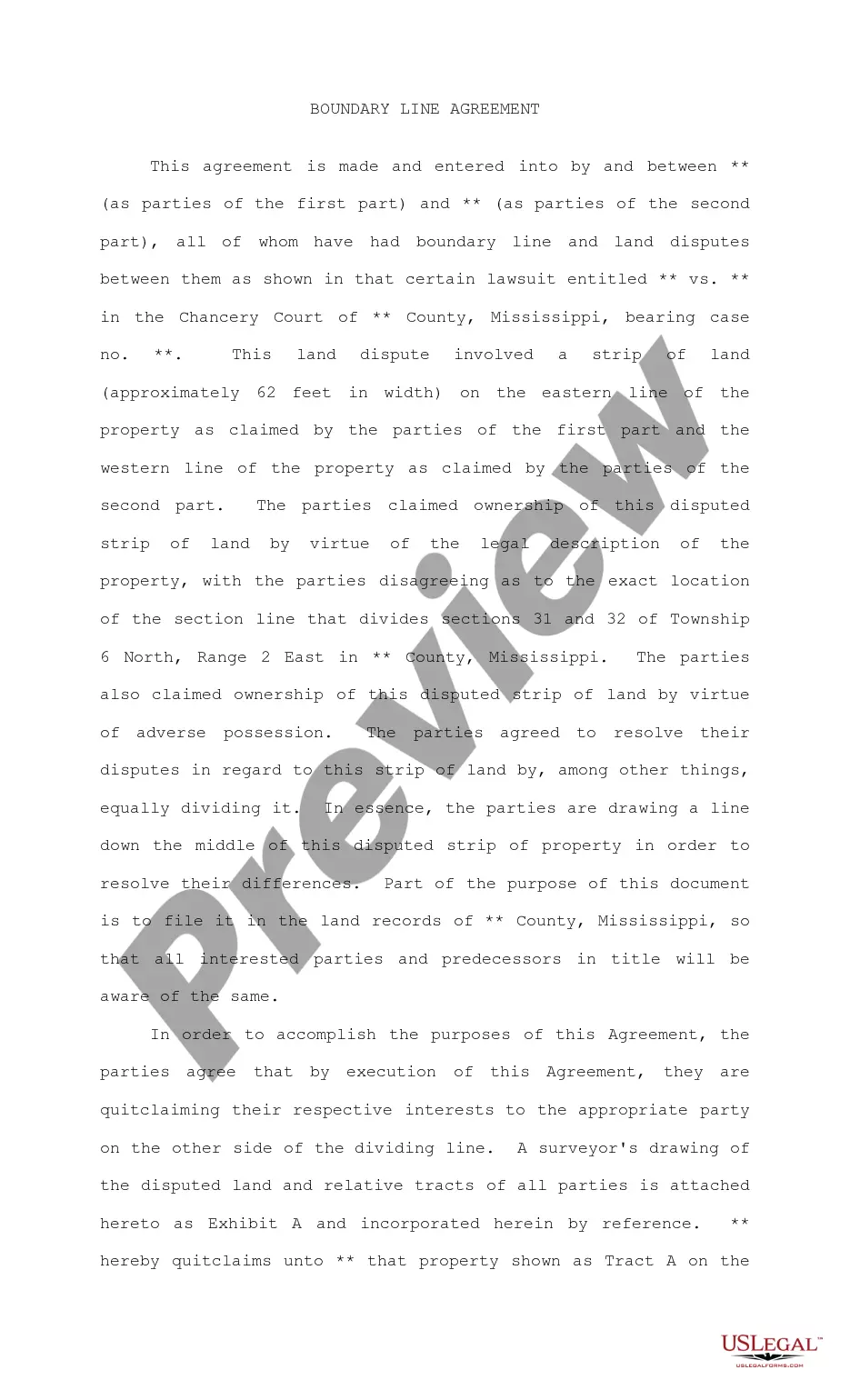
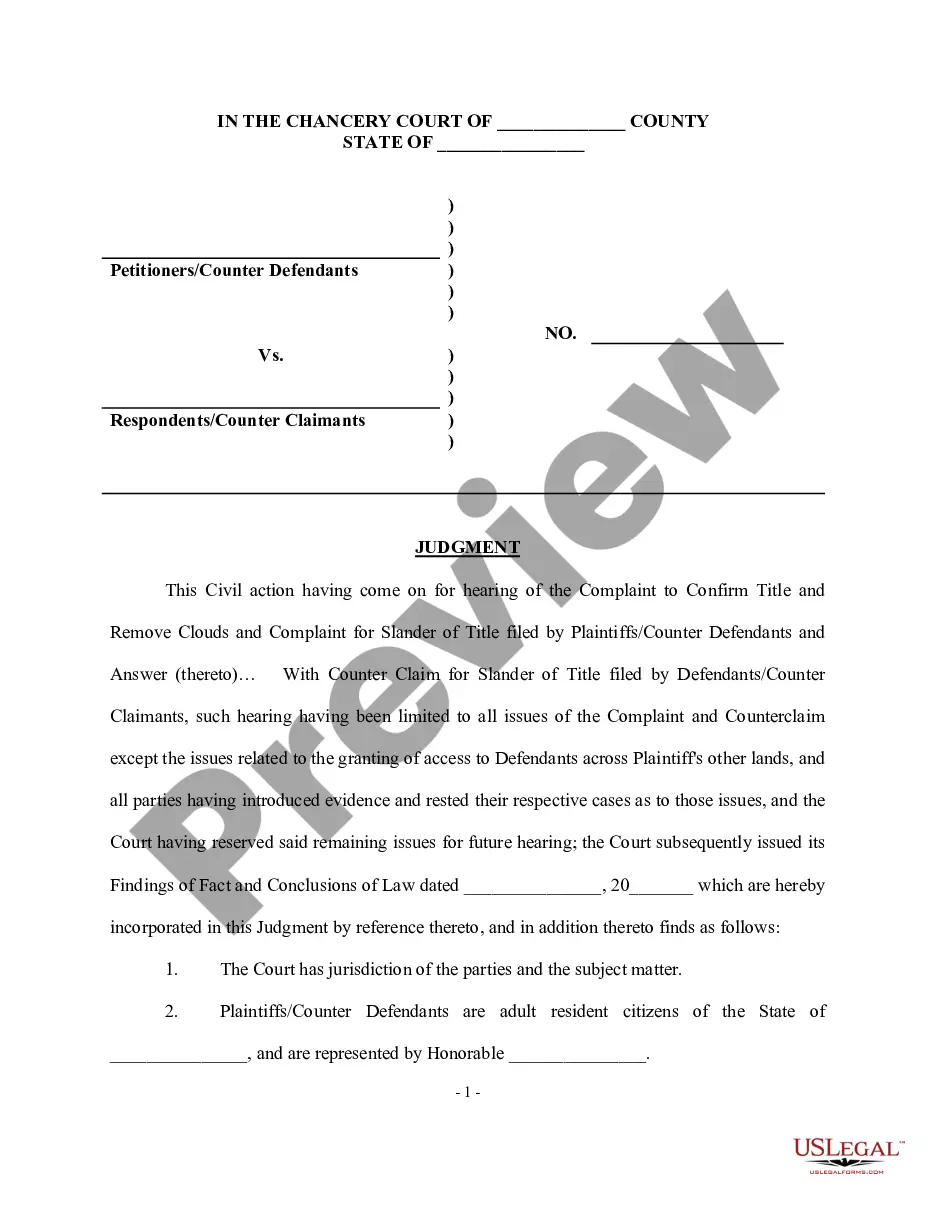
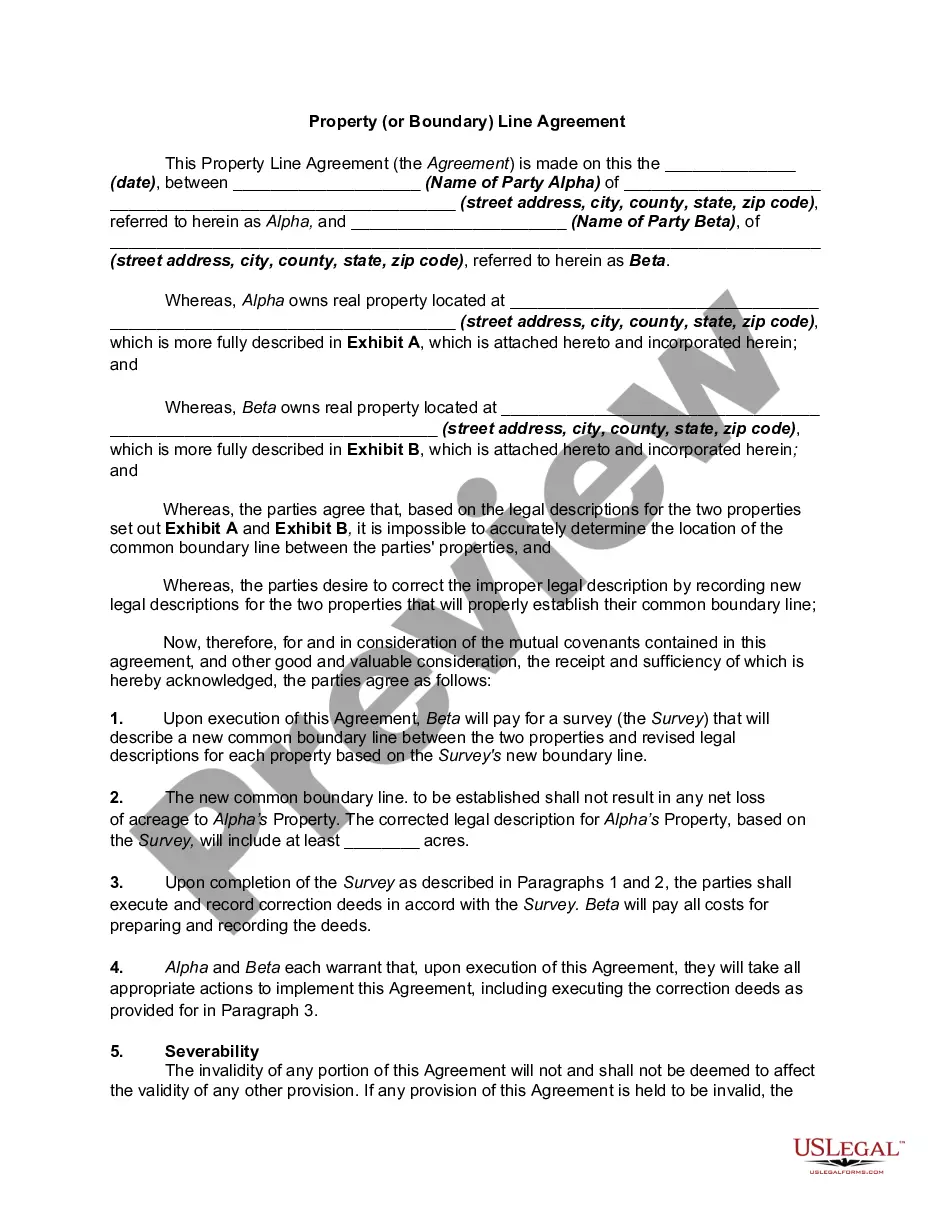
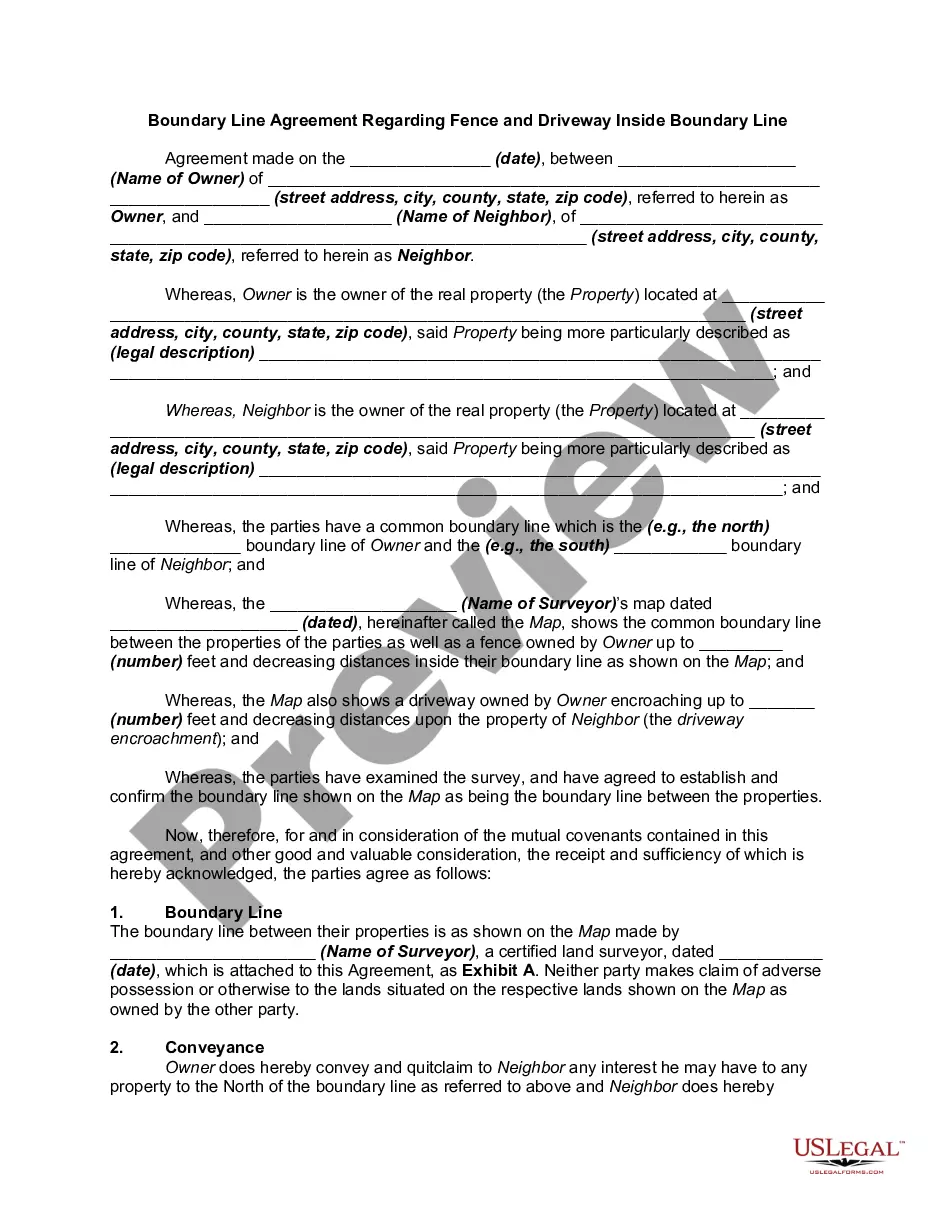
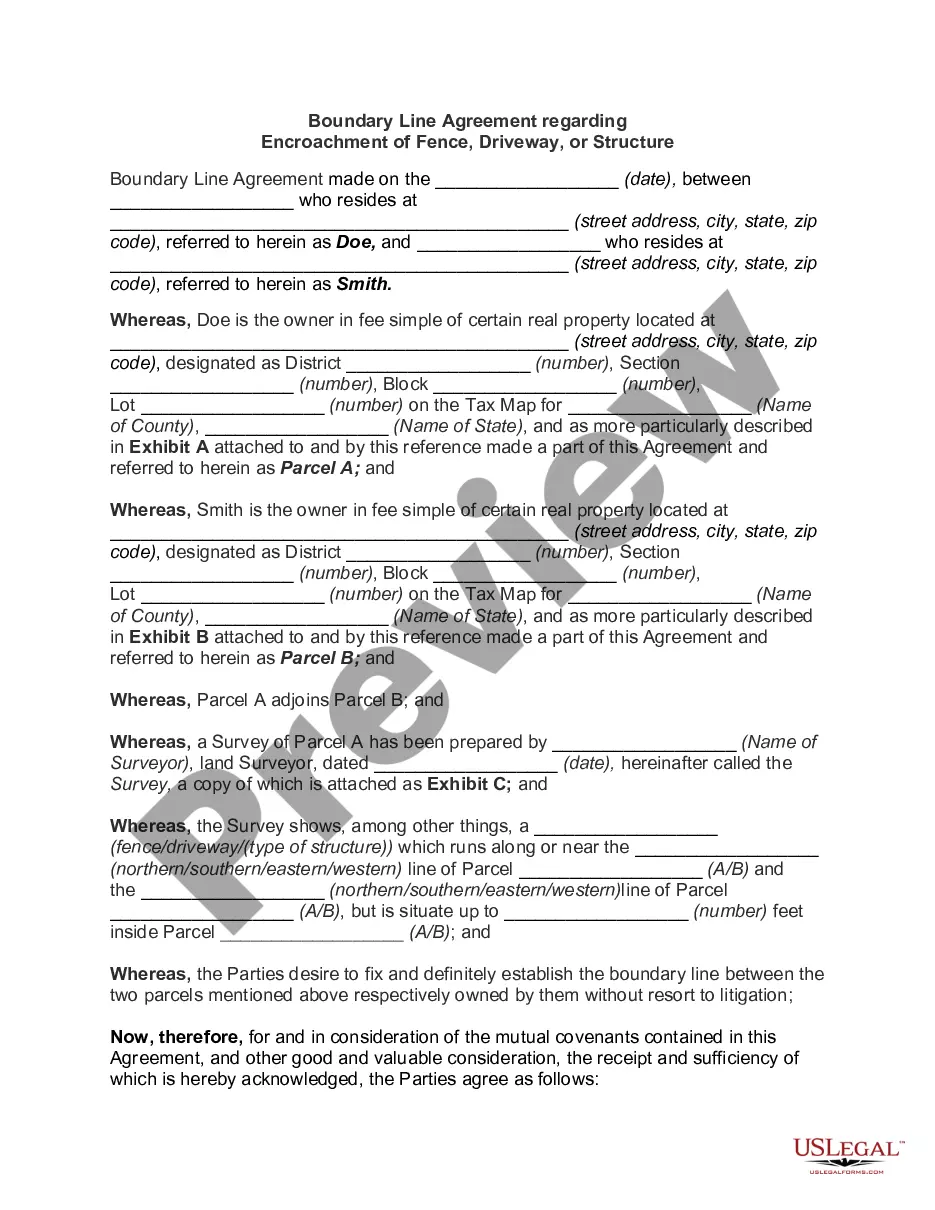
The Judgment regarding Boundary Line Dispute is a legal document that formalizes a court's decision in boundary disputes between property owners. Unlike general judgment forms, this document specifically addresses the resolution of disputes related to property lines, clearly stating the court's findings and orders. Once signed by the judge, it becomes a binding decision for the parties involved.
Main sections of this form
- Identifying information for the attorneys representing both parties.
- Details of the dispute, including property descriptions and relevant case facts.
- The court's orders regarding the boundary line determination.
- Signature section for the presiding judge to finalize the judgment.
When to use this document
This form is used when a court has resolved a boundary line dispute between adjacent property owners. It is essential after a trial or a hearing where evidence has been presented, and a judge must formalize the decision regarding the location of property lines. If there are disagreements about the exact boundaries of a property, this document serves to clarify and enforce the ruling made by the court.
Who this form is for
- Property owners engaged in a boundary dispute.
- Attorneys representing clients in property litigation.
- Individuals seeking to enforce a court's ruling on property boundaries.
How to complete this form
- Identify the parties involved in the dispute and their attorneys.
- Specify the property in question by including the legal description.
- Outline the court's findings and orders regarding the boundary determination.
- Ensure all required signatures are obtained, particularly from the judge.
- File the completed judgment with the court clerk as required by local rules.
Notarization guidance
In most cases, this form does not require notarization. However, some jurisdictions or signing circumstances might. US Legal Forms offers online notarization powered by Notarize, accessible 24/7 for a quick, remote process.
Get your form ready online
Our built-in tools help you complete, sign, share, and store your documents in one place.
Make edits, fill in missing information, and update formatting in US Legal Forms—just like you would in MS Word.
Download a copy, print it, send it by email, or mail it via USPS—whatever works best for your next step.
Sign and collect signatures with our SignNow integration. Send to multiple recipients, set reminders, and more. Go Premium to unlock E-Sign.
If this form requires notarization, complete it online through a secure video call—no need to meet a notary in person or wait for an appointment.
We protect your documents and personal data by following strict security and privacy standards.

Make edits, fill in missing information, and update formatting in US Legal Forms—just like you would in MS Word.

Download a copy, print it, send it by email, or mail it via USPS—whatever works best for your next step.

Sign and collect signatures with our SignNow integration. Send to multiple recipients, set reminders, and more. Go Premium to unlock E-Sign.

If this form requires notarization, complete it online through a secure video call—no need to meet a notary in person or wait for an appointment.

We protect your documents and personal data by following strict security and privacy standards.
Common mistakes to avoid
- Failing to include complete property descriptions.
- Not obtaining the judge's signature, making the document unenforceable.
- Submitting the form without reviewing local court requirements.
Why complete this form online
- Convenience of downloading the form anytime from home.
- Editability allows for easy customization to fit specific circumstances.
- Access to professionally drafted legal content, ensuring compliance with applicable laws.
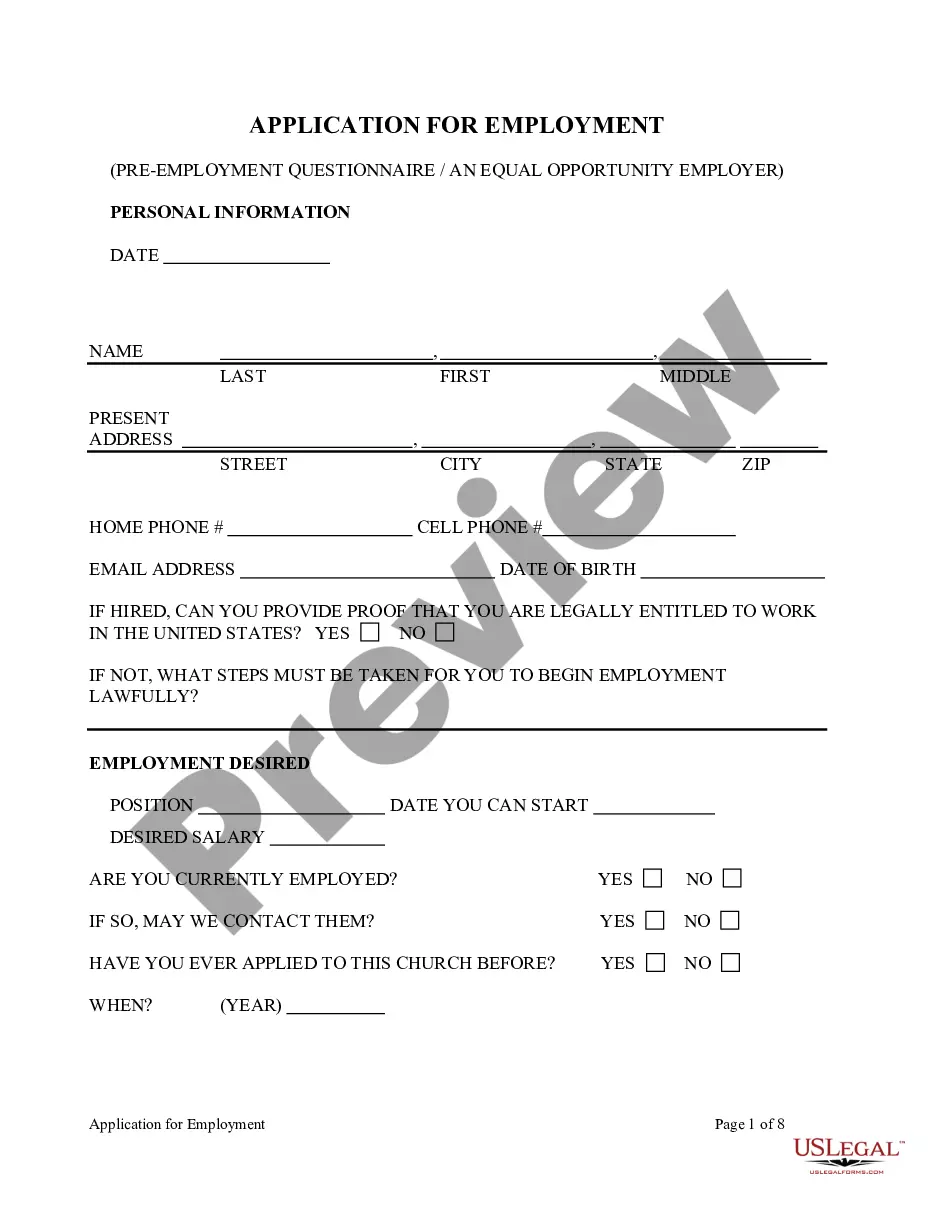
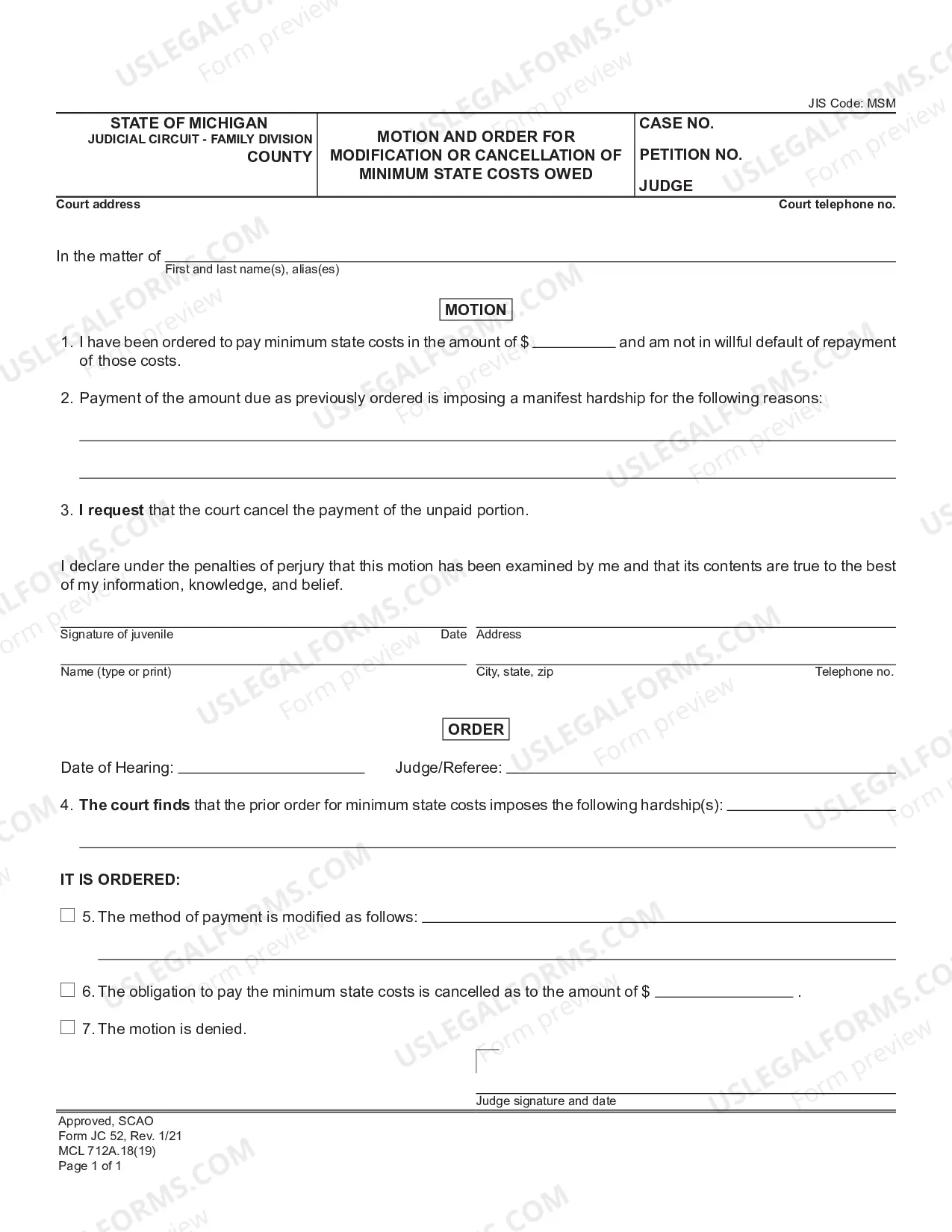
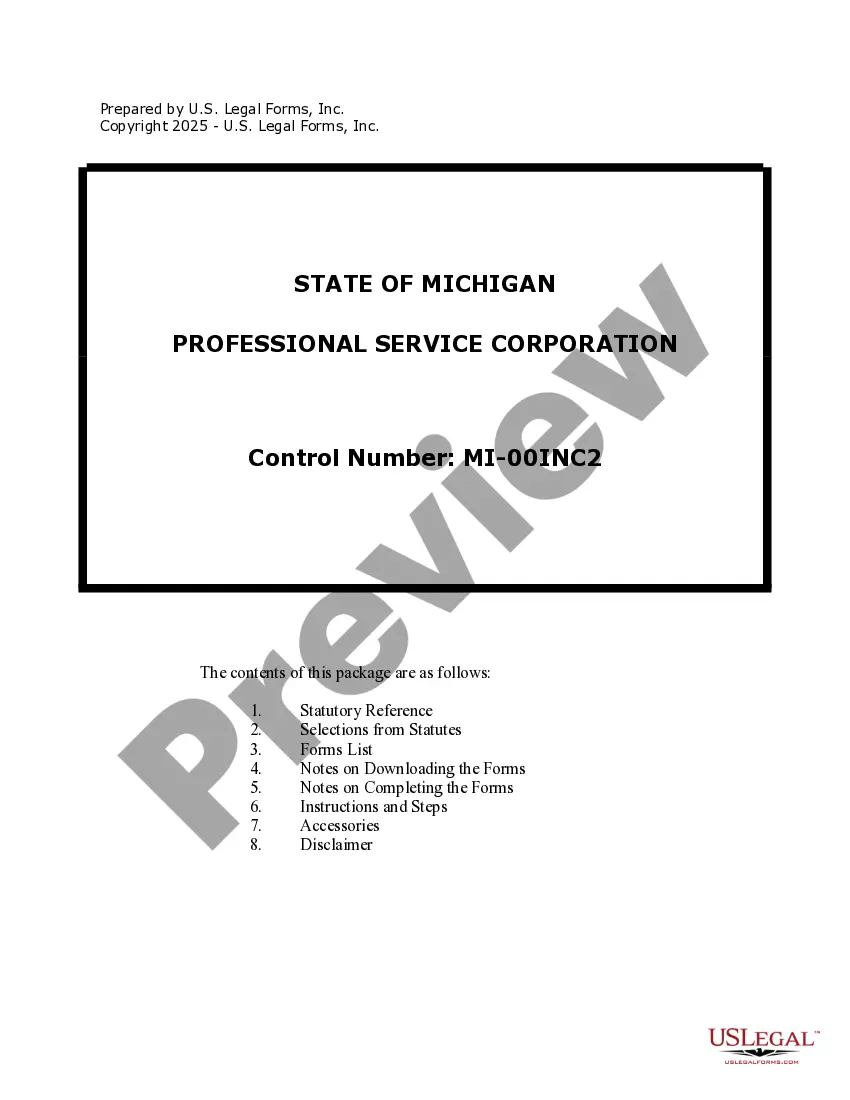
Looking for another form?


Form popularity
FAQ
Talk to your neighbor: Your neighbor may be willing to move whatever is on your property over to theirs if it's something like a garden or something else that can be easily moved. Sell the land to your neighbor: Another option would be to sell the land that's being encroached upon by your neighbor to that neighbor.
Use of land belonging to another. There must be a claim of ownership. The use must be adverse to the interests of the true owner. Open, notorious and visible. Continuous and uninterrupted. Exclusive use. Peaceful use. The fence or driveway exception.
Family settlement/ Partition suit in family disputes pertaining to property. The first step towards any litigation including a partition of property suit is to carefully draft and send a legal notice to the other legal heirs of the property related to family property partition/ settlement.
As a last resort, if you feel confident that your property is being encroached upon, you can file a claim in court and ask a judge to decide the boundariesbut the more you involve the legal system, the more cost you will incur.
If all else fails, and you decide to take legal action about the boundary, please note that there is normally a strict time limit of 12 years within which action can be taken.
By suggesting that one party or the other should apply to the Revenue Officer to fix the limits, under section 101 (1) of the Punjab Land Revenue Act. by appointing a local Commissioner, and. by the Court itself making a local enquiry.
Stay civil. Don't use this disagreement to vent months or years of anger at your neighbor. Hire a surveyor. Check your community's laws. Try to reach a neighbor-to-neighbor agreement. Use a mediator. Have your attorney send a letter. File a lawsuit.
A Land Survey Works Wonders for Boundary Disputes. If you feel like your neighbor has or is developing on top of your land, you may want to get a professional land survey. Talk it Over and Offer Concessions. Bring on a Neutral Third Party. Hire a Qualified Estate Attorney.