Mississippi Agreement to Retire Subordinated Debt
Understanding this form
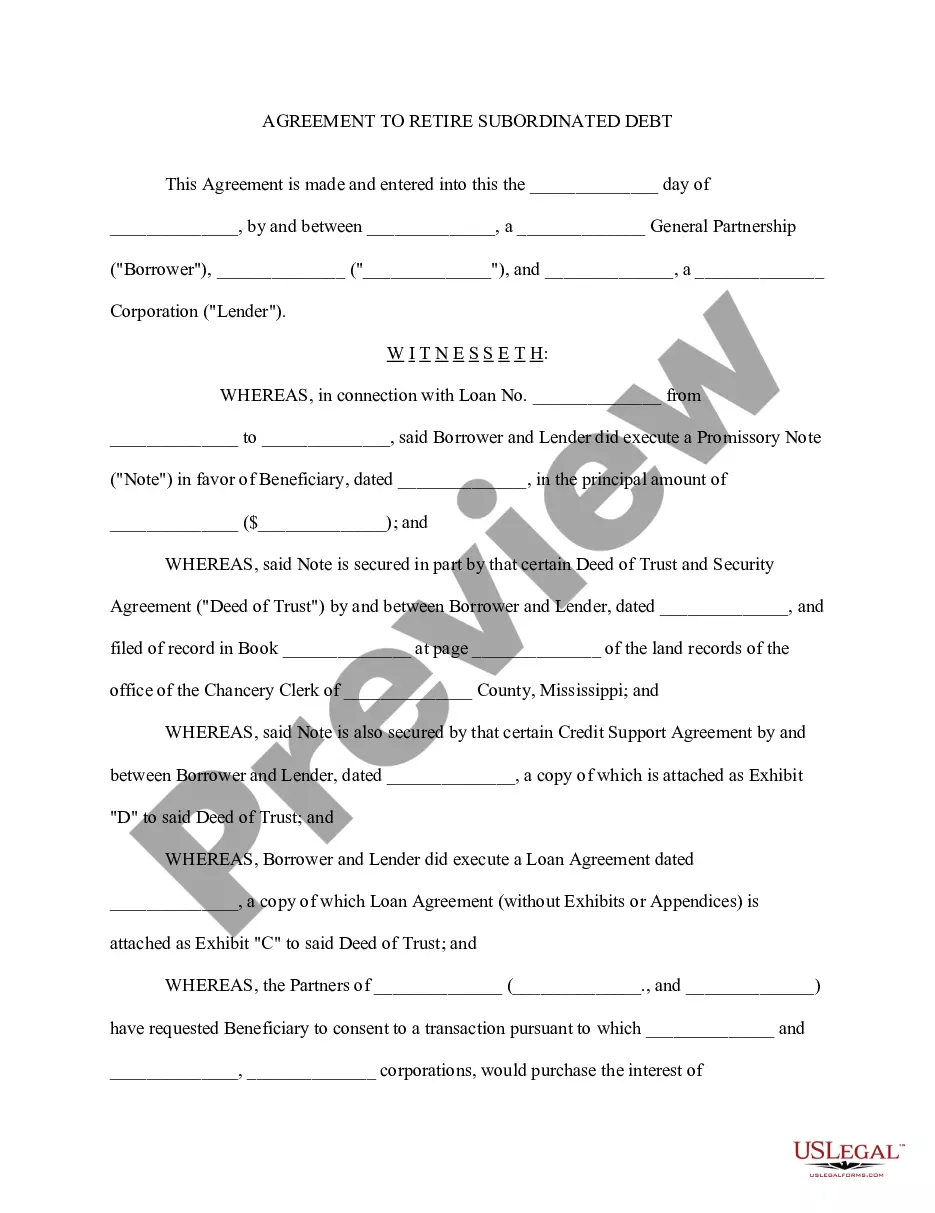
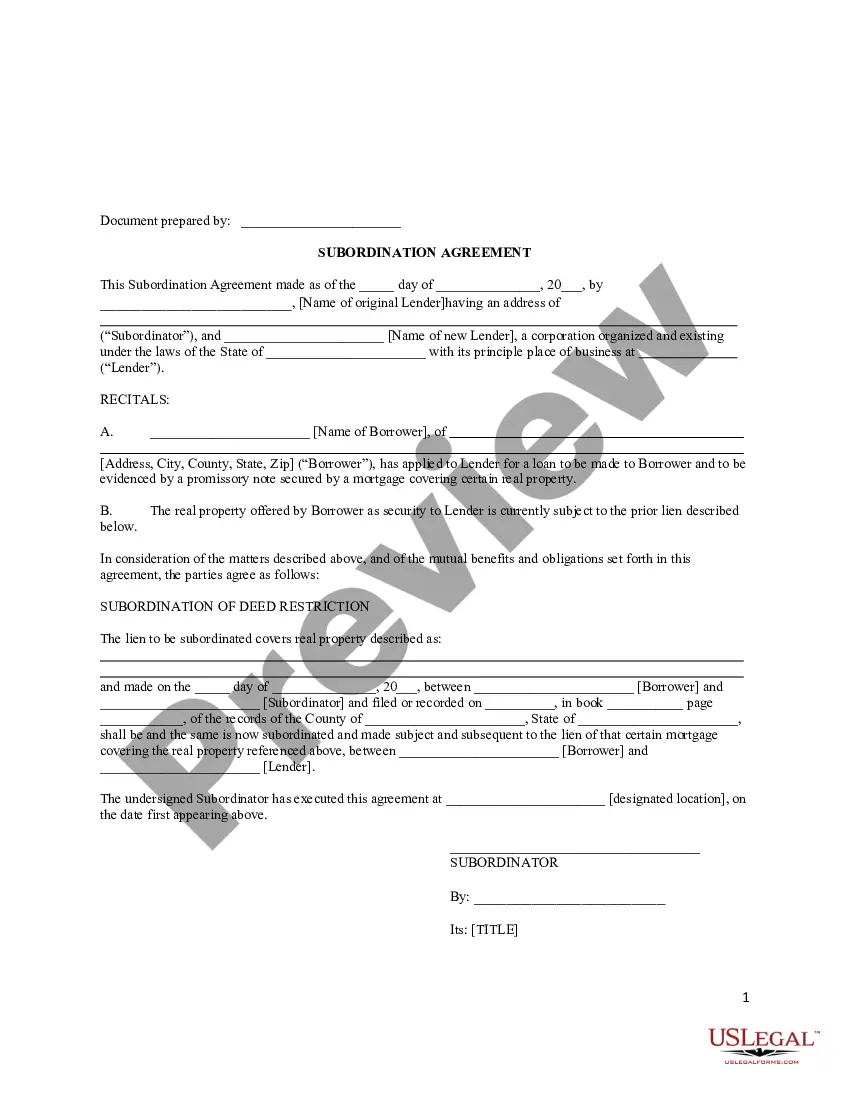
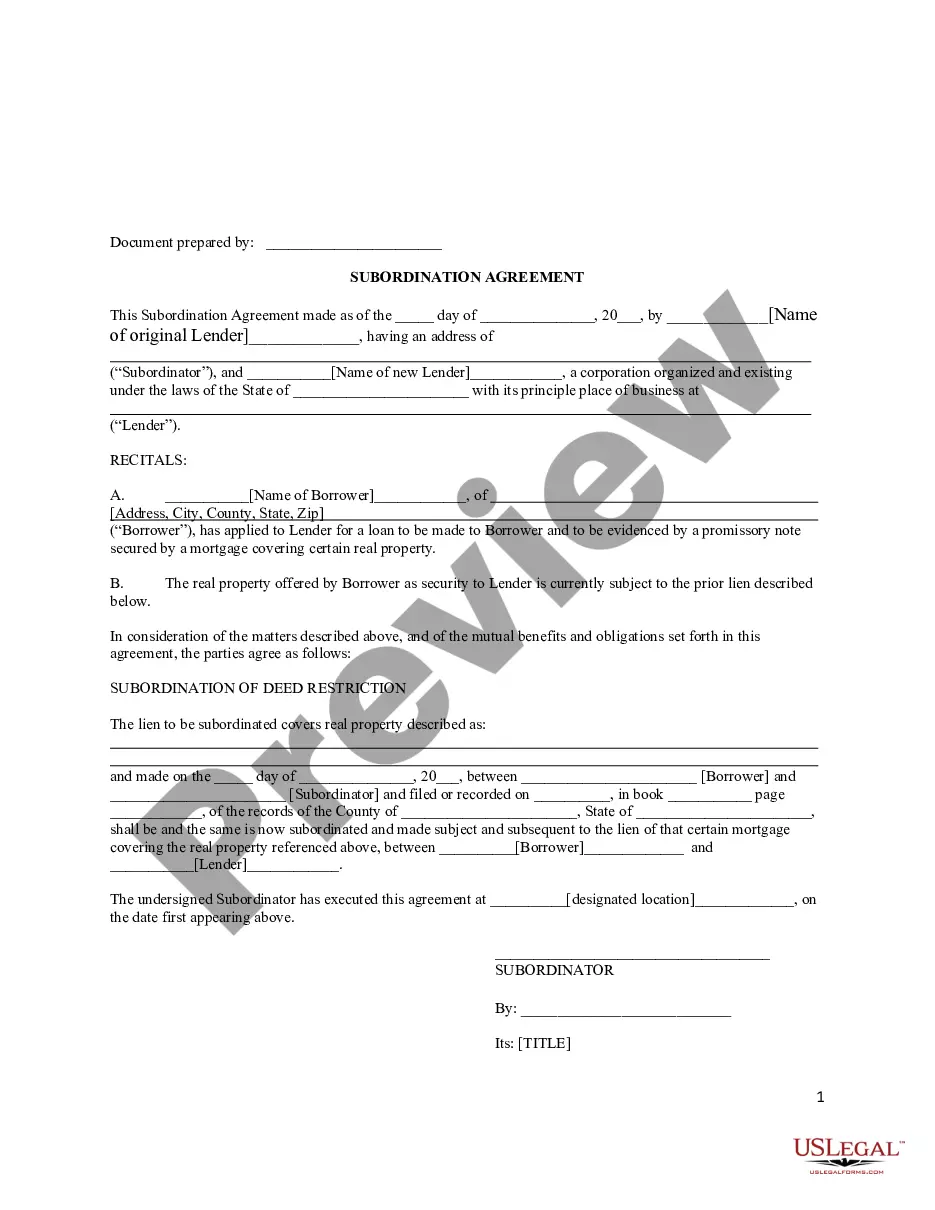
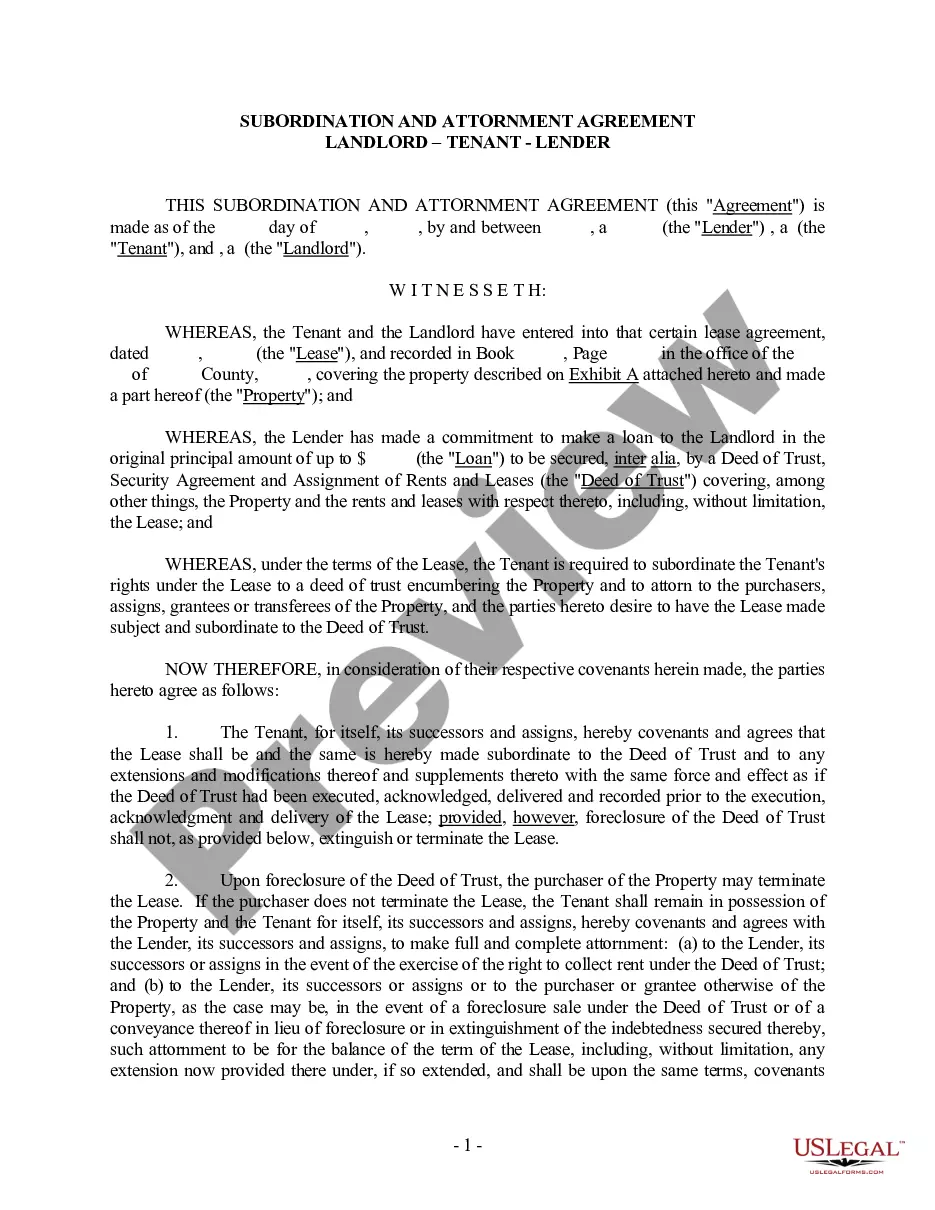
The Agreement to Retire Subordinated Debt is a legal document used in Mississippi that allows a borrower to retire a previously-subordinated debt associated with a loan. This agreement specifically outlines the obligations of both the borrower and lender in modifying existing debt structures to improve the borrower's financial standing. It differs from other debt agreements by explicitly addressing subordinated debt, which is debt that ranks below other debts in terms of claims on assets in the event of liquidation.
Main sections of this form
- Identification of the borrower, lender, and involved parties.
- Details of the loan and promissory note involved in the agreement.
- Obligations of the borrower to pay off the subordinated debt.
- Conditions under which the agreement terminates.
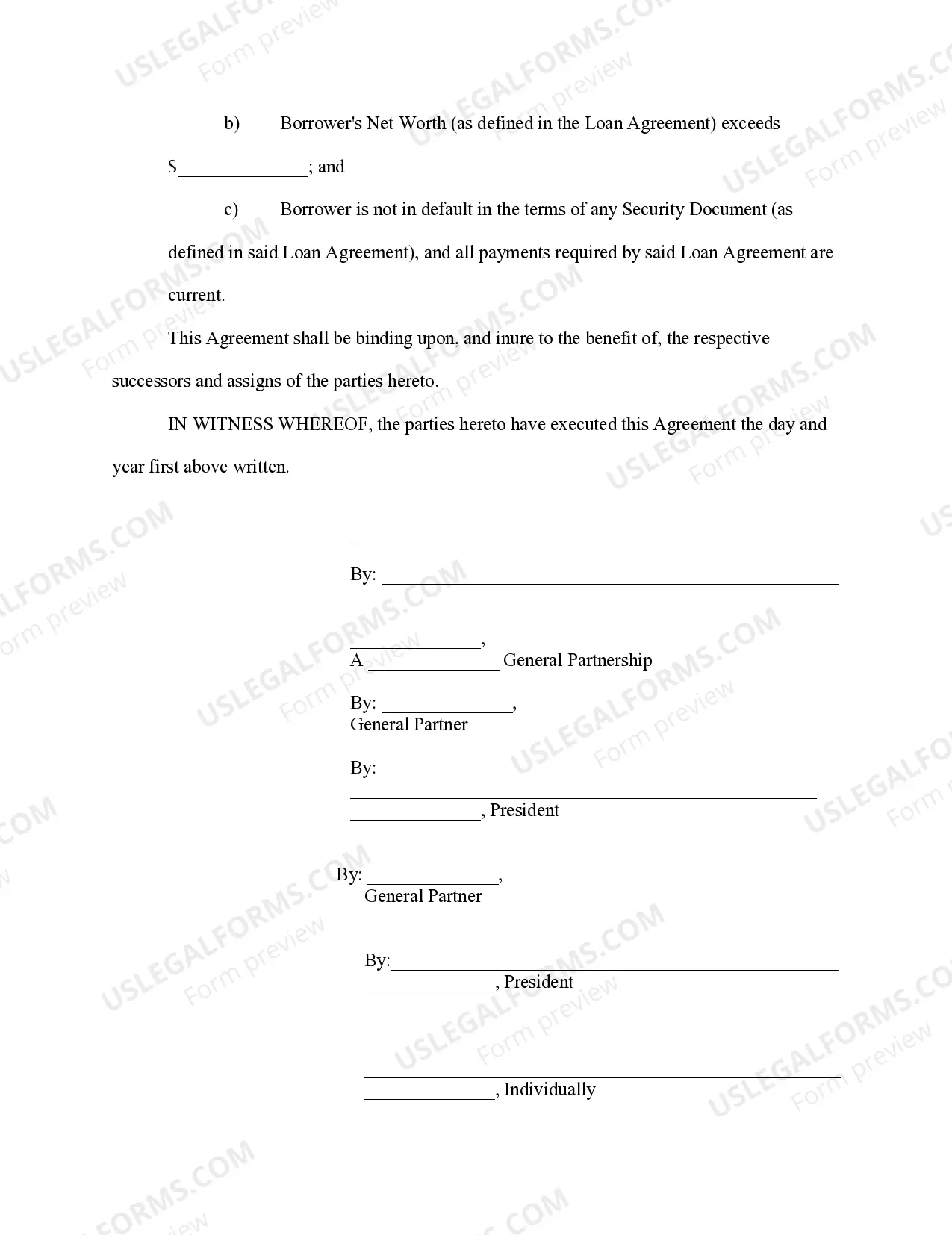
- Signatures of all parties involved for validation.

When to use this form
This form is used when a borrower needs to retire subordinated debt as part of a loan modification process. It is particularly relevant when the borrower and lender agree to specific amendments in their original loan agreement, allowing the borrower to relieve financial burdens from subordinate liabilities. Use this form when planning to restructure debt and seek lender approval while ensuring compliance with existing agreements.
Who this form is for
- Business partners in a general partnership seeking to modify their debt obligations.
- Corporations or entities acting as lenders in a financial transaction.
- Individual partners or stakeholders involved in the agreement.
Instructions for completing this form
- Identify the parties involved by filling in the names of the borrower and lender.
- Specify the loan number and details related to the promissory note.
- Enter the proposed infusions of cash necessary to retire the subordinated debt.
- Have all parties review the terms and conditions outlined in the document.
- Ensure that all required signatures are obtained and dated for validity.
Notarization guidance
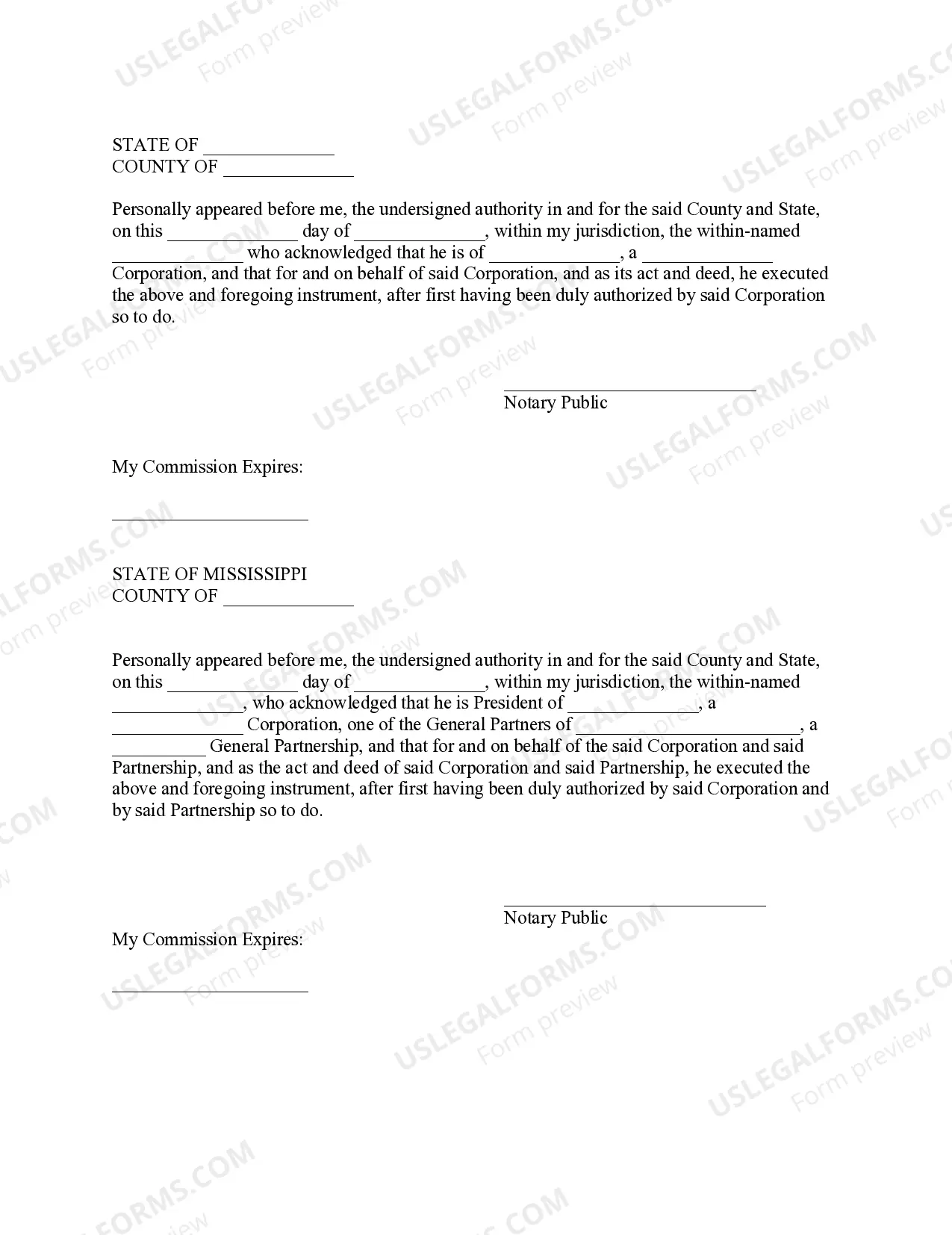
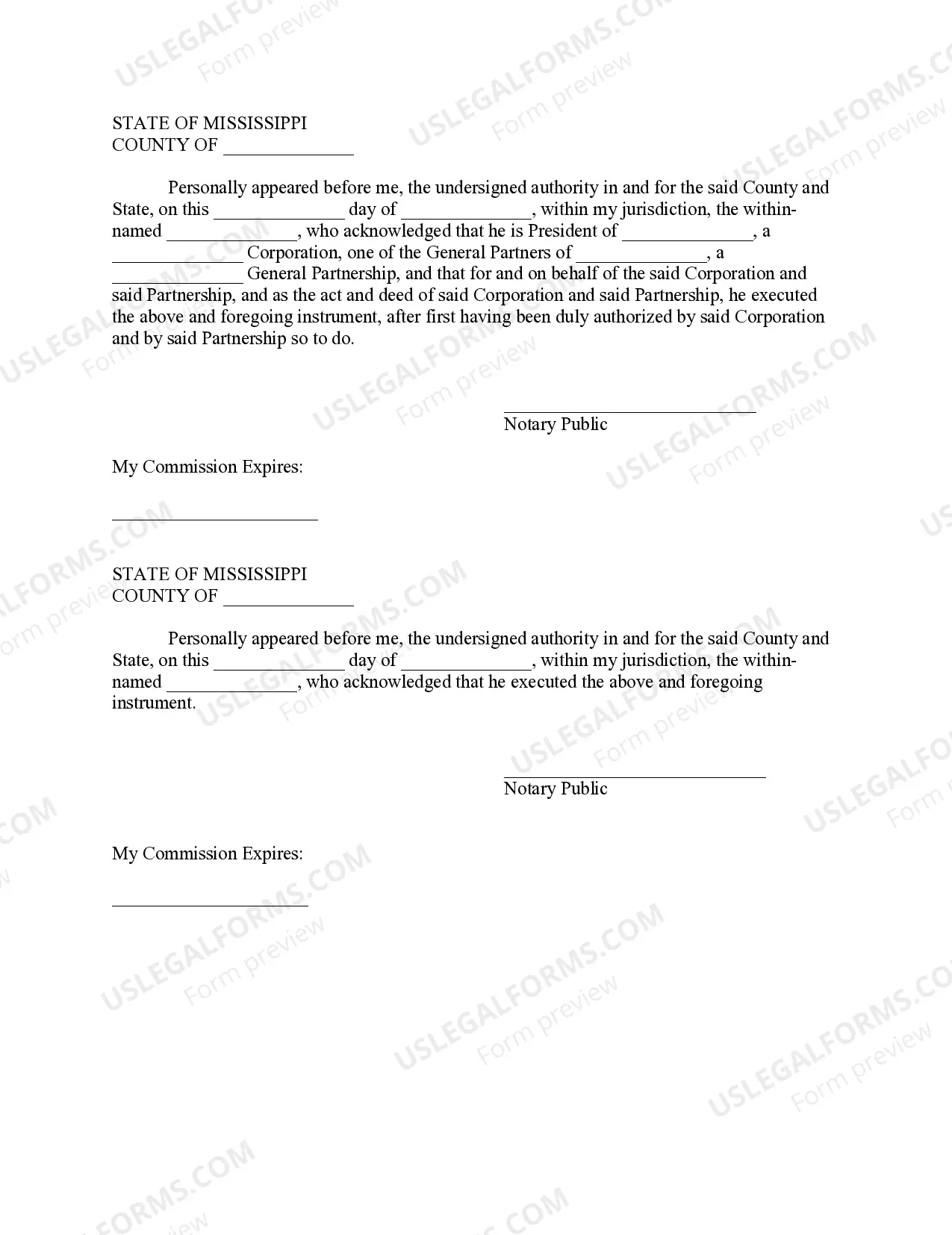
This form needs to be notarized to ensure legal validity. US Legal Forms provides secure online notarization powered by Notarize, allowing you to complete the process through a verified video call, available anytime.
Get your form ready online
Our built-in tools help you complete, sign, share, and store your documents in one place.
Make edits, fill in missing information, and update formatting in US Legal Forms—just like you would in MS Word.
Download a copy, print it, send it by email, or mail it via USPS—whatever works best for your next step.
Sign and collect signatures with our SignNow integration. Send to multiple recipients, set reminders, and more. Go Premium to unlock E-Sign.
If this form requires notarization, complete it online through a secure video call—no need to meet a notary in person or wait for an appointment.
We protect your documents and personal data by following strict security and privacy standards.

Make edits, fill in missing information, and update formatting in US Legal Forms—just like you would in MS Word.

Download a copy, print it, send it by email, or mail it via USPS—whatever works best for your next step.

Sign and collect signatures with our SignNow integration. Send to multiple recipients, set reminders, and more. Go Premium to unlock E-Sign.

If this form requires notarization, complete it online through a secure video call—no need to meet a notary in person or wait for an appointment.

We protect your documents and personal data by following strict security and privacy standards.
Common mistakes
- Failing to accurately fill in all identification fields for the borrower and lender.
- Neglecting to specify the exact subordinated debt being retired.
- Forgetting to obtain necessary signatures from all parties involved.
- Overlooking the need to attach related documents such as the original loan agreement.
Why complete this form online
- Convenient access to downloadable templates drafted by licensed attorneys.
- Edit and customize the form according to your specific needs.
- Quick completion process with no need for in-person appointments.
- Secure storing of your completed forms for future reference.
Legal use & context
- This agreement is binding and enforceable as it outlines the responsibilities of both parties regarding the retirement of subordinated debt.
- Adhering to the terms of this agreement can help prevent future disputes over debt obligations.
- Ensuring all required elements are completed accurately will help secure legal validity.
Summary of main points
- The Agreement to Retire Subordinated Debt is essential for modifying existing loan structures.
- Proper completion involves clear identification of all parties and debts.
- Review relevant state laws, especially in Mississippi, to ensure compliance.
Looking for another form?

Form popularity
FAQ
A subordination agreement prioritizes collateralized debts, ranking one behind another for purposes of collecting repayment from a debtor in the event of foreclosure or bankruptcy. A second-in-line creditor collects only when and if the priority creditor has been fully paid.
Subordination agreements are prepared by your lender. The process occurs internally if you only have one lender. When your mortgage and home equity line or loan have different lenders, both financial institutions work together to draft the necessary paperwork.
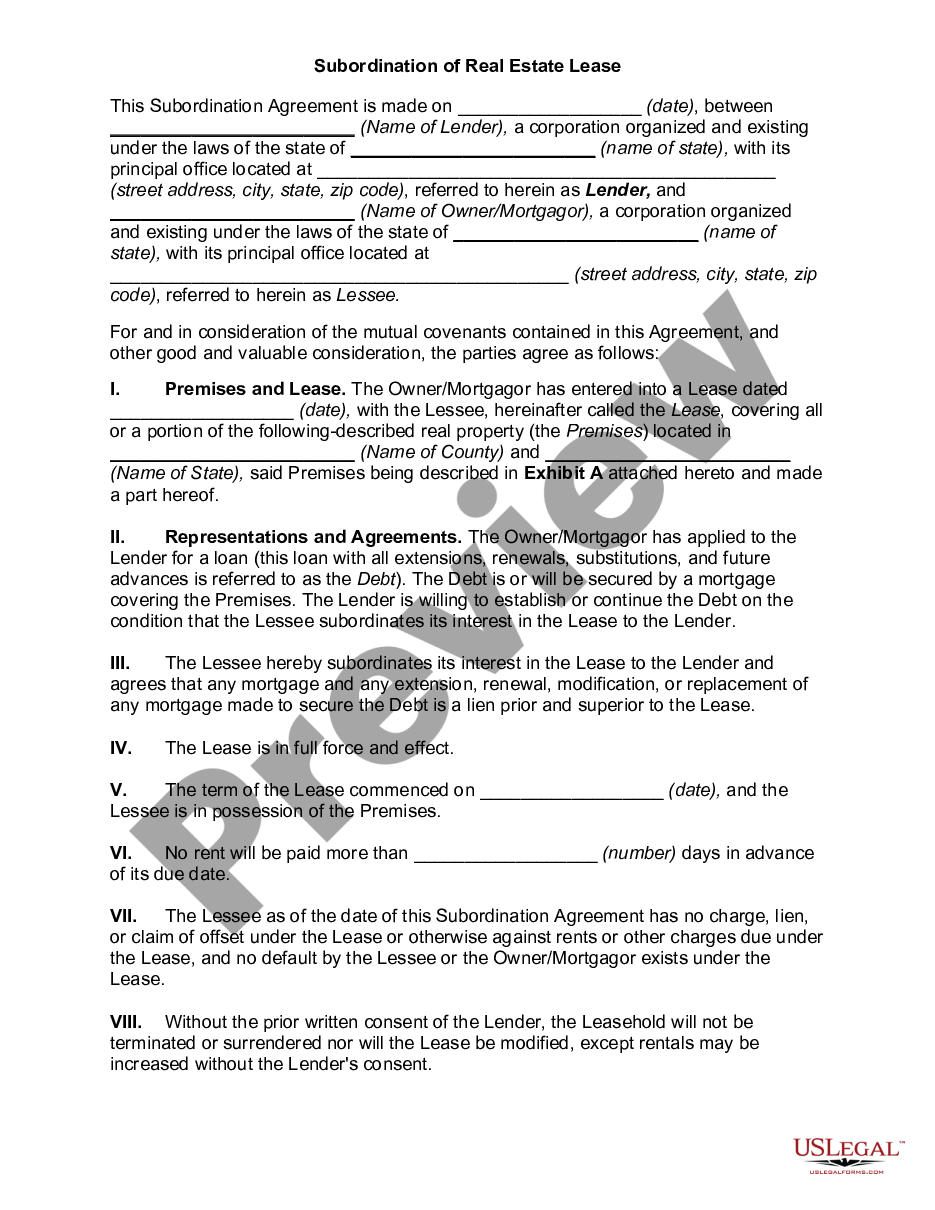
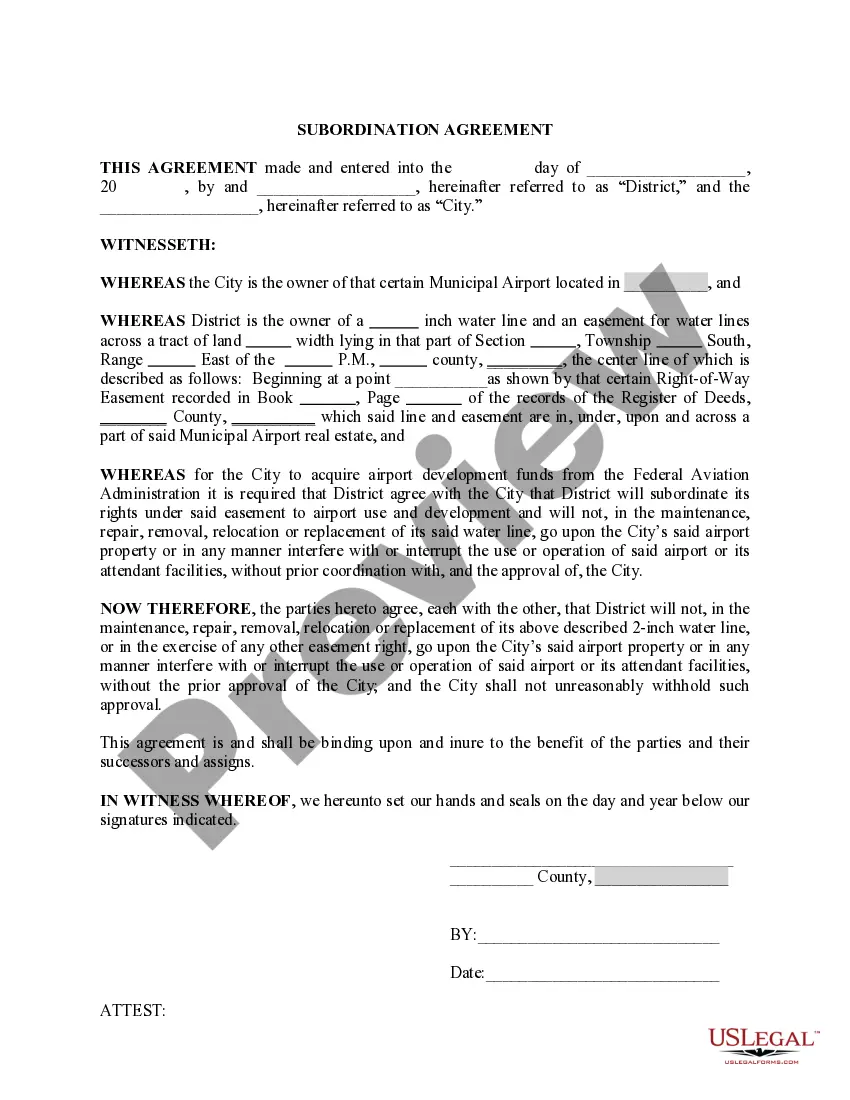
- A subordination agreement is an agreement between two lien holders to modify the order of lien priority.
But as property values are going up and the demand for refinance isn't as much, it seems that the subordination process has gotten a little easier. Typically, it takes two to three weeks to get the resubordination paperwork through, and it is likely to set you back $200 to $300.
Who Benefits from a Subordination Clause? A subordination clause is meant to protect the interests of the primary lender. A primary mortgage usually covers the cost of purchasing the home; however, if there is a secondary mortgage, the clause ensures that the primary lender retains the number one priority.
Subordination clauses in mortgages refer to the portion of your agreement with the mortgage company that says their lien takes precedence over any other liens you may have on your property.The primary lien on a house is usually a mortgage. However, it's also possible to have other liens.
Subordinated debt, sub-debt or mezzanine, is capital that is located between debt and equity on the right hand side of the balance sheet. It is more risky than traditional bank debt, but more senior than equity in its liquidation preference (in bankruptcy).
Subordinated debt offers business owners access to capital they may be unable to obtain from a bank due to a lack of tangible assets to offer as collateral.This is because bankers may consider it part of the "equity cushion" that supports the senior bank debt.
Despite its technical-sounding name, the subordination agreement has one simple purpose. It assigns your new mortgage to first lien position, making it possible to refinance with a home equity loan or line of credit.