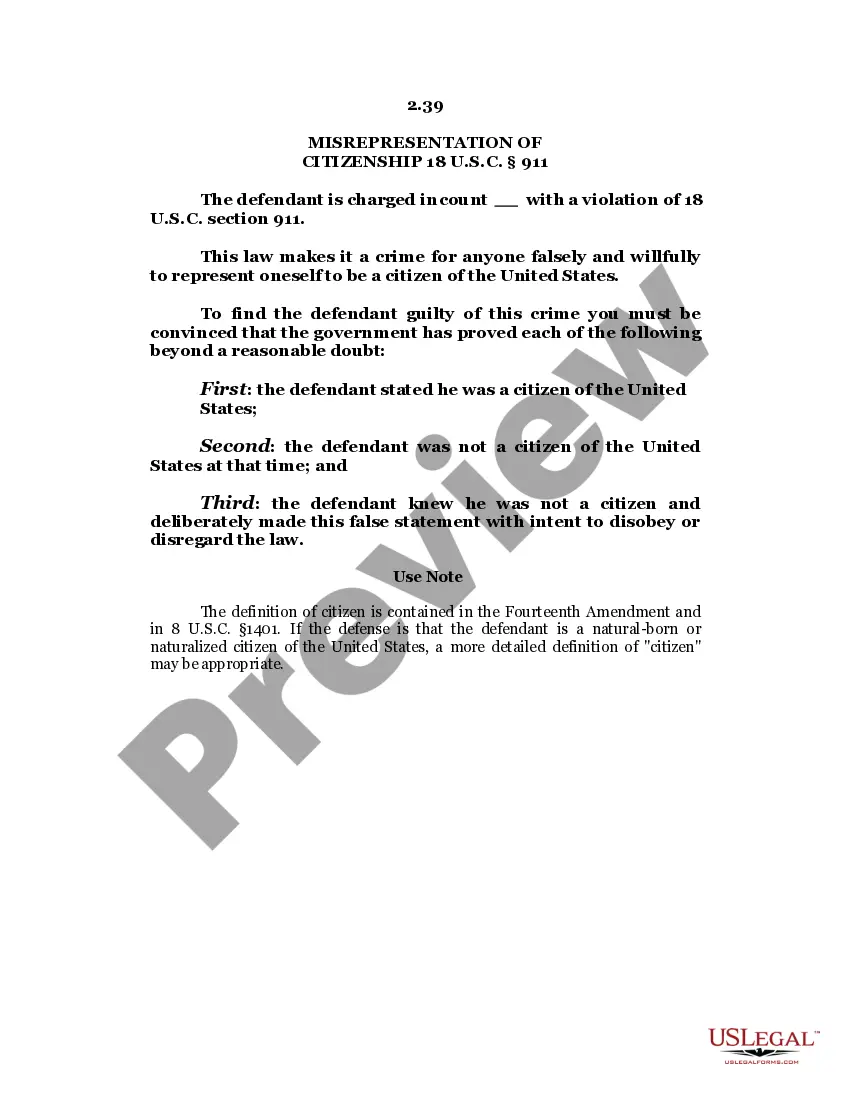
The decree of the bankruptcy court which terminates the bankruptcy proceedings is generally a discharge that releases the debtor from most debts. A bankruptcy court may refuse to grant a discharge under certain conditions.
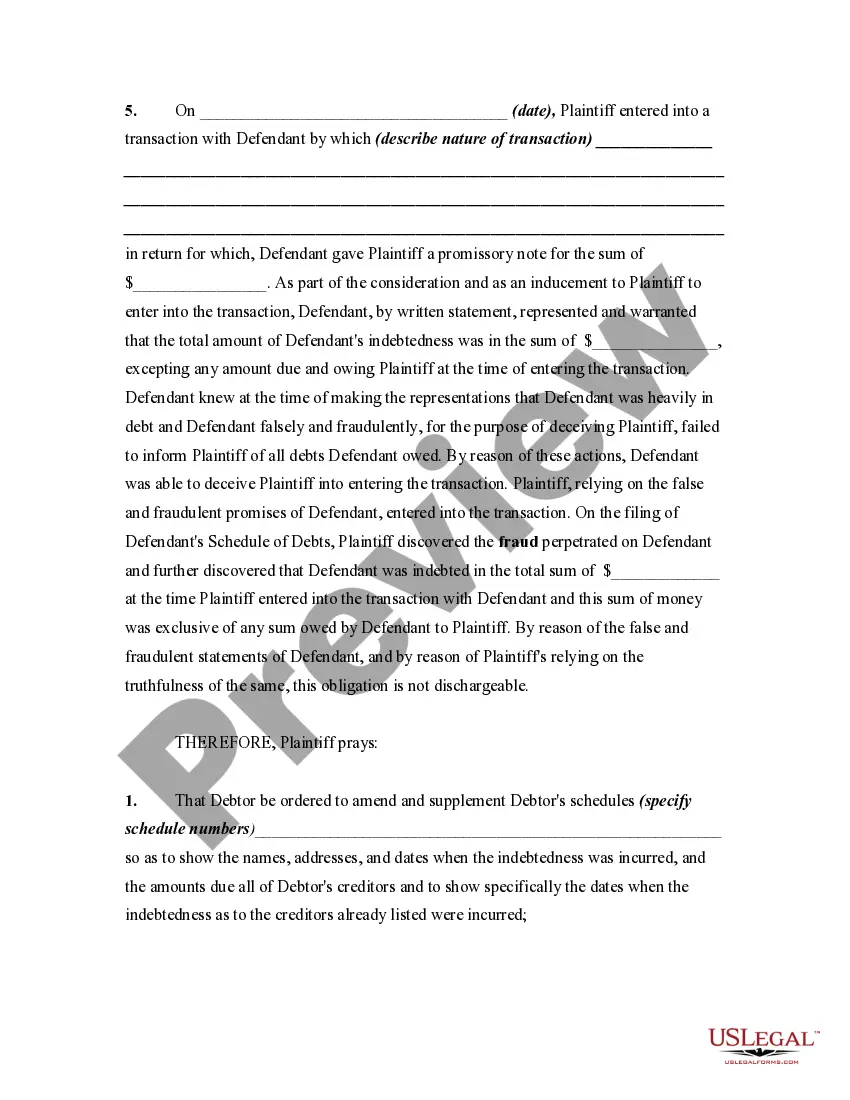
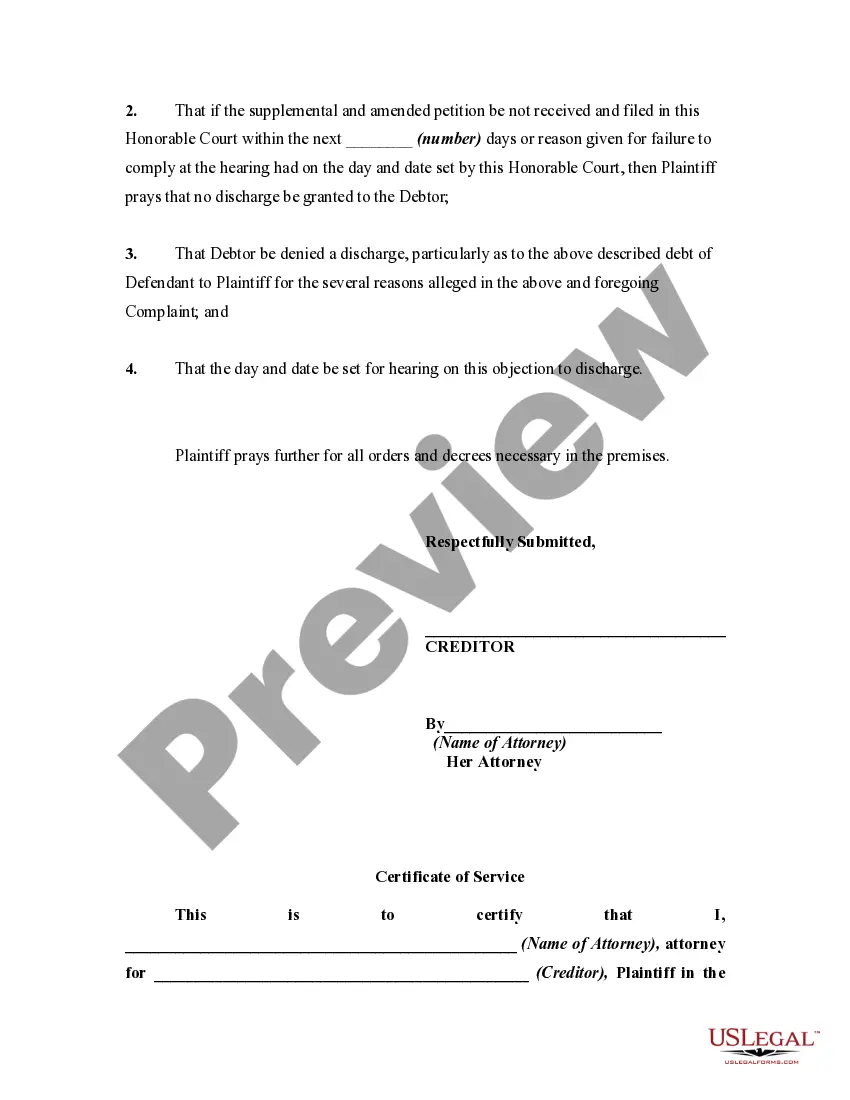
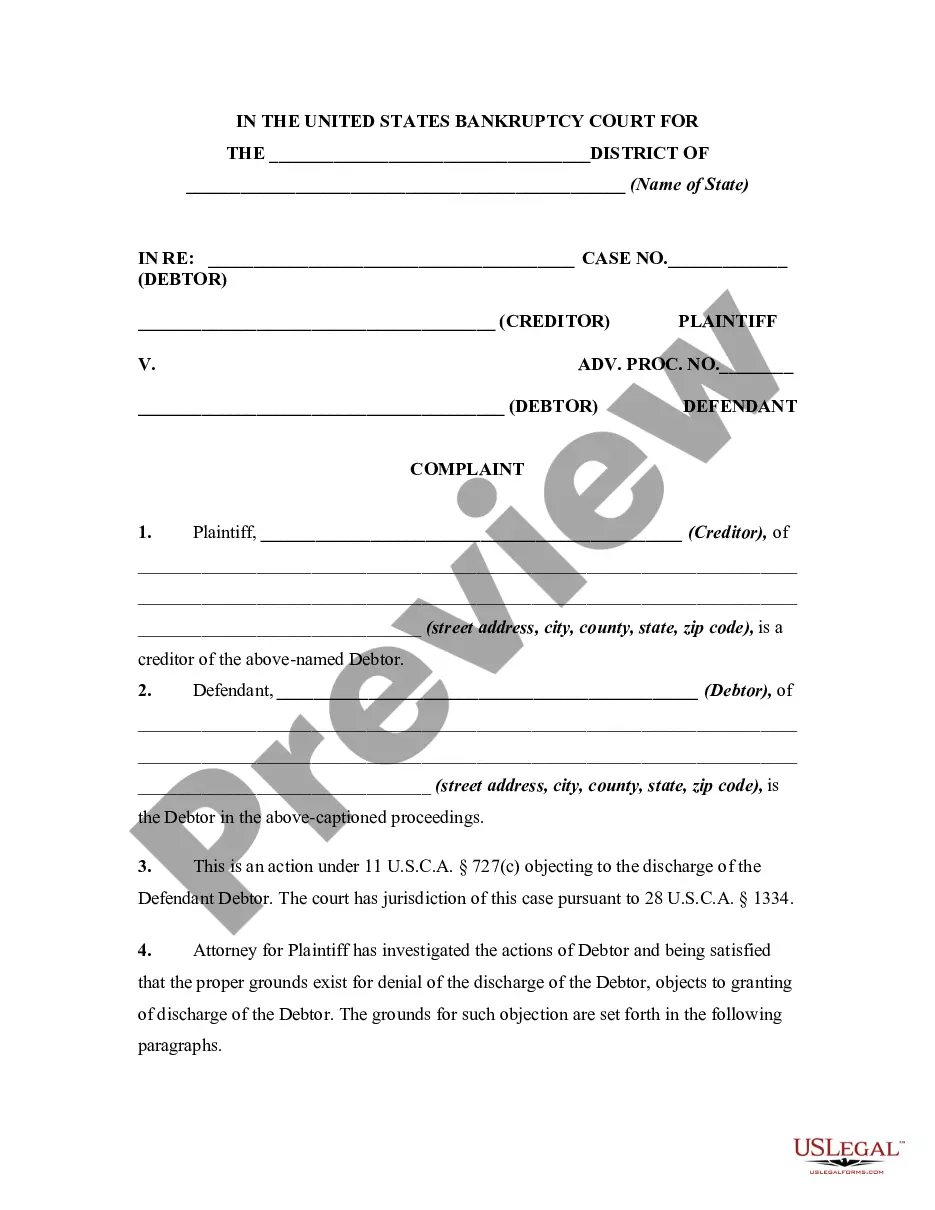
Missouri Complaint Objecting to Discharge by Bankruptcy Court on the Grounds that Transaction was Induced by Fraud Regarding Debtor's Financial Condition
State:
Multi-State
Control #:
US-01070BG
Format:
Word;
Rich Text
Instant download
Description
Free preview
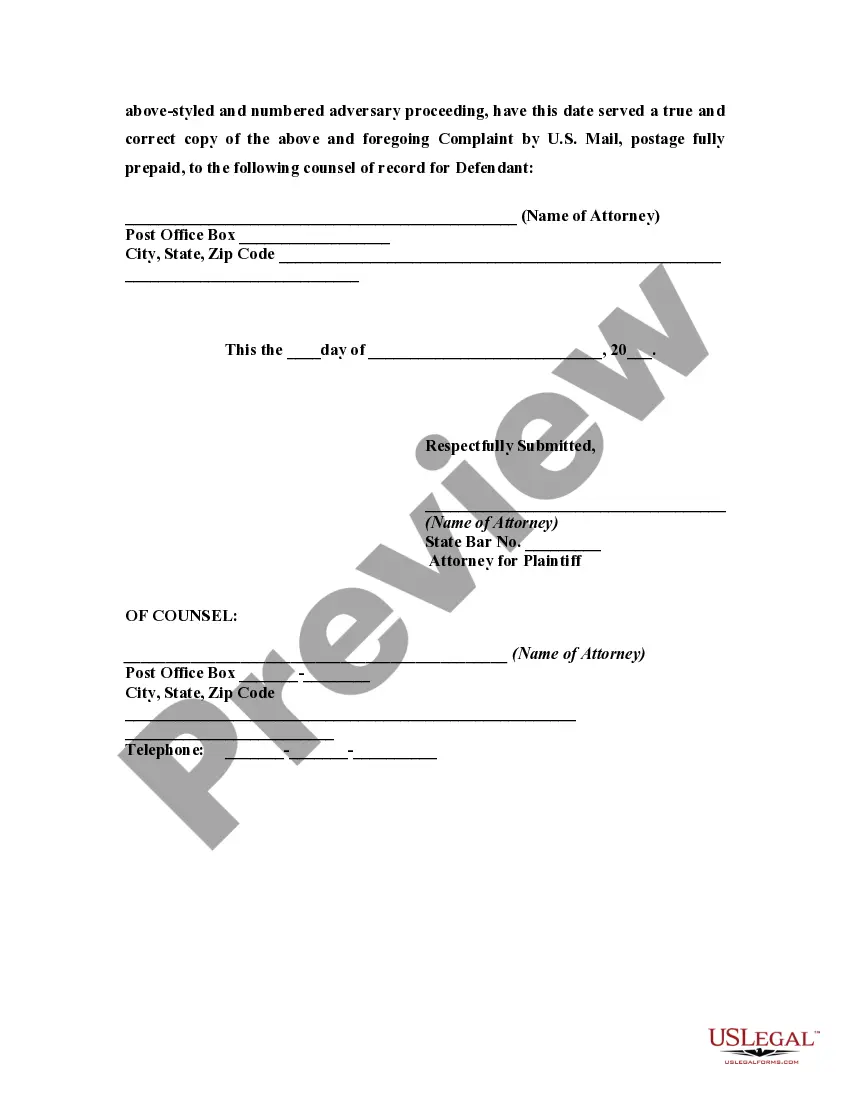
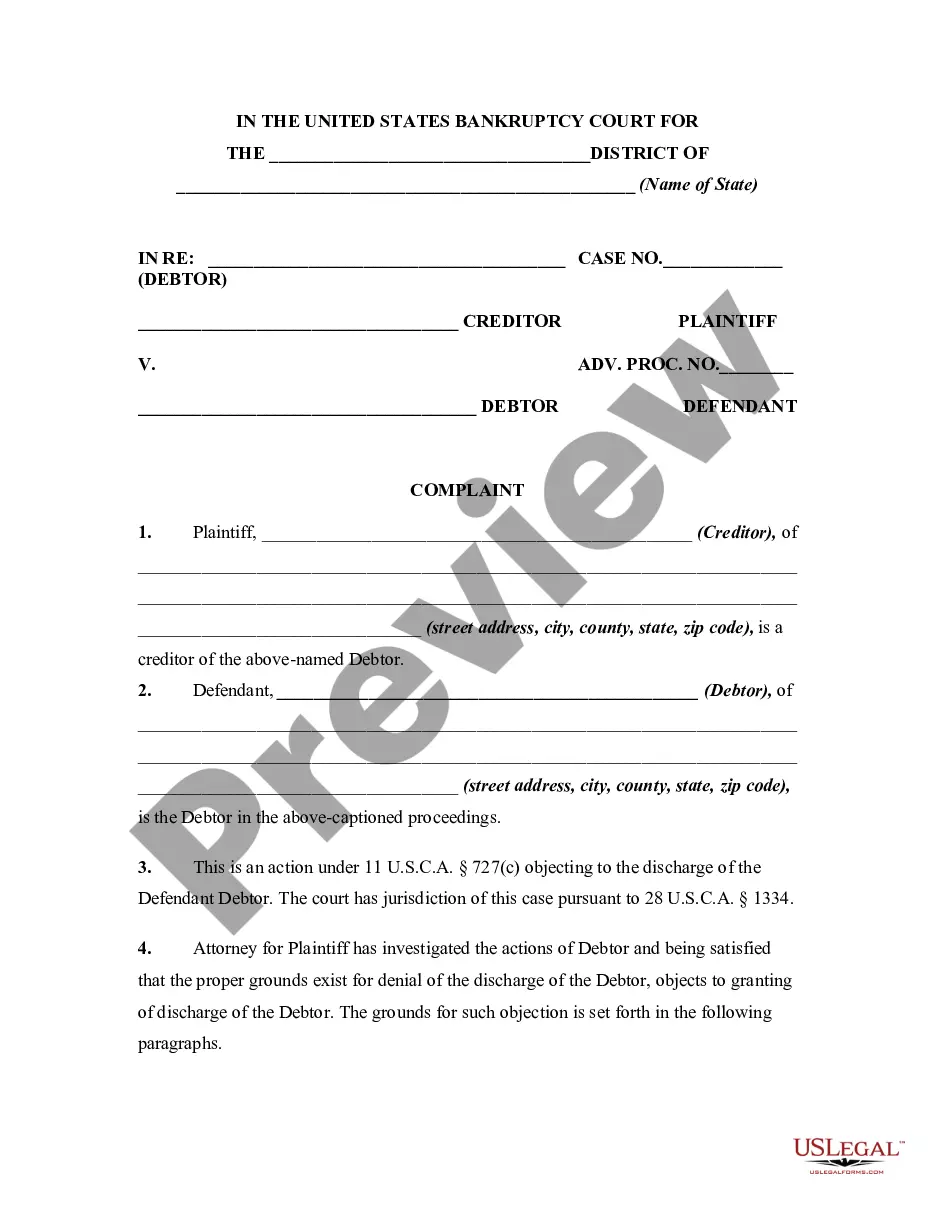
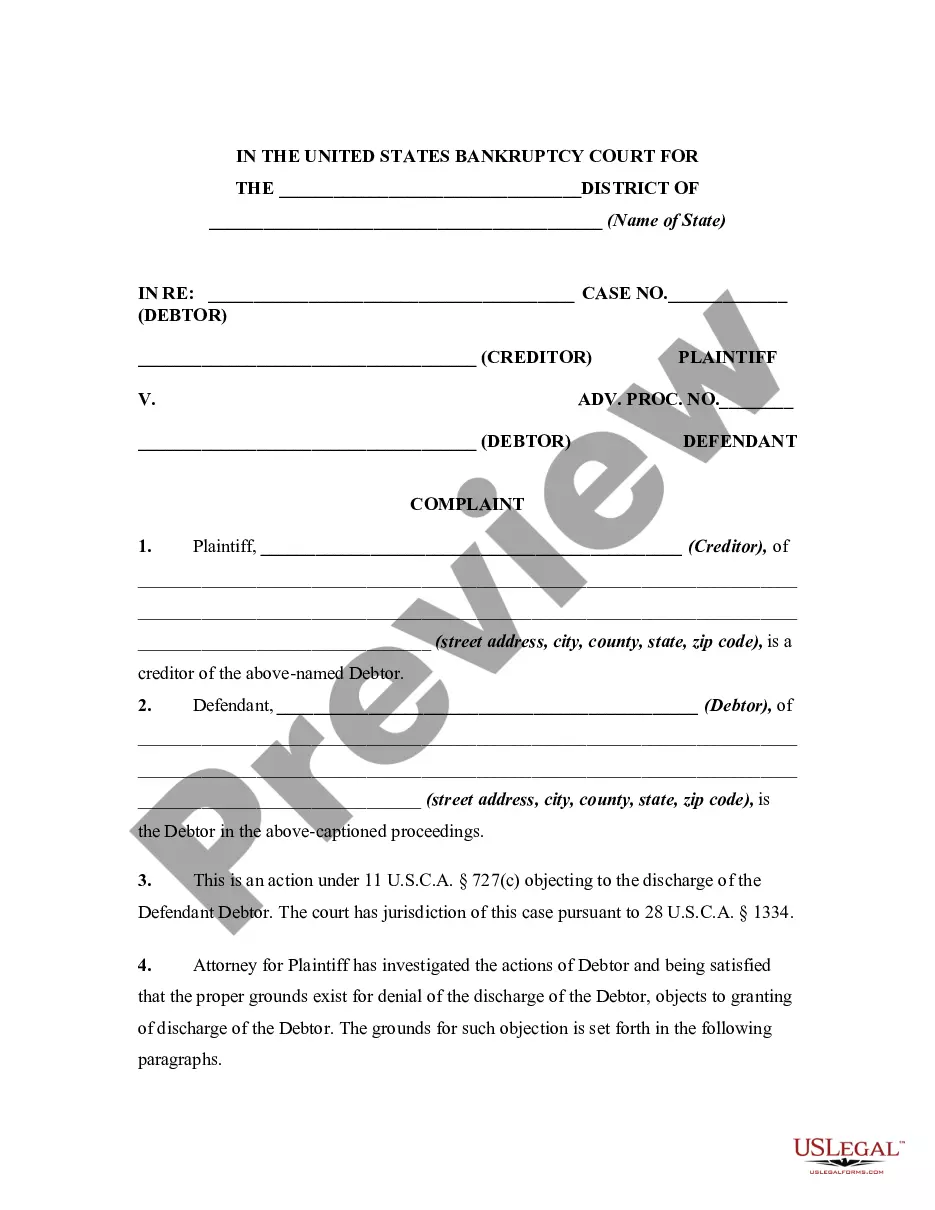
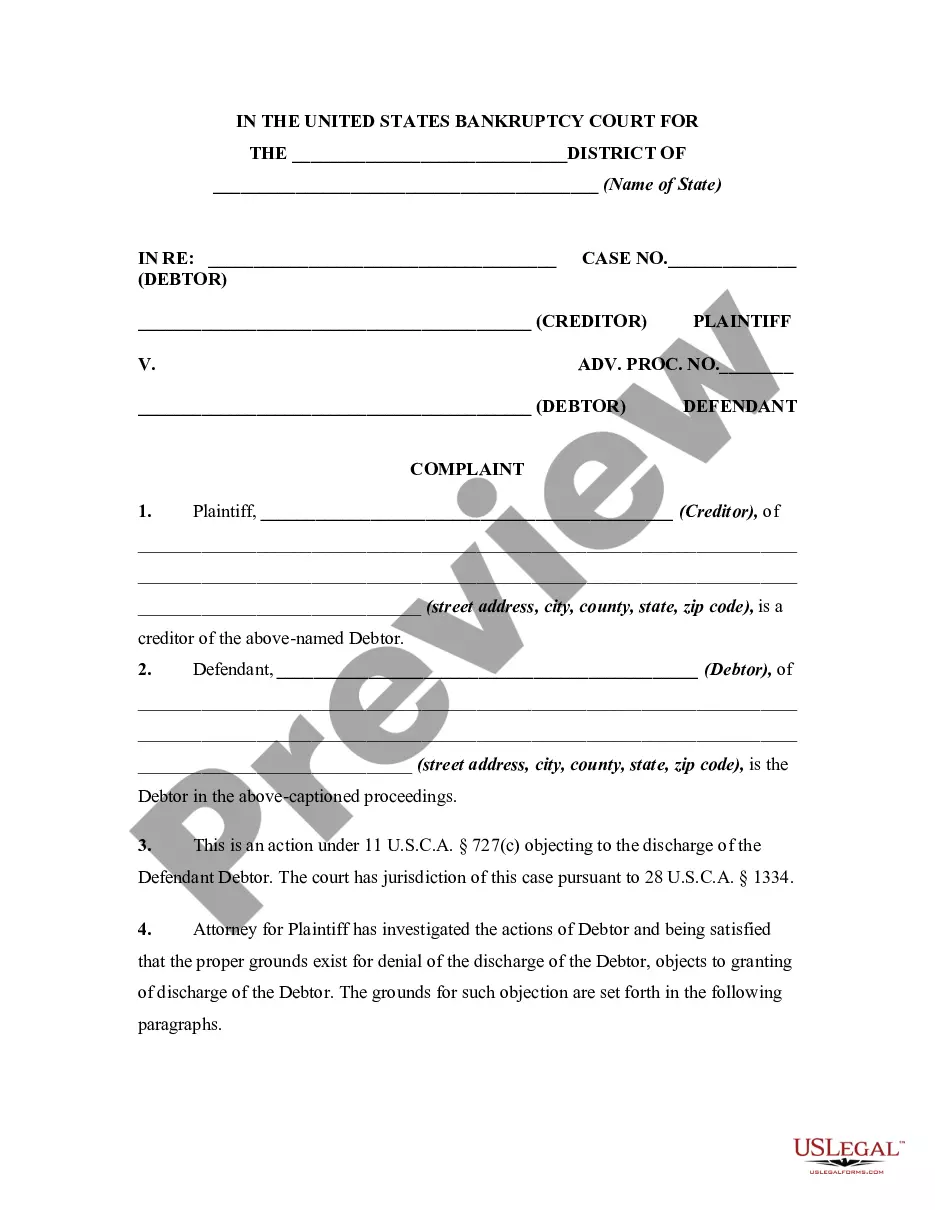

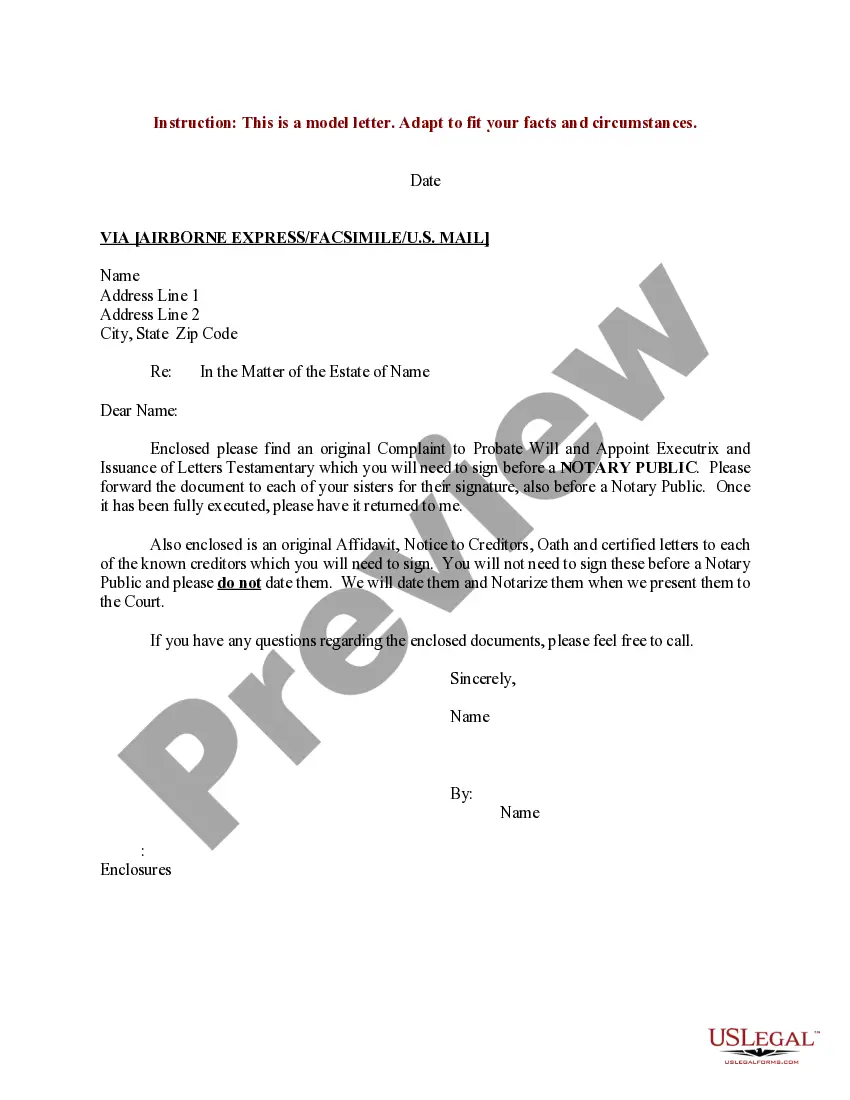

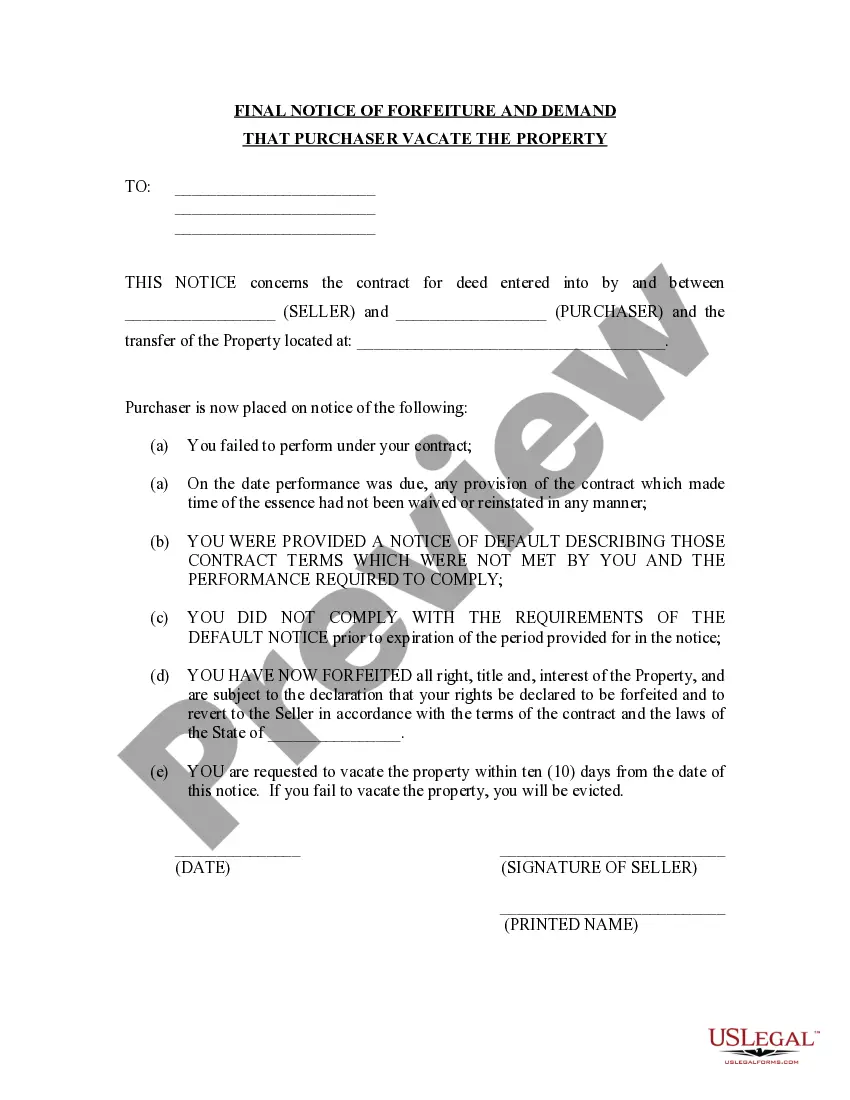
How to fill out Complaint Objecting To Discharge By Bankruptcy Court On The Grounds That Transaction Was Induced By Fraud Regarding Debtor's Financial Condition?
It is possible to devote several hours on the web attempting to find the legal file web template that meets the state and federal demands you will need. US Legal Forms provides a large number of legal varieties which can be examined by professionals. It is simple to down load or printing the Missouri Complaint Objecting to Discharge by Bankruptcy Court on the Grounds that Transaction was Induced by Fraud Regarding from the service.
If you currently have a US Legal Forms bank account, you may log in and click on the Acquire key. After that, you may total, revise, printing, or sign the Missouri Complaint Objecting to Discharge by Bankruptcy Court on the Grounds that Transaction was Induced by Fraud Regarding. Every single legal file web template you acquire is your own property forever. To have one more backup associated with a purchased form, go to the My Forms tab and click on the corresponding key.
If you are using the US Legal Forms site initially, follow the basic directions beneath:
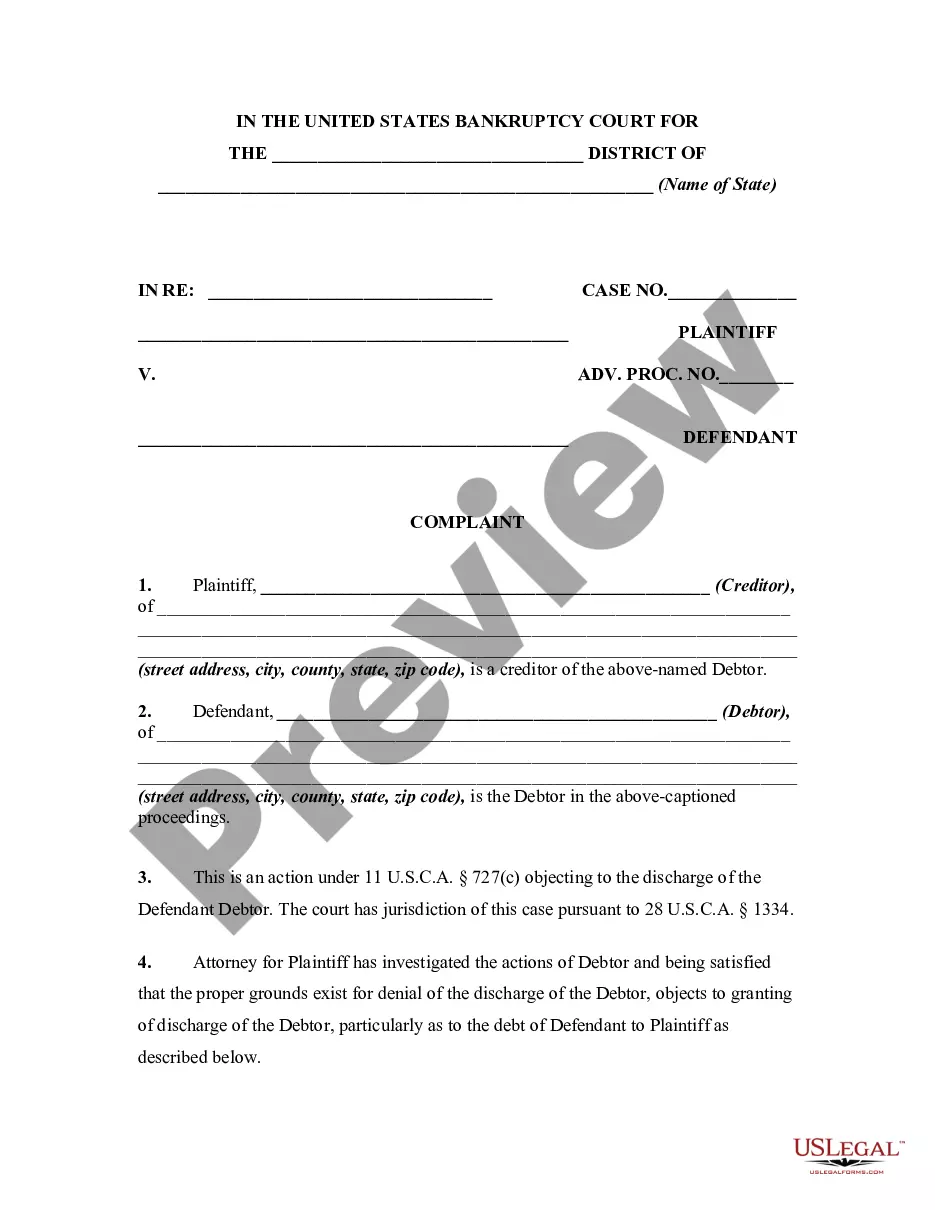
- Initial, ensure that you have selected the correct file web template for the county/town of your choice. Read the form description to ensure you have chosen the appropriate form. If offered, take advantage of the Preview key to appear throughout the file web template also.
- In order to discover one more edition in the form, take advantage of the Research discipline to obtain the web template that meets your requirements and demands.
- After you have located the web template you would like, click on Purchase now to move forward.
- Pick the costs strategy you would like, key in your credentials, and register for a free account on US Legal Forms.
- Complete the purchase. You can utilize your charge card or PayPal bank account to fund the legal form.
- Pick the file format in the file and down load it to the product.
- Make alterations to the file if needed. It is possible to total, revise and sign and printing Missouri Complaint Objecting to Discharge by Bankruptcy Court on the Grounds that Transaction was Induced by Fraud Regarding.
Acquire and printing a large number of file web templates while using US Legal Forms site, which offers the largest assortment of legal varieties. Use specialist and state-specific web templates to handle your business or individual requires.
Form popularity
FAQ
In a decision handed down on February 22, 2023, Bartenwerfer v. Buckley, the United States Supreme Court ruled that the bankruptcy process cannot be used to discharge debts incurred through fraud, even when the debtor was not the individual that defrauded creditors.
In a unanimous decision, the Supreme Court held that § 523(a)(2)(A) of the Bankruptcy Code precludes a debtor from discharging a debt obtained by fraud, regardless of the debtor's own culpability.
Under Federal Rules of Bankruptcy Procedure Rule 4004, a trustee or creditors have sixty (60) days after the first date set for the 341(a) Meeting of Creditors to file a complaint objecting to discharge.
A debtor may apply to the Court to challenge (oppose) a bankruptcy notice before the time for compliance with the notice has finished. The debtor can apply to challenge a bankruptcy notice if: there is a defect in the bankruptcy notice. the debt on which the bankruptcy notice is based does not exist.
The court may deny a chapter 7 discharge for any of the reasons described in section 727(a) of the Bankruptcy Code, including failure to provide requested tax documents; failure to complete a course on personal financial management; transfer or concealment of property with intent to hinder, delay, or defraud creditors; ...
A creditor will usually object to the discharge of its particular debt when fraud or an intentional wrongful act occurs before the bankruptcy case. For instance, examples of nondischargeable debts, if proven, could include: The costs and damages caused by intentional and spiteful conduct.
If a debt arose from the debtor's intentional wrongdoing, the creditor can object to discharging it. This might involve damages related to a drunk driving accident, for example, or costs caused by intentional damage to an apartment or other property.
A trustee's or creditor's objection to the debtor being released from personal liability for certain dischargeable debts. Common reasons include allegations that the debt to be discharged was incurred by false pretenses or that debt arose because of the debtor's fraud while acting as a fiduciary.