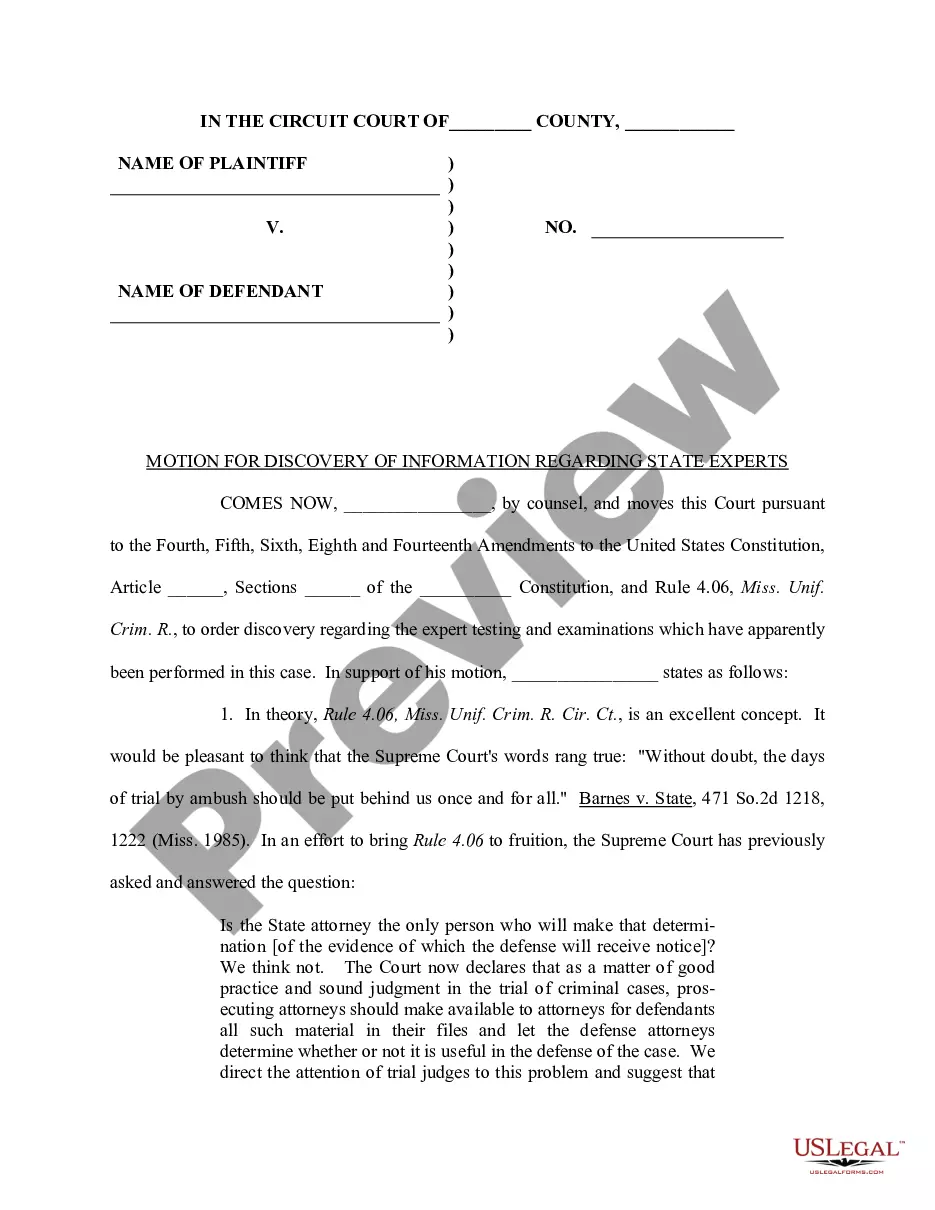
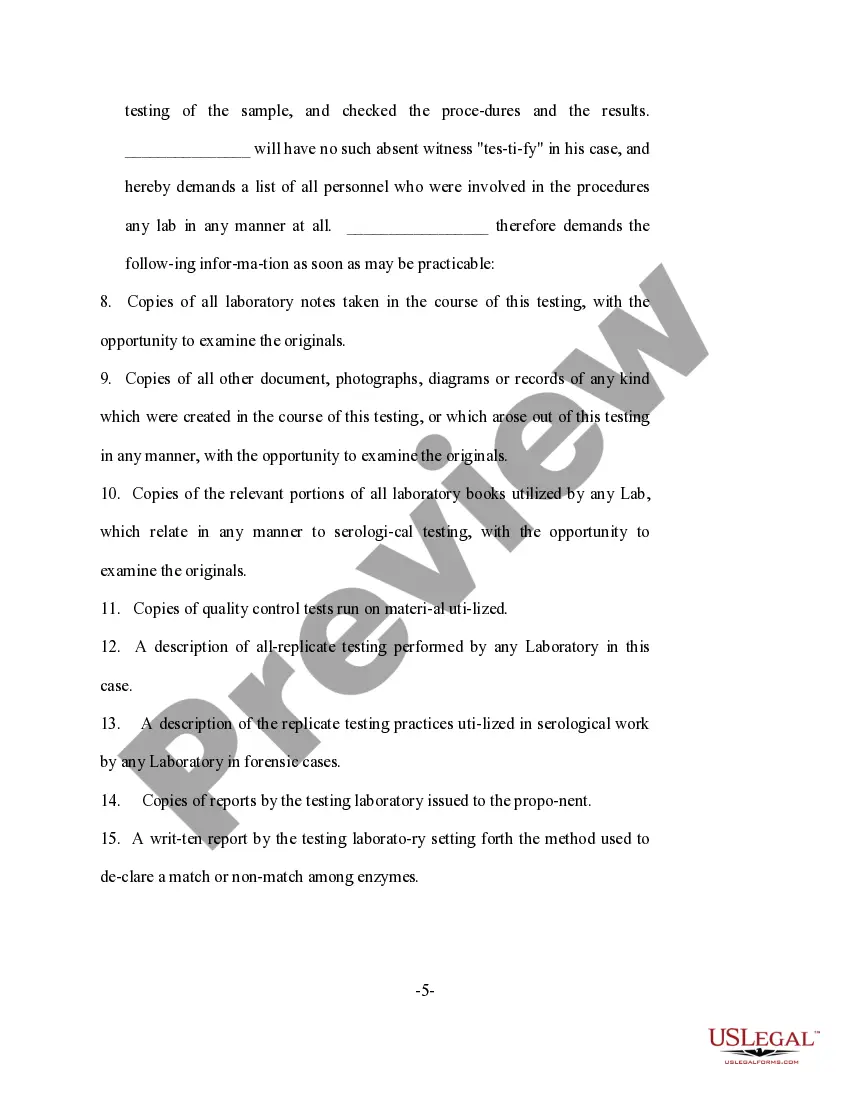
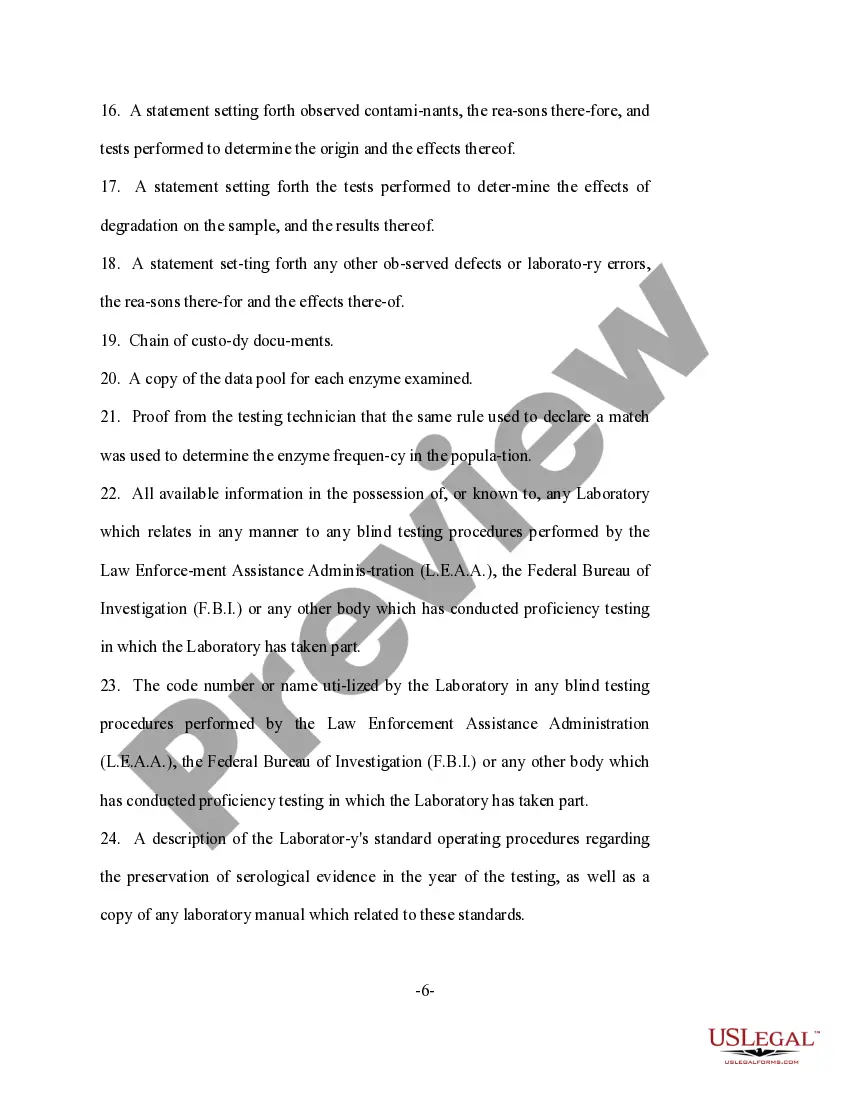
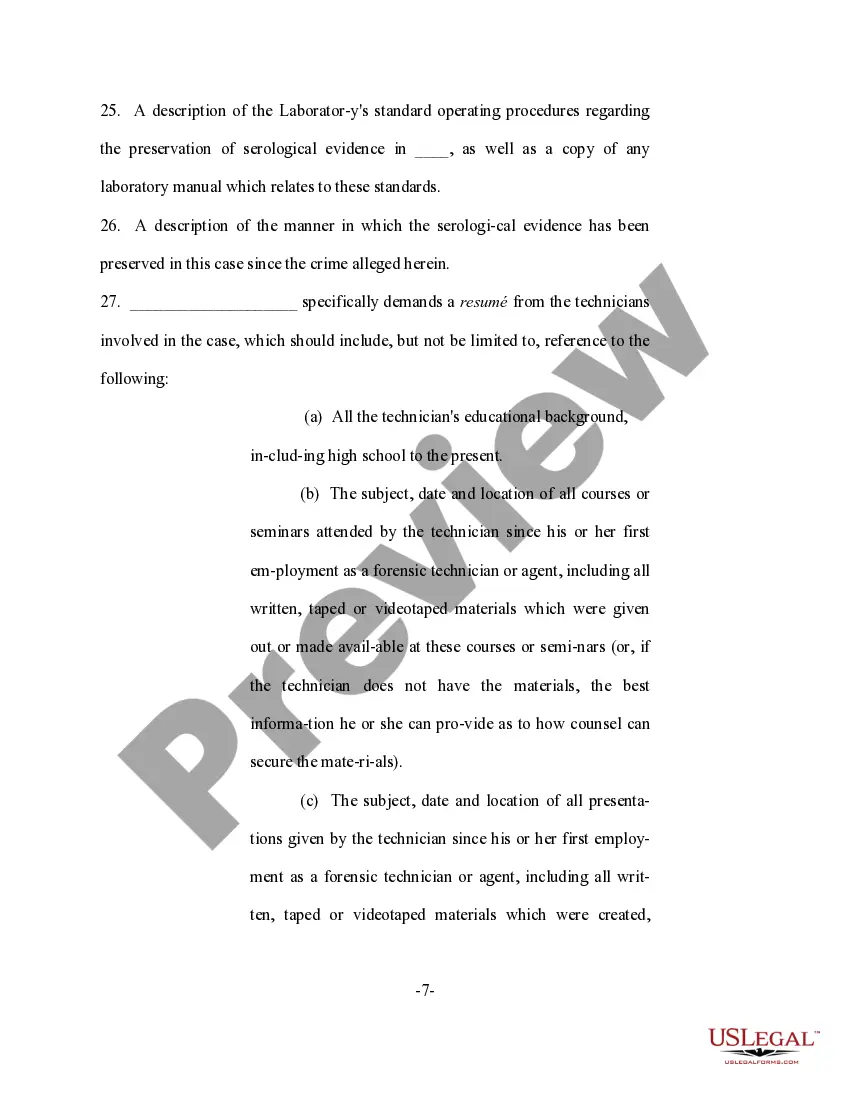
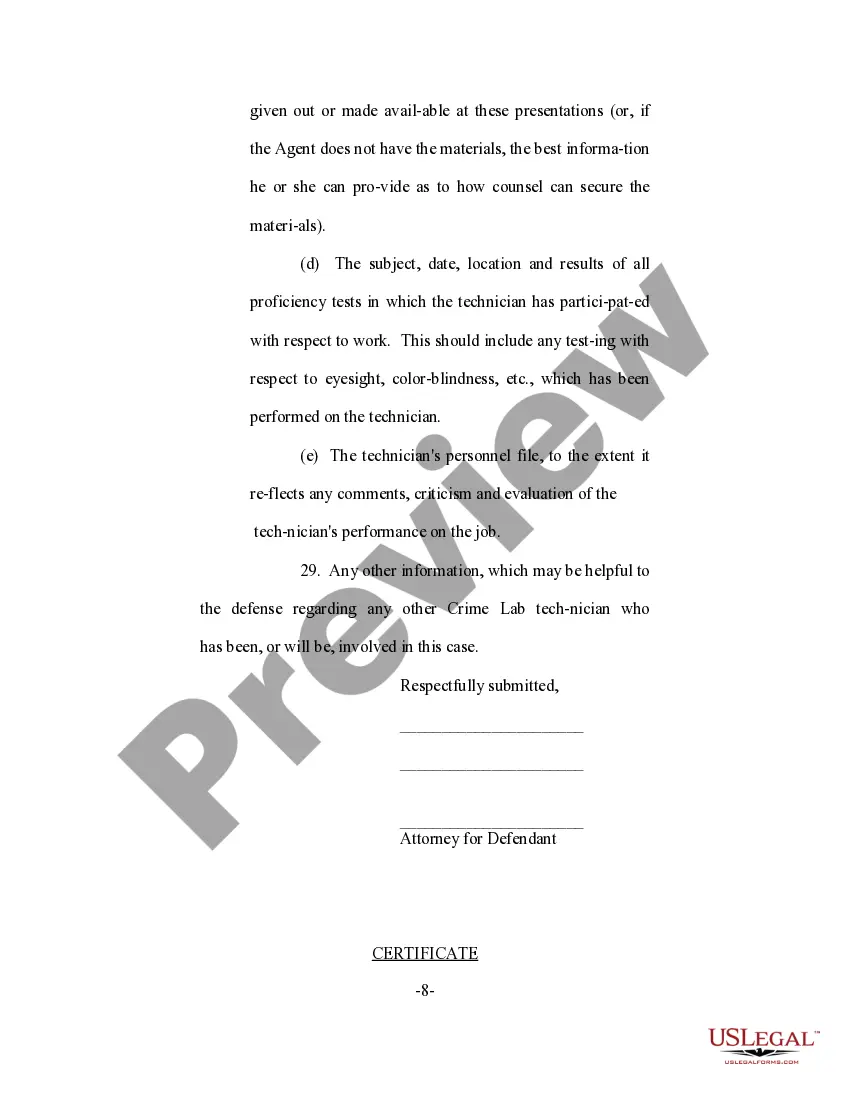
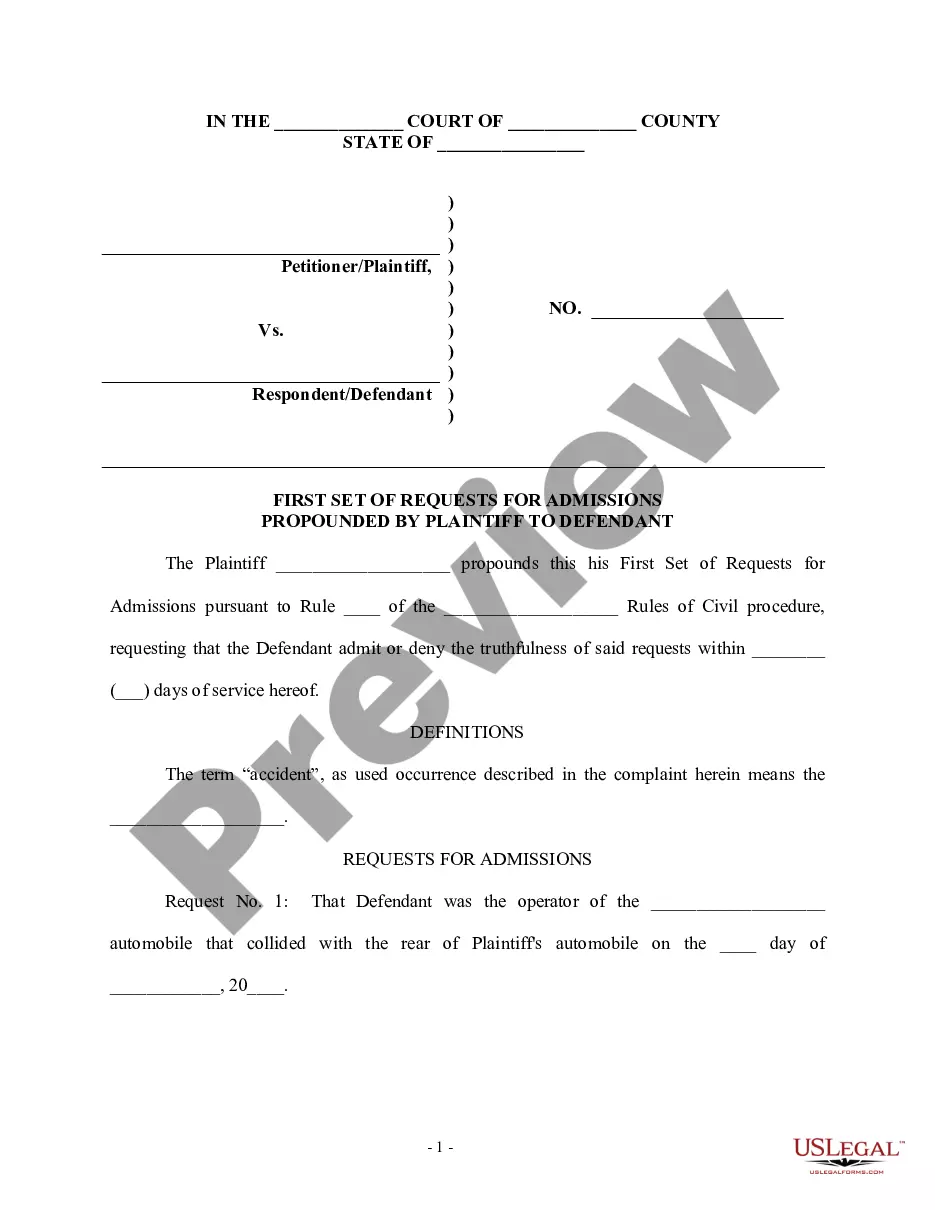
This is a multi-state form covering the subject matter of the title.
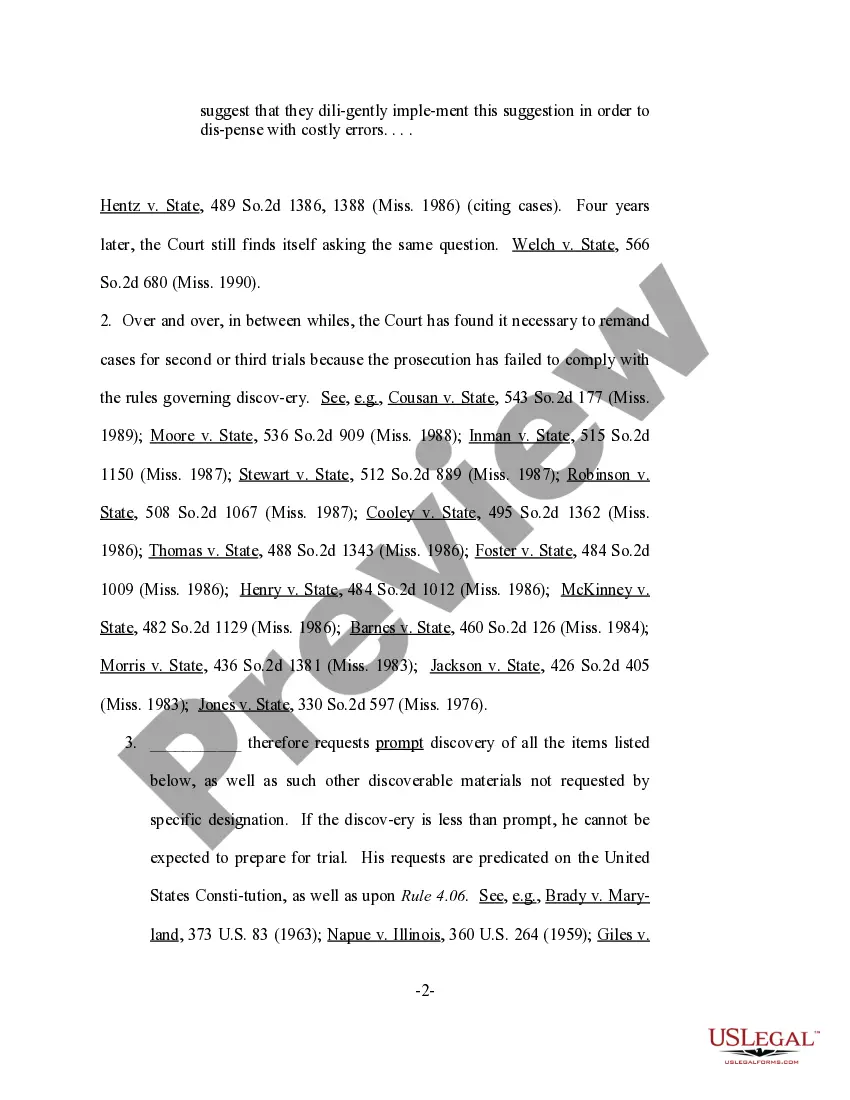
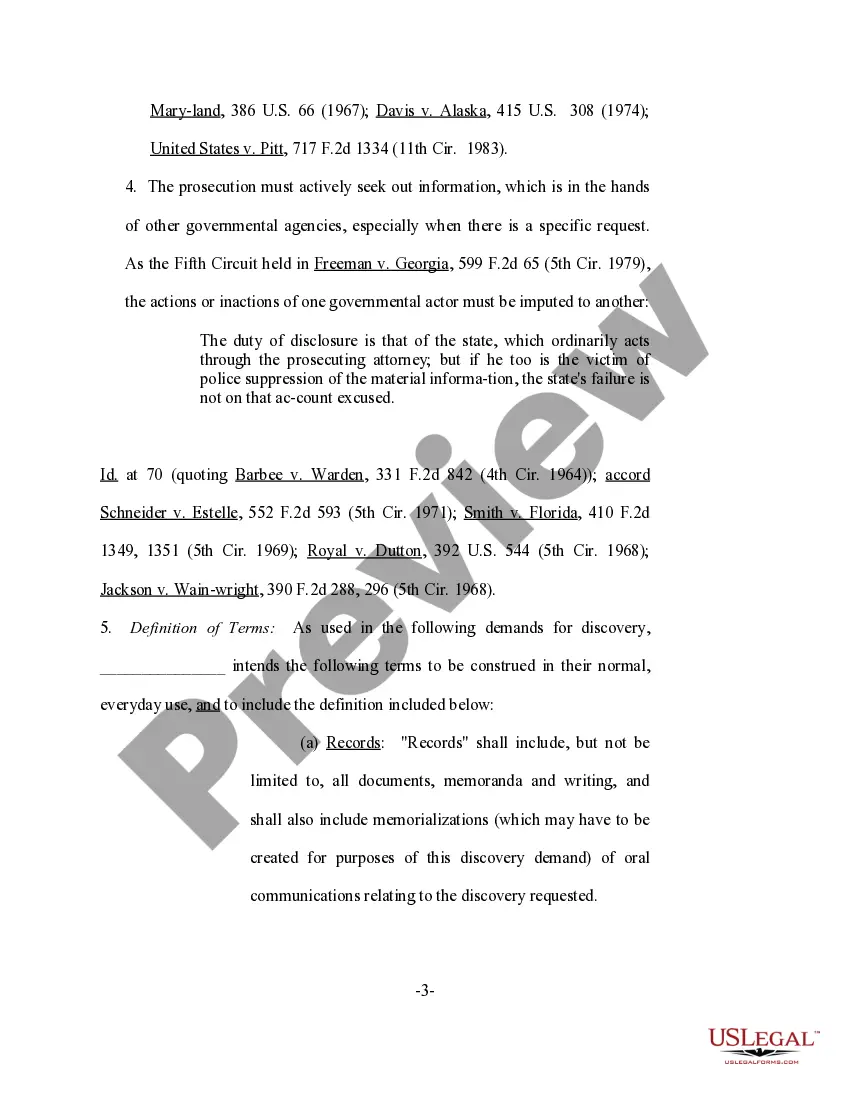
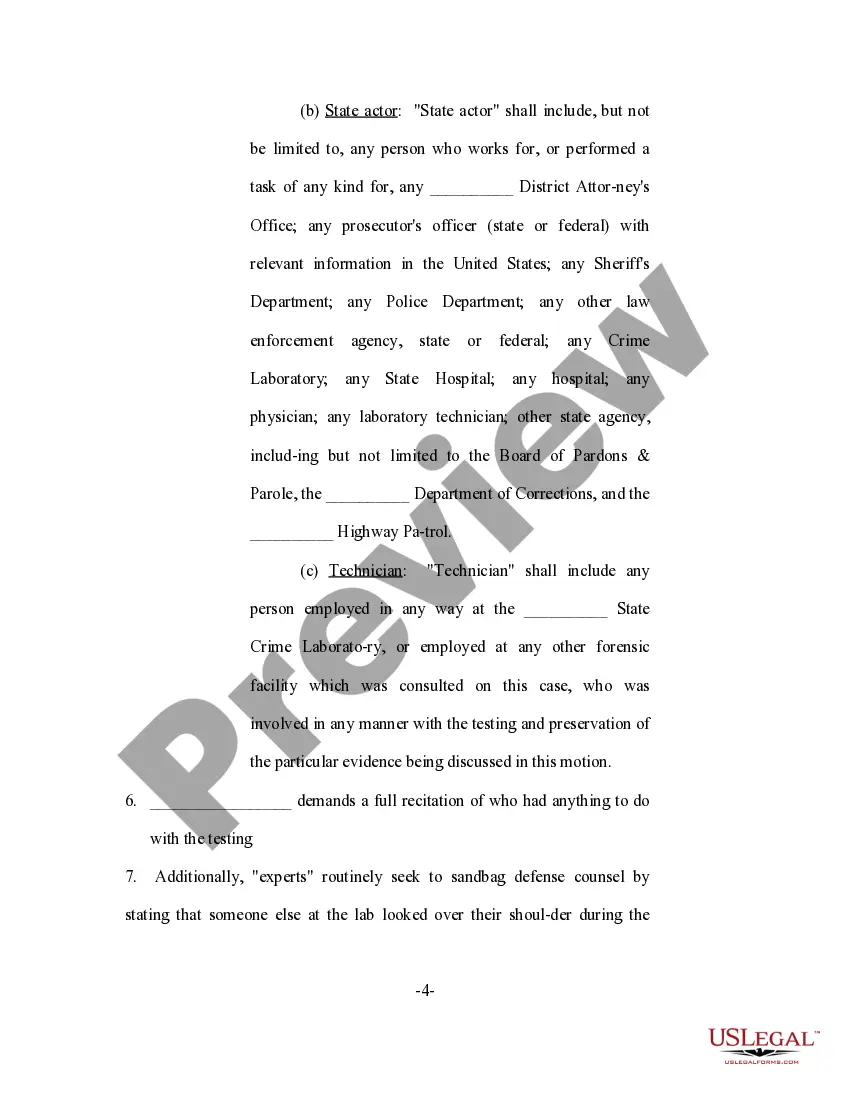
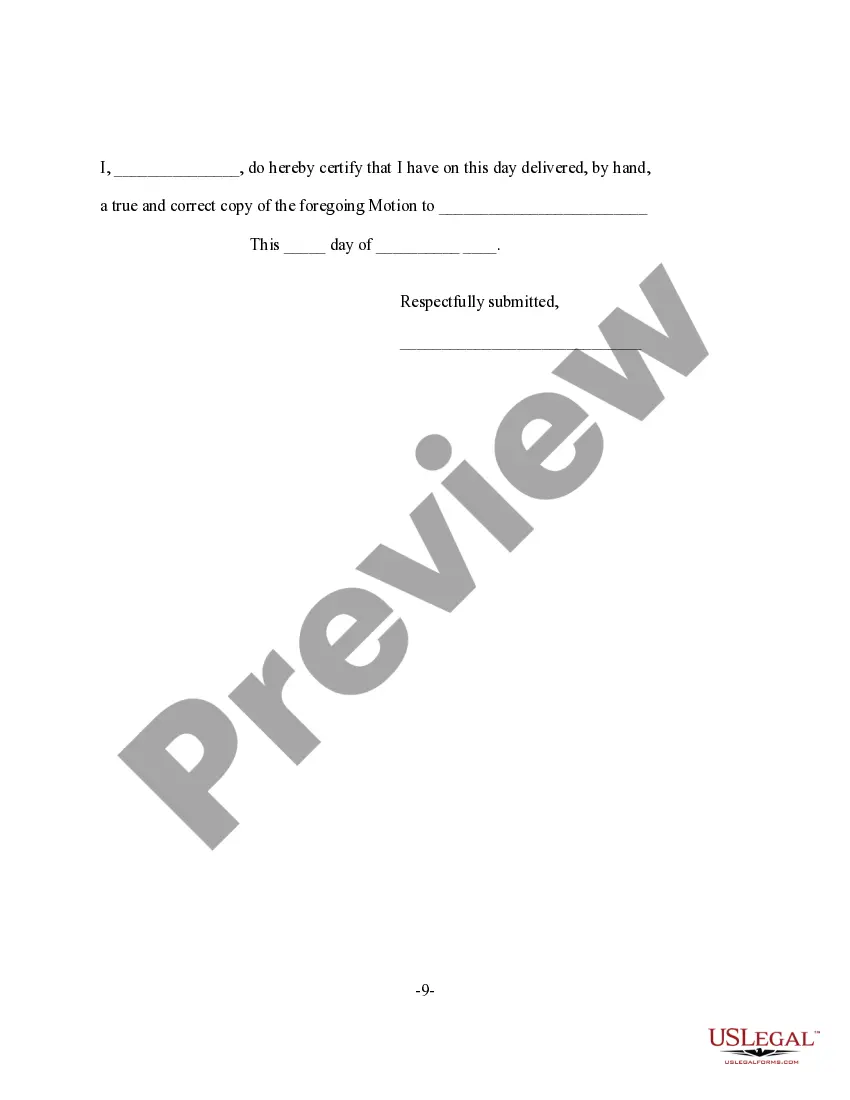
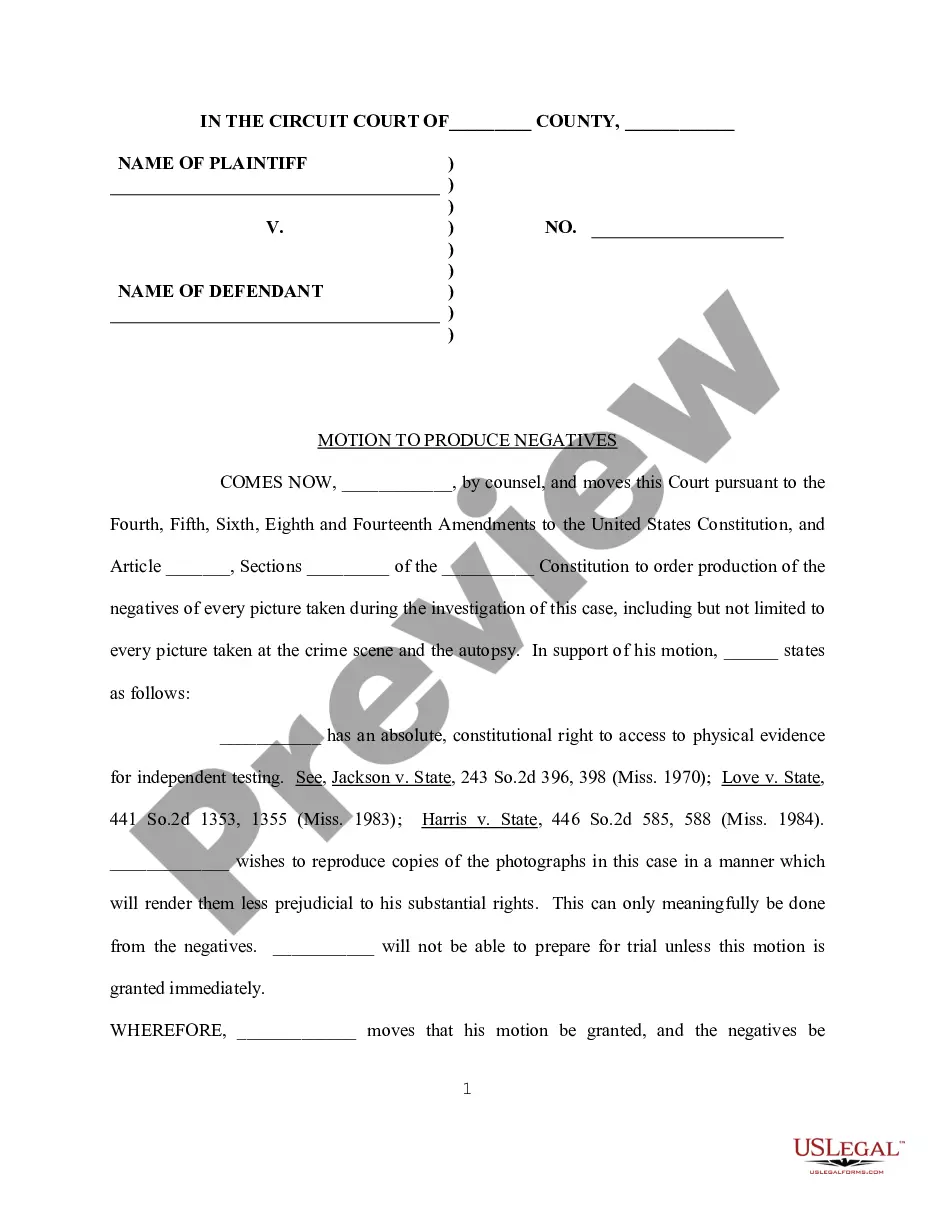
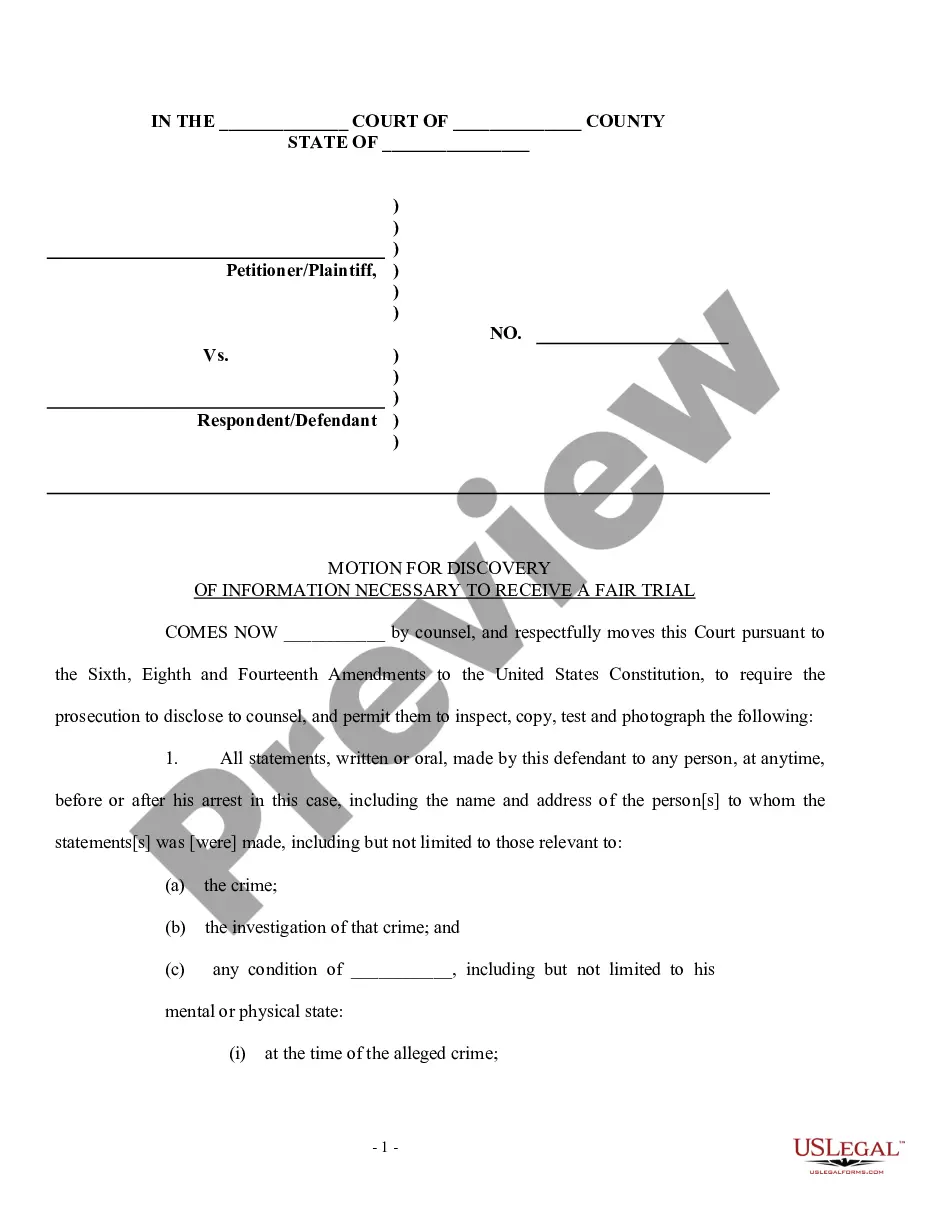
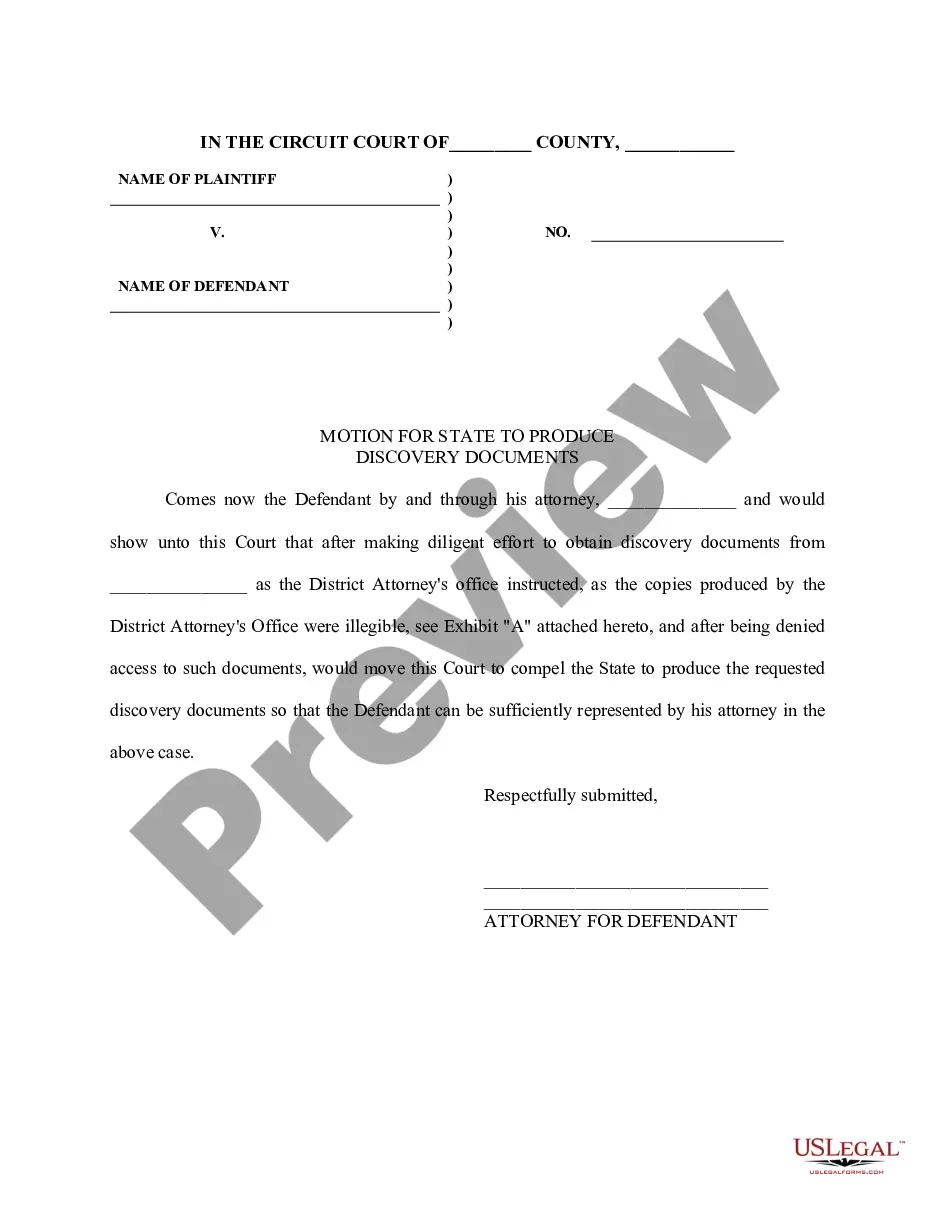
Missouri Motion for Discovery of Information Regarding State Experts
117 downloads
Description
Free preview
Get your form ready online
Our built-in tools help you complete, sign, share, and store your documents in one place.
Built-in online Word editor
Make edits, fill in missing information, and update formatting in US Legal Forms—just like you would in MS Word.
Export easily
Download a copy, print it, send it by email, or mail it via USPS—whatever works best for your next step.
E-sign your document
Sign and collect signatures with our SignNow integration. Send to multiple recipients, set reminders, and more. Go Premium to unlock E-Sign.
Notarize online 24/7
If this form requires notarization, complete it online through a secure video call—no need to meet a notary in person or wait for an appointment.
Store your document securely
We protect your documents and personal data by following strict security and privacy standards.

Make edits, fill in missing information, and update formatting in US Legal Forms—just like you would in MS Word.

Download a copy, print it, send it by email, or mail it via USPS—whatever works best for your next step.

Sign and collect signatures with our SignNow integration. Send to multiple recipients, set reminders, and more. Go Premium to unlock E-Sign.

If this form requires notarization, complete it online through a secure video call—no need to meet a notary in person or wait for an appointment.

We protect your documents and personal data by following strict security and privacy standards.
Looking for another form?
How to fill out Motion For Discovery Of Information Regarding State Experts?
You can devote several hours online searching for the authentic document template that meets the state and federal requirements you desire. US Legal Forms offers thousands of legal forms that can be reviewed by experts.
You can download or print the Missouri Motion for Discovery of Information Regarding State Experts from my services. If you already have a US Legal Forms account, you can Log In and click the Download button. After that, you can complete, modify, print, or sign the Missouri Motion for Discovery of Information Regarding State Experts.
Every legal document template you purchase is yours to keep for a long time. To obtain an additional copy of any purchased form, visit the My documents tab and click the corresponding button. If you are using the US Legal Forms website for the first time, follow the simple instructions below: First, make sure you have selected the correct document template for your region/area of choice. Review the form details to ensure you have chosen the right one. If available, utilize the Preview button to browse through the document template as well.
Utilize professional and state-specific templates to address your business or personal needs.
- To find another version of your form, use the Search field to locate the template that suits your needs and requirements.
- Once you have identified the template you require, click Acquire now to proceed.
- Select the pricing plan you want, enter your credentials, and create a free account on US Legal Forms.
- Complete the transaction. You can use your credit card or PayPal account to pay for the legal form.
- Choose the format of your document and download it to your device.
- Make edits to the document if necessary. You can complete, modify, sign, and print the Missouri Motion for Discovery of Information Regarding State Experts.
- Download and print thousands of document templates using the US Legal Forms Website, which offers the largest selection of legal forms.
Form popularity
FAQ
Hear this out loud PauseOne purpose of Rule 57.03(b)(4) is to permit a party to take the deposition of an opposing corporation's representative at a time when the party taking the deposition knows that the statements made by the witness on the identified topics will be admissible against and binding on the corporate party.
Hear this out loud PauseUnless otherwise stipulated or ordered by the court, any party may serve upon any other party no more than 25 written interrogatories, including all discrete subparts.
Parties may obtain discovery regarding any matter, not privileged, that is relevant to the subject matter involved in the pending action, whether it relates to the claim or defense of the party seeking discovery or to the claim or defense of any other party, including the existence, description, nature, custody, ...
Hear this out loud PauseRule 56.01(b)(9) provides a procedure for clawing back information produced in discovery that is subject to a claim of attorney-client privilege or work-product protection. If the producing party gives notice, the receiving party must promptly return, sequester, or destroy the specified information.
Under Missouri rules, the party taking the expert's deposition has to pay for the deposition; therefore, the party disclosing the expert is required to state what the expert charges for deposition. A party also need only state the general nature of the subject on which the expert is expected to testify.
Under Rule 56.01(b)(4)(B) of the Missouri Rules of Civil Procedure, a party may depose opposing experts to discover the facts and opinions to which the expert is expected to testify.
[a] party may discover by depositionthe facts and opinions to which the expert is expected to testify.? Under Rule 56.01(b)(4), the facts and opinions of an expert are only discoverable by deposition. Willis v. Brot, 652 S.W. 2d 738, 740 (Mo.
Hear this out loud PauseGrounds. A Rule 12(b) motion can be based on: (1) lack of subject matter jurisdiction; (2) lack of personal jurisdiction; (3) improper venue; (4) insufficient process; (5) insufficient service of process; (6) failure to state a claim upon which relief can be granted; and (7) failure to join a party under Rule 19.