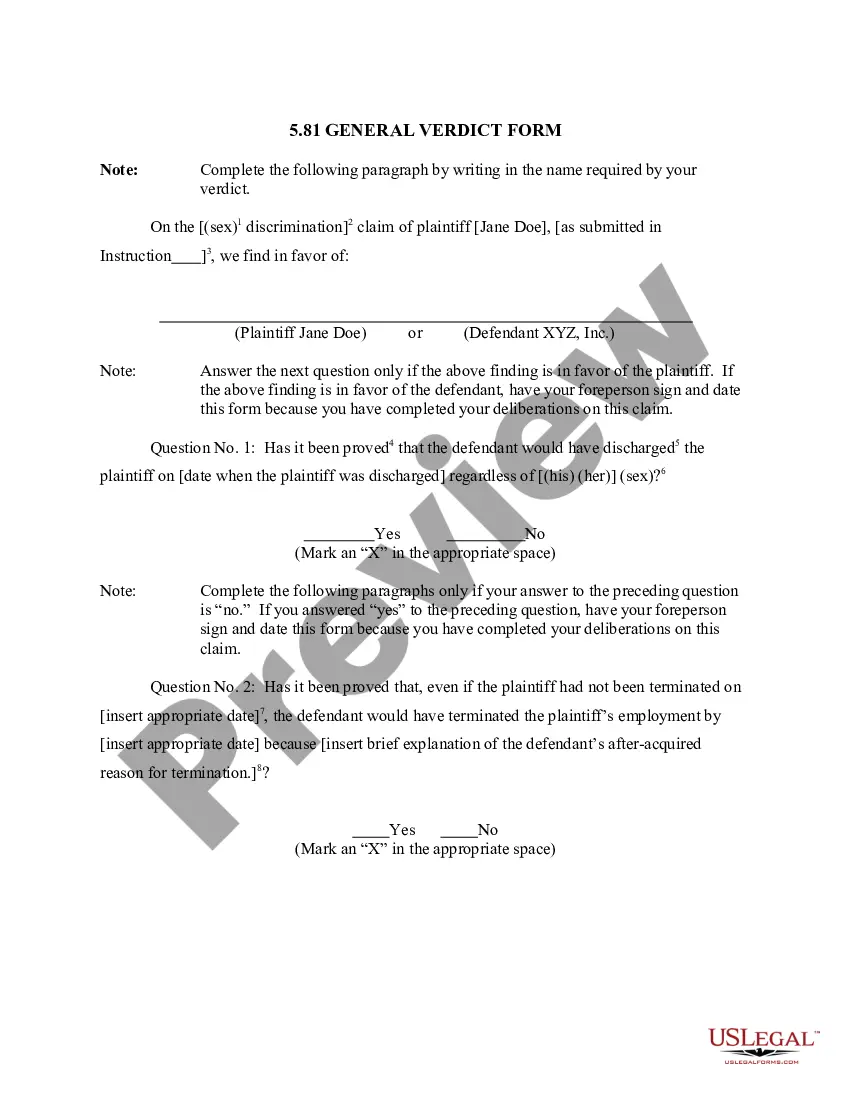
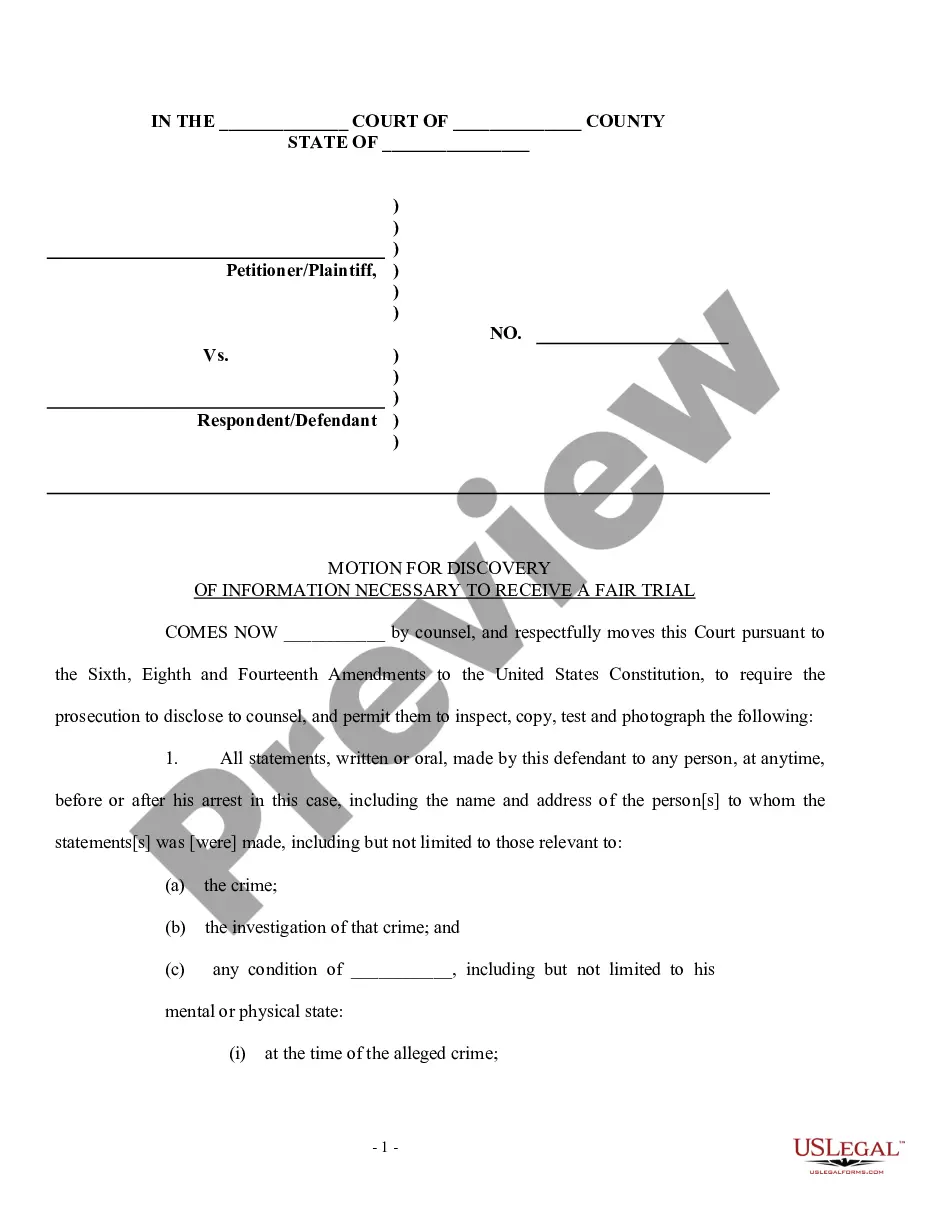
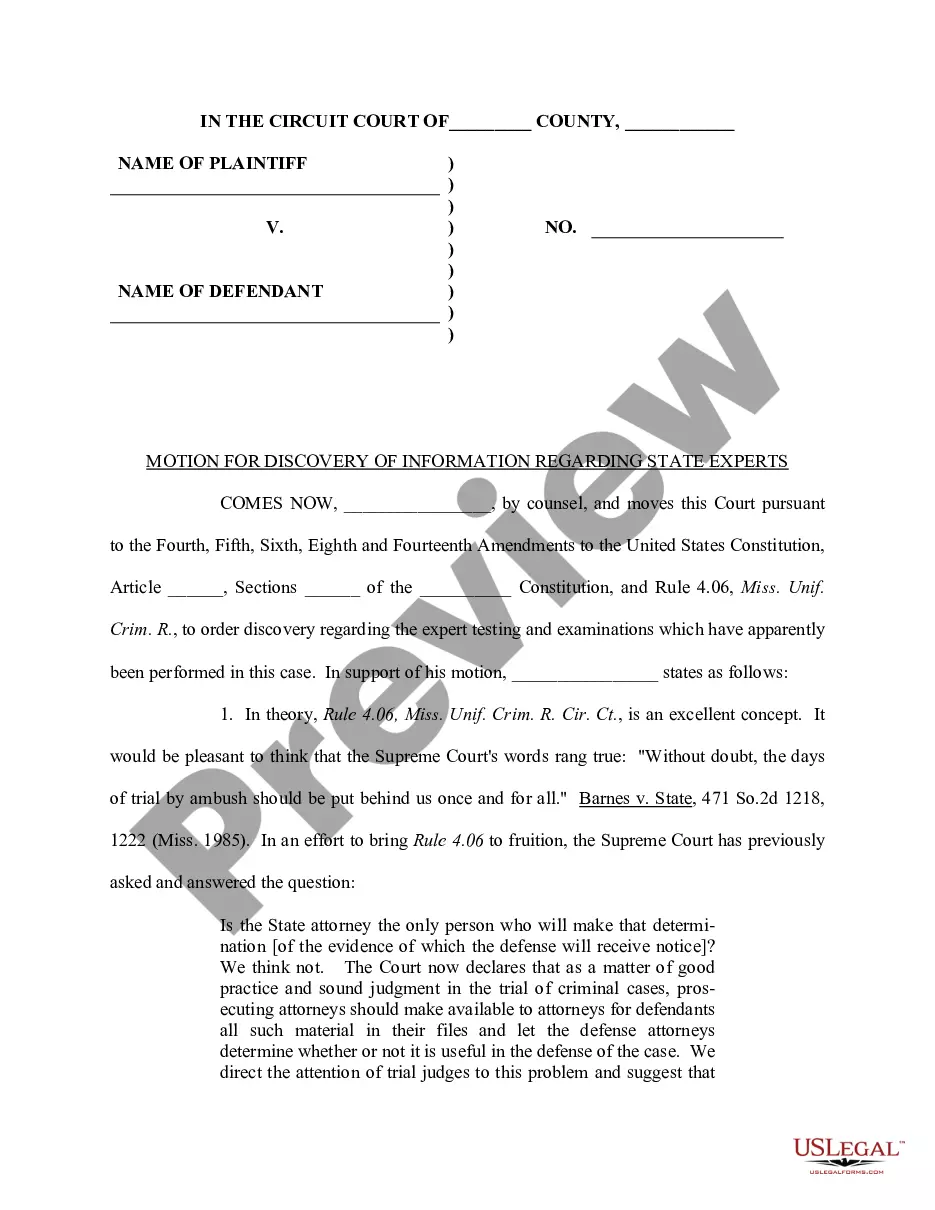
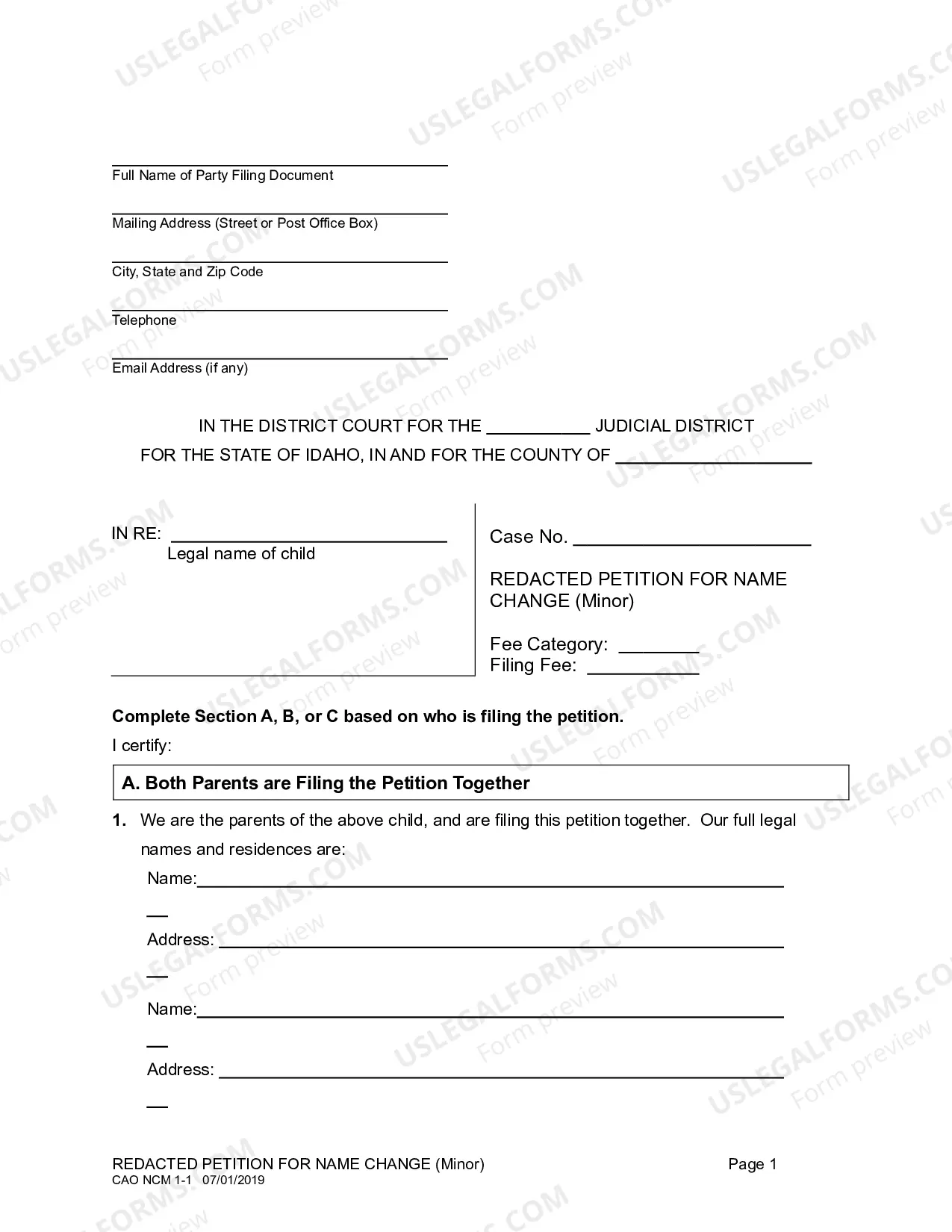
Georgia Motion to Produce Negatives
Description
Get your form ready online
Our built-in tools help you complete, sign, share, and store your documents in one place.
Make edits, fill in missing information, and update formatting in US Legal Forms—just like you would in MS Word.
Download a copy, print it, send it by email, or mail it via USPS—whatever works best for your next step.
Sign and collect signatures with our SignNow integration. Send to multiple recipients, set reminders, and more. Go Premium to unlock E-Sign.
If this form requires notarization, complete it online through a secure video call—no need to meet a notary in person or wait for an appointment.
We protect your documents and personal data by following strict security and privacy standards.

Make edits, fill in missing information, and update formatting in US Legal Forms—just like you would in MS Word.

Download a copy, print it, send it by email, or mail it via USPS—whatever works best for your next step.

Sign and collect signatures with our SignNow integration. Send to multiple recipients, set reminders, and more. Go Premium to unlock E-Sign.

If this form requires notarization, complete it online through a secure video call—no need to meet a notary in person or wait for an appointment.

We protect your documents and personal data by following strict security and privacy standards.
Looking for another form?
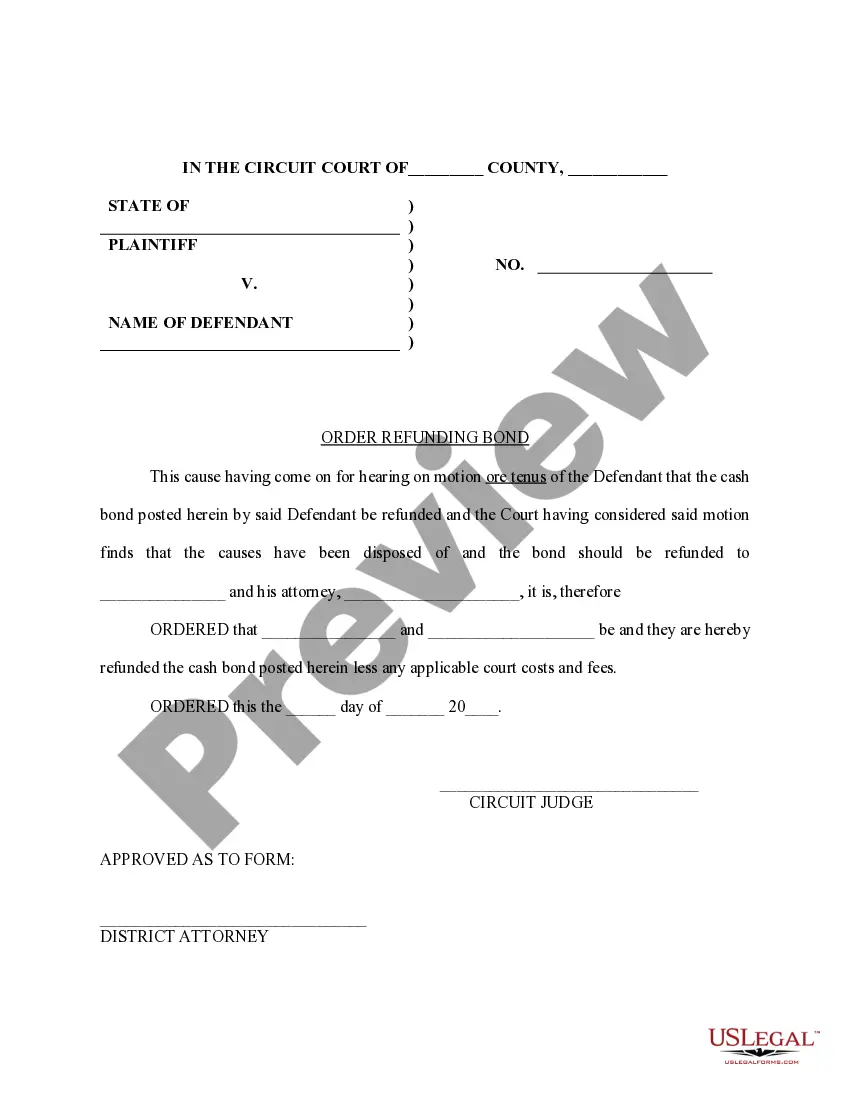
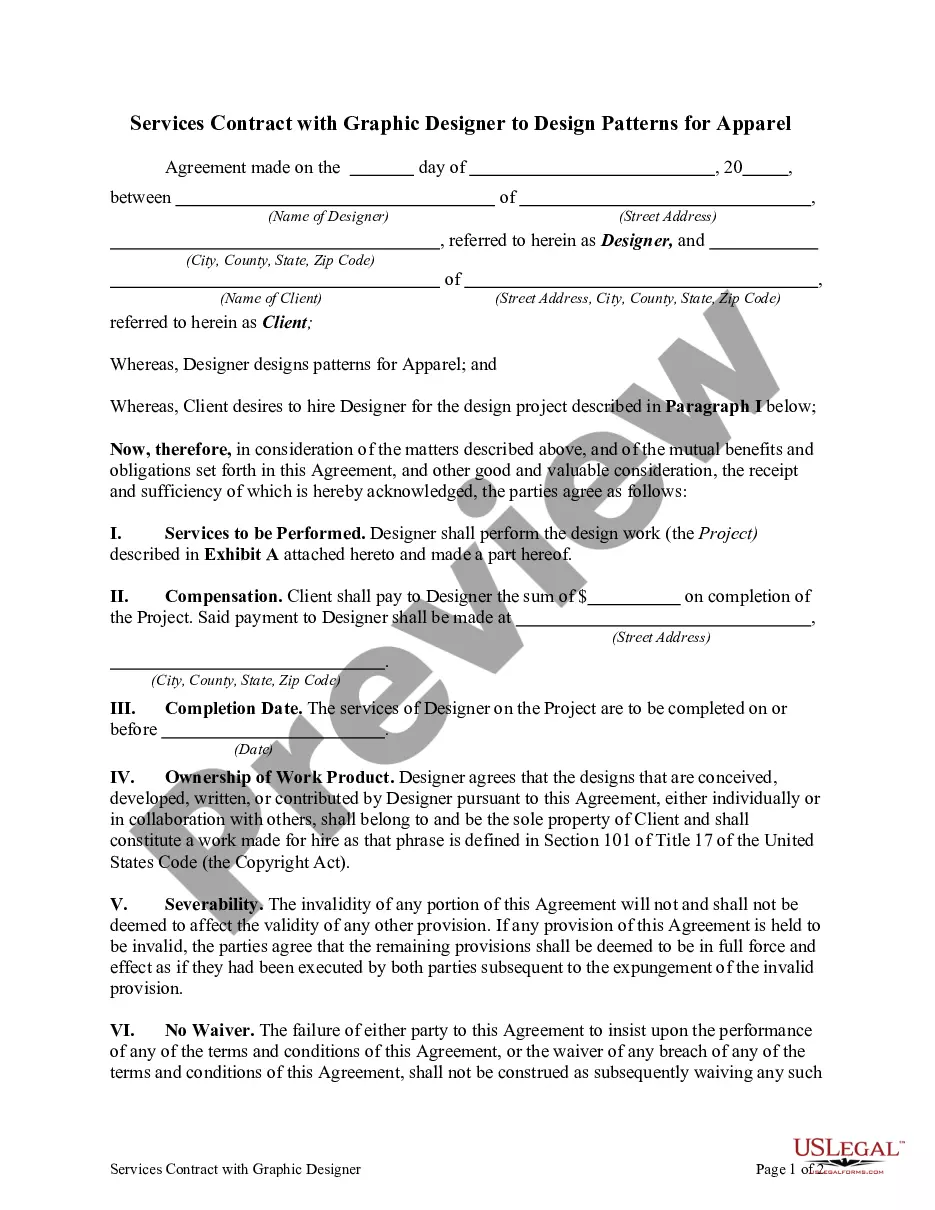
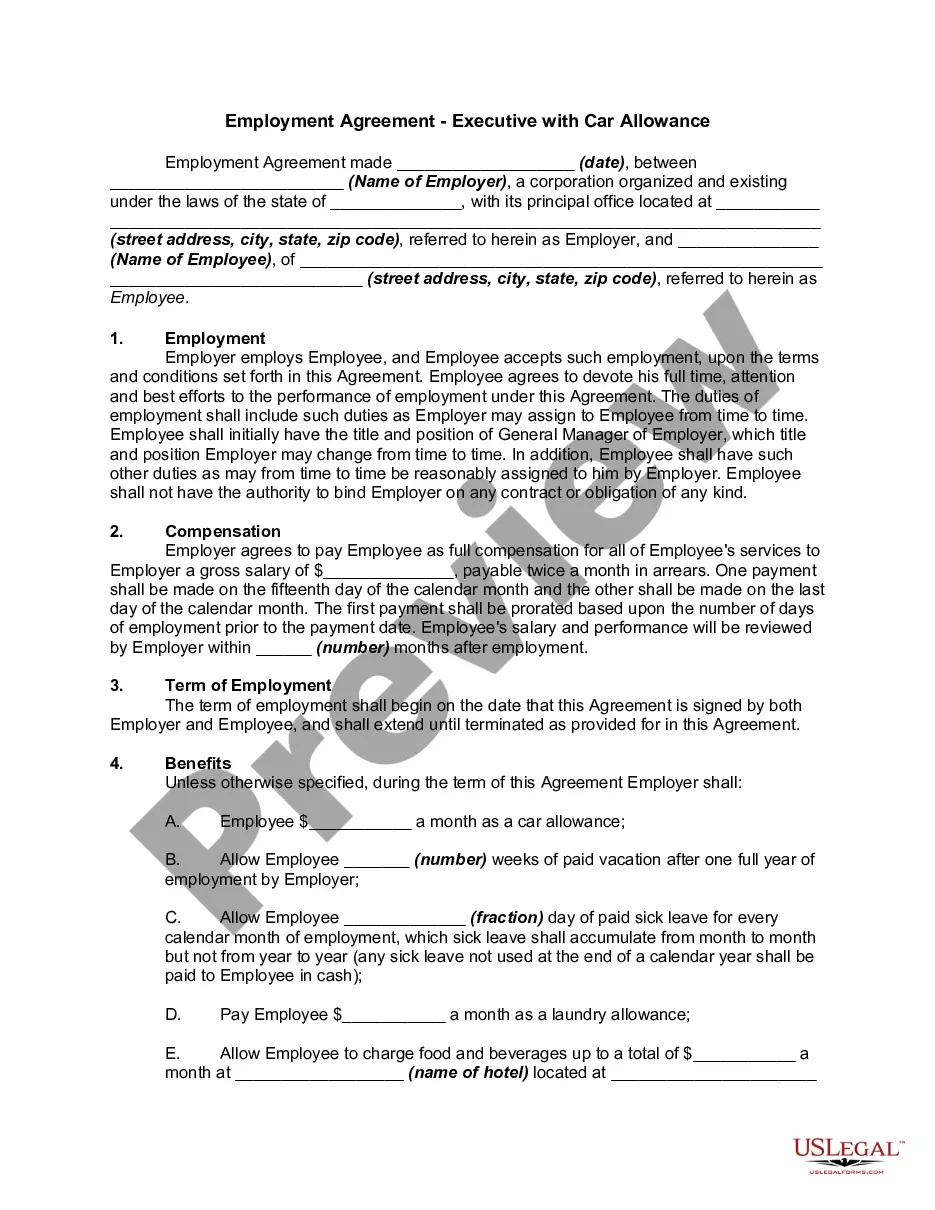
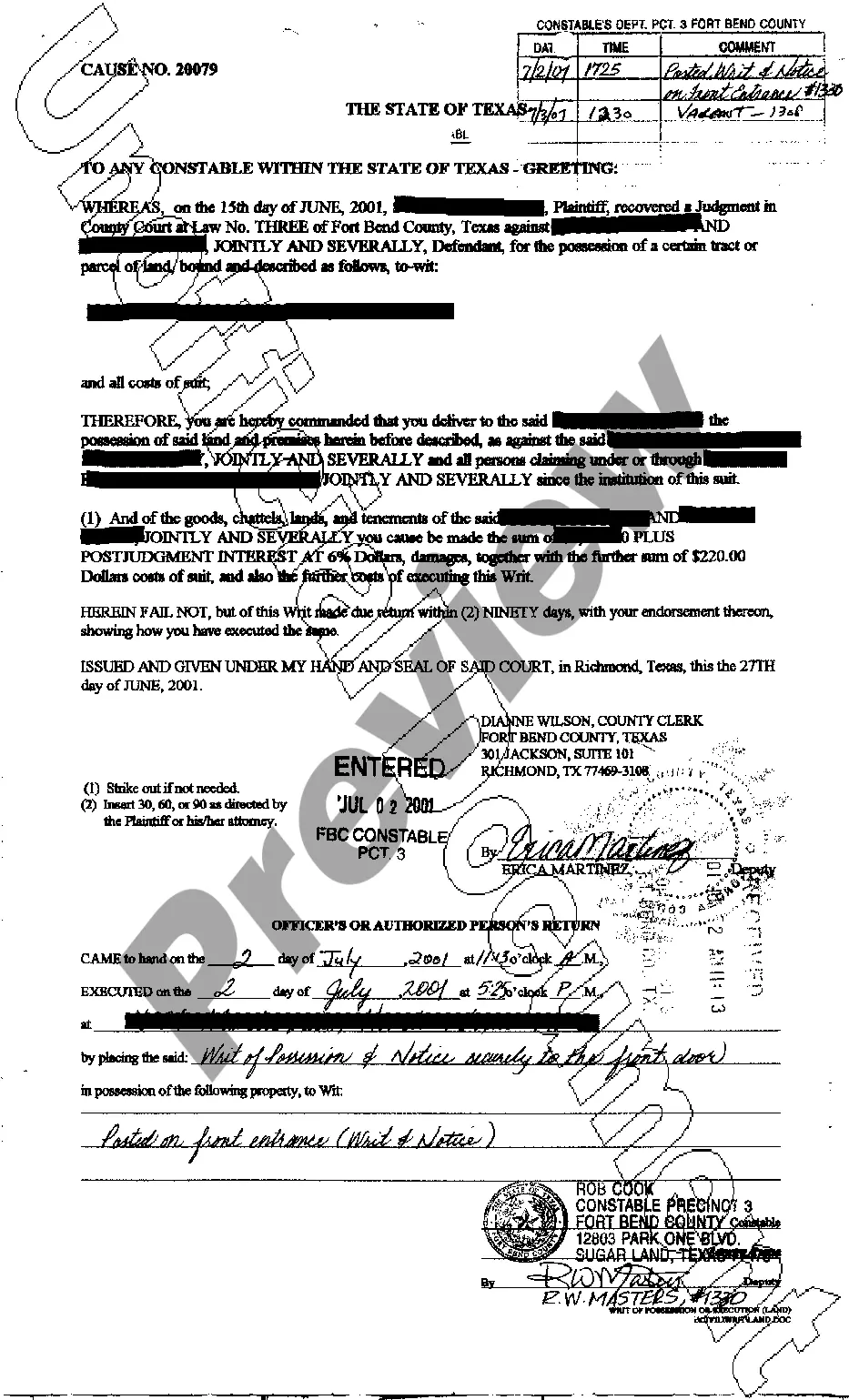

How to fill out Motion To Produce Negatives?
You can spend numerous hours online searching for the appropriate legal document template that meets the federal and state regulations you require. US Legal Forms offers a vast array of legal forms that have been vetted by experts. You can effortlessly download or print the Georgia Motion to Produce Negatives from my service.
If you possess a US Legal Forms account, you can Log In and then click the Download button. After that, you can complete, modify, print, or sign the Georgia Motion to Produce Negatives. Each legal document template you purchase is yours forever. To obtain another copy of any purchased form, go to the My documents tab and click the corresponding button.
If you are using the US Legal Forms website for the first time, follow the simple instructions below: First, ensure you have selected the correct document template for the county/region of your choice. Review the form description to confirm you have chosen the right template. If available, use the Preview button to check the document template as well.
- To find another version of the form, use the Search section to locate the template that suits your needs and requirements.
- Once you have identified the template you desire, click Get now to proceed.
- Select the pricing plan you prefer, enter your credentials, and register for your account on US Legal Forms.
- Complete the transaction. You can use your credit card or PayPal account to pay for the legal document.
- Choose the format of the file and download it to your device.
- Make adjustments to the document if necessary. You can complete, modify, and sign and print the Georgia Motion to Produce Negatives.
- Download and print numerous document templates using the US Legal Forms website, which provides the largest selection of legal forms. Utilize professional and state-specific templates to address your business or personal needs.
Form popularity
FAQ
Respondent to a motion to dismiss is entitled to notice of conversion of the motion into one for summary judgment and to 30 days to respond to the motion for summary judgment unless such notice and opportunity are waived. Bonner v. Fox, 204 Ga.
A party may assert any or all of the following claims in a motion to dismiss: Lack of subject-matter jurisdiction; Lack of personal jurisdiction; Improper venue; Insufficiency of process; Insufficiency of service of process; Failure to state a claim on which relief can be granted; and.
(1) An appellant who decides not to pursue an appeal shall promptly file a motion for permission to withdraw it. (2) In a criminal case, unless the State is the appellant, the motion shall include an affidavit from the defendant agreeing to the withdrawal of the appeal.
After the plaintiff, in an action tried by the court without a jury, has completed the presentation of his evidence, the defendant, without waiving his right to offer evidence in the event the motion is not granted, may move for dismissal on the ground that upon the facts and the law the plaintiff has shown no right to ...
If a party does not comply with a discovery order, the trial court may impose sanctions under O.C.G.A.
In Georgia, the court has 2 years to file an accusation in a misdemeanor case and 4 years to indict a felony but once accused or indicted, the statute of limitations does not apply. Constitutional speedy demand is based on case law and the 6th amendment.
Deadline for Responding to Motion to Dismiss Any party opposing a motion must serve and file a response, reply memorandum, affidavits, or other responsive material within 30 days of being served with the motion. Ga. Unif.
However, a rarely enforced Georgia statute provides that judges should rule on motions within 90 days after filing or oral argument unless counsel agree in writing to extend the time for a ruling or the judge is "providentially hindered" from making a decision.