Missouri Deed of Reconveyance
About this form
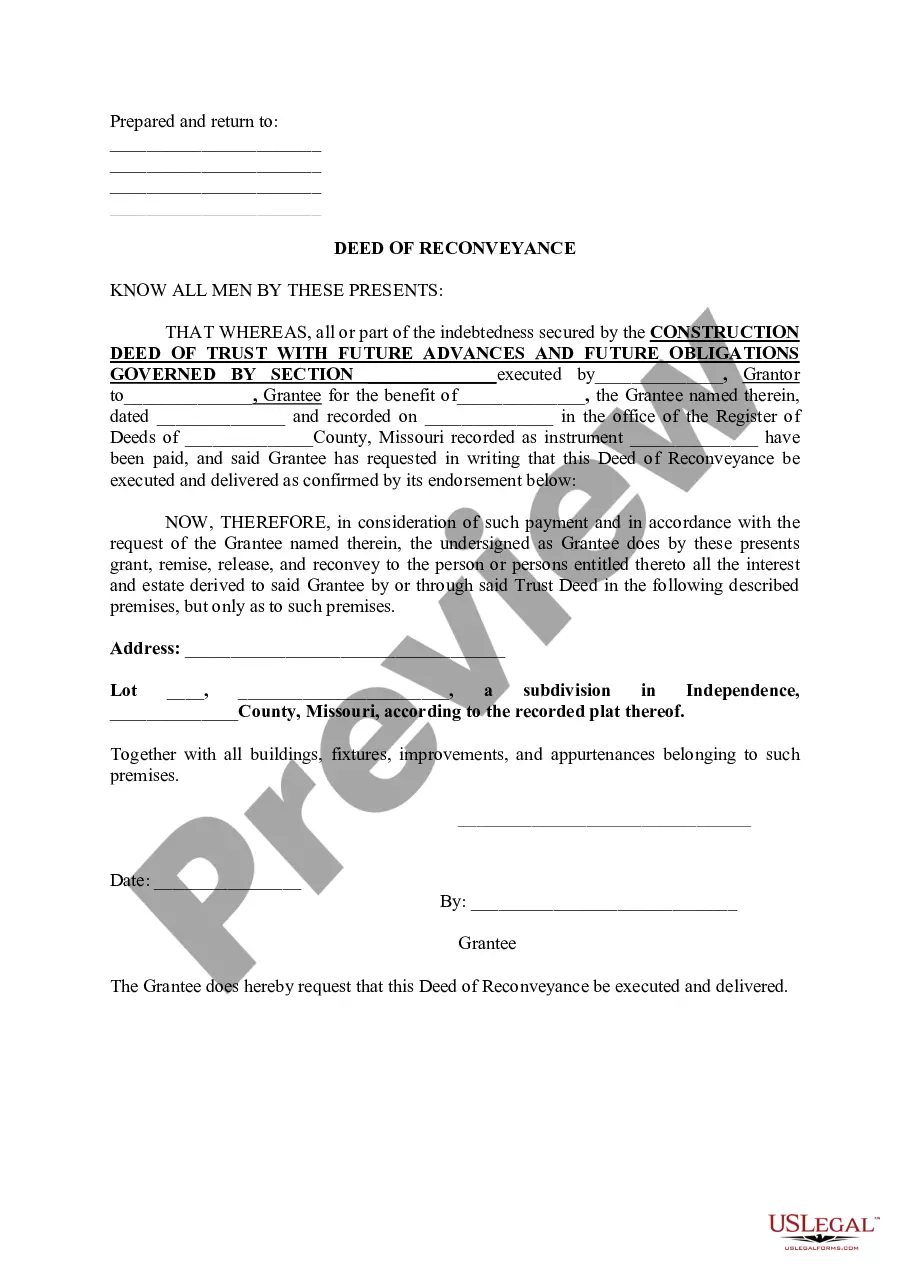
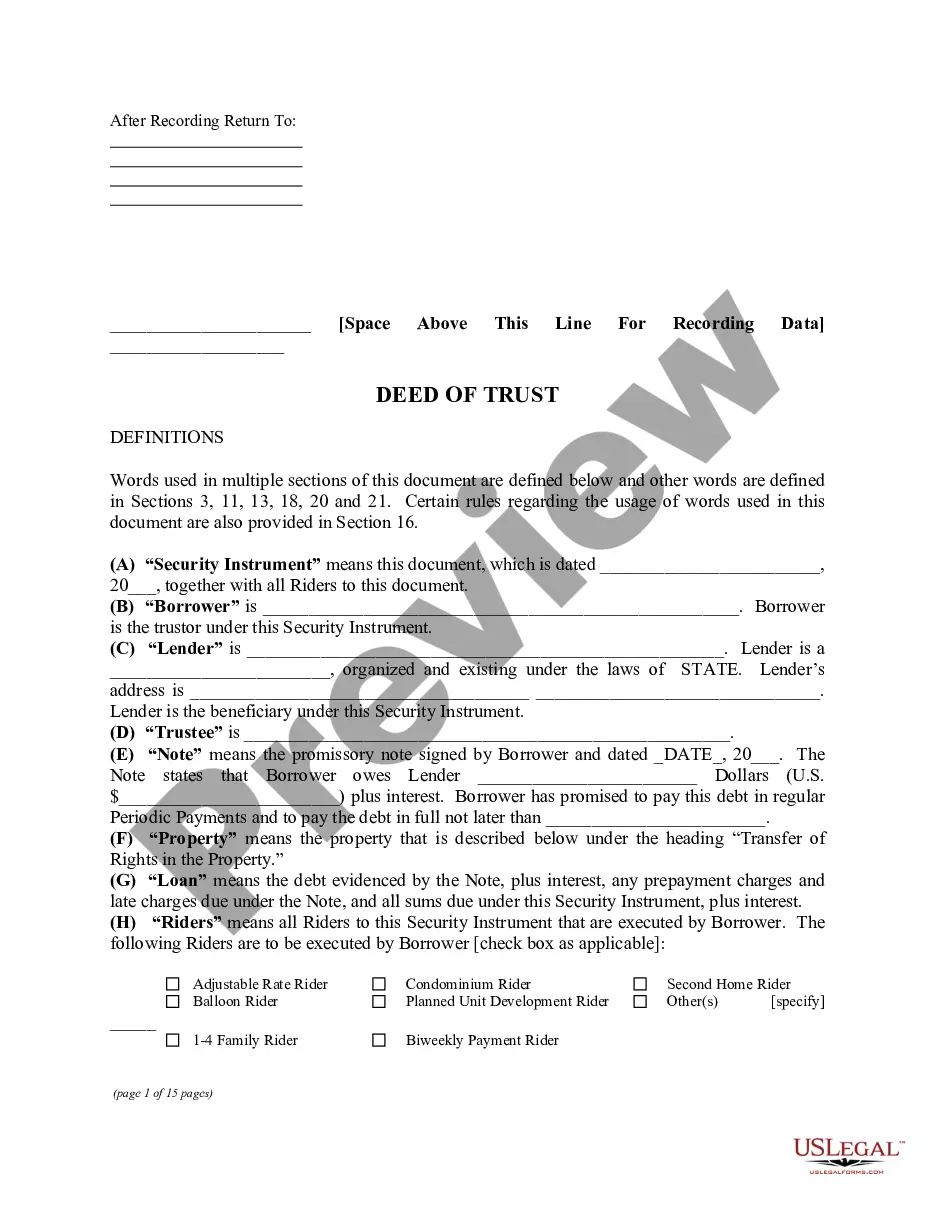
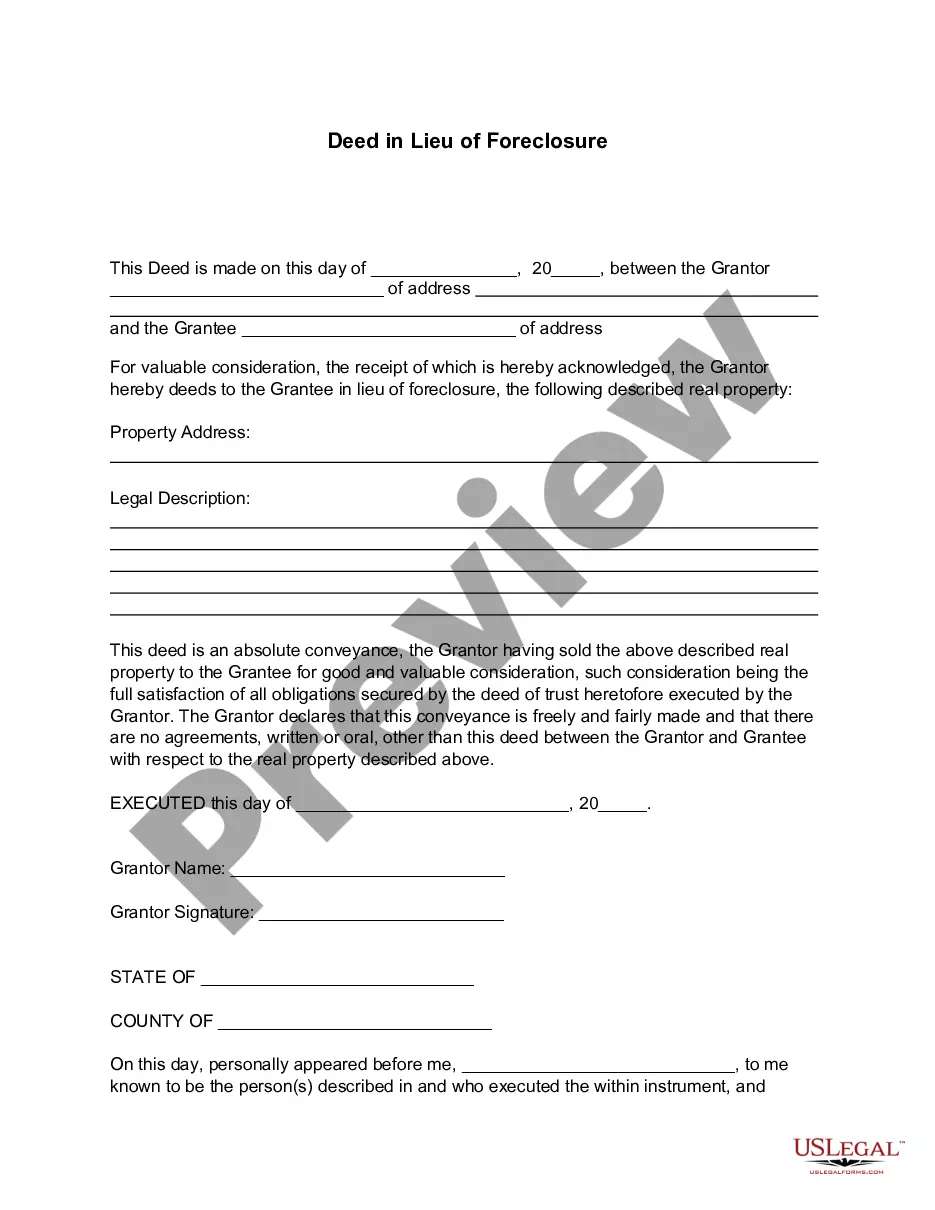
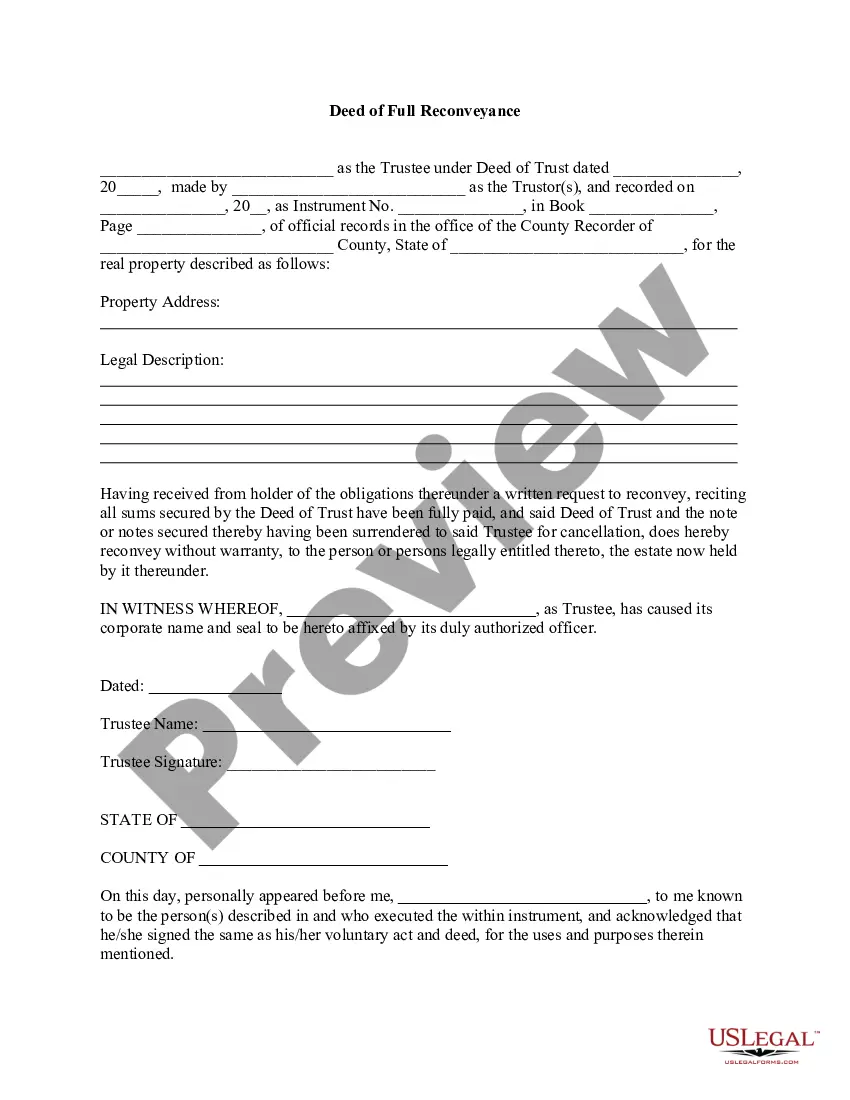
The Deed of Reconveyance is a legal document used to cancel a deed of trust once the obligations secured by that deed have been fulfilled. Unlike similar forms that may initiate a loan or property lien, this form specifically serves to release a property from the security interest of a deed of trust in the state of Montana. This ensures that the property is free from any further claims related to the original loan agreement.
Key parts of this document
- Prepared by: Section to enter names and addresses of parties involved.
- Details of the original deed: Information about the initial deed of trust, including the date recorded and the county.
- Property description: Specific details of the property subject to the reconveyance.
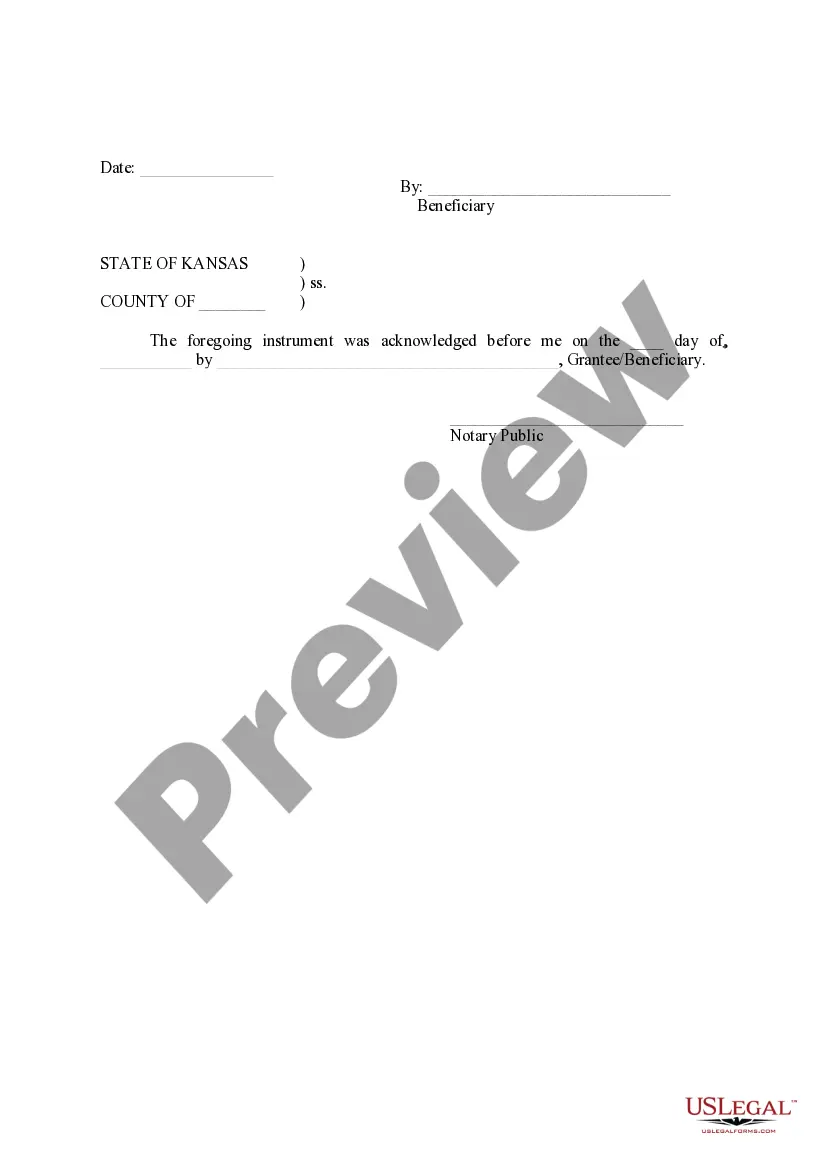
- Signatures: Areas designated for signatures of the Grantee and Beneficiary.
- Notary acknowledgment: Space for notarization confirming the identities of the signers.


When this form is needed
This form should be used when the loans or obligations secured by a deed of trust have been completely satisfied. It is typically necessary when a loan is paid off and the borrower wants to ensure that the lien on their property is officially removed. This is essential for clarifying ownership and avoiding any potential disputes about property ownership in the future.
Who can use this document
This form is suitable for:
- Property owners who have paid off their debts secured by a deed of trust.
- Beneficiaries who hold the deed of trust and wish to release their interest in the property.
- Real estate professionals assisting clients in finalizing a loan agreement.
How to prepare this document
- Identify the parties involved: Enter the names and addresses of the Grantor, Grantee, and Beneficiary.
- Specify the property: Describe the property that is being reconveyed, ensuring accuracy in the legal description.
- Enter dates: Fill in the relevant dates, including the date of the original deed and the date of reconveyance.
- Sign the document: Ensure that both the Grantee and the Beneficiary sign the form where indicated.
- Provide notarization: Acquire a notary public's acknowledgment to confirm the identities of the signers.
Is notarization required?
Yes, this form must be notarized to be legally valid. Notarization is a crucial step in the reconveyance process, serving to authenticate the identities of those signing the document. US Legal Forms offers convenient online notarization services, allowing you to complete this step securely via video call.
Get your form ready online
Our built-in tools help you complete, sign, share, and store your documents in one place.
Make edits, fill in missing information, and update formatting in US Legal Forms—just like you would in MS Word.
Download a copy, print it, send it by email, or mail it via USPS—whatever works best for your next step.
Sign and collect signatures with our SignNow integration. Send to multiple recipients, set reminders, and more. Go Premium to unlock E-Sign.
If this form requires notarization, complete it online through a secure video call—no need to meet a notary in person or wait for an appointment.
We protect your documents and personal data by following strict security and privacy standards.

Make edits, fill in missing information, and update formatting in US Legal Forms—just like you would in MS Word.

Download a copy, print it, send it by email, or mail it via USPS—whatever works best for your next step.

Sign and collect signatures with our SignNow integration. Send to multiple recipients, set reminders, and more. Go Premium to unlock E-Sign.

If this form requires notarization, complete it online through a secure video call—no need to meet a notary in person or wait for an appointment.

We protect your documents and personal data by following strict security and privacy standards.
Mistakes to watch out for
- Failing to fully pay off the debt before completing the form.
- Not providing an accurate property description.
- Omitting required signatures from the Grantee or Beneficiary.
- Neglecting to get the document notarized when necessary.
Why complete this form online
- Convenience: Downloadable forms allow for quick access and completion at your leisure.
- Editability: Fillable forms can be customized to fit specific needs before printing.
- Reliability: Forms are drafted by licensed attorneys to ensure legal validity and adherence to state laws.
Looking for another form?

Form popularity
FAQ
The property's title remains in the trust until the loan is paid off, or satisfied, then it is released from the trust. To complete the release, the lender prepares a deed of reconveyance. This document states that the conditions of the loan have been met and you have no further financial obligations to the lender.
Is completed and signed by the trustee, whose signature must be notarized. Full Reconveyance form can be purchased at most office supply or stationery stores. Usually the trustee named on your Deed of Trust will also have forms available and will issue the Full Reconveyance.
A mortgage holder issues a deed of reconveyance to indicate that the borrower has been released from the mortgage debt. The deed transfers the property title from the lender, also called the beneficiary, to the borrower. This document is most commonly used when a mortgage has been paid in full.
Reconveyance is the transfer of a title to the borrower after a mortgage has been fully paid.
Reconveyance Fee Definition The reconveyance fee the seller pays will be enough to cover the charges for recording the mortgage and deed, and those costs can vary. Generally, you can expect to pay between $50 and $65. If you want to know the exact amount you'll be charged at closing, you can ask your real estate agent.
A reconveyance is the official transfer of the property title after the mortgage has been paid in full. The processing time can vary based on the county in which the property is located and can take up to three months. You will need to contact your county for questions on their specific processing time.
Reconveyance is the transfer of a title to the borrower after a mortgage has been fully paid.
How do you file a Deed of Reconveyance? A Deed of Reconveyance should be filed with your local county recorder or recorder of deeds once it has been signed by a notary public (such as an attorney). Once the document has been filed, the debt that was registered to the property will be considered paid off.
When a deed of trust/mortgage is paid in full, you can record a Full Reconveyance from the trustee stating publicly that the loan has been paid. The Full Reconveyance Form. is completed and signed by the trustee, whose signature must be notarized.