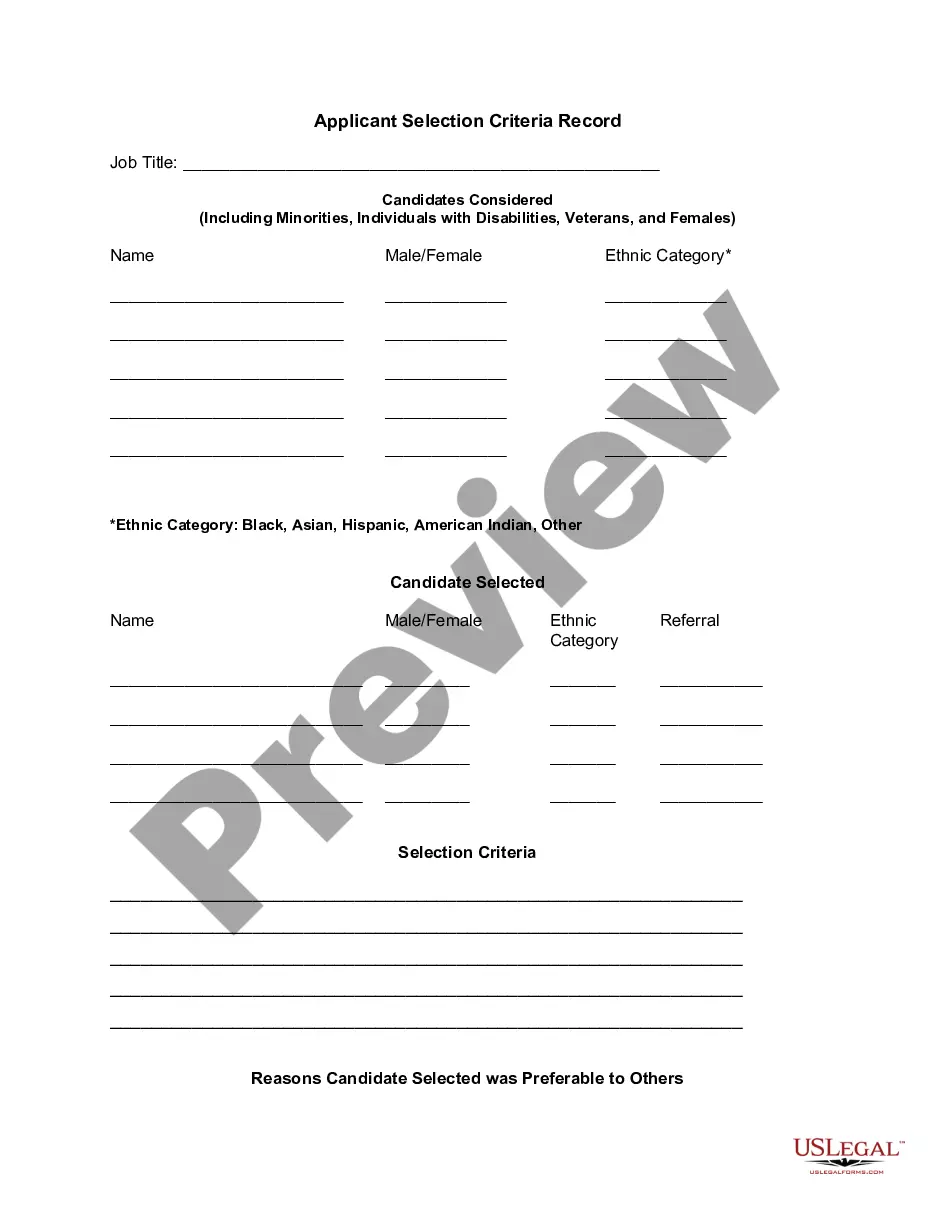
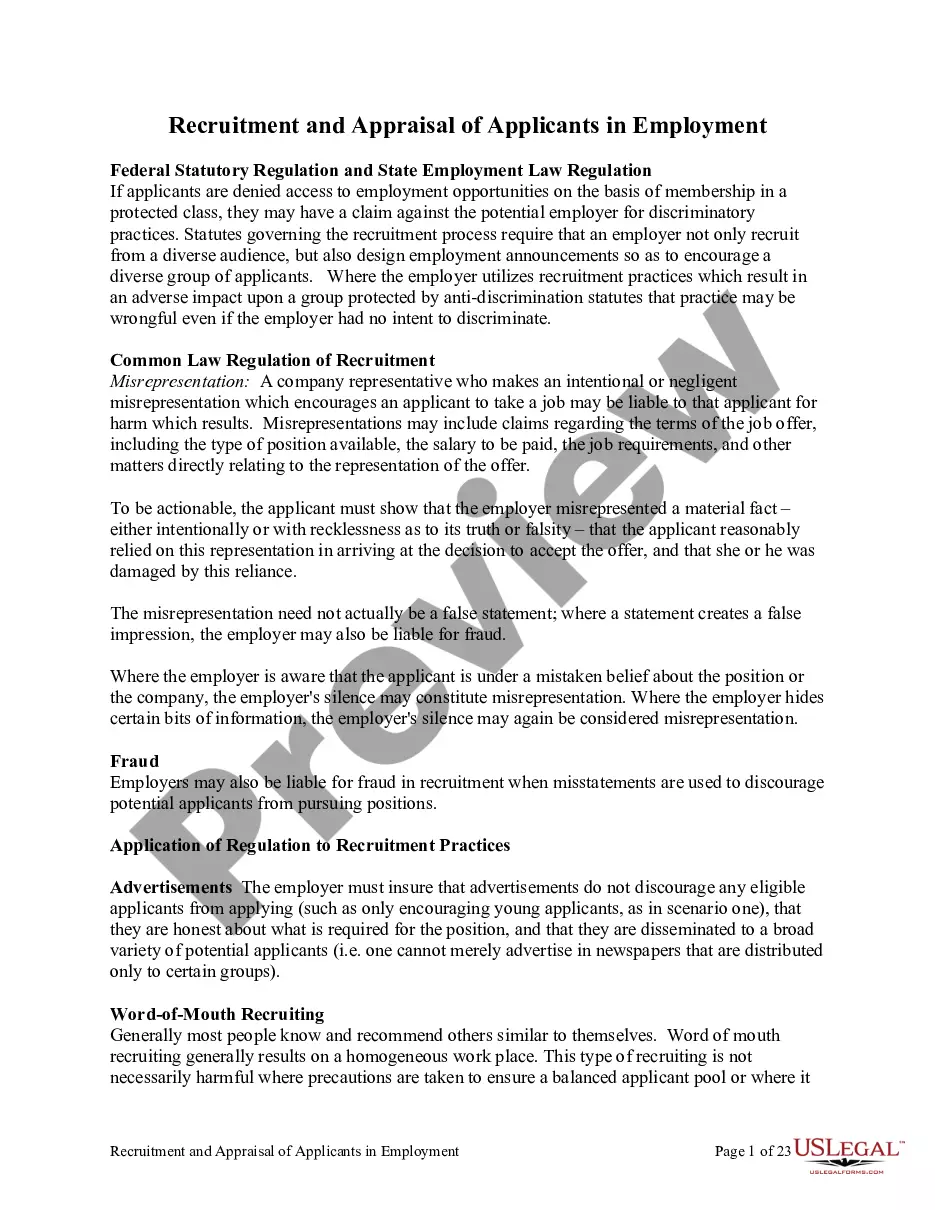
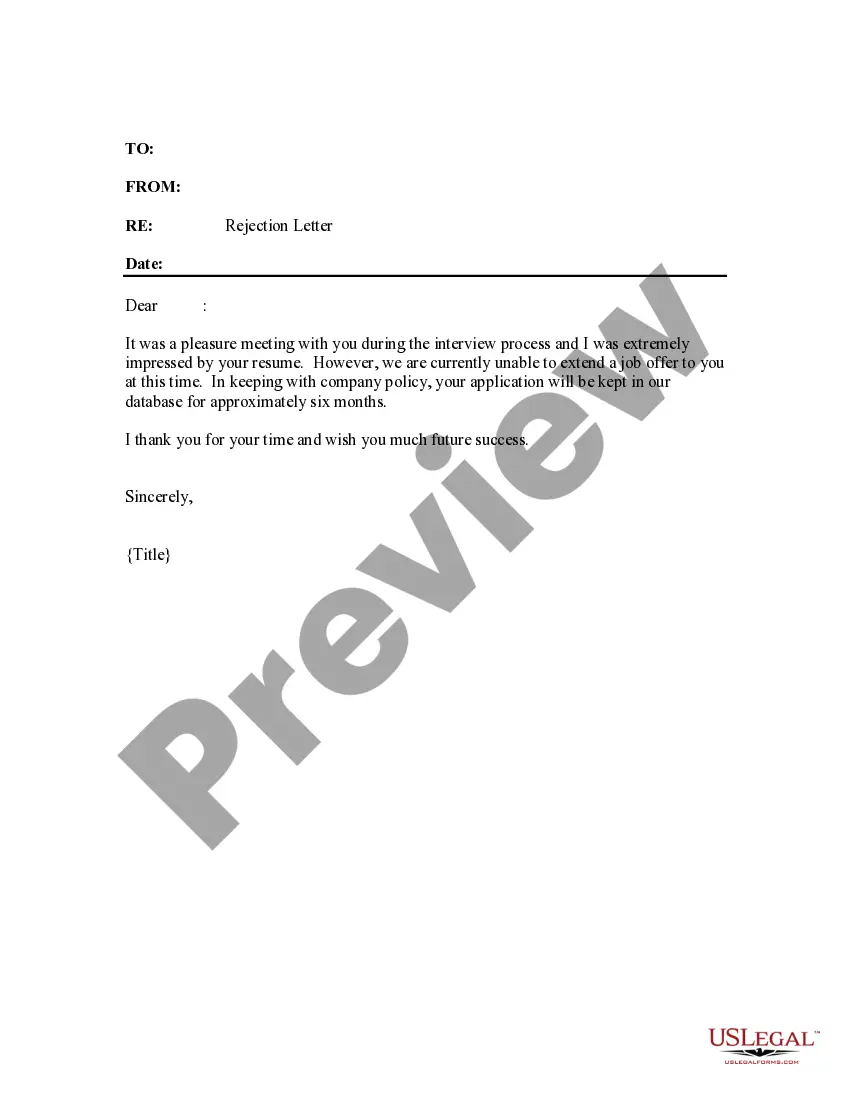
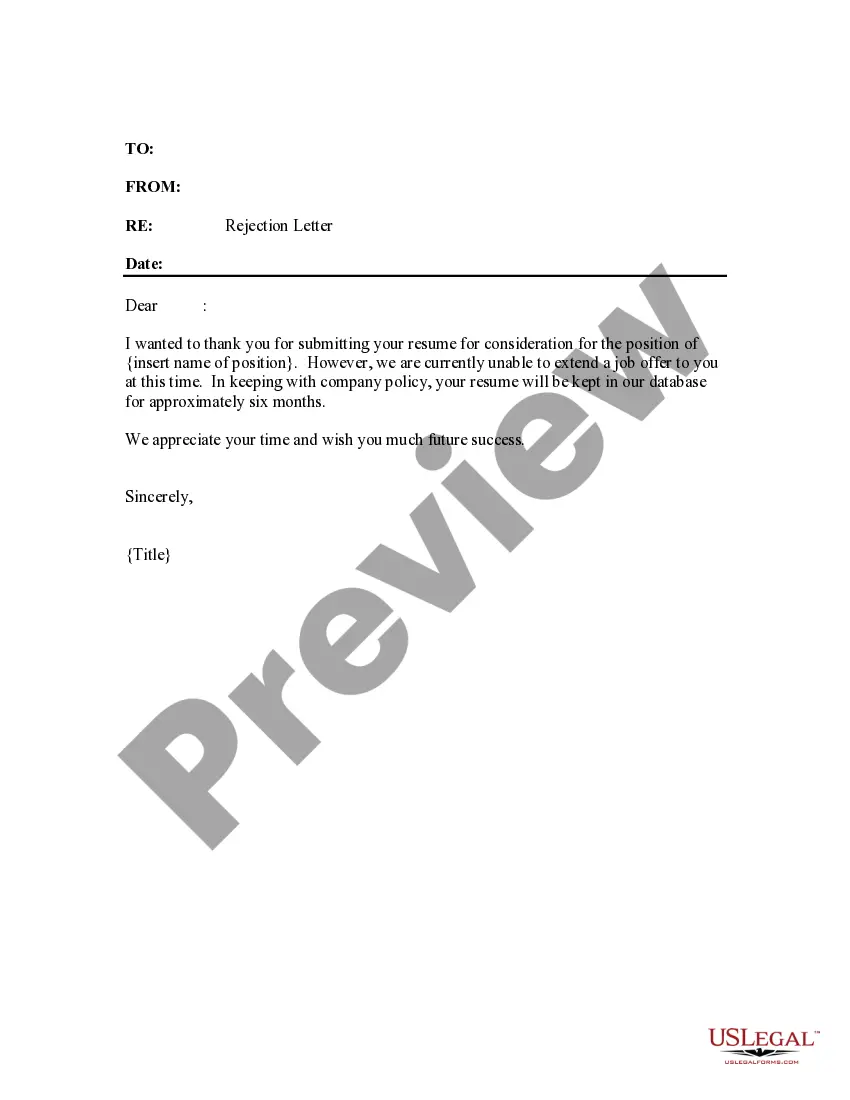
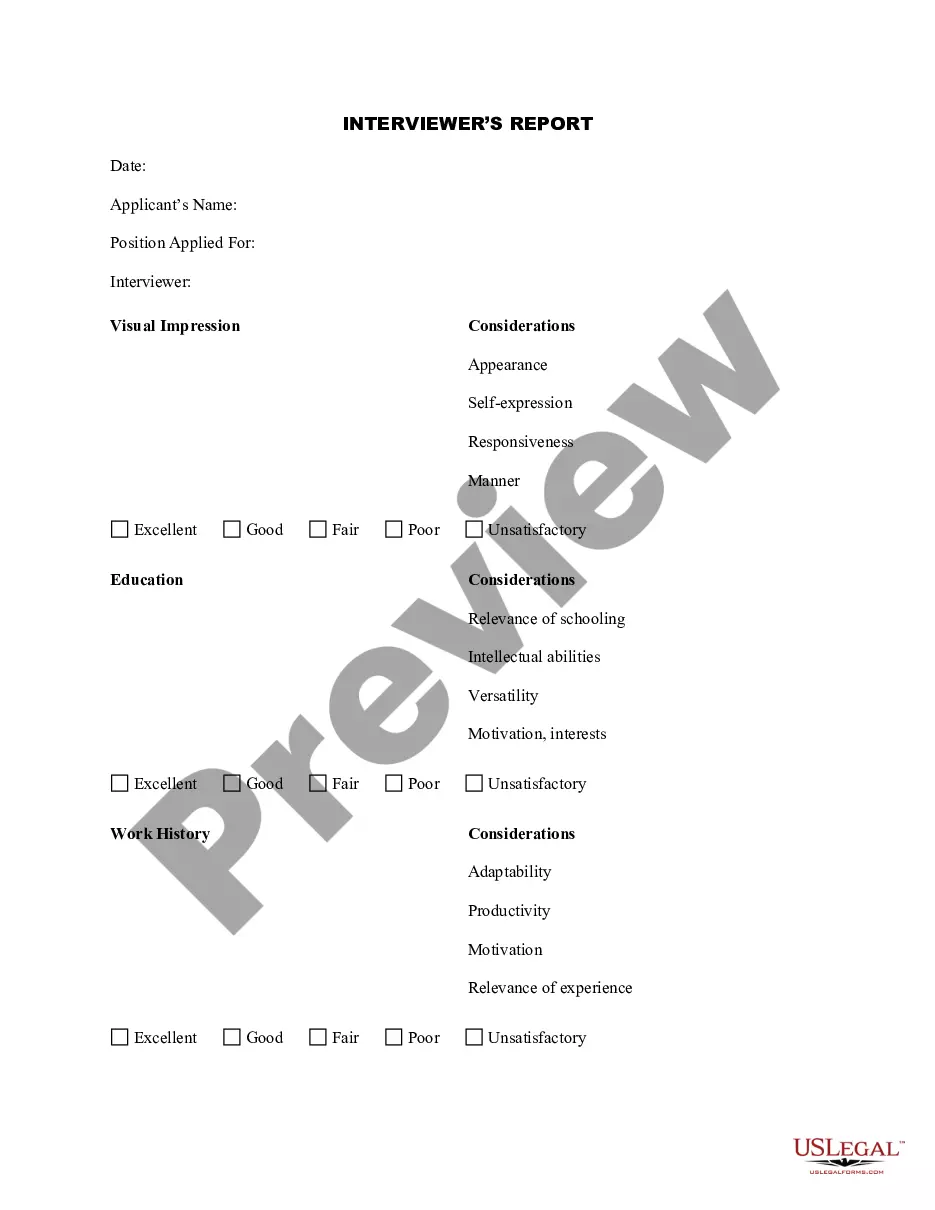
Minnesota Justification for Selection or Non-Selection of Applicant
Description
Get your form ready online
Our built-in tools help you complete, sign, share, and store your documents in one place.
Make edits, fill in missing information, and update formatting in US Legal Forms—just like you would in MS Word.
Download a copy, print it, send it by email, or mail it via USPS—whatever works best for your next step.
Sign and collect signatures with our SignNow integration. Send to multiple recipients, set reminders, and more. Go Premium to unlock E-Sign.
If this form requires notarization, complete it online through a secure video call—no need to meet a notary in person or wait for an appointment.
We protect your documents and personal data by following strict security and privacy standards.

Make edits, fill in missing information, and update formatting in US Legal Forms—just like you would in MS Word.

Download a copy, print it, send it by email, or mail it via USPS—whatever works best for your next step.

Sign and collect signatures with our SignNow integration. Send to multiple recipients, set reminders, and more. Go Premium to unlock E-Sign.

If this form requires notarization, complete it online through a secure video call—no need to meet a notary in person or wait for an appointment.

We protect your documents and personal data by following strict security and privacy standards.
Looking for another form?




How to fill out Justification For Selection Or Non-Selection Of Applicant?
Are you currently in a situation where you require paperwork for potential business or personal purposes nearly every day? There are numerous legal document templates available online, but finding ones you can rely on isn’t straightforward.
US Legal Forms offers a multitude of form templates, such as the Minnesota Justification for Selection or Non-Selection of Applicant, which are crafted to comply with federal and state regulations.
If you are already familiar with the US Legal Forms website and have an account, simply Log In. After that, you can download the Minnesota Justification for Selection or Non-Selection of Applicant template.
- Identify the form you need and ensure it is applicable for the correct city/county.
- Utilize the Preview button to review the form.
- Examine the description to confirm that you have selected the correct form.
- If the form isn’t what you’re searching for, use the Search field to find the form that meets your needs and requirements.
- Once you find the appropriate form, click Get now.
- Choose the subscription plan you want, fill in the required information to create your account, and pay for the order using your PayPal or credit card.
- Select a preferred file format and download your copy.
Form popularity
FAQ
There are approximately five to seven steps in a typical employee selection process. The exact steps will vary by company, but the basics include announcing the job, reviewing applications, screening candidates, interviewing, final selection, testing, and making an offer.
There are several steps in the recruitment and selection process. They include advertising for and sourcing candidates, reviewing applications, screening candidates, conducting interviews, and making an offer. HR works closely with hiring managers during the interviewing process.
The employee selection process is a series of steps that companies use to hire the best workers. Matching the right skills to the open roles is key, and effective selection can result in hiring the kind of employees that will boost company morale, add to your corporate culture, and keep turnover low.
The purpose of a selection interview is to determine whether a candidate will be selected for the position he or she is interviewing for. A selection interview is typically more rigorous than a screening interview.
Employee selection, also known as candidate selection, is the process of finding a new hire best suited for the role in question. The steps in the employee selection process depend on the role you're hiring for, your recruiting budget, the seniority of the position, available resources, and your organizational needs.
For meeting the goals of the organization, it is important to evaluate various attributes of each candidate such as their qualifications, skills, experiences, overall attitude, etc. In this process, the most suitable candidate is picked after the elimination of the candidates, who are not suitable for the vacant job.
Final Selection and Appointment Letter This is the final step in the selection process. After the candidate has successfully passed all written tests, interviews and medical examination, the employee is sent or emailed an appointment letter, confirming his selection to the job.
The purpose of selection process is to pick up the most suitable candidate who would meet the requirements of the job in an organisation best, to find out which job applicant will be successful, if hired.
Selection criteria inform potential applicants about the yardstick by which they will be measured and are usually summarized in the following categories: education, experience, and personal attributes, such as strong communication skills, the ability to work collegially with others, the ability to be innovative and
4. More Interviews: Interview is the oral examination of candidates for employment. This is the most essential step in the selection process.