Minnesota Land Trust Agreement

State:
Multi-State
Control #:
US-02093BG
Format:
Word; 
Rich Text
Instant download

Description

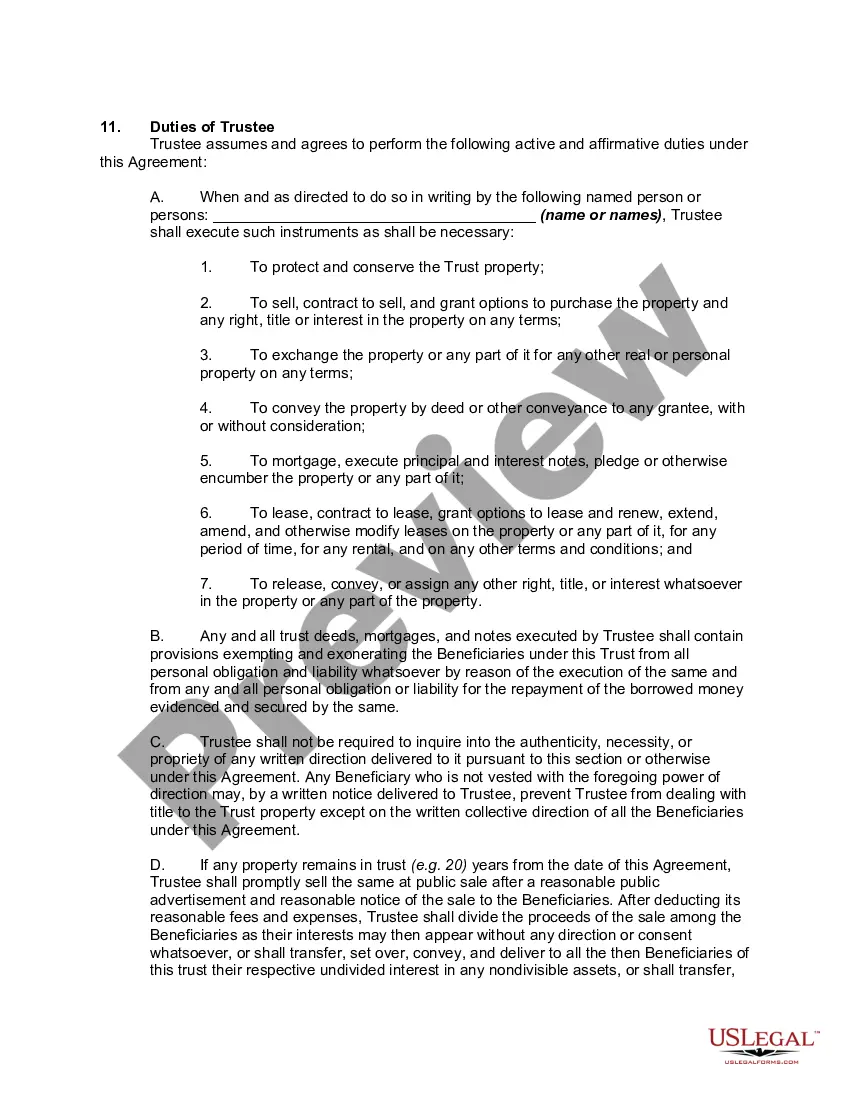
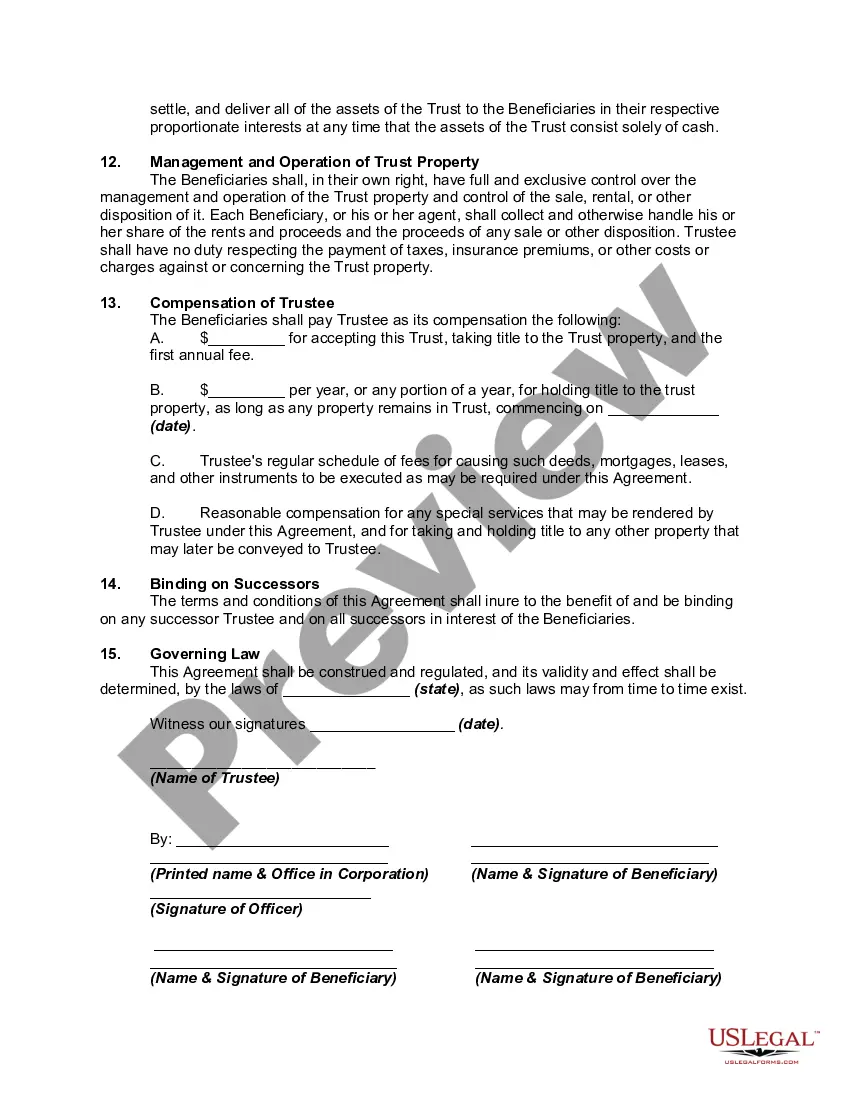
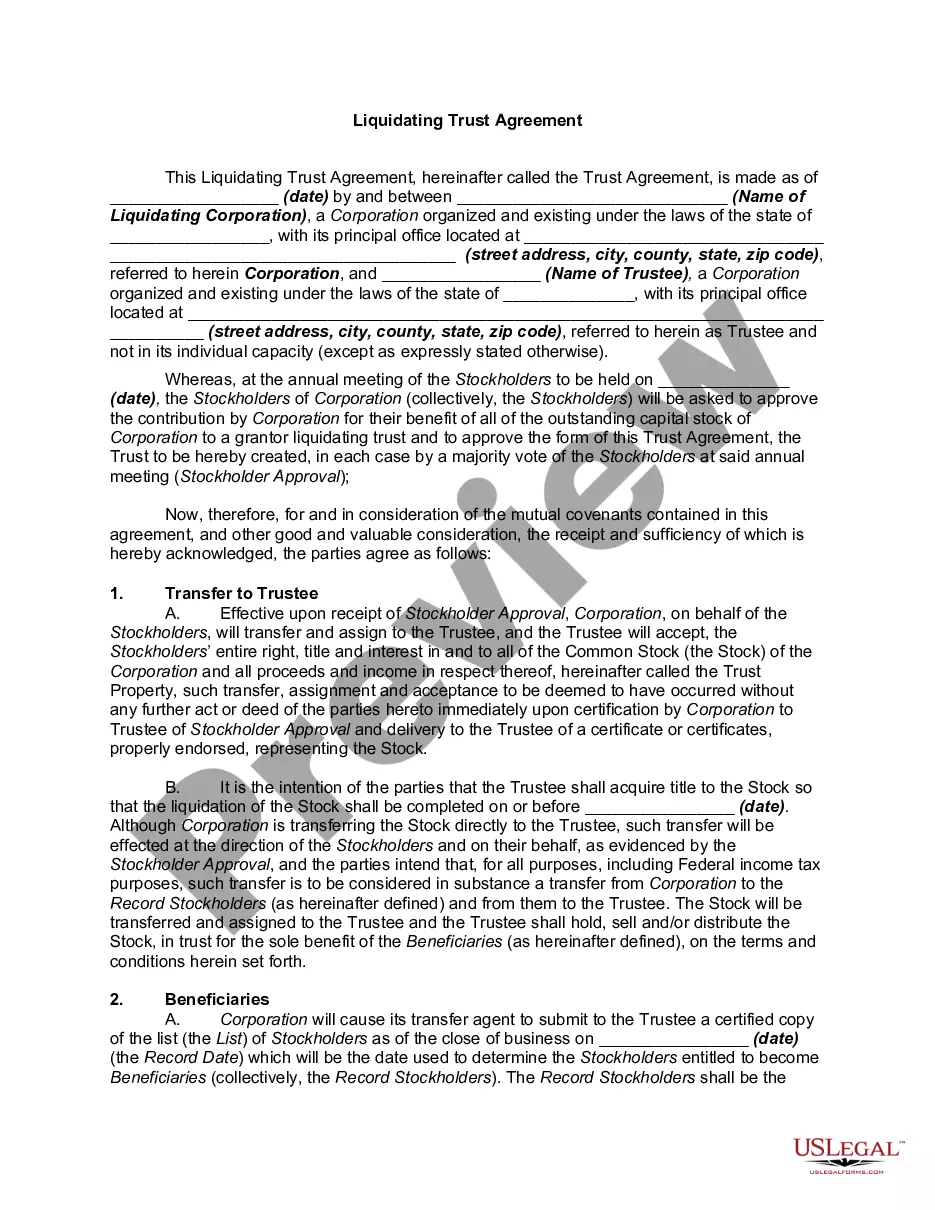
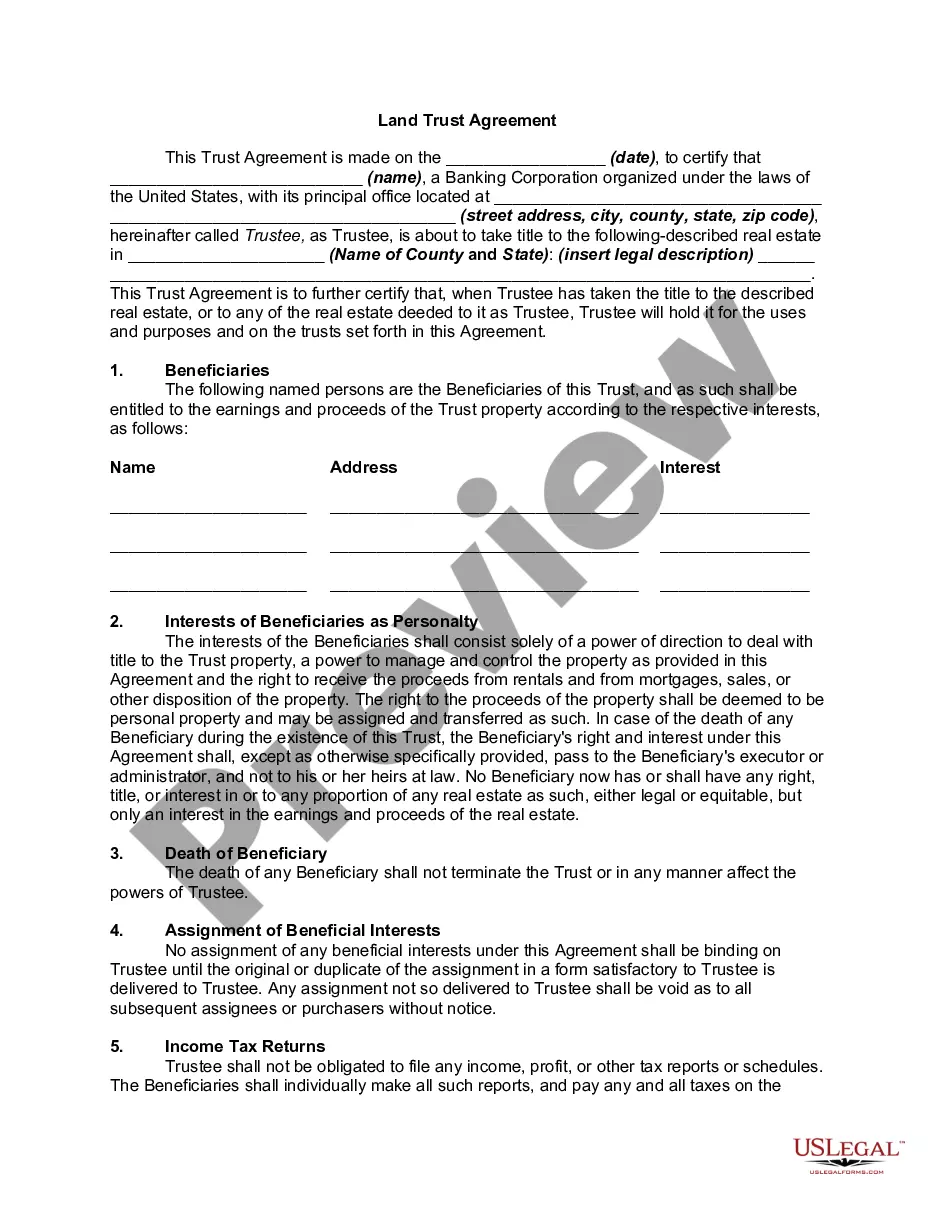
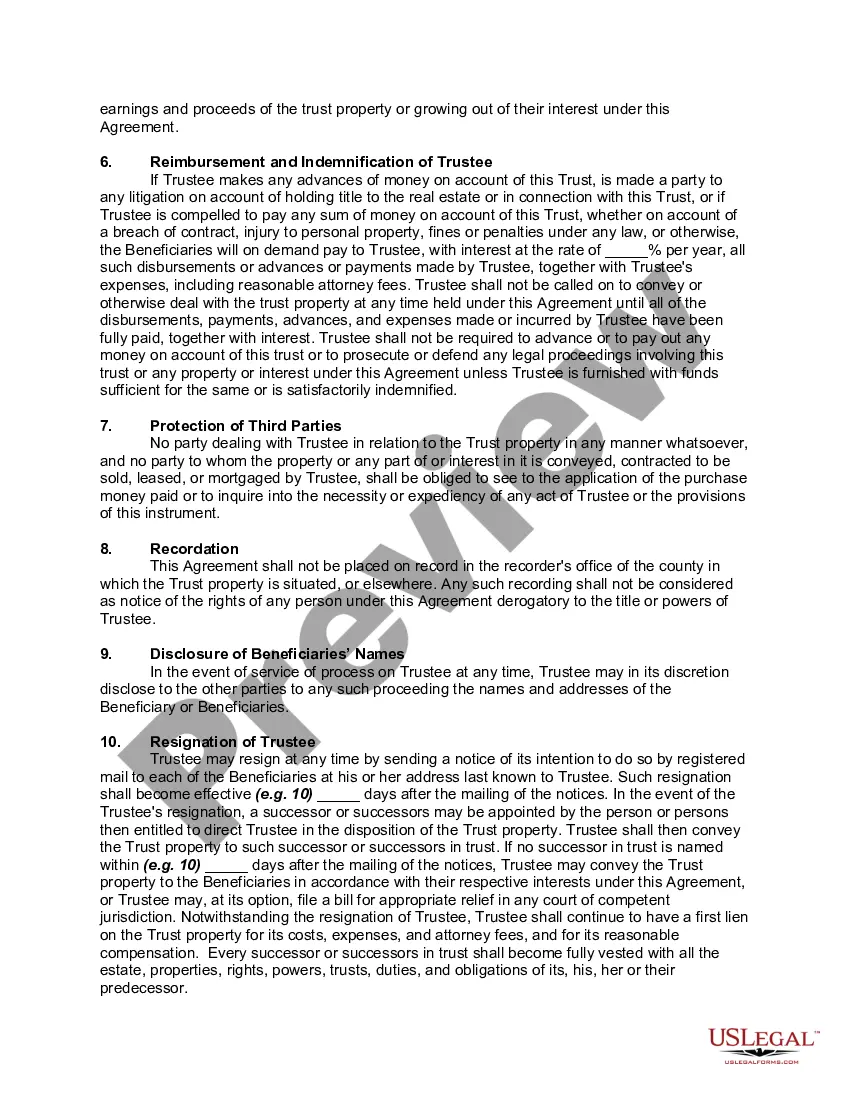
There are two basic instruments required to establish a land trust. One is a deed in trust conveying the real estate to a trustee. The other is a trust agreement defining the rights and duties of the trustee and the beneficiaries, which is mentioned in the deed of trust but is not recorded. The deed in trust should convey title to real property to a trustee and confer complete trust powers on the trustee so that the trustee can deal with third parties without reference to the trust agreement. Restrictions on the trustee's powers should be set forth in the trust agreement.


This form is a generic example that may be referred to when preparing such a form for your particular state. It is for illustrative purposes only. Local laws should be consulted to determine any specific requirements for such a form in a particular jurisdiction.
Free preview
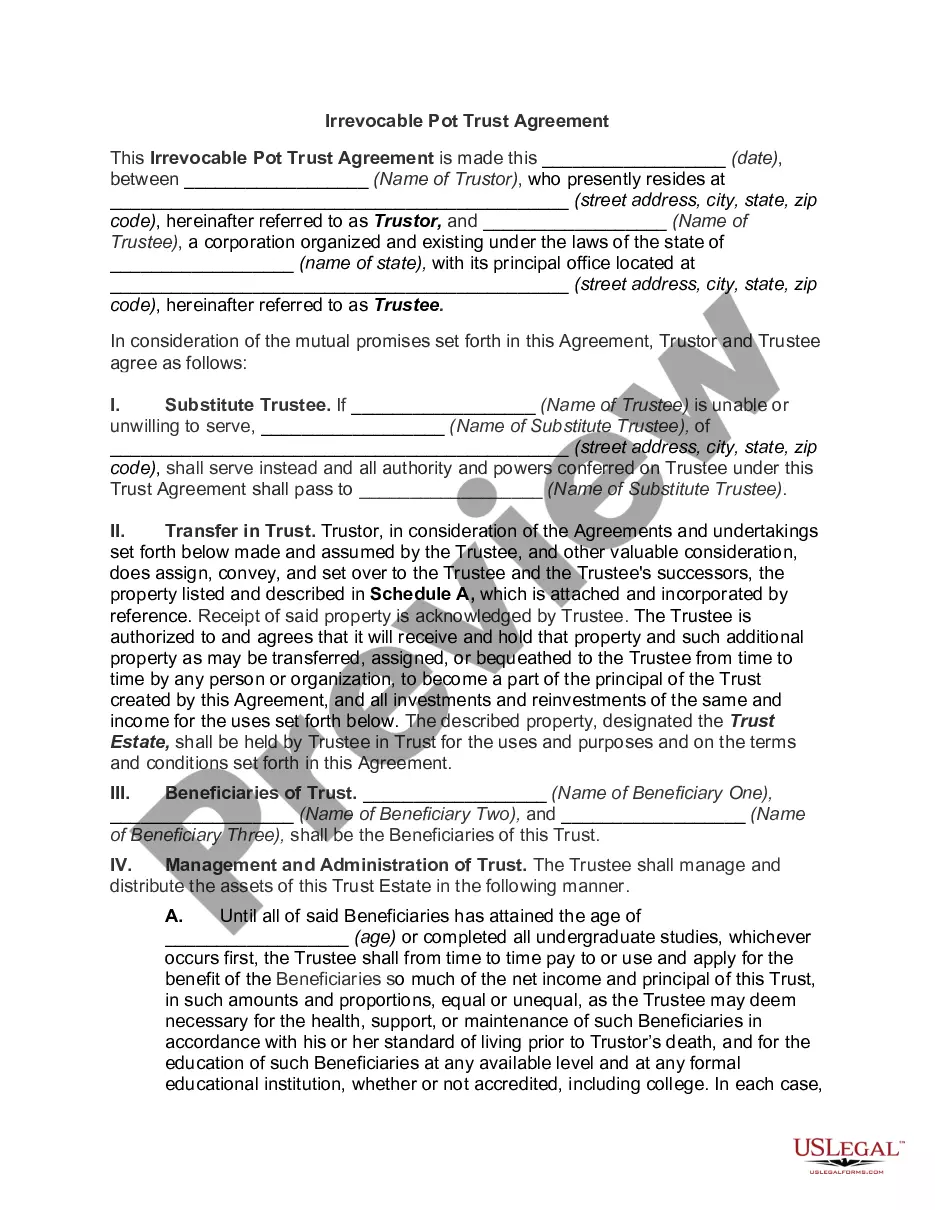
  • Preview Land Trust Agreement
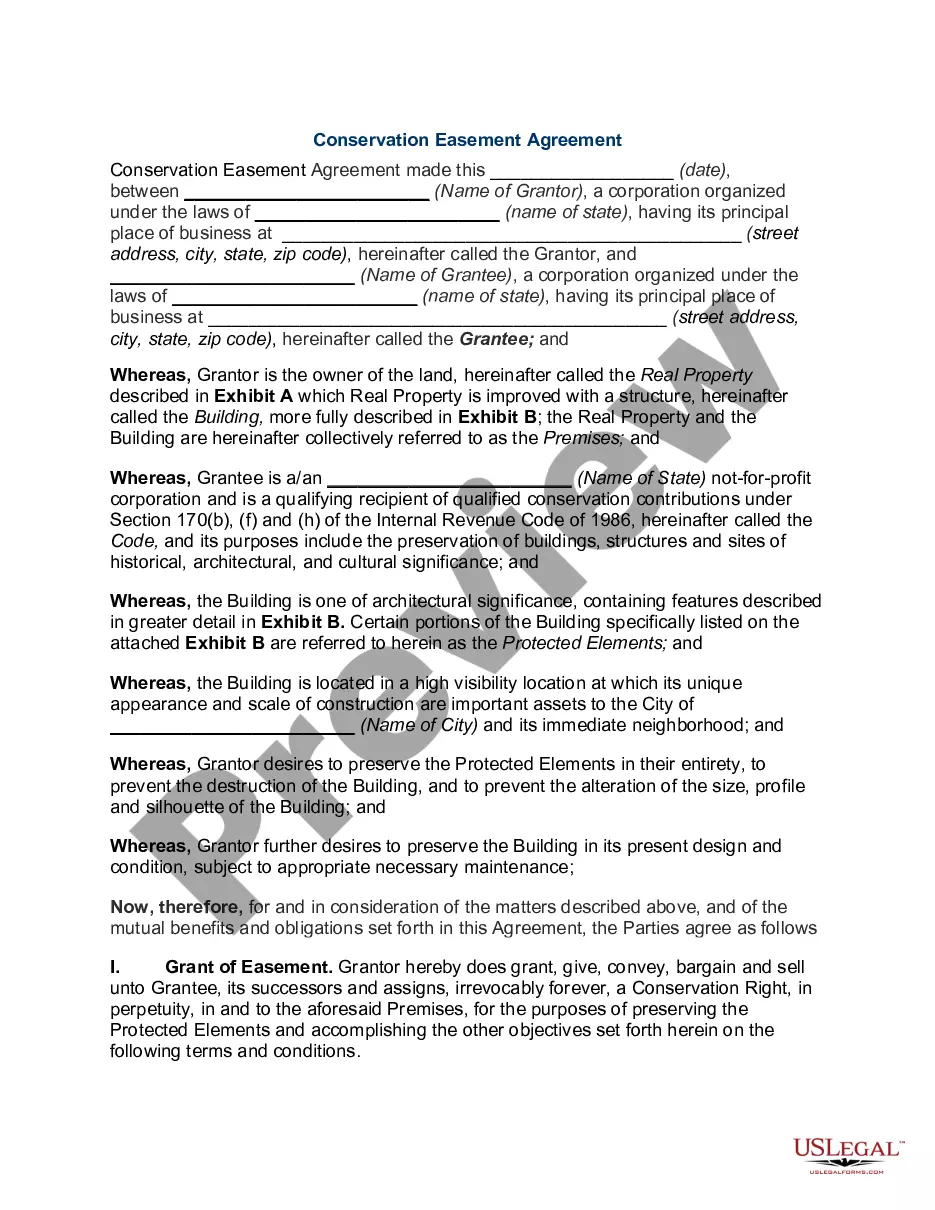
  • Preview Land Trust Agreement
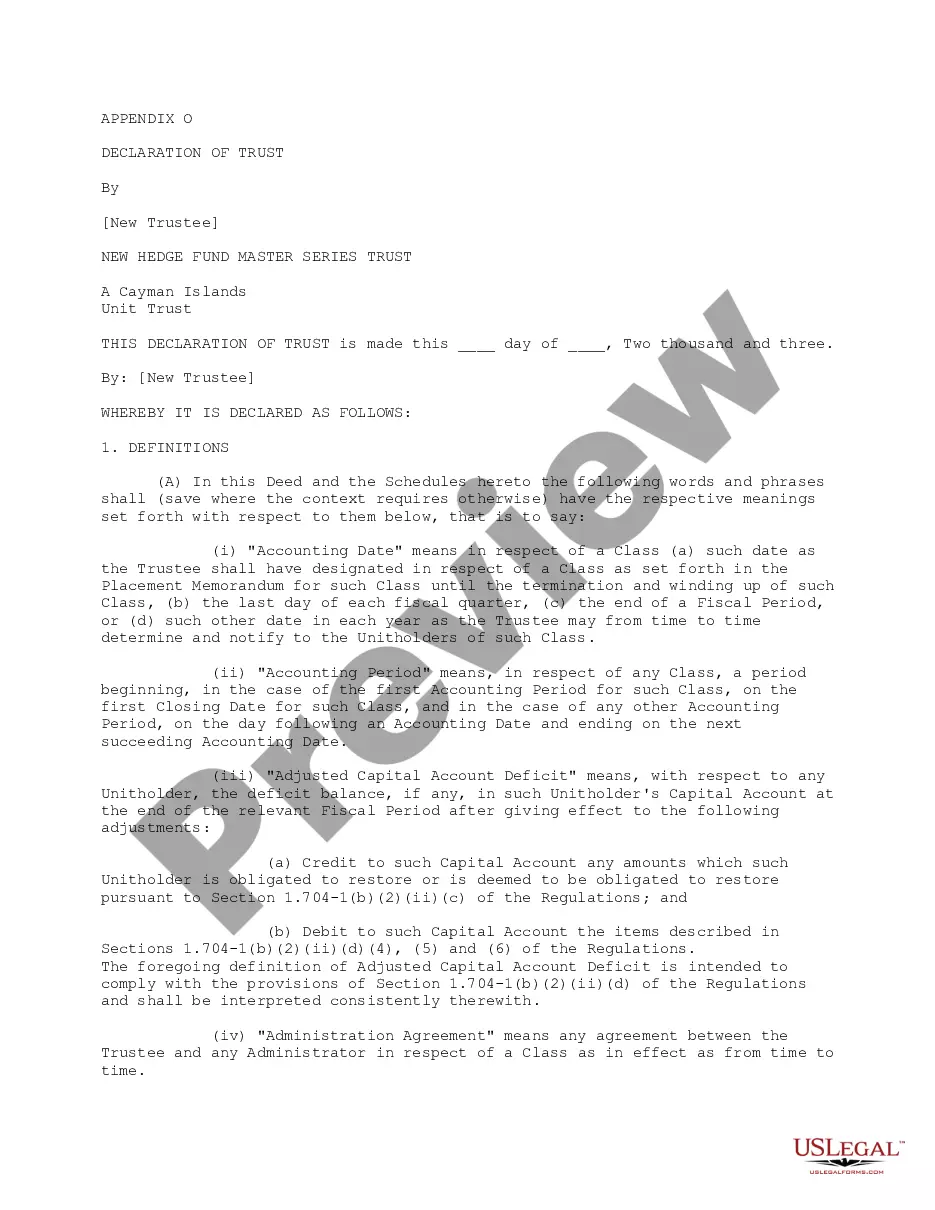
  • Preview Land Trust Agreement
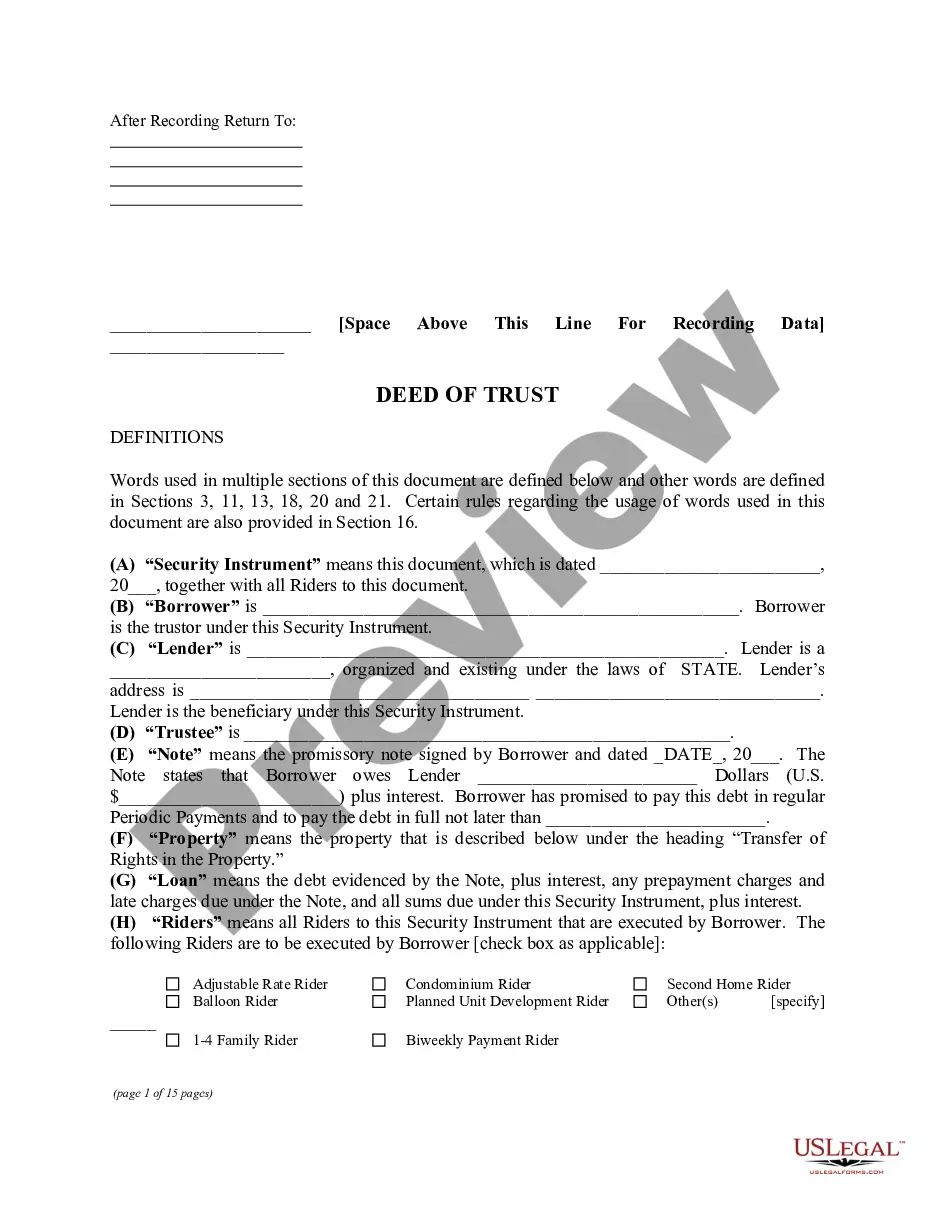
  • Preview Land Trust Agreement
  • Preview Land Trust Agreement

How to fill out Land Trust Agreement?

If you wish to finalize, obtain, or print legal document themes, utilize US Legal Forms, the most extensive selection of legal templates available online.

Take advantage of the website's straightforward and convenient search to locate the documents required.

A diverse range of themes for business and personal purposes are organized by categories and claims, or keywords.

Step 4. Once you have found the form you need, click the Get now button. Choose your preferred pricing plan and provide your details to create an account.

Step 5. Complete the transaction. You can use your credit card or PayPal account to finalize the purchase.

  1. Use US Legal Forms to find the Minnesota Land Trust Agreement in just a few clicks.
  2. If you are already a US Legal Forms user, Log In to your account and click the Download button to obtain the Minnesota Land Trust Agreement.
  3. You can also access forms you have previously saved in the My documents section of your account.
  4. If you are using US Legal Forms for the first time, follow the instructions below.
  5. Step 1. Make sure you have selected the form for the correct state/country.
  6. Step 2. Use the Review option to examine the content of the form. Don't forget to review the summary.
  7. Step 3. If you are not satisfied with the form, utilize the Search field at the top of the screen to find different versions of your legal form template.

Form popularity

FAQ

To transfer assets into a trust, begin by finalizing the Minnesota Land Trust Agreement, detailing how assets will be managed. Next, you'll need to retitle assets, such as real estate or bank accounts, in the name of the trust. By ensuring proper documentation and compliance with Minnesota laws, you can successfully transfer ownership, making the trust effective.

While a trust can offer several benefits, including asset protection, there are disadvantages to consider. Creating a Minnesota Land Trust Agreement involves legal costs and ongoing maintenance. Additionally, transferring your house into a trust may limit your control over the property and complicate potential financial transactions.

The best way to put your house in trust involves consulting with a qualified attorney to create a comprehensive Minnesota Land Trust Agreement. This ensures your trust meets specific legal requirements and addresses your goals. After the agreement is in place, execute a deed that transfers your house into the trust, and remember to file it with the appropriate county office.

Putting a house in a trust in Minnesota starts with creating a Minnesota Land Trust Agreement that defines the trust's terms. Then, you issue a new deed that transfers ownership of the property to the trust, clearly indicating the trust's name in the title. Don't forget to file the new deed with your local county office, as this step solidifies the ownership change.

Setting up a trust in Minnesota begins with deciding on the type of trust that fits your needs, such as a revocable or irrevocable trust. Next, you'll draft the Minnesota Land Trust Agreement, which should detail the terms and objectives of the trust. After finalizing the agreement, you will transfer your assets into the trust, ensuring everything is legally documented.

To transfer property into a trust in Minnesota, you must first create the trust document, commonly referred to as a Minnesota Land Trust Agreement. After drafting the agreement, execute a deed that outlines the transfer of property from your name to the trust's name. Finally, file the deed with the county recorder's office to ensure the transfer is officially recognized.

Taxes on land in a trust are usually the responsibility of the trustee or the beneficiary, depending on the structure of the Minnesota Land Trust Agreement. Generally, if the property generates income, such as rental income, that income may be taxable. It's important to consult a tax professional to understand your specific obligations and ensure compliance with tax laws.

The easement in a Minnesota Land Trust Agreement typically allows for specific conservation measures to protect the land while providing some flexibility for land use. This easement serves to restrict certain activities that could harm the land’s natural resources. It ensures that the land remains intact for future generations, balancing development needs with environmental stewardship.

One significant disadvantage of placing land in a trust is the potential loss of control over the property. Once you create a Minnesota Land Trust Agreement, you delegate management decisions to the trustee, which can limit your personal involvement. Additionally, there may be upfront costs involved in establishing the trust. These should be weighed carefully against the potential benefits.

A common mistake parents make when establishing a trust fund is failing to clearly communicate their intentions and expectations to their heirs. This can lead to confusion or conflict down the line. By clearly explaining the purpose of your Minnesota Land Trust Agreement, you can ensure smoother transitions and better understanding among family members.

Trusted and secure by over 3 million people of the world’s leading companies

Minnesota Land Trust Agreement