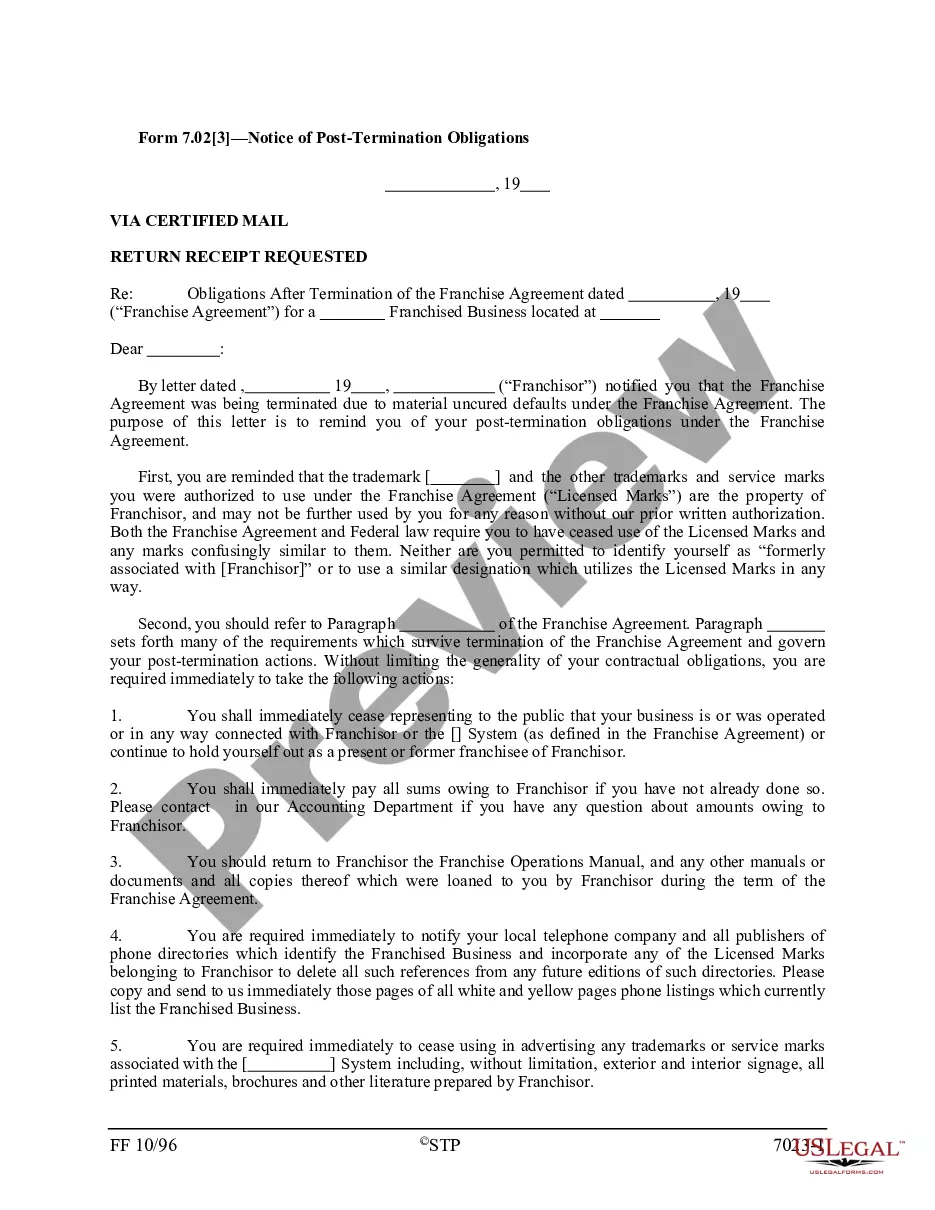
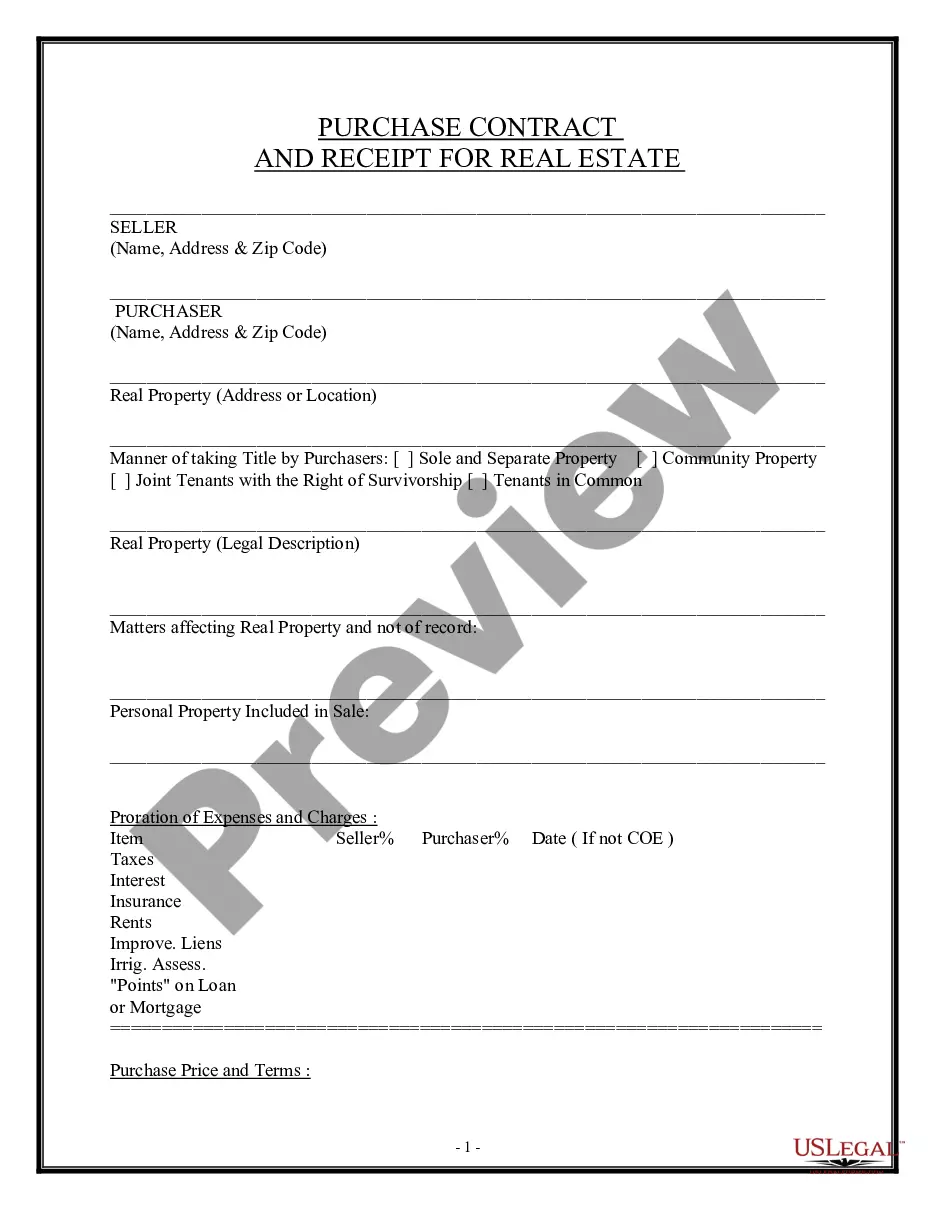
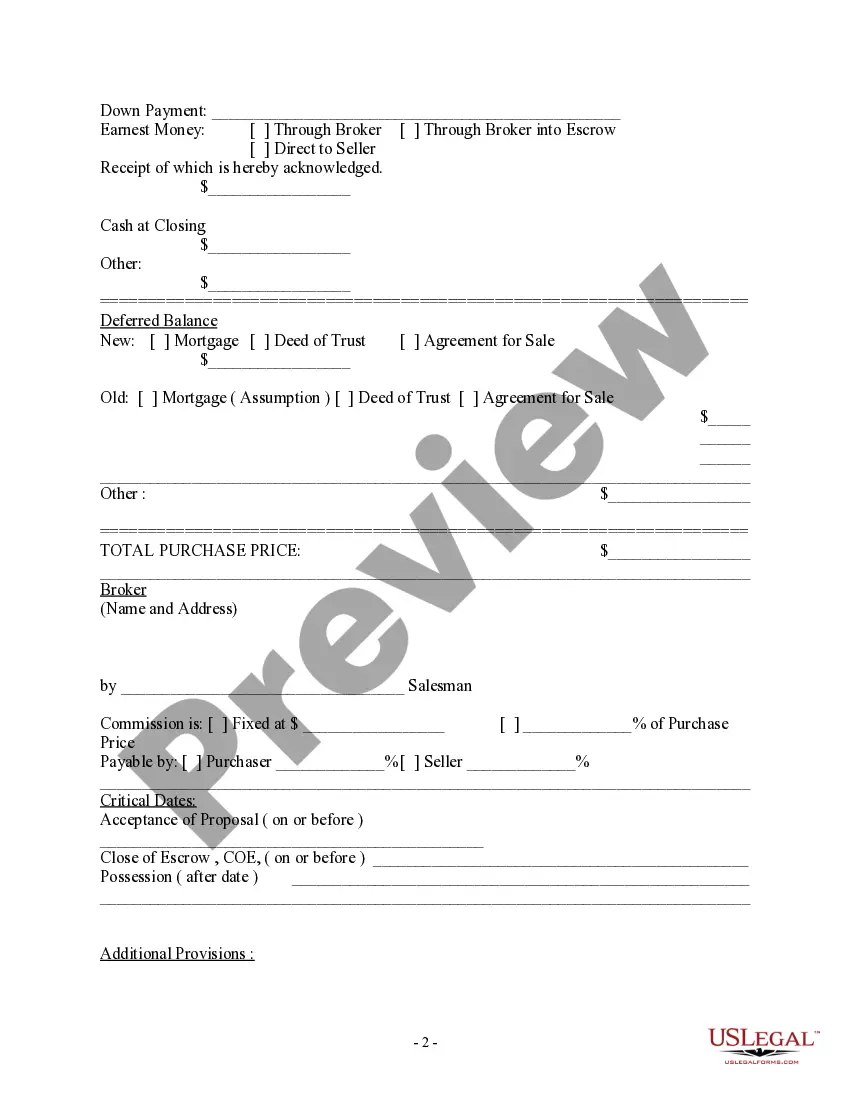
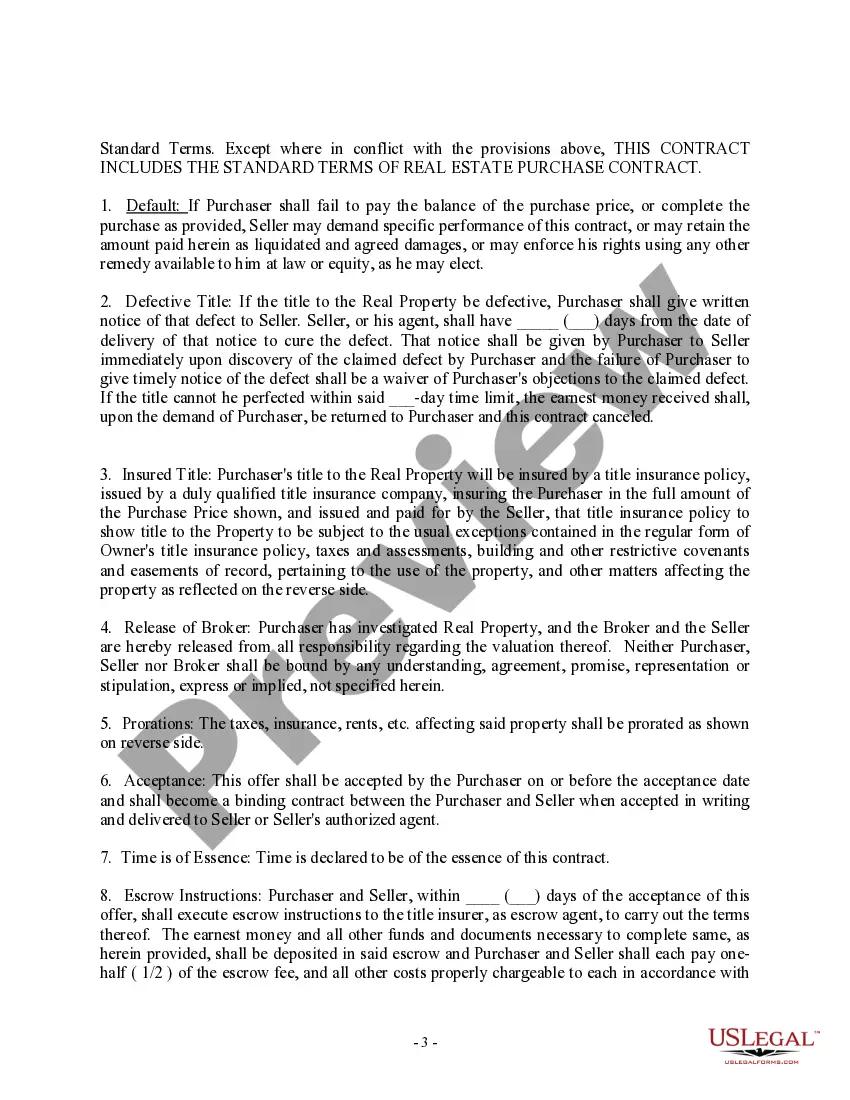
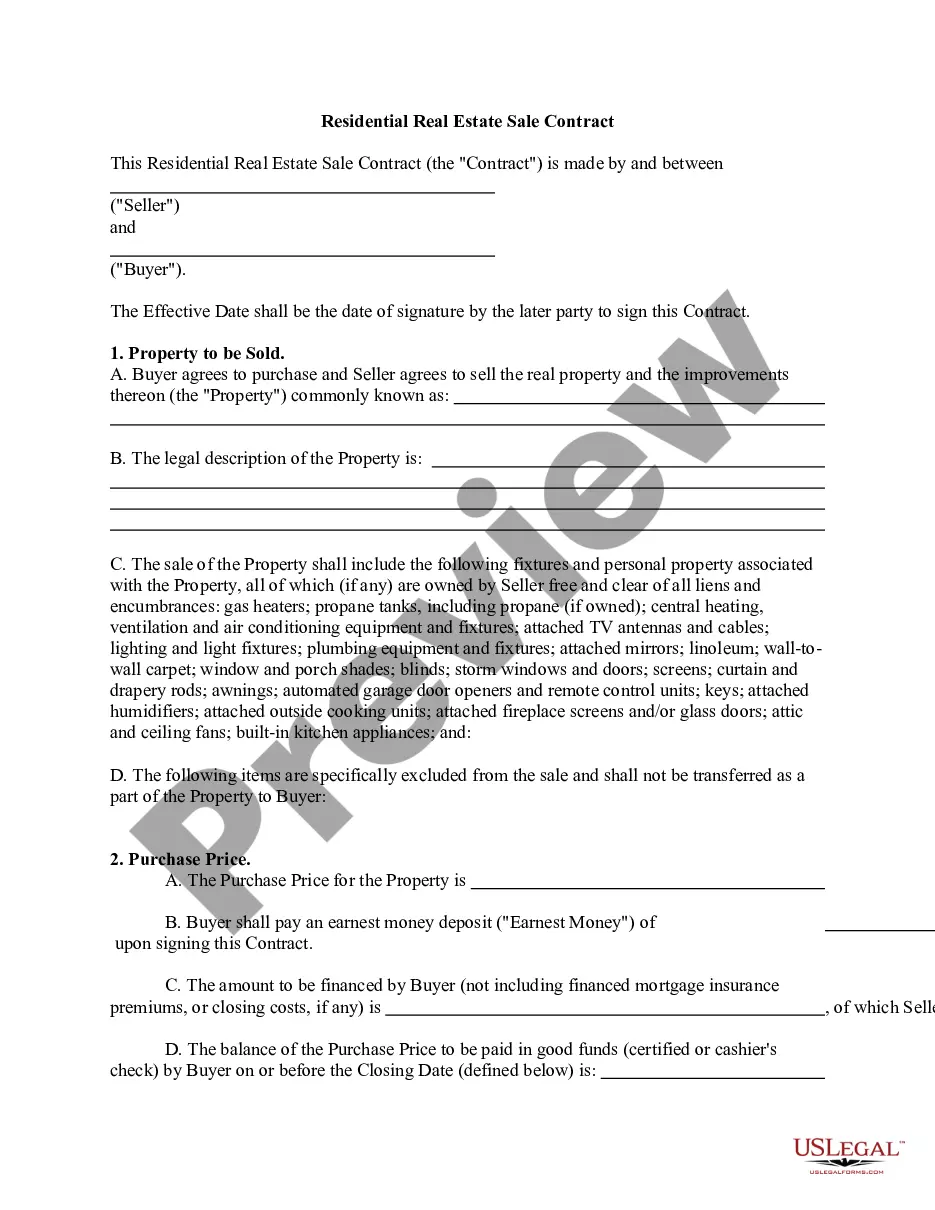
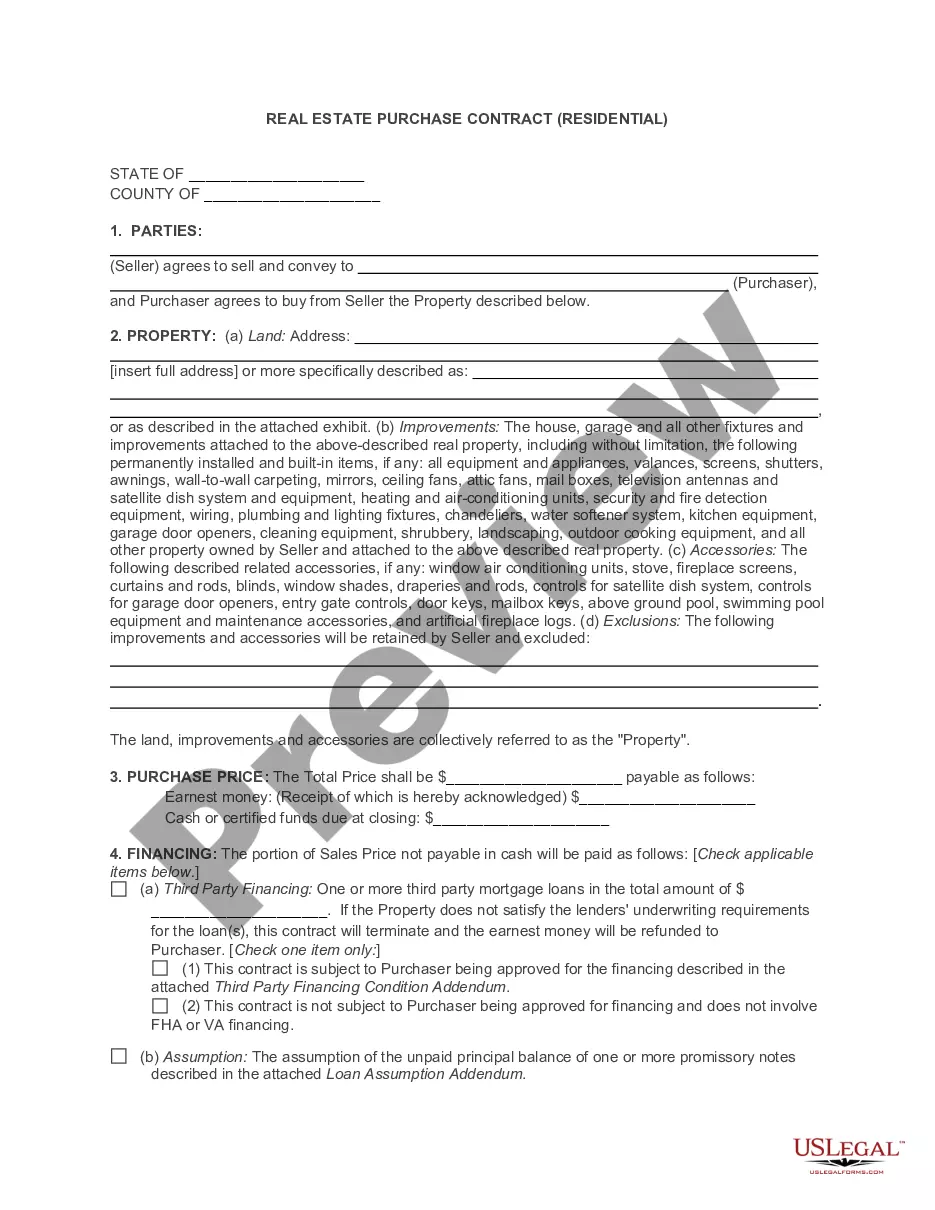
Minnesota Purchase Contract and Receipt - Residential
Description
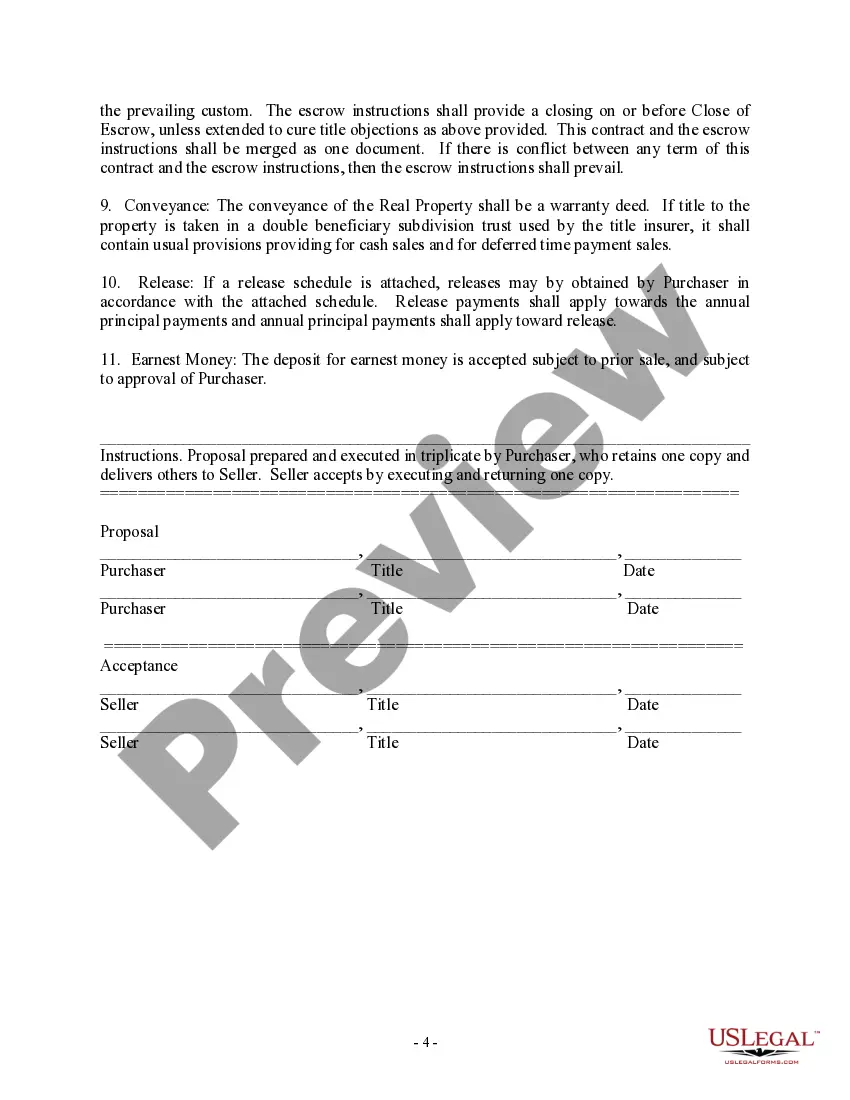
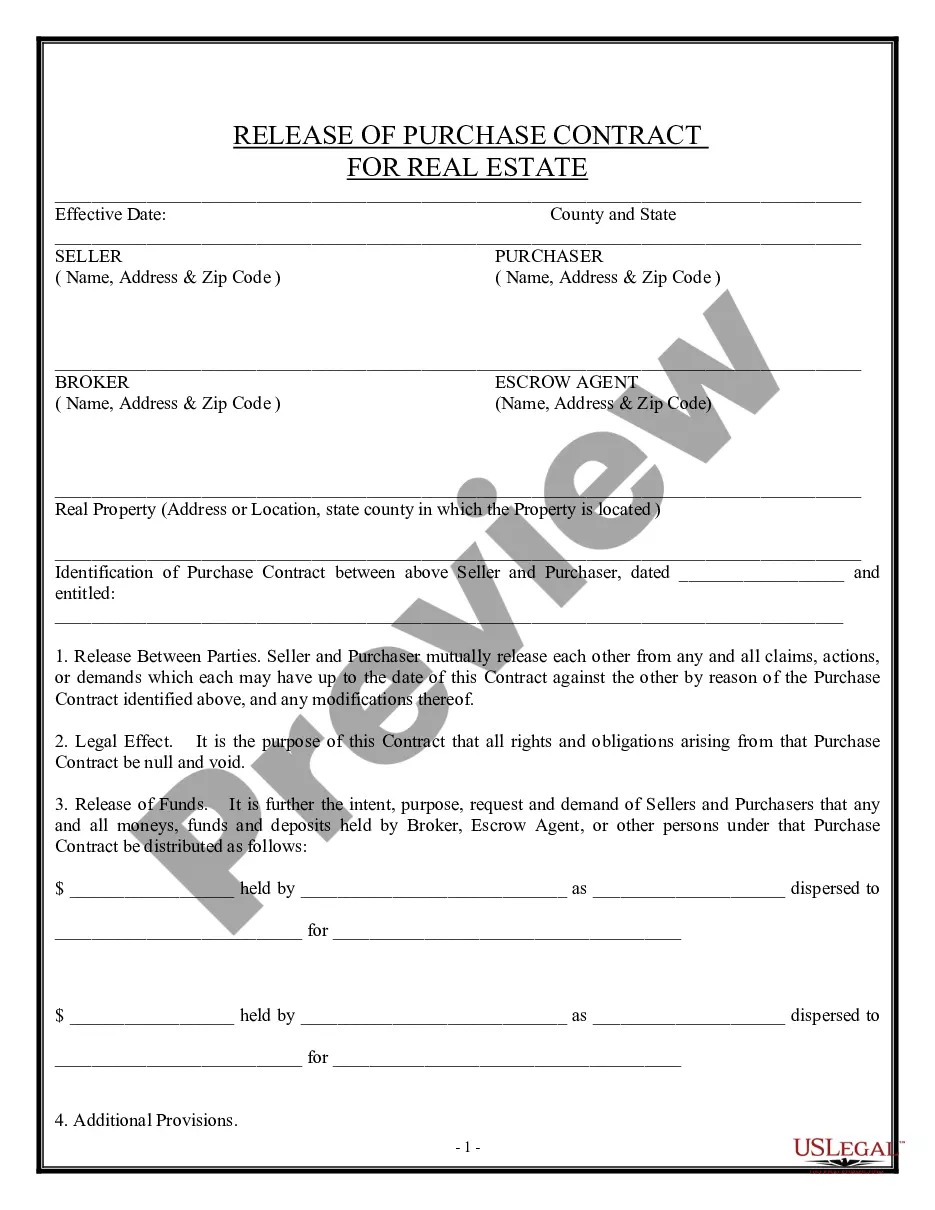
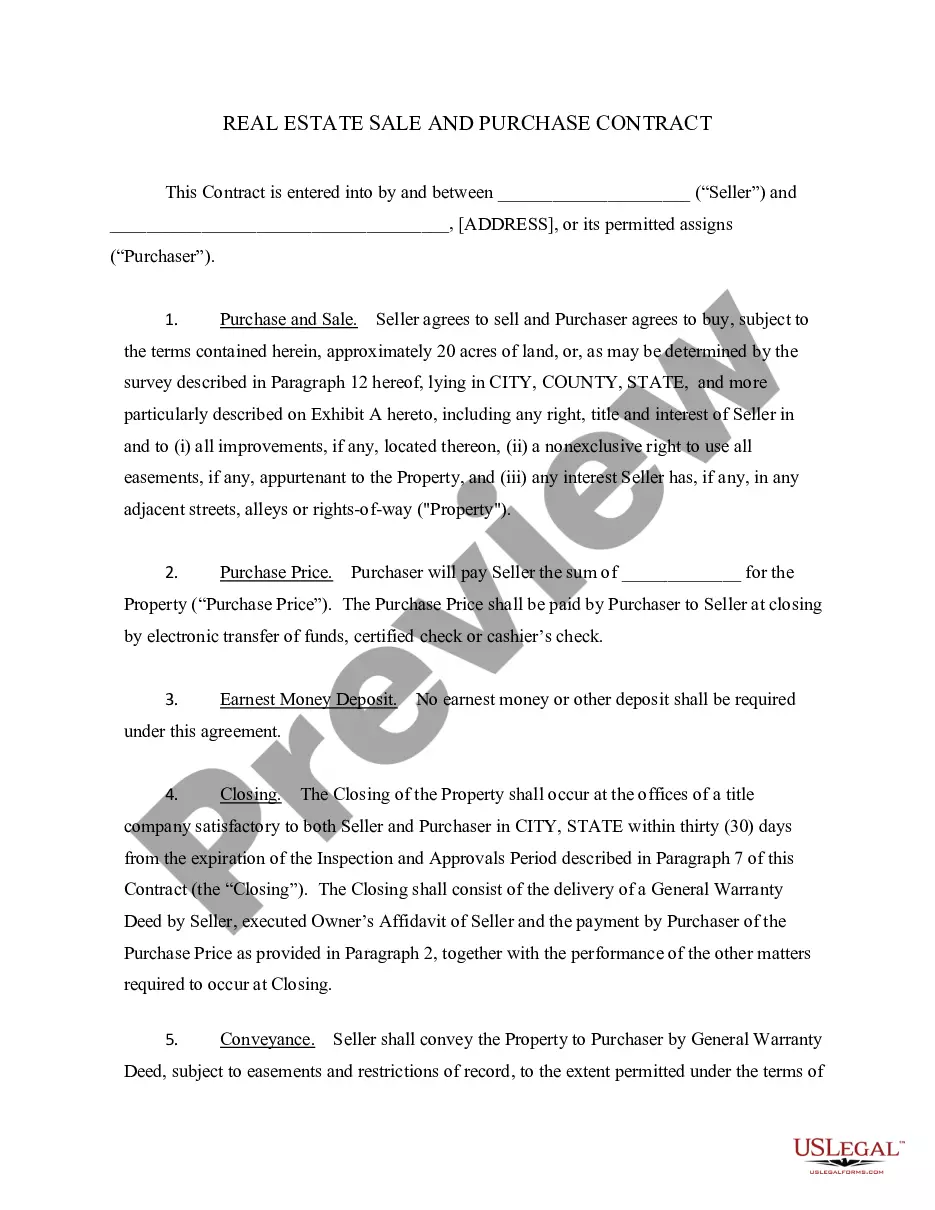
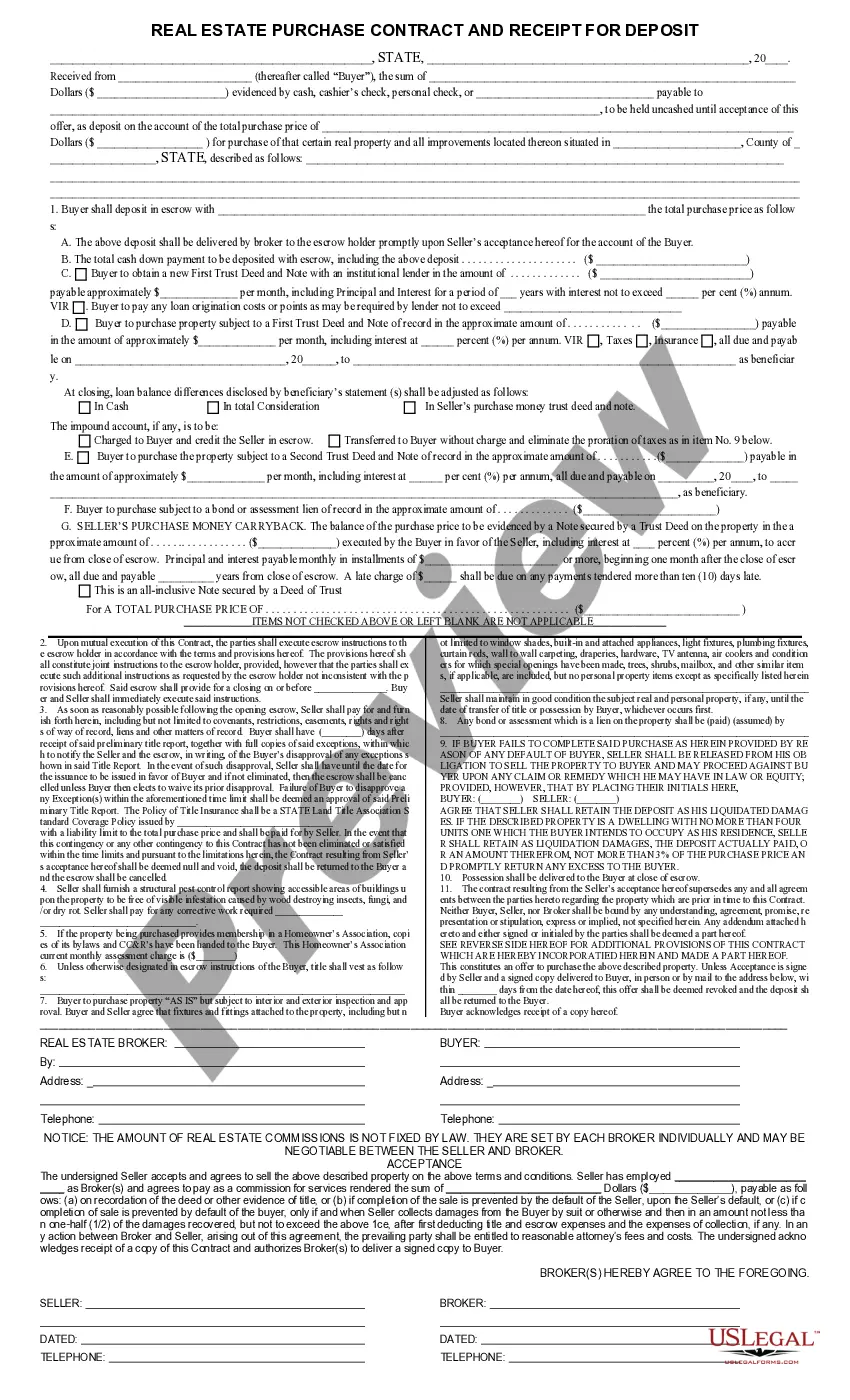
Get your form ready online
Our built-in tools help you complete, sign, share, and store your documents in one place.
Make edits, fill in missing information, and update formatting in US Legal Forms—just like you would in MS Word.
Download a copy, print it, send it by email, or mail it via USPS—whatever works best for your next step.
Sign and collect signatures with our SignNow integration. Send to multiple recipients, set reminders, and more. Go Premium to unlock E-Sign.
If this form requires notarization, complete it online through a secure video call—no need to meet a notary in person or wait for an appointment.
We protect your documents and personal data by following strict security and privacy standards.

Make edits, fill in missing information, and update formatting in US Legal Forms—just like you would in MS Word.

Download a copy, print it, send it by email, or mail it via USPS—whatever works best for your next step.

Sign and collect signatures with our SignNow integration. Send to multiple recipients, set reminders, and more. Go Premium to unlock E-Sign.

If this form requires notarization, complete it online through a secure video call—no need to meet a notary in person or wait for an appointment.

We protect your documents and personal data by following strict security and privacy standards.
Looking for another form?
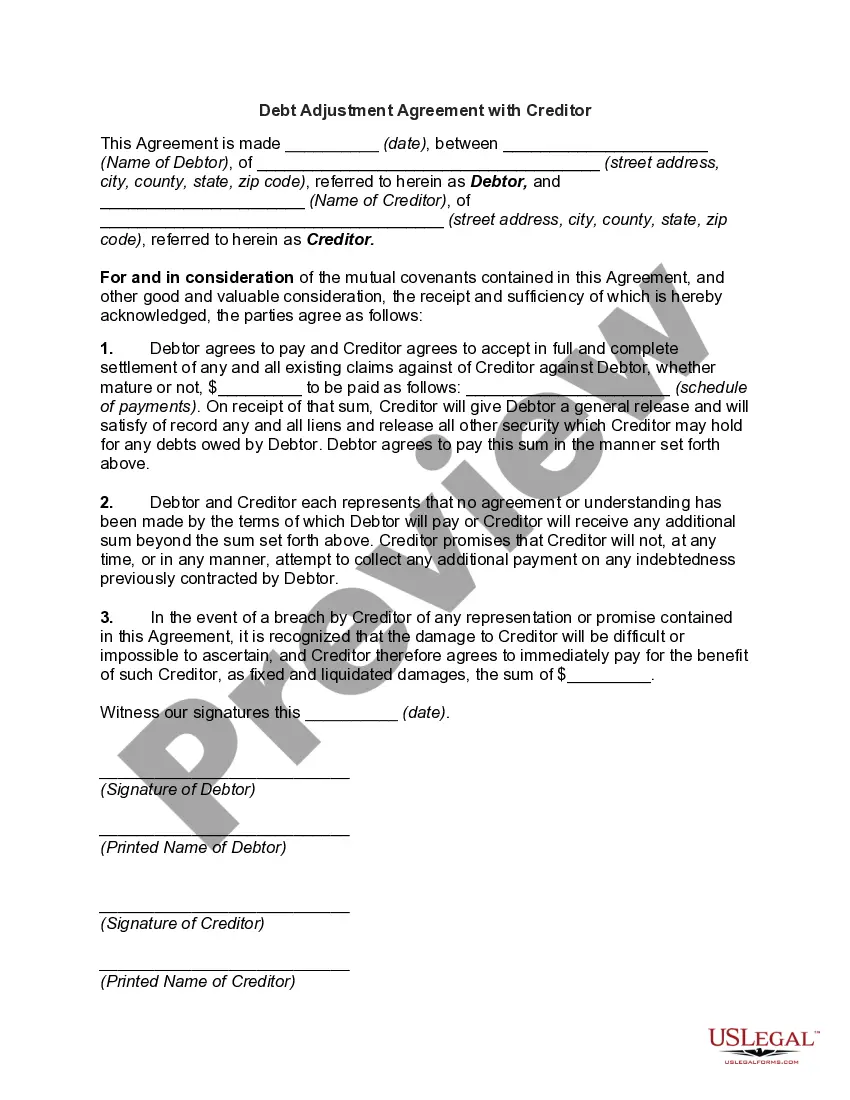




How to fill out Purchase Contract And Receipt - Residential?
Locating the correct legal document template can be a challenge.
Of course, there are numerous templates available online, but how can you find the legal form you require.
Utilize the US Legal Forms website. The service offers thousands of templates, such as the Minnesota Purchase Agreement and Receipt - Residential, that you can use for both business and personal purposes.
You can preview the form using the Review button and read the form details to confirm it is suitable for you.
- All the forms are reviewed by experts and comply with federal and state regulations.
- If you are already registered, Log In to your account and click the Download button to access the Minnesota Purchase Agreement and Receipt - Residential.
- Use your account to search through the legal forms you have previously purchased.
- Visit the My documents tab in your account to download another copy of the document you need.
- If you are a new user of US Legal Forms, here are simple instructions for you to follow.
- First, ensure you have selected the correct form for your city/county.
Form popularity
FAQ
However, there are some basic items that should be included in every purchase agreement.Buyer and seller information.Property details.Pricing and financing.Fixtures and appliances included/excluded in the sale.Closing and possession dates.Earnest money deposit amount.Closing costs and who is responsible for paying.More items...?
Any purchase agreement should include at least the following information:The identity of the buyer and seller.A description of the property being purchased.The purchase price.The terms as to how and when payment is to be made.The terms as to how, when, and where the goods will be delivered to the purchaser.More items...?
Purchase agreements usually include contingencies or situations in which you can back out of the contract without penalty. As long as you're pulling out of the purchase due to one of the contingencies listed on the purchase agreement, you're golden. If not, you may lose money.
In short: Yes, buyers can typically back out of buying a house before closing. However, once both parties have signed the purchase agreement, backing out becomes more complex, particularly if your goal is to avoid losing your earnest money deposit. Look to your contract to understand the consequences of walking away.
How to write a real estate purchase agreement.Identify the address of the property being purchased, including all required legal descriptions.Identify the names and addresses of both the buyer and the seller.Detail the price of the property and the terms of the purchase.Set the closing date and closing costs.More items...
When a transaction is covered by the Three-Day Cooling-Off Law, you have three business days to cancel the contract. Under the law, you must make cancellation requests in writing to the address provided by the seller.
Minnesota Contracts for Deed Recording It is generally advisable, and it is legally required, for the purchaser to record a Contract for Deed after it has been duly executed by the purchaser and the seller.
The buyer is able to occupy the home after the closing of the sale, but the seller still retains legal title to the property. Actual ownership passes to the buyer only after the final payment is made. Contracts for deed have long been a financing option for property transactions between family members or friends.
Minnesota Statutory Cancellation Application Pursuant to Minnesota Statutes, Section 559.217, Subd. 2, either the buyer, or the seller, may cancel a purchase agreement for residential real property pursuant to Minnesota Statutes, Section 559.217.
Despite having a home purchase agreement, earnest money, and contingencies in place, both buyers and sellers can back out of purchasing or selling a home.