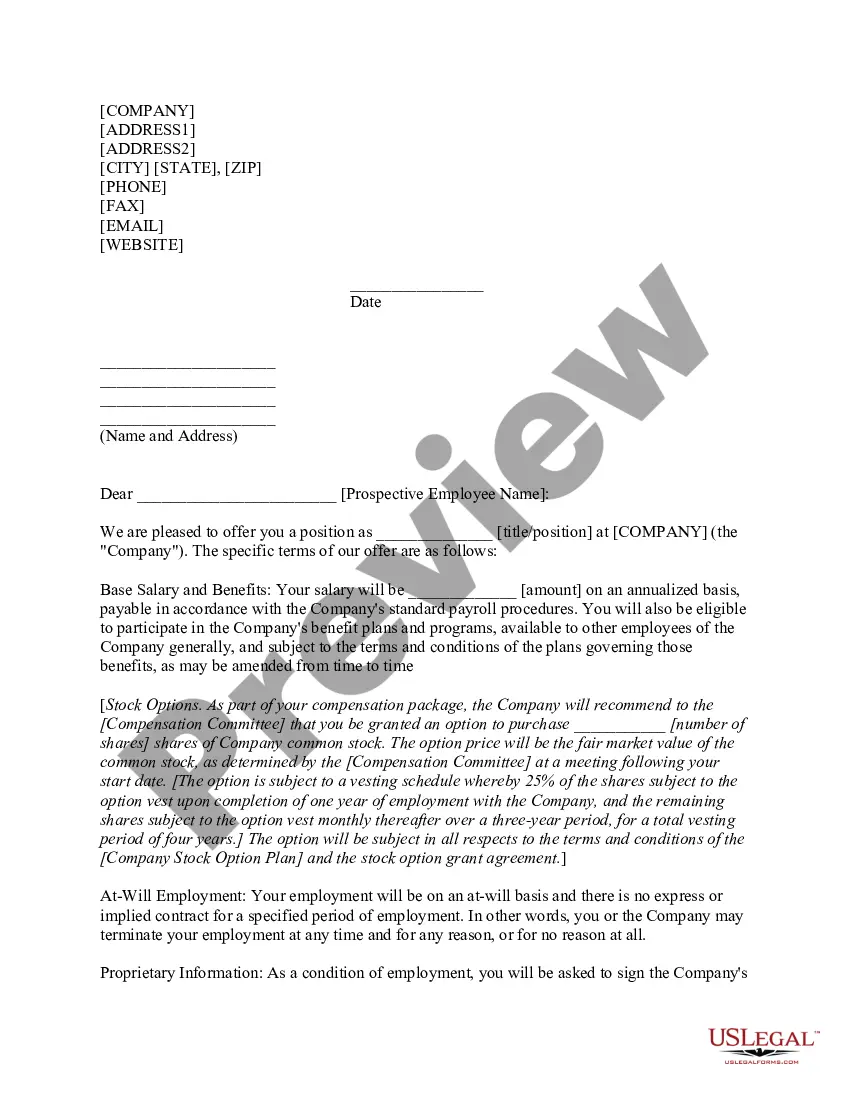
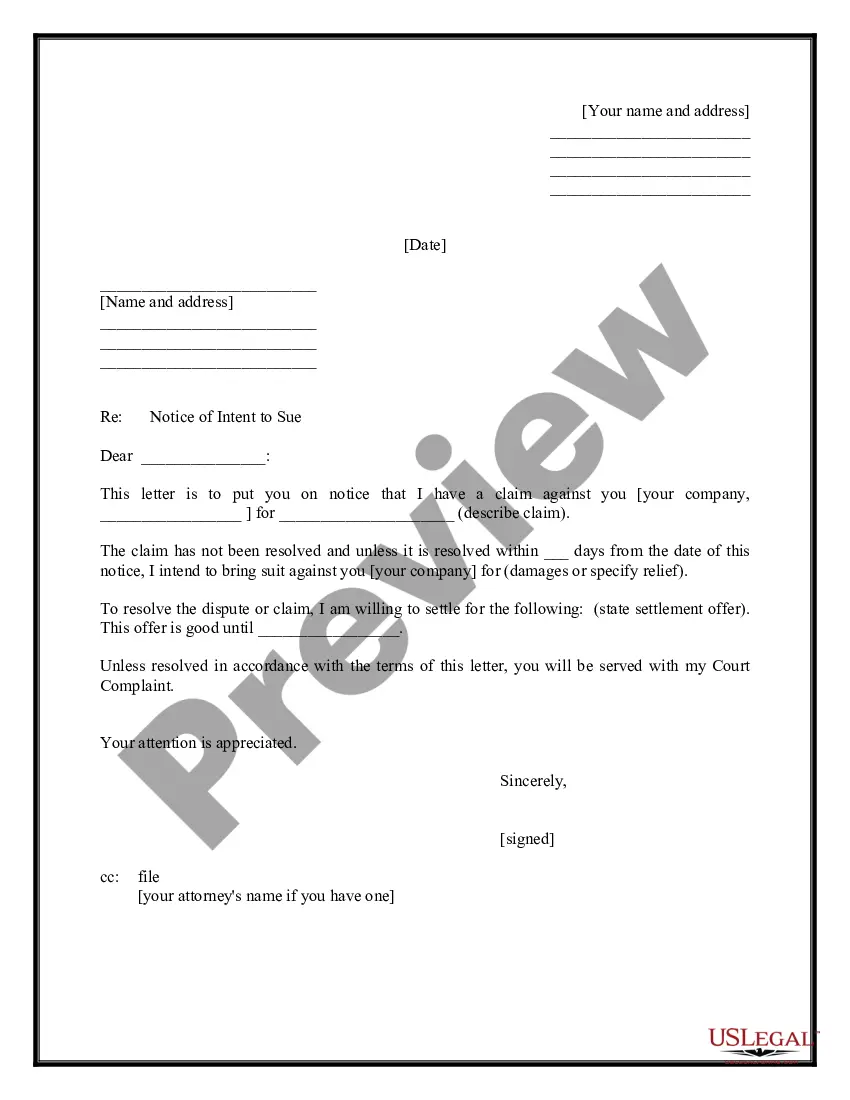
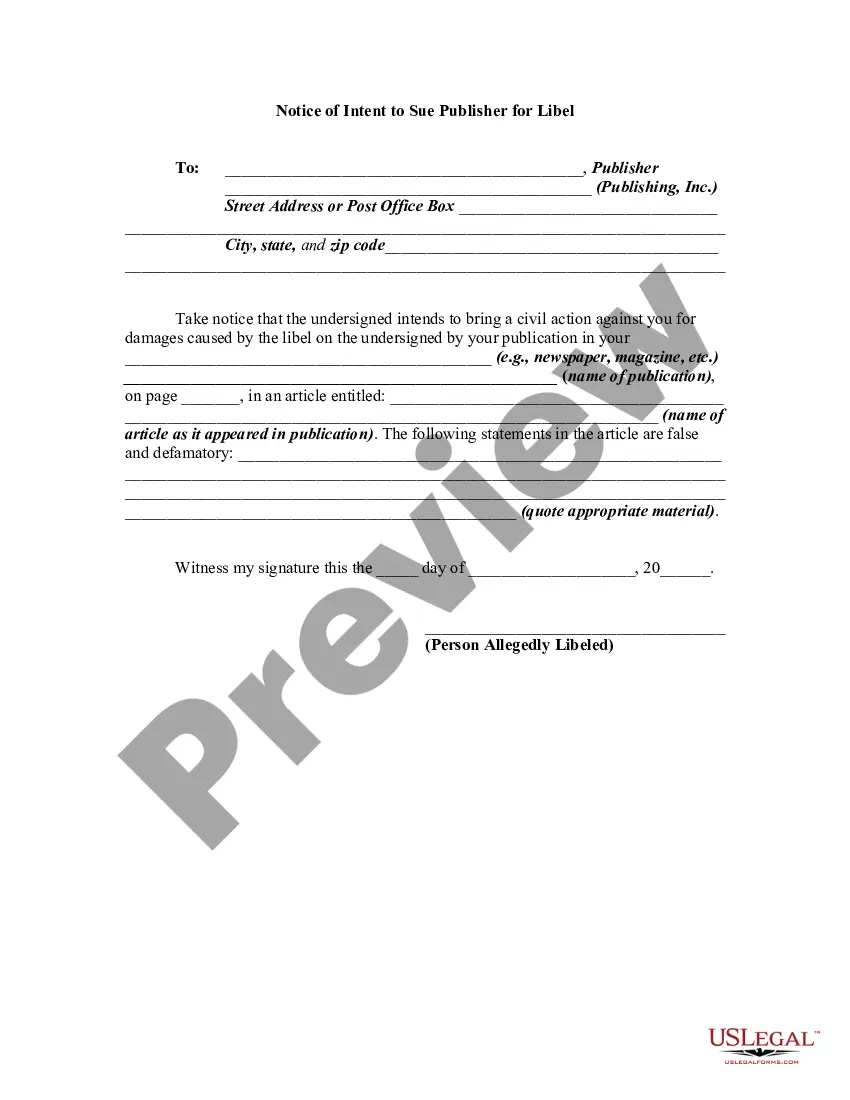
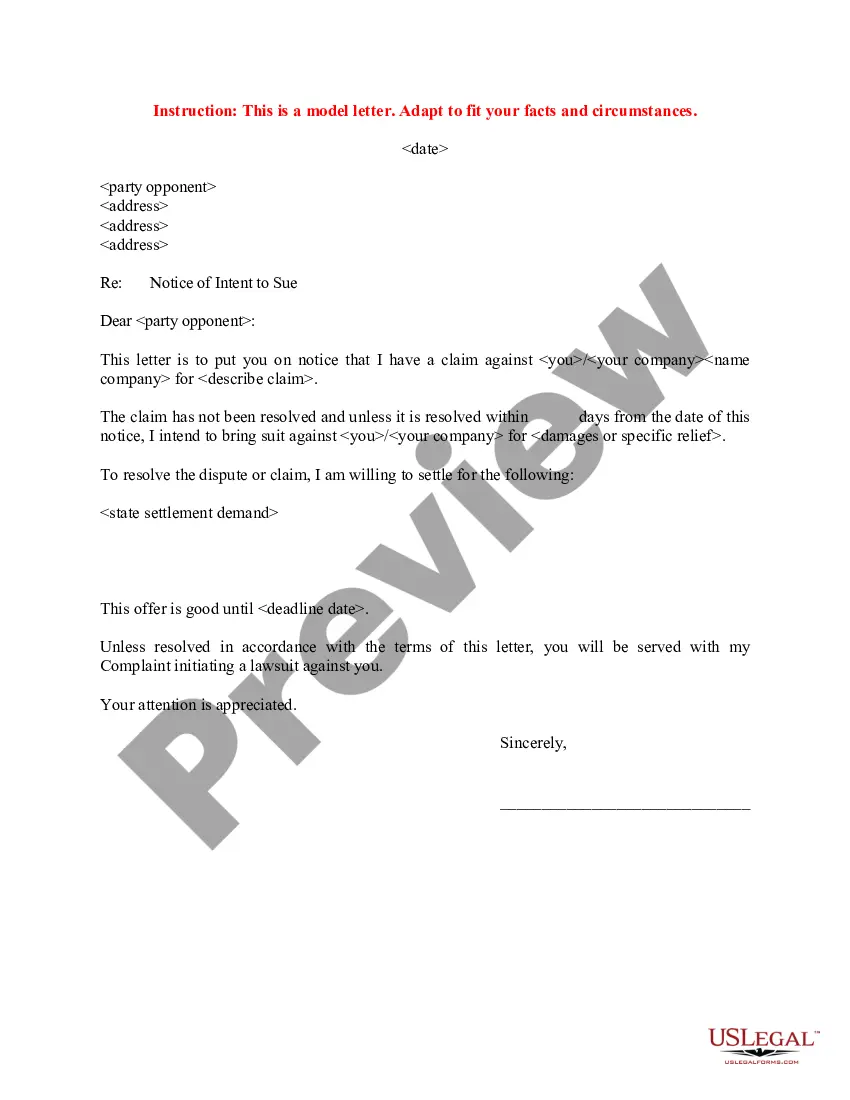
Minnesota Letter of Intent to Sue
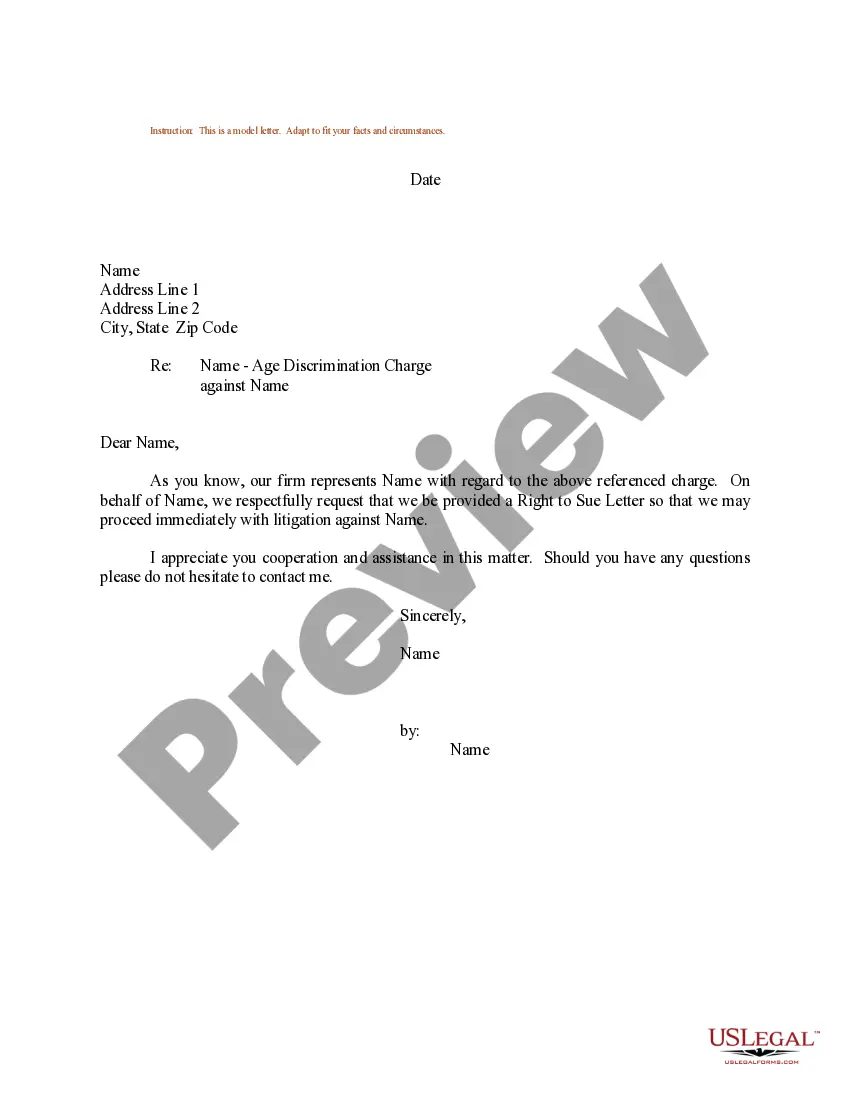
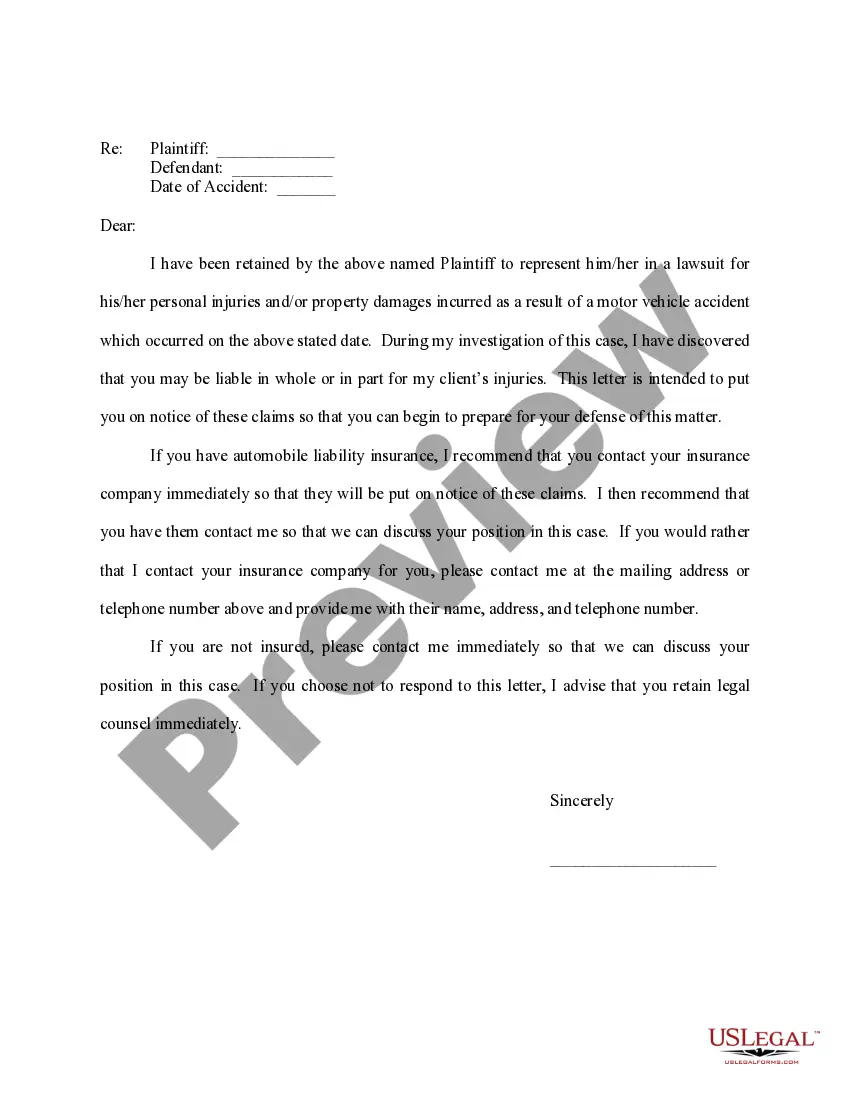
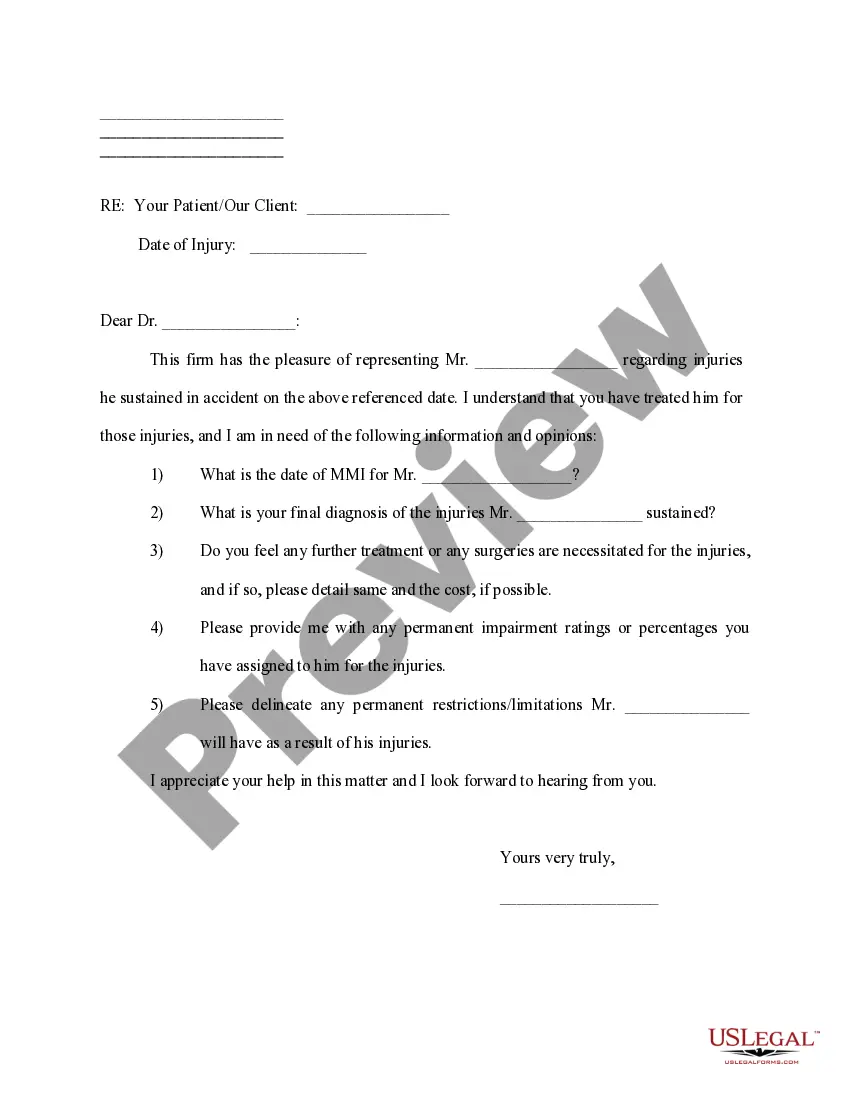
Description
Get your form ready online
Our built-in tools help you complete, sign, share, and store your documents in one place.
Make edits, fill in missing information, and update formatting in US Legal Forms—just like you would in MS Word.
Download a copy, print it, send it by email, or mail it via USPS—whatever works best for your next step.
Sign and collect signatures with our SignNow integration. Send to multiple recipients, set reminders, and more. Go Premium to unlock E-Sign.
If this form requires notarization, complete it online through a secure video call—no need to meet a notary in person or wait for an appointment.
We protect your documents and personal data by following strict security and privacy standards.

Make edits, fill in missing information, and update formatting in US Legal Forms—just like you would in MS Word.

Download a copy, print it, send it by email, or mail it via USPS—whatever works best for your next step.

Sign and collect signatures with our SignNow integration. Send to multiple recipients, set reminders, and more. Go Premium to unlock E-Sign.

If this form requires notarization, complete it online through a secure video call—no need to meet a notary in person or wait for an appointment.

We protect your documents and personal data by following strict security and privacy standards.
Looking for another form?
How to fill out Letter Of Intent To Sue?
US Legal Forms - one of the largest collections of legal documents in the United States - offers an extensive selection of legal document templates that you can download or print. By using the website, you can access thousands of forms for business and personal purposes, organized by categories, states, or keywords. You can find the latest versions of documents like the Minnesota Letter of Intent to Sue in moments.
If you hold a monthly subscription, Log In and download the Minnesota Letter of Intent to Sue from the US Legal Forms database. The Retrieve option will appear on every form you view. You can access all previously downloaded forms from the My documents section of your account.
If you are using US Legal Forms for the first time, here are simple instructions to get you started: Ensure you have selected the correct form for your region/area. Click on the Preview option to review the form’s content. Check the form description to verify that you have chosen the right document. If the form doesn’t meet your needs, utilize the Search field at the top of the page to find the one that does. If you are satisfied with the form, confirm your choice by clicking on the Buy now button. Next, select the pricing plan you prefer and provide your credentials to register for an account. Complete the payment. Use your credit card or PayPal account to finalize the transaction. Choose the format and download the form to your device. Make modifications. Fill in, edit, and print and sign the downloaded Minnesota Letter of Intent to Sue. Every template you add to your account has no expiration date and is yours indefinitely. Therefore, if you wish to download or print another copy, simply visit the My documents section and click on the form you need.
- Gain access to the Minnesota Letter of Intent to Sue with US Legal Forms, the largest collection of legal document templates.
- Utilize thousands of professional and state-specific templates that satisfy your business or personal needs and requirements.
Form popularity
FAQ
A document or letter of legal sanctity prepared by a claimant or prospective plaintiff or an Advocate such on behalf to be addressed to the prospective defendant.
Letters of intent are not legally binding, and don't extend full legal protection to contractual parties. However, if not stated clearly, they can become legally binding, might not always be desirable?especially if the agreement is still pending approval by both parties.
It is, in effect, an agreement to agree. Thus, either party can cancel the letter at any time. However, some parts of the letter of intent may be binding on their own.
Draft the LOI with clarity of purpose expressly state that the LOI is not legally binding and that binding commitments will only arise upon the signing of a formal agreement in writing.
Overview of Steps in a Civil Lawsuit Complete the court forms, following all of the steps in these Instructions; 2. Arrange for waiver of service or personal service on the other party(ies); 3. File the original forms with the Court (filing fee or fee waiver order is required); 4. Appear at the hearing(s).
The opening paragraph typically found in such letters often also refers to future intention. This can be unhelpful, as it diverts attention away from the fact that the letter usually constitutes a contract in itself, which (subject to the drafting and the conduct of any earlier discussions!) is binding on the parties.
A notice of claim may be handed to you personally by the party suing you or by another person, or it can be sent to you by registered mail. If you're hard to find, the court may order that you be notified in some other way, such as by a notice posted on your front door or an ad in the local newspaper.
If one party does not adhere to the letter's conditions, the other can sue for breach of contract. In some cases, if the letter of intent was part of a more significant transaction, breaking it may also lead to other forms of litigation.