Minnesota Accounts Receivable - Contract to Sale
Description

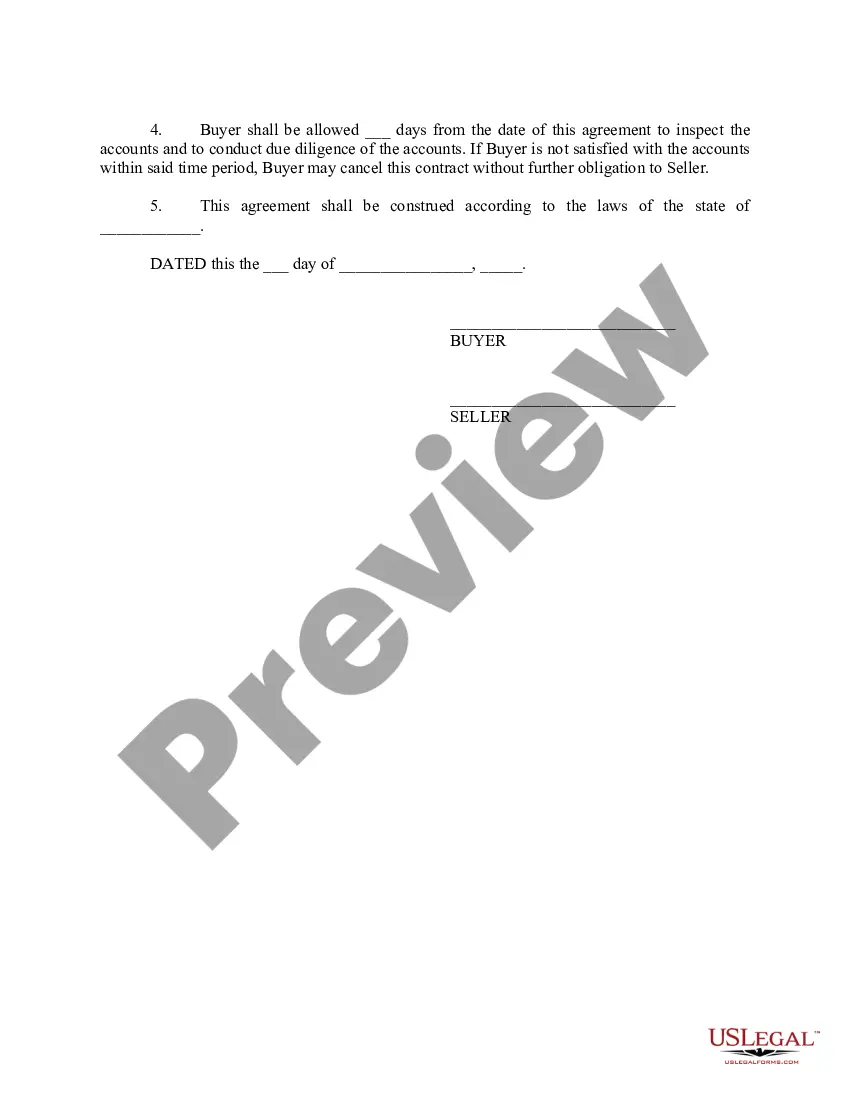
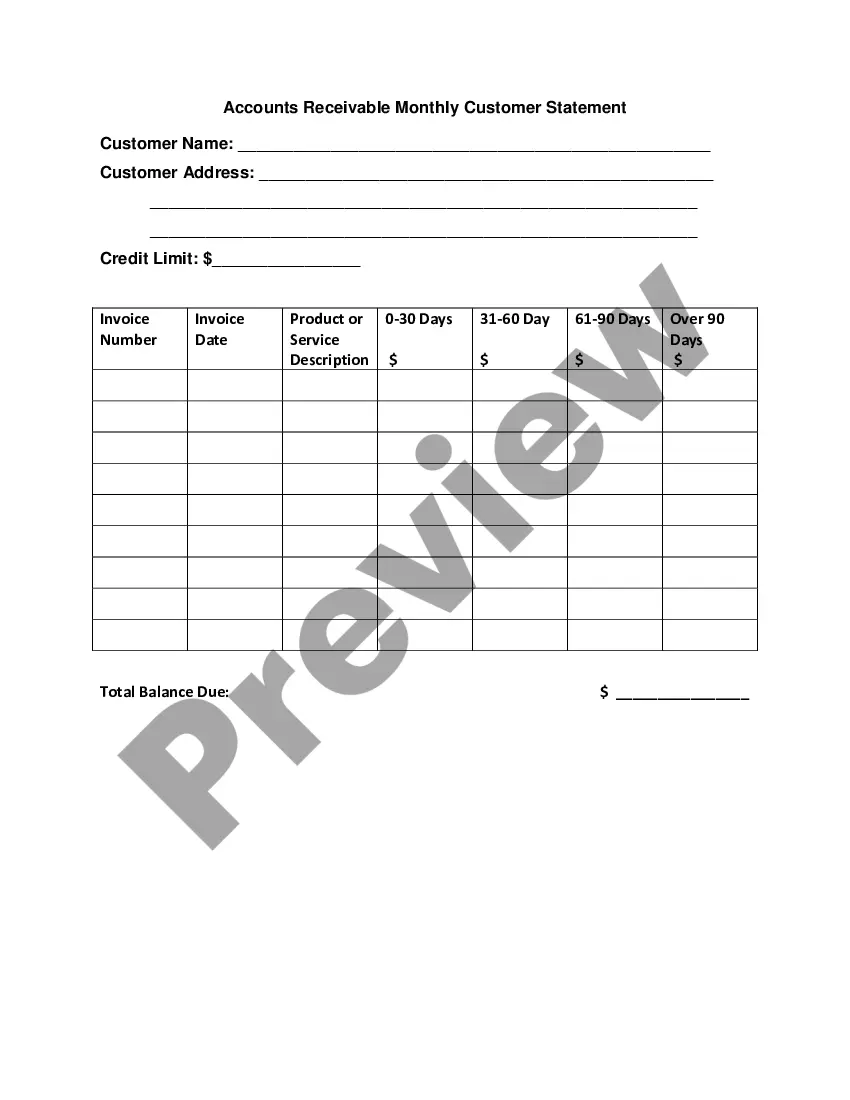

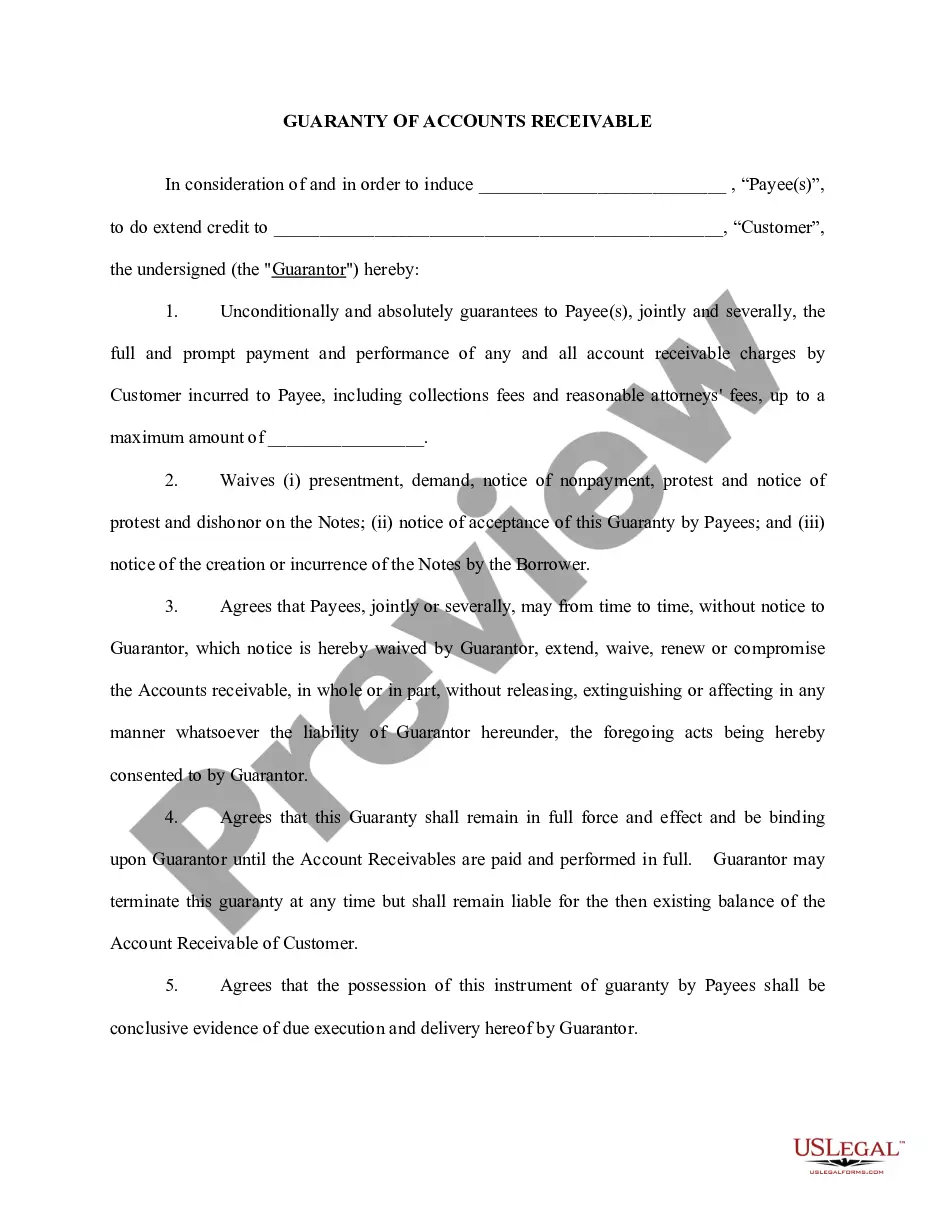
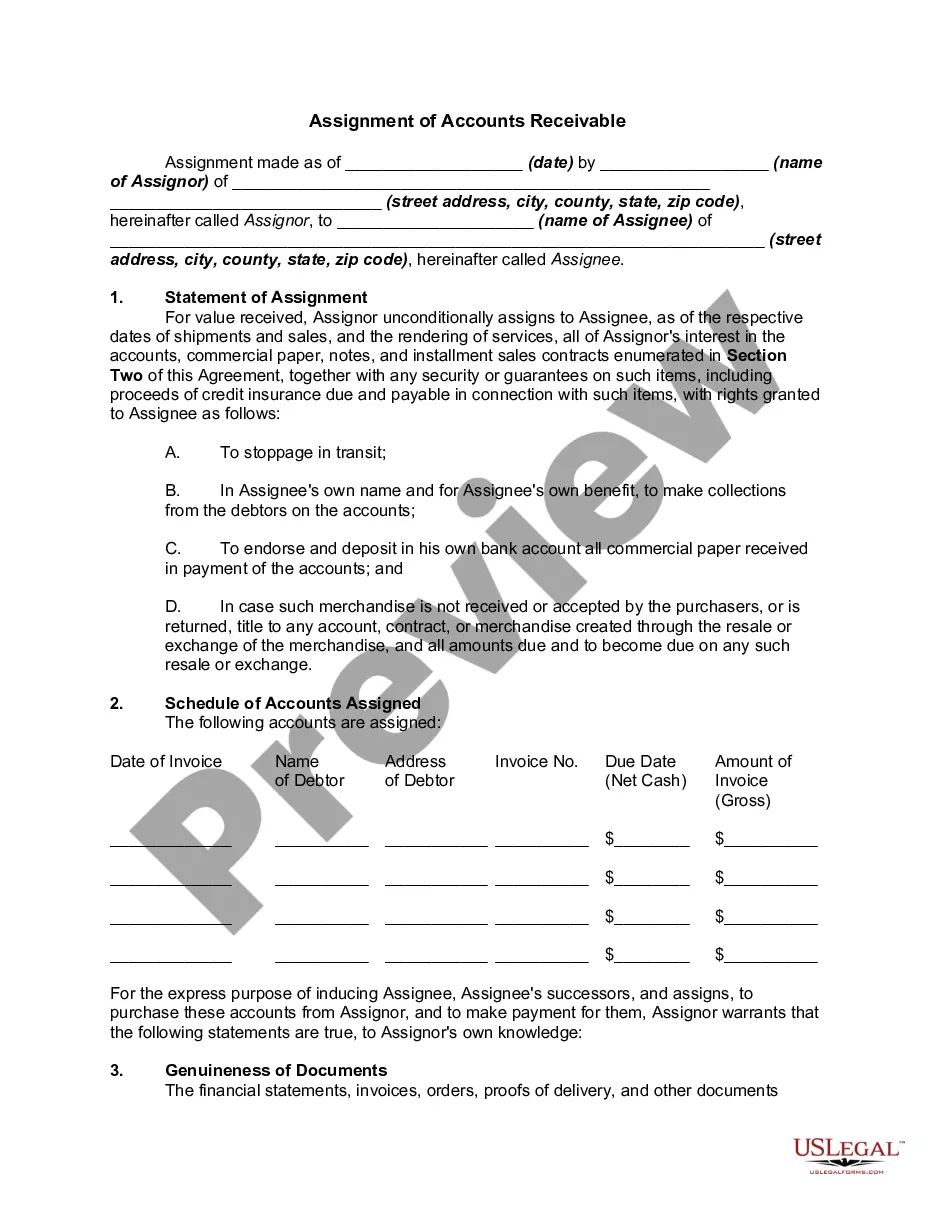
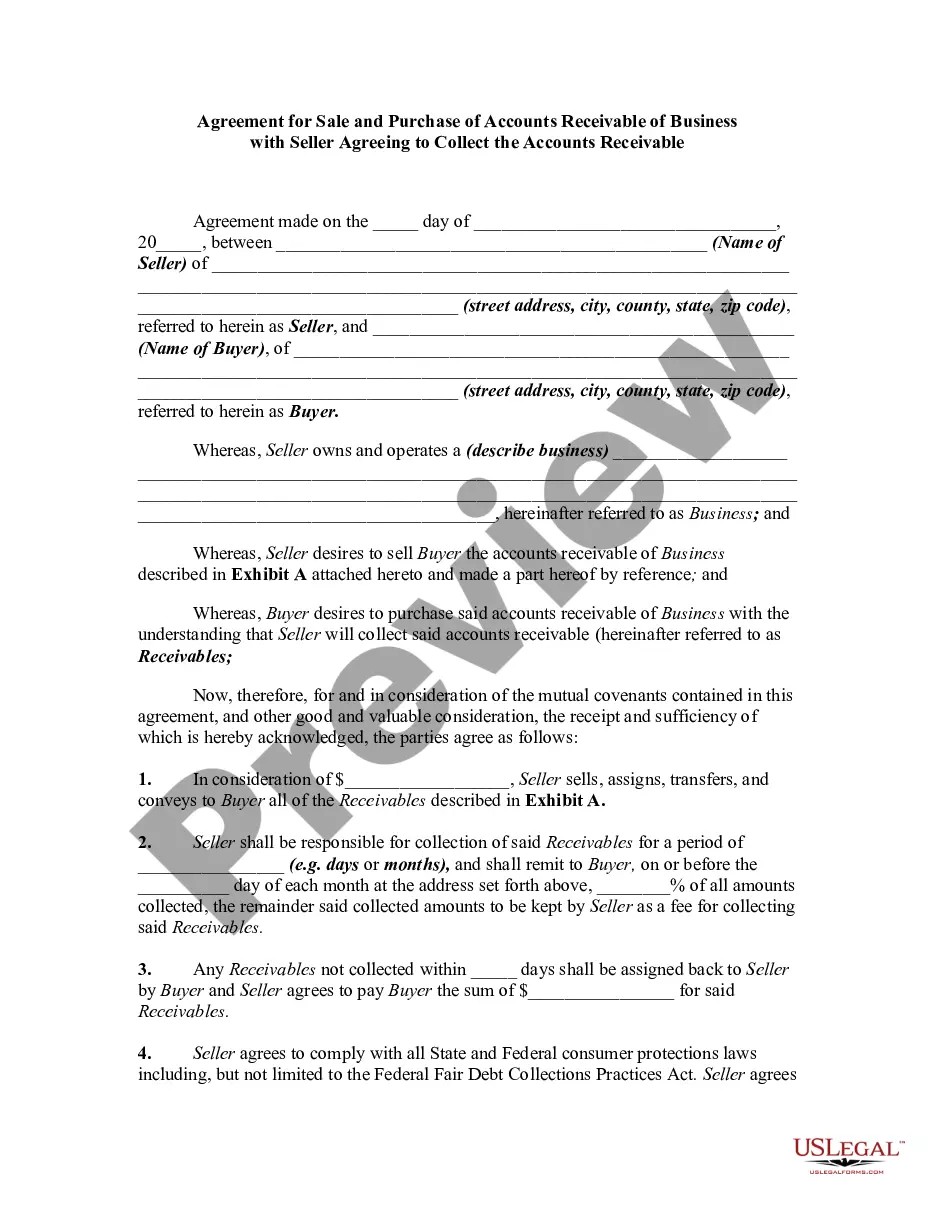
How to fill out Accounts Receivable - Contract To Sale?
US Legal Forms - among the greatest libraries of legitimate forms in America - offers a wide range of legitimate record web templates you can down load or produce. Making use of the site, you can find thousands of forms for business and specific reasons, sorted by classes, suggests, or key phrases.You will find the latest types of forms much like the Minnesota Accounts Receivable - Contract to Sale within minutes.
If you currently have a subscription, log in and down load Minnesota Accounts Receivable - Contract to Sale through the US Legal Forms collection. The Acquire switch will show up on every develop you look at. You get access to all formerly saved forms within the My Forms tab of your account.
In order to use US Legal Forms initially, listed below are straightforward instructions to get you started:
- Be sure to have selected the right develop to your metropolis/area. Click the Preview switch to check the form`s content material. See the develop explanation to ensure that you have selected the proper develop.
- If the develop doesn`t match your requirements, take advantage of the Research field on top of the monitor to find the the one that does.
- In case you are satisfied with the form, validate your option by visiting the Acquire now switch. Then, select the pricing strategy you prefer and offer your credentials to sign up on an account.
- Approach the financial transaction. Make use of Visa or Mastercard or PayPal account to perform the financial transaction.
- Select the file format and down load the form on your own product.
- Make modifications. Complete, revise and produce and sign the saved Minnesota Accounts Receivable - Contract to Sale.
Each format you put into your bank account lacks an expiry particular date and is also your own property for a long time. So, if you want to down load or produce yet another backup, just check out the My Forms segment and then click on the develop you want.
Gain access to the Minnesota Accounts Receivable - Contract to Sale with US Legal Forms, one of the most considerable collection of legitimate record web templates. Use thousands of professional and status-certain web templates that meet your organization or specific demands and requirements.
Form popularity
FAQ
When selling a business, accounts receivable typically transfer to the purchaser as part of the sale agreement. This means the buyer assumes the right to collect these amounts. Clear terms regarding the treatment of accounts receivable should be included in the contract to avoid any misunderstandings. To facilitate this process, consider using Minnesota Accounts Receivable - Contract to Sale for a thorough and effective approach.
An accounts receivable sales agreement is a legal document that outlines the terms of selling outstanding receivables to another entity. This agreement specifies the rights, obligations, and compensation involved in the transaction. It's essential for both parties to have a clear understanding to avoid disputes. Using Minnesota Accounts Receivable - Contract to Sale can provide a solid framework for creating this agreement.
A sale that involves retaining some form of financing or installment payments would require recording accounts receivable. This includes situations where the buyer makes partial payments over time. Accurate recording is crucial for tracking outstanding amounts owed to the seller. To navigate this process effectively, consider the Minnesota Accounts Receivable - Contract to Sale.
In a business sale, accounts receivable are usually assessed and valued as part of the overall transaction. Both the buyer and seller must agree on which receivables are included in the sale. Clear documentation is essential to make sure all parties understand their rights and responsibilities. Utilizing the Minnesota Accounts Receivable - Contract to Sale can simplify this process.
Accounts receivable or AR financing is a type of financing arrangement which is based on a company receiving financing capital in return for a chosen portion of its accounts receivable.
A debtor is someone who owes you money, normally because you have invoiced them for goods or services supplied. The invoice details what they owe and why. The process of managing debtors is often referred to as Accounts Receivable.
Accounts receivable (AR) is an item in the general ledger (GL) that shows money owed to a business by customers who have purchased goods or services on credit. AR is the opposite of accounts payable, which are the bills a company needs to pay for the goods and services it buys from a vendor.
An accounts receivable purchase agreement is a contract between a buyer and seller. The seller sells receivables and the buyer collects the receivables. An accounts receivable purchase agreement is a contract between a buyer and seller.
Accounts receivables factoring is a financial practice where a company sells its invoices to a third-party financial institution at a discount for immediate cash. The factor collects payment from customers, and the company receives funding without waiting for payment or taking on additional debt.