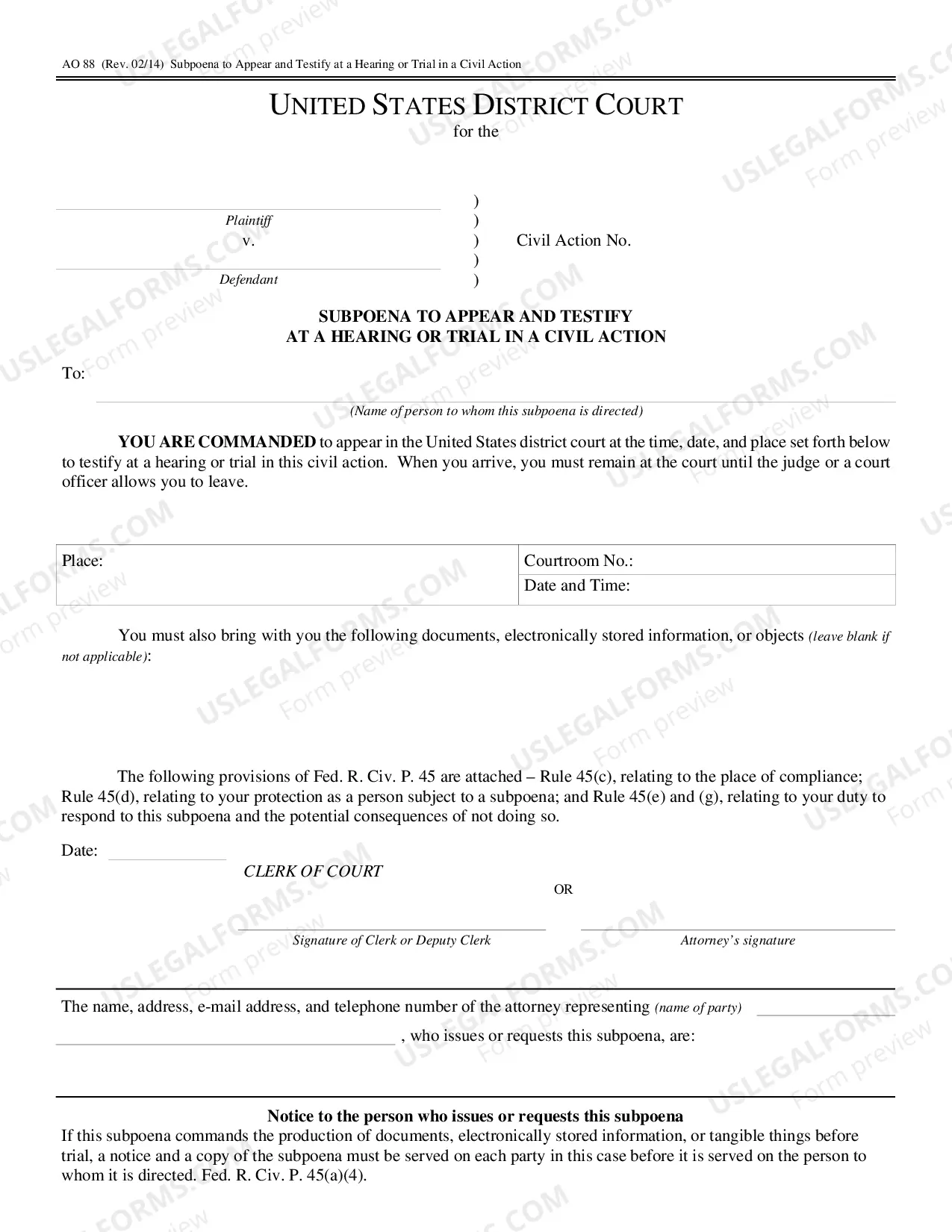
Minnesota Second Amended Judgment and Decree
What this document covers
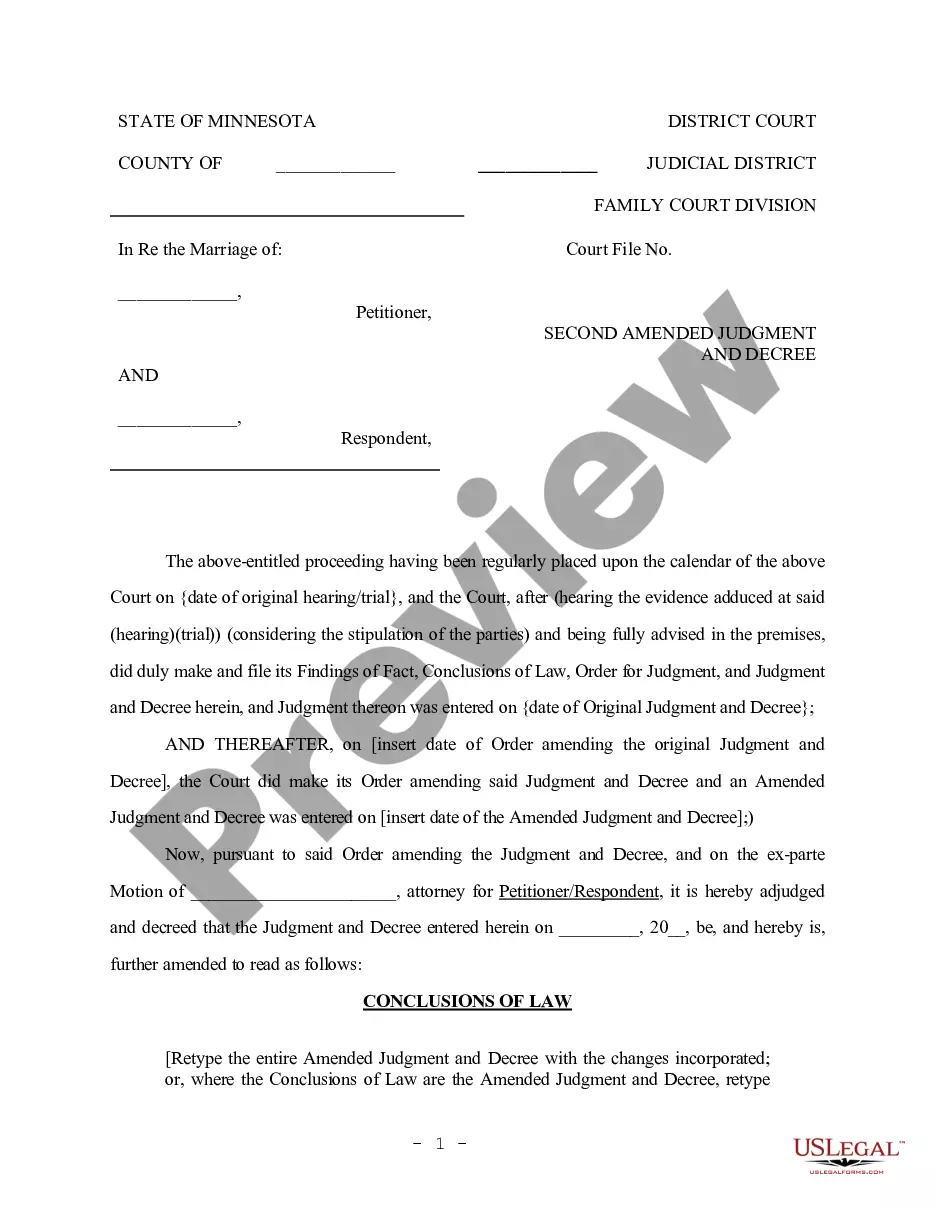
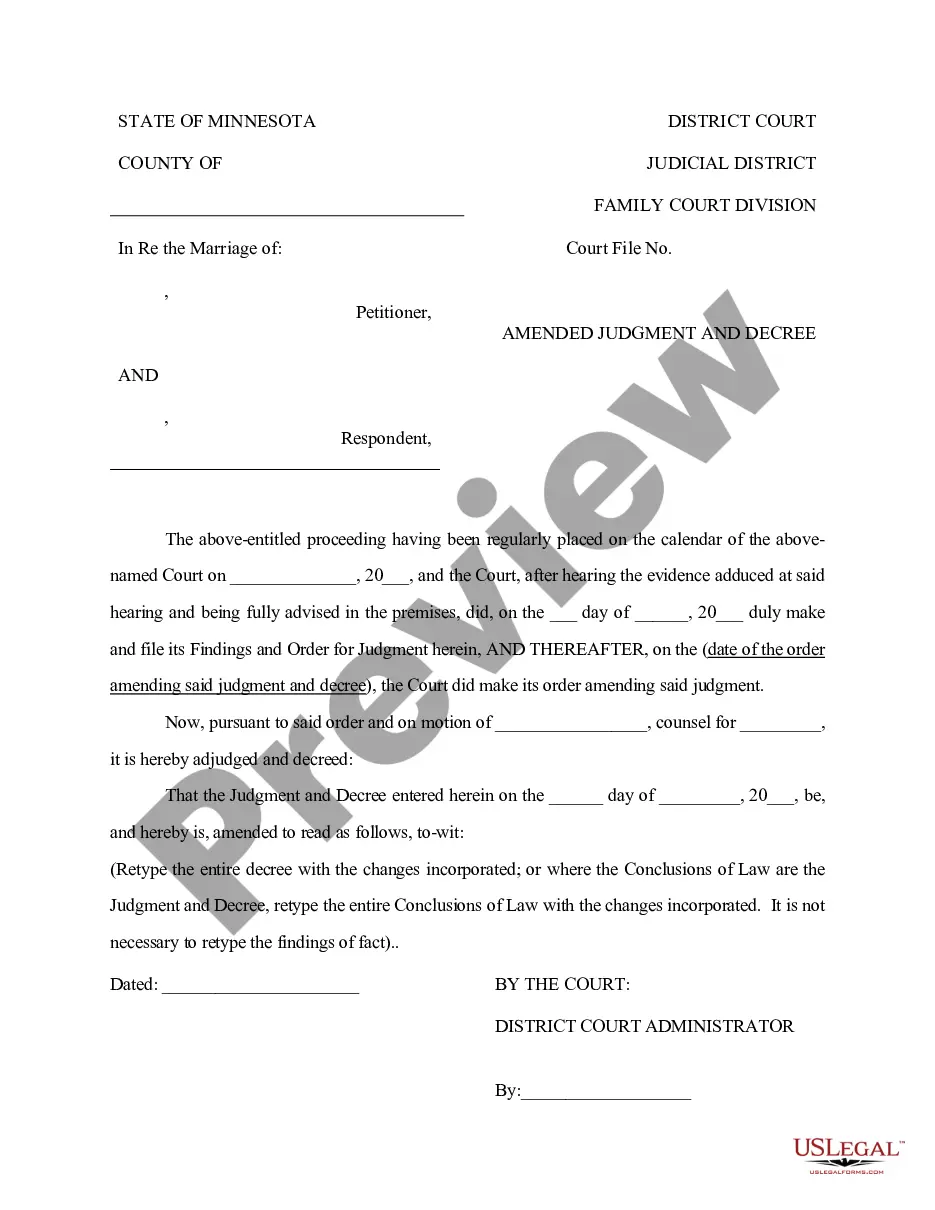
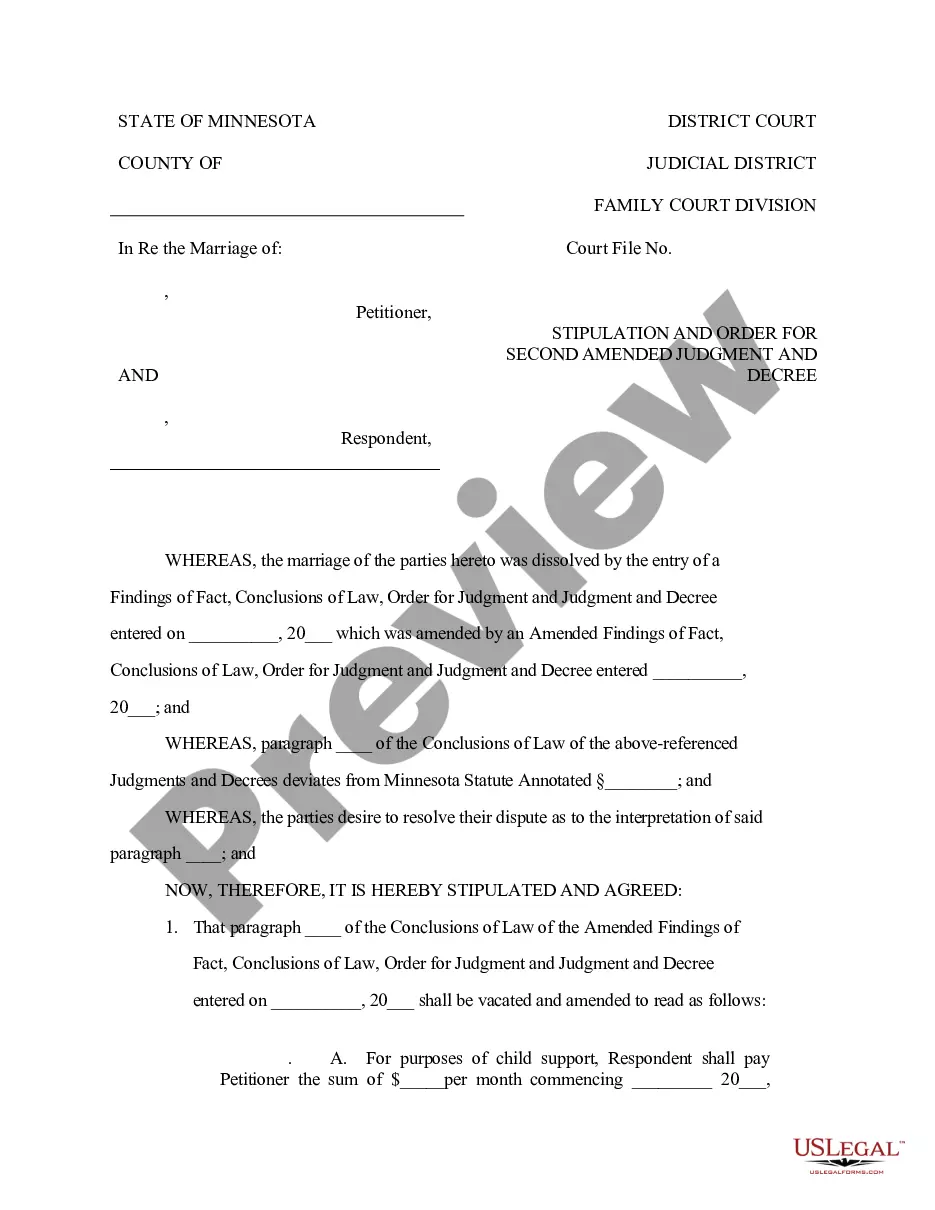
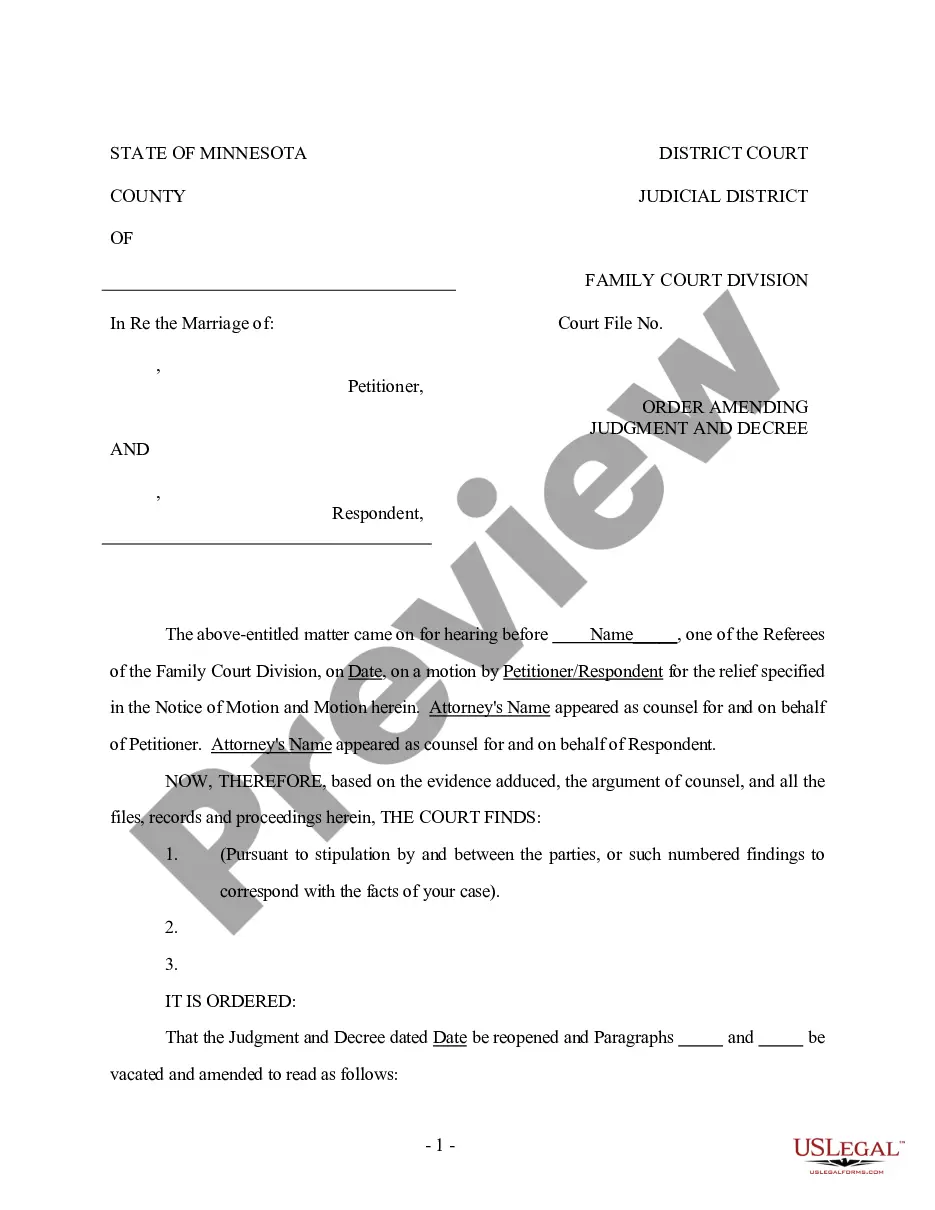
The Second Amended Judgment and Decree is a legal document used to formally amend a previous court judgment. This form allows the submitting party to incorporate changes to the original judgment or to the conclusions of law in a clearer format. It serves to ensure that any modifications are officially recognized by the court, distinguishing it from initial and amended judgments. This form is particularly relevant in legal proceedings where ongoing modifications to a decree are necessary.
Main sections of this form
- Heading: Identifies it as a Second Amended Judgment and Decree.
- Details of the original and amended judgments, including dates and court information.
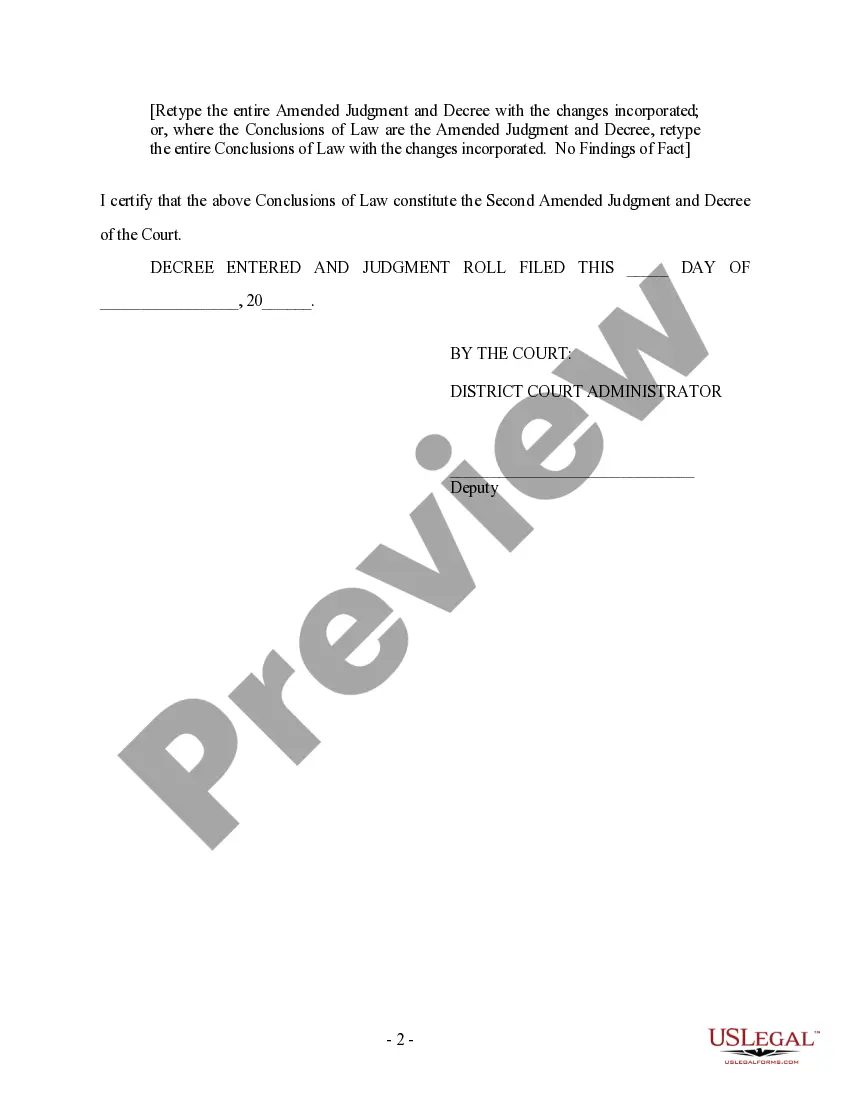
- Conclusions of Law section for retyping amended terms or judgments.
- Certification space for the court administrator to validate the document's correctness.
- Signature line for the court and date of decree entry.
When to use this form
This form is needed when there are further modifications to an already amended judgment that was entered by the court. For example, if a party wishes to adjust specific conclusions that were previously amended based on new evidence or negotiations, this form formalizes those changes. It ensures that the court's records are accurate and reflect the latest legal determinations.
Who should use this form
- Individuals or attorneys representing parties in a legal case who require updates to a court judgment.
- Petitioners or respondents whose prior judgments need to be amended for accuracy.
- Legal professionals involved in family law, civil litigation, or similar areas where court decrees frequently require amendments.
Steps to complete this form
- Identify all parties involved in the case, including both the petitioner and respondent.
- Fill in the original and amended judgment dates accurately in the designated fields.
- Type the entire amended judgment and conclusions of law with the necessary changes incorporated.
- Ensure the document is reviewed and certified by the appropriate court administrator.
- Submit the completed form to the court for entry into the judgment roll.
Does this form need to be notarized?
This form usually doesn’t need to be notarized. However, local laws or specific transactions may require it. Our online notarization service, powered by Notarize, lets you complete it remotely through a secure video session, available 24/7.
Get your form ready online
Our built-in tools help you complete, sign, share, and store your documents in one place.
Make edits, fill in missing information, and update formatting in US Legal Forms—just like you would in MS Word.
Download a copy, print it, send it by email, or mail it via USPS—whatever works best for your next step.
Sign and collect signatures with our SignNow integration. Send to multiple recipients, set reminders, and more. Go Premium to unlock E-Sign.
If this form requires notarization, complete it online through a secure video call—no need to meet a notary in person or wait for an appointment.
We protect your documents and personal data by following strict security and privacy standards.

Make edits, fill in missing information, and update formatting in US Legal Forms—just like you would in MS Word.

Download a copy, print it, send it by email, or mail it via USPS—whatever works best for your next step.

Sign and collect signatures with our SignNow integration. Send to multiple recipients, set reminders, and more. Go Premium to unlock E-Sign.

If this form requires notarization, complete it online through a secure video call—no need to meet a notary in person or wait for an appointment.

We protect your documents and personal data by following strict security and privacy standards.
Avoid these common issues
- Failing to retype the entire judgment or conclusions with updated language.
- Missing dates or incorrect entries for previous judgments and amendments.
- Neglecting to obtain necessary signatures or certifications from the court administrator.
Advantages of online completion
- Convenient access to templates that can be filled out and saved at your own pace.
- Editable forms allow for clarity and precision in legal language.
- Reliable resources vetted by licensed attorneys to ensure compliance with legal standards.
What to keep in mind
- The Second Amended Judgment and Decree updates previous court orders with required changes.
- Proper completion ensures that legal amendments are formally recognized by the court.
- Accessibility of the form online enhances convenience and compliance with legal processes.
Looking for another form?
Form popularity
FAQ
An amended decree refers to a revised version of a legal judgment, such as a divorce decree, that has been modified to reflect new circumstances or agreements. In the context of Minnesota, this often involves a Minnesota Second Amended Judgment and Decree, which allows individuals to update specific terms of their divorce. This could encompass alterations in child support, custody arrangements, or asset division. Accessing resources from US Legal Forms can help you navigate the amendment process efficiently, ensuring all legal requirements are met.
Yes, you can amend a divorce decree in Minnesota through the process of filing a Minnesota Second Amended Judgment and Decree. This process allows you to request changes to the original terms of your divorce, addressing issues such as child custody, support, or property division. To initiate this process, you typically need to demonstrate a significant change in circumstances that justifies the amendment. Utilizing a platform like US Legal Forms can simplify the creation and filing of the necessary documents.
Yes, a decree can be amended in Minnesota, depending on the circumstances surrounding the request. It typically involves filing a motion with the court and demonstrating valid reasons for the amendment. The Minnesota Second Amended Judgment and Decree will be issued upon approval. Utilizing US Legal Forms can simplify this process by providing you with the appropriate legal documents and expert guidance.
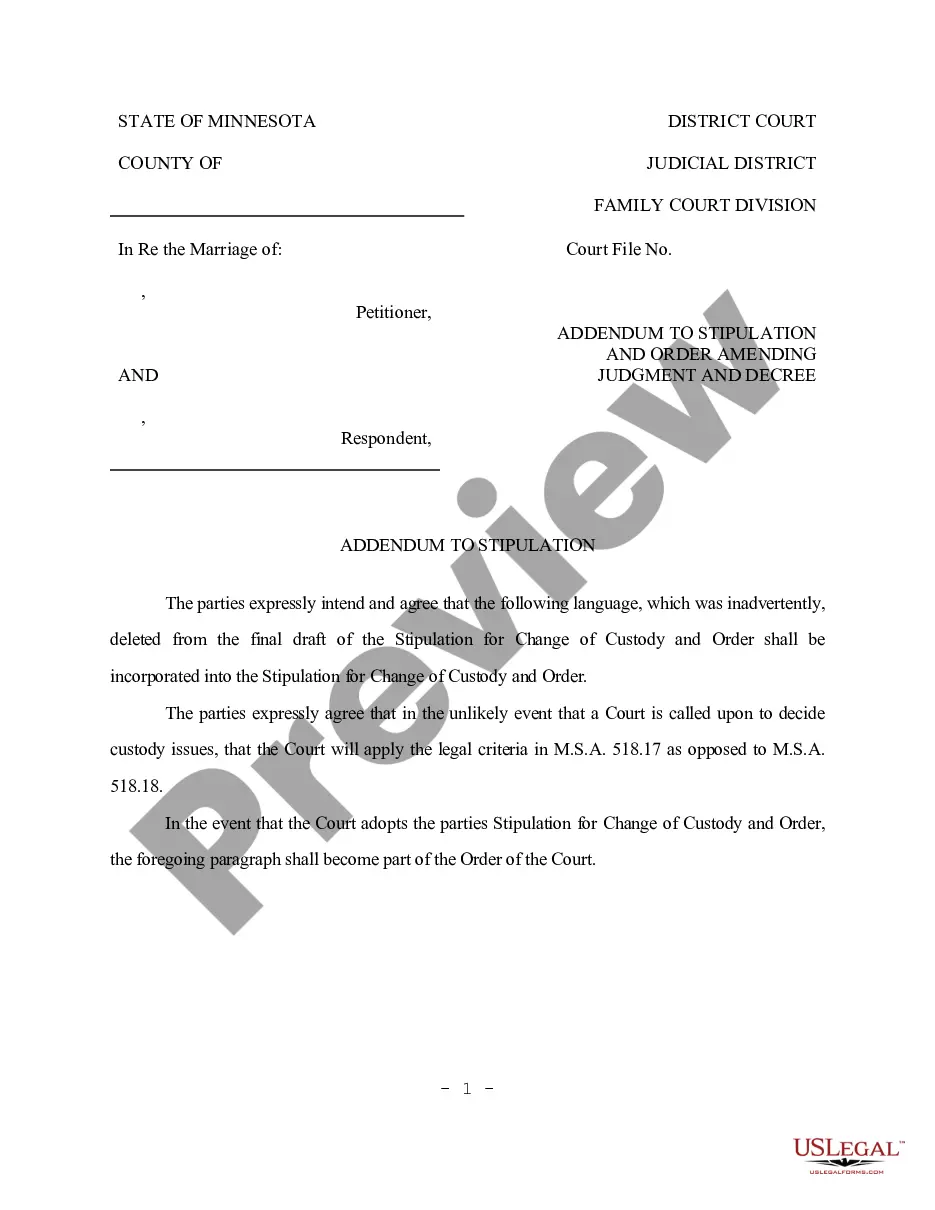
Adding an addendum to your divorce decree in Minnesota requires you to submit a written request to the court that issued the original decree. This request must detail the information you wish to add and why it is necessary. Once the court reviews and approves your request, you will receive the Minnesota Second Amended Judgment and Decree reflecting the new details. US Legal Forms can help you find the right forms and instructions to streamline this process.
To amend your divorce decree in Minnesota, you must file a motion with the court where your divorce was finalized. This motion should explain the changes you want to make and include any supporting documents. The Minnesota Second Amended Judgment and Decree will be issued if the court approves your request. For a smoother process, consider using a platform like US Legal Forms to access necessary templates and guidance.
A divorce decree is a court document that is a final judgment from divorce court. It contains information about your case including spousal support, child support, custody, visitation, property division, and other information.Only a court can issue a divorce decree. You receive it at the end of your case.
You can get the forms you need online, or you can go to your local courthouse or law library to request a packet of divorce papers. In Minnesota, the "petitioner" is the party who initiates the divorce, and the "respondent" is the party who receives the petitioner's divorce papers.
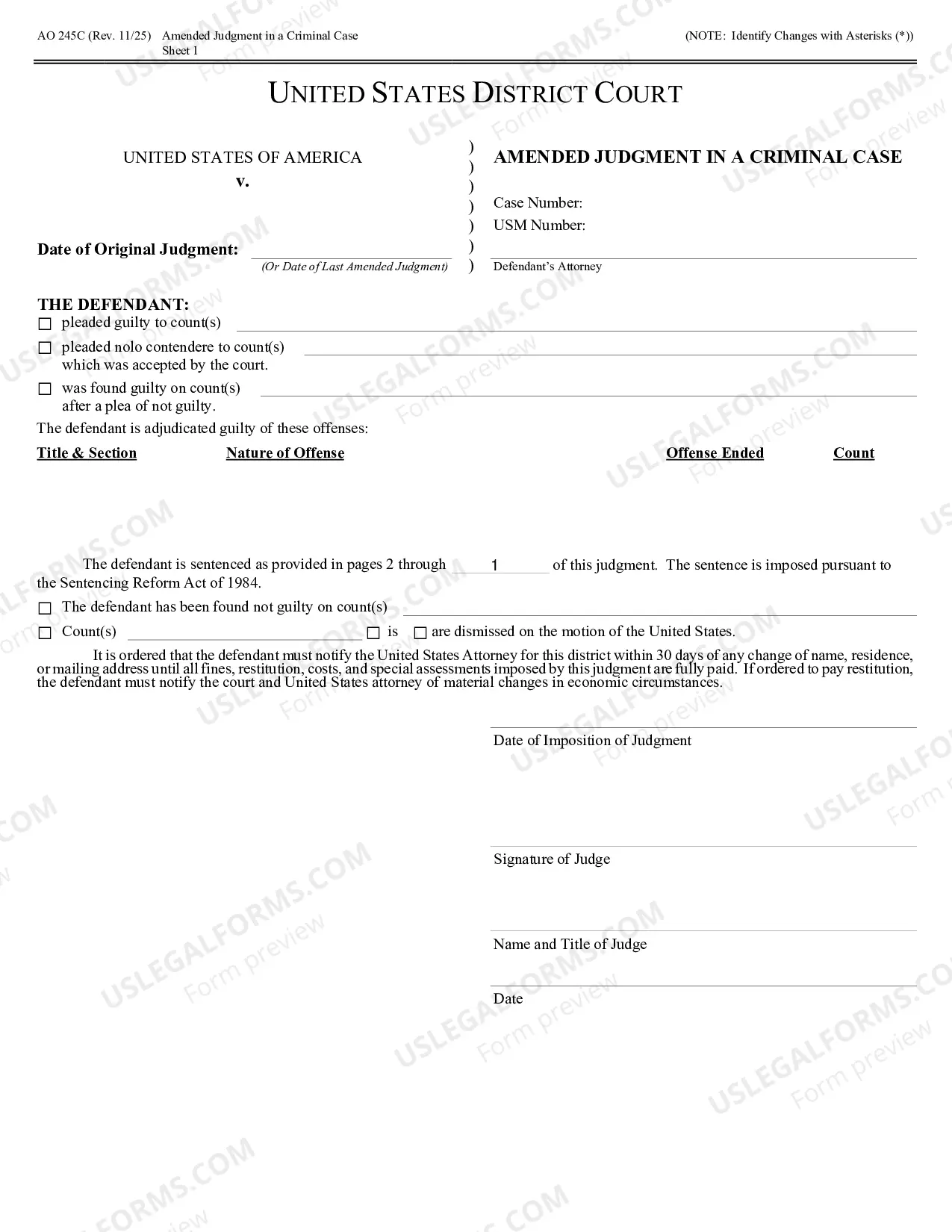
An amended judgment refers to a trial court correcting a substantive error in an original judgment. Usually a judgment is amended to correct a manifest error of law or fact. Such amendments are made to clear any misconceptions in the original judgment.
Divorce records are public information in the state of Minnesota and can be accessed by any member of the public.