Minnesota File Opening Procedure
What is this form?
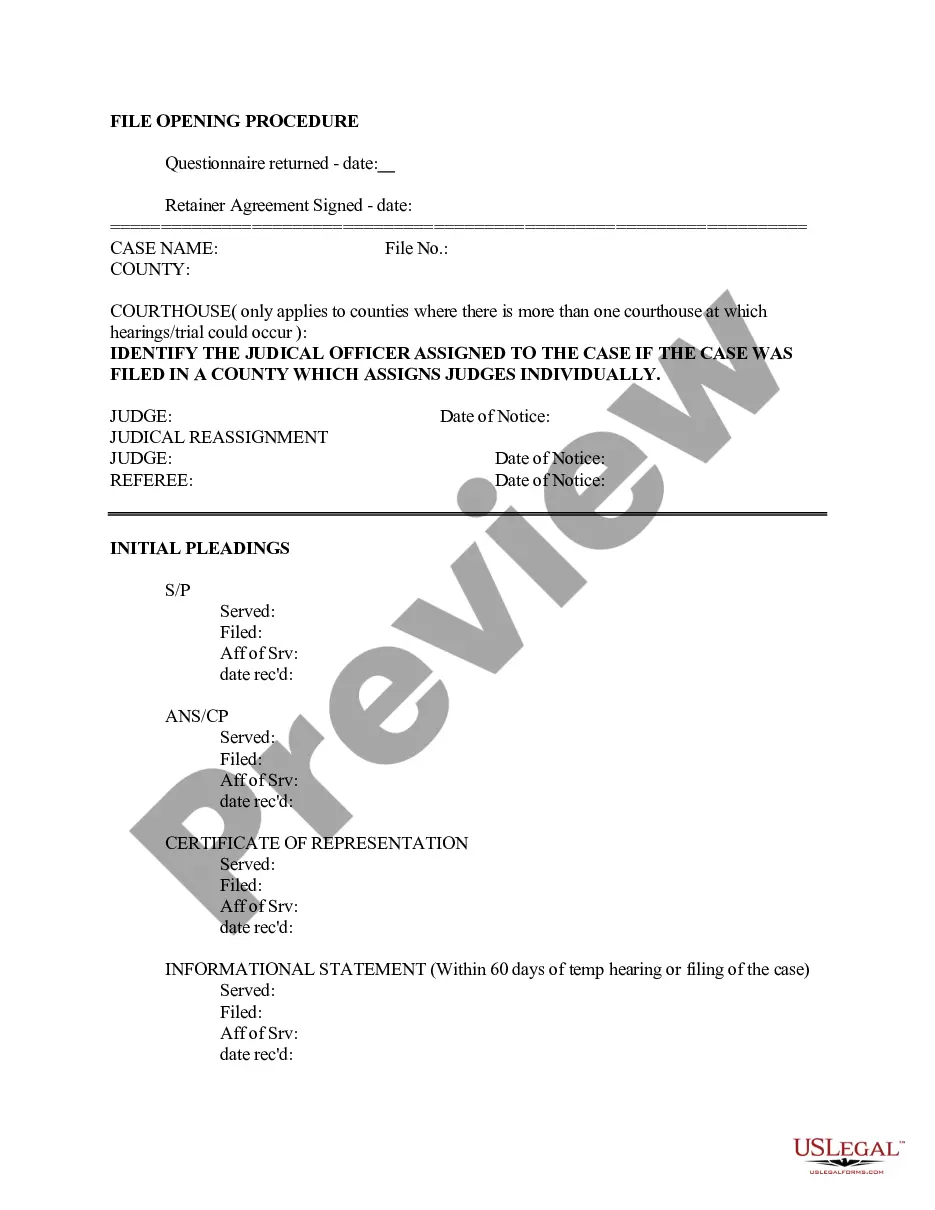
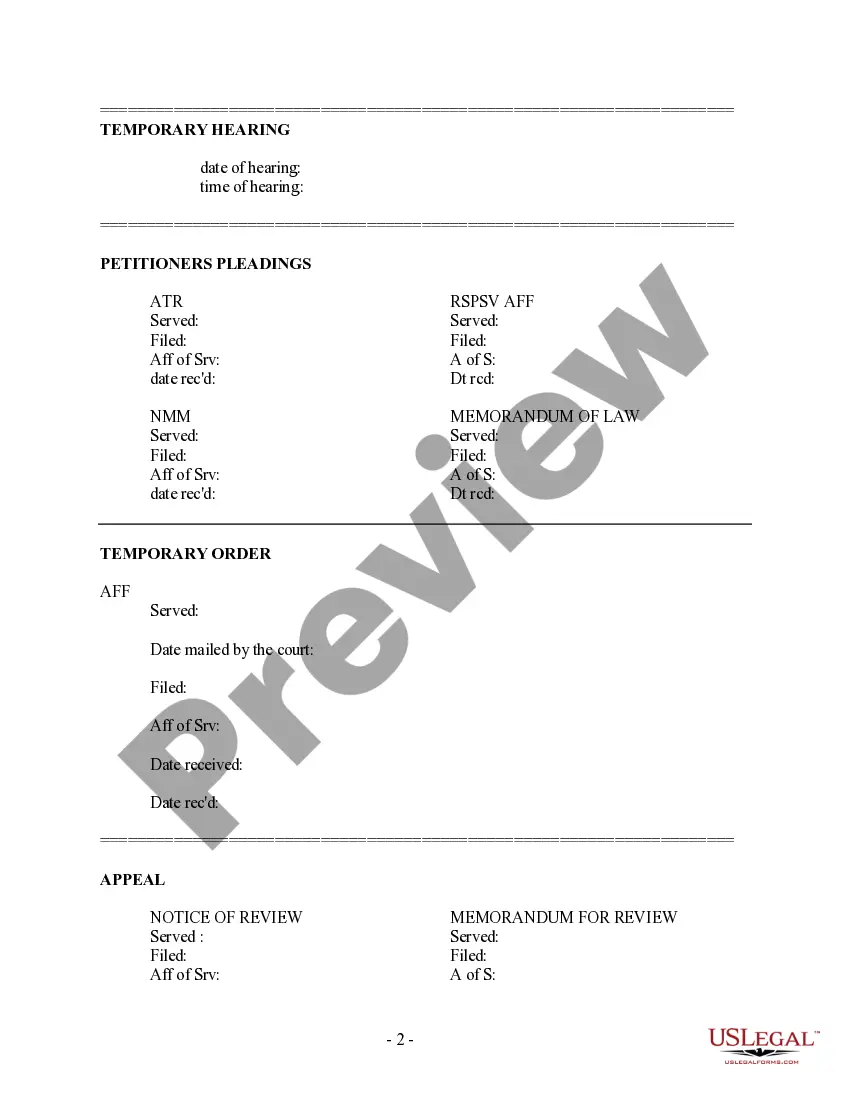
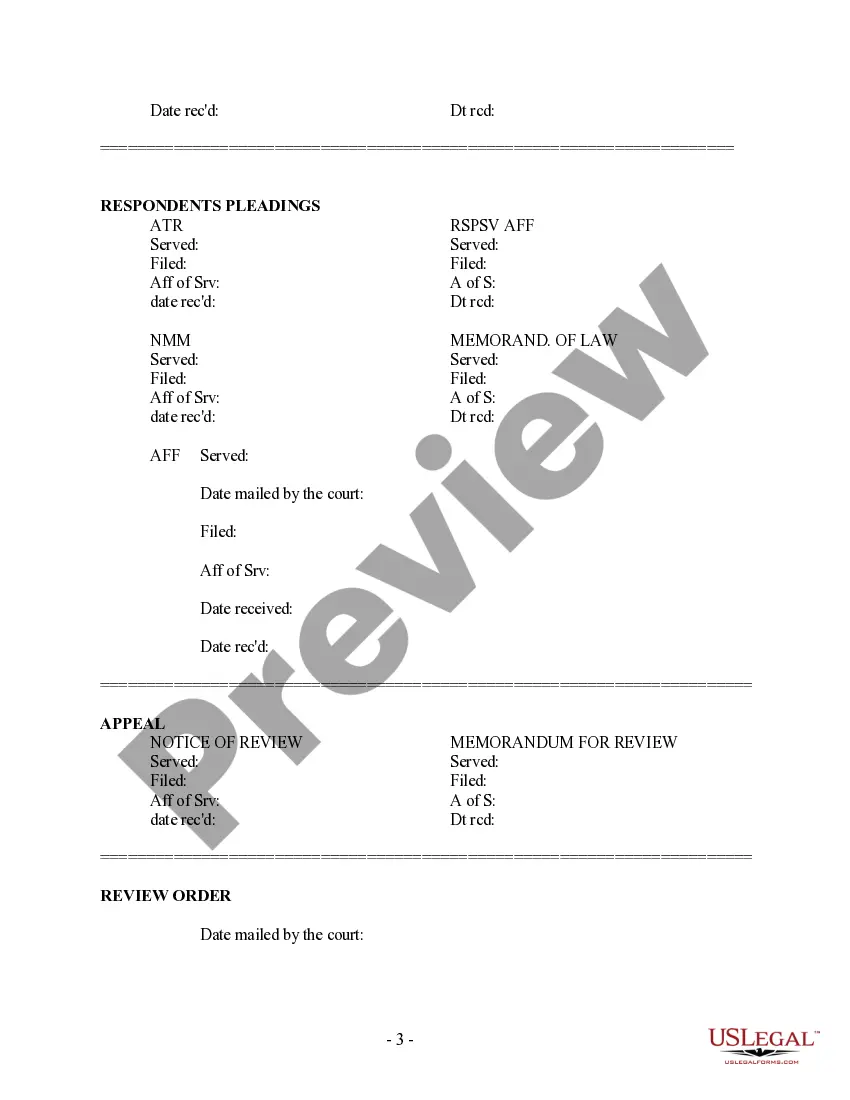
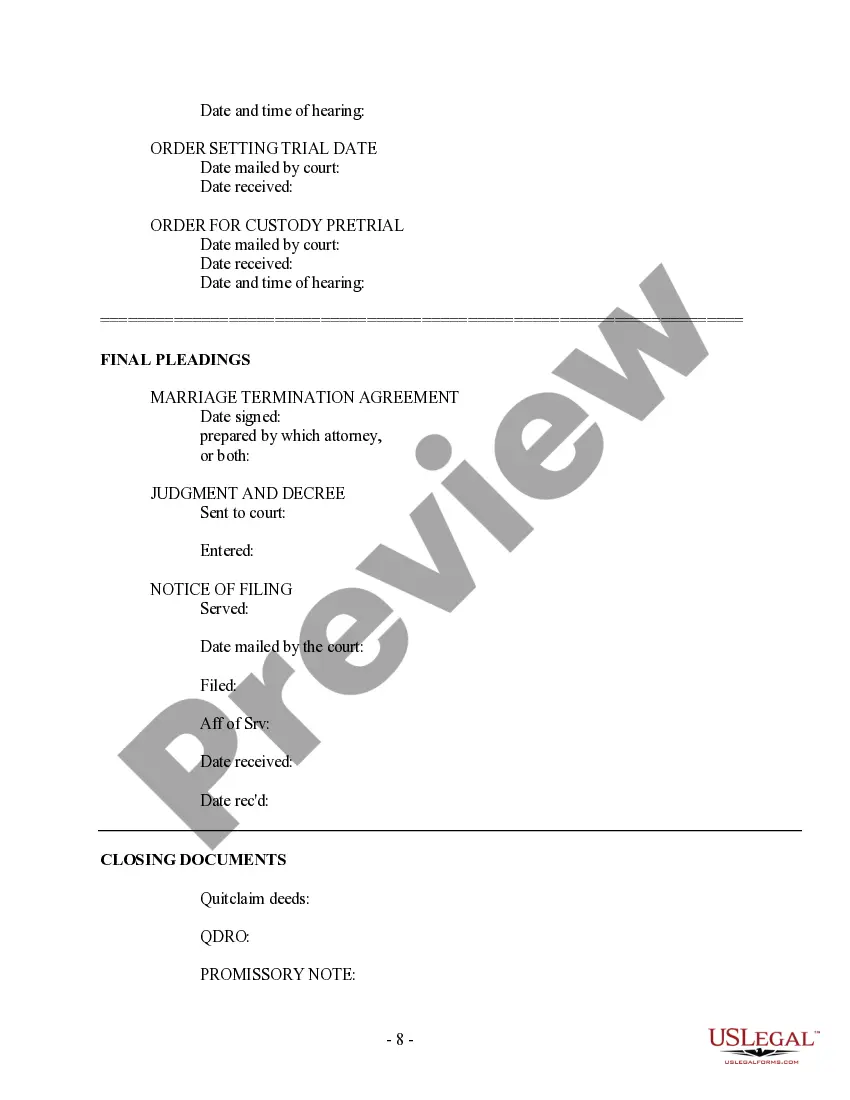
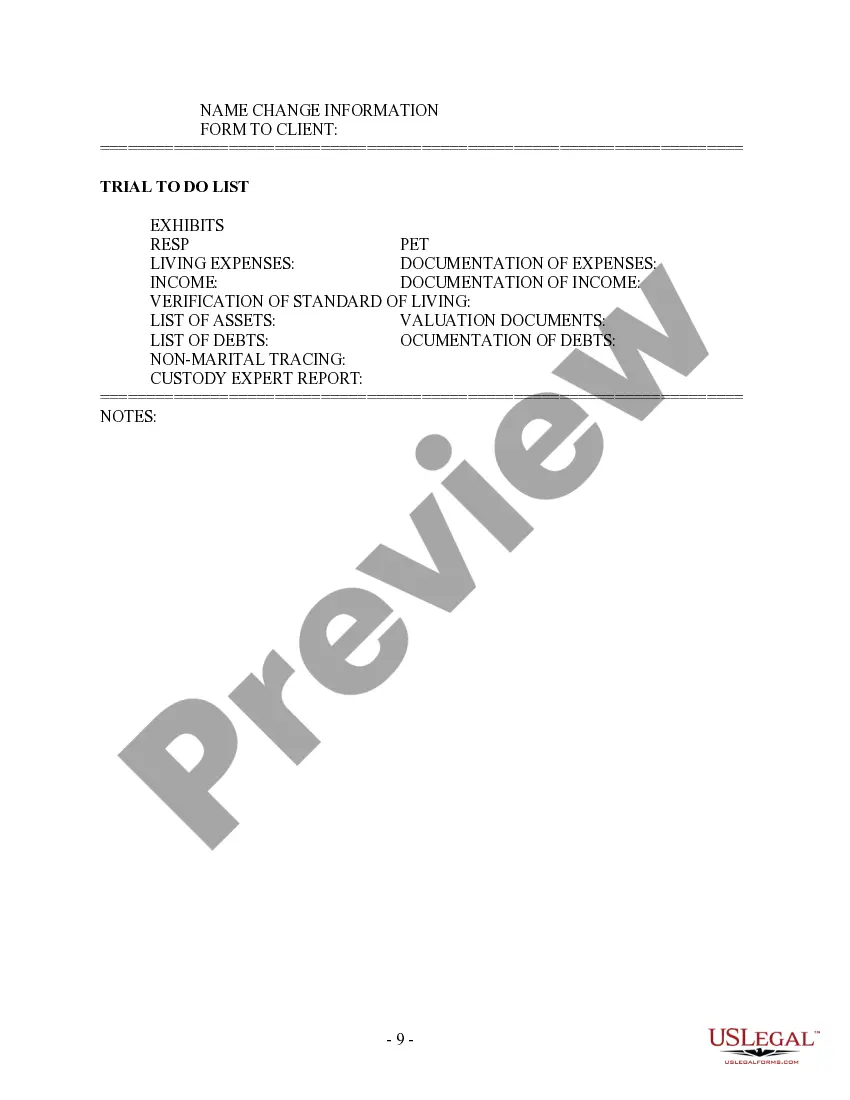
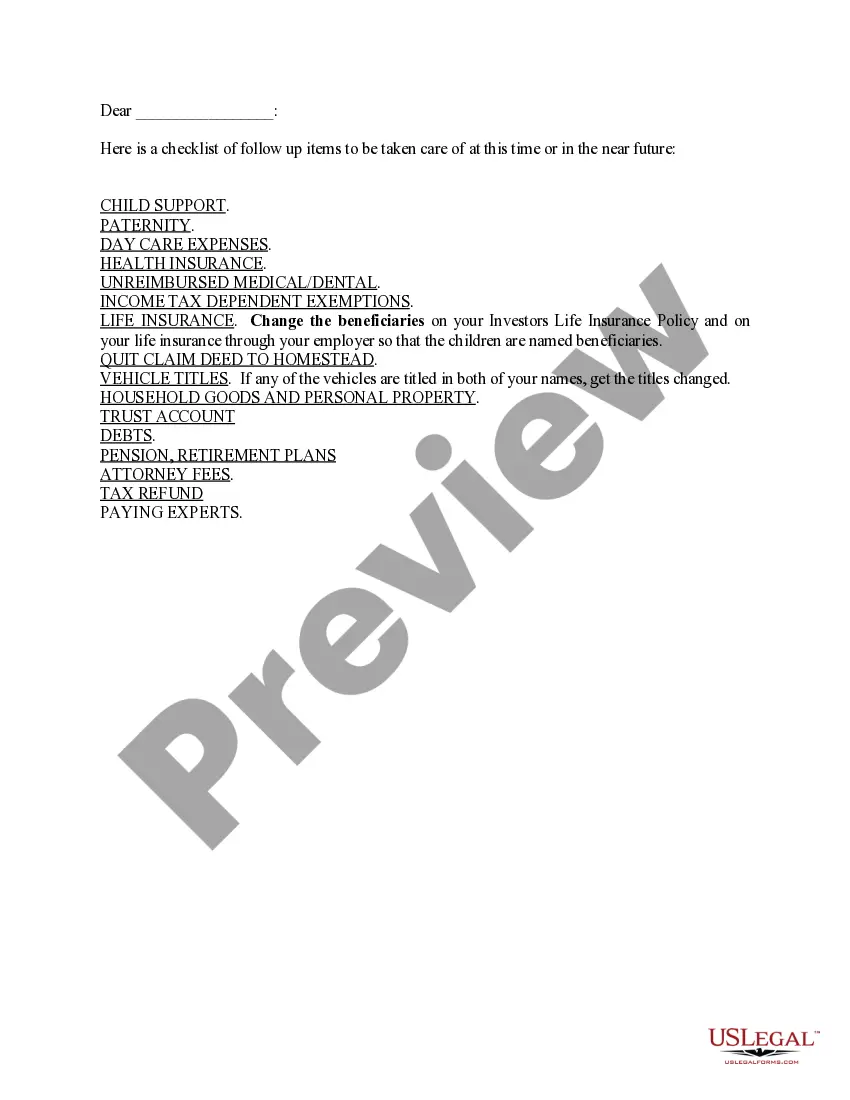
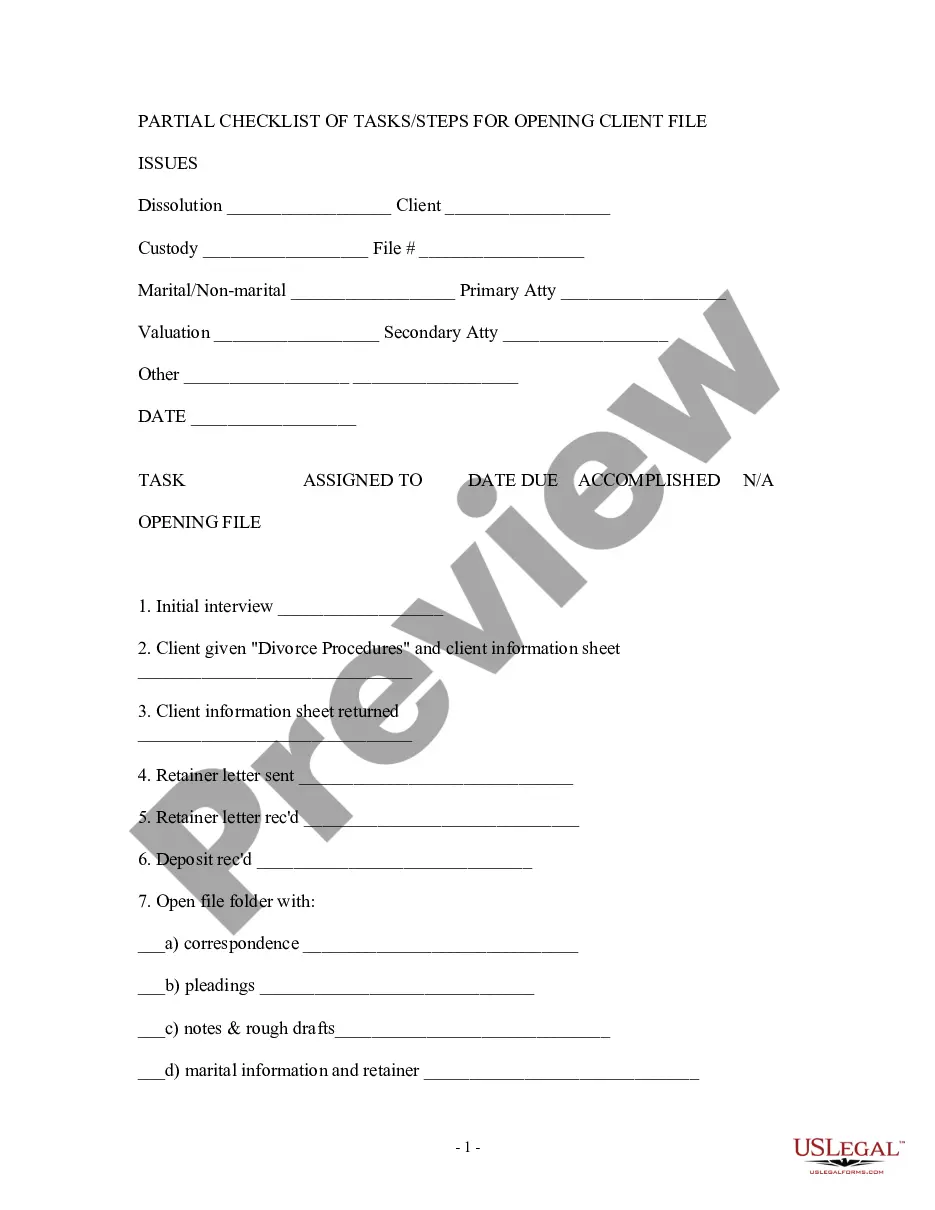
The File Opening Procedure is a detailed checklist specifically designed for dissolution pleadings. This form aims to guide users through the initial steps of filing for divorce or legal separation, ensuring that all necessary pleadings and documentation are collected and submitted accurately. Unlike general forms, this checklist focuses on the procedural aspects of dissolution cases, covering critical elements like preliminary hearings, pleadings from both parties, and appeals to help users navigate the legal process effectively.
Main sections of this form
- Case identifiers, including file number and county
- Judicial officer details for assigned cases
- Sections for initial pleadings, such as petitions and affidavits
- Records of temporary orders and hearings
- Discovery requests and deadlines
- Final documents for court submission
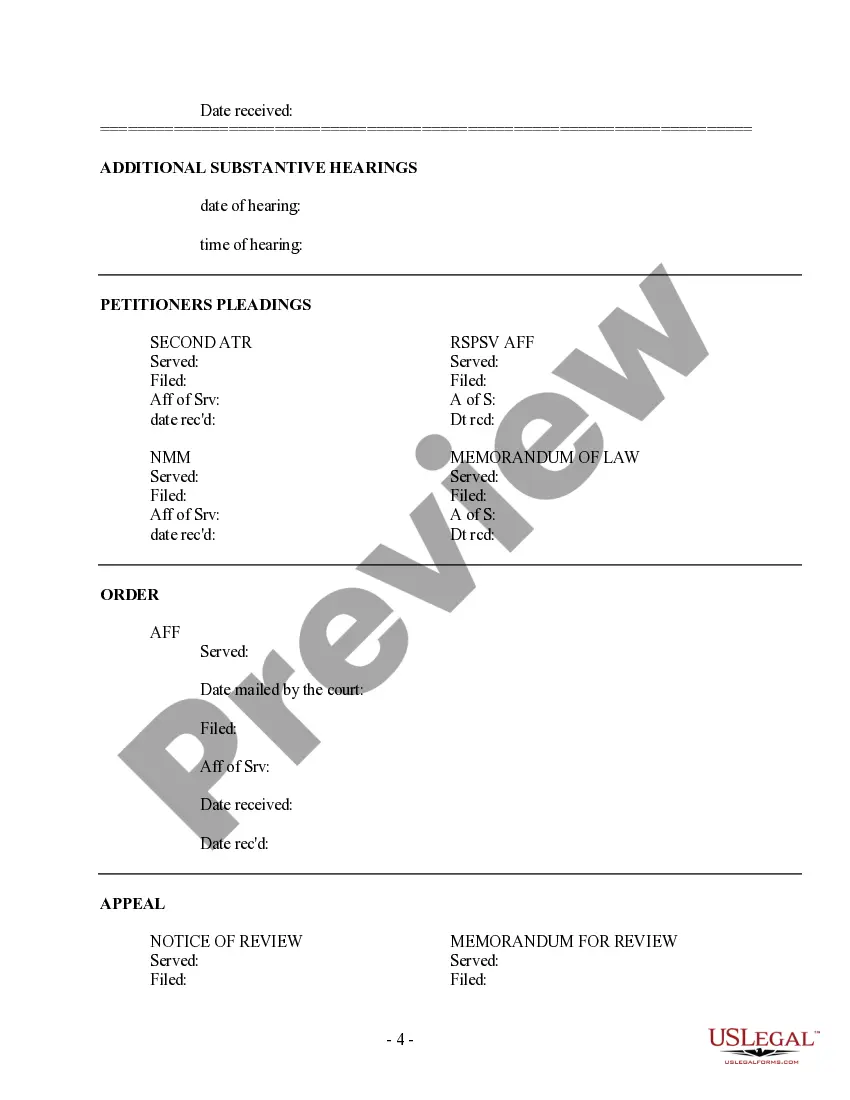
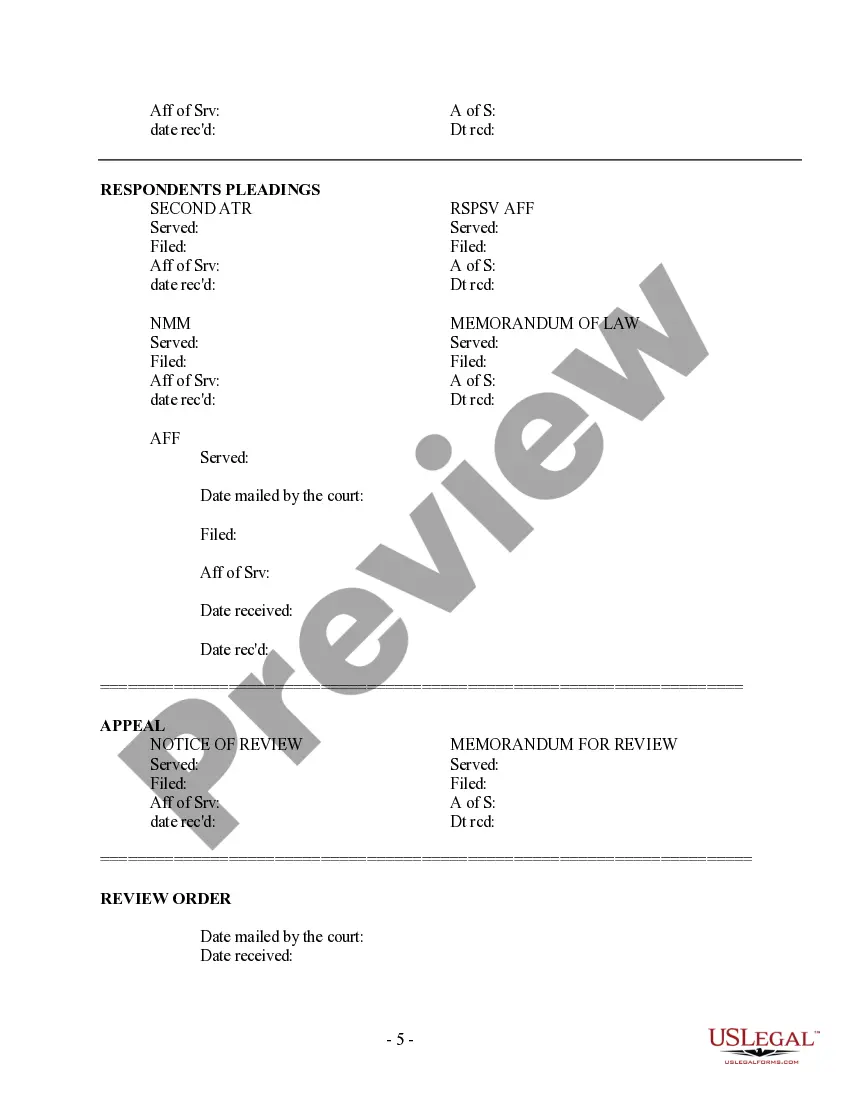
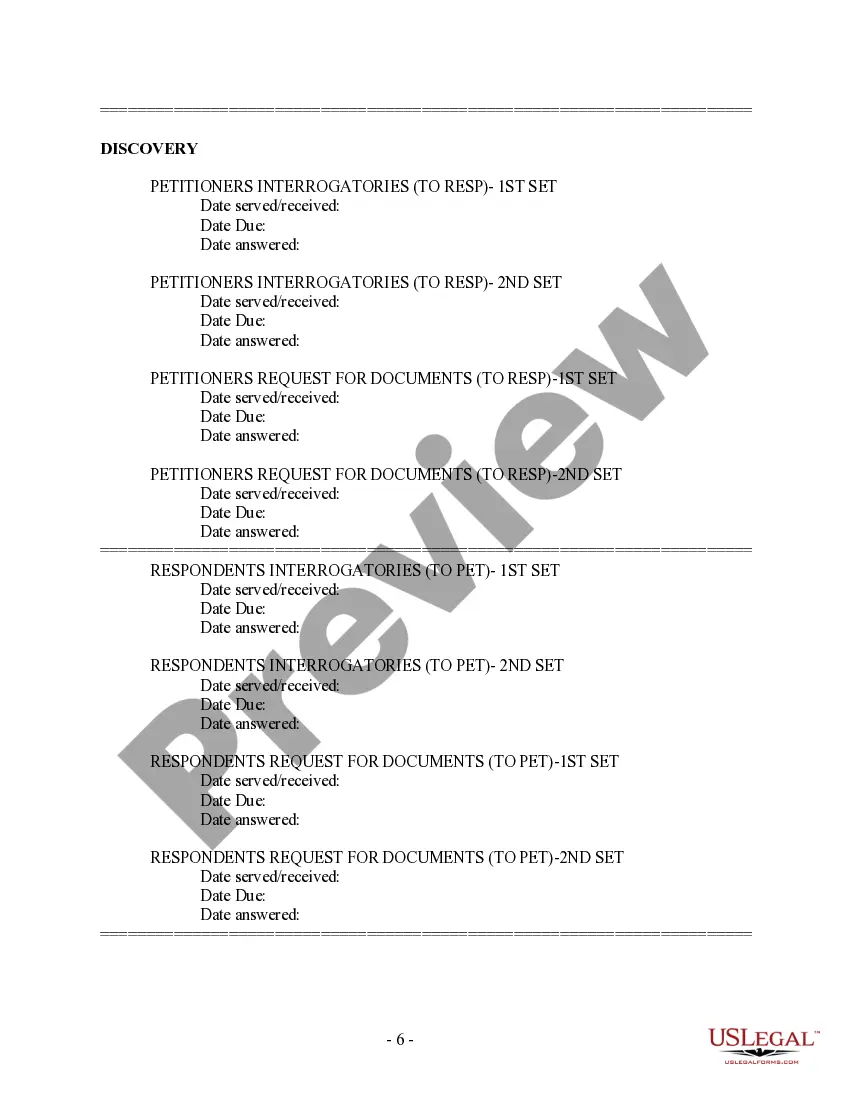
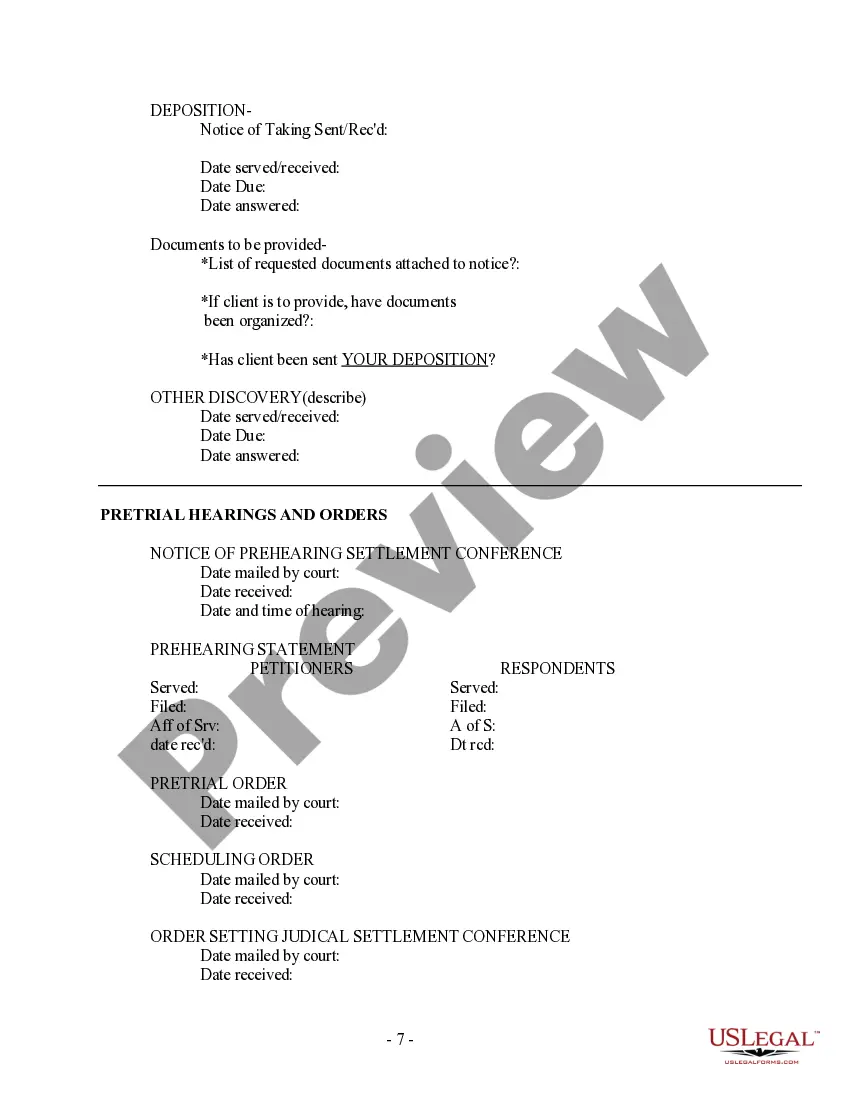
Common use cases
This form is essential when initiating a dissolution of marriage or partnership, particularly when you need a clear framework to track all required pleadings and filings. Use it during the early stages of your case to ensure you do not overlook any critical steps or documentation, especially when facing court deadlines or hearings.
Who can use this document
- Individuals seeking to file for divorce or legal separation
- Attorneys representing clients in dissolution cases
- Paralegals assisting in the preparation of legal filings
Completing this form step by step
- Identify the case name, file number, and county in the designated fields.
- Document the relevant dates for notices and judicial assignments as required.
- Fill in details for initial pleadings, including affidavits and responses.
- Track temporary orders and additional hearings, noting all relevant dates and outcomes.
- Complete final documents, ensuring all parties have signed as necessitated by your jurisdiction.
Does this form need to be notarized?
This form does not typically require notarization unless specified by local law. Always check your jurisdiction's requirements to ensure compliance.
Get your form ready online
Our built-in tools help you complete, sign, share, and store your documents in one place.
Make edits, fill in missing information, and update formatting in US Legal Forms—just like you would in MS Word.
Download a copy, print it, send it by email, or mail it via USPS—whatever works best for your next step.
Sign and collect signatures with our SignNow integration. Send to multiple recipients, set reminders, and more. Go Premium to unlock E-Sign.
If this form requires notarization, complete it online through a secure video call—no need to meet a notary in person or wait for an appointment.
We protect your documents and personal data by following strict security and privacy standards.

Make edits, fill in missing information, and update formatting in US Legal Forms—just like you would in MS Word.

Download a copy, print it, send it by email, or mail it via USPS—whatever works best for your next step.

Sign and collect signatures with our SignNow integration. Send to multiple recipients, set reminders, and more. Go Premium to unlock E-Sign.

If this form requires notarization, complete it online through a secure video call—no need to meet a notary in person or wait for an appointment.

We protect your documents and personal data by following strict security and privacy standards.
Common mistakes
- Failing to include all necessary documents for initial pleadings.
- Overlooking deadlines for serving documents and entering responses.
- Not updating information with judicial assignments and changes.
- Missing signatures or failing to file documents correctly with the court.
Why use this form online
- Easy access to a comprehensive checklist tailored for dissolution cases.
- Convenient digital format allows for editing and saving.
- Reliability of professionally drafted content, ensuring legal accuracy.
Key takeaways
- The File Opening Procedure is crucial for effectively managing dissolution pleadings.
- Ensure all required documentation is organized and submitted on time.
- Utilize this form to navigate the complexities of divorce or legal separation processes.
Looking for another form?
Form popularity
FAQ
In Minnesota, you may have the right to refuse to show identification in certain situations, but this can vary based on the context. For instance, law enforcement may request ID during a traffic stop or investigation. Understanding your rights is crucial, and the Minnesota File Opening Procedure can help you find relevant legal information. If you are unsure, seeking legal advice can provide clarity.
To obtain an apostille in Minnesota, you must first prepare the document that you wish to authenticate. After completion, submit your request along with the appropriate fees to the Minnesota Secretary of State. The Minnesota File Opening Procedure can guide you in ensuring all required documents are in order. For further assistance, consider using services like US Legal Forms to navigate the process smoothly.
Yes, Minnesota is an open records state, allowing residents to request access to many types of public information. The Minnesota File Opening Procedure supports this, making it easier for individuals to obtain records efficiently. Nonetheless, be aware that some records might have limitations based on confidentiality laws. Ensure you follow the correct procedures to gain access to the information you need.
Minnesota adheres to open records laws, which promote transparency. The Minnesota File Opening Procedure ensures that many records are accessible to the public. However, certain exceptions exist, particularly for sensitive information. Always check the specific details of any record you wish to access to understand any restrictions.
Yes, Minnesota has public records that citizens can access. Under the Minnesota File Opening Procedure, you can find documents related to court cases, property records, and more. While most records are public, some may be restricted due to privacy laws. For a comprehensive search, consider using platforms like US Legal Forms to streamline the process.
Many Minnesota court records are available online, but not all. The Minnesota File Opening Procedure allows you to access various public records through the Minnesota Judicial Branch website. However, some records may require in-person requests or specific eligibility criteria to view. It's beneficial to check online for the most current information regarding available records.
The timeline for filing a CRP in Minnesota typically aligns with annual deadlines set by the state. It is crucial to check for specific dates to ensure timely submission. Staying informed about these deadlines is part of successfully completing the Minnesota File Opening Procedure.
Common mistakes include misreporting income, failing to include all necessary forms, and incorrect calculations. Ensuring accuracy is essential for a successful filing process. Using platforms like uslegalforms can help you avoid these errors as you go through the Minnesota File Opening Procedure.
Yes, you can file your taxes in Minnesota without a CRP. However, if you are eligible for CRP payments, it may be beneficial to include them in your tax return. Understanding how CRP impacts your overall tax situation is important as you navigate the Minnesota File Opening Procedure.
Yes, Minnesota offers e-file forms for various submissions, including tax-related documents. These forms facilitate a smoother filing experience and help you adhere to the Minnesota File Opening Procedure without unnecessary delays. Make sure to check the official website for the latest e-file options available.