Minnesota Affidavit Regarding Default Judgment for Failure to Answer
What this document covers
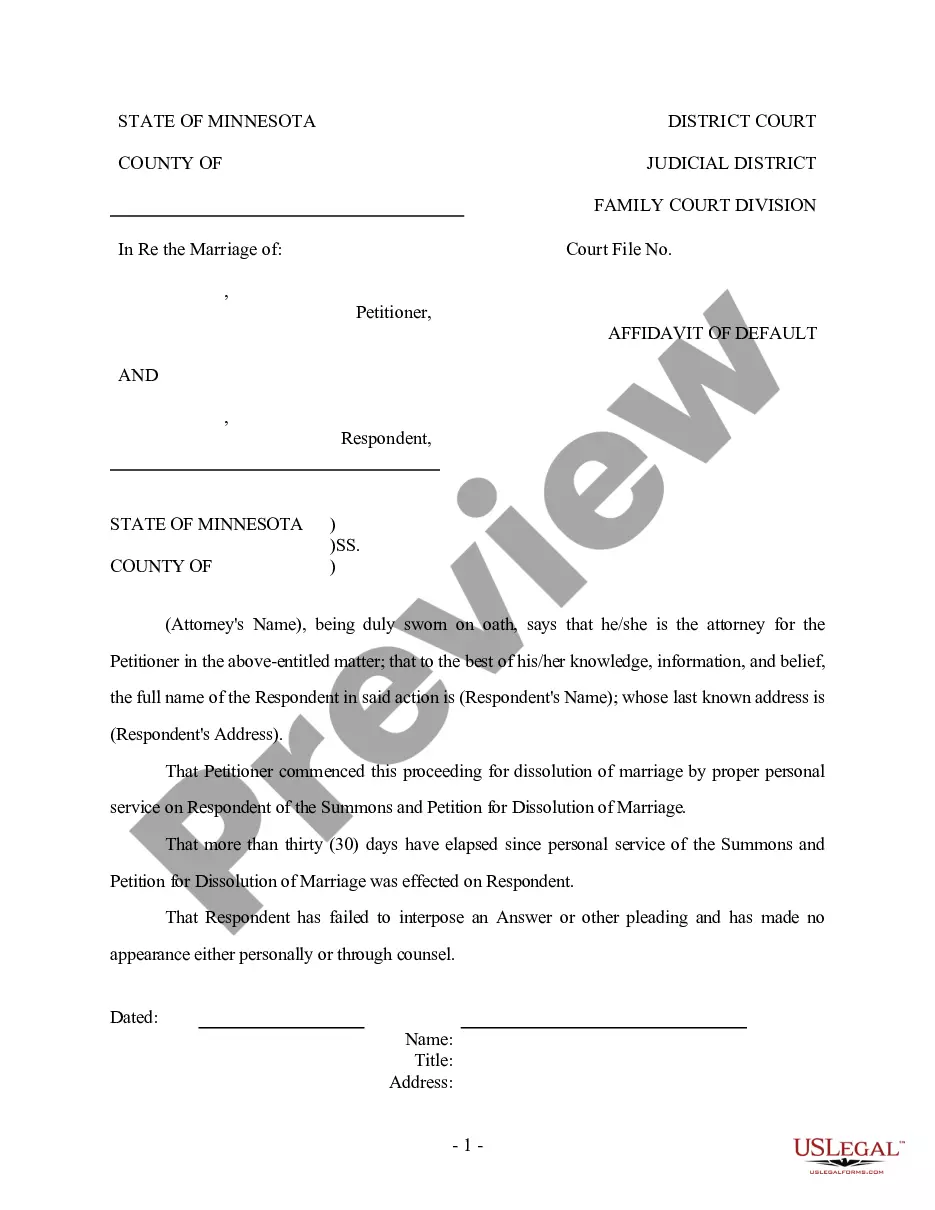
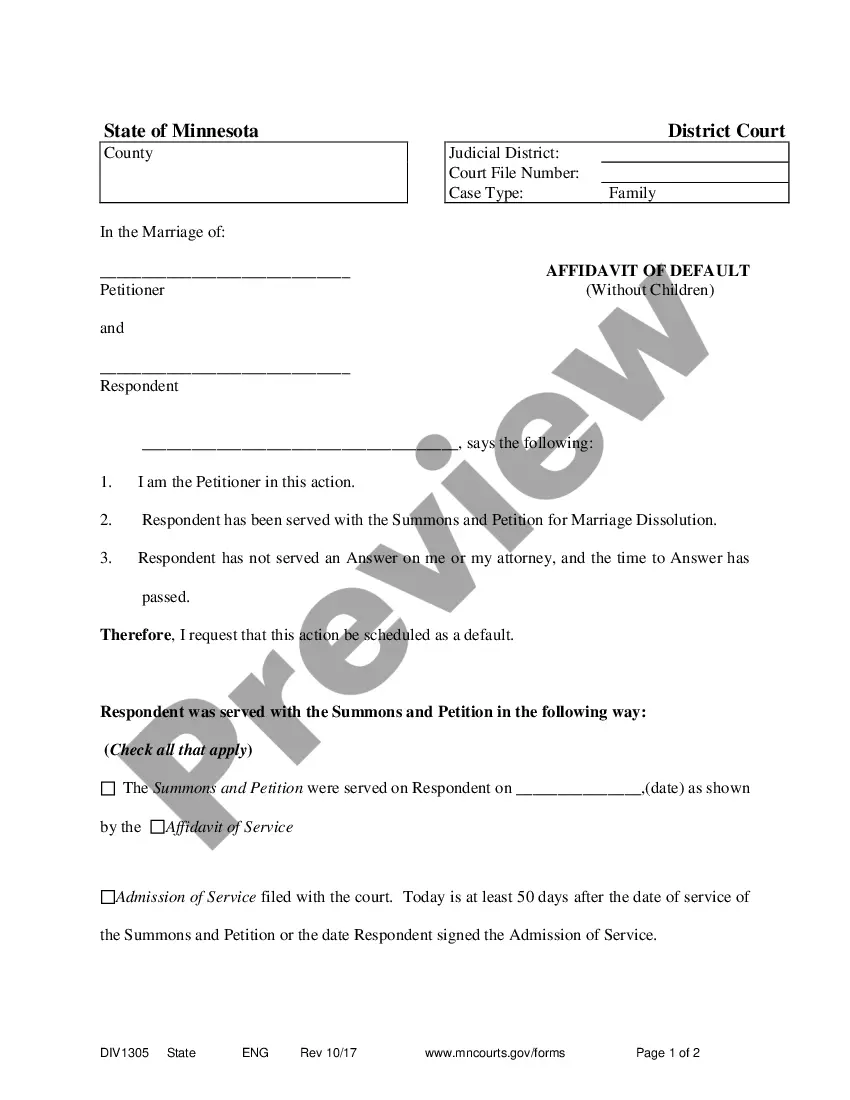
The Affidavit Regarding Default Judgment for Failure to Answer is a legal document used when a petitioner seeks a default judgment against a respondent who has not filed an answer in a dissolution of marriage case. This affidavit allows the petitioner to affirm that the respondent was served with the necessary paperwork and failed to respond within the established timeframe. This form is essential in situations where a court ruling is necessary despite one party's lack of participation.
Key parts of this document
- The petitioner's attorney's sworn statement confirming representation.
- The full name and last known address of the respondent.
- A declaration stating that the respondent has been served with the Summons and Petition.
- A statement that more than thirty days have passed since the service, with no response received.
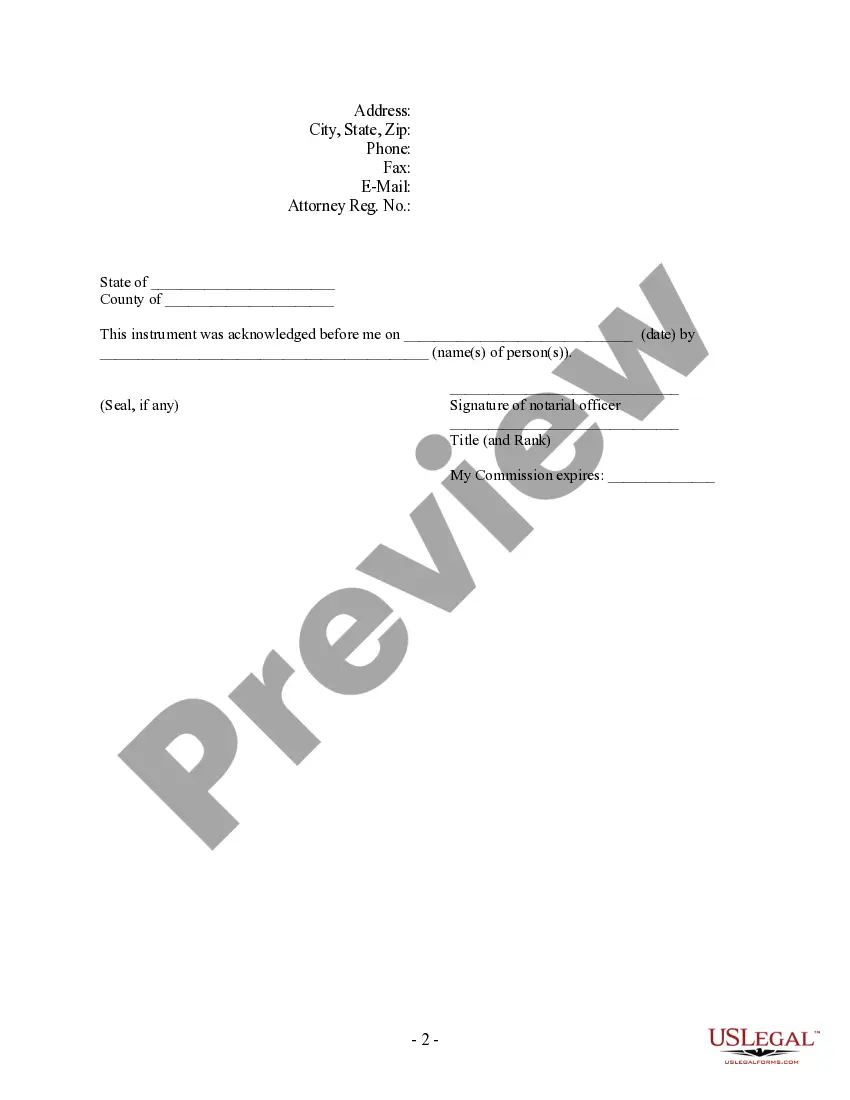
- Signature lines for the notary public and the attorney, ensuring legal verification.
When to use this form
This form is necessary when the respondent in a divorce proceeding has failed to file an answer after being properly served with a Summons and Petition for Dissolution of Marriage. It is typically utilized when the petitioner wishes to proceed with a default judgment without further delay due to the lack of participation from the respondent. Situations may include the respondent being unreachable, unresponsive, or unwilling to engage in the legal process.
Who can use this document
- Petitioners who have filed for dissolution of marriage and have served their spouse (respondent) with the necessary legal documents.
- Attorneys representing petitioners in family law cases requiring a default judgment.
- Individuals seeking legal resolution due to the non-response of their spouse in divorce proceedings.
Steps to complete this form
- Identify the parties involved by providing the full name of the petitioner and respondent.
- Enter the respondent's last known address accurately to ensure proper identification.
- Confirm that personal service of the Summons and Petition occurred and note the date it was completed.
- Certify that more than thirty days have passed without an answer or appearance from the respondent.
- Sign and date the affidavit in front of a notary public to ensure it is legally binding.
Does this document require notarization?
Yes, this form must be notarized to be legally valid. The notary public's signature confirms the identity of the signer and legitimizes the affidavit. US Legal Forms offers integrated online notarization for your convenience, allowing you to complete the process securely via video call without needing to travel.
Get your form ready online
Our built-in tools help you complete, sign, share, and store your documents in one place.
Make edits, fill in missing information, and update formatting in US Legal Forms—just like you would in MS Word.
Download a copy, print it, send it by email, or mail it via USPS—whatever works best for your next step.
Sign and collect signatures with our SignNow integration. Send to multiple recipients, set reminders, and more. Go Premium to unlock E-Sign.
If this form requires notarization, complete it online through a secure video call—no need to meet a notary in person or wait for an appointment.
We protect your documents and personal data by following strict security and privacy standards.

Make edits, fill in missing information, and update formatting in US Legal Forms—just like you would in MS Word.

Download a copy, print it, send it by email, or mail it via USPS—whatever works best for your next step.

Sign and collect signatures with our SignNow integration. Send to multiple recipients, set reminders, and more. Go Premium to unlock E-Sign.

If this form requires notarization, complete it online through a secure video call—no need to meet a notary in person or wait for an appointment.

We protect your documents and personal data by following strict security and privacy standards.
Common mistakes to avoid
- Failing to accurately provide the respondent's address, which can lead to issues with service and court proceedings.
- Not notarizing the affidavit, which is crucial for its legal validity.
- Overlooking the requirement that personal service must be completed before filing this affidavit.
- Assuming that filing an affidavit guarantees a default judgment; it's a step in the process but does not assure it.
Benefits of completing this form online
- Convenience of accessing and completing the form from home without needing to visit a law office in person.
- Editability allows users to fill out the form at their own pace, ensuring all information is correct before submission.
- Reliable templates drafted by licensed attorneys, ensuring compliance with state requirements.
Legal use & context
- This affidavit serves as a formal request to the court to grant a default judgment in cases where the respondent has failed to respond.
- Using this form correctly can expedite the divorce process, particularly when one party is unresponsive.
- Failure to properly complete or submit the affidavit may delay court proceedings or result in dismissal of the case.
Main things to remember
- The Affidavit Regarding Default Judgment is crucial in seeking a default ruling in divorce proceeding cases.
- Accurate service and proper completion of the form are essential to ensure legal validity.
- This document must be notarized and submitted according to Minnesota state requirements.
Looking for another form?


Form popularity
FAQ
The rule of practice 521 in Minnesota governs the procedures surrounding default judgments in civil cases. This rule emphasizes the importance of clear communication and proper documentation when a party fails to respond. When utilizing the Minnesota Affidavit Regarding Default Judgment for Failure to Answer, this rule ensures that your case is handled efficiently and correctly. Knowing this rule can enhance your understanding of the legal landscape.
Rule 55.01 in Minnesota details the circumstances under which a default judgment may be entered. It specifies that a plaintiff must provide evidence of the defendant's failure to respond, which often includes the Minnesota Affidavit Regarding Default Judgment for Failure to Answer. This rule is crucial for ensuring that the legal process is fair and that all parties have had a chance to participate. Familiarizing yourself with this rule can help streamline your legal proceedings.
Rule 55 outlines the procedures for obtaining a default judgment in Minnesota. When a defendant fails to respond to a complaint, the plaintiff can seek a default judgment to resolve the case in their favor. This process involves submitting a Minnesota Affidavit Regarding Default Judgment for Failure to Answer, which serves as the necessary documentation to support the request. Understanding Rule 55 is essential for ensuring that you follow the correct legal steps.
A motion for default judgment in Minnesota is a request made to the court when a party fails to respond to a lawsuit. This motion allows the plaintiff to seek a judgment without the need for a trial. The Minnesota Affidavit Regarding Default Judgment for Failure to Answer is a key document in this process, as it provides the court with necessary details about the case and the lack of response. Utilizing resources from US Legal Forms can simplify the preparation of your motion, ensuring compliance with state requirements.
To file a motion for default judgment in Minnesota, you first need to prepare the necessary documents, including the Minnesota Affidavit Regarding Default Judgment for Failure to Answer. After completing the affidavit, you submit it to the court along with a motion and any supporting evidence. It's important to serve the other party with these documents, ensuring they are aware of the proceedings. For a smooth process, consider using platforms like US Legal Forms, which offer templates and guidance for these legal filings.
Generally, you cannot go to jail simply for not paying a default judgment, as it is a civil matter. However, the court may impose penalties if you fail to comply with court orders or if it finds you in contempt. It is essential to acknowledge the seriousness of a default judgment and take appropriate steps to address it. Utilizing resources like the Minnesota Affidavit Regarding Default Judgment for Failure to Answer can help you navigate this situation effectively.
Ignoring a default judgment can lead to serious financial repercussions. The plaintiff may take legal action to collect the owed amount, which can include garnishment of wages or bank accounts. Additionally, your credit score may suffer due to the judgment. To avoid these outcomes, it’s wise to respond to any legal notices and consider the Minnesota Affidavit Regarding Default Judgment for Failure to Answer as part of your strategy.
Filling out form civ 100 requires careful attention to detail. Start by entering your case information, including parties involved and the court details. Ensure you provide accurate descriptions of the circumstances leading to the default judgment. If you need assistance, resources like USLegalForms can guide you through the process, ensuring you correctly complete the Minnesota Affidavit Regarding Default Judgment for Failure to Answer.
An affidavit of default judgment is a legal document that confirms a party has not responded to a lawsuit, allowing the court to grant a judgment in favor of the other party. This affidavit serves as proof that the defendant was properly notified and failed to take action. Understanding this process is crucial, especially when dealing with the Minnesota Affidavit Regarding Default Judgment for Failure to Answer. It helps ensure that your rights are protected in legal proceedings.
If you do not respond to a default judgment, the court may rule in favor of the plaintiff automatically. This means you lose the case without having a chance to present your side. Consequently, the plaintiff can seek to enforce the judgment, which may include garnishing wages or seizing assets. To avoid these consequences, it's essential to address any legal documents, like the Minnesota Affidavit Regarding Default Judgment for Failure to Answer, promptly.