Appraisal of exempt salaried employee for job progress & goals.
Michigan Salary - Exempt Employee Review and Evaluation Form
Instant download
Description
Free preview
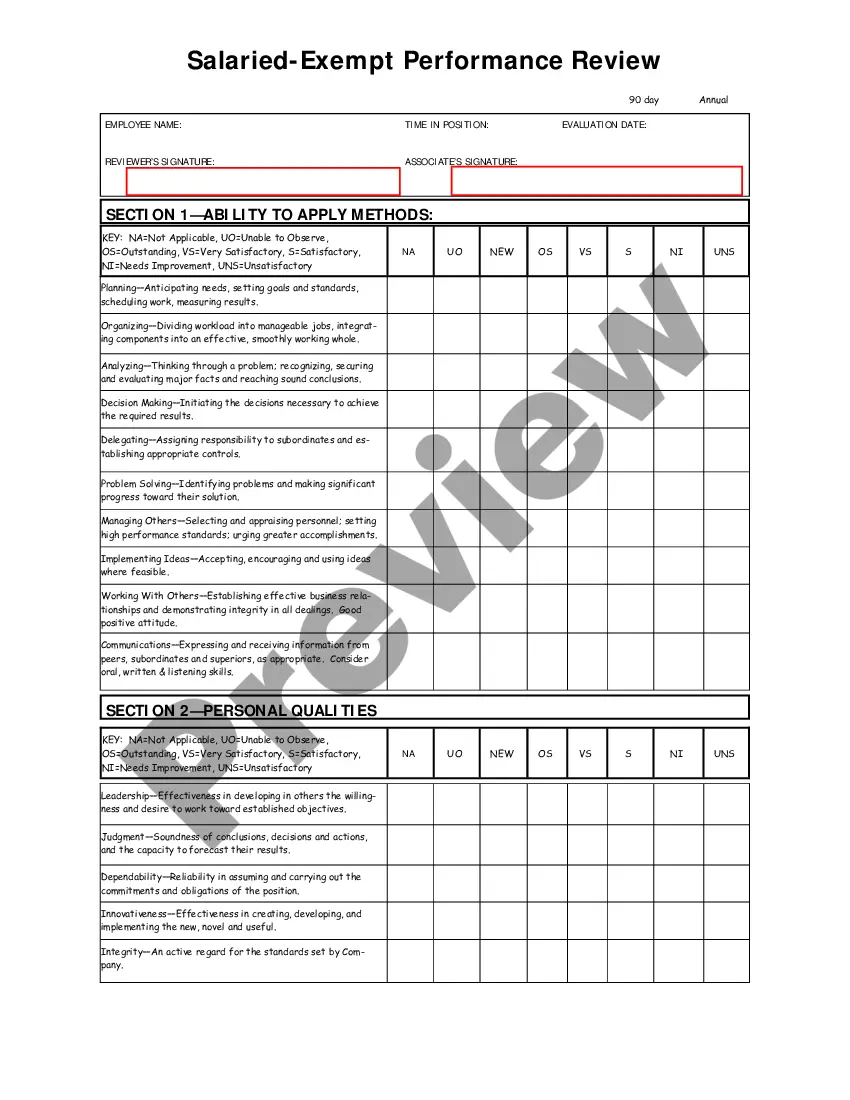
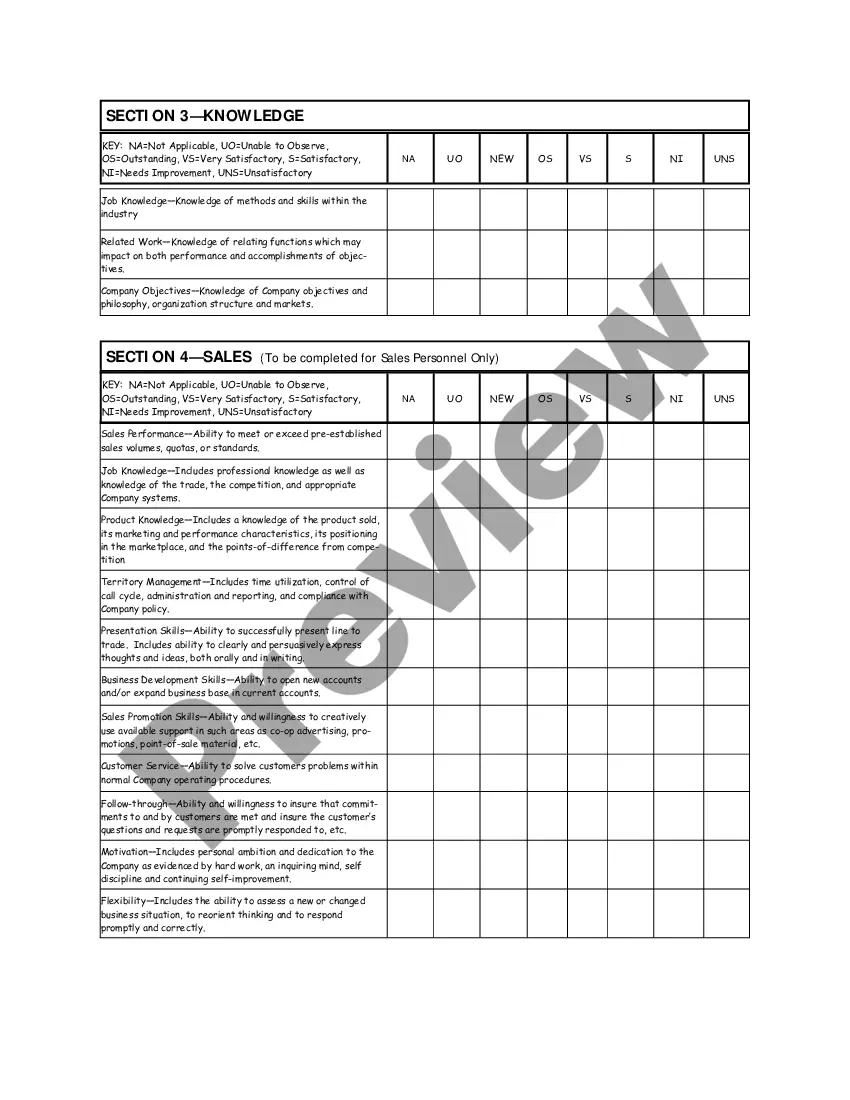
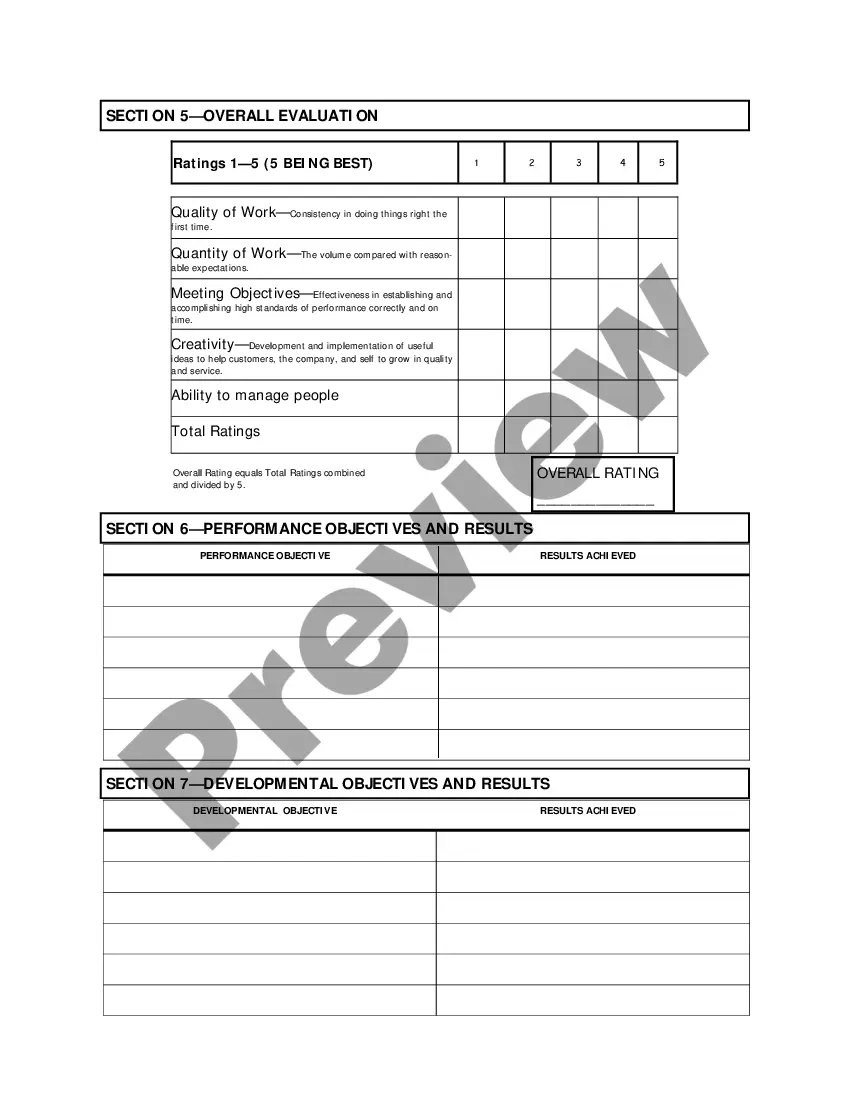
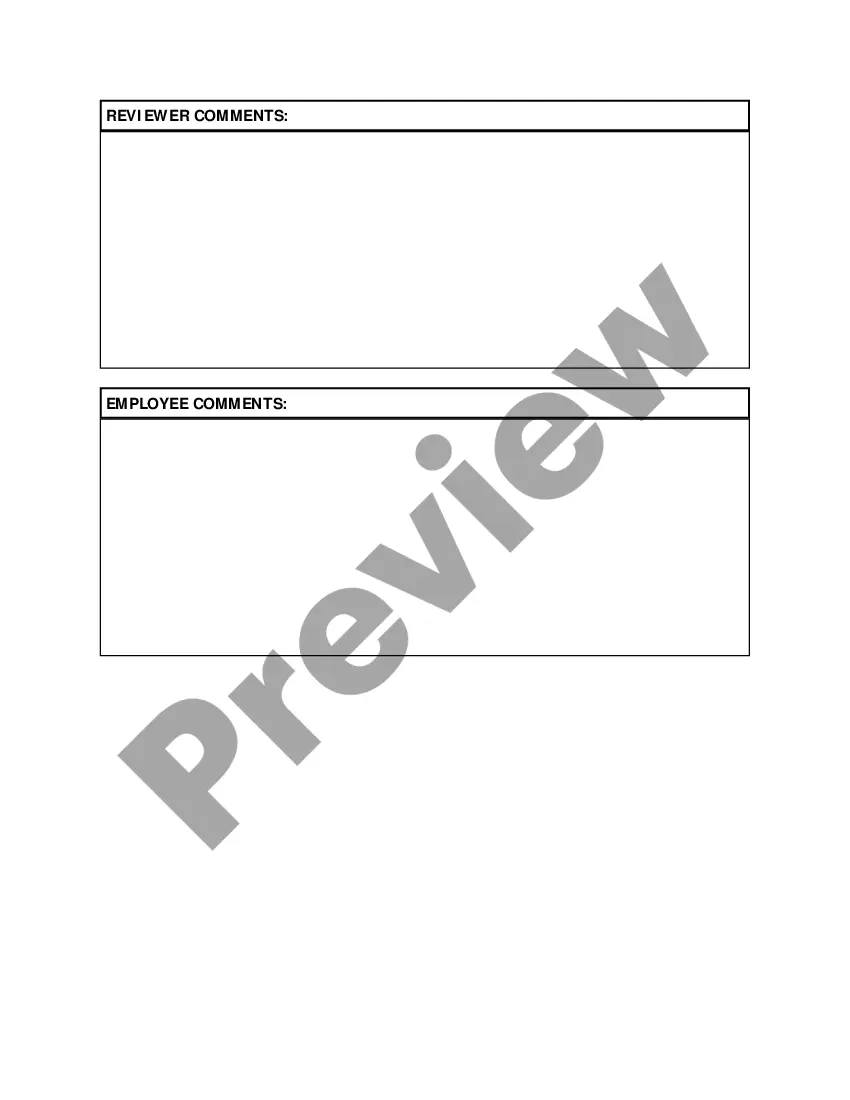
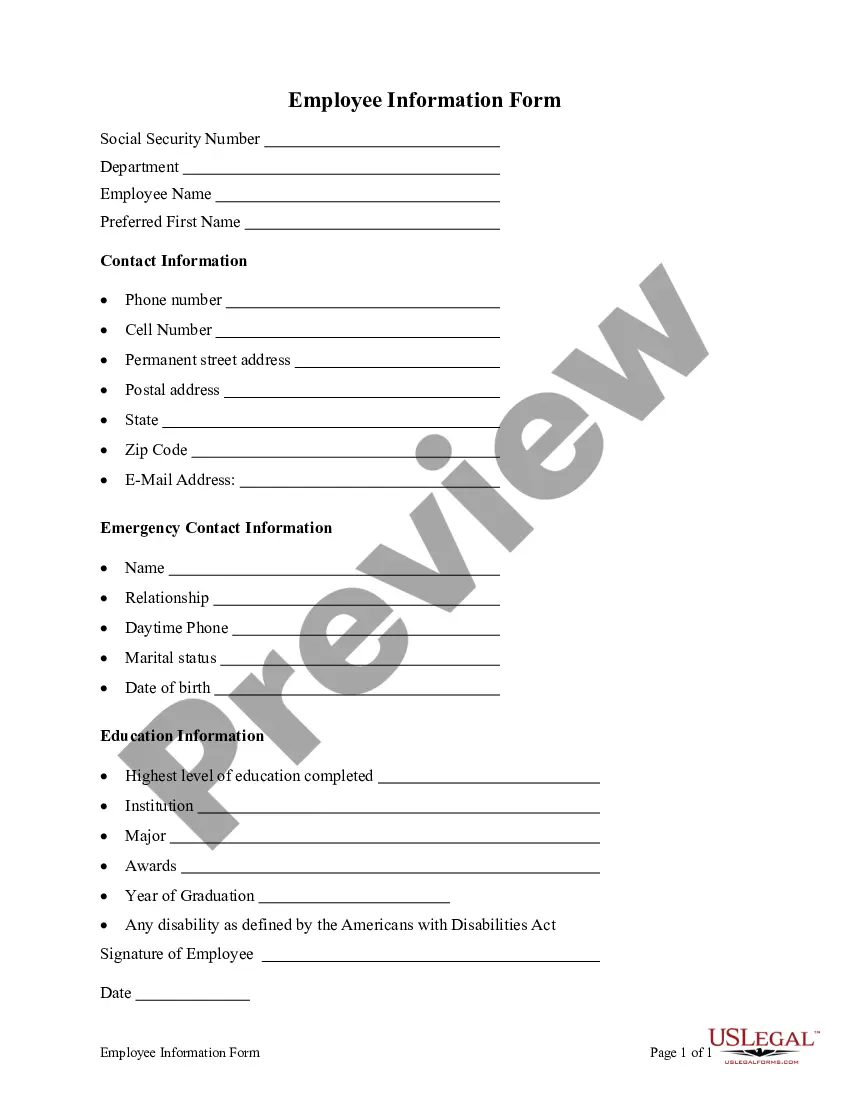
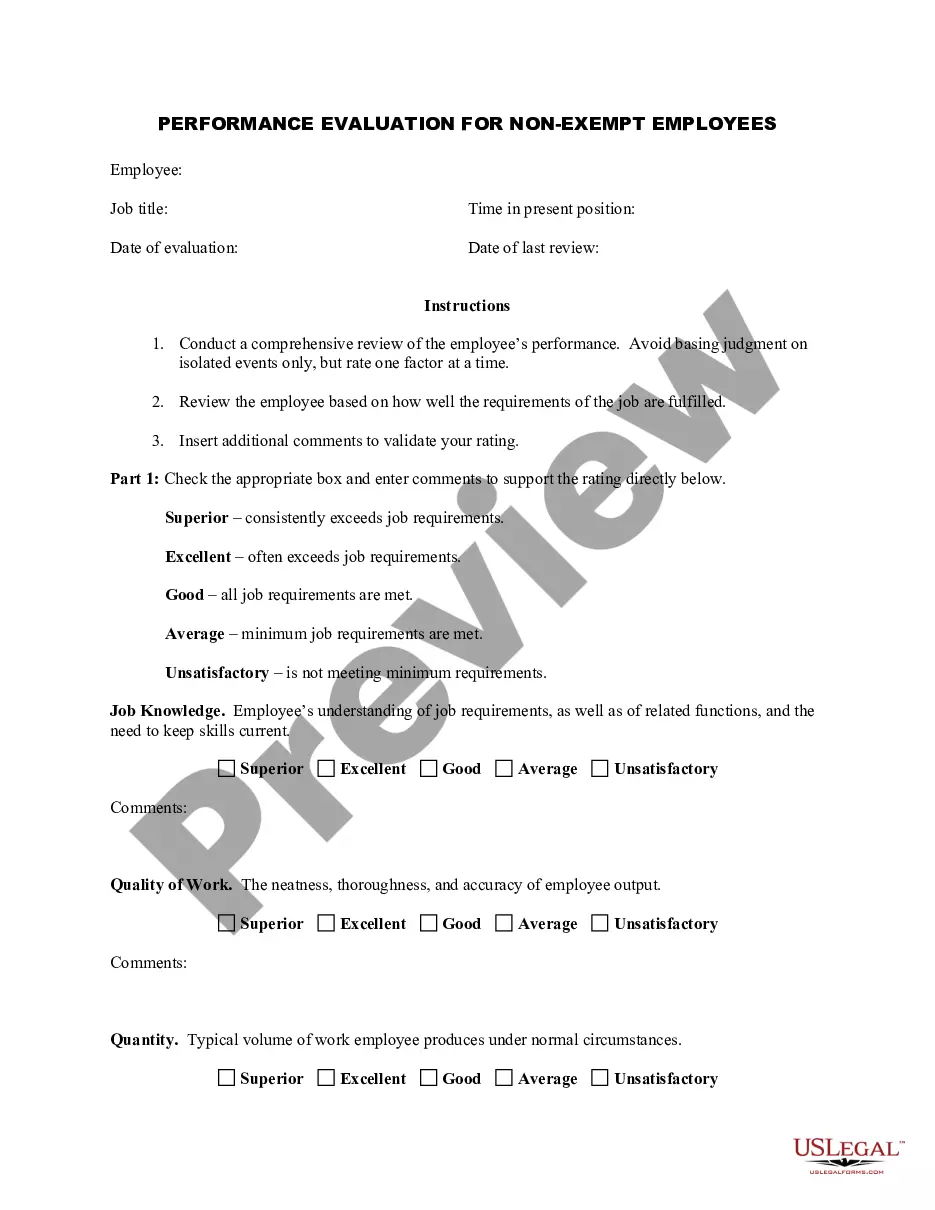
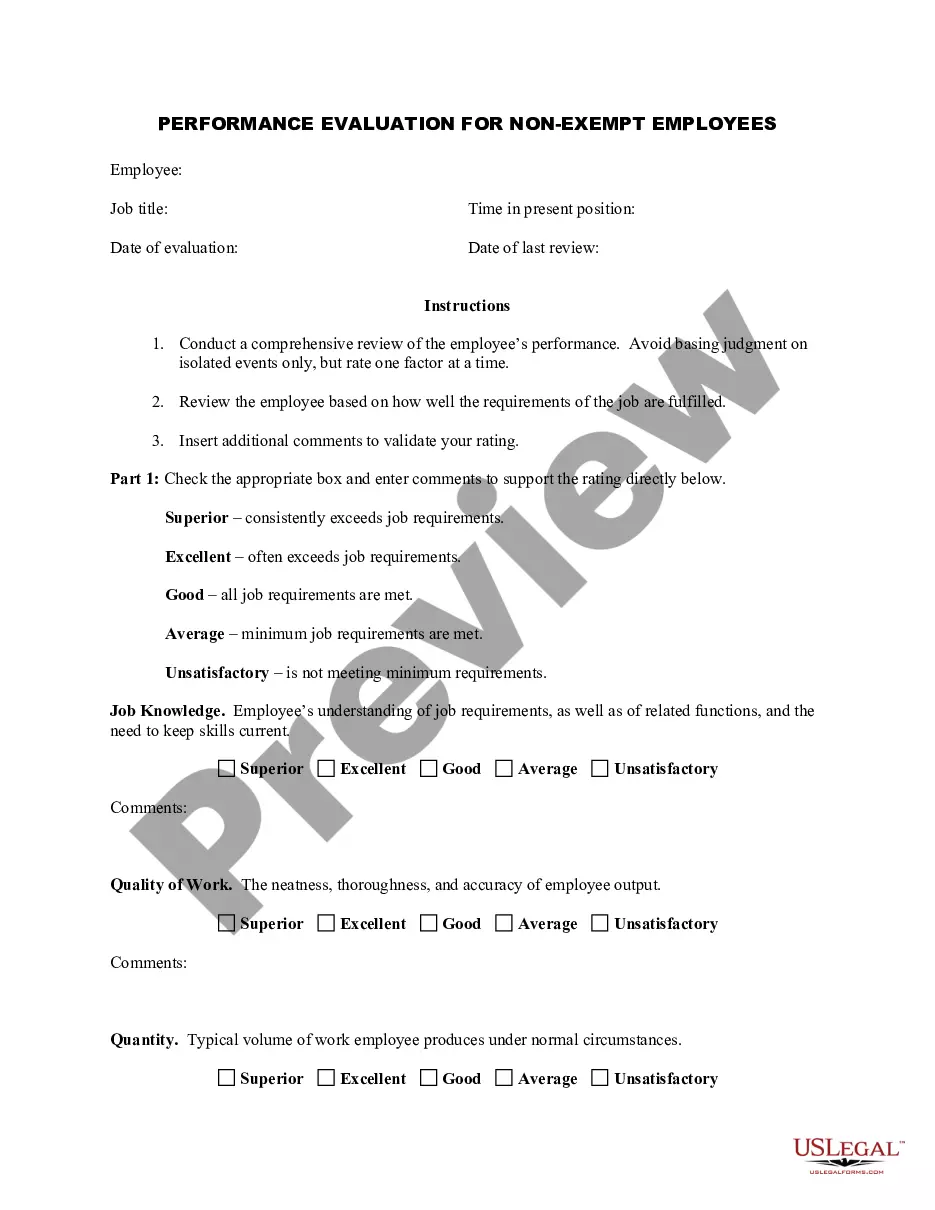
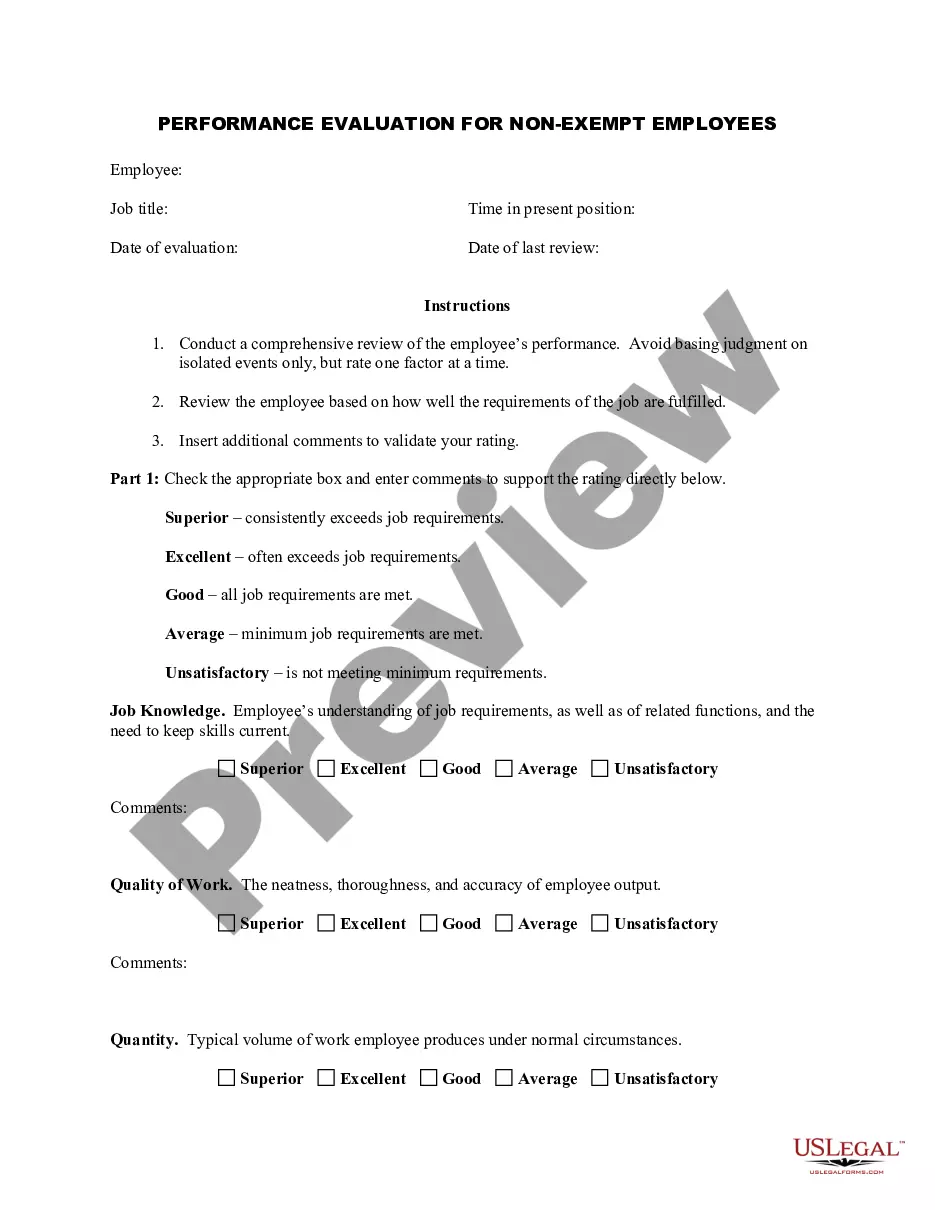
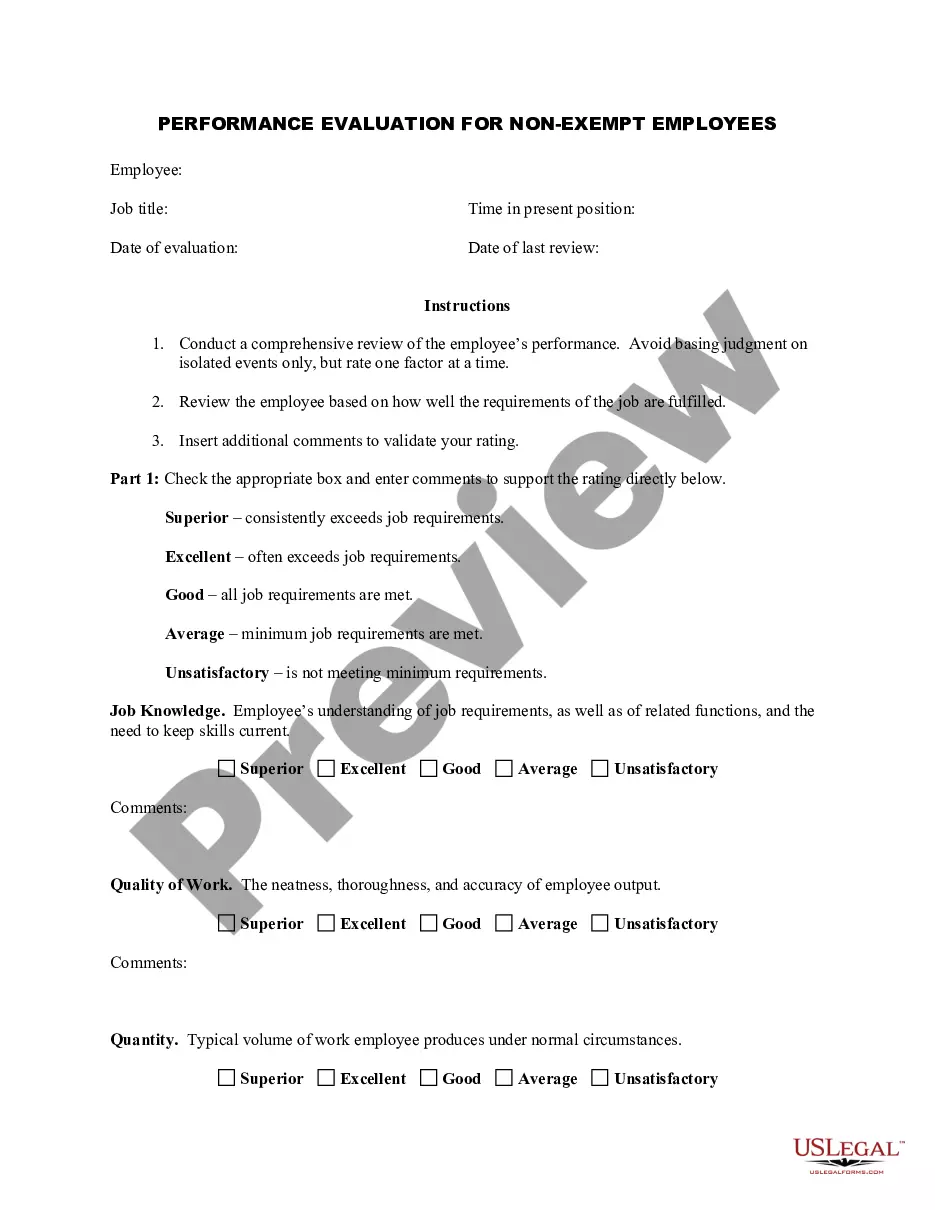
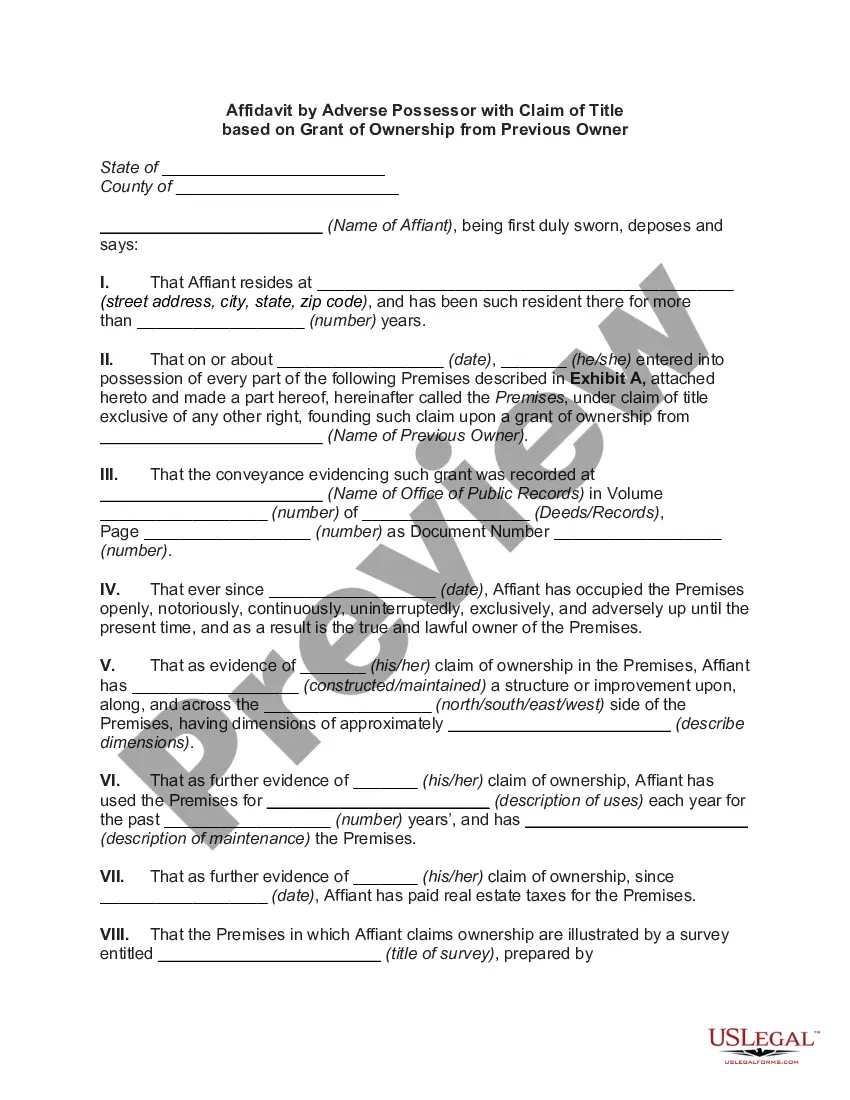
How to fill out Salary - Exempt Employee Review And Evaluation Form?
If you seek to be thorough, acquire, or print official document templates, utilize US Legal Forms, the largest selection of official forms, available online.
Leverage the site's simple and user-friendly search to find the documents you need.
Numerous templates for business and personal purposes are organized by categories and states, or keywords.
Step 3. If you are dissatisfied with the form, use the Search field at the top of the screen to find other variations of the legal form template.
Step 4. Once you have found the form you want, click the Get now button. Choose the pricing plan you prefer and enter your details to register for an account.
- Employ US Legal Forms to locate the Michigan Salary - Exempt Employee Review and Evaluation Form with just a few clicks.
- If you are already a US Legal Forms user, Log In to your account and then hit the Download button to acquire the Michigan Salary - Exempt Employee Review and Evaluation Form.
- You can also access forms you previously saved from the My documents tab in your account.
- If you are using US Legal Forms for the first time, follow the steps below.
- Step 1. Ensure you have picked the form for the correct city/state.
- Step 2. Utilize the Preview option to review the content of the form. Be sure to read the description.
Form popularity
FAQ
The new minimum salary for exempt employees, effective January 2020, is set at $35,568 annually. It's important to remain updated on any changes, as legislation around salaries can evolve. Leveraging tools like the Michigan Salary - Exempt Employee Review and Evaluation Form can assist you in maintaining compliance while assessing employee performance.
As of now, the minimum salary to be classified as exempt in Michigan is $35,568 per year. This threshold must be met alongside job duties that fulfill exempt classification criteria. Staying informed about these figures is essential, and using the Michigan Salary - Exempt Employee Review and Evaluation Form can help manage compliance effectively.
To create an effective employee evaluation form, begin by defining key performance indicators that align with your organizational goals. Include sections for qualitative feedback alongside quantitative measures. Utilizing a structured template like the Michigan Salary - Exempt Employee Review and Evaluation Form can streamline this process and enhance the assessment's value.
In Michigan, salary exempt employees must earn at least $35,568 annually, meeting specific job duties that categorize them as exempt. Employers should regularly review these requirements, as they can evolve. The Michigan Salary - Exempt Employee Review and Evaluation Form can be a helpful resource for ensuring that your evaluations align with state requirements.
While exempt employees typically do not have a cap on the number of hours they can work per week, employers should be mindful of workload and employee well-being. The Fair Labor Standards Act does not limit hours for exempt employees, but overworking can lead to burnout and decreased productivity. Therefore, using the Michigan Salary - Exempt Employee Review and Evaluation Form can help track employee performance regardless of hours worked.
An employee performance evaluation form is a crucial tool used by managers to assess an employee's work performance over time. This form typically includes metrics that evaluate skills, productivity, and overall contributions to the company. Utilizing the Michigan Salary - Exempt Employee Review and Evaluation Form can help ensure that your evaluations are consistent and comprehensive.
In a performance evaluation example, write specific accomplishments, challenges, and areas for improvement for the employee. Be sure to highlight contributions that align with the team's goals and note any skills that may need development. Using the Michigan Salary - Exempt Employee Review and Evaluation Form can help create a structured approach to these evaluations. Clarity and specificity will aid in delivering actionable feedback.
As a leader, the five most meaningful questions to ask during a performance review are: What achievements are you most proud of? What challenges have you faced? What support do you need to succeed? How do your goals align with our team's objectives? Finally, where do you see yourself in the future? Integrating these questions can enhance your Michigan Salary - Exempt Employee Review and Evaluation Form by fostering a deeper dialogue about personal and team development.
Filling in a performance evaluation form requires you to review the employee's job description, set clear objectives, and provide constructive feedback. Use measurable criteria for assessment to ensure fairness and accuracy. Referencing the Michigan Salary - Exempt Employee Review and Evaluation Form can help provide a comprehensive assessment of an employee's performance and potential for growth. Remember to keep your comments balanced and thoughtful.
To file a claim of exemption in Michigan, complete the Michigan exemption form and submit it to your employer. This claim allows you to indicate your eligibility for tax exemptions based on your specific circumstances. Make sure your Michigan Salary - Exempt Employee Review and Evaluation Form is updated, as it may provide necessary information to support your claim. Following the proper filing process ensures compliance and avoids discrepancies.