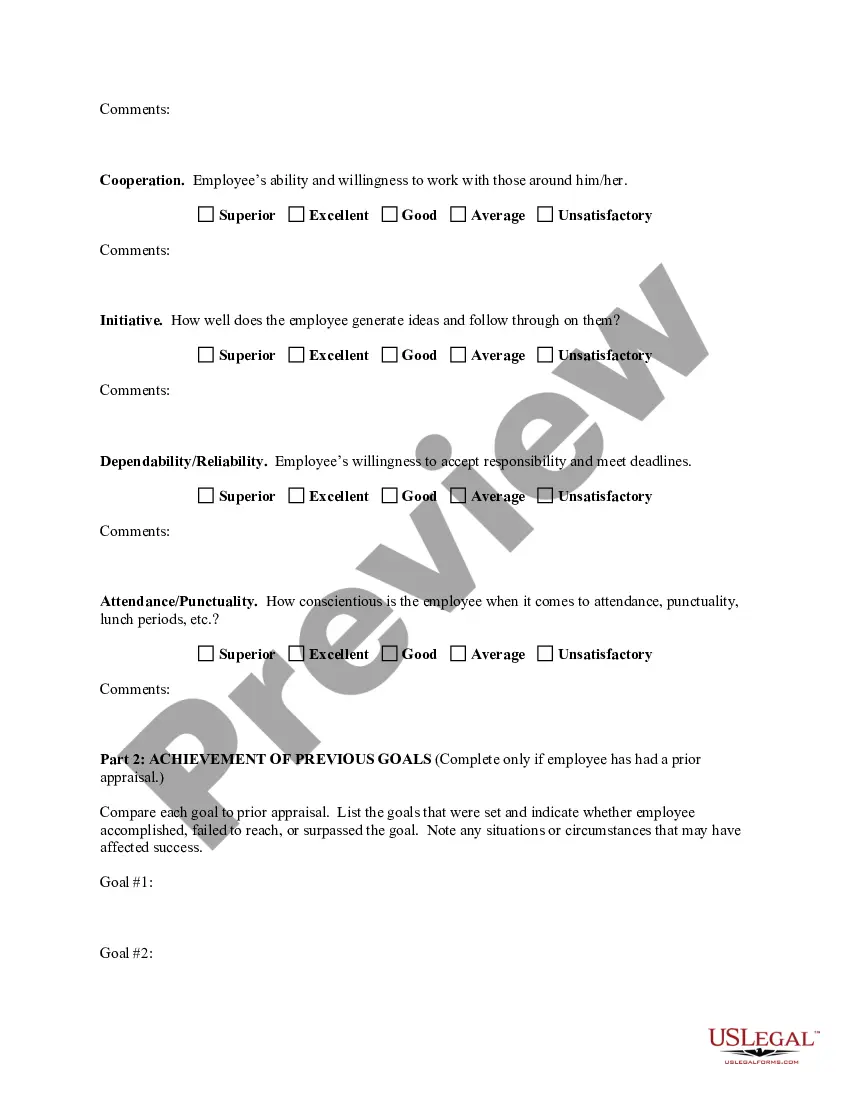
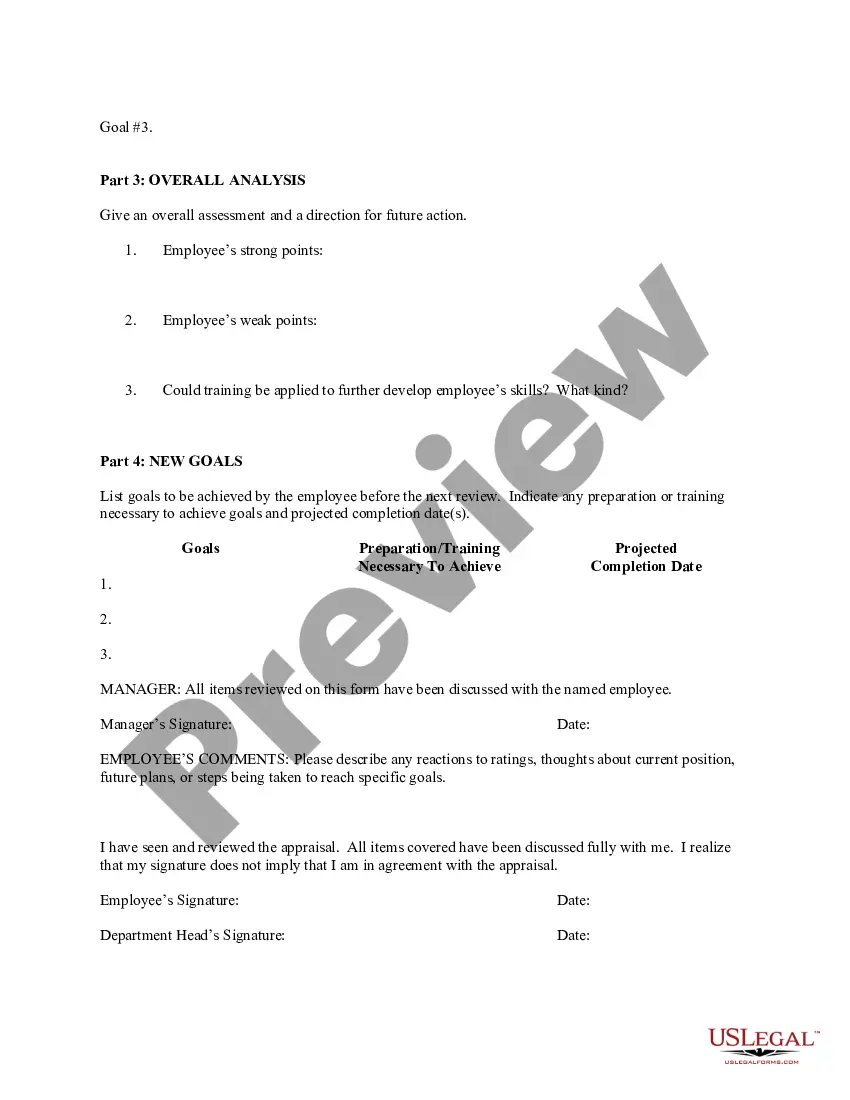
Michigan Employee Evaluation Form for Technician
Description
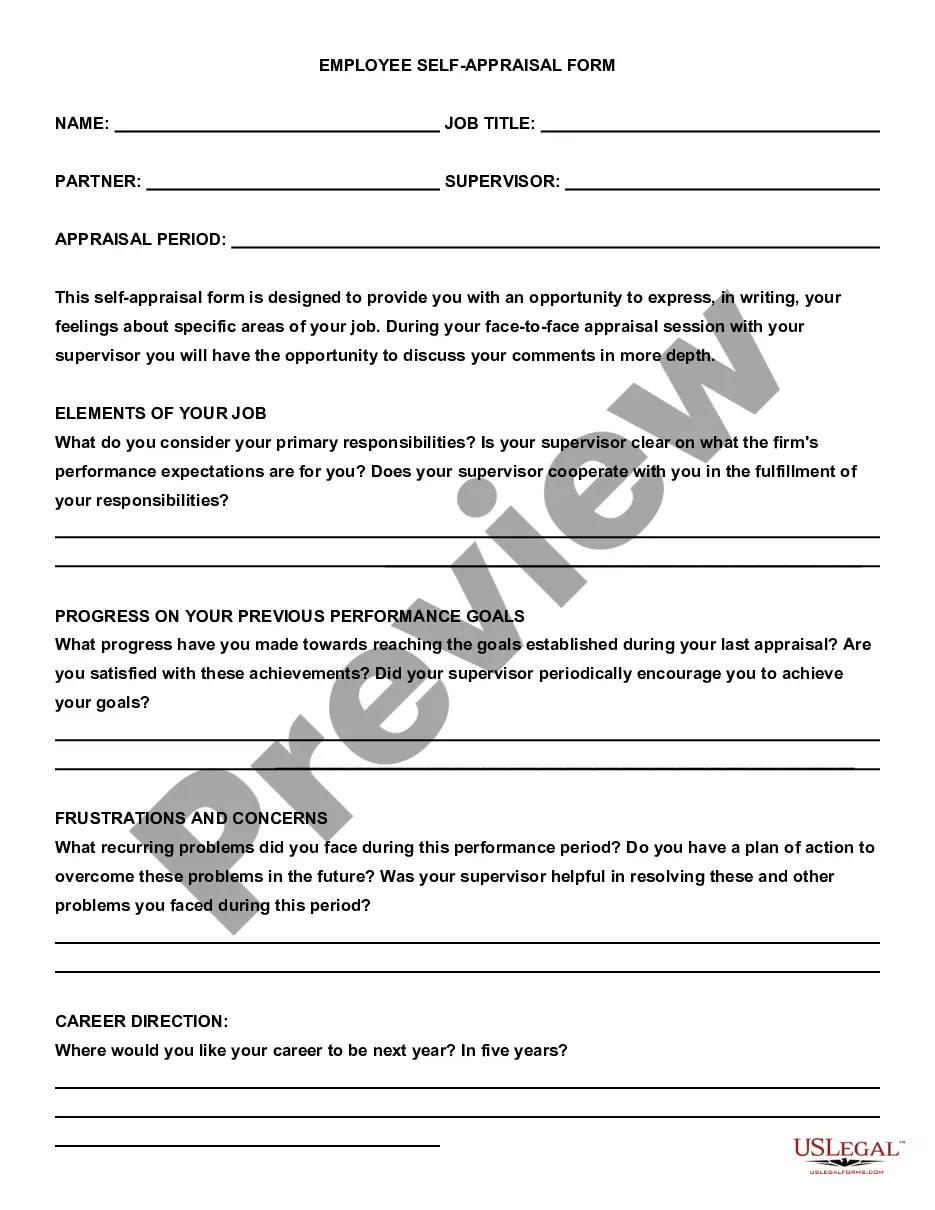
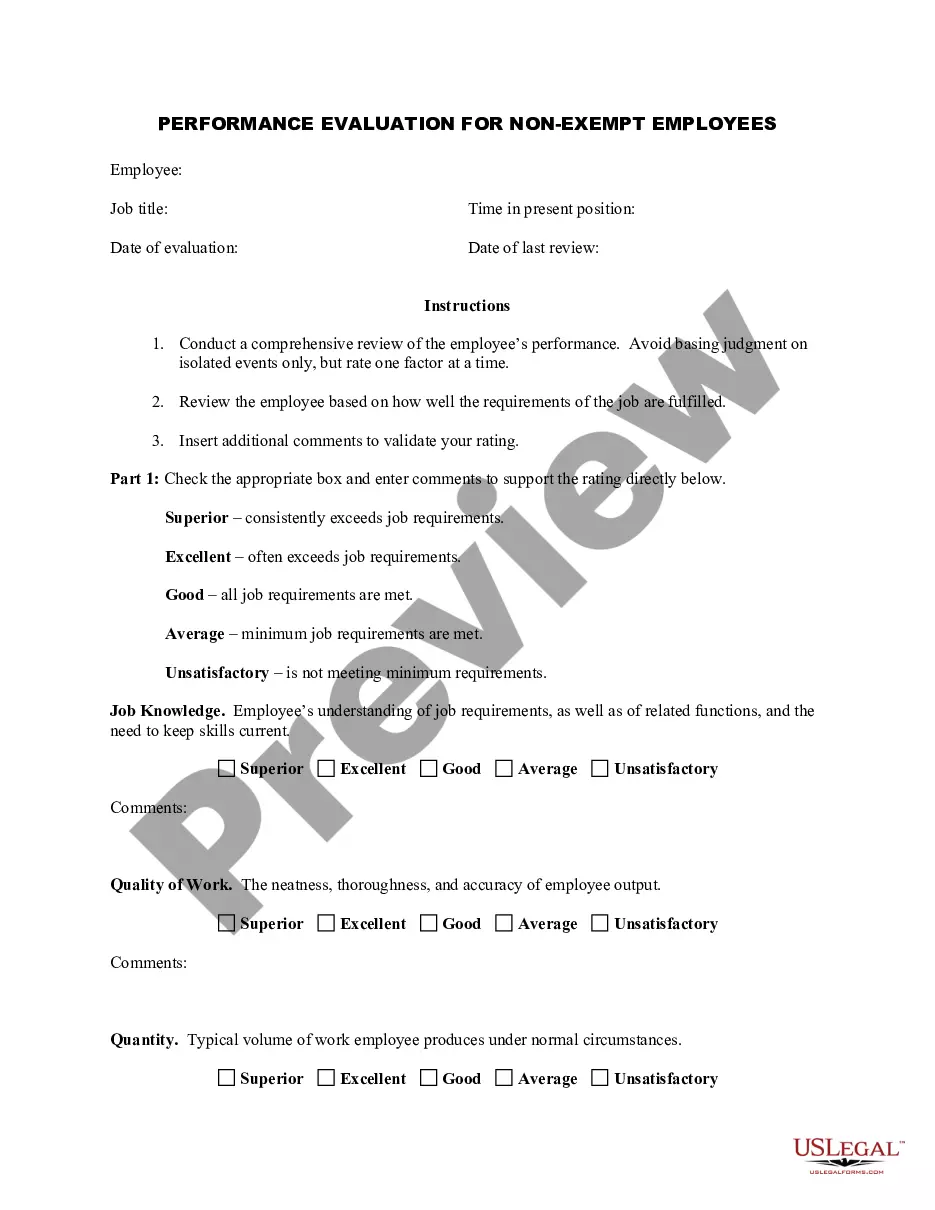
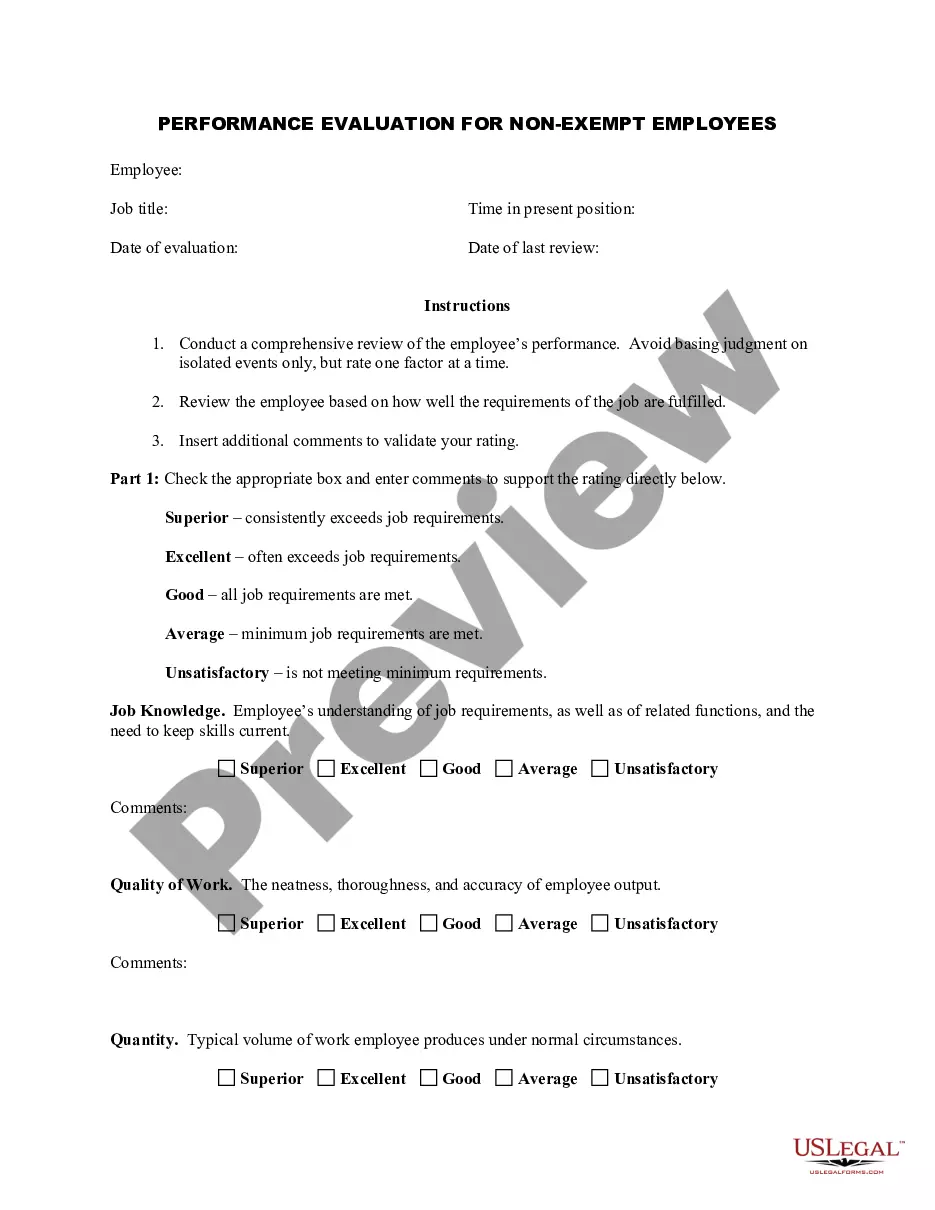
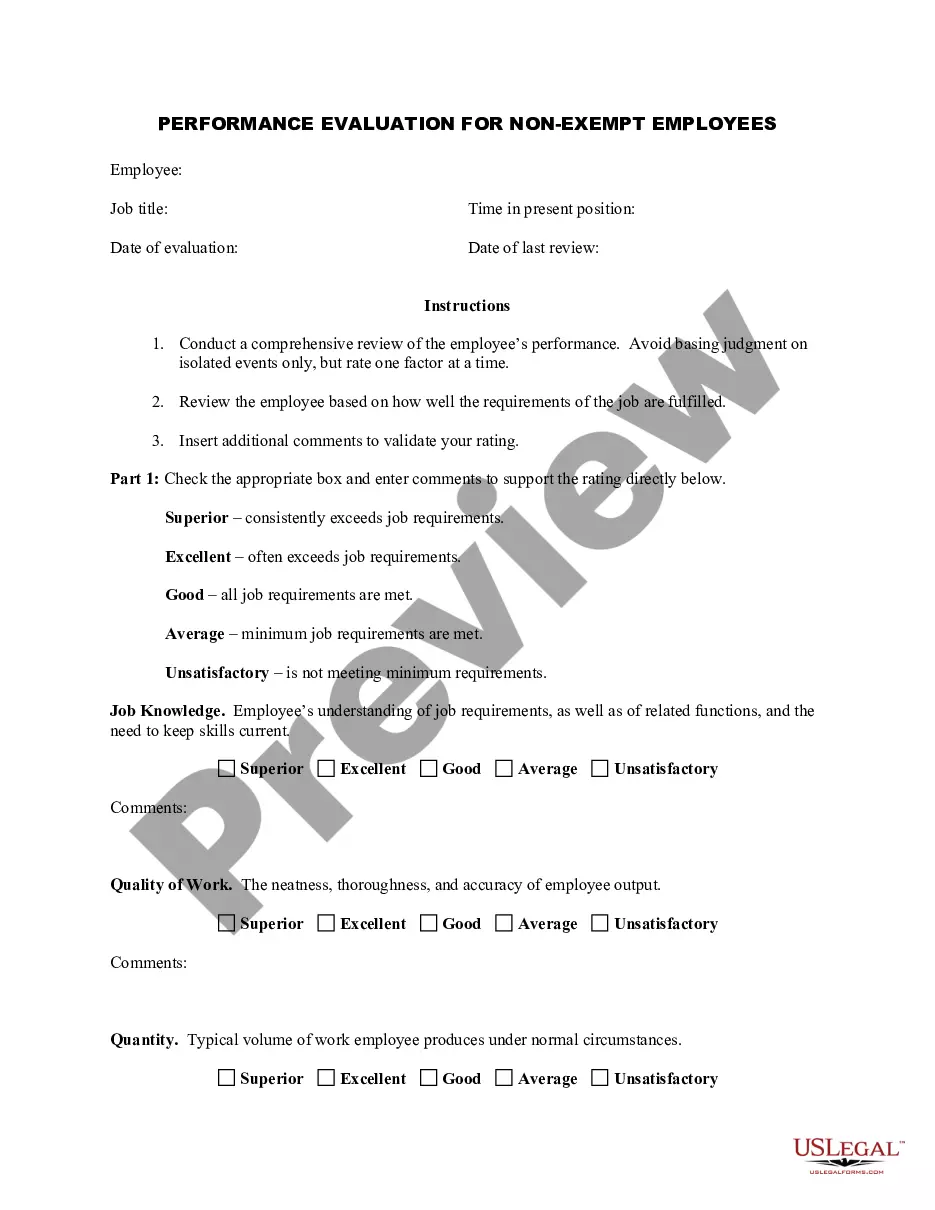
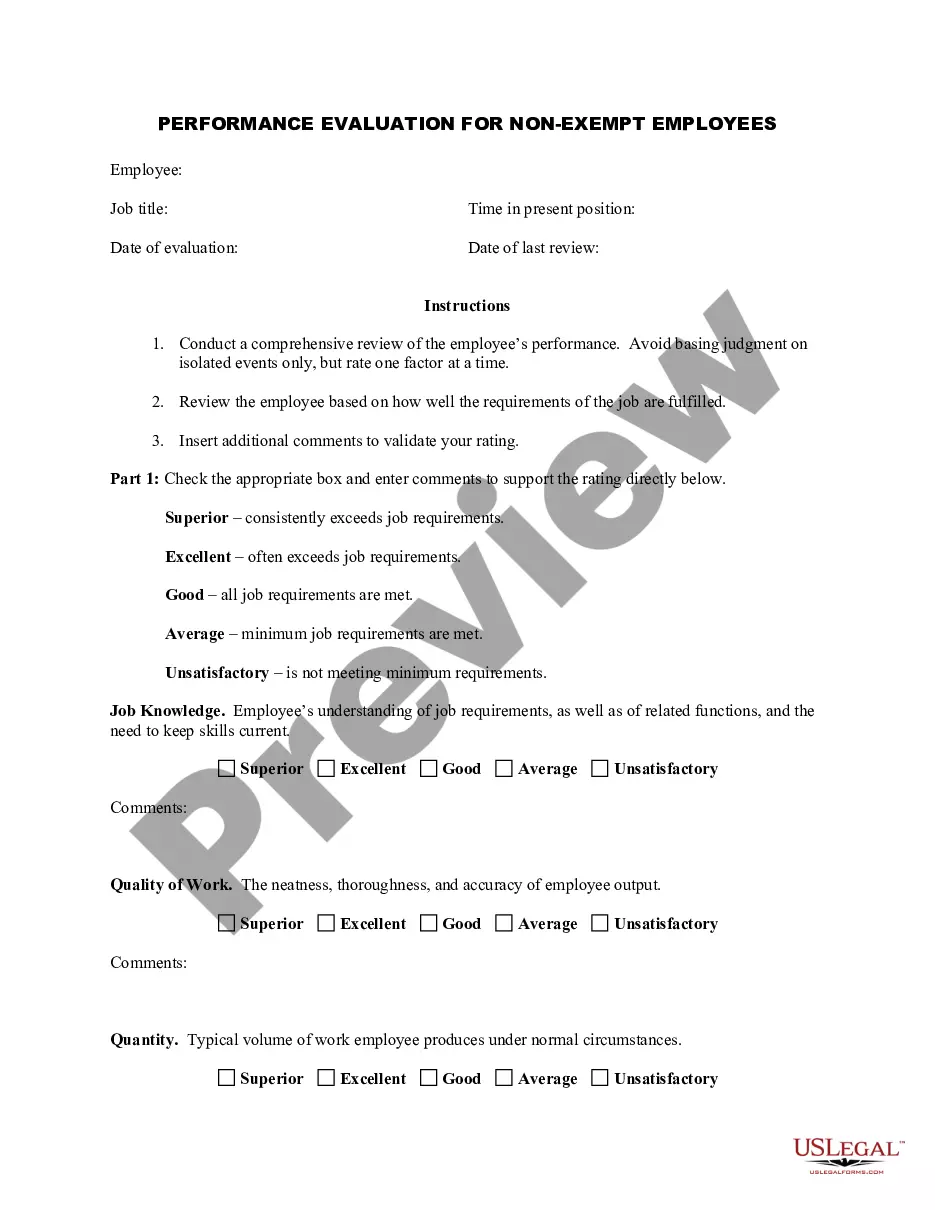
Get your form ready online
Our built-in tools help you complete, sign, share, and store your documents in one place.
Make edits, fill in missing information, and update formatting in US Legal Forms—just like you would in MS Word.
Download a copy, print it, send it by email, or mail it via USPS—whatever works best for your next step.
Sign and collect signatures with our SignNow integration. Send to multiple recipients, set reminders, and more. Go Premium to unlock E-Sign.
If this form requires notarization, complete it online through a secure video call—no need to meet a notary in person or wait for an appointment.
We protect your documents and personal data by following strict security and privacy standards.

Make edits, fill in missing information, and update formatting in US Legal Forms—just like you would in MS Word.

Download a copy, print it, send it by email, or mail it via USPS—whatever works best for your next step.

Sign and collect signatures with our SignNow integration. Send to multiple recipients, set reminders, and more. Go Premium to unlock E-Sign.

If this form requires notarization, complete it online through a secure video call—no need to meet a notary in person or wait for an appointment.

We protect your documents and personal data by following strict security and privacy standards.
Looking for another form?
How to fill out Employee Evaluation Form For Technician?
US Legal Forms - one of the largest collections of legal documents in the United States - offers a variety of legal document templates available for download or printing.
By using the site, you can access thousands of documents for both business and personal use, organized by categories, states, or keywords. You can quickly find the most recent versions of documents like the Michigan Employee Evaluation Form for Technician.
If you already have an account, sign in to download the Michigan Employee Evaluation Form for Technician from the US Legal Forms library. The Download button will appear on each document you view.
Once you are satisfied with the form, confirm your selection by clicking the Buy now button. Then, choose the pricing plan you prefer and provide your information to create an account.
Complete the payment. Use your credit card or PayPal account to finalize the transaction. Choose the format and download the document to your device. Edit as necessary. Fill out, modify, print, and sign the saved Michigan Employee Evaluation Form for Technician.
Every document you add to your account has no expiration date and is yours forever. Therefore, if you wish to download or print another copy, simply navigate to the My documents section and click on the document you need.
Access the Michigan Employee Evaluation Form for Technician with US Legal Forms, one of the most extensive libraries of legal document templates. Utilize thousands of professional and state-specific templates that fulfill your business or personal requirements.
- You can access all previously saved documents from the My documents section of your account.
- If you are new to US Legal Forms, here are some straightforward steps to help you begin.
- Make sure you have selected the appropriate document for your city/county.
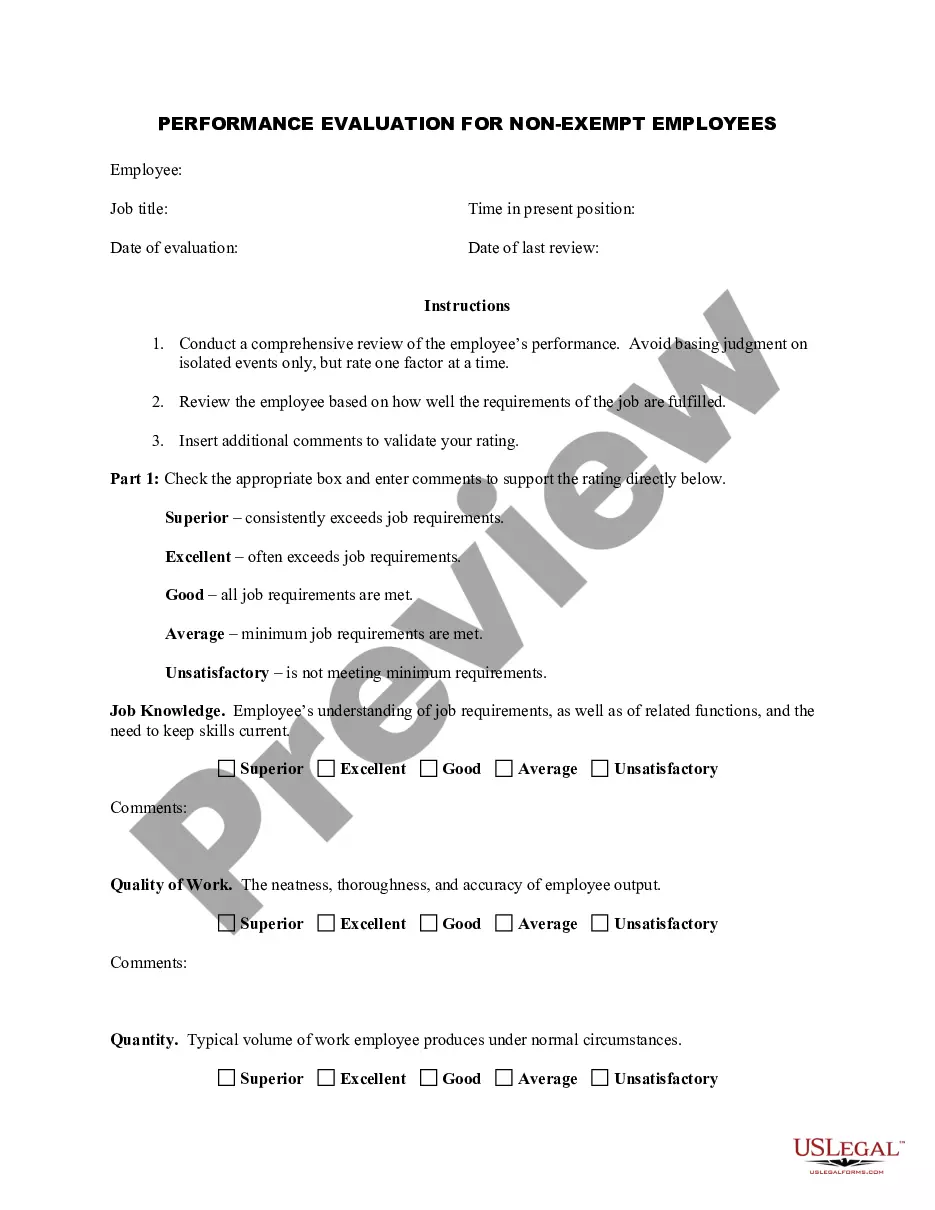
- Click the Preview button to review the document's content.
- Read the document description to ensure you have selected the correct form.
- If the document doesn't meet your needs, use the Search field at the top of the page to find one that does.
Form popularity
FAQ
No law requires companies to conduct job reviews, but businesses that do may have a better understanding of their employees. The information gained from performance reviews can be used to determine raises, succession plans and employee-development strategies.
To create a performance evaluation system in your practice, follow these five steps:Develop an evaluation form.Identify performance measures.Set guidelines for feedback.Create disciplinary and termination procedures.Set an evaluation schedule.
The Fair Labor Standards Act (FLSA) does not require performance evaluations. Performance evaluations are generally a matter of agreement between an employer and employee (or the employee's representative).
The ProcessStep 1: Create a Performance Management Plan. Make the plan as detailed as possible, avoiding the use of ambiguous language.Step 2: Set Goals for Performance Management.Step 3: Build a Performance Review System.Step 4: Develop Strong Feedback-Giving Skills.Step 5: Ongoing Employee Performance Management.
What to Include in an Employee Evaluation Form?Employee and reviewer information. The form must have basic information about both parties involved.Review period.An easy-to-understand rating system.Evaluation points.Goals.Extra space for comments.Signatures.Scorecard.More items...?
How to Give an Employee Evaluation:Take notes on performance throughout the year.Know what your goals are for the evaluation.Be honest and direct.Only make promises you can keep.Avoid making comparisons between employees.Don't pretend to have all the answers.Use an evaluation form for consistency.More items...
How to write an employee evaluationReview the employee's job description. Get a current copy of each person's job description and review the requirements.Highlight areas of improvement.Compare strengths and weaknesses.Recommend actionable goals.Provide constructive feedback.Welcome employee input.
An effective performance evaluation system has standardized evaluation forms, performance measures, feedback guidelines and disciplinary procedures.Develop an evaluation form.Identify performance measures.Set guidelines for feedback.Give balanced feedback.Outline expectations for improvement.More items...
Performance evaluations are not mandatory, according to the U.S. Department of Labor. They are a matter between you and your employees or your employees' representative. Performance evaluations help you to determine merit increases and come up with employee development strategies.
Here are the three steps of managing employee performance in a way that inspires and motivates workers to contribute their best efforts to your company.Focus on the overall business objectives by aligning goals.Regularly talk to your staff about work performance.Measure and adapt.