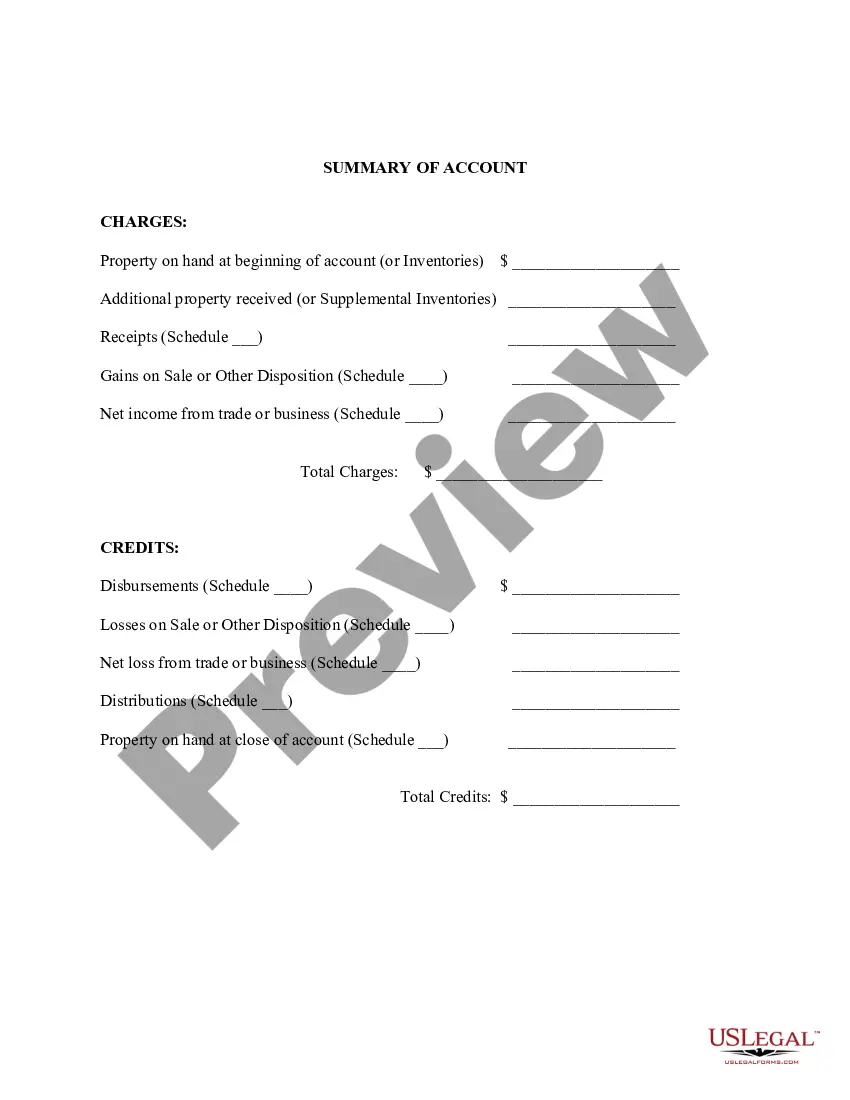
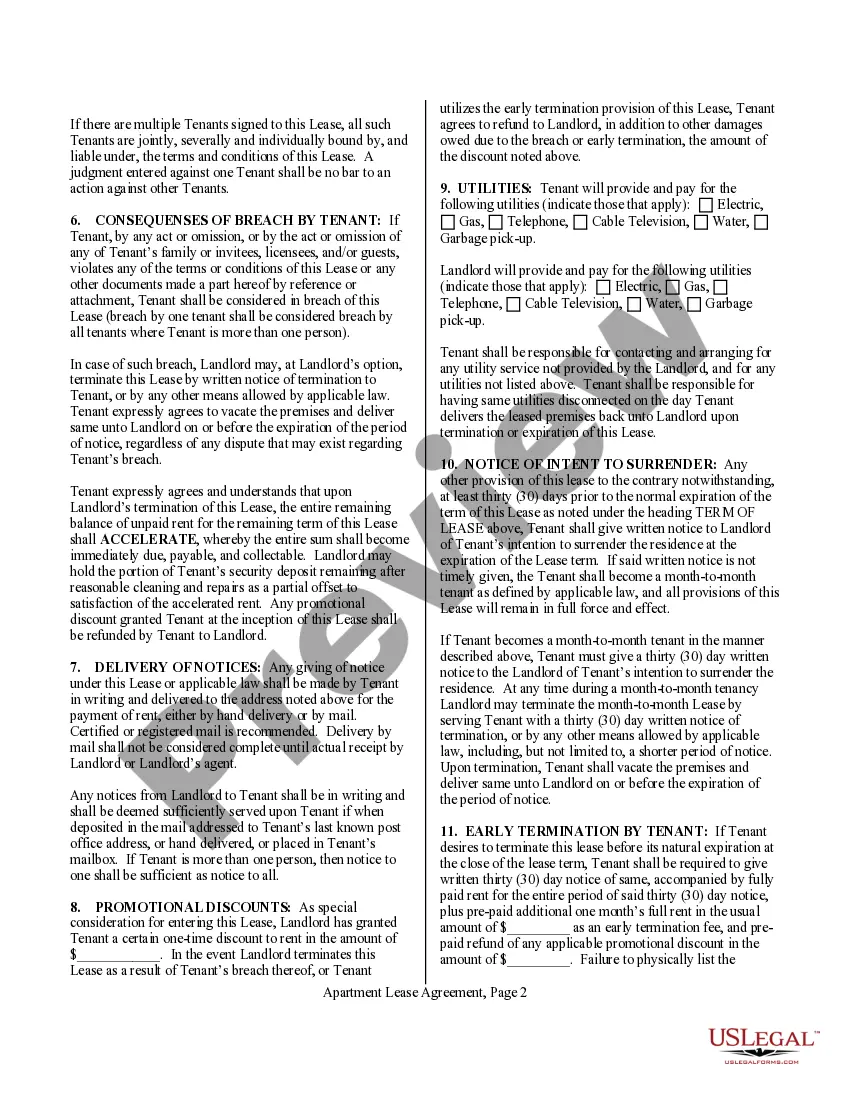
Michigan Apartment Lease for One Month
Description
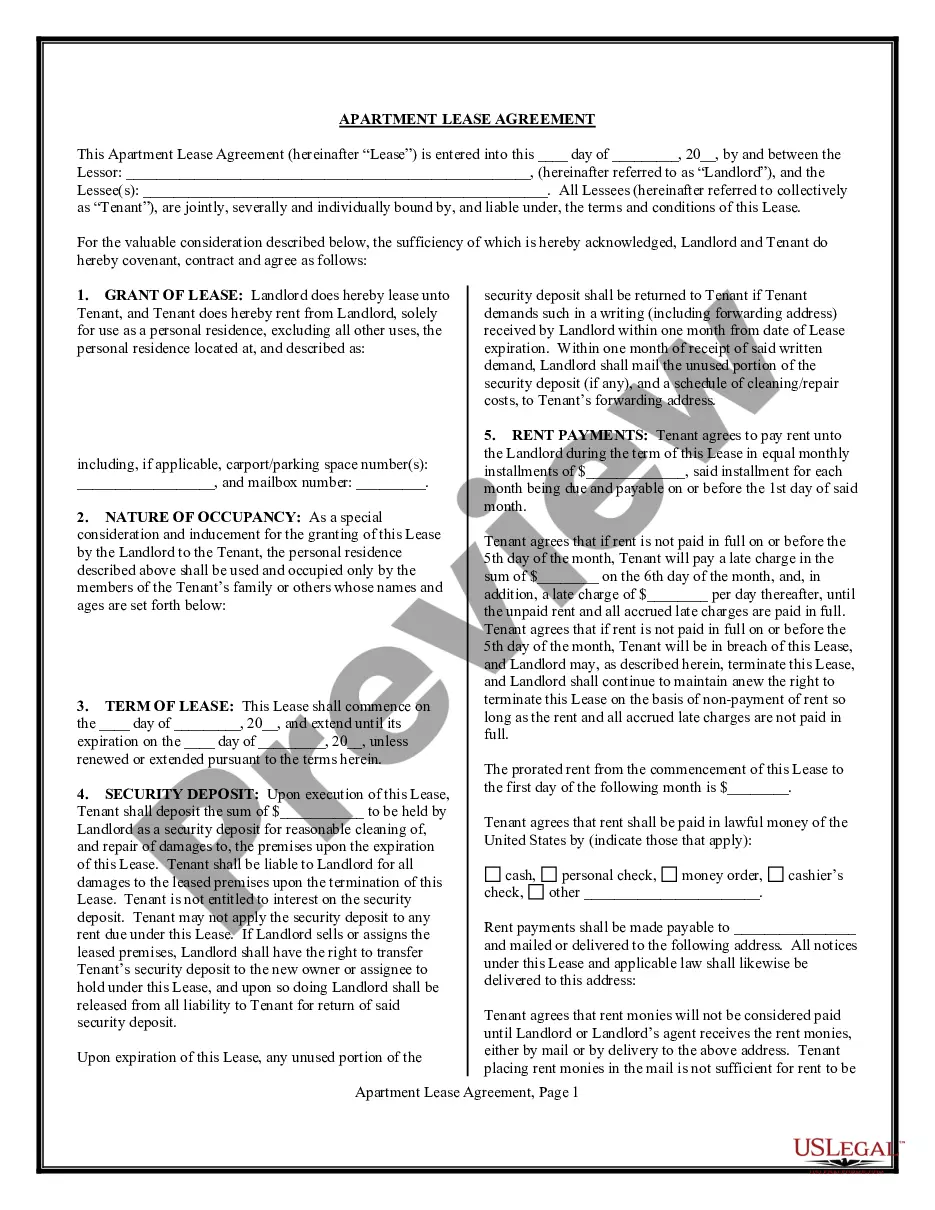
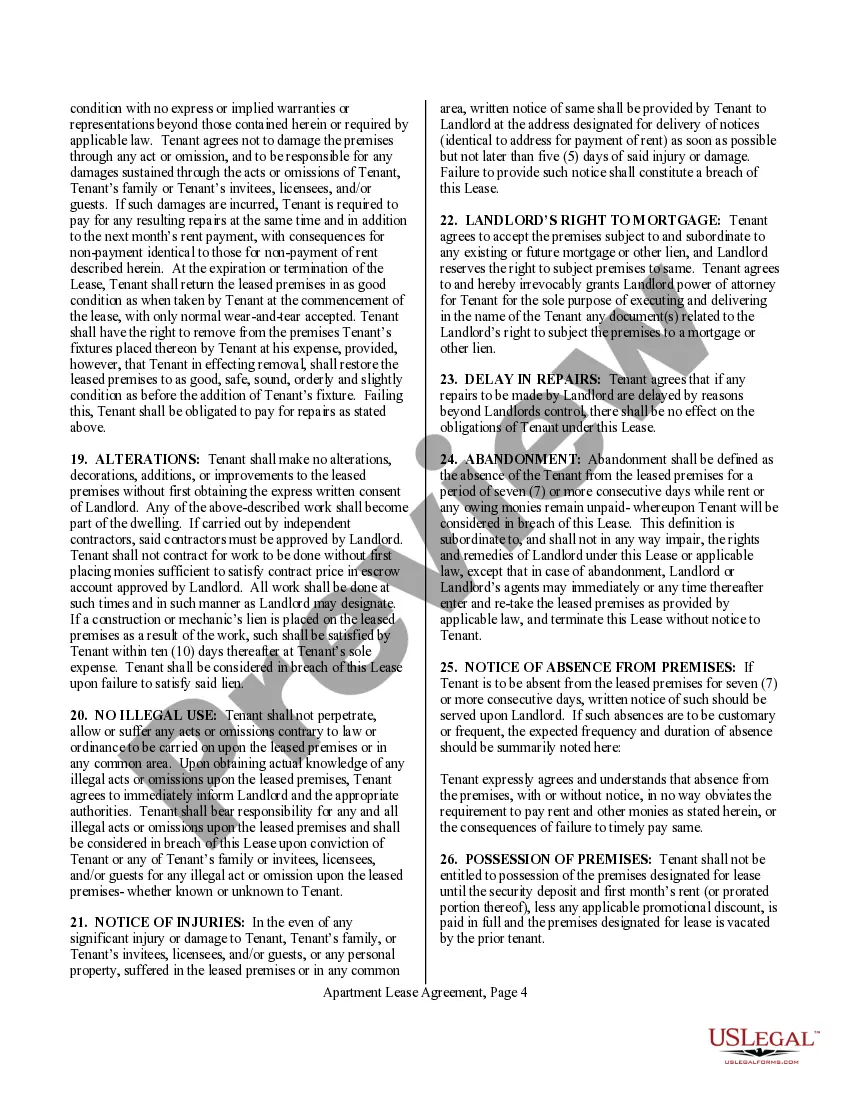
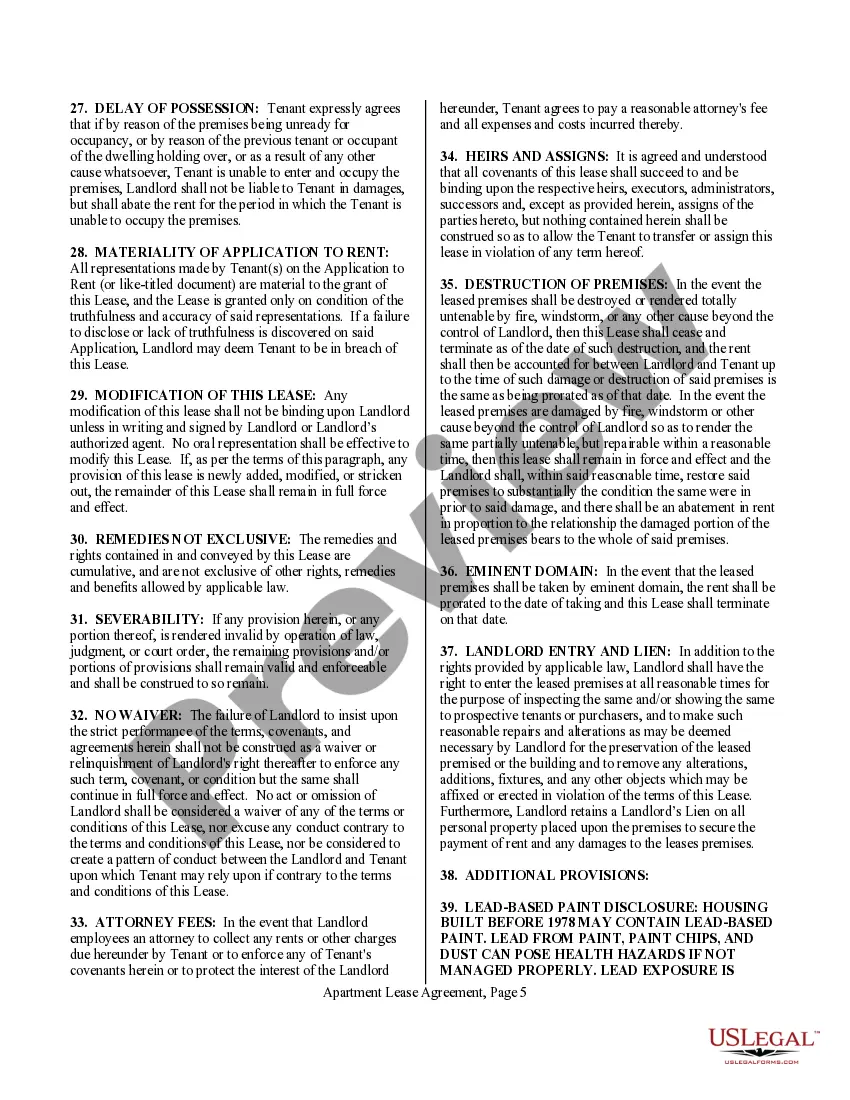
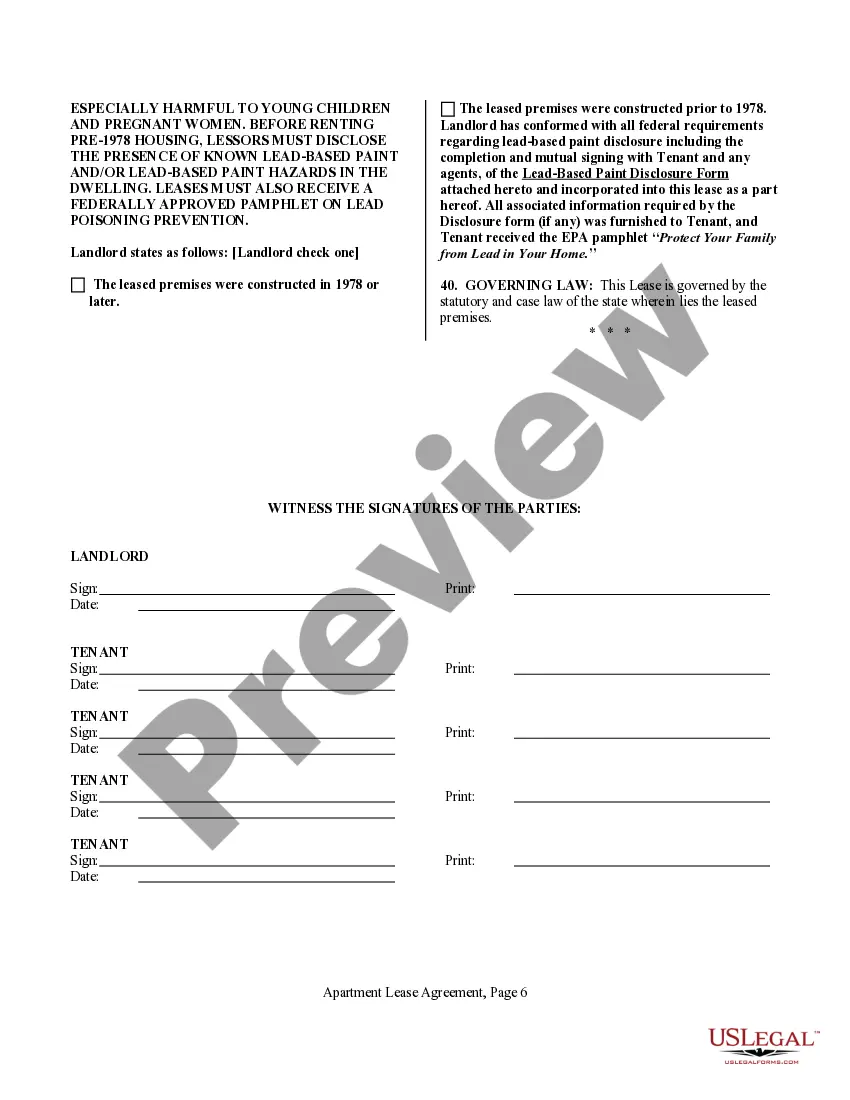
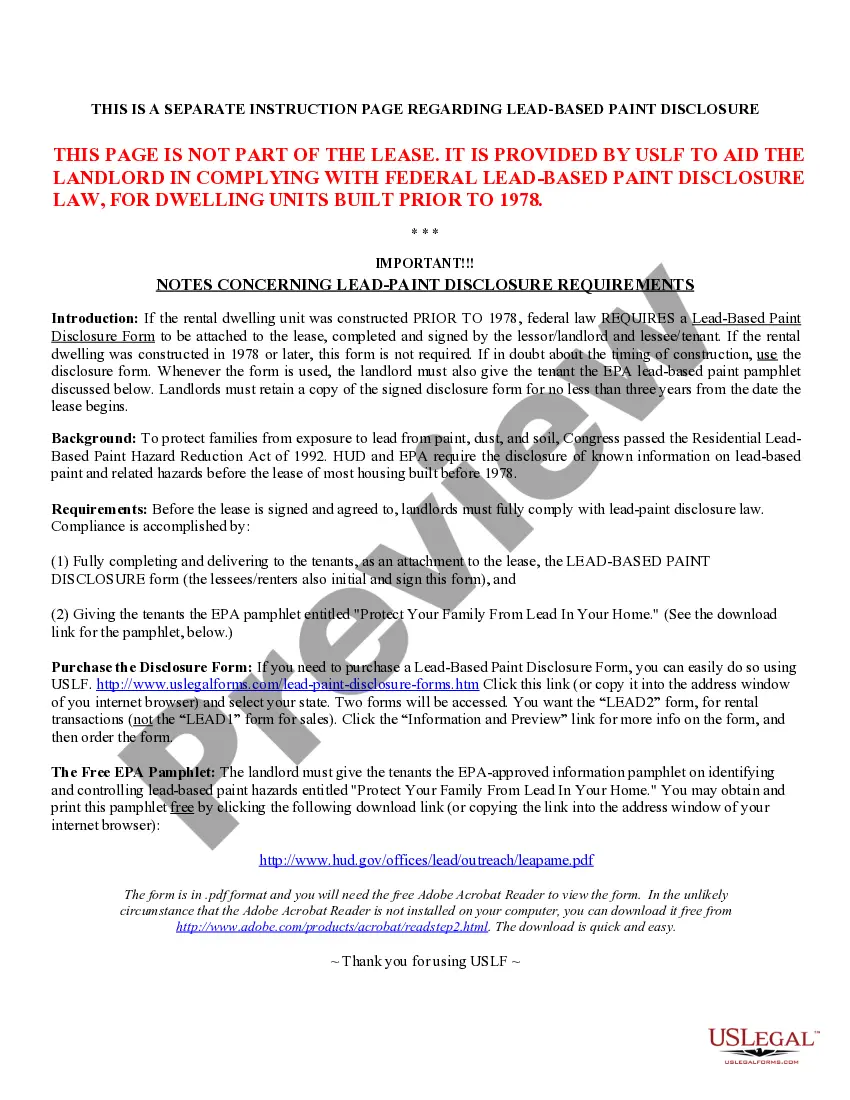
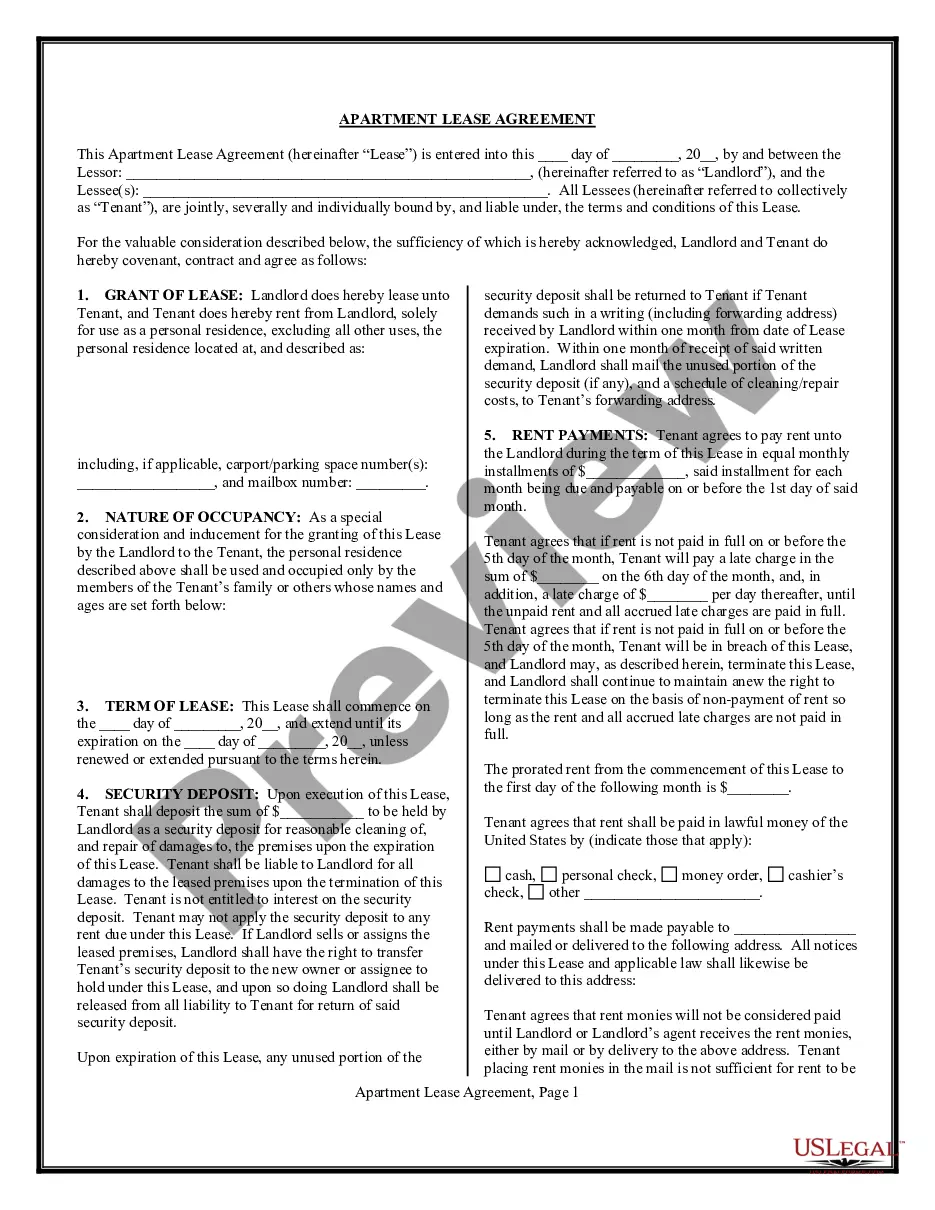
Get your form ready online
Our built-in tools help you complete, sign, share, and store your documents in one place.
Make edits, fill in missing information, and update formatting in US Legal Forms—just like you would in MS Word.
Download a copy, print it, send it by email, or mail it via USPS—whatever works best for your next step.
Sign and collect signatures with our SignNow integration. Send to multiple recipients, set reminders, and more. Go Premium to unlock E-Sign.
If this form requires notarization, complete it online through a secure video call—no need to meet a notary in person or wait for an appointment.
We protect your documents and personal data by following strict security and privacy standards.

Make edits, fill in missing information, and update formatting in US Legal Forms—just like you would in MS Word.

Download a copy, print it, send it by email, or mail it via USPS—whatever works best for your next step.

Sign and collect signatures with our SignNow integration. Send to multiple recipients, set reminders, and more. Go Premium to unlock E-Sign.

If this form requires notarization, complete it online through a secure video call—no need to meet a notary in person or wait for an appointment.

We protect your documents and personal data by following strict security and privacy standards.
Looking for another form?




How to fill out Apartment Lease For One Month?
Locating the appropriate approved document template can be a challenge.
It's obvious that there are numerous templates accessible online, but how will you find the official form you need.
Utilize the US Legal Forms platform. The service provides a plethora of templates, such as the Michigan Apartment Lease for One Month, suitable for business and personal purposes.
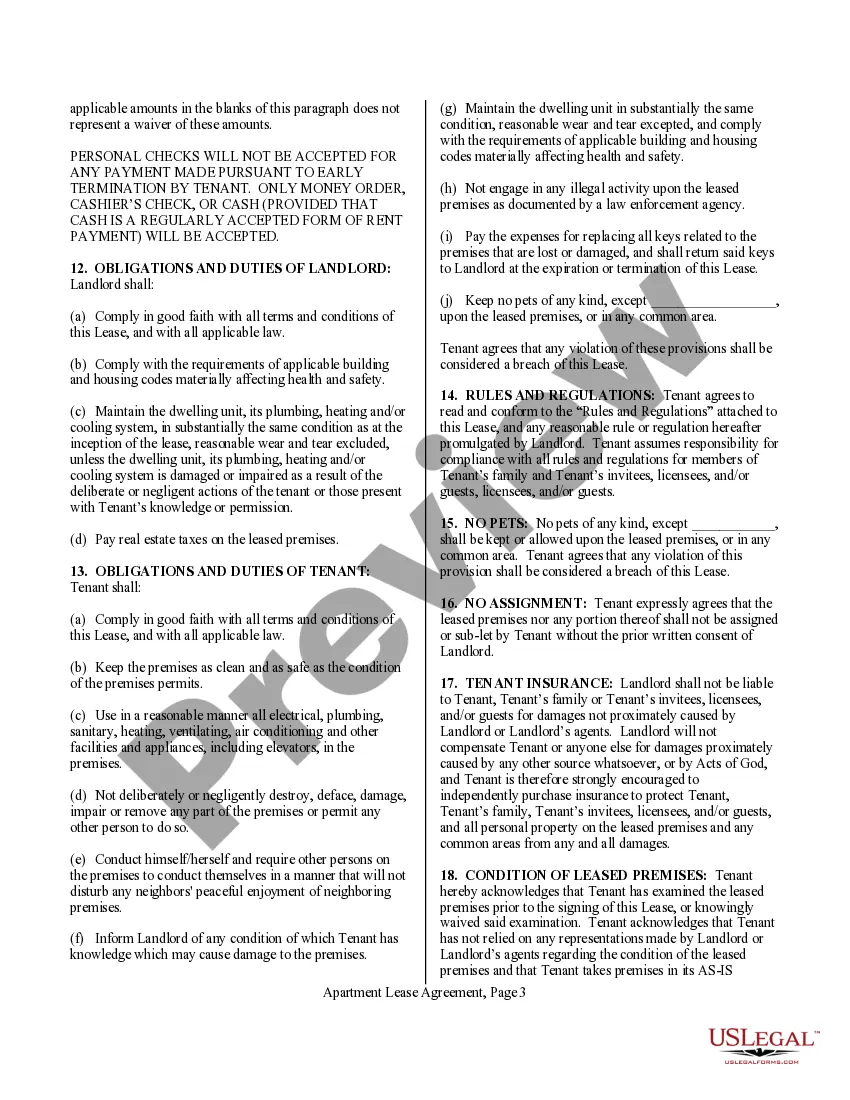
You can review the form using the Review button and examine the form description to confirm it is suitable for you.
- All the forms are reviewed by experts and comply with state and federal regulations.
- If you are already registered, Log In to your account and click on the Download button to acquire the Michigan Apartment Lease for One Month.
- Use your account to search for the official forms you have previously purchased.
- Navigate to the My documents section of your account and obtain another copy of the document you need.
- As a new user of US Legal Forms, here are straightforward steps for you to follow.
- First, ensure you have selected the correct form for your city/state.
Form popularity
FAQ
If your back is against the wall and you need to move immediately, you may consider termination fees offered in the lease. Most agreements require you to pay 2-3 months' rent and forfeit your security deposit.
A Pennsylvania month-to-month lease agreement is a residential rental contract whereby a tenant is granted occupancy of a landlord's property for (1) month at a time. In this type of arrangement, the tenant renews the lease by paying rent to the landlord each month.
In Michigan, landlords cannot evict tenants or force them to vacate the property without probable cause. As long as the tenant does not violate any rules, they can stay until their rental period ends.
A Michigan lease termination letter (Notice to Vacate) is a required document to end month-to-month lease agreements in Michigan. State law requires giving at least 1 month notice for termination. However, state law does not require notice to be given to end fixed-term lease agreements on their end date.
A landlord can simply give you a written notice to move, allowing one month notice as required by Michigan law and specifying the date on which your tenancy will end.
Regardless of the length or type of tenancy, landlords must provide tenants with a 30-Day Notice to Quit, giving tenants 30 days to move out of the rental unit in order to avoid eviction. If the tenant remains on the property after the notice period expires, the landlord may proceed with the eviction process.
A Michigan month-to-month lease agreement is between a landlord and tenant for the renting of residential property without an end date. The lease will continue for an indefinite period until either the landlord or tenant decide to terminate by sending a notice to the other party.
In the case of month-to-month leases, or if the tenant doesn't have a lease, then the landlord must give one rental period's notice before filing to evict. The next step is to prepare a summons and complaint, then file it in the district court where the dwelling is located.
Unless the rental agreement provides a shorter notice period, a California tenant must give their landlord 30 days' notice to end a month-to-month tenancy.
So you may not have to pay much, if any additional rent, if you break your lease. You need pay only the amount of rent the landlord loses because you moved out early. This is because Michigan requires landlords to take reasonable steps to keep their losses to a minimumor to "mitigate damages" in legal terms.