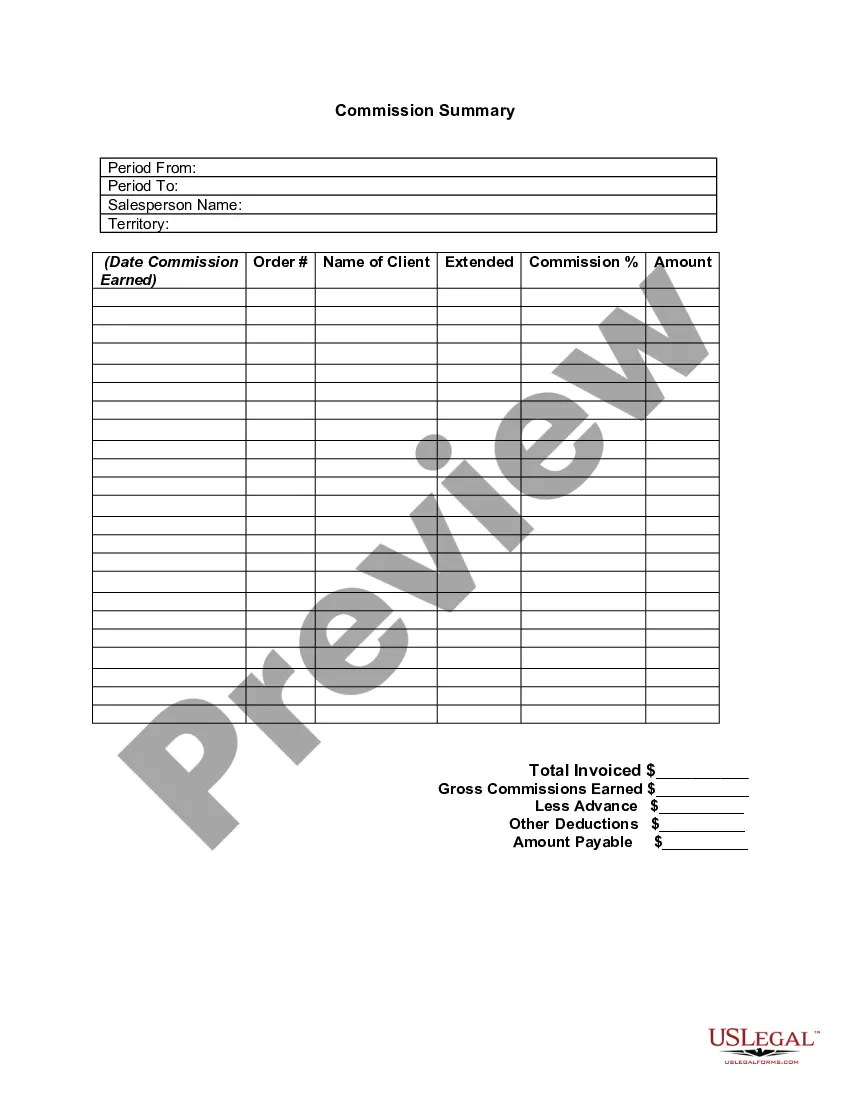
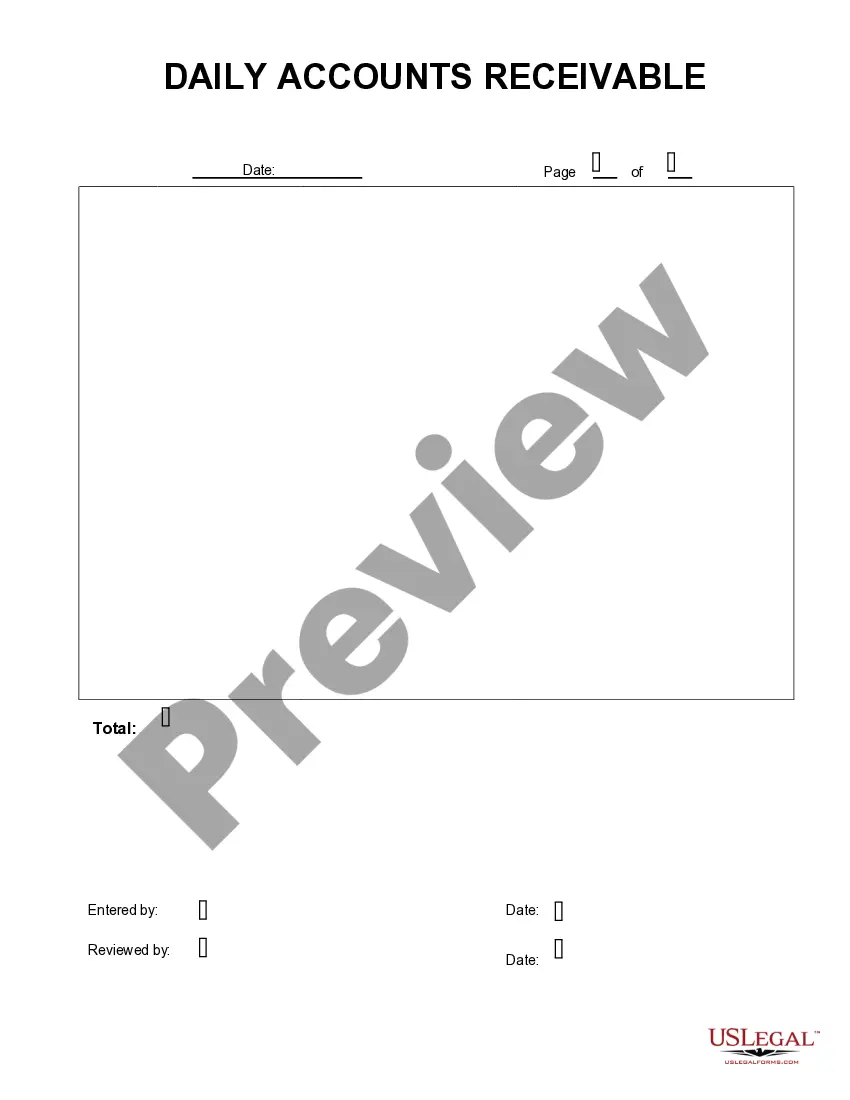
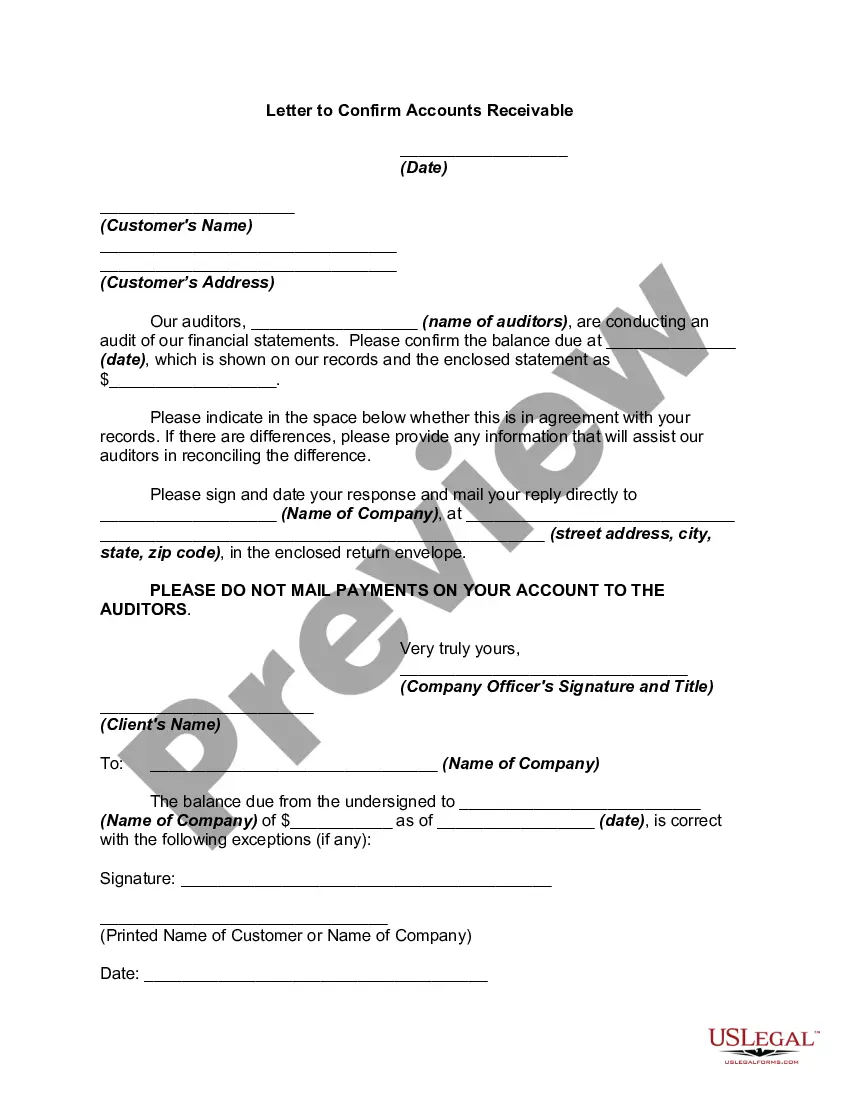
Michigan Daily Accounts Receivable
Description
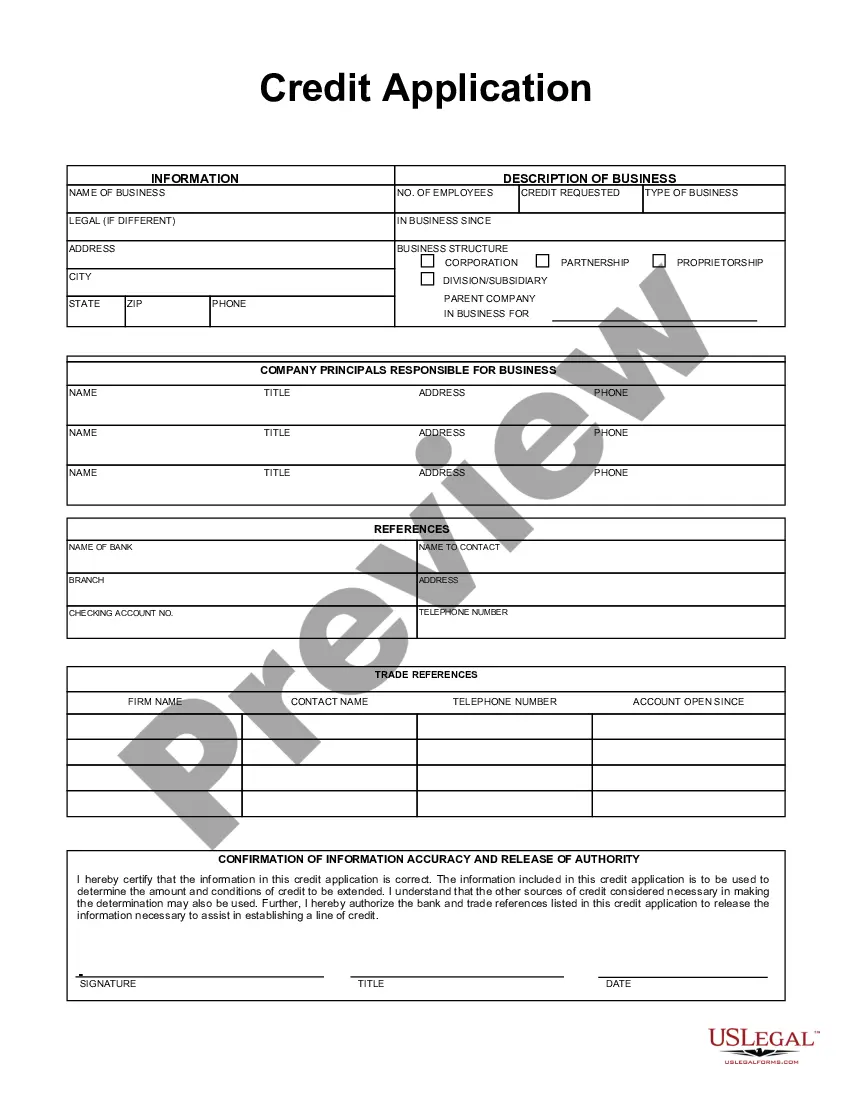
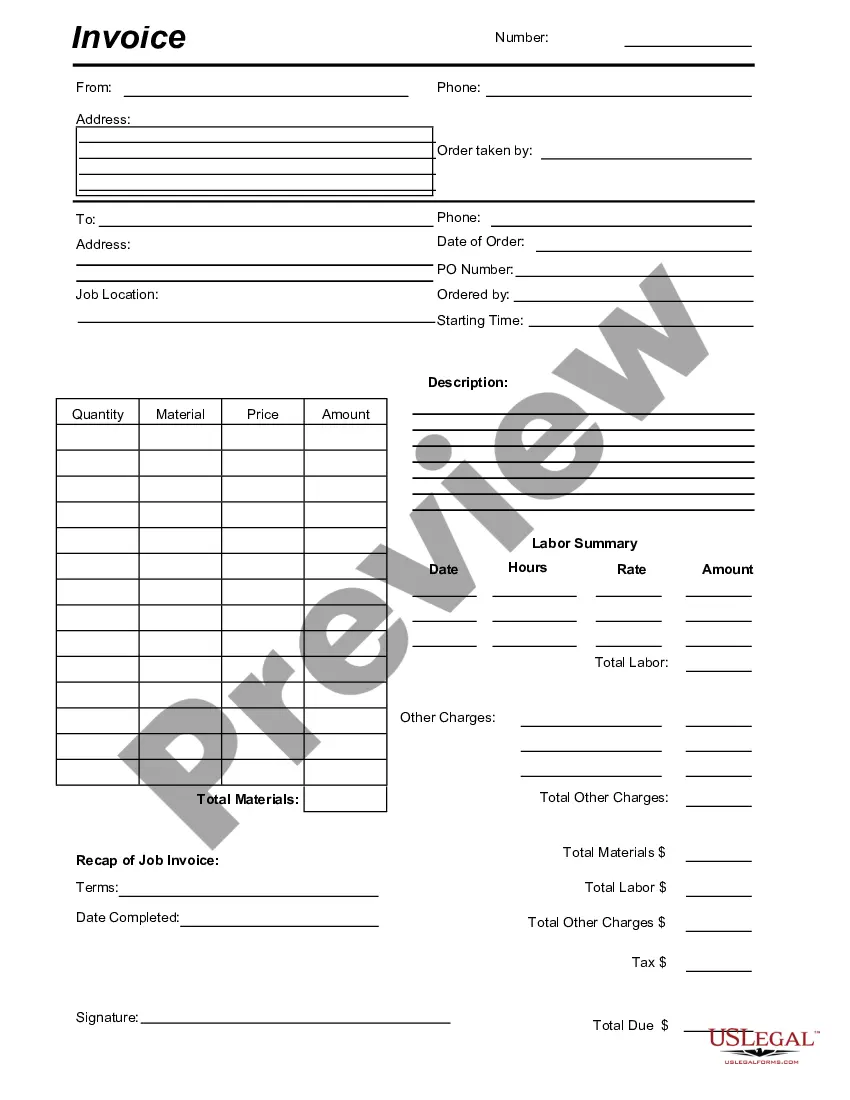
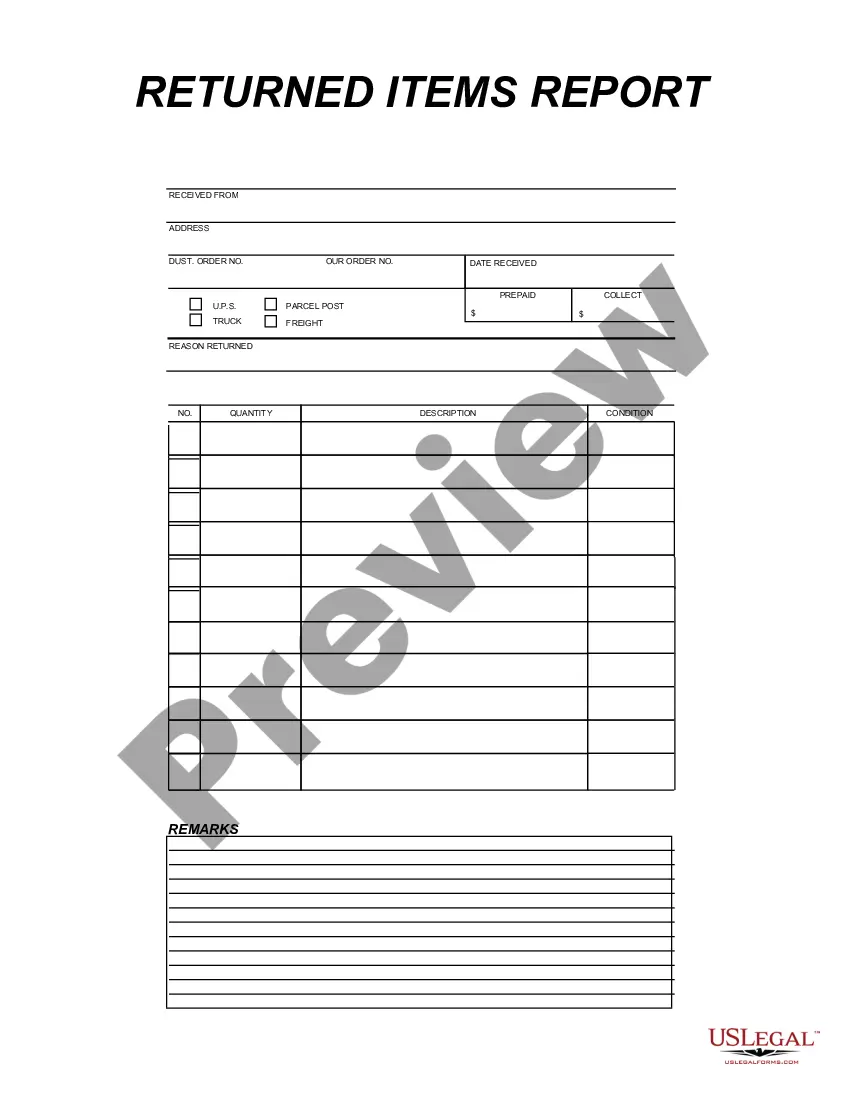
Get your form ready online
Our built-in tools help you complete, sign, share, and store your documents in one place.
Make edits, fill in missing information, and update formatting in US Legal Forms—just like you would in MS Word.
Download a copy, print it, send it by email, or mail it via USPS—whatever works best for your next step.
Sign and collect signatures with our SignNow integration. Send to multiple recipients, set reminders, and more. Go Premium to unlock E-Sign.
If this form requires notarization, complete it online through a secure video call—no need to meet a notary in person or wait for an appointment.
We protect your documents and personal data by following strict security and privacy standards.

Make edits, fill in missing information, and update formatting in US Legal Forms—just like you would in MS Word.

Download a copy, print it, send it by email, or mail it via USPS—whatever works best for your next step.

Sign and collect signatures with our SignNow integration. Send to multiple recipients, set reminders, and more. Go Premium to unlock E-Sign.

If this form requires notarization, complete it online through a secure video call—no need to meet a notary in person or wait for an appointment.

We protect your documents and personal data by following strict security and privacy standards.
Looking for another form?




How to fill out Daily Accounts Receivable?
It is feasible to spend hours online searching for the legal document format that fits the state and federal requirements you need.
US Legal Forms offers thousands of legal forms that can be reviewed by professionals.
You can either obtain or print the Michigan Daily Accounts Receivable from our services.
To obtain another version of the form, use the Search box to find the format that meets your needs and specifications.
- If you already have a US Legal Forms account, you can Log In and click the Download button.
- Then, you can fill out, modify, print, or sign the Michigan Daily Accounts Receivable.
- Each legal document format you purchase is yours forever.
- To get another copy of a purchased form, go to the My documents tab and click the appropriate button.
- If you are using the US Legal Forms website for the first time, follow the simple instructions below.
- First, ensure you have selected the correct document format for the state/city of your preference.
- Check the form description to confirm that you have selected the right form.
Form popularity
FAQ
Companies record accounts receivable as assets on their balance sheets since there is a legal obligation for the customer to pay the debt. Furthermore, accounts receivable are current assets, meaning the account balance is due from the debtor in one year or less.
Accounts receivable is listed as a current asset on the balance sheet, since it is usually convertible into cash in less than one year. If the receivable amount only converts to cash in more than one year, it is instead recorded as a long-term asset on the balance sheet (possibly as a note receivable).
The schedule of accounts receivable is a report that lists all amounts owed by customers. The report lists each outstanding invoice as of the report date, aggregated by customer.
Definition: The schedule of accounts payable is a listing of all vendors in the accounts payable ledger that the company currently owes money along with the current account balances. In other words, the schedule of accounts payable is a list of all the people who the company owes in the accounts payable system.
Companies record accounts receivable as assets on their balance sheets since there is a legal obligation for the customer to pay the debt. Furthermore, accounts receivable are current assets, meaning the account balance is due from the debtor in one year or less.
Accounts receivables are considered to be short-term assets that will ideally be converted to cash within one year of the initial transaction. But to encourage prompt payments, companies may discount the balances owed for customers who make payments ahead of their determined payment periods.
Account Receivable is an account created by a company to record the journal entry of credit sales of goods and services, for which the amount has not yet been received by the company. The journal entry is passed by making a debit entry in Account Receivable and corresponding credit entry in Sales Account.
How to create an accounts receivable aging reportStep 1: Review open invoices.Step 2: Categorize open invoices according to the aging schedule.Step 3: List the names of customers whose accounts are past due.Step 4: Organize customers based on the number of days outstanding and the total amount due.10-May-2021
Accounts receivable are considered a current asset because they usually convert into cash within one year. When a receivable takes longer than one year to convert, it will be recorded as a long-term asset. In addition to accounts receivable, there are other current assets found on the balance sheet.