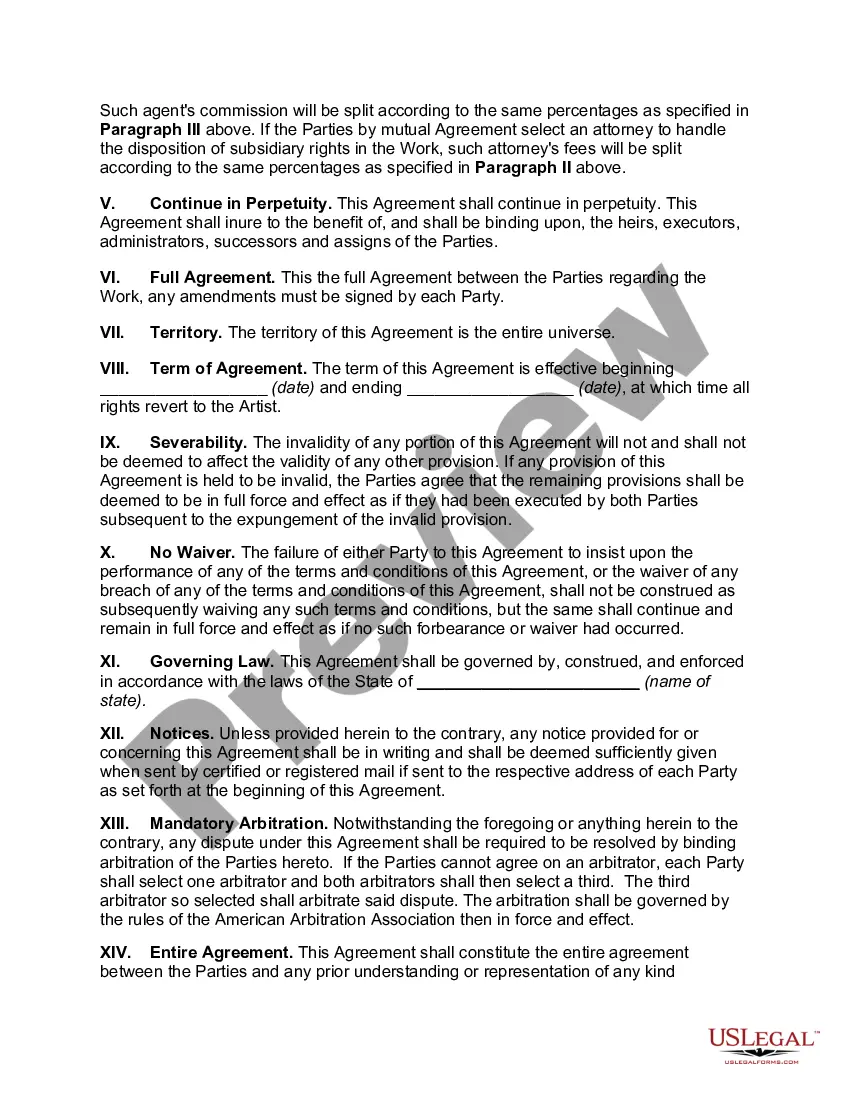
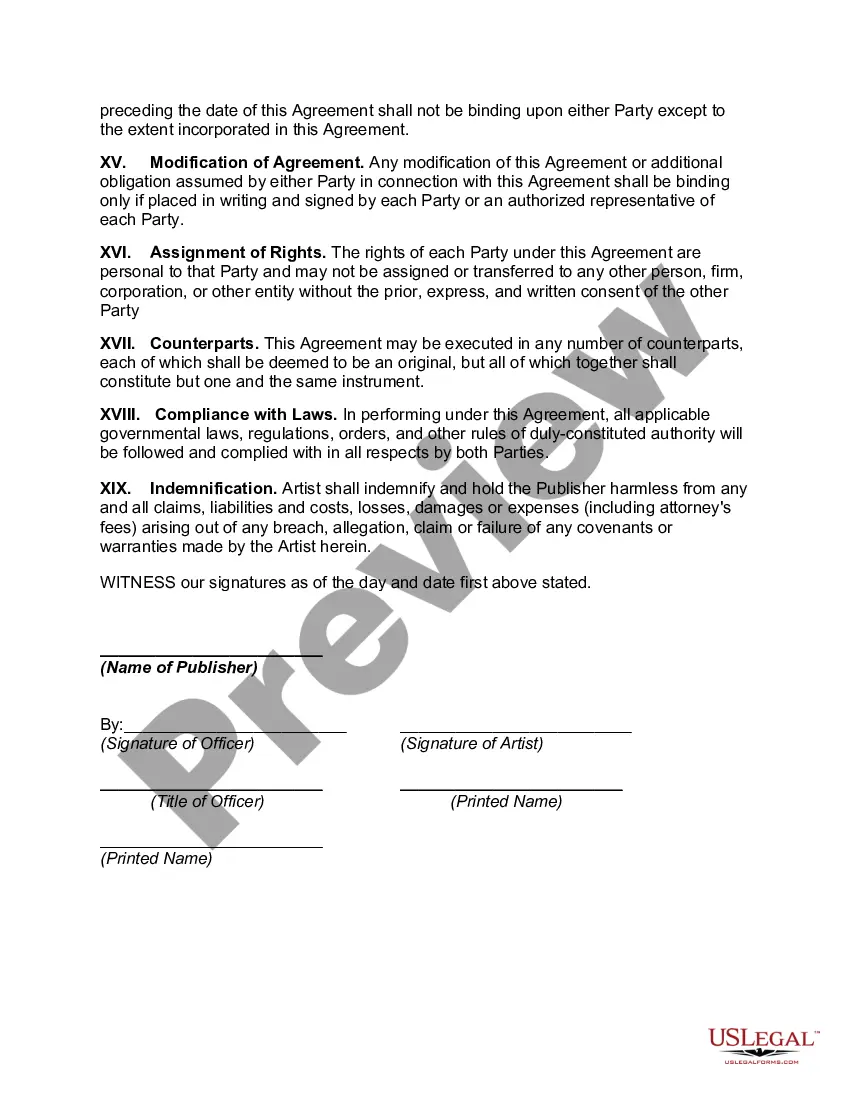
Michigan Royalty Split Agreement
Description
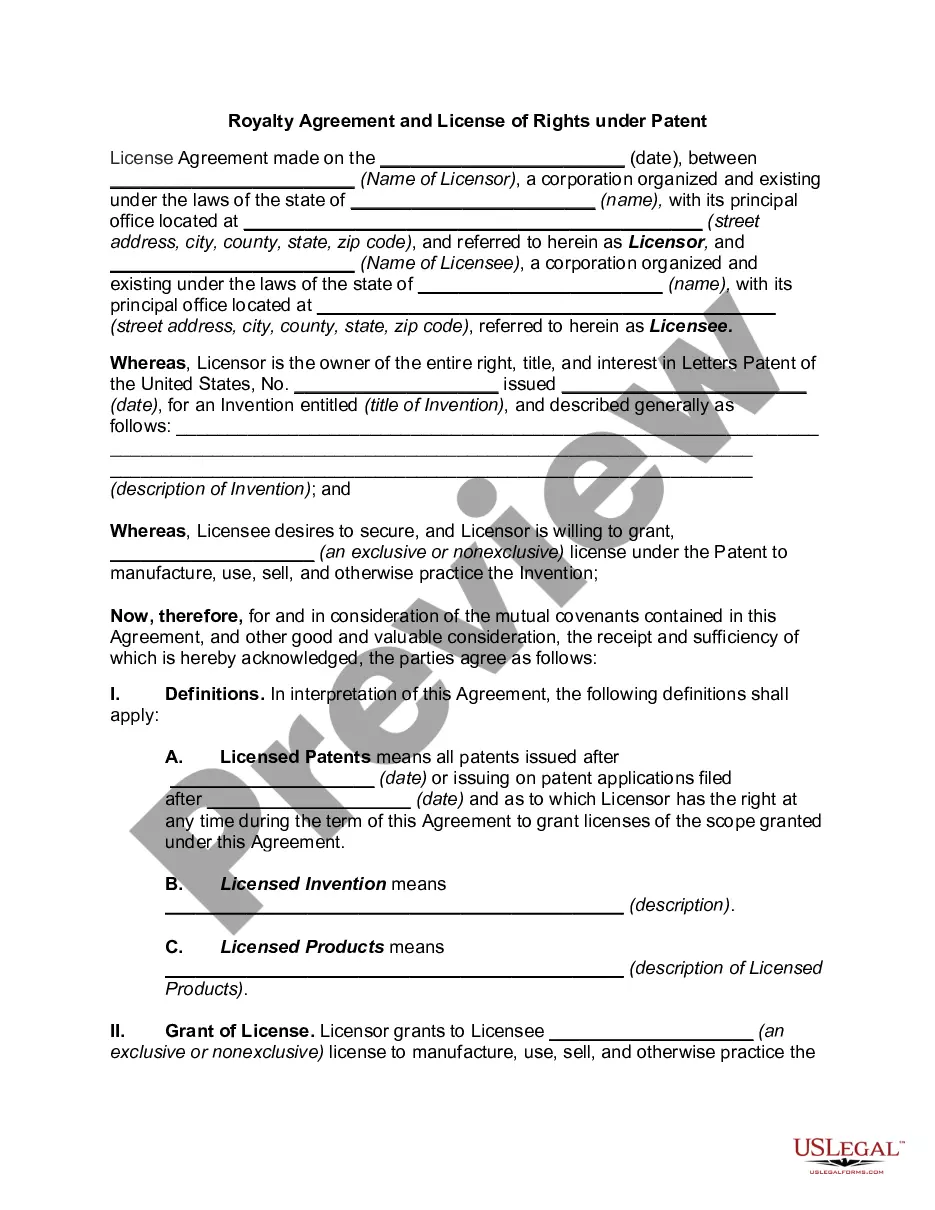
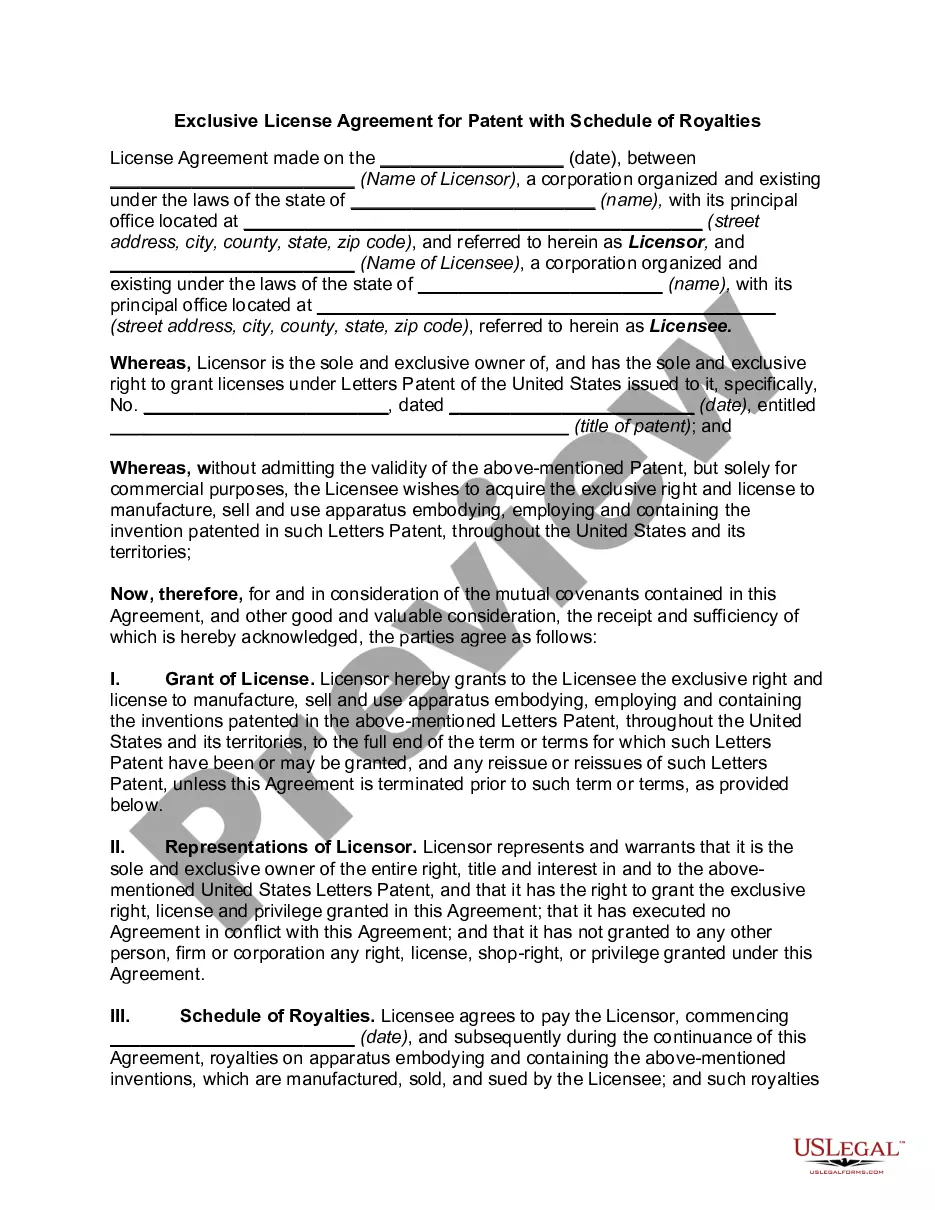
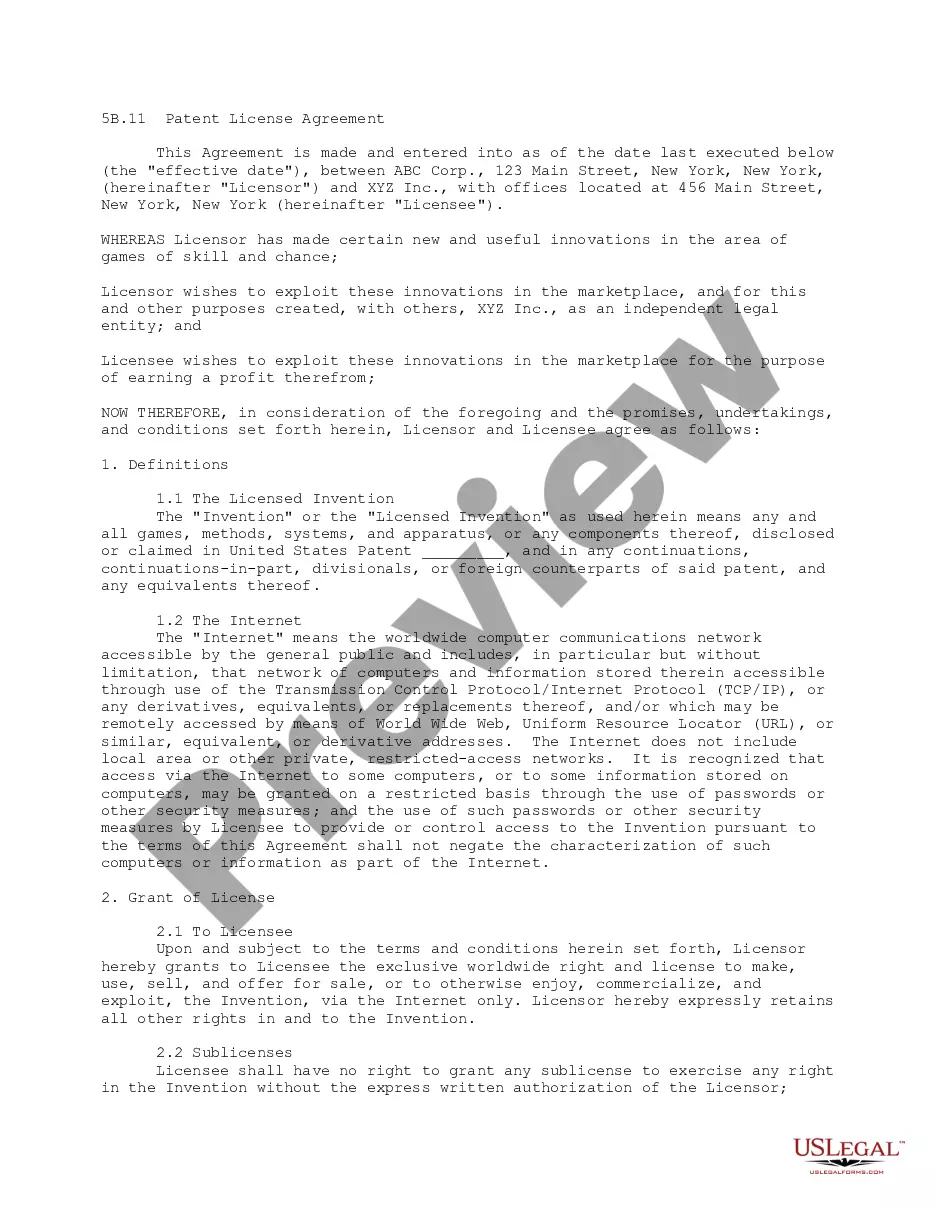
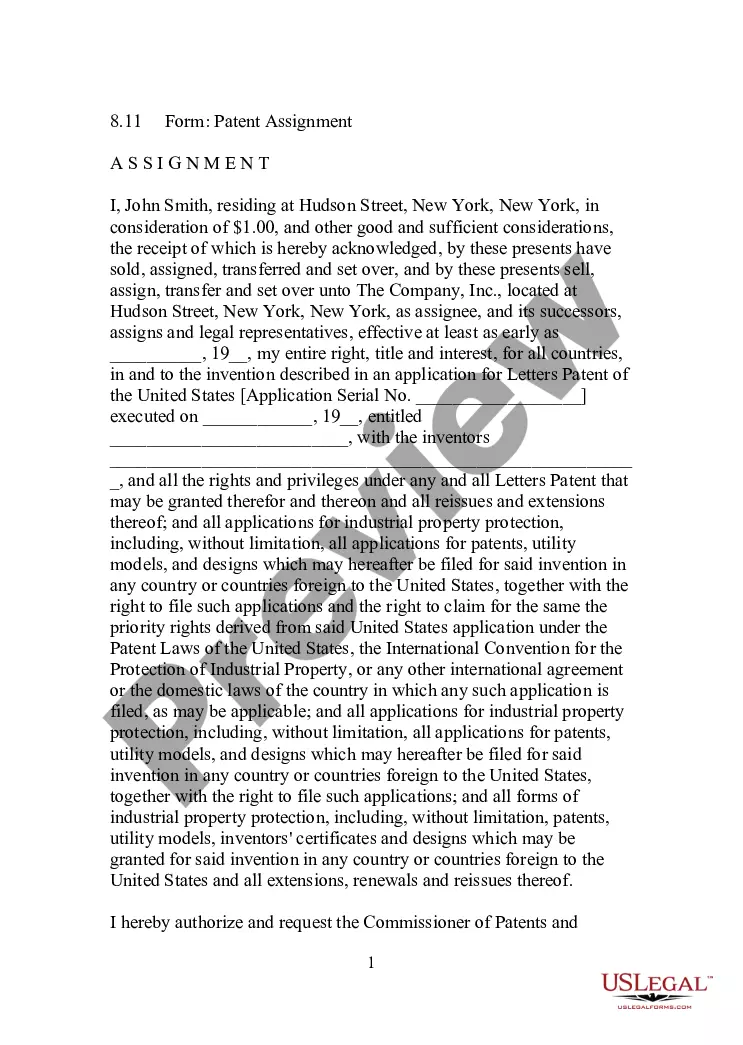
Get your form ready online
Our built-in tools help you complete, sign, share, and store your documents in one place.
Make edits, fill in missing information, and update formatting in US Legal Forms—just like you would in MS Word.
Download a copy, print it, send it by email, or mail it via USPS—whatever works best for your next step.
Sign and collect signatures with our SignNow integration. Send to multiple recipients, set reminders, and more. Go Premium to unlock E-Sign.
If this form requires notarization, complete it online through a secure video call—no need to meet a notary in person or wait for an appointment.
We protect your documents and personal data by following strict security and privacy standards.

Make edits, fill in missing information, and update formatting in US Legal Forms—just like you would in MS Word.

Download a copy, print it, send it by email, or mail it via USPS—whatever works best for your next step.

Sign and collect signatures with our SignNow integration. Send to multiple recipients, set reminders, and more. Go Premium to unlock E-Sign.

If this form requires notarization, complete it online through a secure video call—no need to meet a notary in person or wait for an appointment.

We protect your documents and personal data by following strict security and privacy standards.
Looking for another form?

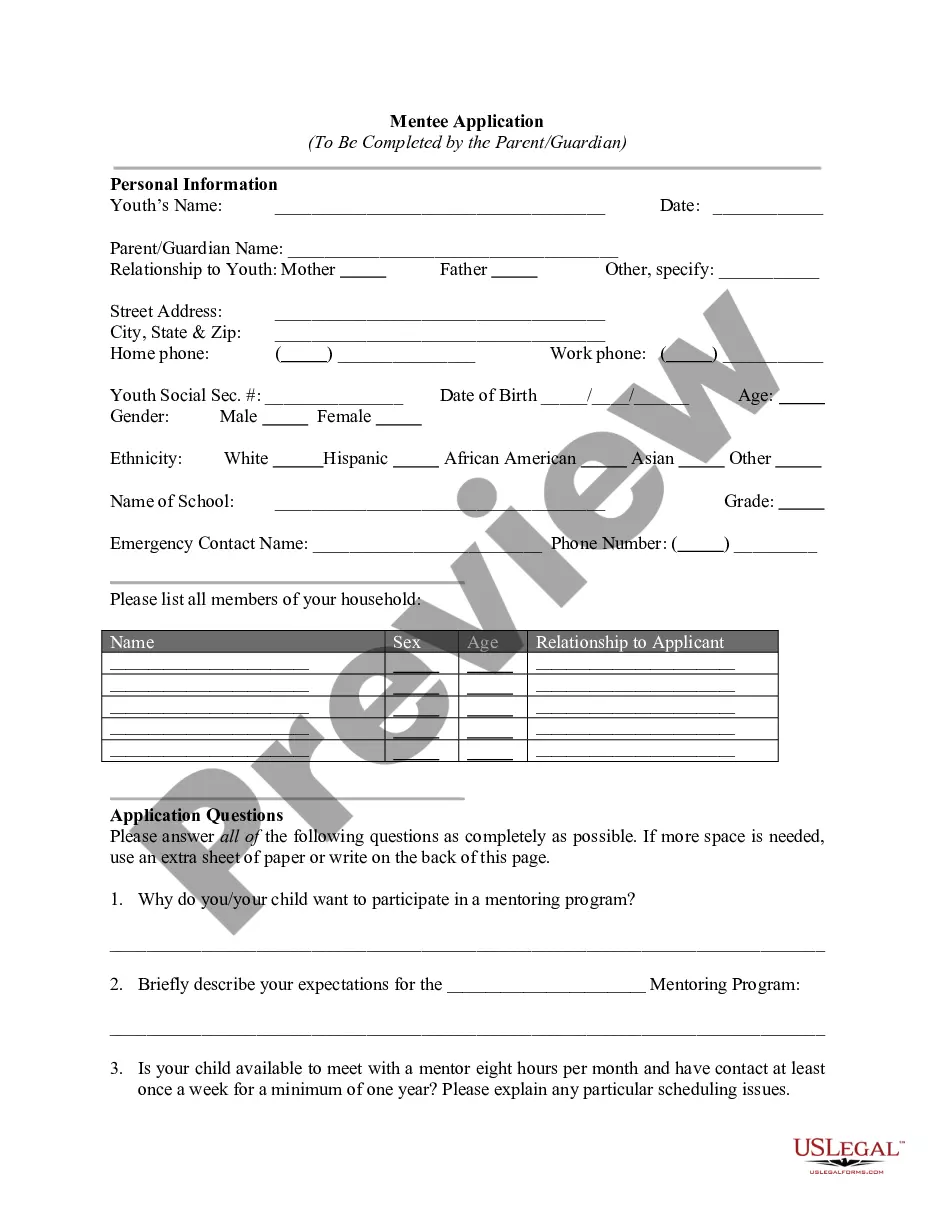

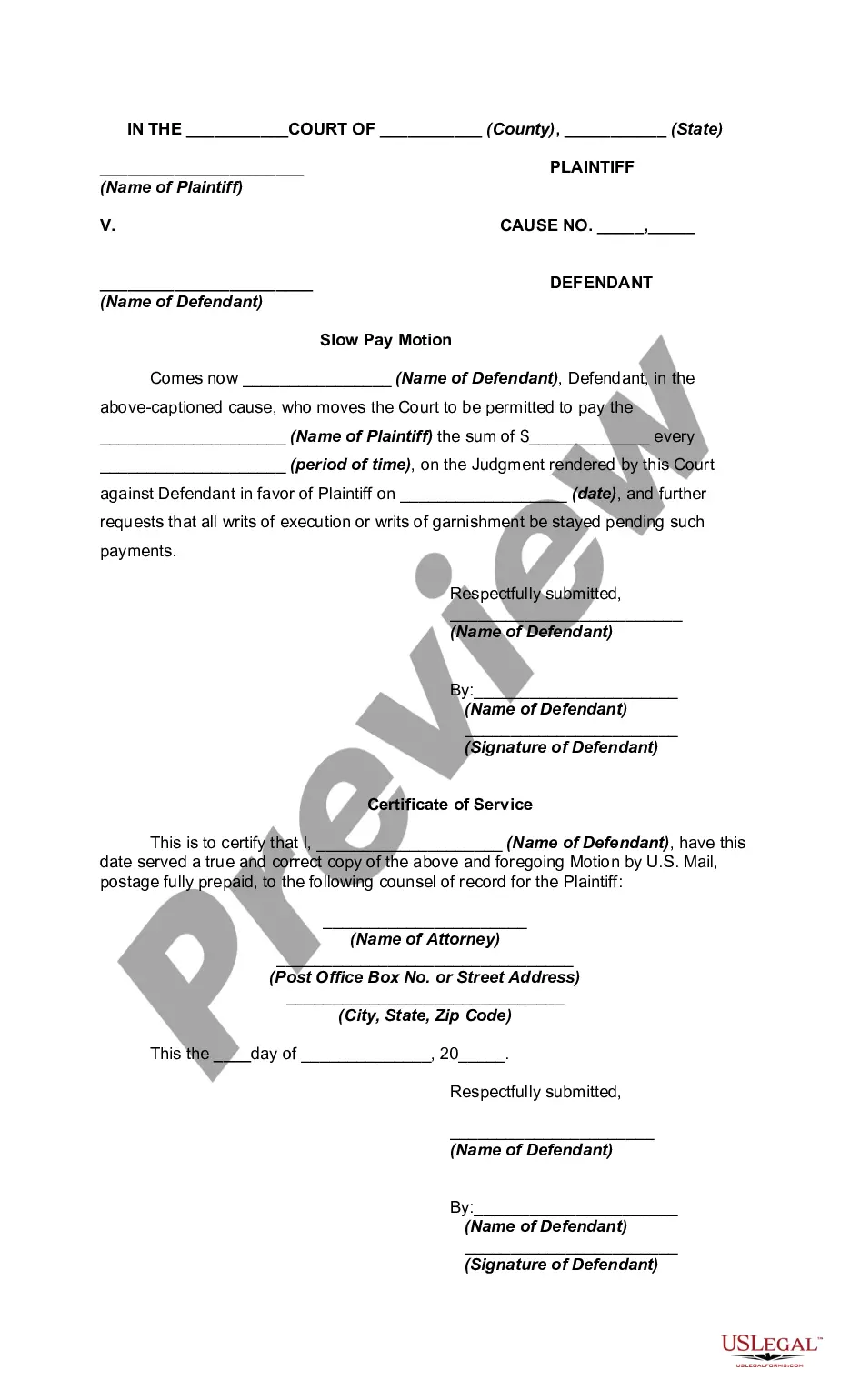
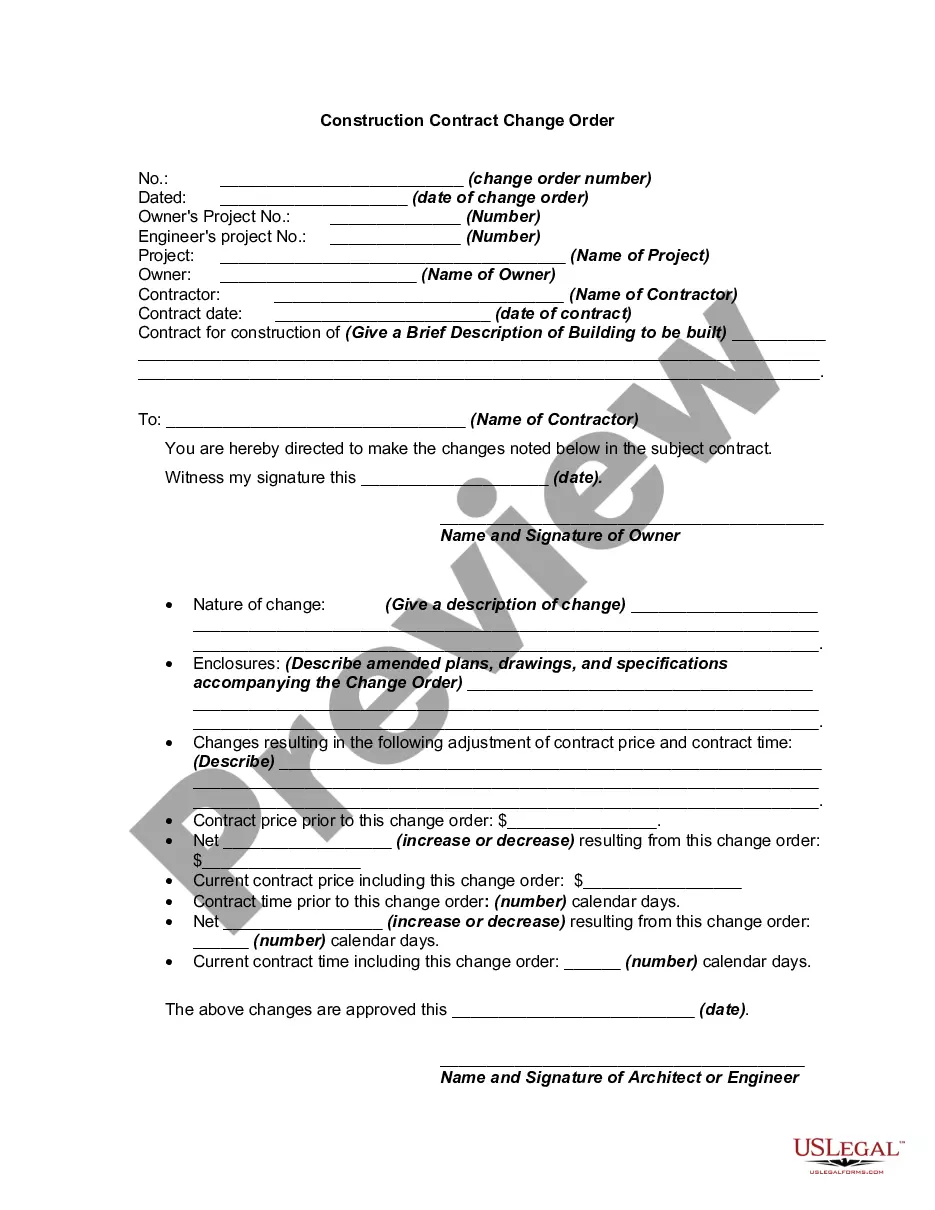

How to fill out Royalty Split Agreement?
Selecting the optimal legal document template may be challenging.
Clearly, there is an array of templates offered online, but how can you acquire the legal document you need.
Utilize the US Legal Forms platform. Their services offer a multitude of templates, including the Michigan Royalty Split Agreement, suitable for both business and personal purposes.
You can preview the template using the Review button and read the document description to ensure it fits your requirements.
- All documents are reviewed by professionals and meet state and national regulations.
- If you are already registered, Log In to your account and click the Acquire button to obtain the Michigan Royalty Split Agreement.
- Access your account to view the legal documents you have previously purchased.
- Navigate to the My documents section of your account to download another copy of the document you need.
- If you are a new user of US Legal Forms, here are straightforward steps to follow.
- First, confirm that you have chosen the correct template for your area/county.
Form popularity
FAQ
Royalty splits when a song gets recorded and money starts rolling in2026 The publisher gets to first recoup the money they have paid a writer for advances and demo costs (for all songs, not just the one that got recorded). Therefore, they split royalties according to the contract.
A distributor collects royalties directly from stores/streaming platforms on behalf of labels. An artist's label will then collect the recording royalties and distribute them to the artist. If an artist is not with a label, the artist will collect the recording royalties directly from the distributor.
A publishing split sheet (often simply referred to as a split sheet) is a document that states who wrote what percentage of the song(s) recorded by a band or artist. A split sheet should be created for each and every song you write, before ever shopping it to a third party to be published commercially.
Since most producers get 3-7 points and most artist's deals are 12-20 percentage points of sales/streams, you divide the producer point by artist point. So, if you're working with a 4 point producer, you can divide 4 by 16 (typical artist points) and you get 25%. Or 4 divided by 20 would get you 20%.
How does BMI split royalties between songwriters and publishers? One half is designated for the songwriter(s), and the other half is designated for the publisher(s) or copyright holder(s). Learn more about how BMI pays royalties. If you do not have a publisher, you will also receive the publisher's share as a writer.
This royalty is freely negotiated in the marketplace and is typically split 50% to the writers and 50% to the artist and record label.
Producers typically get anything from 3 to 7 Producer Points. That means that if the artist gets, for example, 20% of the royalties in a record deal and the producer gets 5 points, the producer is getting 25% percent of the artist's share of the royalties.
Performance royalties are typically split into two equal halves: a writer share (50%) and a publisher share (50%). Performing Rights Organizations (PROs) and Collective Management Organizations (CMOs) collect and account for each of these revenue sources separately.
Performance royalties are shared 50/50 between the publisher and the songwriter, so each gets 50% of the revenue. If you are both the songwriter and the publisher for your own music, you will receive 100% of performance royalties.
As explained by Tune Core, the split nods to how much copyright the individual deserves from that particular song. For example, if there are four songwriters working together and it's divided that everyone has an equal percentage, the songwriting split will work out at 25% each.