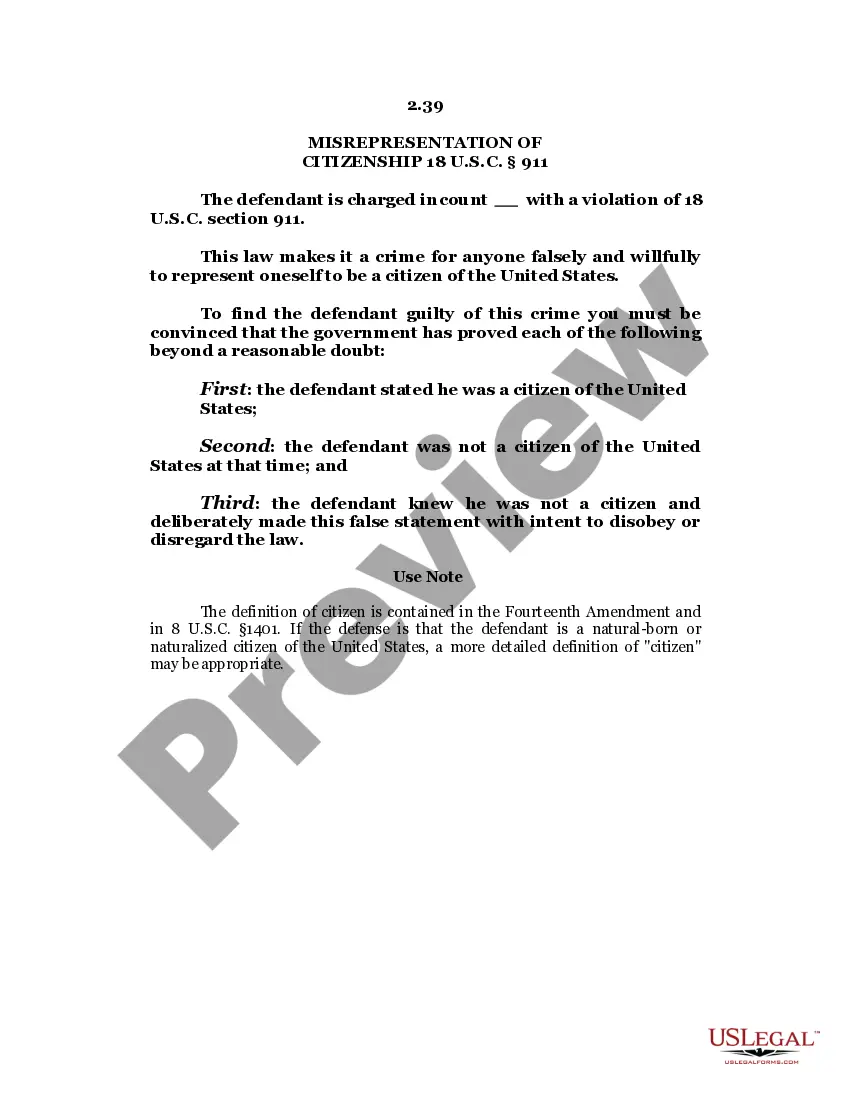
The decree of the bankruptcy court which terminates the bankruptcy proceedings is generally a discharge that releases the debtor from most debts. A bankruptcy court may refuse to grant a discharge under certain conditions.
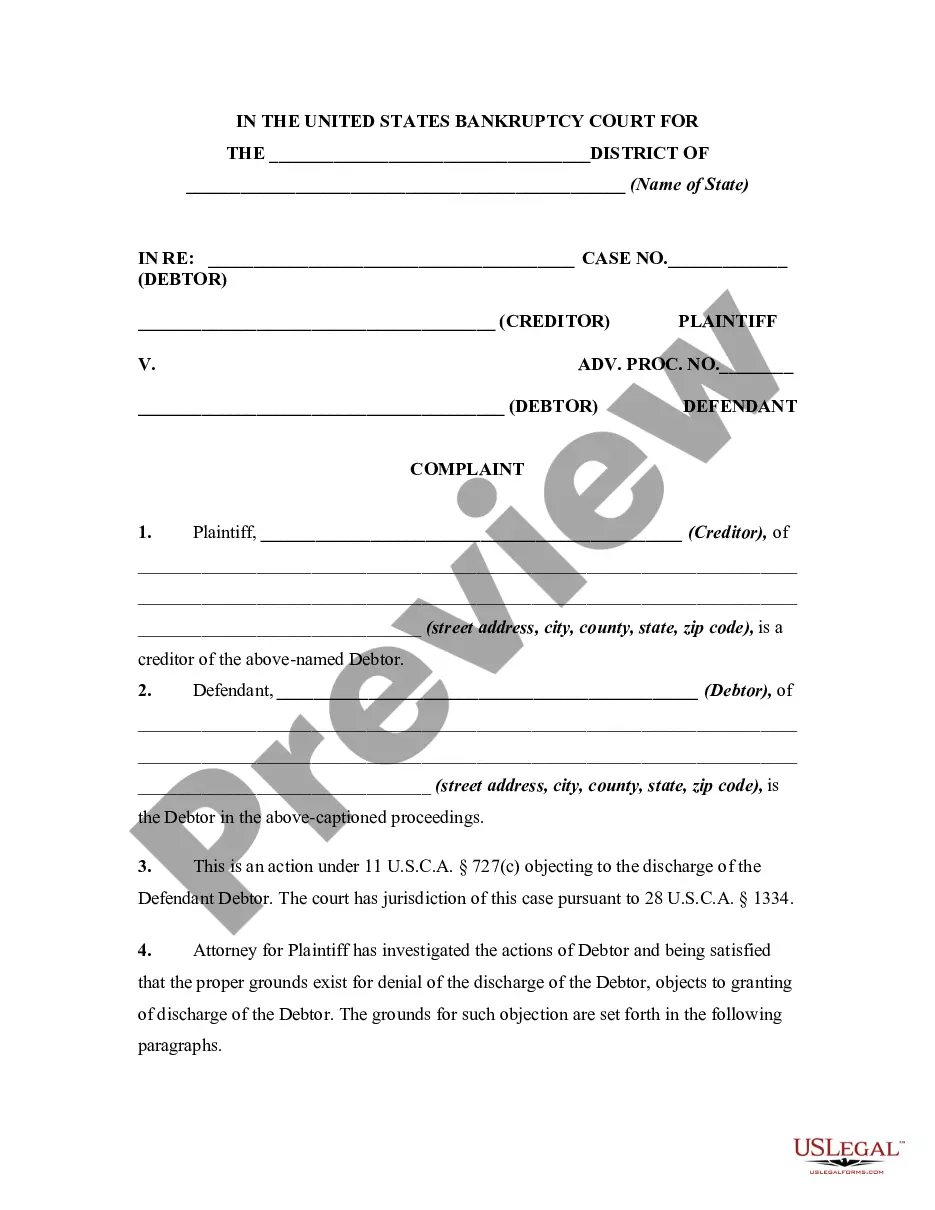
Michigan Complaint Objecting to Discharge by Bankruptcy Court on the Grounds that Transaction was Induced by Fraud Regarding Debtor's Financial Condition
State:
Multi-State
Control #:
US-01070BG
Format:
Word;
Rich Text
Instant download
Description
Free preview
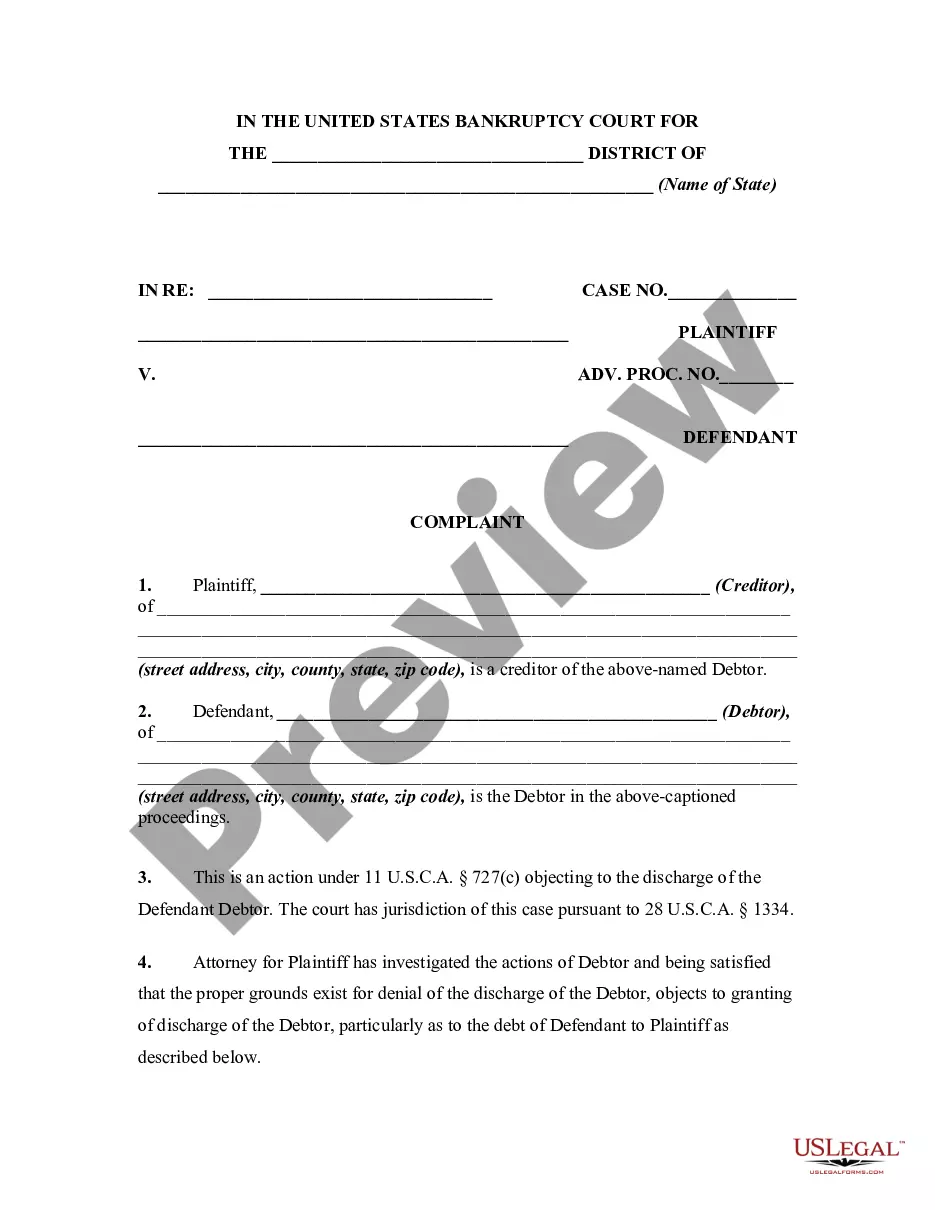
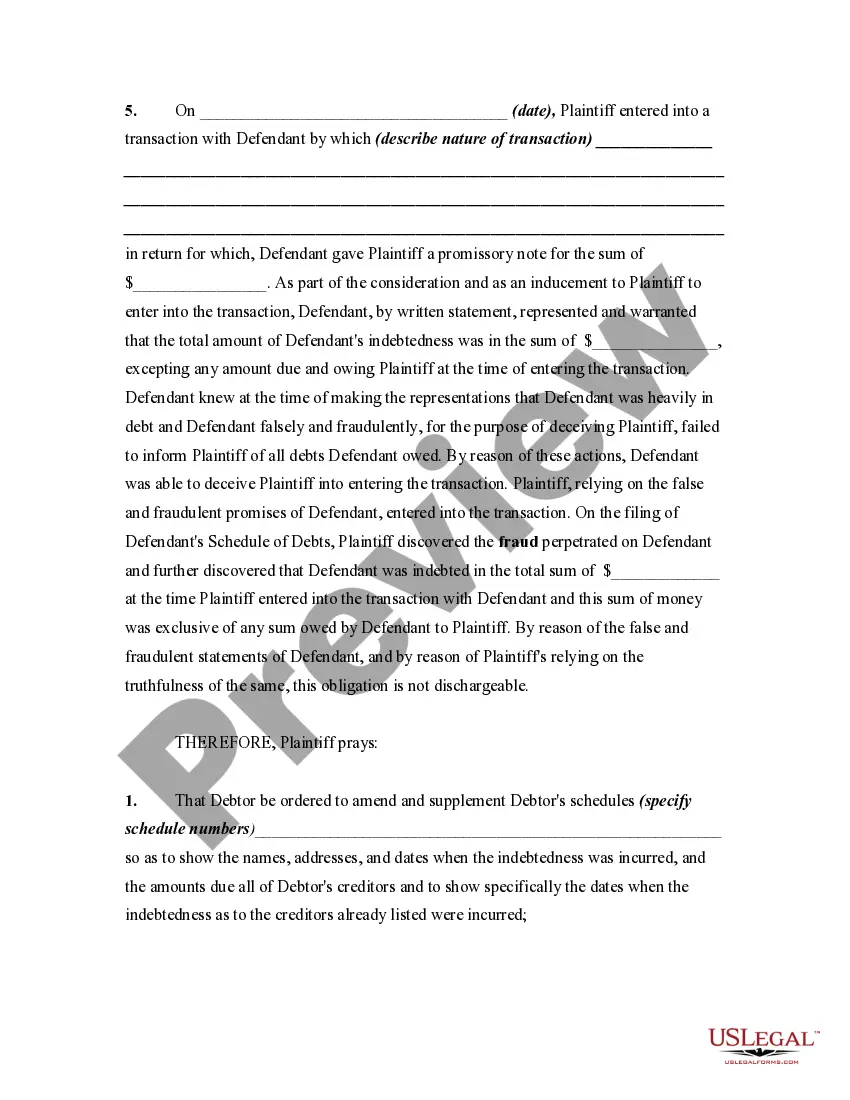
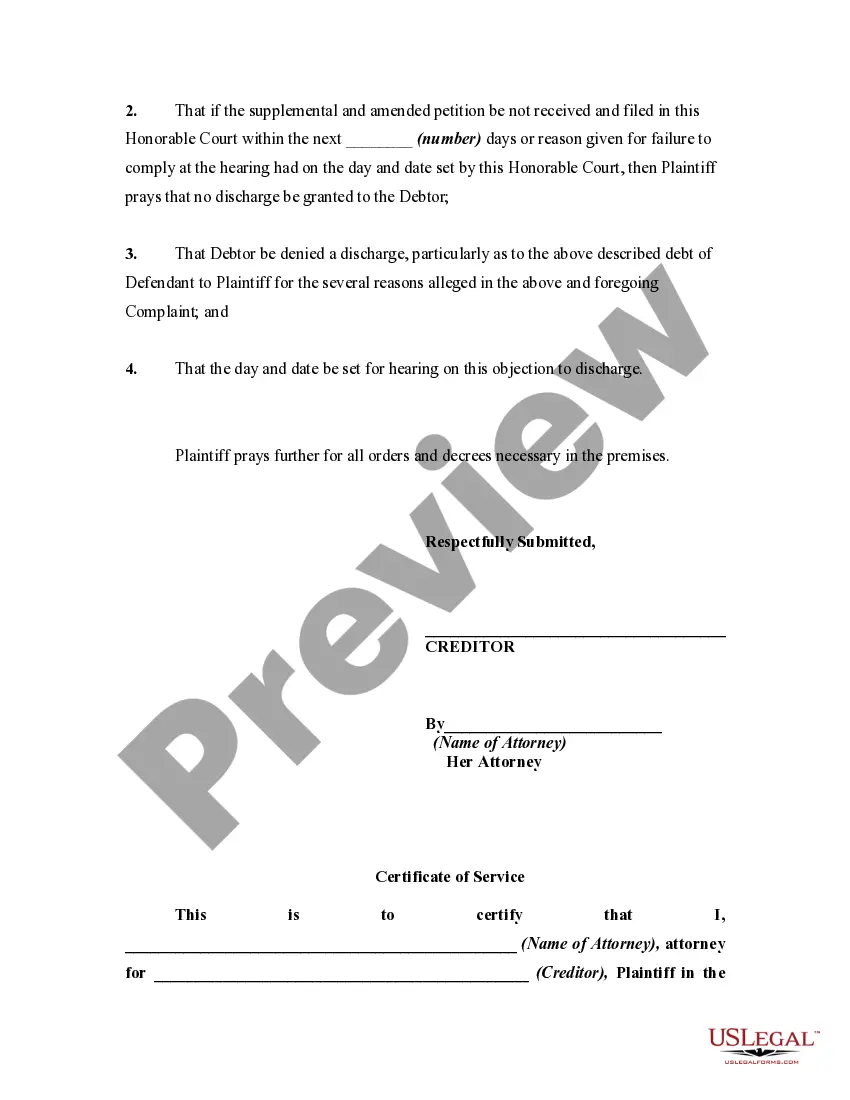
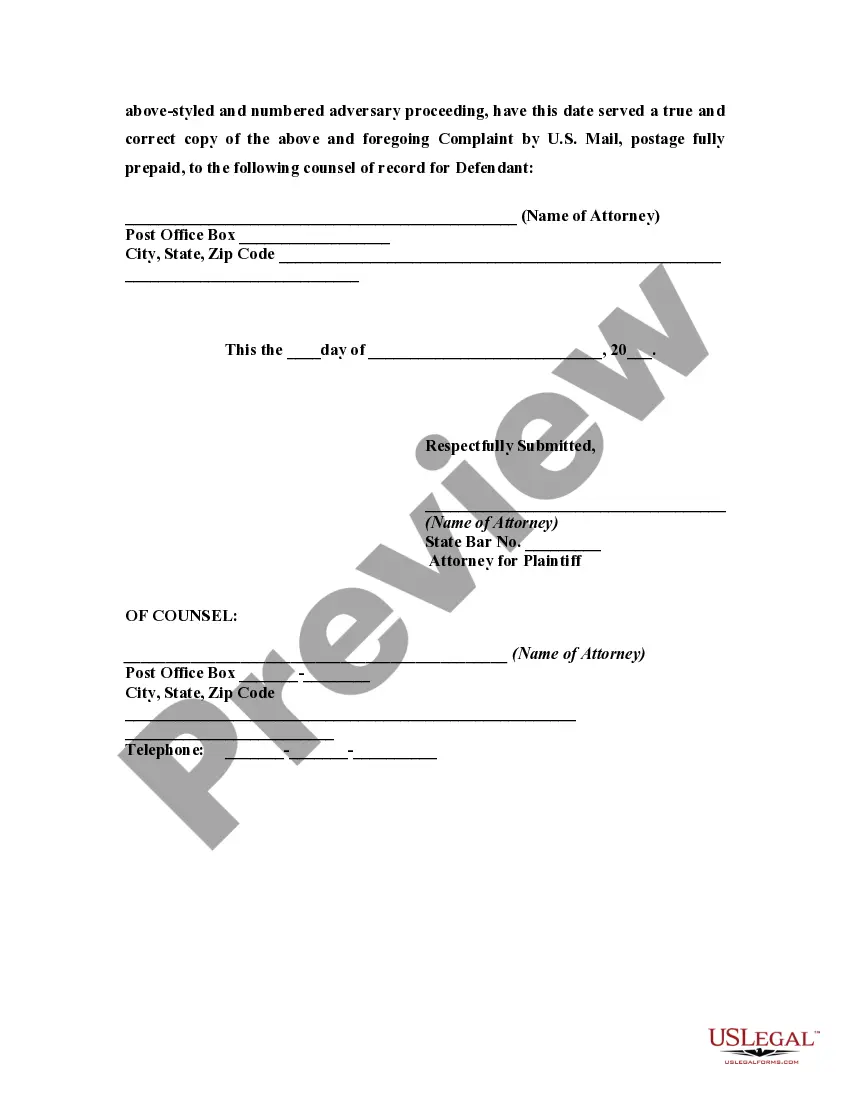
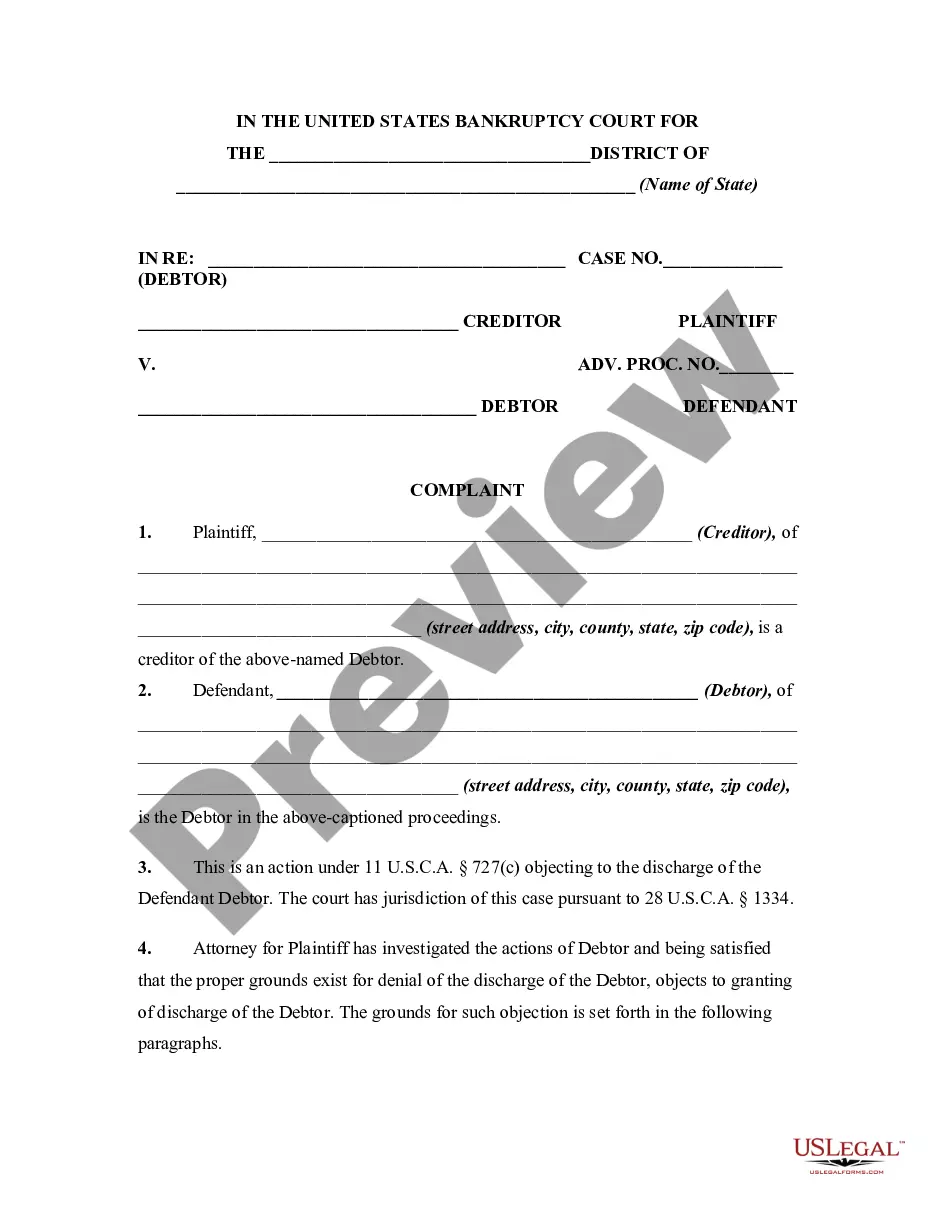
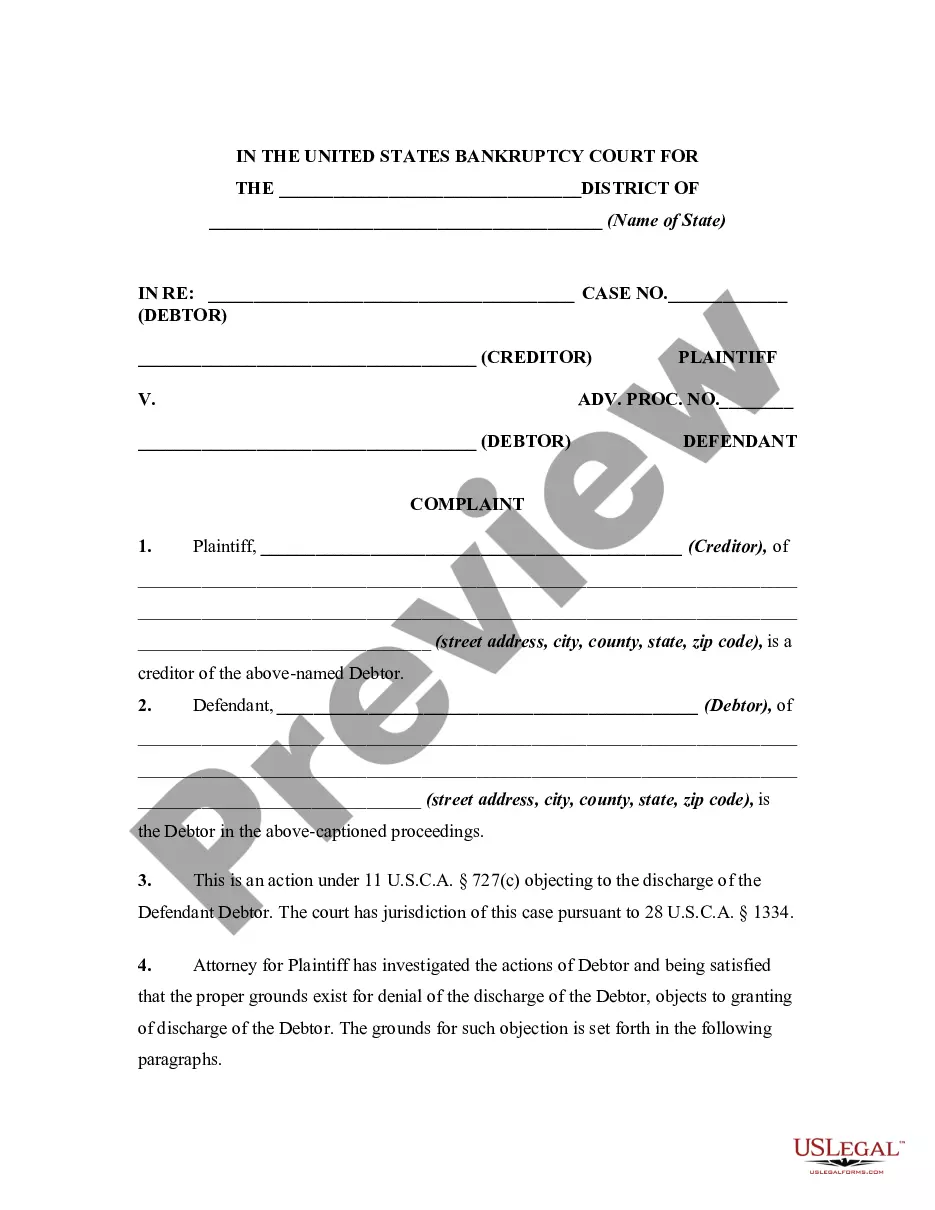
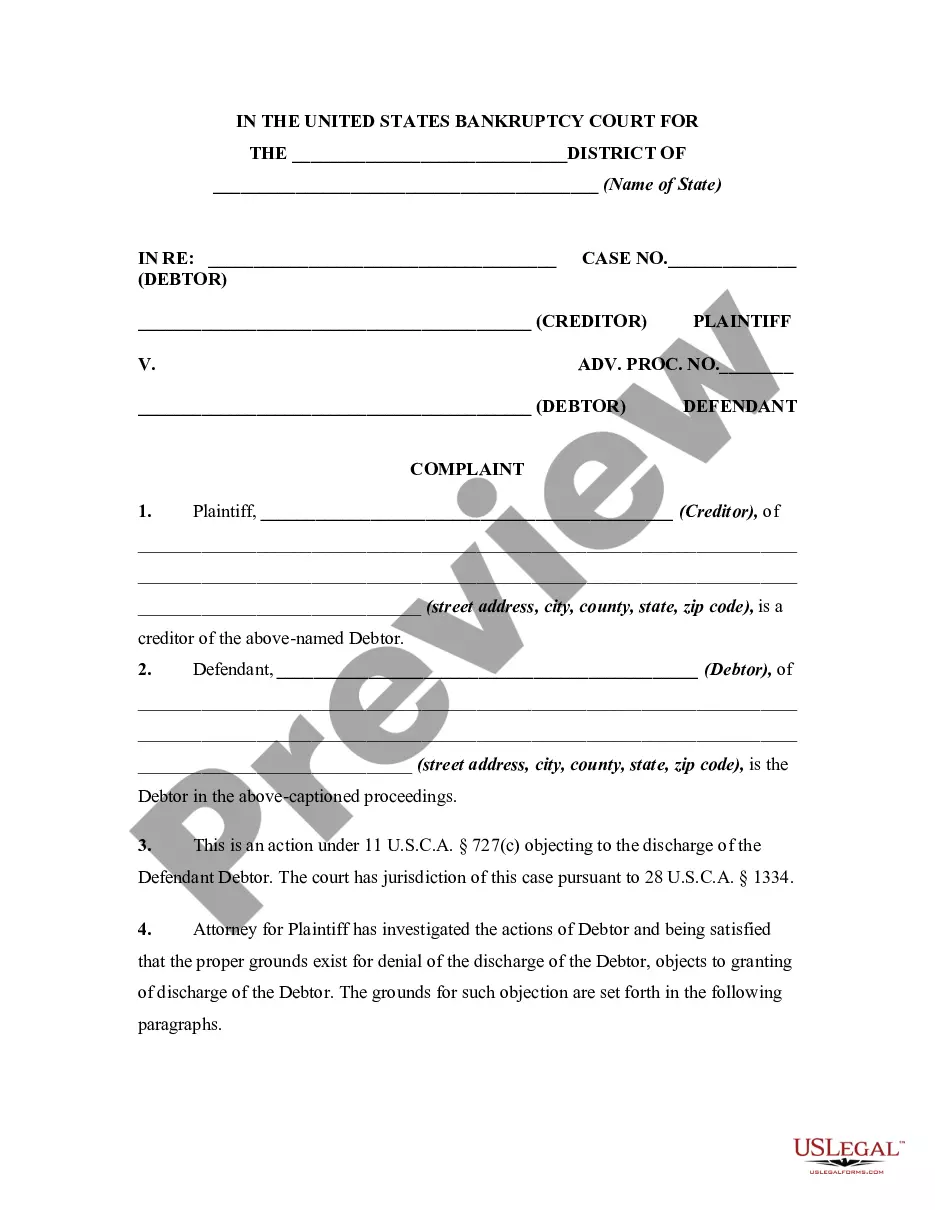
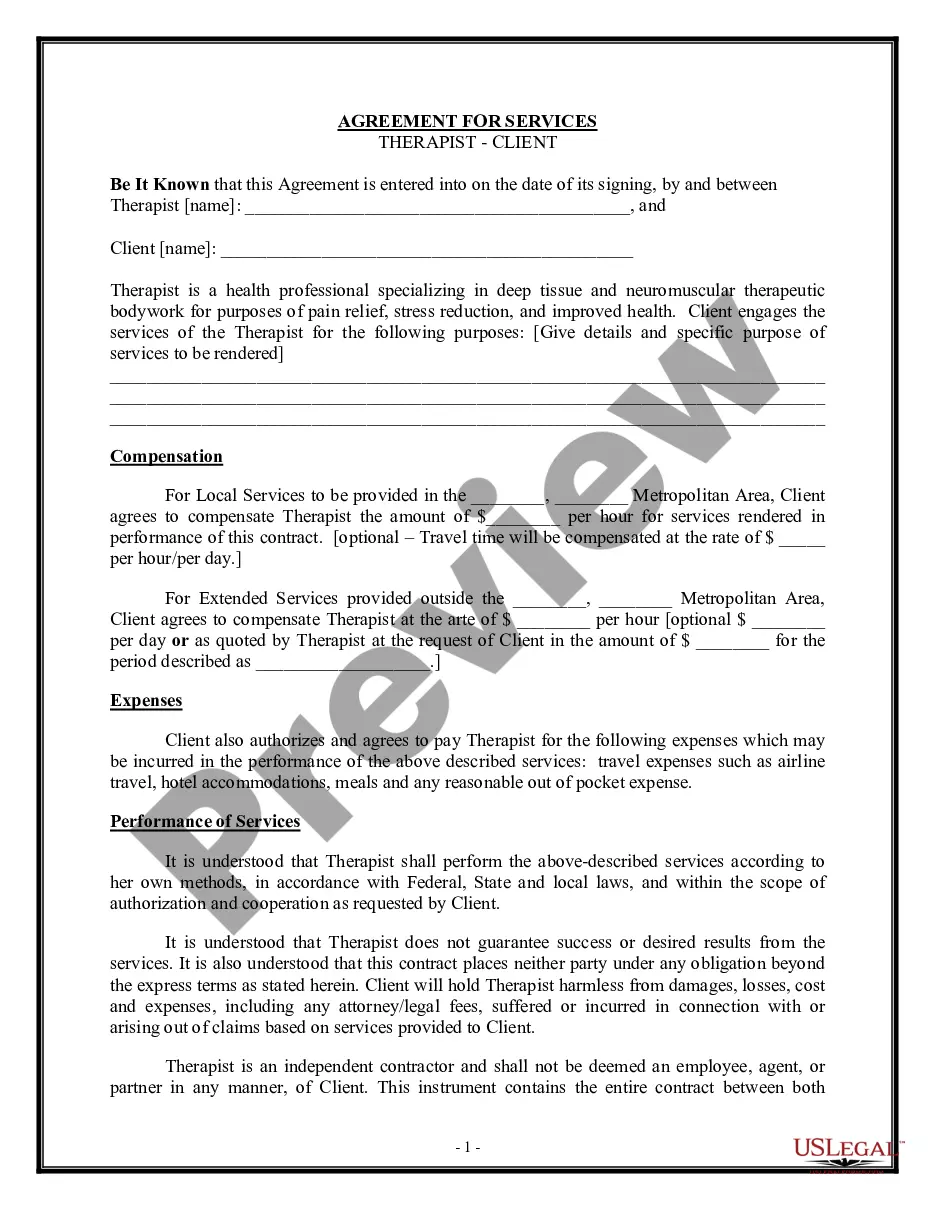
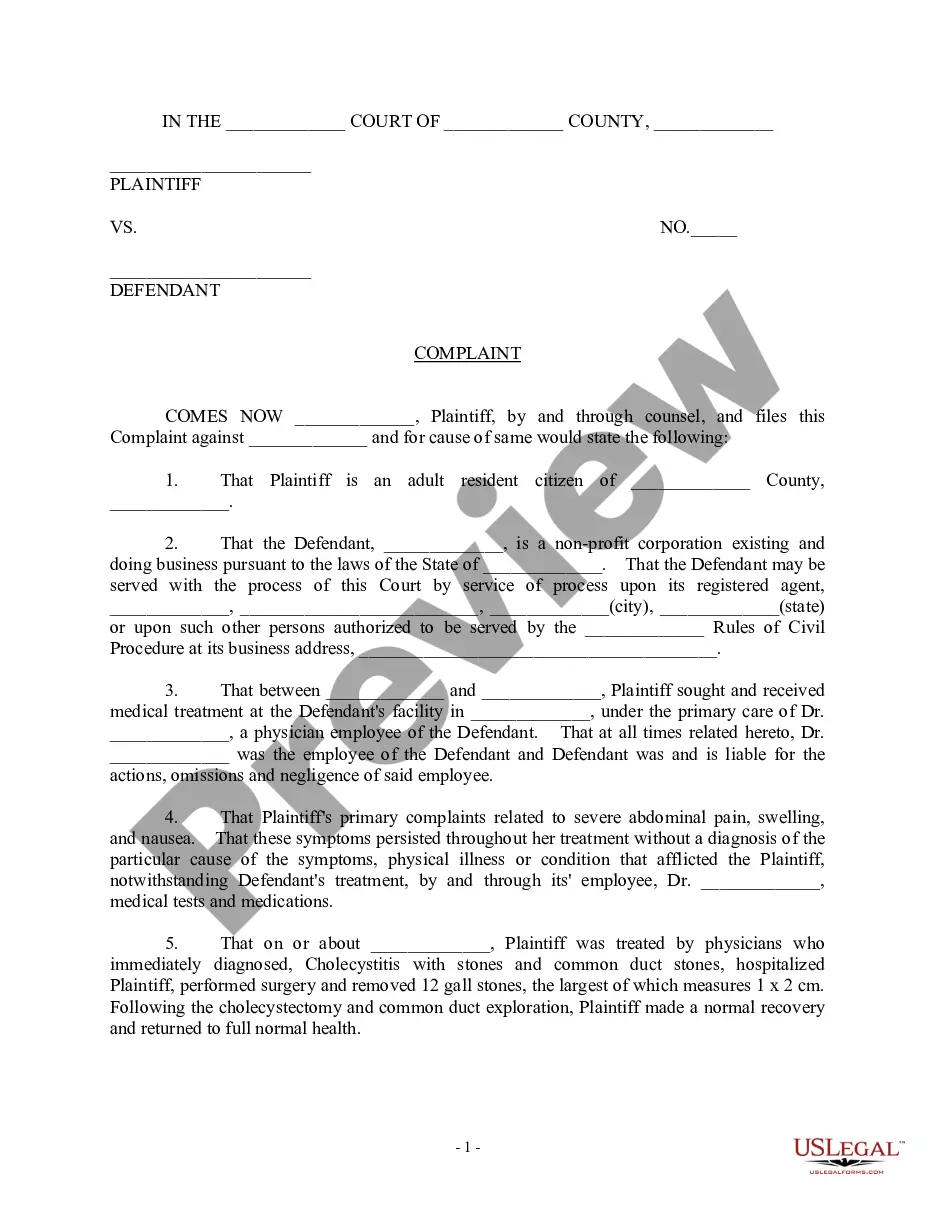
How to fill out Complaint Objecting To Discharge By Bankruptcy Court On The Grounds That Transaction Was Induced By Fraud Regarding Debtor's Financial Condition?
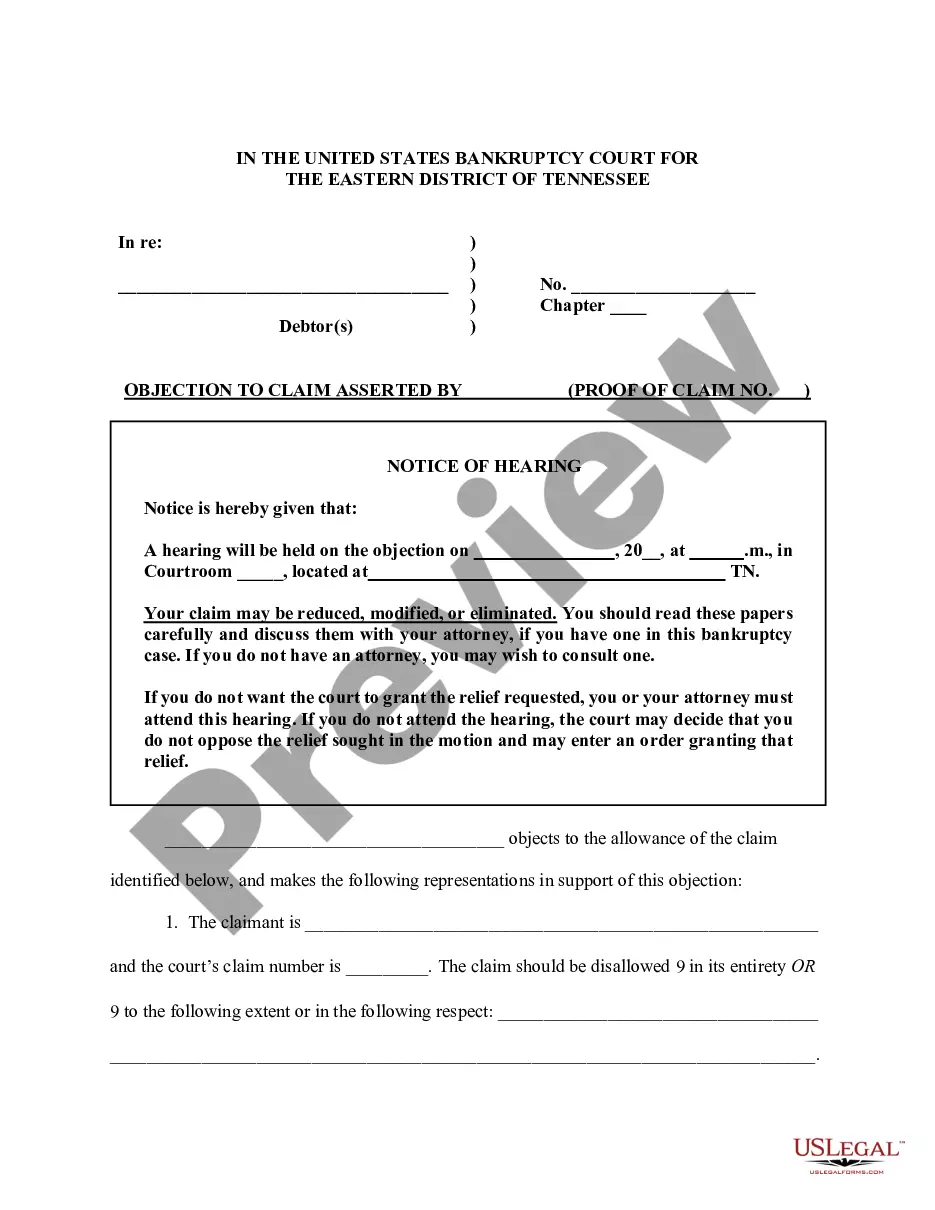
You may devote hrs on the web trying to find the lawful papers template that fits the federal and state needs you want. US Legal Forms provides a large number of lawful types which are reviewed by professionals. It is possible to download or print out the Michigan Complaint Objecting to Discharge by Bankruptcy Court on the Grounds that Transaction was Induced by Fraud Regarding from your support.
If you already have a US Legal Forms profile, you may log in and click on the Download option. Next, you may comprehensive, modify, print out, or signal the Michigan Complaint Objecting to Discharge by Bankruptcy Court on the Grounds that Transaction was Induced by Fraud Regarding. Each lawful papers template you buy is your own eternally. To have another backup associated with a obtained type, check out the My Forms tab and click on the related option.
If you are using the US Legal Forms web site for the first time, stick to the basic recommendations below:
- Very first, ensure that you have chosen the best papers template for your county/city of your choice. Read the type outline to make sure you have picked the appropriate type. If available, use the Review option to search with the papers template also.
- If you wish to discover another model from the type, use the Lookup area to get the template that fits your needs and needs.
- Upon having identified the template you would like, just click Get now to continue.
- Pick the rates program you would like, type your qualifications, and register for a free account on US Legal Forms.
- Full the deal. You may use your Visa or Mastercard or PayPal profile to pay for the lawful type.
- Pick the file format from the papers and download it for your product.
- Make modifications for your papers if necessary. You may comprehensive, modify and signal and print out Michigan Complaint Objecting to Discharge by Bankruptcy Court on the Grounds that Transaction was Induced by Fraud Regarding.
Download and print out a large number of papers layouts making use of the US Legal Forms website, that offers the greatest selection of lawful types. Use skilled and condition-particular layouts to take on your small business or specific requires.
Form popularity
FAQ
The general rule is that all liability claims (or debts) are dischargeable in bankruptcy unless there is something specific in the bankruptcy statutes that states otherwise. In the bankruptcy world, they call these limitations ?exceptions to discharge.?
Filing for Chapter 7 bankruptcy eliminates credit card debt, medical bills and unsecured loans; however, there are some debts that cannot be discharged. Those debts include child support, spousal support obligations, student loans, judgments for damages resulting from drunk driving accidents, and most unpaid taxes.
Key Takeaways. Types of debt that cannot be discharged in bankruptcy include alimony, child support, and certain unpaid taxes. Other types of debt that cannot be alleviated in bankruptcy include debts for willful and malicious injury to another person or property.
If a debt arose from the debtor's intentional wrongdoing, the creditor can object to discharging it. This might involve damages related to a drunk driving accident, for example, or costs caused by intentional damage to an apartment or other property.
Conditions for Denial of Discharge You've hidden, destroyed, or failed to keep adequate records of your assets and financial affairs. You lied or tried to defraud the court or your creditors. You failed to explain any loss of assets. You refused to obey a lawful order of the court.
The court may deny a chapter 7 discharge for any of the reasons described in section 727(a) of the Bankruptcy Code, including failure to provide requested tax documents; failure to complete a course on personal financial management; transfer or concealment of property with intent to hinder, delay, or defraud creditors; ...
Section 523 of the Bankruptcy Code exempts from discharge ?any debt . . . for money, property, services, or an extension, renewal, or refinancing of credit, to the extent obtained by . . . false pretenses, a false representation, or actual fraud. . . .? 11 U.S.C. § 523(a)(2)(A).
In a unanimous decision, the Supreme Court held that § 523(a)(2)(A) of the Bankruptcy Code precludes a debtor from discharging a debt obtained by fraud, regardless of the debtor's own culpability.
If you have been the victim of a financial scam, you may be entitled to file for bankruptcy in a California court. The type of protection that you seek will largely depend on your income, if you own property or if you have the ability to repay your debts over a period of three or five years.