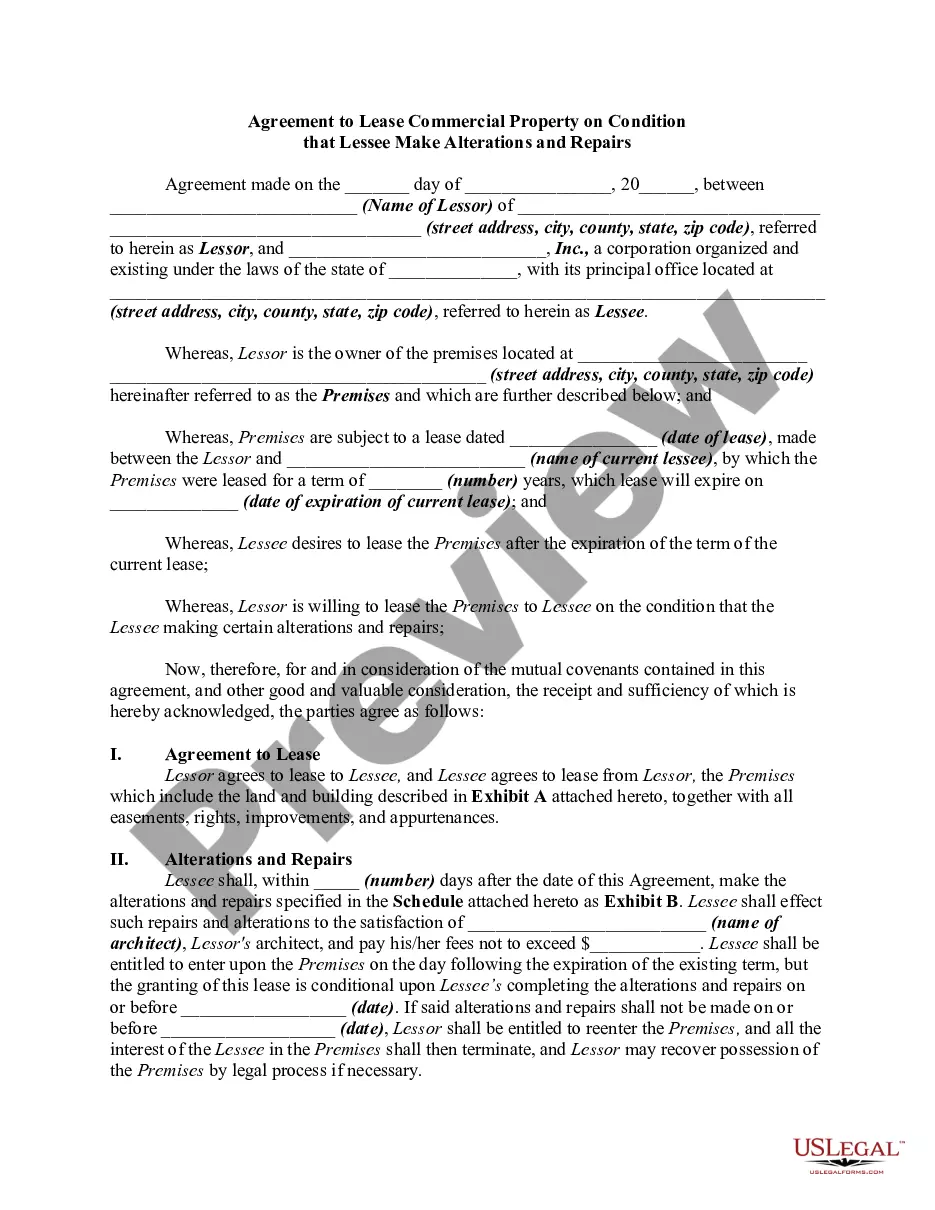
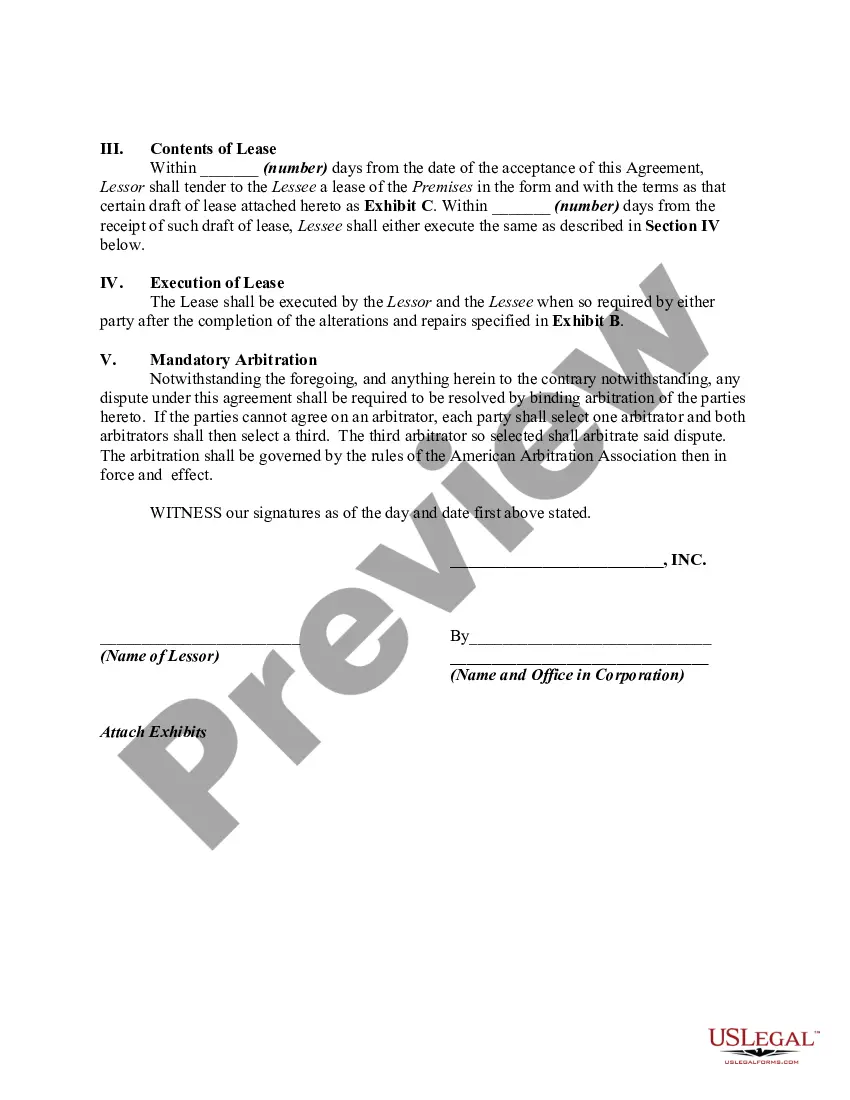
Michigan Agreement to Lease Commercial Property on Condition that Lessee Make Alterations and Repairs
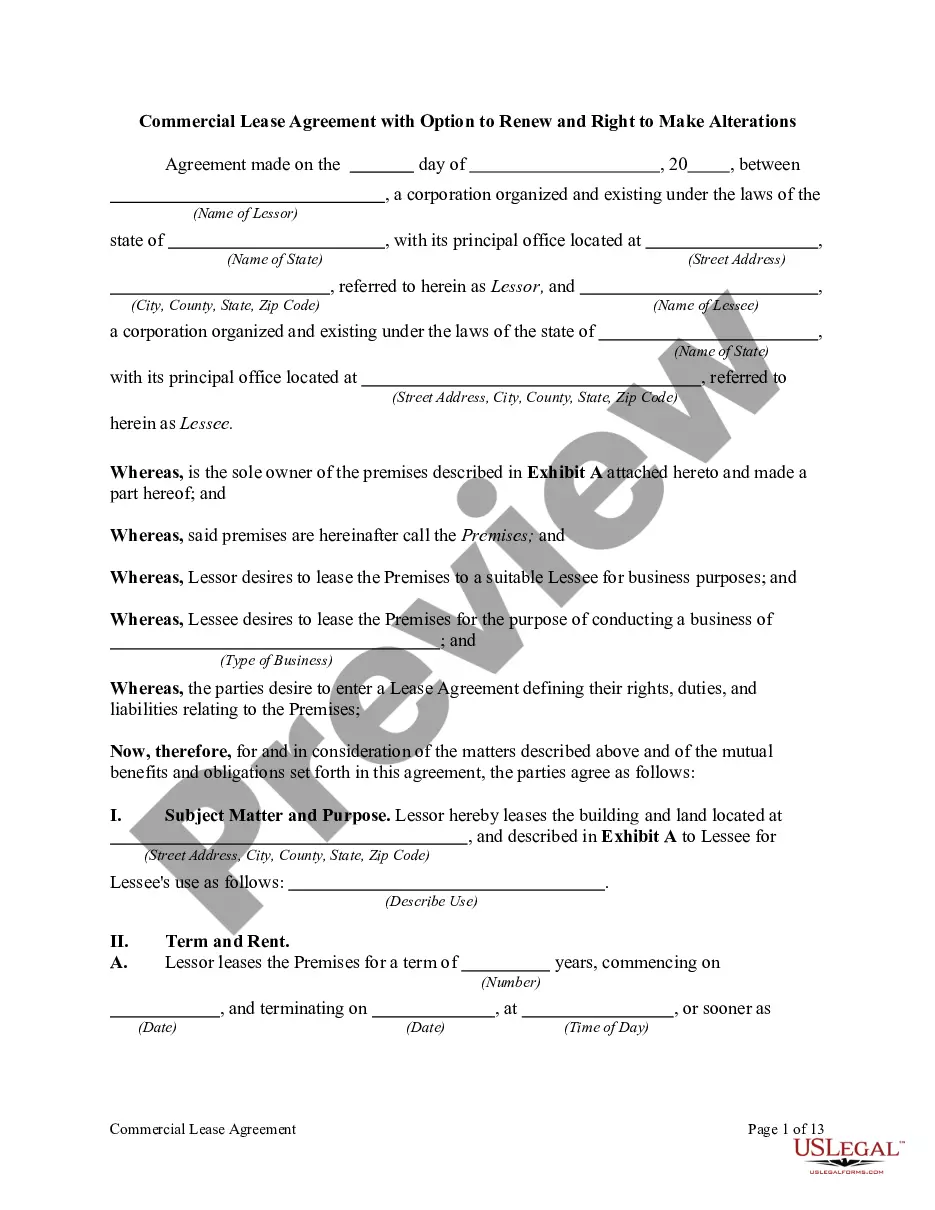
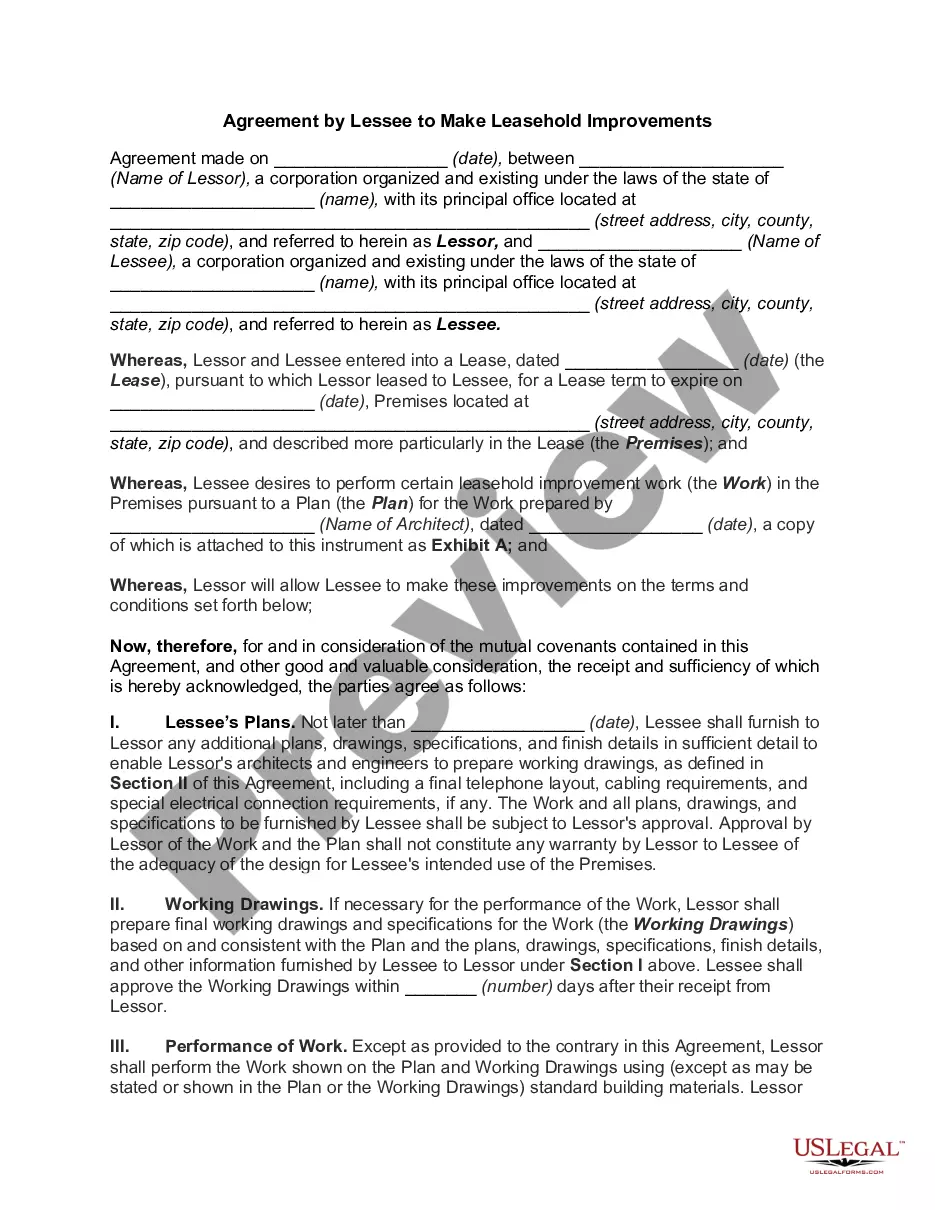
Description
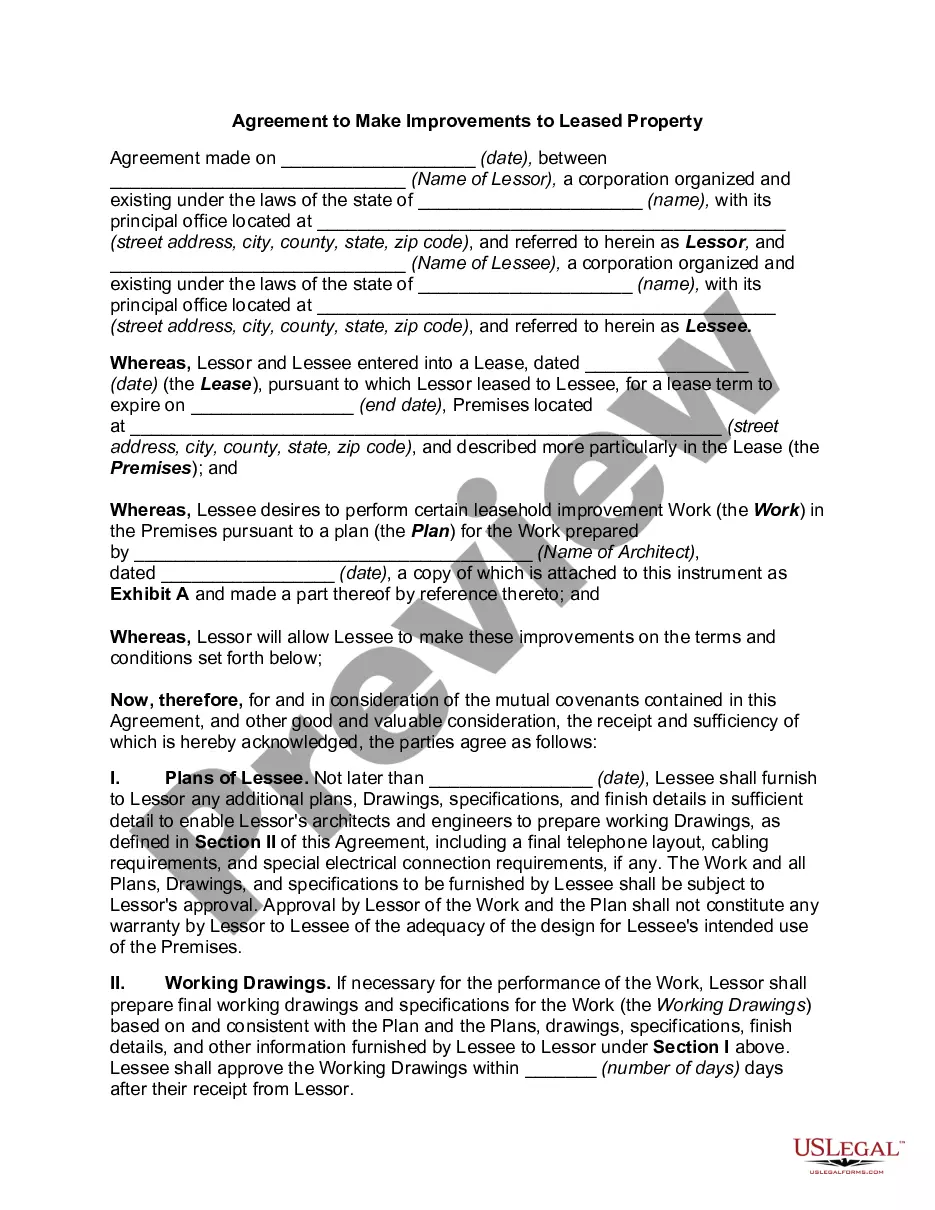
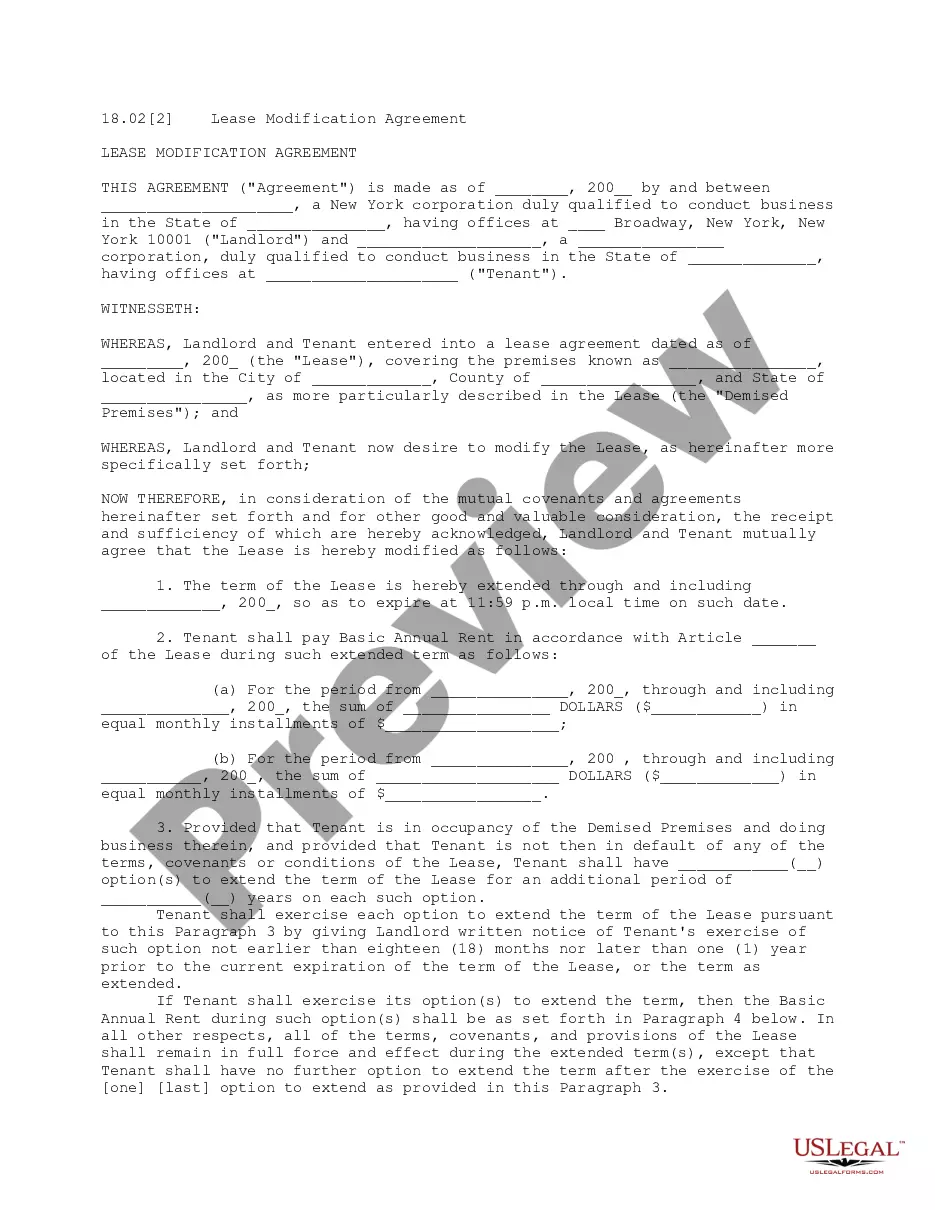
Get your form ready online
Our built-in tools help you complete, sign, share, and store your documents in one place.
Make edits, fill in missing information, and update formatting in US Legal Forms—just like you would in MS Word.
Download a copy, print it, send it by email, or mail it via USPS—whatever works best for your next step.
Sign and collect signatures with our SignNow integration. Send to multiple recipients, set reminders, and more. Go Premium to unlock E-Sign.
If this form requires notarization, complete it online through a secure video call—no need to meet a notary in person or wait for an appointment.
We protect your documents and personal data by following strict security and privacy standards.

Make edits, fill in missing information, and update formatting in US Legal Forms—just like you would in MS Word.

Download a copy, print it, send it by email, or mail it via USPS—whatever works best for your next step.

Sign and collect signatures with our SignNow integration. Send to multiple recipients, set reminders, and more. Go Premium to unlock E-Sign.

If this form requires notarization, complete it online through a secure video call—no need to meet a notary in person or wait for an appointment.

We protect your documents and personal data by following strict security and privacy standards.
Looking for another form?
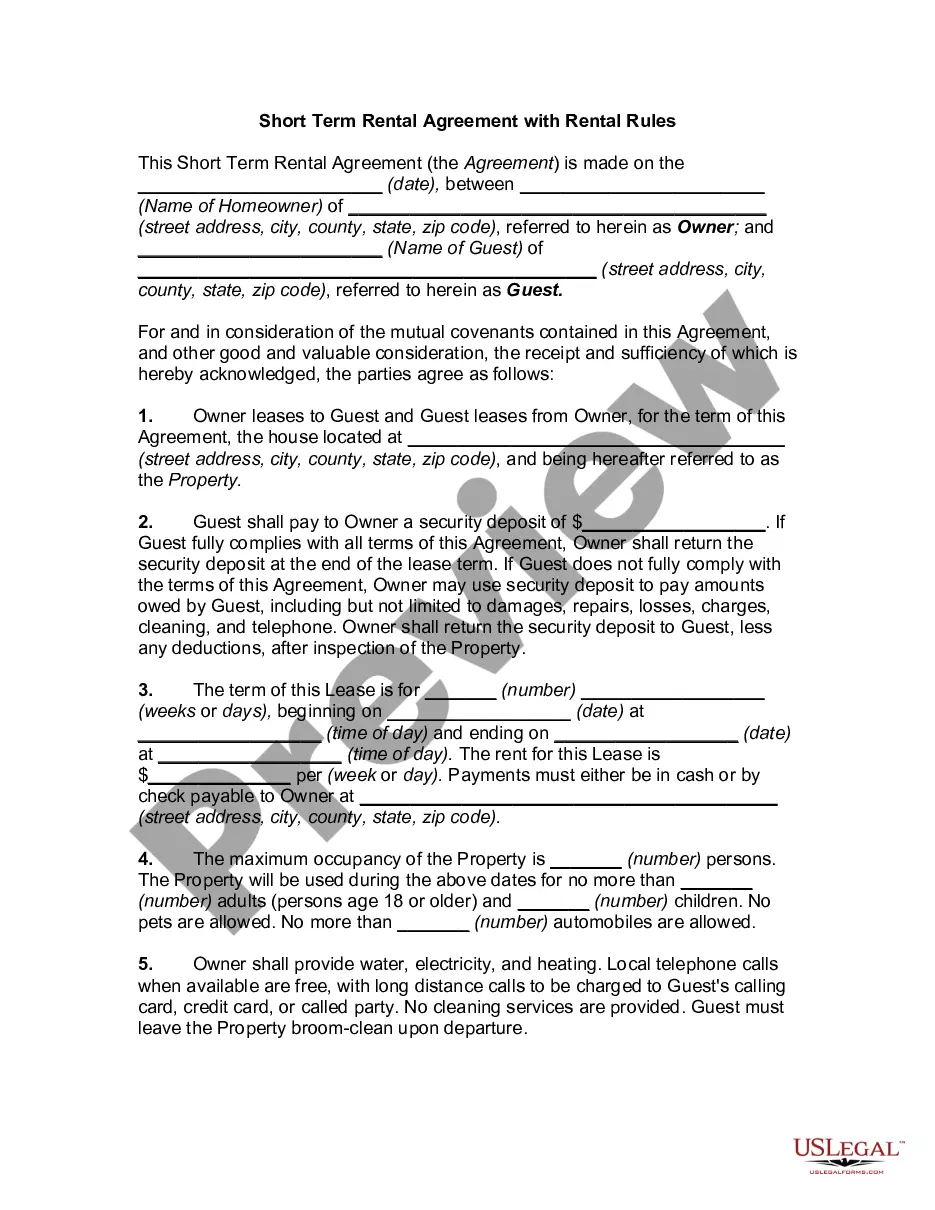
How to fill out Agreement To Lease Commercial Property On Condition That Lessee Make Alterations And Repairs?
US Legal Forms - one of the biggest collections of legitimate templates in the United States - offers a broad selection of legal document templates that can be downloaded or printed.
By using the website, you can access thousands of templates for business and personal purposes, organized by categories, states, or keywords. You can find the most recent versions of documents such as the Michigan Agreement to Lease Commercial Property on the condition that Lessee makes alterations and repairs within minutes.
If you already hold a membership, Log In and download the Michigan Agreement to Lease Commercial Property on the condition that Lessee makes alterations and repairs from the US Legal Forms library. The Download button will be present on each document you view. You can access all previously saved templates from the My documents section of your account.
Finalize the transaction. Use your credit card or PayPal account to complete the payment.
Select the format and download the document to your device. Make modifications. Fill in, edit, print, and sign the saved Michigan Agreement to Lease Commercial Property on the condition that Lessee makes alterations and repairs. Every document you add to your account does not expire and belongs to you indefinitely. So, if you need to download or print another copy, just go to the My documents section and click on the document you need. Access the Michigan Agreement to Lease Commercial Property on the condition that Lessee makes alterations and repairs with US Legal Forms, the largest collection of legal document templates. Use a vast number of professional and state-specific templates that meet your business or personal needs and requirements.
- First, ensure you have selected the correct template for your city/state.
- Click the Preview button to review the contents of the form.
- Check the form details to make sure you have picked the correct document.
- If the document does not meet your requirements, use the Search field at the top of the screen to find one that does.
- If you are satisfied with the document, confirm your choice by clicking the Buy now button.
- Then, select your preferred pricing plan and provide your information to register for an account.
Form popularity
FAQ
The alteration clause in a lease outlines the conditions under which a lessee can make changes to the property. This clause typically specifies what alterations are permitted, the process for obtaining approval, and any obligations related to restoring the property to its original condition upon lease termination. If you are navigating a Michigan Agreement to Lease Commercial Property on Condition that Lessee Make Alterations and Repairs, familiarizing yourself with this clause can help you avoid legal issues.
An alteration qualifies as any physical or structural change made to the leased property. This includes adding walls, changing layouts, or installing new features that did not exist in the original state. Under a Michigan Agreement to Lease Commercial Property on Condition that Lessee Make Alterations and Repairs, it is vital that the lessee communicates these changes to the landlord to ensure alignment with lease expectations.
A lease modification refers to any change in the terms of the original lease agreement, such as adjusting rental amounts or altering maintenance responsibilities. These modifications must be documented to ensure both parties have a clear understanding of their rights and obligations. If you are using a Michigan Agreement to Lease Commercial Property on Condition that Lessee Make Alterations and Repairs, it is wise to consult legal advice to guide you through the modification process.
Alterations are typically changes made to the existing structure of a leased space, while improvements enhance the space's overall value or functionality. For instance, installing new shelving could be seen as an alteration, whereas upgrading the electrical system might be considered an improvement. When entering into a Michigan Agreement to Lease Commercial Property on Condition that Lessee Make Alterations and Repairs, it's essential to clarify these distinctions to avoid disputes.
An alteration in a lease refers to any change made to the leased property by the lessee. This can include modifications such as painting, adding partitions, or upgrading fixtures. Under a Michigan Agreement to Lease Commercial Property on Condition that Lessee Make Alterations and Repairs, these changes usually require landlord approval. Understanding this concept is crucial for ensuring compliance with the lease terms.
At the end of a commercial lease, several outcomes can occur, including renewal options, lease termination, or negotiation for new terms. The Michigan Agreement to Lease Commercial Property on Condition that Lessee Make Alterations and Repairs may provide specific guidelines for the conclusion of the lease. It's vital to review all terms related to the lease expiration to ensure a smooth transition, whether you decide to relocate or continue the current arrangement. Engaging legal advice can clarify your rights and responsibilities as the lease concludes.
In a lease, alterations refer to modifications or improvements made to the property that change its physical structure or appearance. The terms of the Michigan Agreement to Lease Commercial Property on Condition that Lessee Make Alterations and Repairs typically define what constitutes alterations and the approval process for them. Understanding this definition helps tenants navigate their rights and obligations regarding property improvements. Always consult your lease for specific language on alterations to avoid misunderstandings.
For a lessee, improvements to leased property are generally recorded as assets on the balance sheet if they extend the property's useful life or enhance its value. Under the Michigan Agreement to Lease Commercial Property on Condition that Lessee Make Alterations and Repairs, these improvements may amortize over the lease term or their useful life. This treatment allows businesses to accurately reflect their investment in the property while complying with accounting standards. Consulting with a financial advisor is recommended for precise reporting.
Yes, you can typically renovate a leased commercial property, but you must first obtain the landlord's consent unless the lease allows for alterations without approval. The Michigan Agreement to Lease Commercial Property on Condition that Lessee Make Alterations and Repairs often outlines specific conditions for renovations. It's important to document any agreed-upon changes in writing to protect both parties' interests. Always check your lease agreement before initiating any renovations.
The no alterations clause in a lease prevents the tenant from making any changes or modifications to the property without the landlord's permission. This clause is significant in a Michigan Agreement to Lease Commercial Property on Condition that Lessee Make Alterations and Repairs, as it establishes clear boundaries for both parties. Understanding this clause helps tenants plan their use of the space effectively while ensuring compliance with lease terms. It's important to review this clause carefully before signing to avoid potential disputes.