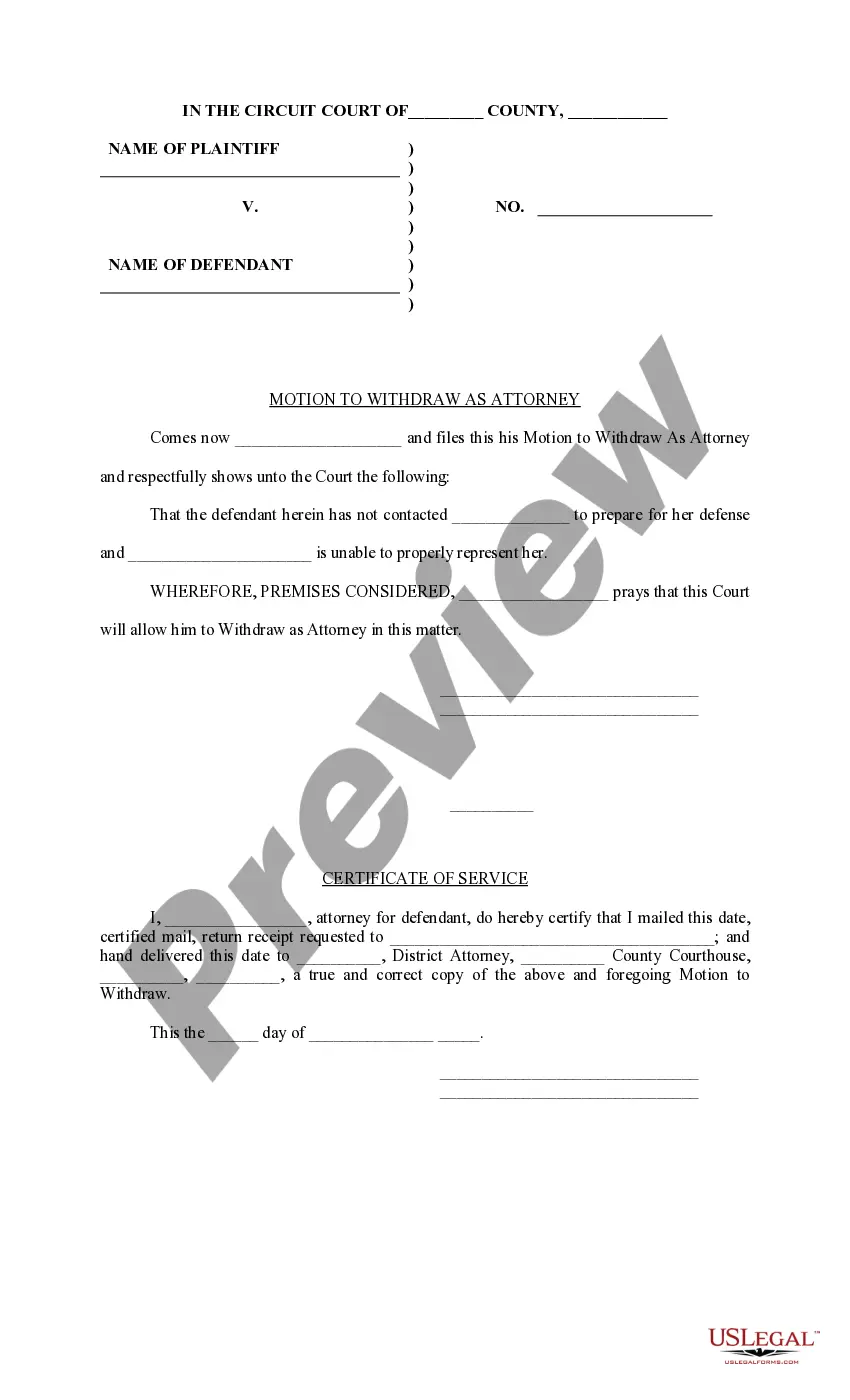
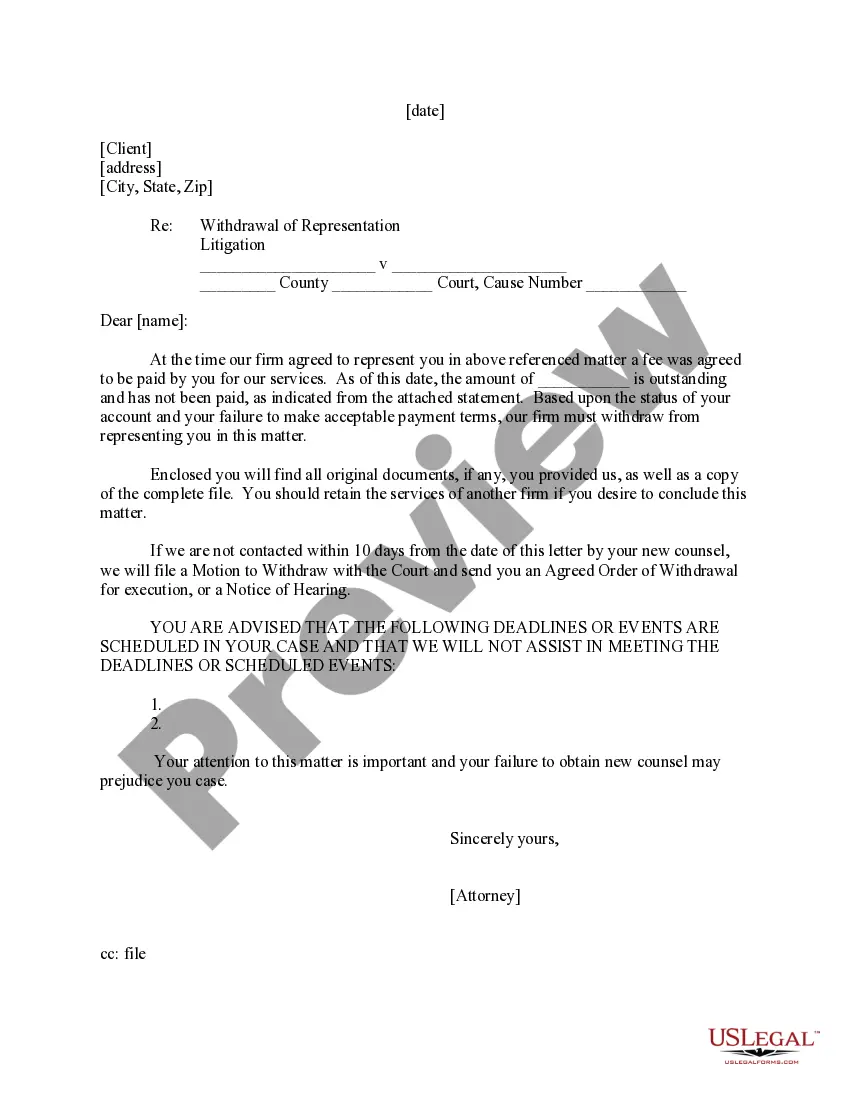
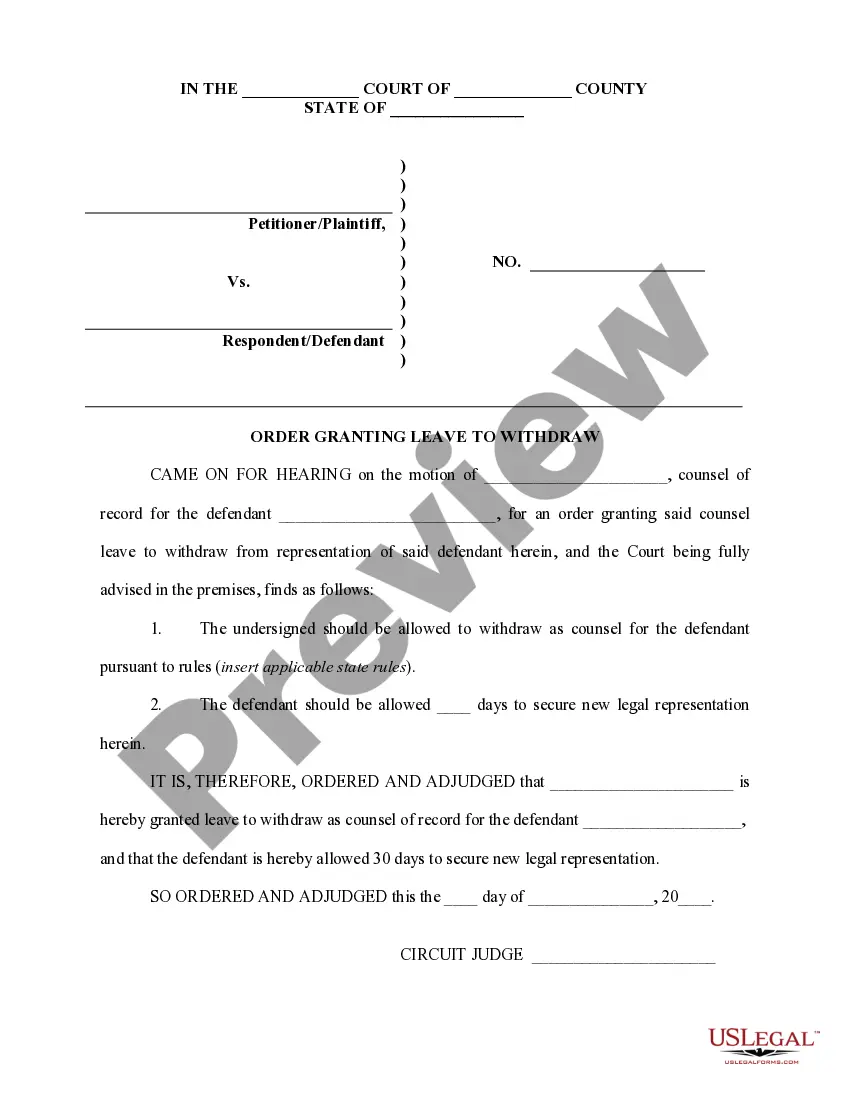
Michigan Motion to Withdraw as Attorney
Description
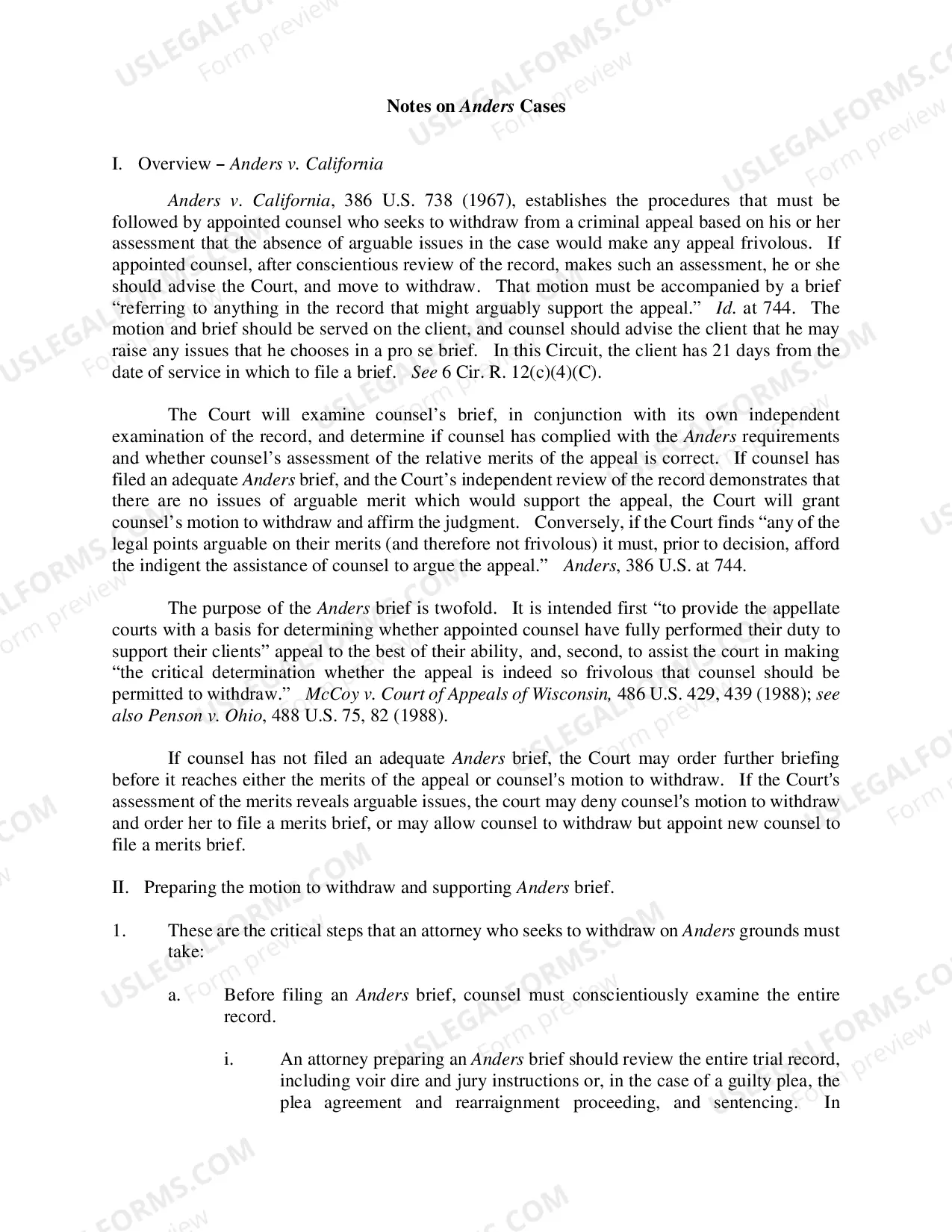
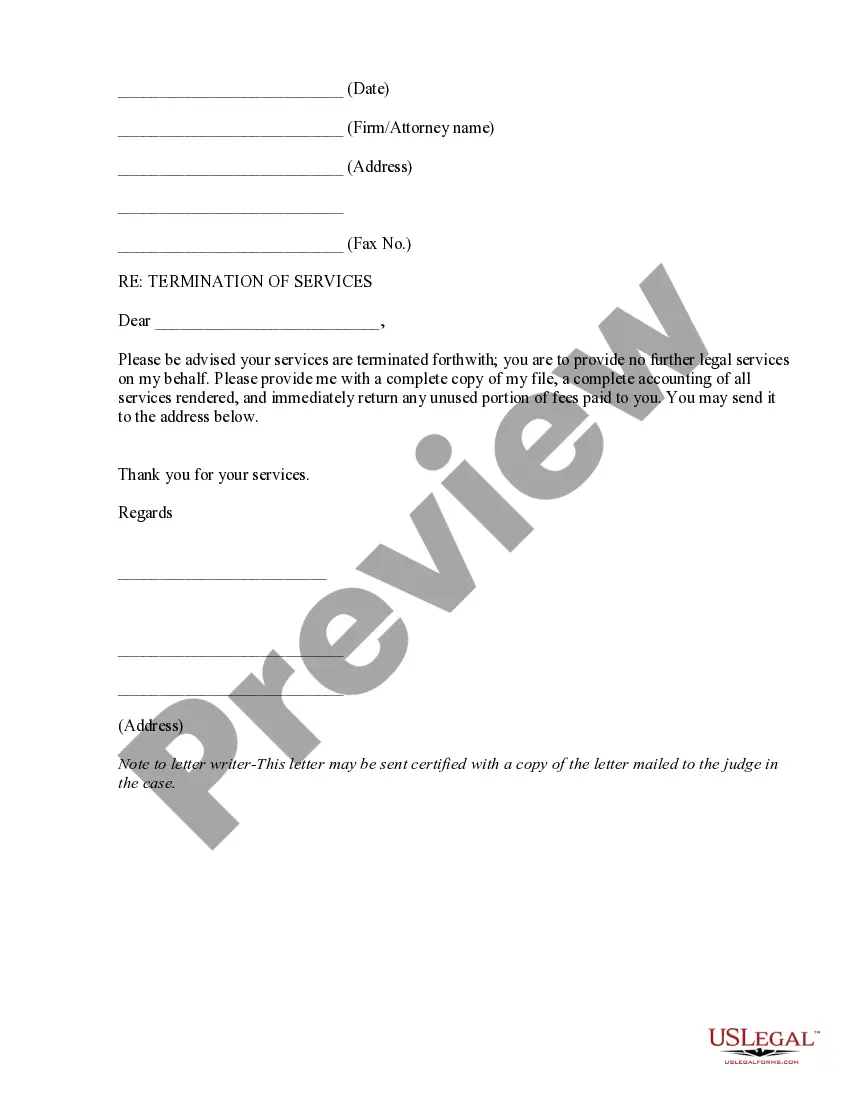
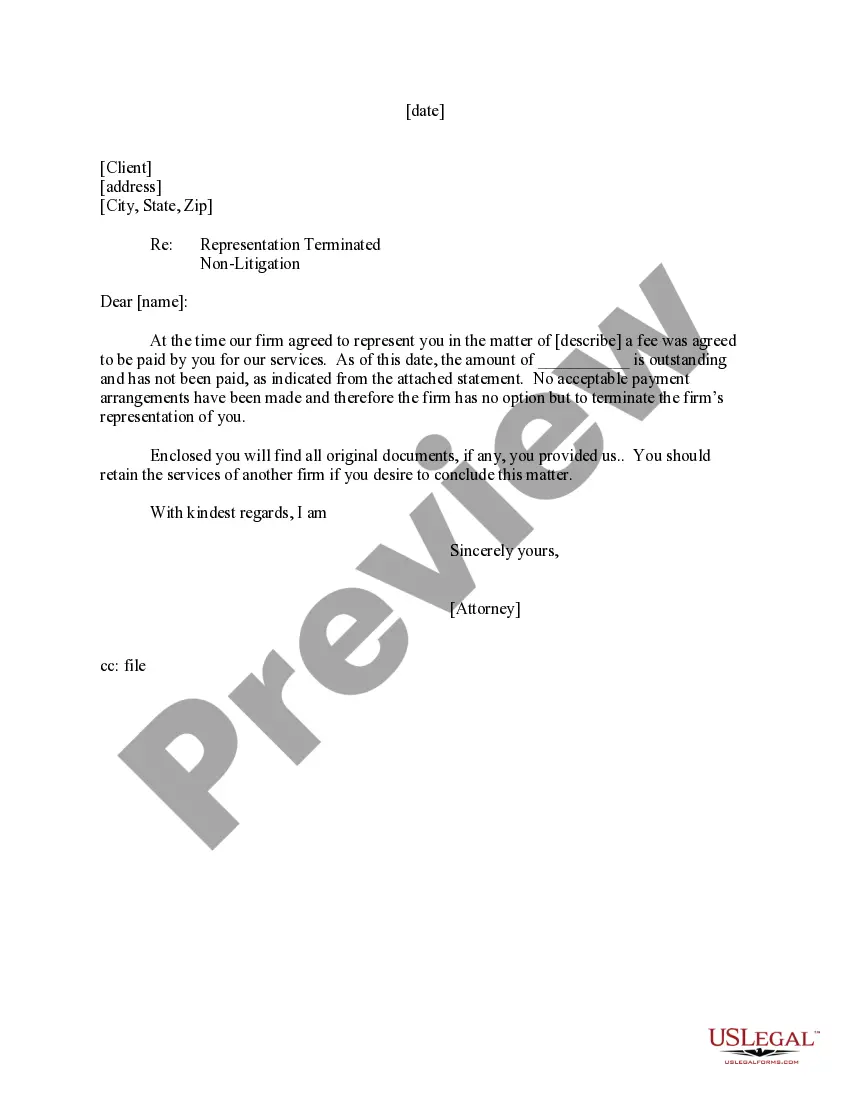
Get your form ready online
Our built-in tools help you complete, sign, share, and store your documents in one place.
Make edits, fill in missing information, and update formatting in US Legal Forms—just like you would in MS Word.
Download a copy, print it, send it by email, or mail it via USPS—whatever works best for your next step.
Sign and collect signatures with our SignNow integration. Send to multiple recipients, set reminders, and more. Go Premium to unlock E-Sign.
If this form requires notarization, complete it online through a secure video call—no need to meet a notary in person or wait for an appointment.
We protect your documents and personal data by following strict security and privacy standards.

Make edits, fill in missing information, and update formatting in US Legal Forms—just like you would in MS Word.

Download a copy, print it, send it by email, or mail it via USPS—whatever works best for your next step.

Sign and collect signatures with our SignNow integration. Send to multiple recipients, set reminders, and more. Go Premium to unlock E-Sign.

If this form requires notarization, complete it online through a secure video call—no need to meet a notary in person or wait for an appointment.

We protect your documents and personal data by following strict security and privacy standards.
Looking for another form?
How to fill out Motion To Withdraw As Attorney?
If you need to acquire, obtain, or create legal document templates, utilize US Legal Forms, the top collection of legal forms available online.
Leverage the website's straightforward and user-friendly search to find the documents you need.
Numerous templates for business and personal purposes are categorized by types and claims, or keywords.
Step 4. Once you have found the form you need, click the Buy now button. Choose the pricing plan you prefer and enter your details to register for the account.
Step 5. Complete the transaction. You can use your credit card or PayPal account to finalize the payment.
- Use US Legal Forms to get the Michigan Motion to Withdraw as Attorney in just a few clicks.
- If you are already a US Legal Forms user, Log Into your account and click the Obtain button to access the Michigan Motion to Withdraw as Attorney.
- You can also retrieve forms you previously saved in the My documents section of your account.
- If you're using US Legal Forms for the first time, follow these steps.
- Step 1. Confirm you have selected the form for the correct city/state.
- Step 2. Use the Preview option to review the form's content. Be sure to read the description.
- Step 3. If you are not satisfied with the form, utilize the Search area at the top of the page to find alternative versions of the legal form template.
Form popularity
FAQ
A motion to disqualify counsel is the proper method for a party to bring to the court's attention an alleged conflict of interest or breach of ethical duty by opposing counsel. See DeBiasi v. Charter County of Wayne, 284 F.
(1) A durable power of attorney is a power of attorney by which a principal designates another as the principal's attorney-in-fact in a writing that contains the words "This power of attorney is not affected by the principal's subsequent disability or incapacity, or by the lapse of time", or "This power of attorney is ...
This matter is governed principally by MRPC 3.7. That rule provides as follows: Rule 3.7 Lawyer as Witness. "(b) A lawyer may act as advocate in a trial in which another lawyer in the lawyer's firm is likely to be called as a witness unless precluded from doing so by Rule 1.7 or Rule 1.9."
Specifically, the Michigan rules also state that your lawyer isn't permitted to ?(1) reveal a confidence or secret of a client; (2) use a confidence or secret of a client to the disadvantage of the client; or (3) use a confidence or secret of a client for the advantage of the lawyer or of a third person, unless the ...
Rule: 4.4 Respect for Rights of Third Persons In representing a client, a lawyer shall not use means that have no substantial purpose other than to embarrass, delay, or burden a third person, or use methods of obtaining evidence that violate the legal rights of such a person.
"In representing a client, a lawyer shall not communicate about the subject of the representation with a party whom the lawyer knows to be represented in the matter by another lawyer, unless the lawyer has the consent of the other lawyer or is authorized by law to do so."
Rule 3.6 sets forth a basic general prohibition against a lawyer's making statements that the lawyer knows or should know will have a substantial likelihood of materially prejudicing an adjudicative proceeding.