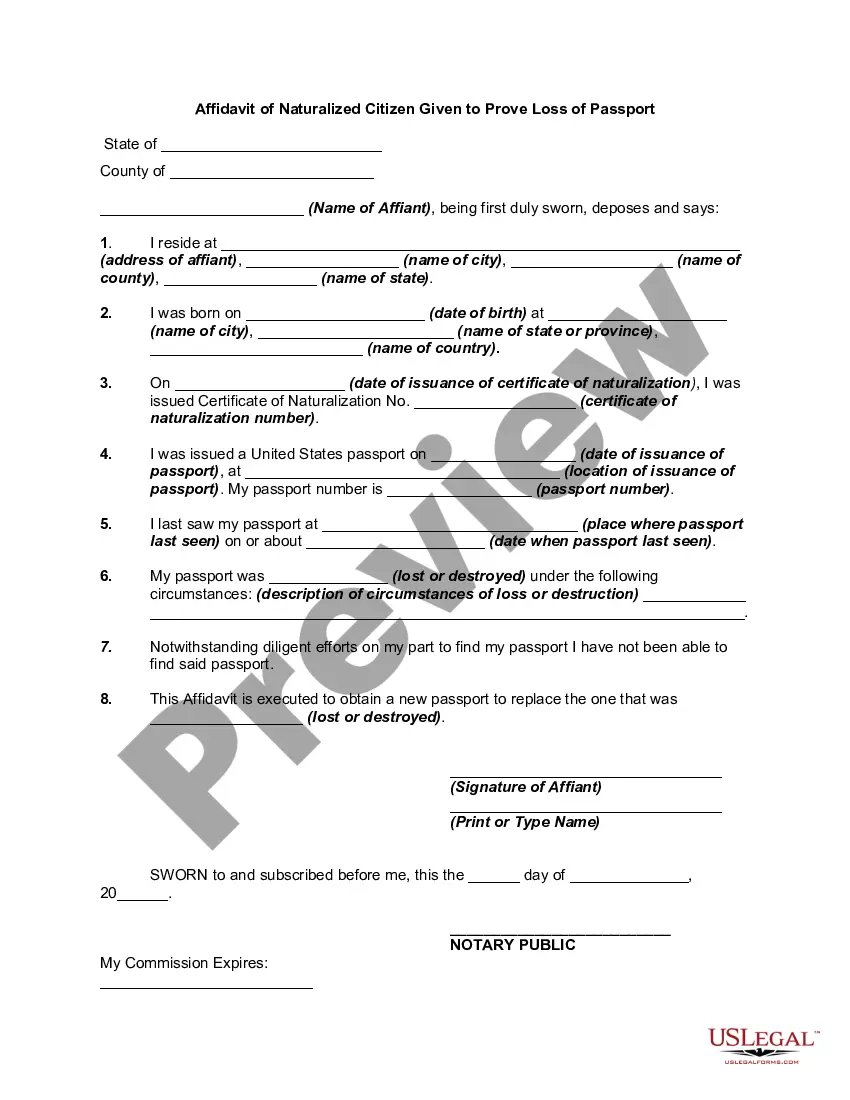
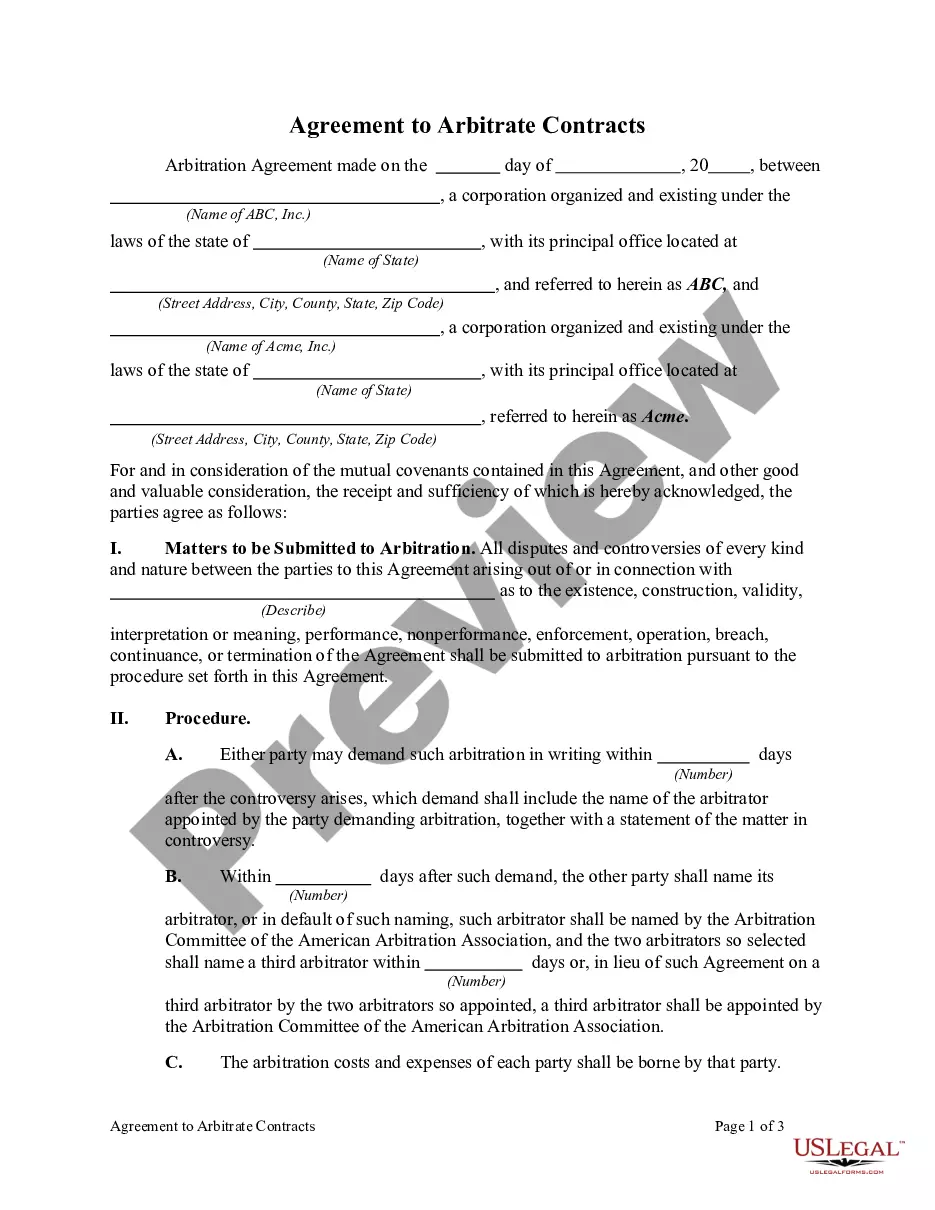
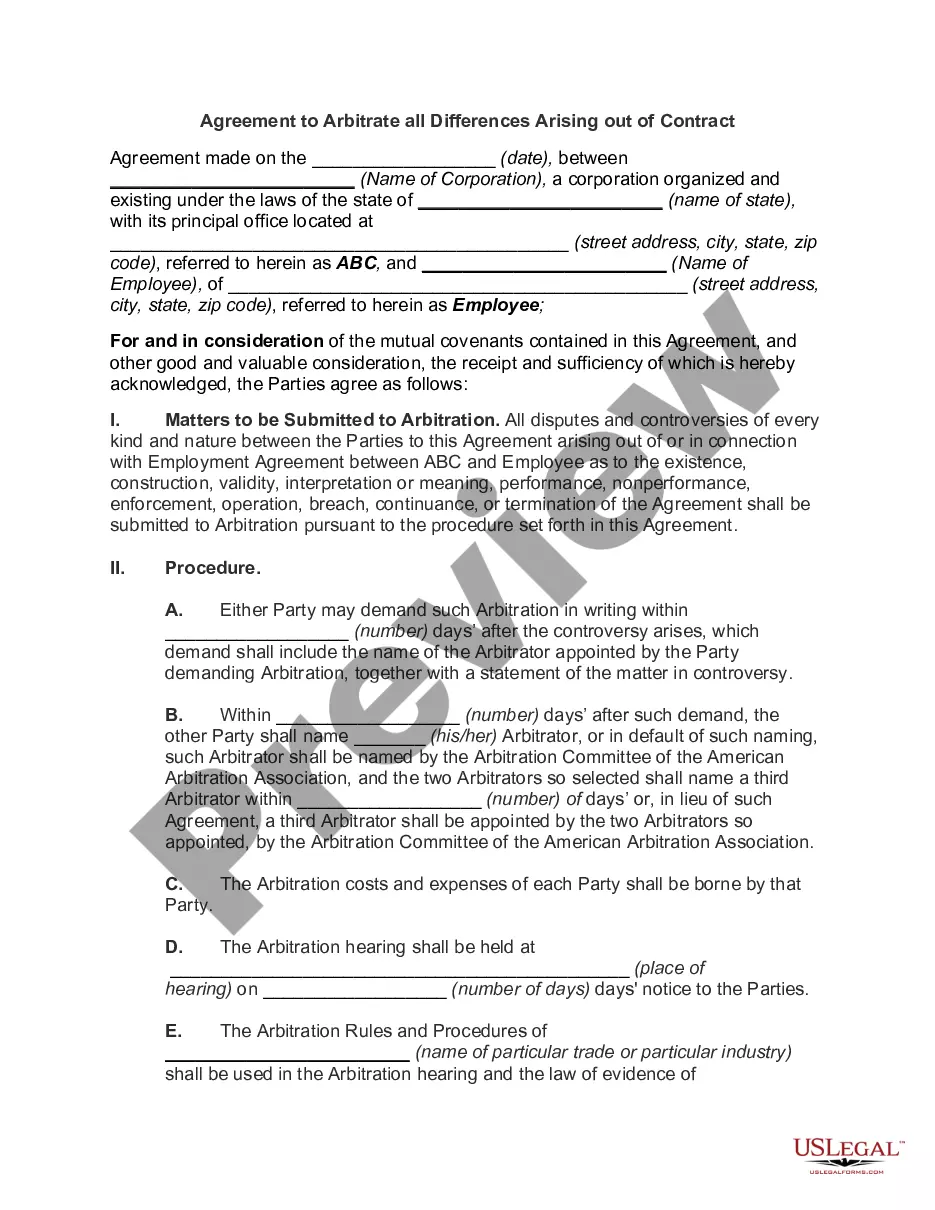
Michigan Arbitration Agreement for Divorce
Description
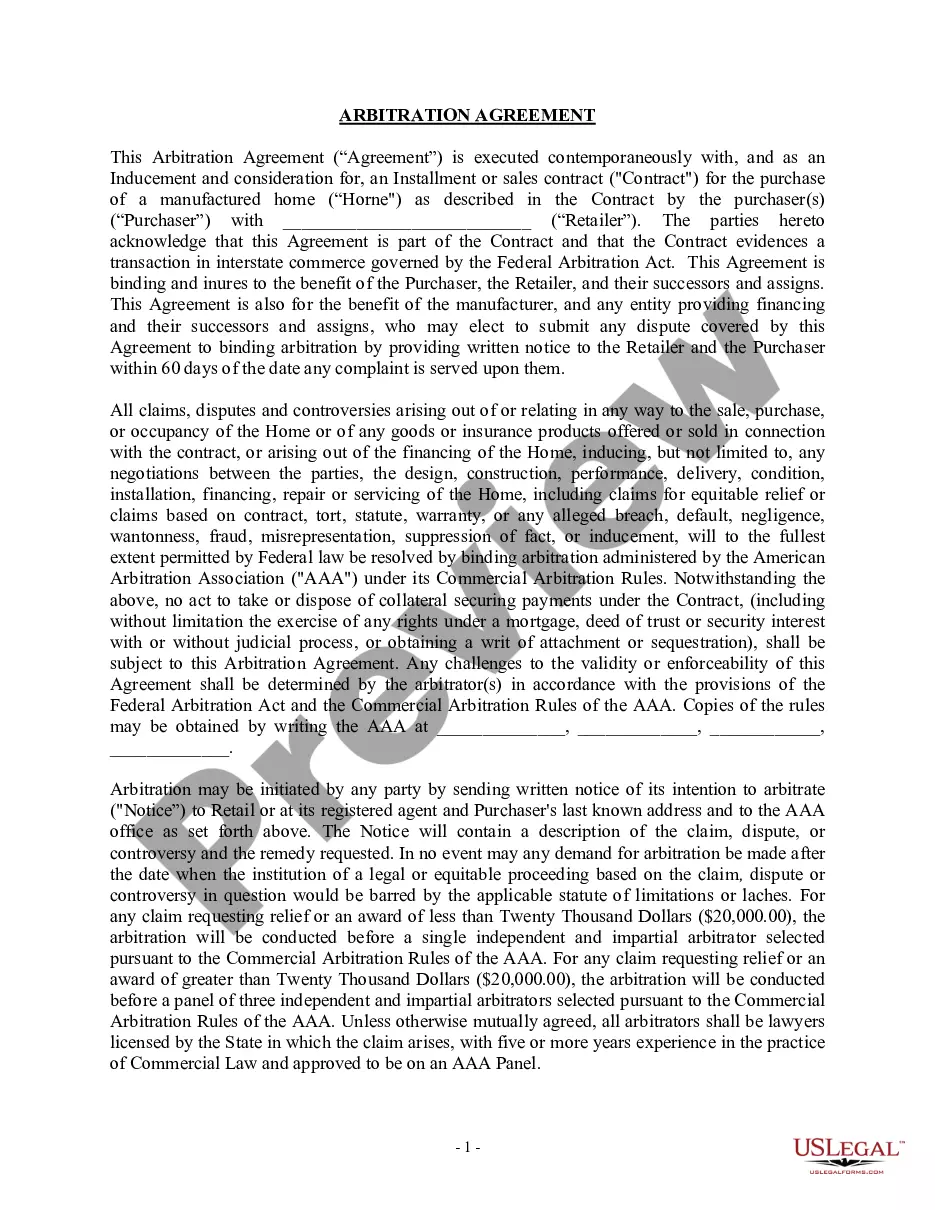
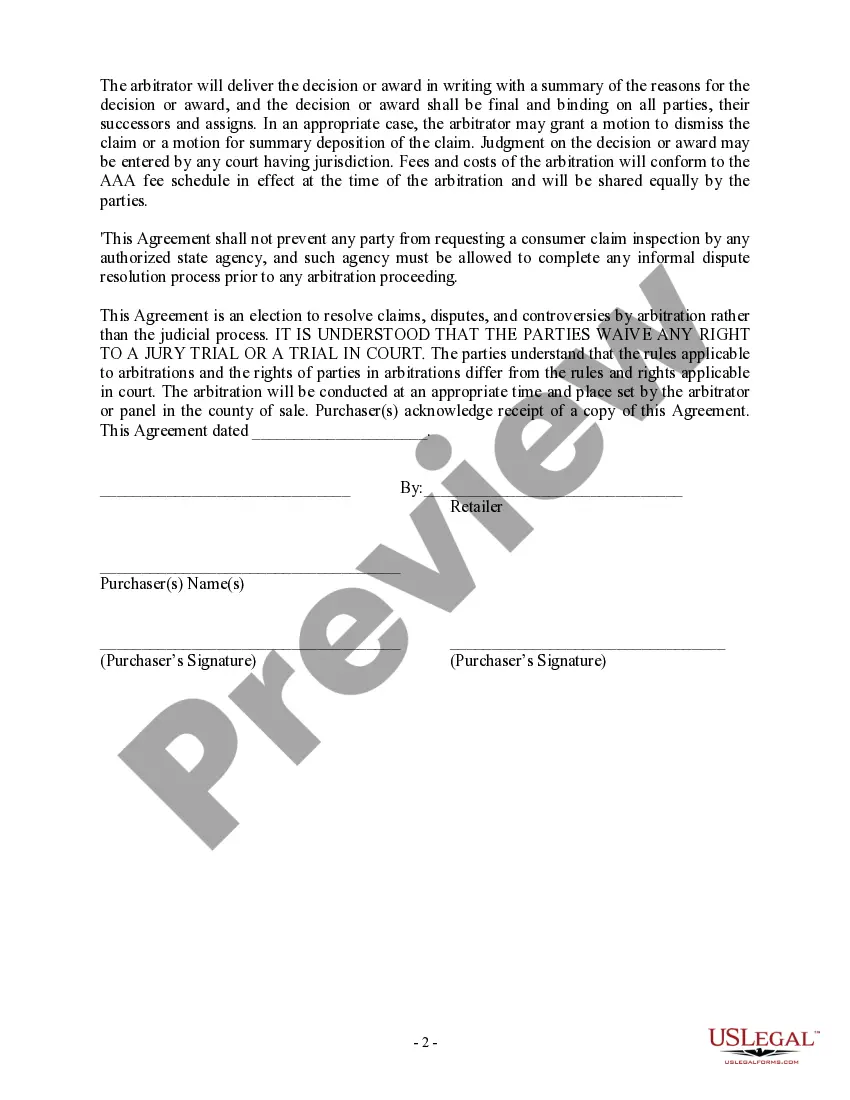


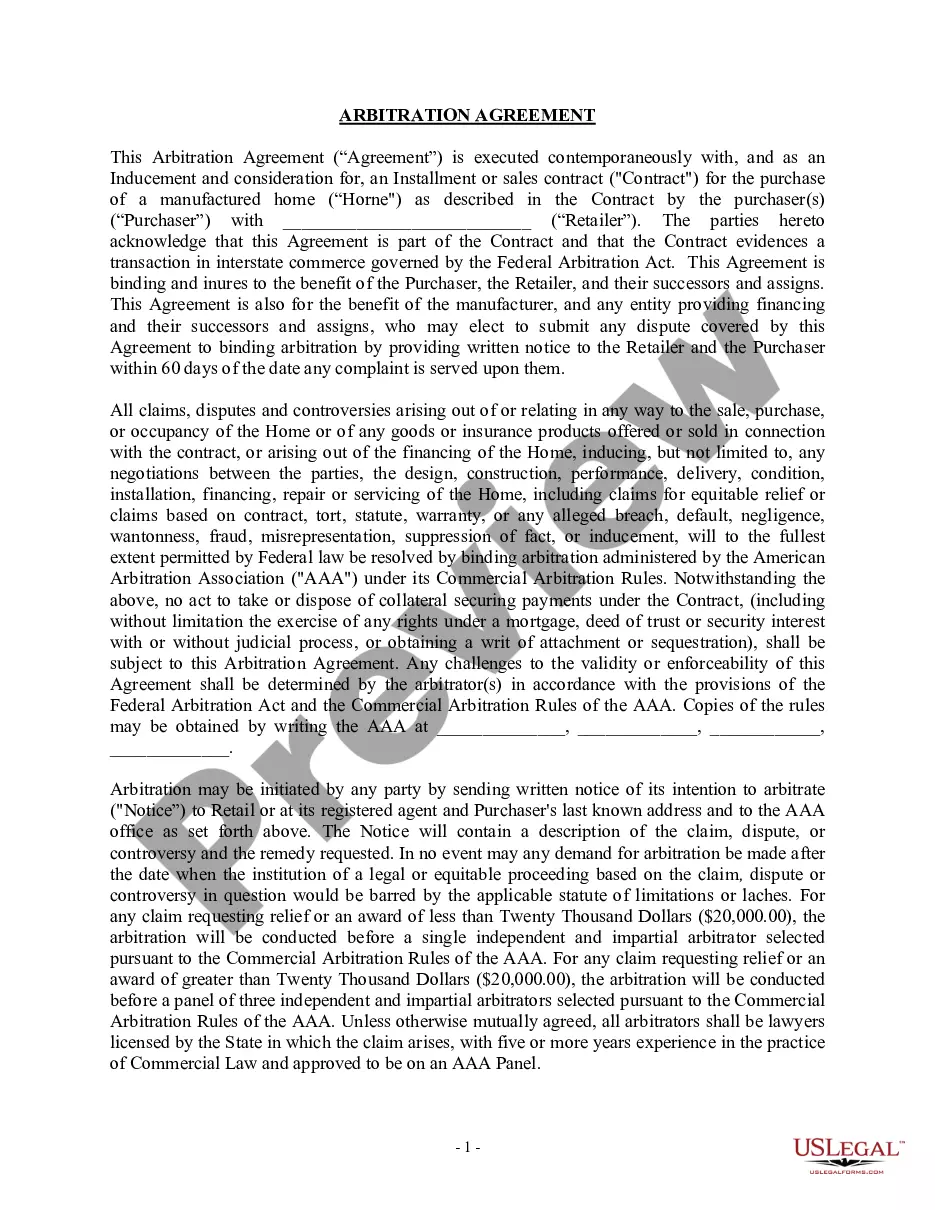
Get your form ready online
Our built-in tools help you complete, sign, share, and store your documents in one place.
Make edits, fill in missing information, and update formatting in US Legal Forms—just like you would in MS Word.
Download a copy, print it, send it by email, or mail it via USPS—whatever works best for your next step.
Sign and collect signatures with our SignNow integration. Send to multiple recipients, set reminders, and more. Go Premium to unlock E-Sign.
If this form requires notarization, complete it online through a secure video call—no need to meet a notary in person or wait for an appointment.
We protect your documents and personal data by following strict security and privacy standards.

Make edits, fill in missing information, and update formatting in US Legal Forms—just like you would in MS Word.

Download a copy, print it, send it by email, or mail it via USPS—whatever works best for your next step.

Sign and collect signatures with our SignNow integration. Send to multiple recipients, set reminders, and more. Go Premium to unlock E-Sign.

If this form requires notarization, complete it online through a secure video call—no need to meet a notary in person or wait for an appointment.

We protect your documents and personal data by following strict security and privacy standards.
Looking for another form?



How to fill out Arbitration Agreement For Divorce?
Are you currently in a location where you frequently require documents for occasional business or personal purposes.
There are numerous reliable document templates available online, but finding ones you can trust can be challenging.
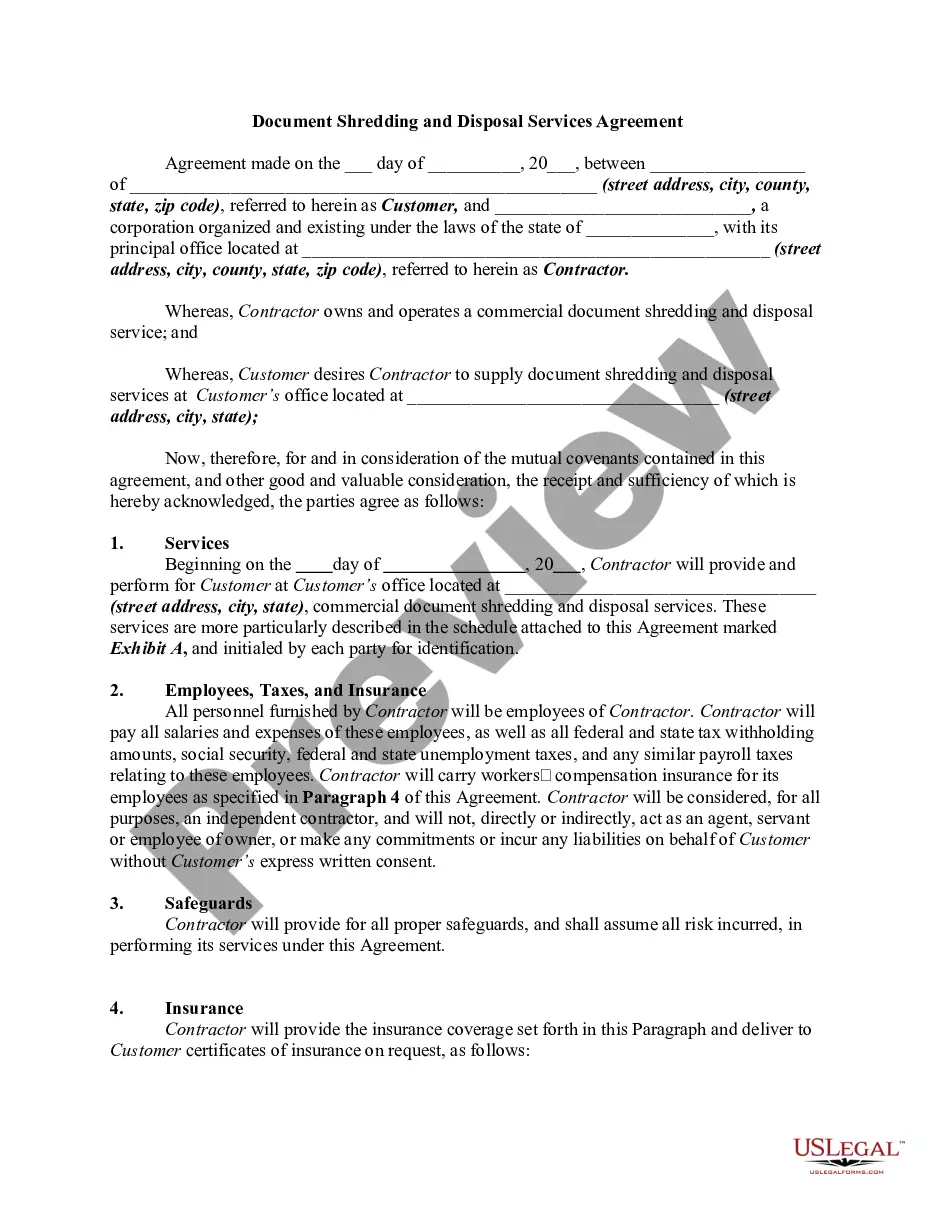
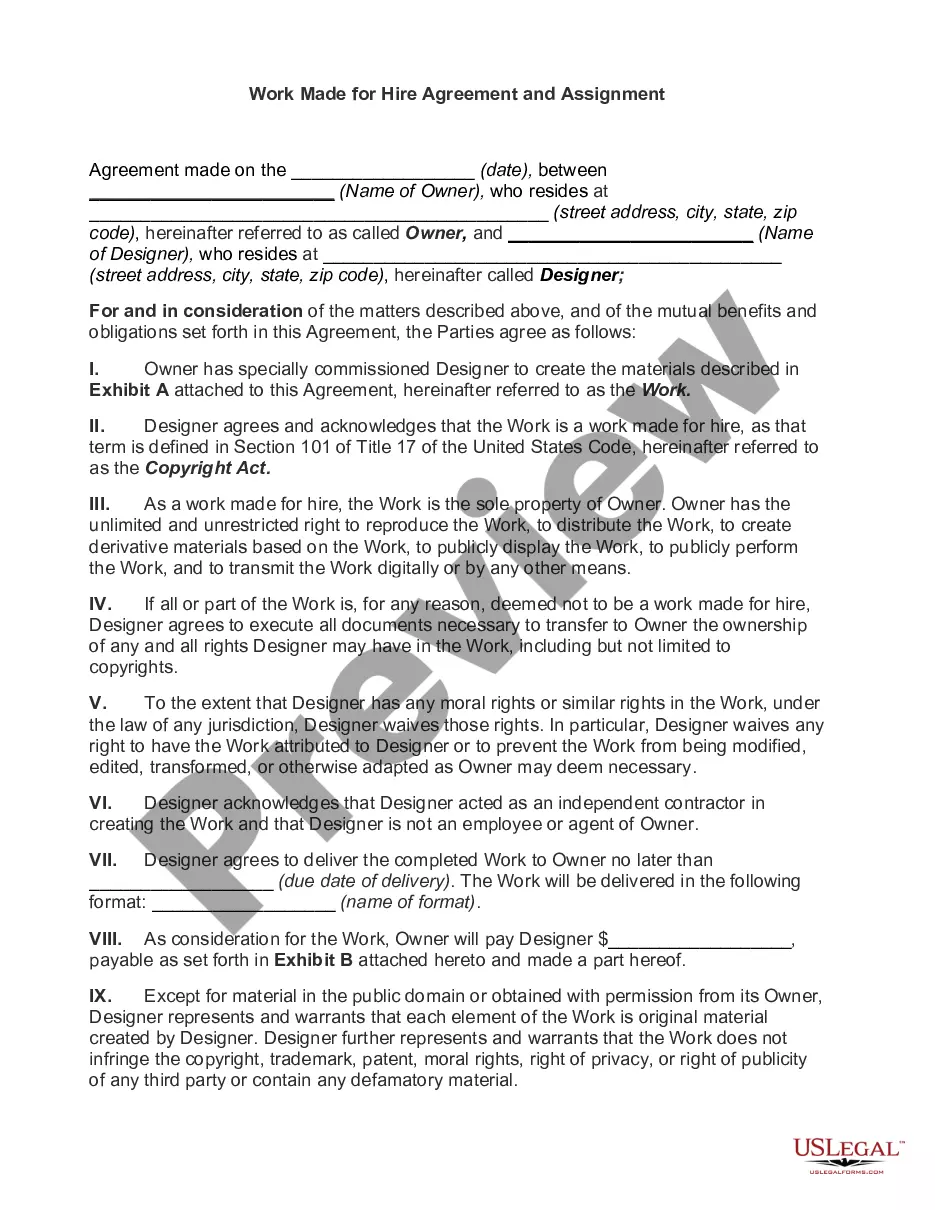
US Legal Forms offers thousands of document templates, including the Michigan Arbitration Agreement for Divorce, which can be customized to comply with federal and state regulations.
Once you find the right form, click on Acquire now.
Choose the pricing plan you prefer, fill in the necessary information to create your account, and pay for the transaction using your PayPal or credit card.
- If you are already familiar with the US Legal Forms website and have an account, just Log In.
- Then, you can download the Michigan Arbitration Agreement for Divorce template.
- If you don’t have an account and want to start using US Legal Forms, follow these steps.
- Select the form you need and ensure it is for the correct jurisdiction.
- Use the Review button to check the form.
- Read the description to confirm that you have chosen the correct template.
- If the form is not what you are looking for, use the Search field to find the template that meets your needs.
Form popularity
FAQ
Arbitration in a divorce allows couples to settle their differences with the help of a neutral arbitrator. The arbitration process includes presenting evidence and arguments related to division of assets, custody, and support. Once the arbitrator issues a decision, it holds the same weight as a court order. Couples can benefit from a Michigan Arbitration Agreement for Divorce to ensure a structured and efficient resolution to their divorce matters.
In Michigan, only one spouse needs to initiate the divorce process, but both parties can have a say in the terms. If both parties agree on divorce terms, it can simplify the proceedings significantly. A Michigan Arbitration Agreement for Divorce can serve as a practical tool in this scenario, promoting collaboration and mutual understanding during negotiations.
In Michigan, arbitration involves an impartial third party who helps resolve disputes outside of court. The parties present their case and evidence, after which the arbitrator makes a binding decision. This process can be faster and less expensive than traditional litigation. Utilizing a Michigan Arbitration Agreement for Divorce can lead to a smoother resolution for couples facing marital separation.
In arbitration, you should avoid making inflammatory statements or unsubstantiated claims. It's essential to stick to facts and specifics relevant to the Michigan Arbitration Agreement for Divorce. Maintaining professionalism will enhance your credibility and the overall effectiveness of your presentation.
Typically, the party that presents a stronger case with clearer evidence and persuasive arguments wins in arbitration. The Michigan Arbitration Agreement for Divorce emphasizes fairness and unbiased decision-making by the arbitrator. Consequently, preparation plays a crucial role in who ultimately prevails.
During arbitration, avoid emotional outbursts and irrelevant arguments. Stay focused on your specific claims in line with the Michigan Arbitration Agreement for Divorce. Maintaining composure and respect towards the arbitrator and opposing party can significantly impact the proceedings.
You may want to think twice before agreeing to arbitration if you seek a public record or wish to maintain the ability to appeal decisions. While the Michigan Arbitration Agreement for Divorce provides a faster resolution, it often limits your recourse options in case of an unfavorable outcome. Evaluating both sides will help you make an informed decision.
Defending yourself in arbitration requires thorough preparation and a clear understanding of the Michigan Arbitration Agreement for Divorce. Present compelling evidence, and clearly articulate your arguments. It is advisable to engage a qualified attorney who can help you navigate the complexities of the arbitration process effectively.
The arbitration process for divorce involves several steps, beginning with the selection of an arbitrator who is knowledgeable in family law. Parties submit their cases and evidence, and the arbitrator makes a binding decision based on the Michigan Arbitration Agreement for Divorce. This streamlined process often leads to a resolution without the lengthy court proceedings.
Some matters, such as criminal cases or issues requiring public enforcement, are typically not suitable for arbitration. Notably, disputes over child custody and support may fall outside the Michigan Arbitration Agreement for Divorce scope. Consequently, it is essential to understand what can and cannot be addressed through this process to avoid unexpected outcomes.