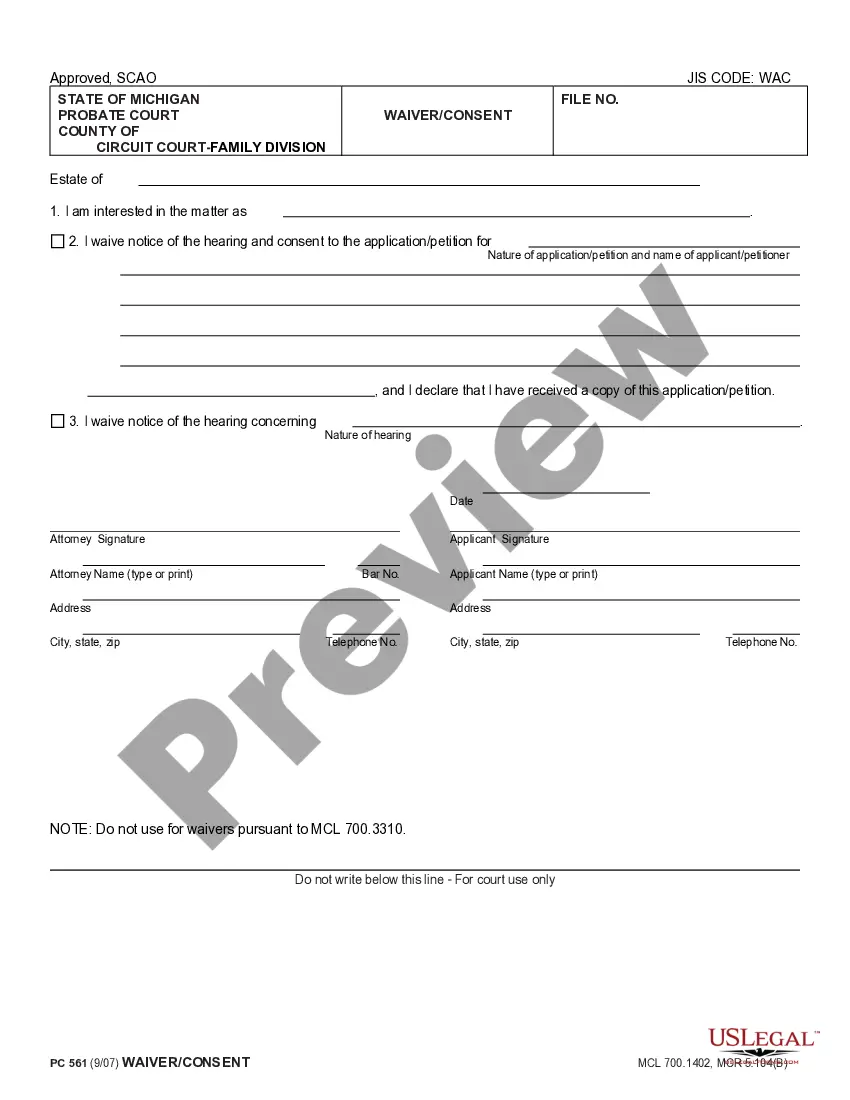
This Waiver - Consent is an official document from the Michigan State Court Administration Office, and it complies with all applicable state and Federal codes and statutes. USLF updates all state and Federal forms as is required by state and Federal statutes and law.
Michigan Waiver Consent
Instant download
This website is not affiliated with any governmental entity
Public form
Description
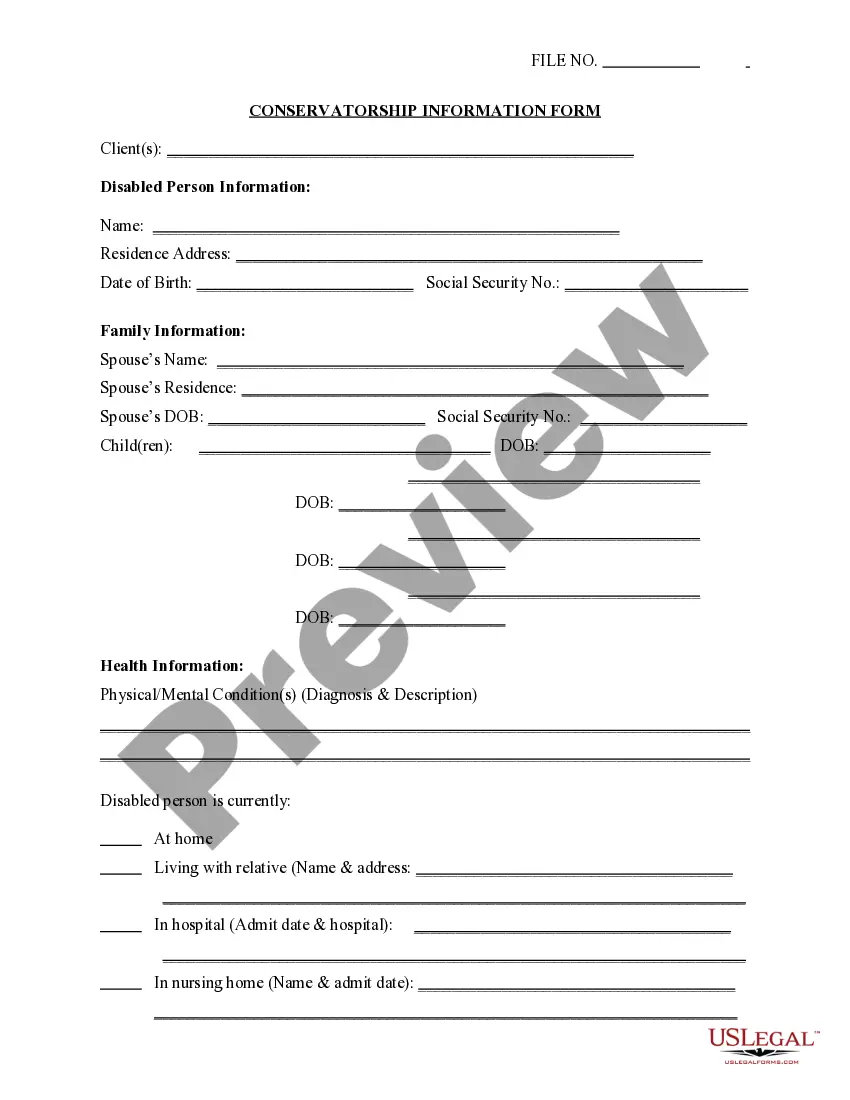
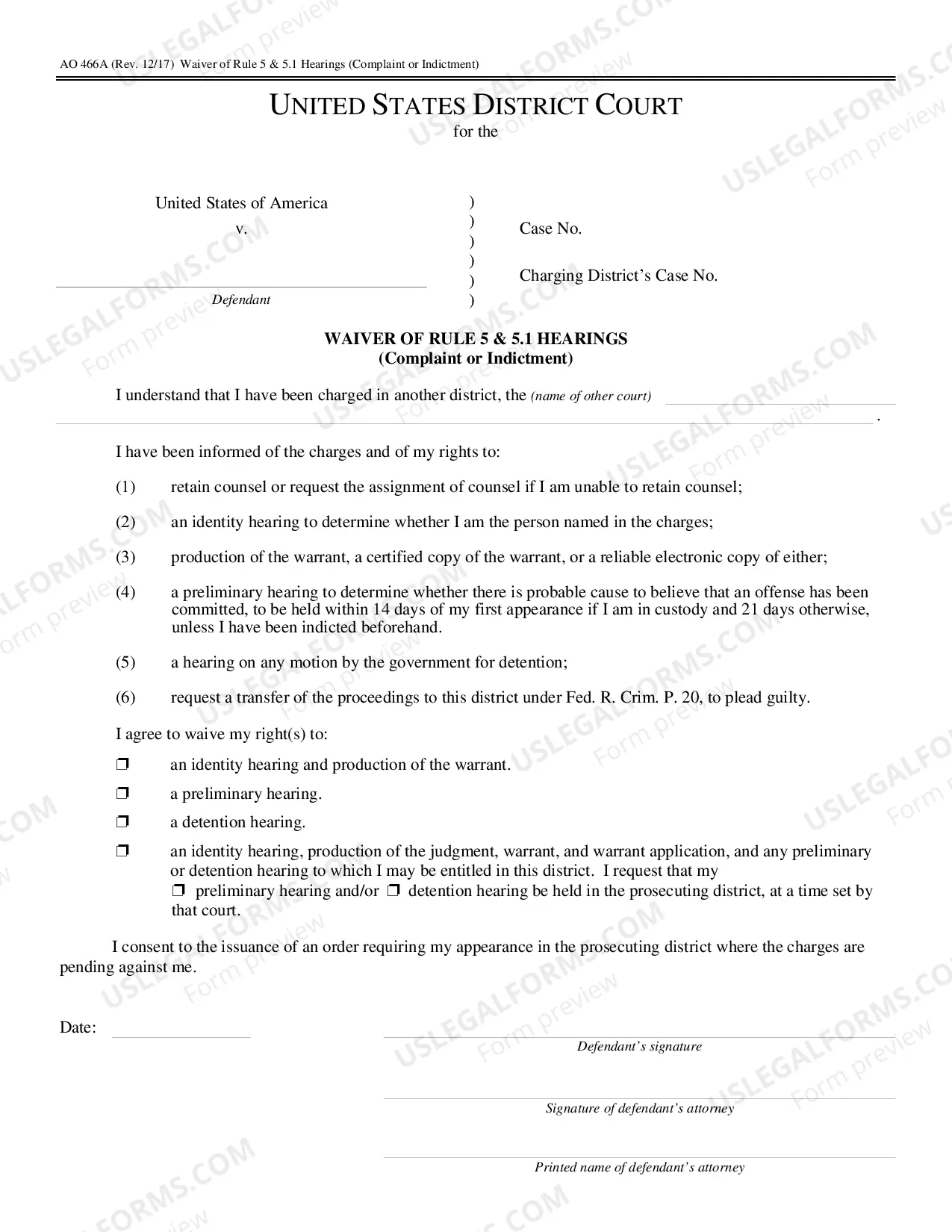
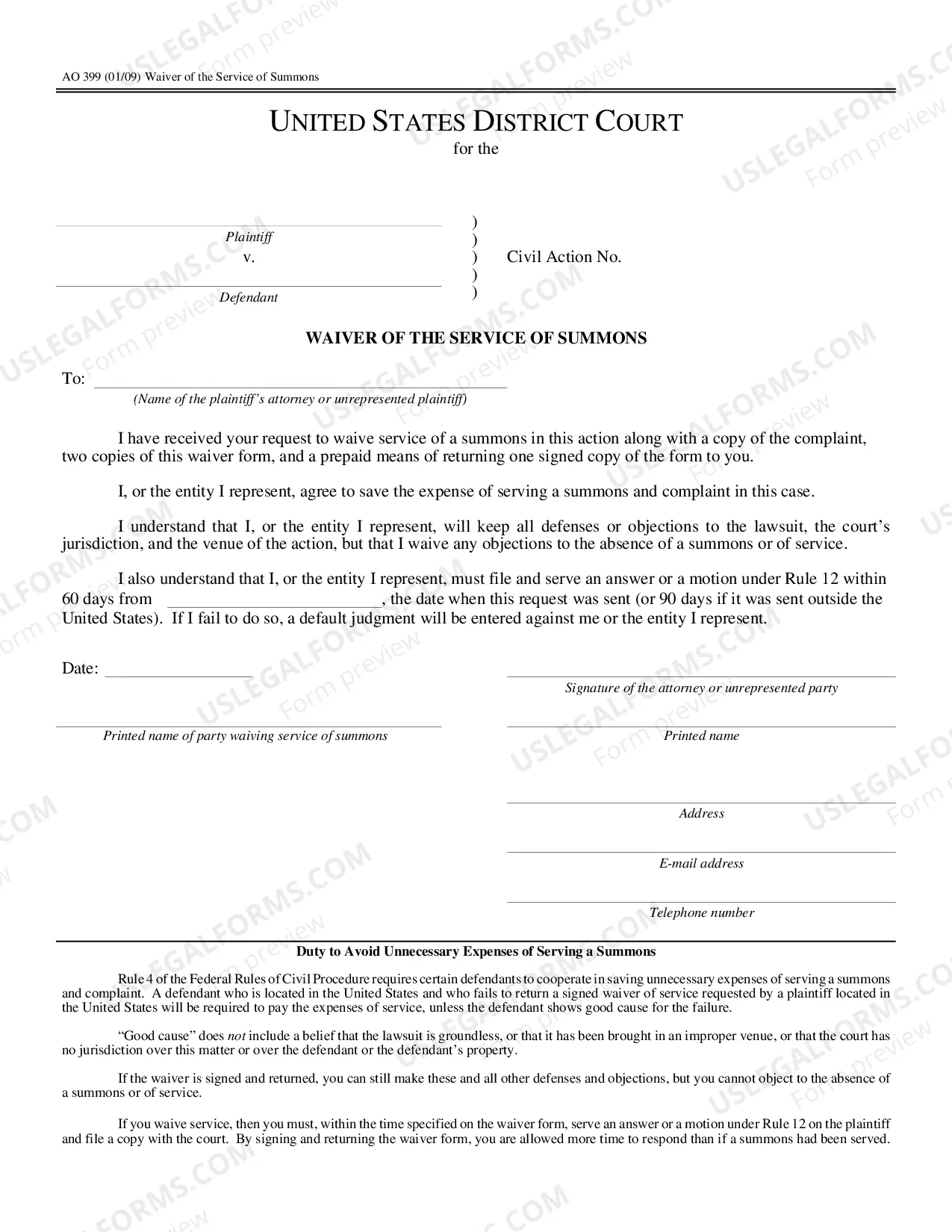
Get your form ready online
Our built-in tools help you complete, sign, share, and store your documents in one place.
Built-in online Word editor
Make edits, fill in missing information, and update formatting in US Legal Forms—just like you would in MS Word.
Export easily
Download a copy, print it, send it by email, or mail it via USPS—whatever works best for your next step.
E-sign your document
Sign and collect signatures with our SignNow integration. Send to multiple recipients, set reminders, and more. Go Premium to unlock E-Sign.
Notarize online 24/7
If this form requires notarization, complete it online through a secure video call—no need to meet a notary in person or wait for an appointment.
Store your document securely
We protect your documents and personal data by following strict security and privacy standards.

Make edits, fill in missing information, and update formatting in US Legal Forms—just like you would in MS Word.

Download a copy, print it, send it by email, or mail it via USPS—whatever works best for your next step.

Sign and collect signatures with our SignNow integration. Send to multiple recipients, set reminders, and more. Go Premium to unlock E-Sign.

If this form requires notarization, complete it online through a secure video call—no need to meet a notary in person or wait for an appointment.

We protect your documents and personal data by following strict security and privacy standards.
Looking for another form?
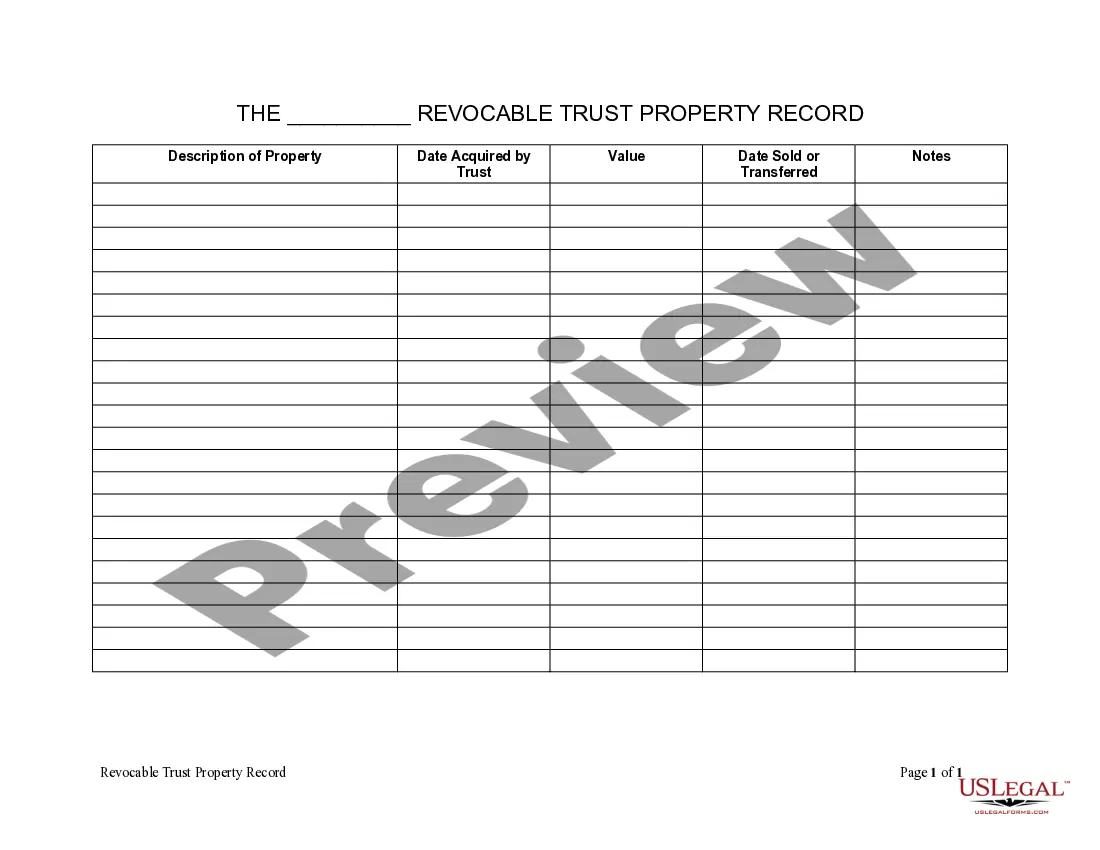
How to fill out Michigan Waiver Consent?
Obtain any type from 85,000 legal records including Michigan Waiver - Consent online with US Legal Forms. Each template is crafted and refreshed by state-authorized lawyers.
If you possess a subscription, Log In. Once you land on the form’s page, click on the Download button and head to My documents to retrieve it.
If you haven't subscribed yet, follow the instructions outlined below: Check the state-specific prerequisites for the Michigan Waiver - Consent you wish to utilize. Browse the description and preview the example. When you are certain the template is what you require, click on Buy Now. Select a subscription plan that genuinely fits your budget. Establish a personal account. Make a payment using one of two convenient methods: by card or through PayPal. Choose a format to download the file in; two options are available (PDF or Word). Retrieve the document to the My documents section. Once your reusable form is prepared, print it out or save it to your device.
- With US Legal Forms, you’ll consistently have instant access to the appropriate downloadable sample.
- The service grants you access to documents and categorizes them to facilitate your search.
- Utilize US Legal Forms to acquire your Michigan Waiver - Consent quickly and effortlessly.
Form popularity
FAQ
Many individuals seek to avoid probate because it can be time-consuming and costly. The probate process involves court supervision, which can delay the distribution of assets to beneficiaries. Additionally, avoiding probate can help maintain privacy, as probate proceedings are public. Utilizing planning tools like Michigan Waiver Consent can help streamline asset transfer and minimize the probate process.
Yes, it is legal to write your own will in Michigan. The state permits individuals to create a valid will without a lawyer, as long as it meets specific legal requirements. It's crucial to ensure that your will is clear and follows Michigan laws to be enforceable. Using resources like Michigan Waiver Consent can help clarify the process if you're also considering how to handle probate later.
A waiver of process consent to probate simplifies the legal process when someone passes away. It allows the executor to bypass certain court notifications and procedures. By signing this document, heirs can consent to the probate process without receiving formal notice. Using Michigan Waiver Consent can streamline the probate process and reduce delays for everyone involved.
The waiver of consent process in Michigan involves formally documenting that an individual understands and agrees to waive specific rights or claims. This process typically includes providing comprehensive information about the implications of the waiver. By utilizing Michigan Waiver Consent, individuals can ensure they follow legal protocols effectively. For guidance and ready-to-use templates, uslegalforms is a valuable resource.
In Michigan, the informed consent law requires that individuals receive clear information about the risks and benefits of a treatment before they agree to it. This law emphasizes the importance of transparency between the service provider and the individual. Under Michigan Waiver Consent, healthcare providers must ensure that patients fully understand what they are consenting to. You can access a variety of resources and templates on uslegalforms to help navigate these requirements.
A waiver relinquishes a right or claim, while a consent form grants permission for an action. In the context of Michigan Waiver Consent, understanding this distinction is essential. Waivers often protect the party requesting it from liability, whereas consent forms establish agreement and understanding about the treatment or procedure. By using our platform, you can find templates for both types of documents to ensure you meet legal standards.
To file a claim against an estate in Michigan, start by gathering relevant documentation that supports your claim. Next, you will submit your claim to the probate court overseeing the estate. Using resources available on USLegalForms can provide you with the necessary forms and guidance, especially when dealing with Michigan Waiver Consent.
Transferring property after death in Michigan usually involves legal documents like wills or deeds. You will typically need to go through probate, which is the court process to validate a will and manage the estate. Utilizing platforms like USLegalForms can help streamline the necessary paperwork for executing Michigan Waiver Consent within this process.
The difference lies in their fundamental purposes. A waiver specifically releases rights or claims, while consent indicates agreement to participate in an activity after understanding its risks. In applying Michigan Waiver Consent, knowing these differences is essential for both parties to protect their interests effectively.
While both documents serve to release liability, a consent form and a waiver are not identical. A consent form primarily acknowledges awareness of a risk, whereas a waiver actively surrenders a legal claim. When dealing with Michigan Waiver Consent, it is important to recognize the distinctions to ensure proper legal protection.